Best remote fly-in fishing lakes in northern BC
The thought of chasing fish in untouched waters, far from the road noise and crowded shores, is a dream for many anglers. But figuring out which remote, fly-in lakes in British Columbia actually deliver on that promise, and how to even begin planning such an adventure, can feel like an overwhelming task. This guide is here to shed light on those pristine, hard-to-reach fishing havens in northern BC, detailing what makes them special, what you can expect, and how to make that wilderness fishing trip a reality.
The Allure of Northern BC's Fly-In Lakes
There’s a certain magic to getting away from it all, especially when it involves a float plane delivering you to a shimmering lake surrounded by nothing but wilderness. Northern British Columbia offers some of the most spectacular, unspoiled angling experiences on the planet, a true escape into the wild.
Why Go Remote for Fishing?
The primary draw of remote fly-in fishing is access to incredible, often trophy-sized fish that see minimal pressure. Think about it: no easy road access means fewer anglers, which in turn means healthier, larger fish populations that are less wary. It’s not just about the size of the fish, though. It’s the entire experience. The absolute quiet, save for the call of a loon or the splash of a rising trout, is a soul-soothing antidote to modern life. You’re immersed in a natural environment where the rhythm of the day is dictated by the sun, the wind, and the fish. It’s an adventure, a challenge, and a profound connection to the wild that you just can't get from roadside lakes. You might find yourself in BC Catch and Release Only Waters, emphasizing conservation.
What Makes Northern BC Unique?
Northern British Columbia is a vast, wild expanse, a land of towering mountains, dense boreal forests, and countless lakes and rivers. This isn't your typical day trip to a local pond. The sheer scale of the landscape and its untouched nature provide an unparalleled backdrop for fishing. Here, you'll find a mosaic of ecosystems supporting diverse fish species, from the renowned wild steelhead rivers to the interior lakes teeming with large trout. The cold, clear waters are often glacier-fed, providing optimal conditions for robust fish growth. Moreover, the sense of isolation is profound. When you're dropped off at a remote cabin or camp, often the only way in or out is by air, truly separating you from civilization and amplifying the wilderness experience. The remoteness also means you're often fishing waters that have remained relatively unchanged for centuries, a true privilege for any angler.
Top Remote Fly-In Destinations and Their Specialties
Northern BC is a huge area, and while I can't name every single remote lake, I can certainly highlight the types of incredible fishing experiences you can expect. These regions are known for specific species, each offering a unique challenge and reward.
Targeting Trophy Trout: Rainbows, Bulls, and Lake Trout
Many of Northern BC's remote lakes are renowned for their exceptional trout fishing. These aren't your average stocked hatchery fish; these are powerful, wild specimens that have thrived in nutrient-rich, unpressured environments.
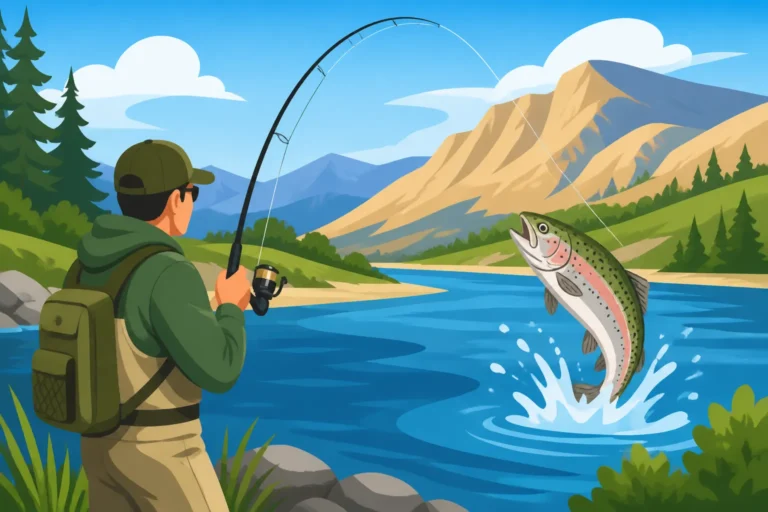
- Rainbow Trout: In many high-elevation lakes and those connected to productive river systems, you’ll find vibrant, hard-fighting rainbow trout. These fish often feed voraciously on insect hatches, small baitfish, or even rodents that fall into the water, leading to impressive size. Lakes in the Spatsizi Plateau Wilderness Park, for example, are legendary for their large, acrobatic rainbows, often reaching several pounds, with some even pushing into double digits. Fly anglers will find incredible dry fly and nymphing opportunities, while those casting spinners or small spoons can also have great success. Understanding How to Catch Rainbow Trout in BC Lakes is key to maximizing your success.
- Bull Trout: These predatory char are absolute beasts, known for their aggressive strikes and powerful fights. They inhabit many of the larger, deeper lakes and connected river systems, often targeting smaller fish like kokanee, whitefish, or even other trout. Lakes in the Omineca and Skeena regions offer fantastic opportunities for bull trout, where fish exceeding 10 pounds are not uncommon. Targeting them usually involves larger streamers, spoons, or even live bait where permitted. They are incredibly strong and provide an unforgettable battle. Learning about Bull Trout in BC's Interior Rivers will give you a tactical advantage.
- Lake Trout: The ultimate deep-water predator, lake trout, or "lakers," are a true test of an angler's patience and skill. These long-lived fish can grow to immense sizes in the deep, cold waters of northern BC's larger lakes. Williston Lake and Babine Lake, for instance, are known for producing trophy lake trout that can weigh well over 20 pounds, with some truly ancient giants lurking in the depths. Trolling large spoons, crankbaits, or jigging heavy plastics in deep water are common methods. When you hook into a truly big laker, you'll know it – they fight with incredible power and endurance.
Salmon and Arctic Grayling Adventures
While many think of coastal rivers for salmon, some remote northern BC lakes and their tributary rivers offer unique opportunities, as do the pristine headwaters for the elegant Arctic Grayling.
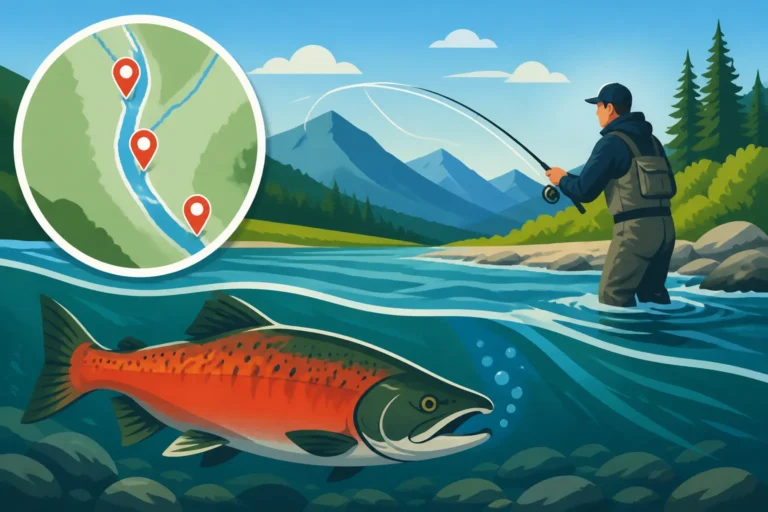
- Remote Salmon Headwaters: While not as common in the lakes themselves, many remote lake systems in northern BC are the headwaters or part of river systems that see runs of Pacific salmon, particularly sockeye, coho, and Chinook. For example, some incredibly remote camps on tributaries of the Skeena River system might be fly-in only and offer phenomenal opportunities to intercept salmon on their migration. This is an entirely different experience than coastal salmon fishing, often involving clearer water and more intimate encounters with these powerful fish. Always check BC Fishery Notices and In-Season Closures, Explained as salmon regulations can be highly dynamic and area-specific.
- Arctic Grayling: For something truly special, the remote rivers and lakes of northern BC, particularly those in the Peace River region and further north, offer fantastic opportunities for Arctic grayling. These stunning fish, with their sail-like dorsal fins and iridescent colors, are often found in pristine, clear-water streams and shallow lake areas. They are avid insect eaters and provide fantastic dry fly fishing, making them a favorite among fly anglers. While not reaching the massive sizes of trout or salmon, their beauty, willingness to rise to a fly, and the incredible wilderness settings they inhabit make them a prized catch. Understanding Arctic Grayling in Northern BC Rivers will help you find these magnificent fish.
Here's a quick overview of what you might target:
| Species | Preferred Habitat | Typical Size Range | Common Lures/Flies | Unique Characteristic |
|---|---|---|---|---|
| Rainbow Trout | Clear, cold lakes; river inlets/outlets | 2-10+ lbs | Dry flies, nymphs, small spinners, spoons | Acrobatic fighters; vibrant colors |
| Bull Trout | Deep, cold lakes; large river pools | 5-15+ lbs | Large streamers, spoons, soft plastics | Aggressive predators; powerful runs |
| Lake Trout | Deep, cold basins of large lakes | 5-20+ lbs (trophy sizes) | Deep-diving crankbaits, heavy jigs, large spoons | Long-lived, slow-growing giants; deep-water specialists |
| Pacific Salmon | River systems, tributary mouths | Varies by species | Roe, large spoons, flies, spinners | Migratory, incredibly strong; strict regulations apply |
| Arctic Grayling | Clear, shallow rivers & lake margins | 1-3 lbs | Dry flies, small nymphs, tiny spinners | Distinctive sail-like dorsal fin; eager surface feeders |
Planning Your Fly-In Fishing Expedition
Embarking on a remote fly-in trip isn't like driving to your local lake. It requires careful planning, selecting the right partners, and being prepared for true wilderness conditions.
Choosing an Outfitter and Aircraft
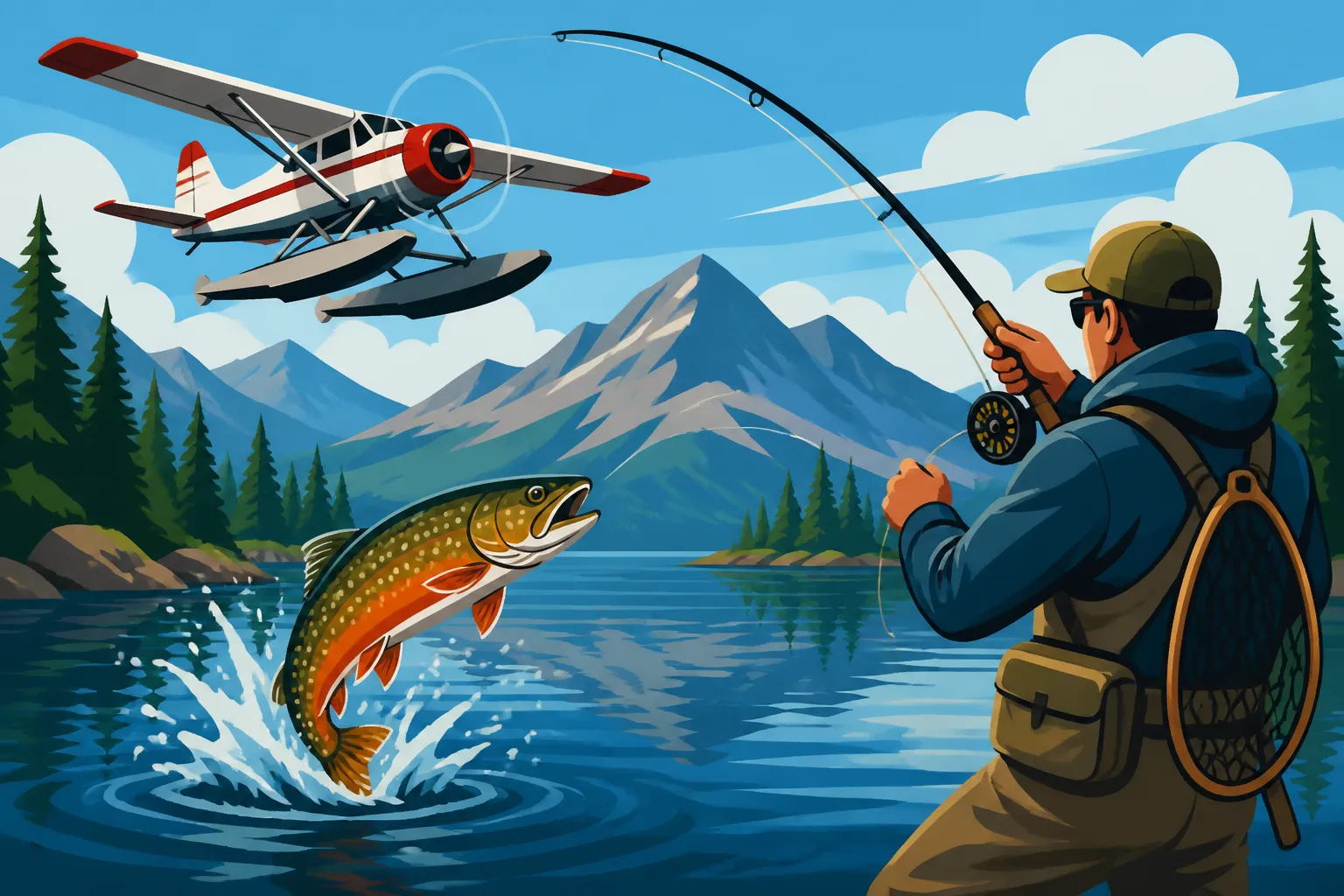
Your outfitter is your lifeline in remote northern BC. They provide the air transport, often the accommodation (from rustic cabins to more comfortable lodges), and invaluable local knowledge. This isn't a decision to take lightly. Look for outfitters with a long-standing reputation, excellent safety records, and positive angler reviews. Many operate out of hubs like Prince George, Smithers, or Fort St. James. They typically use float planes (like De Havilland Beavers or Otters) for lake access, or sometimes wheel planes if there's a remote airstrip.
When researching, ask about:
- Inclusivity: What's included in the package? Airfare from the base, cabin, boats, motors, fuel, guide services, meals?
- Aircraft Type & Safety: Ensure they operate well-maintained, appropriate aircraft and adhere to all Transport Canada safety regulations.
- Experience & Guides: If you're hiring a guide, inquire about their experience on the specific waters you'll be fishing.
- Flexibility: What's their policy on weather delays? Remote flying is highly weather-dependent.
- Conservation Ethic: A good outfitter will prioritize the health of the fishery and local ecosystem.
Services like FishingBooker can be a great starting point to explore various guided options and read reviews from other anglers who have experienced these types of trips. They can help you filter for Best Fishing Charters in British Columbia that specifically offer fly-in options in the northern regions. Remember to confirm the specific arrangements directly with the outfitter.
Essential Gear and Preparations
Packing for a fly-in trip is crucial, as you can't just pop to the store if you forget something. Space and weight are often limited on bush planes, so pack smart and efficiently.
- Fishing Gear: Bring versatile rods and reels suitable for the target species. For trout, medium-light to medium-heavy spinning or baitcasting setups are ideal, capable of handling 8-12 lb test line. If fly fishing, a 6-8 weight rod is usually a good all-around choice. Pack a variety of lures, flies, and terminal tackle, including extra line, leaders, and tools. Don't forget a landing net.
- Clothing: Layering is key in BC's diverse climate. Even in summer, evenings can be chilly. Pack waterproof outer layers, warm base layers (wool or synthetics), and comfortable hiking or camp clothes. Waders are essential if you plan to wade rivers or shoreline.
- Safety & Navigation: A personal first-aid kit, satellite communication device (SPOT or inReach) for emergencies, headlamp, fire-starting kit, and bear spray are non-negotiable. While your outfitter will have safety gear, personal preparedness is paramount.
- Food & Water: If you're on a self-guided trip, plan your meals meticulously. Consider dehydrated options to save weight. Bring a water filter or purification tablets. If guided, confirm what meals and drinks are provided.
- Miscellaneous: Sunscreen, insect repellent (a strong one!), sunglasses, camera, binoculars for wildlife viewing, and a good book for quiet evenings.
Before you go, ensure your British Columbia Fishing License Guide for 2026 is in order. You'll need the appropriate freshwater or tidal (if applicable to a river system you're accessing) license, and potentially specific conservation stamps depending on what you plan to target. Double-check the BC Fishing Regulations Explained for your specific area, as special regulations often apply to remote, sensitive fisheries.
Navigating Regulations and Conservation
Fishing in remote areas comes with a great responsibility. These pristine ecosystems are fragile, and respecting regulations and practicing conservation are paramount to ensuring these fisheries remain viable for future generations.
- Understand Bag and Possession Limits: These can vary significantly by species, region, and even specific lake or river. Always consult the most current BC Freshwater Fishing Regulations Synopsis or DFO (Department of Fisheries and Oceans) regulations for tidal waters. Pay close attention to retention rules for species like BC Kokanee Retention Rules or salmon.
- Catch and Release Practices: Many remote fisheries thrive because of strong catch-and-release ethics. Learn how to properly handle fish to maximize their survival, especially for sensitive species like wild steelhead or large bull trout. Minimize their time out of water, use wet hands, and release them gently.
- Leave No Trace: Pack out everything you pack in. This includes all garbage, fishing line, and even organic waste. Use designated outhouses or practice proper human waste disposal. Minimize your impact on vegetation and wildlife. This commitment helps preserve the wilderness for everyone.
- Wildlife Encounters: Be bear aware! Store food properly, carry bear spray, and know how to react in a wildlife encounter. You are in their home, after all.
Experiencing the Wilderness Beyond the Catch
A fly-in fishing trip to northern BC is about so much more than just the fish you catch. It's an immersive wilderness experience that touches your soul and leaves you with memories that last a lifetime.
Wildlife Encounters and Pristine Landscapes
Imagine waking up to the mist rising off a calm lake, the only sounds being the chattering of squirrels and the distant call of a loon. As you cast your line, you might spot a majestic bald eagle soaring overhead, a curious moose wading in the shallows, or even a bear foraging on berries along the distant shore. Northern BC is teeming with wildlife, and being in such remote locations offers incredible opportunities for respectful observation. The landscapes themselves are breathtaking – ancient forests, jagged mountain peaks, and crystal-clear waters reflecting the vast sky. It’s a photographer's paradise and a nature lover's dream, providing a sense of awe and wonder with every turn.
The Importance of Leave No Trace Principles
When you’re fortunate enough to visit these untouched corners of the world, it’s imperative to leave them exactly as you found them, or even better. Practicing "Leave No Trace" principles isn't just a suggestion; it's a vital part of responsible wilderness recreation, especially in delicate ecosystems accessible only by air. This means minimizing your impact by staying on existing trails, packing out all garbage (including micro-trash like bits of fishing line), and being mindful of your campfire use. When you respect the land, you're not just protecting it for the next angler; you're contributing to the long-term health and wildness of British Columbia's incredible natural heritage. It's a commitment to ensuring that these special places, with their incredible fishing and awe-inspiring beauty, remain pristine for generations to come.
Venturing into the remote fly-in fishing lakes of northern BC is an experience unlike any other. It’s a chance to challenge your angling skills against wild, powerful fish, while simultaneously immersing yourself in one of the most magnificent and unspoiled wilderness areas on Earth. The planning might be more involved, and the journey more rugged, but the rewards – unforgettable catches, profound tranquility, and stunning natural beauty – are truly priceless.
Disclaimer
The information provided in this guide is for general informational purposes only. Fishing regulations in British Columbia are subject to change, and it is the angler's responsibility to consult the most current official regulations from the BC Freshwater Fishing Regulations Synopsis and the Department of Fisheries and Oceans (DFO) for tidal waters before heading out. Always prioritize safety and environmental stewardship.