Best steelhead runs on the Dean River
For any passionate steelheader, the very mention of the Dean River conjures images of chrome-bright, incredibly powerful wild fish. It’s a place that frustrates many with its remote location and challenging conditions, yet rewards a persistent few with truly unforgettable experiences. This guide is dedicated to demystifying the famed steelhead runs on the Dean River, offering a realistic look at what it takes to pursue these legendary fish.
Understanding the Dean River Steelhead Mystique
The Dean River isn't just another fishing destination; it's an institution, a bucket-list river for many dedicated anglers. Its mystique is deeply rooted in the extraordinary qualities of its wild steelhead and the remote, pristine wilderness they call home. When you talk about the Dean, you're not just talking about fishing; you're talking about an encounter with nature at its most raw and exhilarating.
Why the Dean River is So Legendary
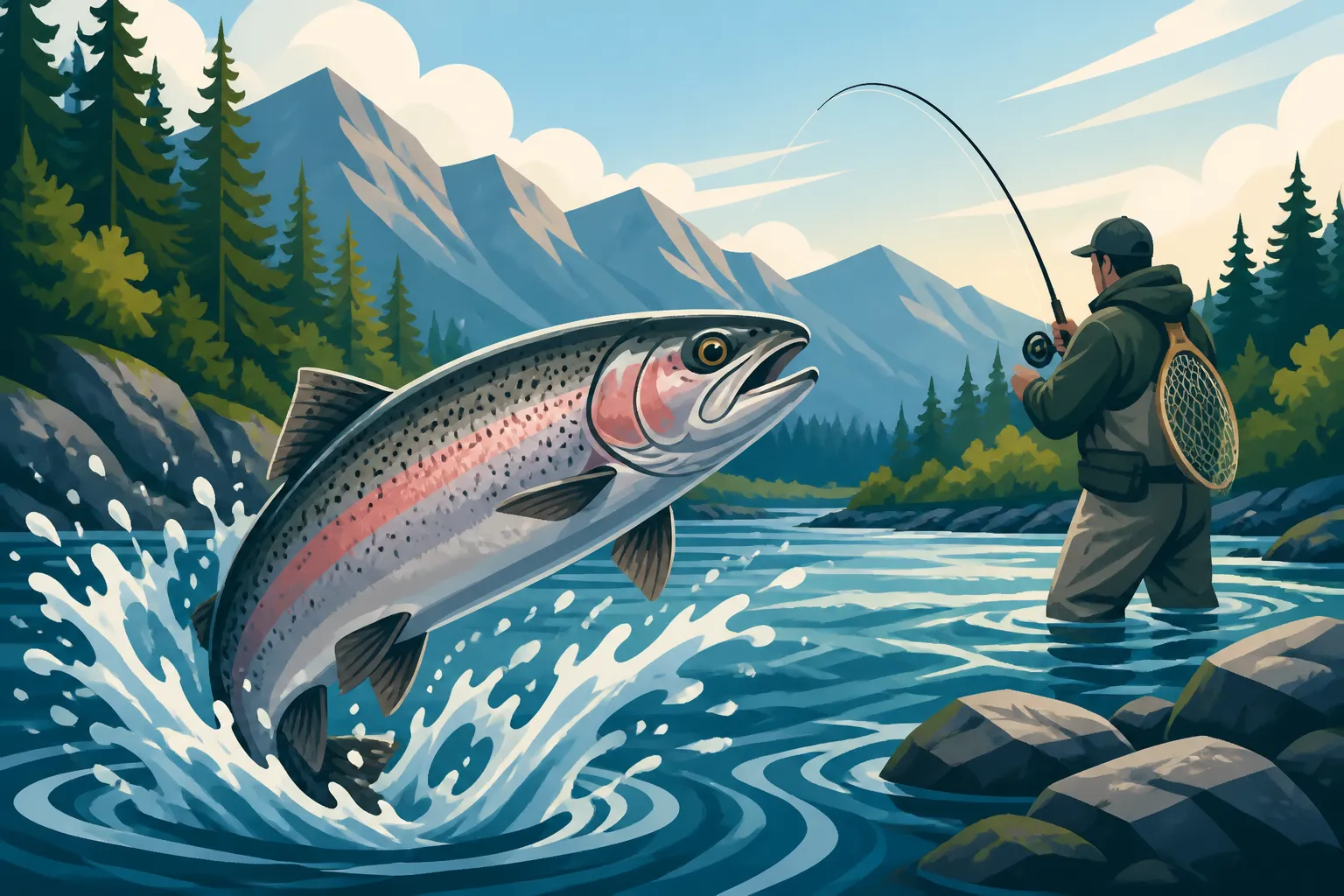
What makes the Dean so special? It boils down to a few key factors that coalesce into a truly unique angling experience. Firstly, this river is exclusively home to wild, native steelhead. There are no hatchery fish here, which means every fish you encounter has fought its way from its natal gravel, out to the Pacific, and back again, honing an incredible will to survive and an unmatched fighting prowess. These aren't just fish; they're magnificent, chrome-plated athletes. Their sheer size and strength are legendary, with many fish pushing well into the teens and even twenty-pound range. Hooking one is akin to tethering yourself to a runaway freight train, often resulting in spectacular aerial displays and blistering runs that will test your tackle and your resolve.
Secondly, the Dean River flows through an ancient, unspoiled wilderness in British Columbia, far from roads and major settlements. This remoteness contributes to its legendary status, offering an escape into a truly wild landscape where grizzlies roam the banks and eagles soar overhead. It's a place where the journey is as much a part of the adventure as the fishing itself, demanding respect for its untamed beauty and powerful currents. The challenge of reaching and fishing the Dean is part of its allure; it filters out the casual angler, leaving those who are truly dedicated to the pursuit of these magnificent fish in their pristine environment.
The Unique Characteristics of Dean River Steelhead
Dean River steelhead are often considered the pinnacle of anadromous trout for a reason. Their incredible fighting ability is perhaps their most defining characteristic. These fish are renowned for their raw power, explosive runs, and acrobatic jumps. They are incredibly hot, often taking to the air repeatedly and stripping line off your reel at an astonishing speed. Many anglers describe hooking a Dean River steelhead as an almost spiritual experience due to the intensity of the fight. It’s not uncommon to hear stories of anglers being completely spooled or even having their rods snapped by these powerful adversaries.
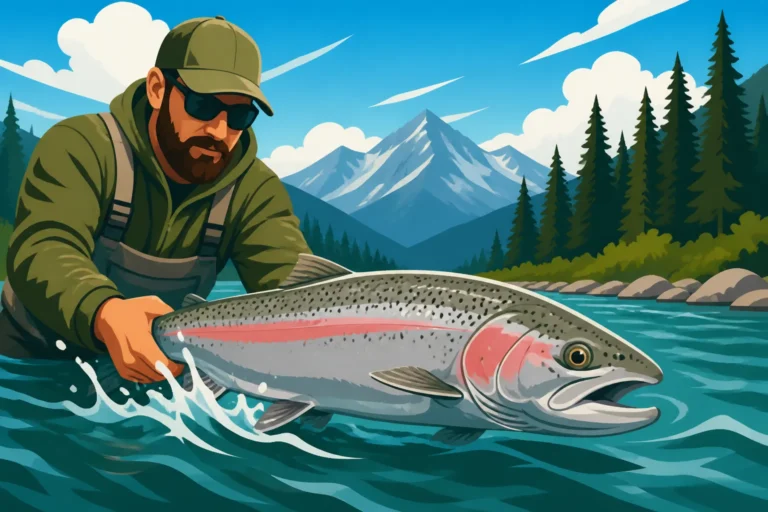
Beyond their fighting spirit, Dean River steelhead are celebrated for their dazzling appearance. They arrive from the ocean in prime condition, gleaming with a vibrant chrome finish that speaks to their recent saltwater residency. This metallic sheen is a hallmark of truly wild, ocean-bright fish, and it fades quickly in other river systems. Here, they retain that brilliance, making every landed fish a breathtaking sight. Furthermore, the genetic purity of these fish contributes to their unique characteristics. They are a distinct stock that has evolved over millennia in this specific watershed, resulting in a robust, resilient population perfectly adapted to their environment. Their long journey from the Pacific Ocean, often hundreds of kilometers upstream, demands immense stamina and contributes to their lean, muscular physique, solidifying their reputation as one of the hardest-fighting fish on the planet. For more on these incredible fish, explore Steelhead Fishing in BC.
Prime Seasons and Peak Runs on the Dean River
Understanding the ebb and flow of the steelhead runs is paramount to planning a successful trip to the Dean River. While the river boasts two distinct periods of opportunity, the summer run is undoubtedly the one that has captured the hearts and imaginations of anglers worldwide. Each season offers a unique challenge and reward, influenced by water conditions, insect hatches, and the fish's migratory patterns.
The Famed Summer Steelhead Run
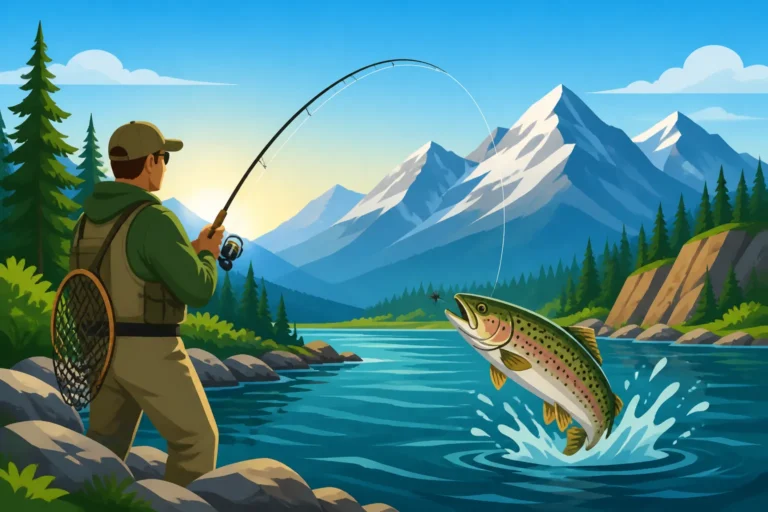
The legendary summer steelhead run on the Dean River typically kicks off in late June and continues strongly through July, often stretching into early September. This is the period most anglers dream of, primarily because it offers the exhilarating possibility of catching steelhead on a dry fly. Imagine a powerful, chrome-bright steelhead erupting from the clear, cool waters to aggressively take a floating fly – it's a sight that's burned into the memory of anyone lucky enough to witness it.
During these months, water levels are usually lower and clearer, and temperatures are ideal. The fish are fresh from the ocean, incredibly aggressive, and willing to move significant distances for a properly presented fly. While dry fly opportunities are a major draw, traditional spey fishing with various wet flies and leeches is also incredibly effective. Anglers often focus on runs, riffles, and seams where steelhead hold before continuing their upstream migration. The key to success during the summer run is often stealth, precise presentation, and being prepared for explosive takes. For insights into suitable patterns, consider Fly Patterns for BC Steelhead Rivers. This run is what cemented the Dean's place among the Best Steelhead Rivers in BC.
Fall Steelhead Opportunities
As the vibrant summer sun begins to wane and the air takes on a crisp edge, the Dean River transitions into its fall steelhead season, typically from mid-September through October. While perhaps less celebrated than the summer dry-fly spectacle, the fall can offer some exceptional fishing for anglers willing to adapt their tactics. During this period, water levels might begin to rise due with autumnal rains, and temperatures start to cool. The fish that have been in the river since summer might be more acclimated, but new waves of steelhead continue to enter the system, often larger in average size as they’ve had more time to feed in the ocean.
Fall fishing often means changing up your approach from the lighter summer setups. Deeper, slower presentations become more effective as fish may hold in different parts of the river. Heavier sink tips, larger intruder patterns, and robust streamers are commonly employed to get flies down to holding fish in often-swifter or deeper currents. While dry fly action can still occur on warmer, sunny days, it's generally less consistent than in summer. The fall offers a different kind of beauty, with vibrant foliage lining the banks and a sense of quiet solitude settling over the river. It’s a time for dedicated swing fishermen who appreciate the powerful tug of a large, mature steelhead. Always check BC Fishery Notices and In-Season Closures, Explained before planning a fall trip, as conditions and regulations can shift quickly.
Key Fishing Zones and Access Considerations
The Dean River, by its very nature, is not an easily accessible destination. Its charm lies in its remoteness, which also dictates the various fishing zones and the logistical challenges involved. Understanding these zones and access points is crucial for planning any trip, whether you dream of a luxurious lodge experience or a rugged DIY adventure.
Upper Dean River: Wilderness and Walk-in Access
The upper reaches of the Dean River are synonymous with true wilderness angling. This section, far upstream from the tidal influence, is almost exclusively accessed by air. Most anglers fly into remote lodges or cabins, typically via floatplane or helicopter from Bella Coola or other coastal hubs. This fly-in access ensures minimal pressure and preserves the pristine nature of the fishery.
Operating here are world-renowned lodges like Dean River Lodge or outfitters such as Denali Guide and Outfitter, which have exclusive tenure agreements for specific sections of the river. These operations offer an all-inclusive experience, from bush plane flights to expert guides, gourmet meals, and comfortable accommodations. Anglers spend their days wading and walking designated beats, often having vast stretches of river to themselves. This section of the Dean is where the classic dry fly steelhead action is most consistently found, especially during the summer run, thanks to its generally clear waters and abundant insect life. The sheer effort and cost involved in accessing the upper Dean contribute to its exclusive feel, making it a truly once-in-a-lifetime destination for many. When considering these lodges, you can often find information or even booking options on platforms like FishingBooker, which sometimes lists specialized guide services. For any trip, a valid British Columbia Fishing License Guide for 2026 is your first step.
Lower Dean River: Accessibility and Challenges
While still remote by most standards, the lower Dean River offers slightly more varied access compared to its upper reaches, though it comes with its own set of unique challenges. The lower river generally refers to the sections closer to the mouth, where the Dean empties into Dean Channel, a long fjord that connects to the Pacific Ocean. While some limited road access might be available further down Dean Channel, actual river access points are still incredibly difficult to reach without significant planning or specialized transport. Some anglers might consider arranging boat charters from Bella Coola to access the estuary or lower tidal sections, but navigating the swift currents and tidal influences of the Dean itself requires highly experienced guides and appropriate vessels.
For the adventurous DIY angler, contemplating a trip to the lower Dean demands meticulous planning. You'll need to research wilderness permits, understand complex logistics for food and gear transport, and be entirely self-sufficient in a very wild environment. This is not a trip for the inexperienced. Furthermore, understanding the nuances of BC Freshwater vs Tidal Waters License, Explained is crucial, as the lower river can fall under different regulations depending on where you fish. Anglers often face dense bush, limited trails, and the constant presence of wildlife, including bears. While potentially offering a more budget-friendly option than a full-service lodge, the lower Dean requires a significant investment in time, preparation, and self-reliance. It's a testament to the tenacity of steelhead anglers that some still undertake these arduous journeys for a chance at these magnificent fish. Always consult BC Fishing Regulations Explained before venturing out.
Essential Gear and Techniques for Dean River Steelhead
Successfully pursuing Dean River steelhead requires more than just a sense of adventure; it demands the right gear and a mastery of specific techniques tailored to these powerful, wild fish. The challenging environment and the fish's legendary fighting spirit mean your equipment needs to be robust, reliable, and perfectly suited to the task at hand.
Fly Fishing Setups for Dean Steelhead
The Dean River is predominantly a fly-fishing destination, and while different approaches can be successful, the two-handed Spey rod reigns supreme, especially for swinging flies. Anglers typically opt for 12 to 14-foot Spey rods in 7 to 9-weight configurations. The longer length allows for effortless casting of heavy lines and large flies, crucial for covering vast stretches of water and managing line in complex currents. Paired with these rods, modern shooting heads like Skagit or Scandi lines are essential. Skagit lines excel at turning over heavy tips and large flies, perfect for deep presentations, while Scandi lines offer more delicate presentations for shallower water or smaller patterns. You'll want a variety of interchangeable tips (e.g., T-11, T-14, T-17) to adjust to different water depths and current speeds.
For the fabled dry fly opportunities, a single-hand rod (often a 9-10 foot, 8-weight) can be incredibly exciting, particularly during the summer run when fish are more likely to rise. A floating line with a strong leader is key here. Fly patterns vary, but for swinging, expect to use a range of Intruders, tube flies, and classic Spey flies in various colors and sizes. When it comes to dry flies, large Bombers, Wakers, and skater patterns that push water are often highly effective in enticing a Dean River steelhead to the surface. It’s also wise to have a selection of leeches and traditional steelhead patterns for when conditions dictate. For more in-depth knowledge on How to Catch Steelhead in BC, understanding these specialized setups is a crucial first step.
Responsible Angling Practices
Fishing the Dean River isn't just about catching fish; it's about preserving a precious, wild resource for future generations. Responsible angling practices are not merely recommended; they are an absolute necessity on a river that hosts such an iconic and vulnerable wild steelhead population. The core philosophy here is strict catch and release. Every steelhead caught on the Dean River is a wild fish, and ensuring its healthy return to the river to spawn is paramount.
This means employing barbless hooks without exception. Barbless hooks minimize tissue damage and allow for quicker, easier release of the fish. When handling a steelhead, aim to keep it in the water as much as possible. If a photograph is desired, lift the fish minimally and quickly, ensuring your hands are wet to protect its delicate slime coat. Avoid squeezing the fish or dragging it onto gravel or rocks. Use a strong tippet to land fish quickly, reducing the duration of the fight and the stress on the fish. Being mindful of where and how you wade, especially in spawning areas, is also critical. Always ensure you have the correct BC Steelhead Conservation Surcharge Stamp when purchasing your license, as these funds directly support vital conservation efforts. The future of this incredible fishery depends on every angler's commitment to these responsible practices. For those exploring more about the topic, understanding BC Catch and Release Only Waters principles is highly beneficial.
| Characteristic | Summer Steelhead Run (Late June – Early Sept) | Fall Steelhead Run (Mid-Sept – Oct) |
|---|---|---|
| Primary Attraction | Dry fly fishing, aggressive surface takes | Potentially larger fish, swinging flies, changing conditions |
| Water Conditions | Generally lower, clearer, warmer | Higher flows possible, cooler temperatures, potentially more colored water |
| Typical Techniques | Dry flies, classic Spey flies, lighter sink tips | Heavier sink tips, intruders, tube flies, larger patterns |
| Fish Aggression | Very aggressive, fresh from the ocean | Can be aggressive, new fish entering, resident fish acclimated |
| Access Difficulty | Still remote, mainly fly-in lodge access | Similar remote access, potentially more challenging weather |
| Gear Focus | 7-8 wt single-hand & 7-8 wt Spey rods | 8-9 wt Spey rods, robust reels |
Disclaimer
Please note that fishing regulations in British Columbia can change frequently. Always consult the official BC Freshwater Fishing Synopsis or the Department of Fisheries and Oceans (DFO) website for the most current rules and regulations before planning any fishing trip. This guide is for informational purposes only and does not supersede official government regulations.