Chilliwack River Fishing Spots
Navigating the Chilliwack River, often affectionately called the Vedder River by locals, can be an exciting but sometimes overwhelming experience for anglers. Its reputation for strong salmon and steelhead runs attracts countless enthusiasts, yet finding those prime spots, understanding the seasonal nuances, and staying abreast of the ever-changing regulations can feel like a full-time job. This comprehensive guide is designed to cut through the confusion, offering a detailed breakdown of the best Chilliwack River fishing spots, what to expect, and how to maximize your chances of a successful and memorable day on the water.
Welcome to the Chilliwack River: An Overview
The Chilliwack/Vedder River system is a true gem in British Columbia's Lower Mainland, drawing anglers from across the province and beyond. Its accessibility, combined with consistent returns of Pacific salmon and robust steelhead populations, makes it an undeniable hotspot. However, its popularity also means it sees significant fishing pressure, which is why understanding its geography and the patterns of its fish is crucial for any angler hoping for success.
A River with Two Names: Chilliwack and Vedder
You'll hear it called both the Chilliwack River and the Vedder River, and sometimes even the Chilliwack-Vedder system. This isn't just local quirkiness; it actually reflects its history and geography. Upstream of the Vedder Crossing Bridge, it's officially known as the Chilliwack River. Below this bridge, as it flows through the Fraser Valley floodplains and into the Fraser River, it becomes the Vedder River, largely due to the Vedder Canal that was constructed for flood control. For most anglers, the entire fishable stretch is simply "the Vedder," but knowing the distinction can be helpful when looking at maps or regulatory documents. This dual identity is a testament to the river's rich history and its importance to the surrounding communities, both as a natural resource and a recreational haven.
Target Species and Their Runs
The Chilliwack River is renowned for its incredible diversity of anadromous fish species. When you cast a line here, you could be targeting several different types of fish depending on the season, making it a year-round destination for dedicated anglers. Annually, the river sees strong returns of Chinook, Coho, Chum, and Pink salmon, along with a highly prized run of winter steelhead. Sockeye salmon, while present in the Fraser River, are typically not a target species in the Chilliwack/Vedder system due to conservation concerns and regulations. Each species has its preferred holding water, migration timing, and fight, offering a varied experience for anglers. Understanding these distinct runs is key to planning your trip and selecting the right tackle and techniques.
The Challenge of Popularity and Pressure
There's no sugar-coating it: the Chilliwack River is popular, and that means fishing pressure. Especially during peak salmon and steelhead runs, you can expect to see many other anglers on the riverbanks. This popularity stems from its easy access and prolific fisheries, but it also brings challenges. Being courteous, respectful of others' space, and understanding of local etiquette is paramount. Sometimes, finding an open spot can require a bit of hiking or arriving early, particularly on weekends. The fish, too, become warier under such pressure, often requiring more subtle presentations and strategic timing. This isn't to deter you, but rather to prepare you for the reality of fishing a well-loved river.
Prime Chilliwack River Fishing Zones and Their Unique Charms
The Chilliwack River offers a variety of fishing experiences from its upper reaches down to its confluence with the Fraser. Each section presents different challenges and opportunities, influenced by river structure, current, and accessibility. Knowing these distinct zones will help you pinpoint where and when to focus your efforts.
The Lower River: Tidal Influence and Early Runs
The lower section of the Chilliwack, primarily known as the Vedder River, extends from the Vedder Crossing Bridge downstream to its mouth at the Fraser River. This stretch is characterized by its wide, often slower-moving water, especially in the Vedder Canal portion. It's often the first place to see fresh-run salmon and steelhead pushing in from the Fraser River, particularly during high tides that provide an extra push upstream.
-
Vedder Canal: This man-made channel is wide and deep, often a good bet for anglers with boats or those willing to put in a good walk along the dike. It's famous for early season salmon, especially Coho and Chinook, as well as a great spot for winter steelhead. The slower current here allows for different techniques than the faster upstream sections. During the fall, you'll often see anglers drift fishing roe or casting spinners and spoons for aggressive salmon. Early morning or late evening often prove most fruitful due to less pressure and more active fish. You might even consider booking a guided trip through a service like FishingBooker to explore this extensive stretch effectively, as guides know the subtle holding spots.
-
Island 22 Regional Park: A popular and easily accessible spot, Island 22 offers excellent bank access and even a boat launch for those looking to explore the lower river by drift boat or jet boat. This area is a significant staging ground for salmon and steelhead as they pause before pushing further upstream into the faster currents. It's particularly productive for Chinook and Coho salmon in the fall. The park has good facilities, making it a family-friendly option. Be mindful of fishing etiquette here, as it can get crowded. Understanding the tides is critical here, as the push of fresh water can bring in new fish.
The Mid-River Stretch: Runs, Riffles, and Pools
As you move upstream from the Vedder Crossing Bridge, the river gradually narrows, and the current picks up. This middle section, with its classic salmon and steelhead habitat of well-defined runs, riffles, and deep pools, is arguably the most iconic and heavily fished part of the Chilliwack River. Access is generally good, with numerous parking areas and trails leading to the river.
-
Tamahi to Allison Pool: This stretch is legendary. Tamahi is a large, deep pool known for holding significant numbers of salmon, especially Chinook, and is also a prime winter steelhead spot. Allison Pool, a bit further upstream, is another deep-water sanctuary where fish gather. Between these major pools are numerous runs and riffles that offer excellent opportunities for float fishing or drift fishing. The river here often has diverse gravel bars and structure, providing perfect ambush points for migrating fish. Anglers often target these areas with weighted presentations, letting their bait or lure tumble naturally downstream. It's worth researching specific "BC Fishing Seasons by Month" to know which species are most likely to be present.
-
Lick Creek to Slesse Creek: This section continues the pattern of excellent runs and pools, often with slightly less pressure than the Tamahi or Allison areas, especially on weekdays. Lick Creek itself can be a fantastic spot, particularly for steelhead, offering classic swing water for fly anglers or prime drift opportunities. The river here can be quite braided in places, creating interesting pockets and current breaks where fish like to rest. Pay attention to water levels; during high water, some of these spots become unfishable, while low water can expose excellent gravel bars and reveal fish holding in deeper troughs.
The Upper River: Remote Access and Spawning Grounds
Above the Chilliwack River Hatchery, the character of the river changes again, becoming steeper, faster, and generally more remote. While still accessible in places, the upper river sees less pressure and offers a more wilderness-like experience. This area is crucial for spawning, so regulations are often stricter, with many sections designated as "no fishing" or "catch and release only."
-
Above the Hatchery to Tamihi Bridge: This stretch is often where steelhead and late-season salmon runs make their final push towards their spawning grounds. It's rugged and beautiful, requiring more effort to access, which can be rewarding for those seeking solitude. Regulations here can be complex due to the proximity to the hatchery and spawning areas; always consult the "BC Fishing Regulations Explained" synopsis. Many sections in this area are closed to retention or even to all fishing, so careful reading of the regulations is crucial. When open, it can offer incredible sight-fishing opportunities for steelhead in clearer water.
-
Tamihi Bridge and Upstream: The area around Tamihi Bridge offers some of the highest accessible points on the Chilliwack River. Beyond this, the river becomes increasingly challenging to access for most anglers. While beautiful, this area is primarily spawning habitat, and strict regulations are in place to protect the fragile fish populations. While you might find opportunities for resident trout, anadromous species are heavily protected here. Anglers who venture this far upstream must be exceptionally careful to avoid disturbing redds (fish nests) and adhere strictly to all closures and restrictions. This area is more about appreciating the wild beauty of the river than about high-volume fishing.
Mastering Techniques for Chilliwack River's Diverse Fisheries
Fishing the Chilliwack River successfully requires a versatile skill set, as different species and river conditions demand various approaches. Being proficient in a few key techniques will greatly increase your odds, no matter which section of the river you're exploring.
Float Fishing for Salmon and Steelhead
Float fishing, also known as "indicator fishing" or "drift fishing with a float," is arguably the most popular and effective method on the Chilliwack River, particularly for salmon and steelhead. This technique involves using a large, buoyant float to suspend your bait or lure at a specific depth, allowing it to drift naturally with the current, mimicking free-floating food.
-
Setting Up for Success: A float fishing setup typically involves a long rod (10-13 feet) for better line control and mending, a baitcasting or centerpin reel, and fluorocarbon or monofilament main line. Below the float, you'll have a dropper weight system and a leader terminating in a hook. The key is to match your float size and weight to the current speed and water depth to achieve a "dead drift" – where your float moves at the same speed as the current, without dragging. Baits like roe, worms, or small artificial jigs are popular choices. The precision of your depth setting is critical; you want your bait drifting just off the bottom where fish are holding. This method is exceptionally effective in the runs and seams of the mid-river section.
-
Reading the Water and Mending Your Line: Float fishing is an active technique. You're constantly reading the water to identify seams, current breaks, and potential holding lies. The art of "mending" your line – lifting and repositioning your line upstream of the float – is essential to prevent drag and ensure a natural drift. Without proper mending, your float will pull unnaturally, signaling to the fish that something is amiss. It takes practice, but once mastered, float fishing allows you to cover water effectively and present your offering with uncanny realism. This technique is also crucial when learning "Wading Techniques for BC Steelhead Rivers" to maintain balance and proper drift.
Drift Fishing with Bait and Lures
Beyond float fishing, traditional bottom-bouncing or drift fishing with bait and lures remains a highly effective tactic, especially in deeper pools or faster runs where floats might be less practical. This involves using enough weight to keep your offering near the bottom as it tumbles naturally with the current.
-
Bottom-Bouncing for Holding Fish: For species like Chinook and Chum salmon, which often hold close to the riverbed, a bottom-bouncing rig is ideal. This typically uses a slinky weight or pencil lead to tick along the bottom, keeping your bait or lure in the strike zone. Popular baits include roe, cured shrimp, or even small pieces of colored yarn that imitate eggs. Lures such as spin-n-glos, small spoons, or heavily weighted jigs can also be very productive. The sensation of your weight bouncing along the bottom is key; too much weight, and you'll get snagged; too little, and your offering will lift off the bottom. This technique is particularly effective in the slower, deeper sections of the lower and mid-river.
-
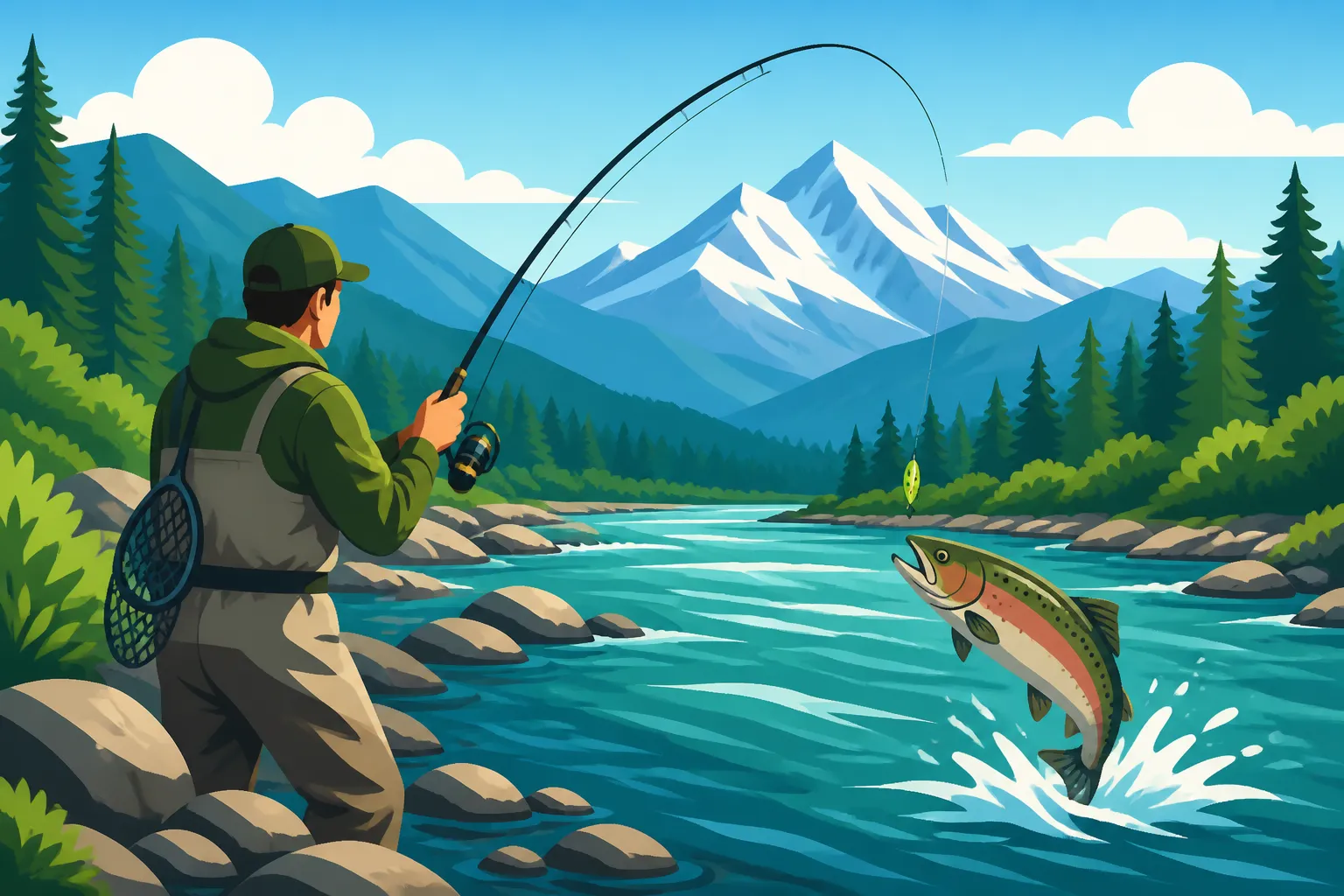
Casting Spinners and Spoons: When fish are active or in shallower, faster water, casting and retrieving spinners and spoons can be deadly. These lures mimic baitfish, triggering aggressive strikes from salmon and steelhead. Brands like Gibbs Delta and Pautzke offer popular choices. The retrieve speed is critical; you want just enough speed to get the lure to wobble and flash enticingly without making it look unnatural. Fishing these lures in swing fashion, casting across and slightly upstream, then allowing the current to sweep the lure downstream as you retrieve, can be incredibly effective, especially for Coho and aggressive Chinook. For specific advice on "Salmon Fishing Techniques for BC Rivers," consider how these lure choices fit into a broader strategy.
Fly Fishing: Nymphing and Swinging Flies
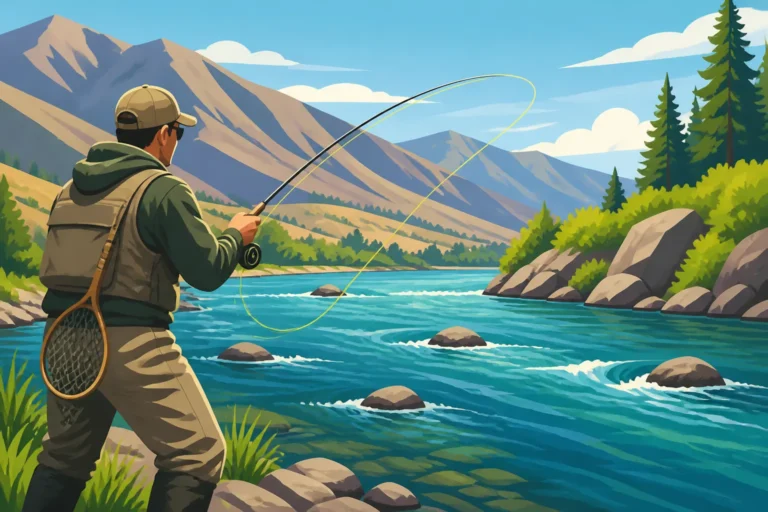
Fly fishing on the Chilliwack River is a rewarding, albeit sometimes challenging, endeavor. It appeals to anglers who appreciate the artistry and finesse required to fool wild salmon and steelhead on a fly rod. Both nymphing and swinging flies are popular and effective, each suited to different conditions and target species.
-
Indicator Nymphing for Steelhead and Trout: Similar to float fishing with conventional gear, indicator nymphing uses a strike indicator (float) to suspend weighted fly patterns (nymphs) near the riverbed. This is a highly effective method for steelhead, as well as resident trout, especially in clear water conditions. You're trying to achieve a perfect dead drift, presenting your nymph as naturally as possible. Popular patterns include Stonefly nymphs, Caddis larvae, and various egg patterns. Long fly rods (10-11 feet) designed for nymphing are common, allowing for better line control and subtle strike detection. This technique demands precision casting and constant line mending to avoid drag.
-
Swinging Flies for Aggressive Fish: Swinging flies, particularly large Spey flies or intruders, is a classic and deeply satisfying method for targeting aggressive salmon and steelhead. This involves casting across and downstream, allowing the current to swing your fly through known holding lies. The key is to control the swing, letting the fly present broadside to the fish, triggering a territorial or predatory strike. This technique often uses two-handed Spey rods, which allow for long casts and efficient coverage of wide river sections without excessive wading. It's particularly effective for winter steelhead and fall salmon, offering a truly primal angling experience. Exploring "How to Catch Steelhead in BC" will reveal just how iconic the swung fly technique is.
Species-Specific Strategies and Seasonal Opportunities
To truly excel on the Chilliwack River, understanding the distinct behaviors and seasonal timings of its primary fish species is crucial. Each species presents its own set of challenges and rewards, making the river a dynamic fishery throughout the year.
Chinook Salmon: The Kings of Fall
Chinook salmon, also known as "King" salmon, are the largest and most powerful of the Pacific salmon species. Their incredible size and brute strength make them a highly sought-after prize on the Chilliwack River.
-
Timing and Preferred Lies: Chinook typically begin to arrive in the Chilliwack in late summer, with the peak of their run usually occurring from late August through September. They prefer deeper, slower pools and substantial runs where they can rest after their arduous journey. The lower and mid-river sections, particularly areas like Tamahi and Allison Pool, are prime Chinook lies. They are often less aggressive once they've been in freshwater for a while, making presentations critical. The "Best time of day to catch salmon on an incoming tide" can be particularly fruitful for fresh Chinook pushing in from the Fraser.
-
Effective Tactics: For Chinook, heavy gear is a must. Most anglers use stout casting rods with strong baitcasting reels spooled with 20-30lb main line. Float fishing with generous chunks of cured roe is incredibly effective, presented just off the bottom. Bottom-bouncing rigs with large Spin-N-Glos and roe are also popular. When casting lures, heavy spoons or large spinners (e.g., #5 or #6 size) in bright colors like chartreuse, orange, or metallic finishes can entice a strike. The fight of a Chinook is legendary; be prepared for long, powerful runs and a serious test of your tackle and angling skill.
Coho Salmon: The Acrobats of Autumn
Coho salmon, often called "silvers" for their brilliant chrome flanks, are known for their aggressive strikes and spectacular acrobatic fights. They are a favourite among many anglers due to their willingness to chase lures and flies.
-
Peak Season and River Sections: Coho generally follow the Chinook, with their main run extending from late September through October and even into November. They are often found throughout the entire length of the fishable river, from the tidal influence of the Vedder Canal all the way up to the hatchery. Unlike Chinook, Coho are often found in shallower riffles, seams, and behind structure. They are highly active and will readily move to intercept food.
-
Go-To Techniques: Coho respond extremely well to a variety of techniques. Float fishing with smaller jigs (often pink, chartreuse, or black), cured roe, or pieces of shrimp is a top producer. Casting small to medium-sized spinners (size #3 to #4) or spoons (e.g., Gibbs Koho) in silver, blue, green, or pink patterns can be deadly. Fly anglers have a blast with Coho, swinging flashy intruders or stripping Coho buggers and muddler minnows. Their aggressive nature makes them a fantastic target for beginners and experienced anglers alike. Their fighting style, full of jumps and head shakes, means you need to keep a tight line!
Chum Salmon and Pink Salmon: Abundant and Accessible
While perhaps not as glamorous as Chinook or Steelhead, both Chum and Pink salmon offer incredibly accessible and often high-volume fishing opportunities on the Chilliwack River, particularly during their specific run windows.
-
Chum Salmon Runs: Chum salmon, often called "dog salmon" due to their impressive canine-like teeth during spawning, typically run from late September through October. They are incredibly strong fighters, known for their powerful, stubborn pulls. They often travel in large schools and can be found in virtually every section of the river. While not highly prized for their eating quality once in freshwater, they offer a tremendous fight. You can find more specific information on "Chum Salmon Runs in BC" to anticipate their arrival.
-
Pink Salmon Blitz: Pink salmon, or "humpies," are the smallest but often most numerous of the Pacific salmon, running every odd-numbered year (e.g., 2023, 2025, 2027). Their run in the Chilliwack typically peaks in late August and early September, offering fantastic action, especially for beginners or those seeking consistent catches. They are easily identified by the pronounced hump that males develop on their backs during spawning. They readily hit small, pink-coloured lures or flies. Float fishing small pink jigs or casting small pink spinners and spoons are the go-to methods.
Winter Steelhead: The Ultimate Freshwater Challenge
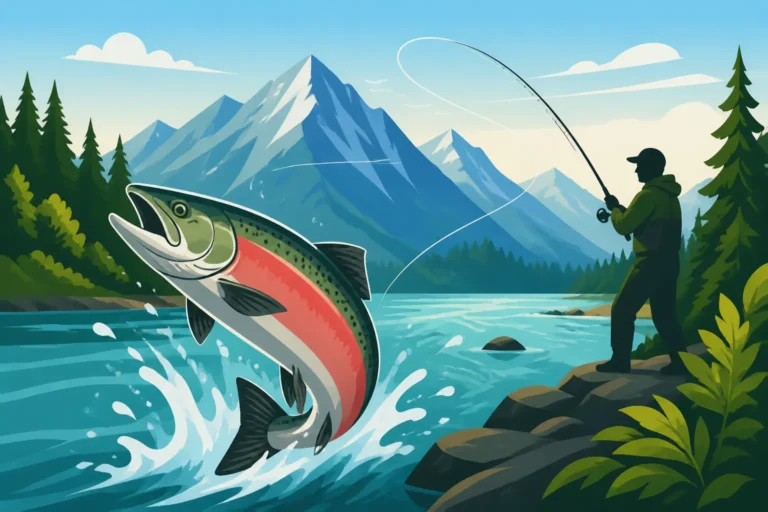
Steelhead, the sea-run rainbow trout, are arguably the most revered game fish in British Columbia. Their elusive nature, incredible strength, and beauty make them the ultimate prize for many Chilliwack River anglers.
-
The Winter Run: Chilliwack River winter steelhead typically begin to show up in late November, with their run building through December, January, and peaking in February and March. They are present throughout the river but often favour the faster, oxygenated runs and deeper pools of the mid and upper river sections. They are notoriously challenging to catch, sometimes requiring dozens of casts to entice a single bite. The "Best time of year for trophy steelhead in BC" often coincides with the Chilliwack's winter run.
-
Patience and Persistence Pay Off: Float fishing with cured roe, shrimp, or small jigs is highly effective. Drift fishing with pink worms or small clusters of roe can also be productive. For fly anglers, nymphing with egg patterns, stoneflies, or small leeches, or swinging large Spey flies and intruders, are classic techniques. Steelhead are often catch-and-release only, and careful handling is critical for their survival. The reward of landing one of these magnificent fish after braving the winter elements is unparalleled.
Navigating the Rules: Regulations and Responsible Angling
Fishing on the Chilliwack River, like many popular fisheries in British Columbia, comes with a comprehensive set of regulations designed to protect fish populations and ensure sustainable angling for future generations. Ignorance of the rules is not an excuse, and penalties for infractions can be severe.
Understanding Fishery Notices and Closures
One of the most critical aspects of fishing in BC is staying up-to-date with current regulations. Fisheries and Oceans Canada (DFO) frequently issues "BC Fishery Notices and In-Season Closures, Explained" which can change season dates, retention limits, or even close entire sections of the river on short notice.
-
Why Notices Are Issued: These notices are often issued in response to real-time stock assessments, low returns, or other conservation concerns. For example, specific salmon runs might be closed to retention if their numbers are below conservation targets. The Chilliwack/Vedder is often subject to such changes, particularly for sockeye (which are typically closed here) and sometimes for Chinook or Coho. It's not uncommon for closures to be implemented to protect wild steelhead as well.
-
How to Stay Informed: Before every fishing trip to the Chilliwack, it's absolutely essential to check the DFO website for the latest fishery notices. You can also sign up for email alerts to receive updates directly. Local tackle shops are also excellent sources of information, as they are often the first to know about changes and can interpret the regulations for specific river sections. Relying on outdated information or hearsay is a recipe for disappointment, or worse, a fine.
Catch Limits and Retention Rules
British Columbia has strict "BC Bag and Possession Limits by Species" for all fish, and the Chilliwack River is no exception. These limits dictate how many fish you can keep (daily bag limit) and how many you can have in your possession (possession limit, usually two days' worth of daily limits).
-
Species-Specific Limits: Limits vary significantly by species, time of year, and even by the specific section of the river. For example, during some periods, Chinook retention might be limited to adipose-fin clipped hatchery fish only, or Coho limits might be reduced. Steelhead are frequently catch-and-release only. Furthermore, a valid "BC freshwater salmon conservation stamp requirement" is usually necessary to retain any Pacific salmon in freshwater. Always review the current BC Freshwater Fishing Synopsis published by the Ministry of Forests, Lands, Natural Resource Operations and Rural Development (FLNRORD) for provincial regulations, and overlay this with DFO fishery notices for tidal/salmon regulations.
-
Understanding "Non-Retention" and "No Fishing" Zones: It's not just about how many fish you can keep; it's also about where you can fish and which fish you can even target. Certain areas, particularly near the hatchery or known spawning grounds in the upper river, may be entirely closed to fishing or designated as "catch and release only" for specific species or all species. Respecting these boundaries is crucial for conservation. Always know where you are on the river and what regulations apply to that specific zone.
Responsible Angling and Etiquette
Fishing on a busy river like the Chilliwack/Vedder demands a high degree of responsibility and courtesy towards fellow anglers and the environment. Practicing good etiquette ensures a pleasant experience for everyone and minimizes stress on the fishery.
-
Wading and Spacing: When wading, avoid stomping through potential holding lies, especially in areas where others are fishing. Give fellow anglers ample space – a general rule of thumb is a rod length or more, depending on the fishing style. If someone is already in a prime spot, move downstream or find another open area. Don't crowd other anglers. If you're float fishing, maintain your drift in line with others; don't cut them off.
-
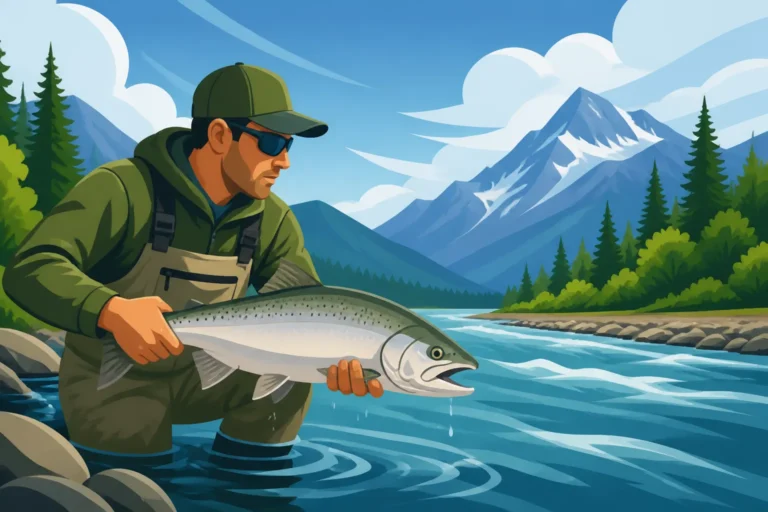
Catch and Release Practices: For species like steelhead and wild salmon, or when fishing in catch-and-release only zones, proper handling is paramount. Minimize air exposure, keep the fish in the water as much as possible, use wet hands, and use barbless hooks to facilitate easy release. Never drag fish onto rocks or dry ground. Take photos quickly and release the fish gently, ensuring it swims away strongly. Leave no trace; pack out all your garbage, including discarded fishing line and bait containers. Consider supporting conservation groups dedicated to preserving these fisheries, as services like FishingBooker often recommend guides who are strong advocates for responsible angling.
Planning Your Trip: Essential Gear, Safety, and Resources
A successful and enjoyable fishing trip to the Chilliwack River isn't just about knowing where to cast or what bait to use; it's also about thorough preparation. Having the right gear, prioritizing safety, and utilizing available resources will make your day on the water much more rewarding.
Recommended Rods, Reels, and Line
The type of gear you bring largely depends on the species you're targeting and your preferred technique. However, a general setup can get you started.
-
All-Around Freshwater Setup: For versatility, a medium-heavy spinning or casting rod, 9-10 feet in length, paired with a reliable reel spooled with 15-20 lb braided line and a fluorocarbon leader (10-15 lb test) is a good starting point. This setup can handle everything from Coho to smaller Chinook and even some steelhead, allowing for float fishing, drift fishing, and casting lures. Brands like Fenwick, Okuma, and Shimano offer excellent options that strike a balance between performance and value.
-
Specialized Gear: If you're serious about float fishing, a 10.5-13 foot float rod (often called a "noodle rod" or "drift rod") with a centerpin reel is the ultimate setup for sensitivity and line control. For big Chinook or sturgeon (though sturgeon are typically targeted on the Fraser, not the Chilliwack), you'll need heavy-duty gear: a powerful 8-10 foot casting rod rated for 30-60 lb line, paired with a robust baitcasting reel capable of handling heavy drag. Fly anglers will want an 8-10 weight fly rod (9-10 feet) for salmon and steelhead, with a good quality reel and appropriate lines (e.g., Skagit or Scandi heads for Spey casting, or weight-forward lines for single-hand nymphing).
Waders, Footwear, and Safety Gear
The Chilliwack River is a wading river, meaning you'll almost certainly need to get into the water to reach the best spots. Safety should always be your top priority.
-
Quality Waders and Boots: Neoprene or breathable waders are essential to stay dry and comfortable in BC's often chilly waters. Choose wading boots with felt soles or sticky rubber soles for traction on slippery riverbeds. Studded soles offer even better grip but can be a bit more cumbersome. Make sure your boots fit well over your wader booties to prevent chafing and provide ankle support.
-
Wading Belt and Studded Boots: Always wear a wading belt cinched tightly around your waist when wearing waders. This crucial piece of safety gear can prevent your waders from filling with water and dragging you down if you stumble and fall into deeper water. A wading staff is also highly recommended for stability, especially in fast currents or unfamiliar terrain. Additionally, carry a whistle and a small first-aid kit. Consider wearing an inflatable personal flotation device (PFD), particularly if wading in deep or fast water, or if fishing alone. When venturing into potentially tricky spots, having the right "Wading Techniques for BC Steelhead Rivers" at your disposal is critical.
Packing for a Day on the River
Beyond your core fishing gear and safety essentials, a few other items can make your Chilliwack River outing more comfortable and productive.
-
Layered Clothing and Rain Gear: British Columbia weather can change rapidly. Dress in layers, avoiding cotton, which stays wet and cold. A good quality waterproof and windproof jacket and pants are indispensable. Even on sunny days, pop-up showers are common. Gloves, a warm hat, and polarized sunglasses are also highly recommended.
-
Food, Water, and Miscellaneous: Pack plenty of water and snacks. A small backpack or fishing vest is ideal for carrying essentials like extra leaders, hooks, weights, pliers, and a camera. Don't forget your valid BC Freshwater Fishing License and any required conservation stamps. A small cooler to keep any legal-sized fish fresh is also a good idea if you plan on retaining your catch. If you’re considering an extended trip, remember that guides found through platforms like FishingBooker often provide some of these essentials, making packing a bit lighter.
Disclaimer
Please note that fishing regulations in British Columbia are subject to change by Fisheries and Oceans Canada (DFO) and the provincial Ministry of Forests, Lands, Natural Resource Operations and Rural Development (FLNRORD). It is the angler's responsibility to check and understand all current regulations, fishery notices, and closures before fishing. This guide provides general information and should not be used as a substitute for official government sources. Adhere to all licensing requirements and practice responsible angling to ensure the sustainability of BC's incredible fisheries.