Best charters with heated cabins
There's nothing quite like a crisp morning on the water in British Columbia, the air fresh and the anticipation high as you chase trophy salmon or giant sturgeon. But let's be honest, those beautiful, often chilly, BC mornings and evenings can really test your resolve, especially if you’re out on the water for hours or dealing with the unpredictable coastal weather. The frustration of being cold and damp can quickly overshadow the joy of fishing. This guide is here to tackle that very problem, helping you discover the best BC fishing charters that offer the ultimate comfort of a heated cabin, transforming your trip from a battle against the elements into a truly enjoyable adventure.
Why a Heated Cabin is a Game Changer for Your BC Fishing Trip
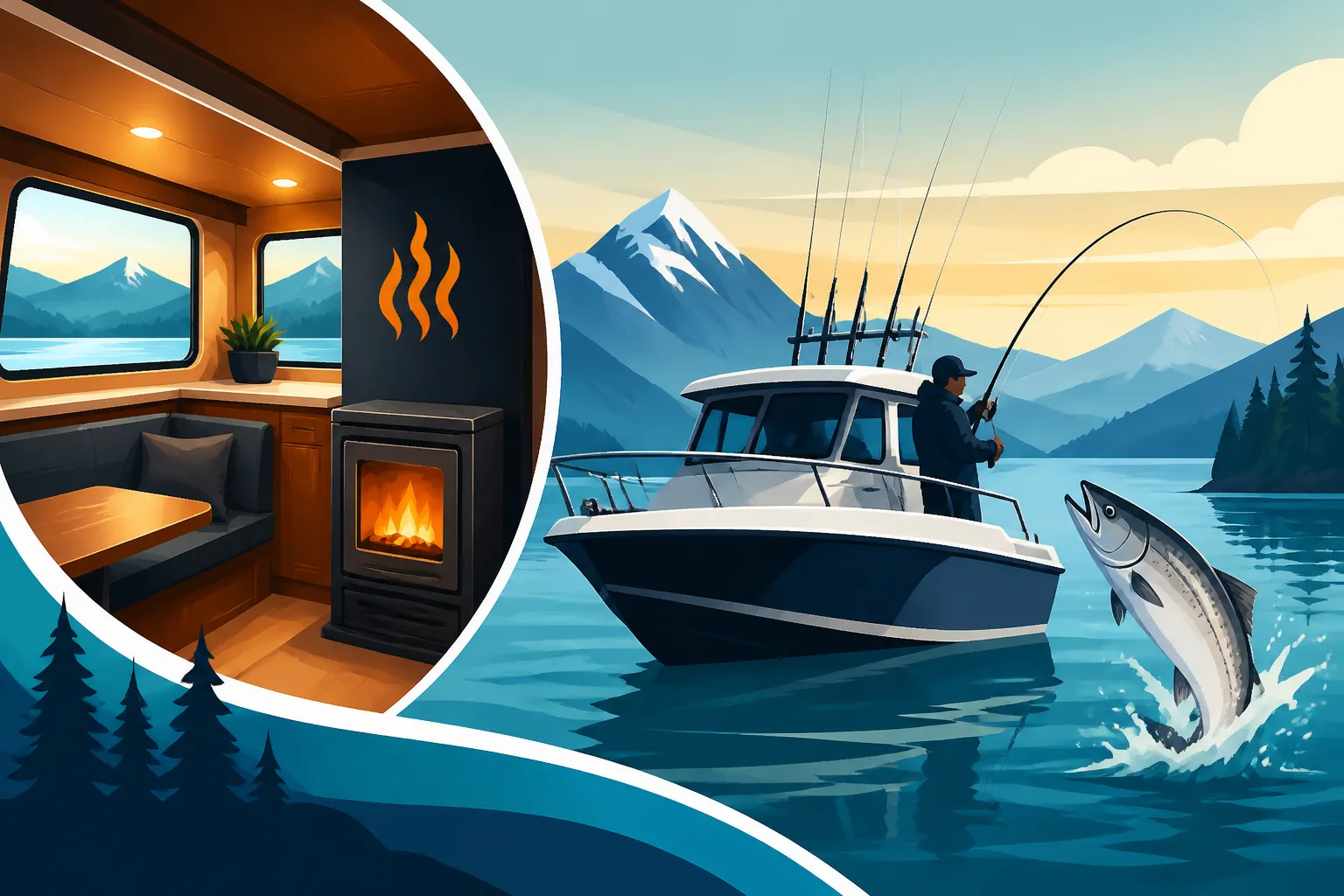
Imagine a scenario: you're out on the open Pacific off Vancouver Island, the salmon bite is hot, but a chilly fog has rolled in, or perhaps a sudden rain shower decides to make an appearance. Or maybe you're targeting winter steelhead on a brisk January morning on a northern BC river. In these moments, a warm, dry retreat isn't just a luxury; it's a necessity. A heated cabin on a charter boat changes the entire dynamic of your fishing experience, making it accessible and enjoyable even when Mother Nature isn't cooperating.
Extending Your Fishing Season and Comfort
One of the biggest advantages of a heated cabin is the ability to comfortably extend your fishing season. Many of BC's most sought-after species, like steelhead and certain salmon runs, are best targeted in cooler months, when the air temperatures can be quite low. Without a warm haven, these trips can be physically demanding, causing discomfort that distracts from the fishing itself.
For instance, consider those late fall or early spring chinook salmon runs in areas like the Strait of Georgia or Barkley Sound. The fishing can be phenomenal, but the relentless chill can be tough. A heated cabin allows you to take breaks, warm up your hands and feet, and recharge before heading back out on deck. This means you can stay out longer, focus more on technique, and ultimately, have a more productive and pleasant day. Similarly, for Best Winter Charters for Steelhead in BC or pursuing How to Catch Steelhead in BC during the colder months on rivers like the Skeena or the Fraser Valley tributaries, a heated drift boat or jet boat can make all the difference. You're not just enduring the cold; you're enjoying the serene beauty of the winter landscape while staying toasty.
Enhanced Experience for All Anglers
A heated cabin isn't just for the hardcore angler braving the elements. It’s a huge benefit for families, beginners, or anyone who simply prefers a more comfortable outing. When you're introducing kids to fishing, comfort is paramount. A cold, wet child is a miserable child, and a miserable child means a short fishing trip. A heated cabin provides a cozy space where they can warm up, have a snack, or just relax between bites, turning a potentially challenging experience into a fun family memory.
It also caters to those who might have mobility issues or a lower tolerance for cold, ensuring that everyone in your party can enjoy the adventure equally. Think of a multi-generational trip where grandparents can still participate fully, taking refuge in the warmth while others brave the deck. This inclusivity makes the charter accessible to a broader range of participants, proving that fishing in BC doesn't always have to be about rugged endurance. Knowing there's a warm, dry spot to retreat to can dramatically reduce anxiety about unpredictable weather and allow everyone to relax and fully immerse themselves in the thrill of the catch.
What to Look For in a Charter with Heated Cabins
When searching for a charter that boasts a heated cabin, it’s easy to assume "heated" means "comfortable," but there's a spectrum of what that can entail. Not all heated cabins are created equal, and understanding the nuances will help you choose the best fit for your group and your fishing adventure. It’s about more than just a thermostat; it's about the entire experience the cabin offers.
Cabin Size, Layout, and Heating System
The first thing to consider is the actual size and layout of the cabin. Is it a small cuddy cabin where only one or two people can squeeze in, perhaps just enough to shield from the wind, or is it a spacious wheelhouse that can comfortably seat your entire group? For a full day on the water, especially with more than a couple of people, a larger, more accommodating space makes a significant difference. You want enough room to stretch out, move around, and not feel cramped. Look for cabins with ample seating, and ideally, a table or flat surface for snacks, drinks, or sorting tackle.
Then there's the heating system itself. Some boats might have a simple portable propane heater, which can provide warmth but might also contribute to humidity or require ventilation. Others might feature more sophisticated diesel-fired forced air heating systems, similar to what you'd find in an RV or small home. These systems are generally more efficient, maintain a consistent temperature, and circulate dry air, which is crucial for comfort and drying damp gear. Make sure to ask the charter operator what kind of heating system their boat employs. A robust, well-maintained system will ensure reliable warmth throughout your trip, regardless of how long you're out.
Windows, Visibility, and Access to the Action
A heated cabin is wonderful for comfort, but you don't want to miss the action outside! Look for charters with cabins that have large windows offering excellent visibility. Imagine being able to spot a jumping salmon or a rod tip twitching from the warmth of the cabin, ready to spring into action. Small portholes might keep you warm but will leave you feeling disconnected from the primary purpose of the trip.
Furthermore, consider the ease of access from the cabin to the fishing deck. Is it a quick step out, or a more cumbersome process? In the heat of the moment, when a fish strikes, you want to be able to get to your rod without delay. Some boats have "walk-around" cabins, allowing easy movement around the entire vessel, while others might have a fully enclosed pilothouse with direct access to the bow and stern decks. Discuss with your potential charter how the cabin integrates with the fishing areas. You want the best of both worlds: warmth and immediate access to the fish.
Additional Comfort Amenities and Overall Vessel Quality
Beyond just heat and space, some charters go above and beyond with additional cabin amenities. This could include a small galley area with a coffee maker for hot beverages, a microwave for warming up snacks, or even a basic restroom facility. Having a private washroom on board, especially during longer trips or with families, can significantly enhance the comfort level. These little touches can turn a good charter into a great one.
Lastly, the overall quality and maintenance of the vessel are important. A charter boat with a well-maintained, clean, and modern cabin suggests that the operator takes pride in their vessel and cares about the passenger experience. Don't hesitate to ask for photos of the interior or read reviews that specifically mention the cabin and its comfort. Platforms like FishingBooker often include detailed boat descriptions and customer reviews that can highlight these aspects, allowing you to gauge the comfort level before you book. A clean, well-appointed cabin, regardless of its size, speaks volumes about the charter's commitment to your comfort.
Finding and Booking Your Warm BC Fishing Adventure
Finding that perfect BC fishing charter with a cozy, heated cabin doesn't have to be a daunting task. With a little bit of focused searching and knowing the right questions to ask, you can secure a booking that promises both excellent fishing and unparalleled comfort. British Columbia's vast and diverse fishing grounds, from the coastal waters of Vancouver Island to the mighty Fraser River, offer various types of charters, and many are now prioritizing passenger comfort with heated amenities.
Leveraging Online Platforms and Direct Inquiry
Your first step should be to utilize online search engines with specific keywords. Terms like "BC fishing charter heated cabin," "Vancouver Island salmon charter warm boat," or "Fraser River sturgeon guide enclosed heated boat" will help narrow down your options significantly. Many reputable charter operations will highlight this feature prominently in their descriptions if they offer it.
Online booking platforms are also an invaluable resource. Websites such as FishingBooker allow you to filter and search for charters based on amenities, and "heated cabin" is often an option you can select. These platforms also provide detailed profiles for each charter, including photos of the boat (often showing the interior cabin), lists of features, and perhaps most importantly, reviews from past clients. A quick scan of reviews might confirm if the heating system is effective and if the cabin provides a comfortable experience. Always double-check the specifics listed on these sites by following up with the charter directly.
Here's a breakdown of what to look for on booking platforms:
| Feature Category | What to Look For | Why it Matters |
|---|---|---|
| Cabin Size | "Spacious wheelhouse," "accommodates X people comfortably" | Ensures everyone in your party has room to relax, not just stand. |
| Heating Type | "Diesel heater," "forced air," "enclosed heated cabin" | Indicates a robust, reliable heating system, not just a portable unit. |
| Windows/Visibility | "Large windows," "360-degree views" | Allows you to stay warm while still observing the fishing action and scenery. |
| Restroom Facilities | "Onboard head," "private marine toilet" | Essential for longer trips, especially with mixed groups or families. |
| Photos | Clear interior shots of the cabin and seating areas | Gives you a visual confirmation of the comfort level and space. |
| Reviews | Mentions of cabin comfort, warmth, and amenities | Real-world feedback from previous anglers about the actual experience. |
Once you've identified a few potential charters, don't hesitate to contact them directly. A phone call allows you to ask specific questions and get a feel for the operator's responsiveness and professionalism. This personal interaction is key to clarifying details that might not be fully explained online.
Asking the Right Questions Before You Book
When you connect with a charter operator, beyond just confirming they have a heated cabin, delve a little deeper. Here are some critical questions to ask:
- "How many people can comfortably fit in the heated cabin?" This is important for ensuring everyone in your group has a warm space if needed, not just one or two.
- "What type of heating system does your boat have, and how effective is it in cold weather?" As discussed, a forced-air system is generally superior for consistent, dry warmth.
- "Are there clear windows for viewing the fishing action from inside the cabin?" You want to be comfortable but still feel connected to the excitement.
- "Is there a private restroom accessible from the cabin?" A simple but often overlooked detail that adds significantly to comfort.
- "Do you provide any hot beverages or snacks in the cabin?" Some charters offer these as an extra touch.
- "What is your policy if the weather turns severely inclement, even with the heated cabin?" Understanding their approach to safety and comfort in extreme conditions is always good practice.
Being thorough in your inquiry ensures that your expectations align with what the charter can provide. A reputable operator will be happy to answer all your questions and may even suggest the best times of year or specific trips where the heated cabin truly shines. For specific regions, consider charers operating out of places like Campbell River for salmon, or on the lower Fraser River for sturgeon, as these larger vessels are more likely to offer these amenities. You might also find options on Best Halibut Charters out of Tofino or Best Salmon Charters in Campbell River for those offshore adventures.
Specific Considerations for BC's Diverse Fisheries
British Columbia's fishing landscape is incredibly varied, and the type of heated cabin you find might differ based on where and what you're fishing for.
- Coastal Saltwater Charters: For salmon, halibut, or bottom fish on the Pacific, you'll typically find larger ocean-going vessels. These can range from comfortable cabin cruisers to dedicated sport fishing yachts. Many of these boats, especially those designed for full-day or multi-day excursions, will have a spacious, fully enclosed wheelhouse with excellent heating. Charters operating out of Ucluelet, Tofino, or Prince Rupert are great places to look. They understand the nature of the open ocean and the need for shelter.
- Freshwater River Guides: If you're targeting Steelhead Fishing in BC or White Sturgeon Fishing on the Fraser River, you'll often be on jet boats or drift boats. While smaller drift boats might not have full enclosed cabins, many larger jet boats used for sturgeon or Skeena River salmon and steelhead will feature an enclosed, often heated, cabin area in the bow or a fully enclosed and heated main passenger section. These are particularly valuable on cold mornings or during rain, allowing passengers to warm up between drifts or while running to the next fishing spot. For example, a Best Guided Sturgeon Trips on the Fraser River would often have this type of setup.
By considering the specific type of fishing you plan to do, and the typical boat styles associated with it, you can better target your search for a comfortable, heated cabin experience. Remember to check what kind of license you'll need, as some charters may include it, but generally, you'll need your own British Columbia Fishing License Guide for 2026 for either freshwater or tidal waters.
Preparing for Your Heated Cabin Charter
While the allure of a warm, dry cabin is certainly a comfort, it doesn't mean you can throw all caution to the wind when packing for your BC fishing adventure. British Columbia's weather, especially along the coast and in the mountains, can be famously unpredictable, and even with a heated haven, you'll still be spending time on deck, directly exposed to the elements. Smart preparation ensures you maximize the benefits of that warm cabin and enjoy your trip to the fullest.
Layering is Still Your Best Friend
Even with the promise of warmth indoors, proper layering remains the golden rule for any fishing trip in BC. You'll be moving between the cozy cabin and the open deck, where wind, spray, and cold air can quickly make you shiver.
- Base Layer: Start with a moisture-wicking base layer. Merino wool or synthetic fabrics are excellent choices as they draw sweat away from your skin, keeping you dry even if you exert yourself while reeling in a big fish. Cotton, while comfortable, should be avoided as it absorbs moisture and stays cold when wet.
- Mid-Layers: Add insulating mid-layers like fleece jackets, wool sweaters, or down vests. These layers trap warm air close to your body. Depending on the expected temperatures, you might need one or two of these. Being able to shed or add layers easily is crucial for adapting to changing conditions throughout the day.
- Outer Shell: A waterproof and windproof outer jacket and pants are absolutely essential. Even if it's not raining, sea spray or a sudden gust of wind can quickly drench and chill you. Look for breathable options that prevent you from overheating while still offering protection. Brands like Helly Hansen or Grundéns are popular among anglers for their durability and performance in marine environments.
- Extremities: Don't forget your head, hands, and feet! A warm hat (wool or fleece), waterproof gloves, and thick wool socks are critical for retaining body heat. You can always take them off in the cabin, but you'll be grateful for them on deck. Good, waterproof boots with non-slip soles are also highly recommended for safety and comfort on a wet deck. Remember to check Life Jacket Requirements for BC Boaters as well, as these are typically provided by the charter but knowing the rules is always smart.
Think of it this way: the heated cabin is there for recovery and shelter, not as an excuse to underdress. You'll still need appropriate gear for when you're actively fishing or enjoying the scenery from outside. What to Bring on a BC Fishing Charter is an excellent resource for a more comprehensive packing list.
Maximize Comfort Inside the Cabin
Once you're inside the heated cabin, there are a few things you can do to enhance your comfort and enjoyment.
- Dry Off and Warm Up: The first thing to do when coming in from the cold or wet is to shed your outer damp layers. Take off your hat and gloves, and give your hands a good rub to get the circulation going. Some cabins might have hooks or a small area where you can hang a damp jacket to dry slightly.
- Hot Beverages and Snacks: If your charter provides hot coffee, tea, or cocoa, take advantage of it! A warm drink from the inside out is incredibly comforting. Pack some non-perishable snacks that are easy to eat, especially if you get a little seasick or just need an energy boost.
- Relax and Recharge: Use the cabin time to truly relax. Chat with your fellow anglers, review your tackle, or simply gaze out the windows at the stunning BC scenery. This is a great time to refuel your energy, check your phone (if service allows), or just enjoy the moment without the chill. Consider bringing a compact book or even a small deck of cards if you anticipate significant downtime or if there are kids on board.
Communicating with your charter captain is also crucial. If you or someone in your group is feeling particularly cold or needs a break, let them know. They are there to ensure you have a safe and enjoyable trip, and they can often offer advice or adjust plans to enhance your comfort. Whether it's the Best Season to Book a Salmon Charter or targeting BC Steelhead Season Dates, a heated cabin adds a layer of flexibility and enjoyment that truly makes the BC fishing experience exceptional.
Disclaimer
This article is for general informational purposes only and does not constitute professional advice. Laws, prices and regulations vary by location and change over time. Consult a qualified professional for guidance on your specific situation.