Best Winter Charters for Steelhead in BC
The thought of chasing steelhead in the depths of winter can feel like stepping into an epic adventure, but also a daunting one. Those crisp, cold mornings and often unforgiving river conditions can be intimidating, making many anglers wonder how they can possibly find these elusive, powerful fish. This guide is here to shed light on how hiring a specialized winter steelhead charter in British Columbia isn't just a luxury, but often the key to a safe, successful, and truly unforgettable experience in the heart of the wild.
Why Winter Steelhead Fishing is a True BC Angler's Dream
There's something uniquely captivating about winter steelhead fishing in British Columbia. It's not just about the fish; it's about the entire experience—the quiet solitude of snow-dusted riverbanks, the crisp, clean air, and the sheer challenge of pursuing one of freshwater fishing's most revered adversaries. These are conditions that truly separate the dedicated angler from the fair-weather fisher, and they offer rewards that are unmatched.
The Allure of Winter Steelhead: A Different Kind of Fight
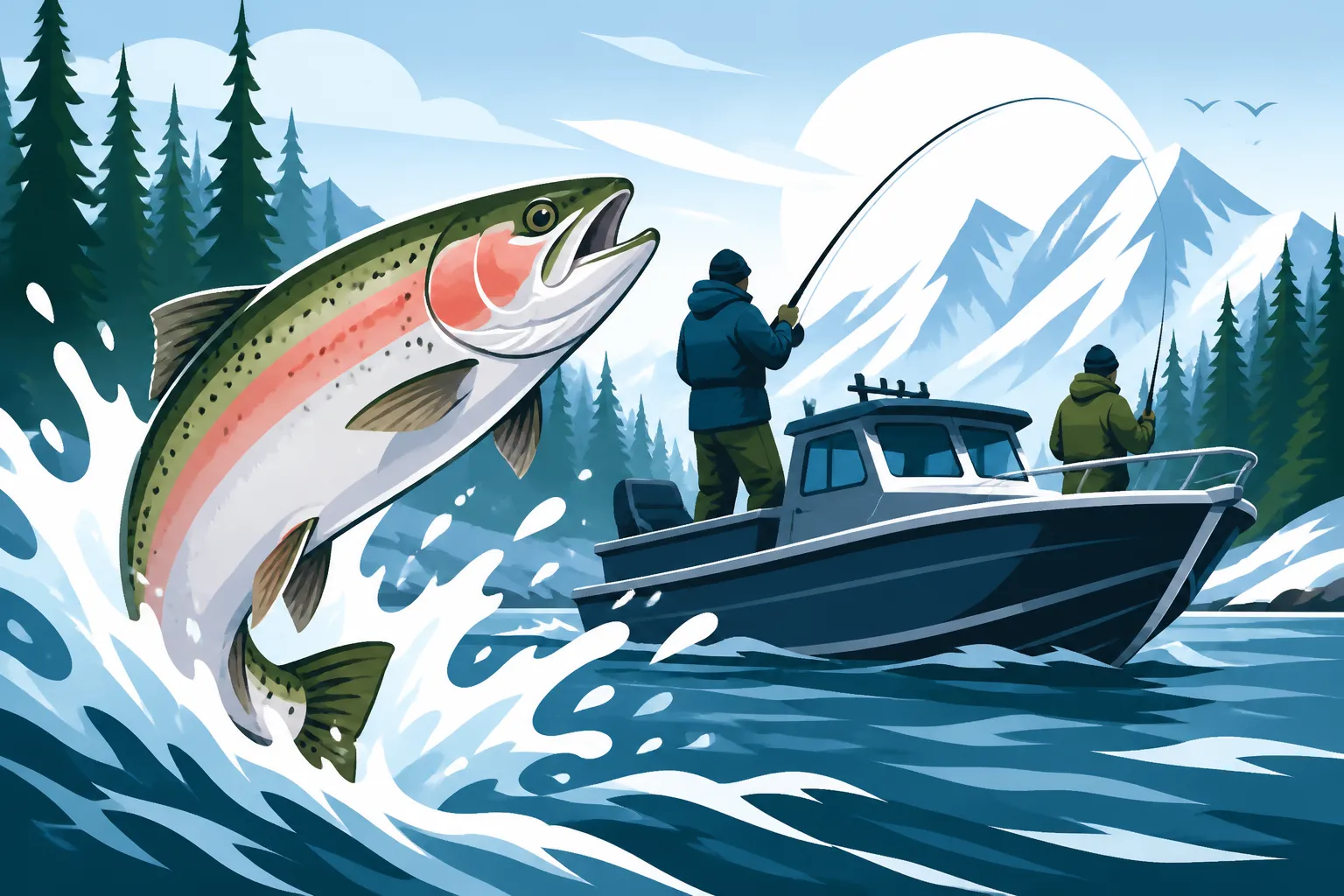
Winter-run steelhead are truly magnificent creatures. Unlike their summer counterparts, these fish typically enter rivers during the colder months, often from late fall through early spring, and they are notoriously strong and vibrant. They've spent more time in the ocean, growing larger and building incredible reserves of power. When you hook into a winter steelhead, you're not just fighting a fish; you're battling an instinct-driven athlete that can strip line faster than you can blink and perform acrobatic leaps that will leave your jaw on the riverbank.
The challenge isn't just their fighting prowess, however. Finding them in the often high, cold, and sometimes murky water of winter rivers requires a profound understanding of their migratory patterns, holding lies, and feeding habits. They are fewer in number compared to salmon runs, making each encounter feel like a hard-won victory. For many, the true appeal lies in this very difficulty; the sense of accomplishment when you finally cradle a chrome-bright hen or a powerful buck in your hands, knowing the effort it took, is unparalleled. It's a testament to patience, skill, and the guidance of someone who truly knows these waters.
Navigating Winter Conditions: The Challenges and Rewards
Fishing for winter steelhead means embracing the elements. British Columbia winters can be beautiful, but they can also be unpredictable and harsh. You might encounter anything from gentle snowfall to freezing rain, strong winds, and rapidly changing river levels. Rivers can swell with rain or meltwater, becoming high and fast, or drop and clear to an almost unnervingly low flow during prolonged cold snaps. Each scenario presents its own set of challenges, from safe wading to choosing the right gear and presentation.
However, these challenges are precisely what make the rewards so much sweeter. A successful day on the river in winter, perhaps landing a beautiful wild steelhead against a backdrop of snow-capped mountains, is an experience that stays with you forever. The quietness of the winter landscape, often devoid of the summer crowds, adds to the serene beauty of the pursuit. Moreover, a good winter steelhead charter guide is an absolute game-changer in these conditions. They don't just know where the fish are; they know how to navigate the river safely, how to read the ever-changing water, and how to keep you comfortable and effective, even when the weather isn't cooperating. This expertise is invaluable when facing the raw power of BC's winter rivers.
Key Characteristics of a Great Winter Steelhead Charter
When you're planning a trip to target winter steelhead in BC, especially if you're traveling a distance, choosing the right charter isn't just about finding someone with a boat. It's about finding a specialist who lives and breathes these challenging conditions, and who can put you onto fish safely and effectively.
Expert Local Knowledge: The Unseen Advantage
A truly great winter steelhead guide possesses local knowledge that goes far beyond what any map or online report can tell you. They understand the nuances of specific river systems like the back of their hand. They know how a sudden drop in temperature affects fish behaviour in the Thompson River Steelhead Fishing, or how a prolonged rain event changes the best holding water on the Chilliwack River. This isn't knowledge that's learned overnight; it's accumulated over decades of spent hours on the water, observing, adapting, and refining techniques.
An expert guide will know the intricate network of runs, riffles, and pools where steelhead might be holding, taking into account factors like water temperature, clarity, and flow. They can decipher subtle signs that might indicate a fish is present, from a slight disturbance in the water to a gut feeling about a specific boulder or seam. This deep understanding means they can react to changing conditions—whether it's an unexpected rise in water levels or a shift in the fish's preferred lie—and adjust your fishing strategy accordingly, maximizing your chances of success. They also often have relationships with local access points or landowners, providing unique opportunities that independent anglers might miss.
Specialized Gear and Techniques for Winter Success
Winter steelheading requires specialized gear and a refined approach. The cold water often makes fish less aggressive, demanding perfect presentations and specific tackle. A top-tier winter steelhead charter will come equipped with everything you need, from appropriate rods and reels to a vast array of terminal tackle and baits or flies. They'll have a range of gear suitable for different water conditions—heavier rods for high, fast water, lighter setups for low, clear conditions, and specialized lines for both float fishing and fly casting.
For those who prefer bait fishing, a good guide will have a fresh supply of roe, shrimp, or other local favourites, knowing precisely how to rig them for optimal drift. Fly anglers will find guides stocked with an impressive selection of Best Steelhead Flies for the Skeena River or other regional patterns, often tied by the guides themselves to match local conditions. Beyond tackle, the boat itself is a critical piece of gear. Many winter steelhead charters operate comfortable, heated drift boats or jet boats, which not only provide safe access to prime fishing spots but also offer a welcome respite from the cold between drifts or while relocating. This kind of specialized equipment and technique application is crucial for effectively targeting How to Catch Steelhead in BC in the colder months.
Safety First: Navigating Harsh Winter Environments
Safety should always be the number one priority when venturing out in winter conditions, and a reputable charter guide makes it their absolute focus. Rivers can be treacherous in winter, with slippery banks, strong currents, and unpredictable weather changes. Professional guides are trained in wilderness first aid, swift water rescue, and often have advanced boating certifications. They know the river's hazards, from submerged logs to shifting gravel bars, and they navigate them with seasoned expertise.
Beyond emergency preparedness, a good guide will also ensure your comfort and well-being throughout the day. This includes providing hot beverages, offering warm spaces in their boat, and ensuring you're dressed appropriately for the conditions. They'll monitor the weather constantly and won't hesitate to make difficult decisions, like rescheduling or cutting a trip short, if safety becomes compromised. Their experience means they can assess risks accurately, allowing you to focus on the fishing with peace of mind. For them, a successful trip is one where everyone returns safely, regardless of the number of fish caught.
Top BC Regions for Winter Steelhead and Their Charters
British Columbia is home to some of the most legendary steelhead rivers in the world, each offering a unique experience during the winter months. Knowing which region suits your angling dreams and which charters operate there is crucial for planning your adventure.
Skeena River System (North Coast): The Heart of Trophy Steelhead
The Skeena River system, located in BC's remote North Coast region, is arguably the most famous steelhead destination globally. Rivers like the Bulkley, Kispiox, Morice, and the mighty Skeena itself are synonymous with huge, wild winter steelhead. These are often considered "bucket list" destinations for serious steelheaders, offering the chance at fish of truly epic proportions. Charters in this region often specialize in multi-day trips, frequently utilizing jet boats or drift boats to access pristine, wild stretches of river.
Angling here is a serious commitment, with travel often involving flights to Terrace or Smithers, followed by road or even floatplane transfers to remote lodges or guide meeting points. The conditions can be very challenging, with deep snow, freezing temperatures, and strong currents being common. However, the rewards can be extraordinary, with opportunities for truly wild, unmolested fish. Charters typically provide all necessary gear, including spey rods for two-handed casting, and focus heavily on catch-and-release practices to preserve these precious stocks. Many guides here are pioneers of steelhead fishing, with generations of knowledge passed down, making a guided trip here an education in itself. Skeena River Steelhead Fishing is an experience like no other.
Vancouver Island Rivers: Coastal Gems and Accessible Angling
Vancouver Island offers a different, yet equally compelling, winter steelhead experience. Rivers like the Gold, Campbell, Cowichan, Stamp, and Nimpkish are renowned for their winter runs. These rivers tend to be more accessible than their northern counterparts, with many located a reasonable drive from major population centres like Victoria, Nanaimo, or Campbell River. The climate here is generally milder than the interior or northern BC, though winter storms can still bring significant rainfall and fluctuating river levels.
Charters on Vancouver Island often focus on drift boat trips, allowing anglers to cover miles of prime water in comfort. Some guides also offer walk-and-wade trips on smaller, more intimate streams. The steelhead here, while perhaps not reaching the mythical sizes of the Skeena system on average, are still incredibly powerful and aggressive. The scenery is classic Pacific Northwest, with lush rainforests lining the riverbanks. Many guides here cater to both seasoned fly anglers and those who prefer float fishing with bait or jigs. It’s an excellent option for those looking for a world-class steelhead experience without the extensive travel required for the remote northern rivers.
Lower Mainland and Fraser Valley Tributaries: Close to Home Adventures
For anglers living in or visiting the Lower Mainland, the Fraser Valley offers several excellent winter steelhead opportunities that are often just a short drive away. The Chilliwack/Vedder River is perhaps the most famous, boasting one of the most popular and productive winter steelhead fisheries in the province. Other rivers like the Stave, Chehalis, and Harrison also see good runs of winter steelhead. These rivers are generally more accessible, with plenty of public access points, but a guide can still provide a significant advantage, especially in navigating crowds or finding less pressured water.
Charters in this region often operate specialized drift boats or jet boats on larger rivers like the Chilliwack, providing access to prime runs. For smaller streams, guides might offer walk-and-wade trips. The fishing pressure here can be higher due to proximity to Vancouver, but skilled guides know how to find solitude and present flies or baits effectively even in busy areas. The steelhead in these systems are strong and beautiful, providing thrilling battles close to urban centers. This region is a fantastic choice for those looking for a productive day trip or a multi-day adventure without venturing too far off the beaten path, and it's an excellent proving ground for those looking to hone their winter steelhead skills.
| River System / Region | Primary Access | Typical Guide Focus | Average Fish Size | Key Challenges |
|---|---|---|---|---|
| Skeena River System | Fly-in or long drive | Spey casting, remote drifts | Large, trophy-sized | Remoteness, harsh weather, high costs |
| Vancouver Island Rivers | Drive-in from major towns | Drift boat, walk-and-wade | Good size, strong fighters | Rain, fluctuating levels |
| Lower Mainland/Fraser Valley | Drive-in from Vancouver area | Drift boat, popular access | Medium to large, accessible | Crowds, urban proximity |
What to Expect and How to Prepare for Your Trip
Booking a winter steelhead charter is an investment in an experience, and knowing what to expect and how to prepare can make all the difference in enjoying your time on the water. These are not typical fair-weather fishing trips, so a little foresight goes a long way.
Typical Day on a Winter Steelhead Charter
A typical winter steelhead charter day often begins early, usually well before dawn, as the bite can be best during the low light hours. You'll meet your guide at a pre-arranged spot, often a boat launch or a local coffee shop. After a brief rundown of the day's plan and safety protocols, you'll either hop in their drift boat or jet boat, or perhaps drive to a specific walk-and-wade access point.
Once on the water, the guide will position the boat in prime holding water or guide you to a productive run. They'll instruct you on the proper techniques for the day, whether it's float fishing, drift fishing, or spey casting. You'll spend the morning actively fishing, often moving between different spots as the guide reads the water and targets active fish. Expect breaks for hot coffee, snacks, or a warm-up in a heated boat cabin. Lunch might be a riverside sandwich or a quick stop at a local eatery, depending on the trip. The afternoon continues with more fishing, focusing on areas where steelhead might be moving or resting. The day typically wraps up in the late afternoon, as light fades, with the guide ensuring your safe return. It's a full day, packed with anticipation, focused effort, and the constant possibility of that one unforgettable tug on your line.
Essential Gear for Anglers: Dress for Success
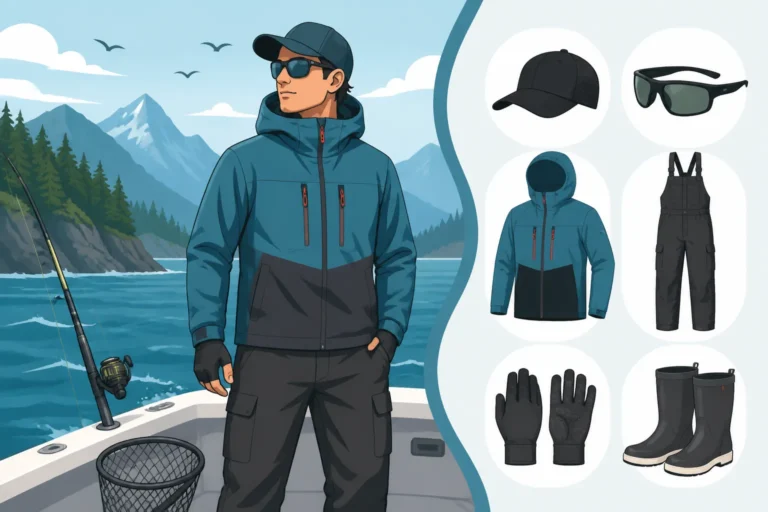
Layering is absolutely critical for winter steelhead fishing in BC. The weather can change rapidly, and being wet and cold will quickly ruin your day. Start with a moisture-wicking base layer (merino wool or synthetic, never cotton). Add a warm mid-layer like fleece or a down vest. Your outer layer should be a waterproof and windproof jacket and pants (Gore-Tex or similar). Remember, you might be standing in a boat or wading in cold water for hours.
Good quality waterproof wading boots with felt or sticky rubber soles are essential for stability on slippery riverbeds. Neoprene wading socks provide extra insulation. Don't forget a warm hat (or two!), waterproof gloves, and neck gaiter to protect against wind and cold. Polarized sunglasses are vital for spotting fish and protecting your eyes. While your guide will provide fishing tackle, carrying a small daypack with extra layers, snacks, water, and any personal medications is always a good idea. A camera is also a must-have for capturing those incredible moments, but make sure it's waterproof or in a dry bag!
Understanding Catch and Release: Protecting a Precious Resource
Winter steelhead are a precious and vulnerable resource, and ethical angling practices, particularly catch and release, are paramount. Most reputable BC winter steelhead charters operate on a strict catch-and-release policy for wild steelhead, ensuring these magnificent fish can return to spawn and contribute to future generations. Even for hatchery-marked fish (often identified by a clipped adipose fin), many anglers choose to release them.
Your guide will instruct you on the best practices for handling steelhead to maximize their survival. This includes minimizing fight time, keeping the fish in the water as much as possible, using barbless hooks, and avoiding contact with their sensitive scales and gills. When a photo is taken, it should be quick, with wet hands, and the fish held gently in a horizontal position just above the water before being carefully revived and released. Understanding and adhering to these principles isn't just a rule; it's a commitment to conservation and ensures that these incredible fisheries remain healthy for years to come. For more on local regulations, check out BC Freshwater Salmon Retention Rules and BC Fishing Regulations Explained.
Booking Your Winter Steelhead Adventure
Deciding to embark on a winter steelhead trip is exciting, but the booking process can feel a bit overwhelming with so many options. Here's how to navigate it to find the perfect charter for your dream trip.
Researching and Vetting Charters: Finding the Right Fit
Finding the best winter steelhead charter starts with thorough research. Begin by identifying the region you're most interested in (Skeena, Vancouver Island, Fraser Valley, etc.) and then look for guides specifically advertising winter steelhead trips. A great resource for this is platforms like FishingBooker, where you can browse multiple guides, compare their offerings, and read reviews from previous clients. Pay close attention to reviews that mention specific aspects of winter fishing, such as boat comfort, guide's patience in cold weather, and success rates.
Don't hesitate to contact potential guides directly. Ask specific questions about their experience on your chosen river during winter, what gear they provide, their safety protocols, and what their catch-and-release policy is. Inquire about boat types—do they have a heated cabin? What's the maximum number of anglers they take? Clarify what is included in the price (lunch, snacks, non-alcoholic drinks, tackle, flies, etc.) and what you're expected to bring. A good guide will be happy to answer all your questions and put your mind at ease. Also, ensure they are properly licensed and insured; asking to see their credentials is perfectly acceptable.
Timing Your Trip for Success: When to Go
While "winter steelhead" implies the entire season, there are often peak windows within the colder months that offer better chances of success. Generally, the winter steelhead season in BC runs from late November through April. The early season (November-December) can offer good fishing, often before the coldest temperatures hit, but fish numbers might be lower. Mid-winter (January-February) can be fantastic for big, fresh fish, but conditions are typically at their coldest and most challenging. The late season (March-April) sees increasing numbers of fish as water temperatures begin to rise, and can offer some of the most consistent fishing, though some fish may start to show spawning colours.
The best time to book your trip also depends on your target region. For the Skeena system, March and April are often prime for the biggest winter fish. On Vancouver Island, January through March can be excellent. In the Lower Mainland, the Chilliwack/Vedder can be productive from December through April. Your chosen guide will be the best source of up-to-date information on river conditions and historical run timing for their specific waters, so consult with them when planning your dates. Flexibility in your schedule can sometimes allow you to hit a "hot" window.
Costs and Inclusions: What to Expect Financially
The cost of a winter steelhead charter in British Columbia can vary significantly based on the region, the length of the trip (half-day, full-day, multi-day), the remoteness of the location, and the guide's reputation. Generally, you can expect full-day trips to be a substantial investment, reflecting the specialized knowledge, equipment, and significant operating costs involved in running a safe and successful winter operation.
What's included in the price will also vary. Most charters will include the guide's time, boat, all necessary fishing tackle (rods, reels, lines, lures, flies, bait), and basic safety gear. Some higher-end or multi-day trips might also include meals, accommodations, and transportation from a local airport. What's typically not included are your BC fishing license (which is absolutely essential and can be purchased online or from licensed vendors – see Where and How to Buy a BC Fishing License), gratuities for the guide, and any personal items like specialized clothing or alcoholic beverages. Always clarify these details before booking to avoid any surprises. Remember that while a winter steelhead trip is an investment, the value of a safe, knowledgeable, and productive day on the water with an expert often far outweighs the cost, especially when pursuing such a revered species.
Disclaimer
This article is for general informational purposes only and does not constitute professional advice. Laws, prices and regulations vary by location and change over time. Consult a qualified professional for guidance on your specific situation.