Best charters for downrigger trolling
Oh, the deep blue waters of British Columbia! They call to us, don't they? But sometimes, that vastness can feel a little intimidating, especially when you know those prize-winning salmon and giant halibut aren't always swimming right on the surface. You've heard whispers of downrigger trolling, a technique that promises to get your lure right into the strike zone, but finding a charter that truly excels at it can feel like searching for a needle in a kelp forest. Don't worry, my friend, this guide is here to illuminate the path and help you identify the very best charters for downrigger trolling, ensuring your next BC fishing adventure is a success.
Understanding Downrigger Trolling and Why It's a Game-Changer in BC
When you're out on the ocean or even a massive inland lake in British Columbia, fish aren't just lounging around waiting for a surface presentation. They're often holding at specific depths, sometimes way down deep, chasing baitfish or seeking comfortable temperatures. This is precisely where downrigger trolling becomes not just a technique, but a necessity. It’s a method that allows you to present your bait or lure precisely at a predetermined depth, keeping it there consistently as your boat moves. It's about precision in a vast, three-dimensional environment, and it’s incredibly effective for targeting some of BC's most sought-after species.
What is Downrigger Trolling and How Does it Work?
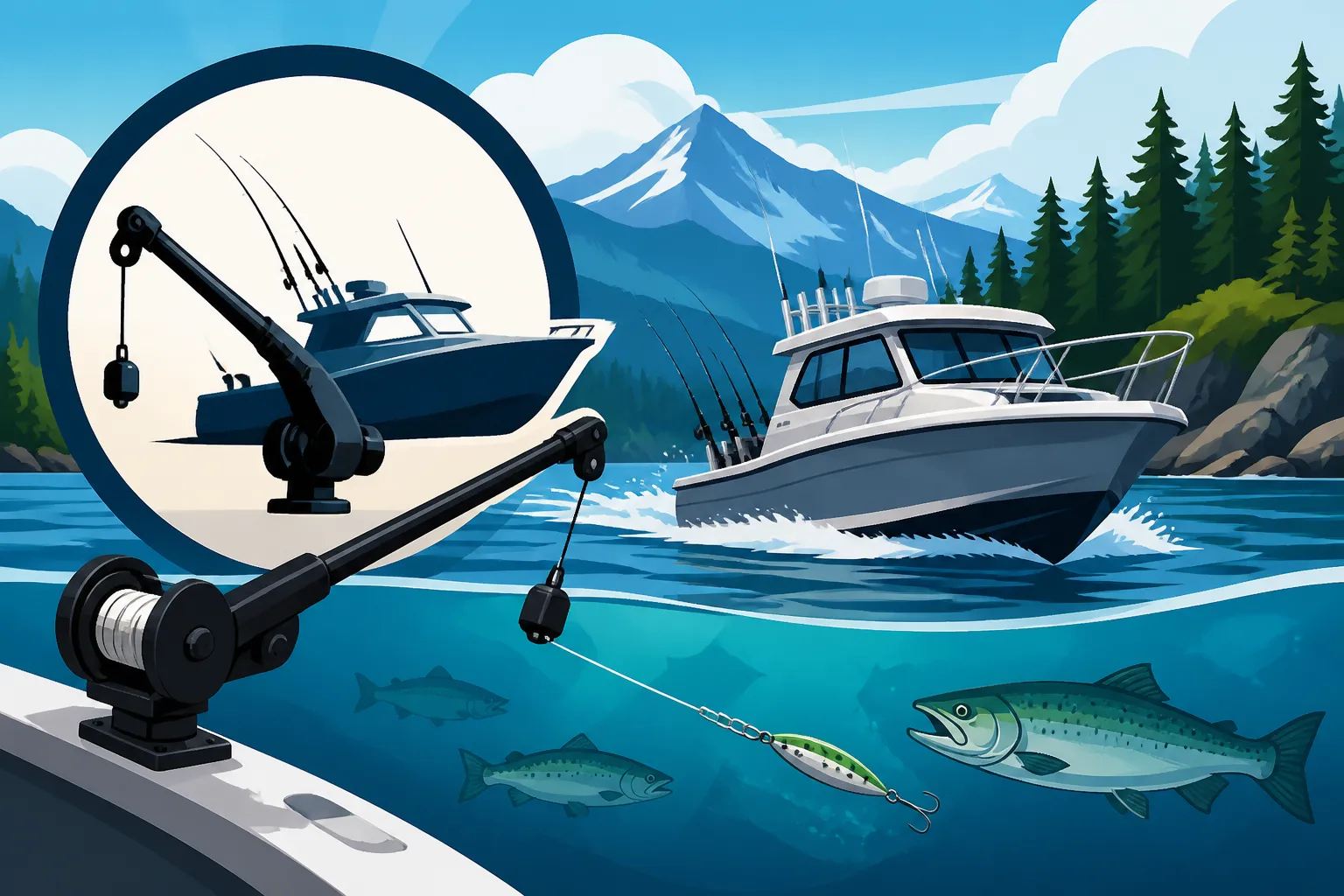
At its core, downrigger trolling uses a heavy lead ball, often called a cannonball or weight, to pull your fishing line down to a specific depth. Your main fishing line, with its lure or bait, is attached to a release clip on a separate cable that runs down to this heavy weight. When a fish strikes your lure, the tension causes the line to "release" from the clip, allowing you to fight the fish directly on your rod and reel, unencumbered by the heavy downrigger weight. The downrigger itself has a spool of wire, often steel, that is precisely controlled by an electric or manual crank, allowing the skipper to dial in the exact depth where fish are being marked on the sonar or where they are known to be feeding.
This method is particularly potent in BC because our waters are incredibly deep, often plummeting hundreds of feet just a short distance from shore. Species like Chinook salmon, often called "Kings," and many types of halibut prefer these cooler, deeper waters, especially during the warmer months. Trying to get a lure down to 80, 100, or even 150 feet consistently with just lead weights on your line is a frustrating and inefficient task. Downriggers cut through that challenge, giving you direct control over your presentation and dramatically increasing your chances of connecting with trophy-sized fish.
Key Species Targeted Effectively with Downriggers in BC
While downriggers are versatile, they truly shine when targeting specific types of fish that inhabit deeper water columns. In British Columbia, the main stars of the downrigger show are often the mighty salmon and the colossal halibut.
Chinook salmon, especially the larger, mature fish, are frequently found deep, particularly in productive areas like the nutrient-rich waters off Vancouver Island or in the Strait of Georgia. They feed on herring and other baitfish that congregate in these cooler depths. Downrigger trolling allows charters to mimic these baitfish schools, presenting large spoons, hootchies, or natural bait like herring exactly where the Chinooks are lurking. Chinook Salmon Fishing in BC is often synonymous with mastering the downrigger.
Coho salmon, while sometimes found closer to the surface, also respond incredibly well to downrigger presentations, especially when they are staging before entering rivers. Their aggressive nature means they often smash lures presented directly in their path. Halibut, although often associated with bottom fishing, can also be targeted effectively with downriggers when they are suspended off structure or when you're covering vast flats where they might be cruising slightly above the seafloor. Charters looking to maximize their halibut opportunities will often employ downriggers to cover more ground and present larger baits at specific depths. Even in some of BC's massive interior lakes, downriggers are indispensable for targeting deep-dwelling Lake Trout or large Gerrard Rainbow Trout of Kootenay Lake.
Identifying and Choosing the Right Downrigger Trolling Charter
So, you're convinced that downrigger trolling is the way to go for your BC fishing trip. Great! Now comes the crucial part: finding a charter that not only has the equipment but also the expertise to run it effectively. This isn't just about having the gear; it's about knowing how to use it, where to use it, and when to adjust based on conditions and fish behaviour. A truly great downrigger charter captain is a master of depth, speed, and subtle presentation.
Asking the Right Questions Before You Book
Before you commit to a charter, it's absolutely vital to have a conversation with the captain or booking agent. Don't be shy; these are seasoned professionals, and they expect you to be informed. Start by explicitly stating your interest in downrigger trolling. Ask about their experience with the technique and what species they primarily target with it. You want to hear confidence and specific examples, not vague generalities.
Here are some key questions to ask:
- "How many downriggers do you typically run on your boat?" A serious downrigger charter will usually have at least two, often four or even six, allowing for a wide spread of lures at different depths. This increases your chances significantly.
- "What kind of downriggers do you use (manual vs. electric)?" While manual downriggers work, electric ones are far more precise and efficient, especially in deep water, allowing the crew to focus more on fish finding and less on cranking.
- "What tackle do you provide that's suited for downrigger fishing?" You want stout rods with sensitive tips, capable of handling the weight and then transitioning smoothly into fighting a strong fish once the clip releases.
- "Do you use sonar and GPS to identify fish depth and structure for downrigger placement?" This is non-negotiable. A captain who understands how to read their electronics to place your lures precisely where the fish are is paramount to success. What Gear a BC Charter Provides is a critical question here, especially concerning specialized downrigger setups.
- "What are your typical downrigger trolling speeds and what factors influence them?" This shows their understanding of how presentation affects different species.
These questions will help you gauge their expertise and ensure they are indeed a specialist in downrigger trolling, rather than just a general charter with a few downriggers on board.
Leveraging Online Platforms and Reviews
The internet is your best friend when researching charters. Websites like FishingBooker are fantastic resources because they allow you to filter by location, target species, and even sometimes by specific techniques offered. When browsing options on FishingBooker, pay close attention to the charter descriptions. Look for phrases like "fully equipped with Scotty downriggers," "expert downrigger techniques," or "targeting trophy Chinook at depth."
Beyond the official descriptions, dive deep into customer reviews. Previous clients will often mention the methods used and the success rate. Did they talk about hitting specific depths? Did they praise the captain's ability to find fish with their electronics? Were they successful in catching the deep-water species you're after? A consistent theme of successful deep-water fishing using downriggers in the reviews is a strong indicator of a quality operation. While not all platforms allow specific filtering for "downrigger charters," looking for comprehensive descriptions and detailed reviews is your next best bet. Sometimes, you'll find reviews mentioning specific brands of downriggers like Scotty or Cannon, which indicates a serious commitment to the technique.
Local Knowledge and Word-of-Mouth
Never underestimate the power of local insight. If you're visiting a specific area, stop by local tackle shops or marinas. These places are hubs of fishing information. Ask the folks behind the counter or chat with other anglers about which charters are known for their downrigger expertise. They often have first-hand experience or know someone who does. Local forums or fishing groups on social media can also provide invaluable recommendations. These personal endorsements often carry more weight than any online advertisement, because they come from fellow anglers who share your passion for the sport. This is often how you discover those hidden gem charters that might not have the biggest online presence but consistently put clients on fish using these specialized techniques.
What to Expect on a Downrigger Trolling Charter
Once you've booked your charter and are ready for your adventure, knowing what to expect can help you make the most of your time on the water. Downrigger trolling isn't a passive activity; it's an engaging, dynamic way to fish that involves careful observation and quick reactions. Charters specializing in this method are typically well-oiled machines, and understanding their workflow will enhance your experience.
The Gear and Setup for Deep-Water Success
Your charter boat will be outfitted with robust downrigger setups. You'll see the heavy lead weights hanging from sturdy boom arms, ready to be deployed. The rods and reels provided will be specifically chosen for downrigger fishing: typically, medium to heavy action rods that can handle the initial load of the downrigger weight but are still sensitive enough to detect subtle bites once the line is released. The reels will be spooled with strong, durable line, often braid or heavy monofilament, capable of fighting powerful fish from significant depths.
The lures and baits used will also be specialized. For salmon, expect to see an array of spoons, hootchies (squid imitations), and maybe even natural bait like herring, often fished behind flashers or dodgers. These accessories create vibration and flash, attracting fish from a distance. For halibut, larger baits like salmon heads, large squid, or substantial artificial lures might be presented. The skipper will choose the presentation based on local conditions, current regulations, and what the fish have been biting. Don't be afraid to ask about the specific gear and why they've chosen a particular setup; a good captain loves to share their knowledge.
The Trolling Experience: Precision and Anticipation
The experience itself is a mix of strategic maneuvering and keen anticipation. The captain will typically use their sonar to locate baitfish schools, thermoclines (layers of water with different temperatures), and most importantly, the target fish themselves. Once a promising area is identified, the downriggers will be deployed. Each line will be clipped in, and the weights lowered to precise depths. Often, different depths are targeted simultaneously to explore the water column.
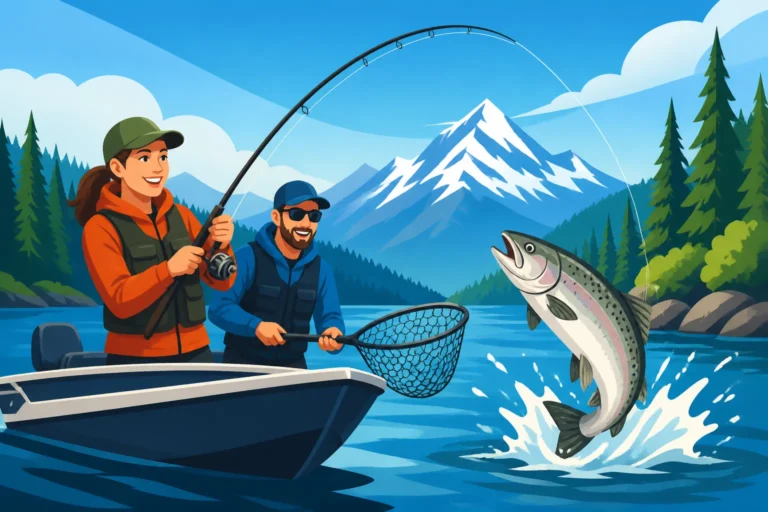
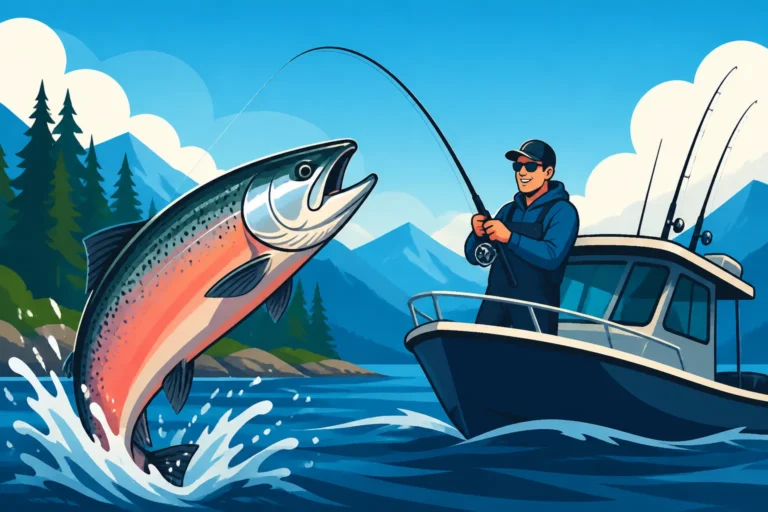
You'll be watching the rod tips, waiting for that tell-tale "pop" as your line releases from the downrigger clip. This is the moment a fish has struck! When it happens, it's a rush. The captain will often shout instructions, guiding you through the fight. This involves reeling in the slack as the boat continues to move, then steadily fighting the fish to the surface. It's a team effort, with the deckhand often managing the other lines and getting the net ready. How to catch Chinook salmon in BC often relies on this kind of coordinated effort.
Safety, Professionalism, and Regulations
Any reputable charter, especially one running specialized equipment, will prioritize safety. Your captain will be highly experienced, often holding a Transport Canada license, and their boat will be equipped with all necessary safety gear, from life jackets to communication devices. They'll also be intimately familiar with BC Fishing Regulations Explained, including bag and possession limits, and any specific gear restrictions for the area you're fishing.
A professional charter will handle your catch with care, whether it's for retention or release. They'll know the best practices for handling various species to ensure their survival if released, or to preserve the quality of your catch if you're taking it home for dinner. They can also explain the importance of the BC Salmon Conservation Stamp Rules for any salmon you intend to keep. Don't hesitate to ask about their specific policies on fish handling and processing; many will even clean and bag your fish for you at the end of the trip. Remember, you're not just booking a boat; you're investing in the captain's expertise and their commitment to a safe, successful, and ethical fishing experience.
Optimizing Your Downrigger Trolling Charter Experience
Booking a charter for downrigger trolling is an investment in a specific kind of fishing adventure. To truly maximize that investment, there are a few extra considerations that can make a good trip into an unforgettable one. It's about being prepared, understanding the nuances, and knowing when to ask for clarification.
Best Locations for Downrigger Trolling Charters in BC
British Columbia offers numerous hotspots where downrigger trolling charters truly excel. The coastal waters, especially around Vancouver Island, are famous for their robust salmon and halibut populations. Areas like Campbell River, often called the "Salmon Capital of the World," are prime for downrigger trolling, with many charters operating out of its marinas. Campbell River Fishing Guide can point you to some fantastic options. Other excellent locations include the waters off Tofino and Ucluelet on the west coast of Vancouver Island, renowned for their incredible Chinook and halibut fisheries. Charters here regularly deploy downriggers to reach the deep-feeding fish.
Even in the Strait of Georgia, closer to Vancouver, downrigger charters thrive, targeting migrating salmon as they move through its extensive channels. For those interested in freshwater giants, some specialized charters on large interior lakes like Kootenay Lake will use downriggers to target Gerrard Rainbow Trout. When researching on FishingBooker, make sure to specify your desired location to see charters operating in those areas known for deep-water success.
When to Book Your Downrigger Trolling Charter
Timing is everything in fishing, and downrigger trolling is no exception. While some species can be targeted year-round, certain seasons offer peak opportunities for downrigger success. For large Chinook salmon, late spring through early fall often provides the best action. This is when the fish are actively feeding in deeper offshore waters before they begin their spawning migrations into rivers. Halibut fishing tends to be best from spring through late summer.
It's always a good idea to chat with the charter captain about the specific time of year you're considering. They'll have the most up-to-date knowledge on which species are active and at what depths they're being found. Booking well in advance, especially for peak season dates, is also crucial, as the best downrigger charters fill up quickly. Consider exploring Best Season to Book a Salmon Charter to align your trip with the best possible chances for a memorable catch.
Preparing for Your Day on the Water
Even though a good downrigger charter provides all the specialized gear, there are still things you can do to prepare for a comfortable and successful day. Dress in layers, as weather conditions on the water can change rapidly. Waterproof outerwear is always a wise choice. Bring snacks, drinks, and any personal medications you might need. Don't forget sunglasses, a hat, and sunscreen – even on cloudy days, UV rays reflect off the water.
If you're prone to seasickness, take preventative measures before you board. Most importantly, come with an open mind and a willingness to learn. The best charters are not just about catching fish; they're about the experience, the education, and the sheer joy of being out on the water. Engage with your captain and crew, ask questions, and enjoy the process of precisely presenting your lure to BC's incredible deep-water fish.
| Feature / Consideration | General BC Fishing Charter | Downrigger Trolling Specialist Charter |
|---|---|---|
| Primary Focus | Broad range of techniques | Deep-water precision fishing |
| Target Species | Varied (surface, bottom) | Chinook, Coho, Halibut, deep Lake Trout |
| Number of Downriggers | 0-2 (often manual) | 2-6 (often electric, high-end) |
| Electronics Use | Standard fish finders | Advanced sonar for depth & bait/fish marks |
| Typical Depth Range | Surface to moderate depth | Deep water (50-200+ feet) |
| Lure Presentation | Casting, jigging, simple trolling | Consistent, precise depth control |
| Skill Requirement for Angler | Beginner to advanced | Good listening, quick reaction time |
| Best For | General experience, variety | Targeting specific deep-dwelling trophies |
This article is for general informational purposes only and does not constitute professional advice. Laws, prices and regulations vary by location and change over time. Consult a qualified professional for guidance on your specific situation.