Best charters for anchor fishing for chinook
There's a unique thrill that comes with anchoring up in a prime location, feeling the tug of a powerful Chinook salmon as the current flows past your boat. But finding the perfect charter for this specific kind of fishing, especially in the vast and diverse waters of British Columbia, can feel like navigating a maze. This guide is here to cut through the confusion, helping you understand what makes a charter exceptional for anchor fishing for Chinook and how to ensure your next adventure is unforgettable.
Why Anchor Fishing for Chinook is Special in British Columbia
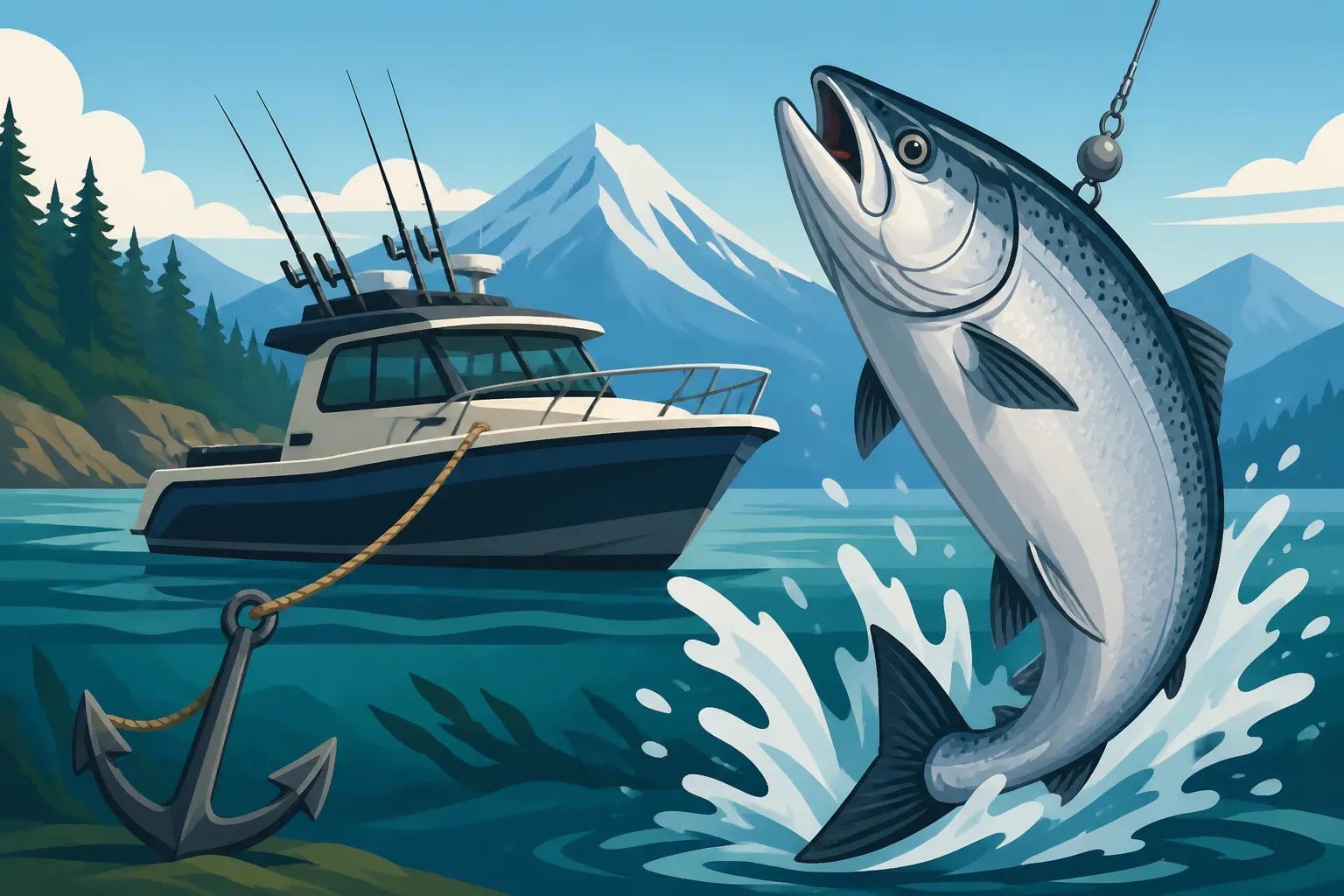
Anchor fishing for Chinook salmon in British Columbia isn't just another way to catch a fish; it's an experience rooted in patience, strategy, and a deep understanding of the local waters. Unlike trolling, where you're constantly moving, anchoring allows you to settle into a prime feeding lane or holding spot, presenting your bait or lure naturally in the current. This method can be incredibly effective, especially in river systems, tidal estuaries, and specific coastal areas where Chinook congregate and feed on incoming or outgoing tides.
The Allure of Static Presentation
When you're anchor fishing, you're relying on the fish to come to you, drawn by the scent and movement of your offerings. This often means using natural baits like herring, anchovies, or roe, presented on a weighted rig that allows them to tumble enticingly along the bottom or at a specific depth. The beauty of this technique is its simplicity and its ability to target fish that might be less inclined to chase a fast-moving trolled lure. It’s a more intimate approach, letting you soak in the scenery and the anticipation.
Imagine being anchored in the tidal reaches of the Fraser River, the mighty current pulling at your lines, as you wait for that distinct, powerful thump signaling a big Chinook has taken the bait. Or perhaps you're tucked into a quiet cove on Vancouver Island, the mist still hanging low, as the tide begins to push in, bringing with it hungry salmon. This kind of fishing fosters a connection to the environment that's different from the constant motion of a trolling boat. It also allows for multiple lines to be fished, increasing your chances when the bite turns on.
Understanding Chinook Habits in Anchor Fishing Zones
Chinook salmon, also known as King Salmon, are the largest and most sought-after salmon species in BC. They are powerful, aggressive feeders, and their movements are highly influenced by tides, currents, and the availability of baitfish. When anchor fishing, successful charters understand these patterns implicitly. They know where Chinook stack up before moving upstream to spawn, or where they pause to feed during their migrations.
For instance, in areas like the lower Fraser River or specific coastal inlets, Chinook will often hold in deeper pools, along current seams, or near underwater structures like ledges and humps, waiting for the optimal time to move. A good charter captain will have spent countless hours studying these spots, understanding the subtle nuances of water flow and fish behavior. They know precisely where to drop anchor so that your bait drifts into the strike zone effectively. This intimate knowledge is what separates an average trip from an exceptional one, particularly when targeting these magnificent fish with a static presentation. Knowing the Chinook Salmon Fishing in BC calendar and migration patterns is crucial.
What to Look for in a Chinook Anchor Fishing Charter
Choosing the right charter for anchor fishing Chinook is paramount to a successful and enjoyable trip. It’s not just about finding any boat; it's about finding a guide who specializes in this particular technique and understands the nuances of targeting these magnificent fish from a fixed position.
Expertise in Anchor Fishing Techniques
Firstly, you want a guide with proven experience specifically in anchor fishing for Chinook. Many charters in BC are set up for trolling, which is fantastic for covering water, but a different skill set is required for effective anchoring. Ask potential guides about their preferred methods. Do they use heavy lead to get baits to the bottom, or lighter setups for suspended fish in a current? Do they understand how to read currents and tides to position the boat precisely?
A truly skilled anchor fishing guide will know how to adjust for varying water depths and speeds, ensuring your bait presents naturally. They'll also be adept at setting multiple lines without tangles, and managing the boat and clients when a big Chinook decides to run. They should be able to explain their strategy and why they choose a particular spot or bait, helping you understand the "why" behind their actions. A guide who communicates openly and teaches you along the way adds immense value to the experience. They'll also be intimately familiar with the Salmon Fishing Techniques for BC Rivers that work best in these situations.
Specialized Equipment and Boat Features
The right gear makes a huge difference in anchor fishing. Look for charters that provide heavy-duty rods and reels capable of handling powerful Chinook and the strong currents you'll often encounter. This isn't the place for flimsy gear. The leader material, hooks, and weights should be appropriately sized for the target species and conditions. Ask about the type of bait they use – fresh, high-quality bait is non-negotiable for anchor fishing.
The boat itself should be stable and comfortable for prolonged periods of anchoring. Ample deck space is important, especially if you have a group, to prevent crowding and allow for safe maneuvering when a fish is on. Crucially, a reliable anchoring system is a must. This might sound obvious, but you don't want to be drifting off a prime spot because of a faulty anchor or a guide struggling to keep the boat stationary. Some boats will have electric winches for easier anchor deployment and retrieval, which is a nice touch. For a general idea of what to expect, check out What Gear a BC Charter Provides.
Reputation and Reviews Focusing on Anchor Fishing
Word-of-mouth and online reviews are invaluable. When researching charters, specifically look for feedback that mentions anchor fishing success. Did previous clients praise the guide's knowledge of specific spots for anchoring? Were they successful in catching Chinook using this method? Pay attention to comments about the guide's patience, instructional ability, and overall professionalism.
Online platforms like FishingBooker can be excellent resources for finding charters and reading detailed reviews. Many listings will specify the types of fishing offered, and some guides even highlight their expertise in anchor fishing. Don't be shy about contacting charters directly to ask specific questions about their anchor fishing setup and experience. It's your trip, and you want to ensure it aligns with your expectations. Looking into How to Choose a BC Fishing Charter can also provide valuable insight into the selection process.
| Feature/Aspect | What to Look For | Why it Matters for Anchor Fishing Chinook |
|---|---|---|
| Guide Experience | Specialization in anchor fishing, deep local knowledge. | Precise boat positioning, understanding fish holding spots. |
| Boat Stability | Large, wide boat with ample deck space. | Comfort during long waits, safe fish handling. |
| Anchoring System | Reliable anchor, strong rode, potentially an electric winch. | Stays on precise spots, easy deployment/retrieval. |
| Rods & Reels | Heavy-duty, balanced setups for strong fish and current. | Handles powerful runs, prevents gear failure. |
| Baits & Rigs | Fresh, quality bait (herring, roe), appropriate weights/leaders. | Maximizes scent trail, natural presentation, prevents break-offs. |
| Electronic Aids | Fish finder/sonar for identifying structure and fish. | Locates prime holding areas and active fish below. |
| Fish Handling | Guide's knowledge of safe catch and release or retention. | Ensures fish welfare and compliance with regulations. |
Prime Locations for Anchor Fishing Chinook and Associated Charters
British Columbia offers a diverse range of environments where anchor fishing for Chinook can be highly productive. From tidal rivers to sheltered coastal areas, each location has its own charm and set of challenges. Knowing where to go can significantly narrow down your charter search.
The Fraser River Estuary and Lower Reaches
When most people think of anchor fishing for Chinook in BC, the Fraser River often comes to mind, and for good reason. The lower Fraser, particularly its tidal portions and estuary, is a major migration corridor for all five species of Pacific salmon, including massive Chinook. Charters operating out of areas like Steveston, Richmond, or Mission specialize in targeting these fish as they stage before pushing further upstream.
Here, anchor fishing is king because the strong currents make trolling difficult or impractical in many prime spots. Guides will typically anchor on specific gravel bars, drop-offs, or current seams, often using heavy weights to hold their baits – typically fresh roe, anchovies, or herring – directly in the path of migrating salmon. The anticipation on the Fraser is palpable; you know that any strike could be from a truly giant King. FishingBooker lists many experienced guides in this region who are highly skilled in Fraser River anchor fishing. For a deeper dive into the region, see Fraser River Fishing Guide.
Specific Coastal Inlets and River Mouths
Beyond the Fraser, many coastal inlets and the mouths of smaller rivers along Vancouver Island and the mainland coast offer excellent anchor fishing opportunities for Chinook. Locations like the Discovery Passage near Campbell River, or certain spots in the Alberni Inlet, can be phenomenal. These areas often experience significant tidal flows that concentrate baitfish and, consequently, hungry Chinook.
Charters in these regions might use anchor fishing during specific tides when fish are moving through narrow channels or holding in eddies. They'll know the subtle signs of when Chinook are staging or actively feeding, and how to present baits effectively in the varied underwater terrain, which can include rocky reefs, kelp beds, or sandy bottoms. The techniques here might vary slightly from river fishing, sometimes involving different weight setups or bait presentation to account for varying depths and structure. Finding the Best Salmon Fishing Spots in BC is key to a productive trip in these areas.
Remote Northern BC Rivers
While more challenging to access and typically requiring multi-day lodge packages, some remote northern BC rivers also offer unique anchor fishing scenarios for Chinook. These might be smaller, clearer rivers where Chinook stack up in specific pools or runs, and a static presentation allows for precise targeting. However, these are often fly-in or highly specialized trips, and not your typical day charter from a major city.
Charters operating in these pristine wilderness settings often have a deep conservation ethic and may focus on selective harvesting or catch-and-release practices. The experience is less about catching huge numbers and more about connecting with wild fish in breathtaking surroundings. If you're considering a trip to one of these remote havens, ensure the charter's philosophy aligns with yours, and that they have a strong track record of success with anchor fishing in these unique, often challenging, environments.
Maximizing Your Anchor Fishing Success with a Charter
Booking a charter is just the first step. To truly make the most of your anchor fishing trip for Chinook, a little preparation and understanding of what to expect can go a long way.
Preparing for Your Day on the Water
Even though the charter provides the gear, a bit of personal preparation will enhance your comfort and enjoyment. Check the weather forecast before you go and dress in layers. British Columbia weather can be unpredictable, even in summer. Waterproof outer layers are almost always a good idea. Bring sunglasses, a hat, sunscreen, and any personal medications you might need. A small backpack for your essentials is handy.
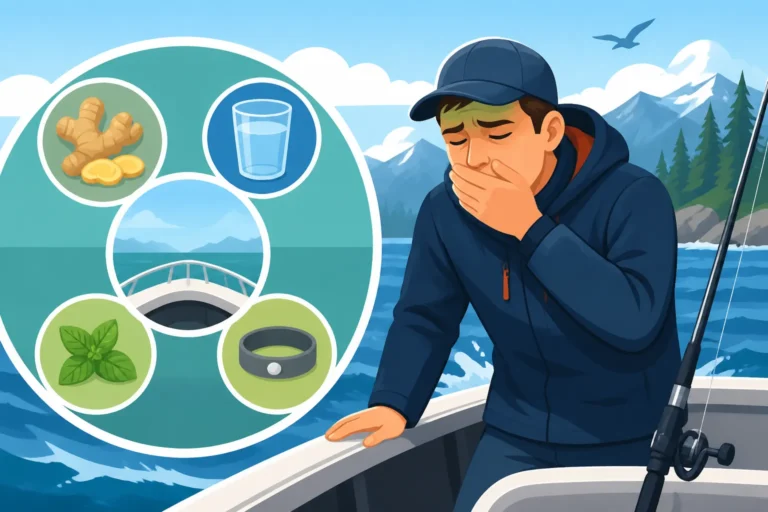
Consider bringing snacks and drinks, as a day of anchor fishing can involve periods of waiting, and staying hydrated and fueled is important. If you're prone to seasickness, take preventative measures before you board the boat, as even in calmer waters, being anchored can sometimes feel more motion-inducing for some individuals. A good night's sleep before your trip also helps keep you sharp and ready for action. You can find more comprehensive packing lists in articles like What to Bring on a BC Fishing Charter.
Understanding the Role of Tides and Time of Day
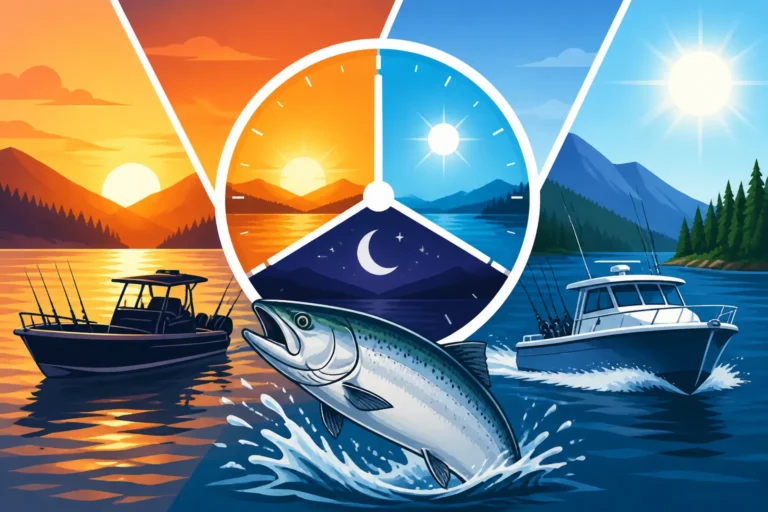
For anchor fishing, understanding the tides is absolutely critical, especially in tidal river sections and coastal areas. Chinook often move and feed most actively during specific parts of the tidal cycle – typically the incoming or outgoing tide, or around the slack water period. Your charter captain will have timed your trip to coincide with these optimal windows.
Listen to your guide's explanations of the tides and how they affect fish movement. They might explain that the "push" of the incoming tide brings fresh fish into the area, or that a strong outgoing current positions fish in specific holding lies. This knowledge not only helps you catch more fish but also deepens your appreciation for the natural rhythm of the fishery. Understanding Best time of day to catch salmon on an incoming tide is crucial for these trips. The Best Time of Year to Fish in BC for Chinook will also inform when these charters are most active.
Engaging with Your Guide and Learning the Ropes
Don't be afraid to ask questions! A good guide loves to share their knowledge. Inquire about the rig setup, why they chose a particular bait, or how they read their sonar to identify fish or structure. Learning about Best bait for chinook salmon on the Fraser or How to rig herring for chinook trolling can make you a more informed angler for future trips.
Anchor fishing can sometimes involve periods of quiet waiting, which is a perfect opportunity to absorb information from an experienced professional. If you hook a fish, pay attention to the guide's instructions on how to play it effectively and bring it to the boat safely. Their guidance is invaluable, especially with powerful Chinook in strong currents. Remember, they are there to help you have the best possible experience, and active engagement often leads to a more rewarding trip. For a general overview of what your day might look like, refer to What to Expect on a BC Fishing Charter.
Disclaimer
This article is for general informational purposes only and does not constitute professional advice. Laws, prices and regulations vary by location and change over time. Consult a qualified professional for guidance on your specific situation.