Best fly fishing charters for steelhead
For many passionate anglers, the thought of fly fishing for steelhead in British Columbia conjures images of pristine, wild rivers and the ultimate challenge. However, the sheer vastness of BC's wilderness and the elusive nature of these magnificent fish can make finding the right guide feel like searching for a needle in a haystack. This comprehensive guide will illuminate what makes a truly exceptional fly fishing charter for steelhead, helping you understand what to prioritize and how to prepare for an unforgettable adventure on BC's fabled waters.
Why a Dedicated Fly Fishing Charter for Steelhead is a Game-Changer
Chasing steelhead with a fly rod is a pursuit unlike any other, demanding specific skills, intricate knowledge of river systems, and often, access to remote areas. For many, a dedicated fly fishing charter isn't just a luxury; it's an absolute necessity to unlock the full potential of BC's incredible steelhead fisheries.
Navigating BC's Unique Steelhead Waters
British Columbia boasts some of the most spectacular, yet challenging, steelhead rivers on the planet. From the vast, powerful flows of the Skeena River system in the north to the rugged, often intimate coastal streams, each body of water presents its own set of characteristics. You're not just casting into a pond; you're deciphering complex currents, understanding subtle holding lies, and navigating often-treacherous terrain.
Imagine standing on the bank of the Bulkley River, looking at a vast expanse of powerful current, wondering where to even begin. Without years of local knowledge, it’s easy to feel overwhelmed and spend precious fishing time fruitlessly casting in unproductive water. This is where an experienced guide shines. They have intimately studied these rivers through countless seasons, understanding how water levels, temperatures, and fish movements dictate where steelhead will hold. They know the safe wading paths, the nuances of different runs, and can put you in the right place at the right time, dramatically increasing your chances of success. Their insight is invaluable, turning what could be a frustrating guessing game into a focused, rewarding experience.
Furthermore, many prime steelhead spots are not easily accessible by car. Logging roads can be confusing, private property lines might be unmarked, and some of the most productive stretches require specialized watercraft to reach. A reputable charter eliminates these logistical headaches, ensuring you spend your time fishing, not floundering, and allowing you to focus purely on the art of the cast and the anticipation of a tug from a chrome bright fish.
Mastering Steelhead Fly Fishing Techniques
Steelhead fly fishing is an art form, requiring precision, patience, and often, specialized casting and presentation techniques. Whether you're a seasoned fly angler or relatively new to the game, a dedicated steelhead guide will not only put you on fish but also elevate your skills.
Many of BC's larger steelhead rivers are perfectly suited for Spey casting, a two-handed technique that allows anglers to cast long distances with minimal backcast room, effortlessly presenting flies across powerful currents. If you've never held a Spey rod, the learning curve can be steep. A good guide acts as a patient instructor, breaking down the intricate movements and helping you develop the muscle memory needed to execute elegant and effective casts. They'll teach you the importance of mending line, controlling the swing, and detecting the subtle takes that often characterize a steelhead bite. Beyond Spey casting, they're adept at teaching indicator nymphing in faster, deeper runs, or how to Euro Nymphing BC Interior Streams effectively in smaller pockets.
The nuance of fly selection is another area where guides excel. They know precisely which Fly Patterns for BC Steelhead Rivers are working on a given day, accounting for water clarity, light conditions, and the specific phase of the run. This isn't just about having the right fly; it's about presenting it correctly and understanding the subtle drift that entices a strike. A charter provides not just the gear, but the critical expertise to wield it effectively against one of the most challenging and rewarding freshwater game fish.
Accessing Prime, Often Remote, Steelhead Territory
One of the biggest advantages of booking a fly fishing charter, especially for steelhead, is the unparalleled access to prime fishing territory. Many of BC’s most productive steelhead runs are in remote areas, far from paved roads and public access points. These aren't the kind of places you can just drive up to and start casting.
Experienced guides often operate specialized drift boats or jet boats, which are essential for safely navigating powerful rivers like the Skeena, Bulkley, or Dean. These vessels allow them to transport you and your gear comfortably to secluded stretches of water that are otherwise inaccessible, bypassing crowds and ensuring a more intimate and productive fishing experience. Imagine drifting silently through a pristine canyon, knowing that you're in water rarely fished by others, with only the sound of the river and your guide's quiet instructions for company. This exclusive access significantly enhances your chances of encountering untouched, aggressive steelhead.
Beyond just physical access, guides also possess the necessary permits and deep understanding of local regulations, ensuring you’re fishing legally and responsibly. This often includes navigating specific zones or understanding in-season closures, which can be complex in BC. They are often deeply involved in local conservation efforts, ensuring that these precious fisheries remain healthy for future generations, and adhering strictly to BC Catch and Release Only Waters guidelines when applicable. This blend of logistical capability and regulatory knowledge means you can relax and focus on the fishing, knowing all the details are handled.
What to Look for in a Top-Tier Steelhead Fly Fishing Charter
Choosing the right steelhead fly fishing charter is perhaps the most critical decision you'll make in planning your trip. A great guide can turn a good day into an unforgettable one, while a less experienced one can lead to frustration. Here’s how to discern the best options.
Experience and Reputation: The Guiding Hand You Can Trust
When it comes to steelhead fly fishing, experience isn't just a bonus; it's a non-negotiable requirement. You want a guide who has spent countless hours on the specific rivers you plan to fish, someone who understands the subtle cues of the water and the nuances of Steelhead Runs on BC's North Coast Rivers.
Look for guides with a long-standing history in the region, ideally with a decade or more of dedicated steelhead guiding under their belt. This kind of longevity speaks volumes about their expertise, their ability to adapt to changing river conditions, and their commitment to client satisfaction. Don't be shy about asking about their background, their philosophy on guiding, and what their typical season looks like. Reputable guides will be transparent and proud to share their knowledge. Word-of-mouth is powerful in the fishing community, so seek recommendations from trusted sources. Additionally, online platforms such as FishingBooker are excellent resources, where you can read client reviews and testimonials, providing objective insights into a guide's performance, personality, and professionalism. A pattern of positive feedback regarding safety, teaching ability, and fish encounters is a strong indicator of a top-tier operation. Remember, a true expert knows not just where the fish are, but why they're there, and can articulate the complex factors that influence BC Steelhead Season Dates and movements.
Beyond just finding fish, a reputable guide prioritizes safety above all else. They are intimately familiar with river hazards, have first-aid training, and carry appropriate safety equipment. In the wild and often remote settings of BC's steelhead rivers, this peace of mind is priceless. Their ability to navigate diverse river conditions, from tricky rapids to strong currents, is paramount, especially when wading or operating a boat.
Gear, Equipment, and Customization
A top-tier steelhead fly fishing charter will provide all the necessary high-quality gear, ensuring you’re properly equipped for the challenging pursuit of steelhead. This isn't just about having a rod; it's about having the right rod, reel, line, and flies for the specific conditions you'll encounter.
Inquire about the brands and types of rods and reels the charter provides. For example, many BC steelhead rivers lend themselves to Spey casting, so ensure they have a range of two-handed rods, along with appropriate Skagit or Scandi lines and various sink tips. If you're planning on single-hand fly fishing, they should have suitable rods for that as well. The flies themselves are critical; a good guide will have a diverse selection of proven patterns, tied locally to match the specific forage and conditions. This attention to detail means you don't have to worry about bringing your own extensive setup, though many experienced anglers still prefer to use their personal gear.
Furthermore, consider their ability to customize the experience. Are you a beginner eager to learn the ropes of Spey casting? Or are you an advanced angler looking to target a specific run with a particular technique? A great guide will tailor the trip to your skill level and preferences. This might involve dedicating more time to instruction, focusing on a specific type of water, or even accommodating physical limitations. Discuss your expectations upfront; a flexible and client-focused guide will ensure your trip is as enjoyable and productive as possible, whether you’re seeking Best Guided Steelhead Trips on the Skeena or a more intimate experience on a smaller tributary.
Conservation Ethos and Local Insight
Any truly great steelhead fly fishing charter in British Columbia will be deeply rooted in a strong conservation ethos and possess profound local insight. These two elements are intrinsically linked, as responsible guiding practices are essential for preserving the very resource that provides their livelihood and our passion.
A guide with a genuine conservation ethic isn't just following rules; they're actively promoting sustainable fishing practices. They'll emphasize proper BC Catch and Release Only Waters techniques, ensuring fish are handled minimally and released unharmed to continue their spawning migration. They'll educate you on the fragile ecosystem, the importance of protecting riparian habitats, and the challenges faced by wild steelhead populations. This commitment to conservation often extends beyond the riverbanks, with many guides involved in local advocacy groups or habitat restoration projects. Their passion for the resource will be evident, and it enriches the entire fishing experience, turning it into more than just catching fish, but understanding and appreciating the natural world.
Their local insight goes beyond just knowing where to cast. It includes understanding the intricacies of the local regulations, such as the BC Freshwater Salmon Retention Rules or the specific requirements for a BC Steelhead Conservation Surcharge Stamp. They can share stories of the river, its history, and the unique challenges and triumphs of the steelhead runs. This kind of deep, personal connection to the land and its waters provides an authentic and immersive experience that you simply can't get from a generic fishing trip. It’s about tapping into the soul of British Columbia's wild rivers, guided by someone who knows them intimately.
Preparing for Your Unforgettable BC Steelhead Fly Fishing Adventure
Once you’ve chosen your fly fishing charter, the excitement truly begins! Proper preparation is key to ensuring your trip goes smoothly and you can fully immerse yourself in the experience.
Securing Your License and Stamps
This is the absolute first step, and it’s non-negotiable: you must have the correct fishing license and any required stamps before you even set foot in a river. British Columbia has specific requirements for both freshwater and tidal waters, and special stamps for certain species.
For steelhead, you'll need a BC Freshwater Fishing License. Depending on whether you're a resident of BC, another Canadian province, or an international visitor, the cost and duration options will vary. On top of your base license, you will also need a Classified Waters License if you plan to fish certain designated rivers and, critically, a BC Steelhead Conservation Surcharge Stamp. This stamp directly supports steelhead conservation efforts, so it's a vital contribution. Make sure you understand the difference between resident and non-resident licenses, as the rules and costs can differ significantly. For youth, there might be exemptions, but it’s always best to check BC Fishing License Age Requirements.
The easiest way to obtain your license and stamps is online through the BC government's fishing licensing system. It’s always best to purchase these well in advance of your trip to avoid any last-minute stress or technical issues. Ensure you print your license and carry it with you, or have it readily accessible on a digital device, as fishery officers can request to see it at any time. Your guide will also confirm you have your license before heading out, as they are responsible for ensuring all anglers on their trip are compliant with regulations. Having all your paperwork in order allows you to start your trip with confidence and avoid any penalties for Fishing Without a License in BC: Penalties. You can find detailed information on Where and How to Buy a BC Fishing License.
Packing Essentials and Comfort Considerations
British Columbia's weather, especially in the wilderness, can be notoriously unpredictable, sometimes delivering four seasons in a single day. Layering is your best friend when packing for a steelhead fly fishing trip.
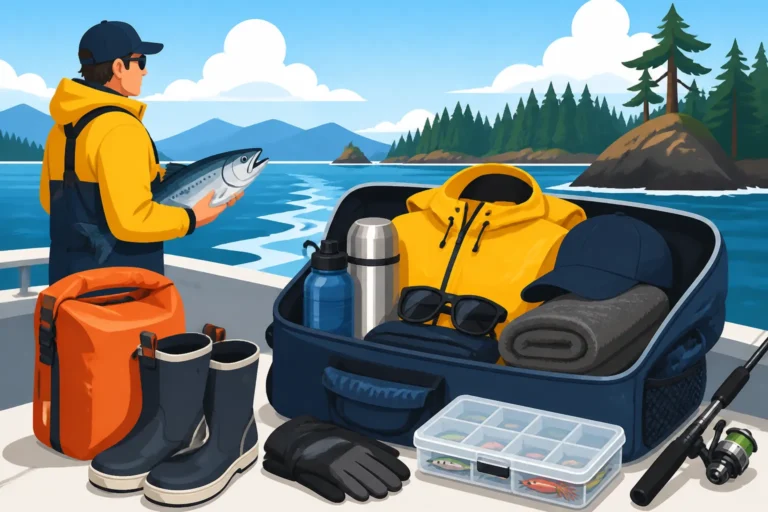
Start with a good moisture-wicking base layer, followed by insulating layers like fleece or wool. Over this, you’ll need a high-quality waterproof and windproof jacket and pants. Even if the forecast looks sunny, a sudden downpour or a chilling wind can quickly change conditions. A warm hat, gloves, and thick wool socks are crucial, even in spring or fall, as cold hands and feet can quickly dampen your spirits. Bring polarized sunglasses to reduce glare off the water, helping you spot fish and navigate safely, along with sunscreen and insect repellent, especially if you're fishing in the warmer months or near stillwaters.
Comfortable, sturdy wading boots with good grip are essential, paired with breathable waders. Your guide might provide some gear, but it's always wise to confirm what's included and what you need to bring yourself. Don't forget a camera to capture the memories, a water bottle to stay hydrated, and some snacks to keep your energy up throughout the day. While many charters provide lunch, having a few extra granola bars or a piece of fruit can be a lifesaver on a long day on the river. Be realistic about your physical capabilities, particularly if Wading Techniques for BC Steelhead Rivers will be a significant part of your trip, and pack accordingly to ensure you're comfortable and safe.
Communicating Your Expectations and Skills
To get the most out of your fly fishing charter, clear and honest communication with your guide is paramount. This conversation should happen well before your trip, ideally during the booking process.
Firstly, be upfront about your fly fishing experience level. Are you a seasoned Spey caster with years of steelhead experience, or are you a beginner who's never even held a two-handed rod? Your guide needs this information to tailor the instruction, choose appropriate fishing spots, and manage expectations. Don't exaggerate your skills; an honest assessment allows the guide to provide the best possible experience, whether that means starting with basic casting lessons or challenging you with technical presentations. Platforms like FishingBooker often allow you to specify your experience level when inquiring, which helps immensely.
Secondly, articulate your goals for the trip. Are you solely focused on catching a trophy steelhead, or is the experience of being in nature, learning new techniques, and enjoying the scenery equally important? Do you have a specific technique you want to master, or a particular run you've always dreamed of fishing? While guides work hard to put you on fish, the reality of steelhead fishing is that success is never guaranteed. Being clear about what you hope to gain from the trip helps your guide understand how to best direct their efforts and ensure your satisfaction, regardless of the number of fish brought to hand. Discuss logistics like meeting points, trip duration, and what meals or drinks might be included so there are no surprises on the day of your adventure.
Top Regions and Rivers for Steelhead Fly Fishing Charters
British Columbia is a vast province, offering a diverse array of steelhead fly fishing opportunities. While steelhead can be found in many rivers, certain regions and river systems are legendary among fly anglers for their consistent runs and stunning scenery.
The Legendary Skeena Watershed and Its Tributaries
When serious steelhead fly anglers talk about British Columbia, the Skeena Watershed almost always comes up. Located in Northern BC, this expansive river system and its numerous tributaries – including the Bulkley, Kispiox, Morice, and Babine rivers – are globally renowned for their wild, aggressive, and often very large steelhead. Many consider the Skeena to be the undisputed king of steelhead rivers.
The remote nature of these rivers, combined with their incredible runs of chrome-bright fish, makes them prime territory for dedicated fly fishing charters. Guides operating here often utilize jet boats to access prime runs and navigate the vast distances. Fishing in this region is primarily focused on swinging flies with two-handed Spey rods, though indicator nymphing can also be effective in certain conditions. The season typically runs from late summer through fall, with September and October being peak times for trophy-sized fish. Rivers like the Bulkley River are famous for their strong runs and the classic drift boat fishing experience, while the Kispiox River offers a more intimate, often wade-fishing friendly environment, though still challenging. A charter here is not just a fishing trip; it's an immersive wilderness experience, providing deep insight into Steelhead Fishing in BC and the delicate balance of this vibrant ecosystem. Remember, many of these rivers are catch-and-release only for steelhead, reinforcing the conservation mindset essential to this region.
Interior BC's Steelhead Gems
While the Skeena system captures much of the steelhead spotlight, Interior British Columbia also holds some true gems for the fly angler, though often with a different character and a stronger emphasis on conservation due to vulnerable populations. Rivers like the Thompson River, known for its powerful current and incredible runs of wild steelhead, have historically been a pilgrimage for many anglers. However, these runs face significant challenges, and regulations are often very strict, with extended closures and mandatory catch-and-release policies.
The Dean River, while somewhat remote and distinct, offers another iconic Interior BC steelhead experience. It's famous for its summer-run steelhead, known for their incredible athleticism and eagerness to take a swung fly. Access to the Dean is typically by float plane to a remote lodge or a guided trip, emphasizing the need for a dedicated charter. These interior rivers often fish best during specific windows, such as late summer for the Dean, or late fall for the Thompson, making local guide knowledge absolutely crucial to pinpoint productive times and locations. BC Interior Fraser steelhead protection closures and other measures highlight the importance of fishing responsibly and often dictate when and where you can even cast a line. These trips are less about numbers and more about the quality of the fish and the unparalleled wilderness experience.
Vancouver Island and Coastal Mainland Opportunities
Don't overlook Vancouver Island and the coastal mainland for steelhead fly fishing charters. While these areas might not boast the same sheer numbers or size of fish as the Skeena system, they offer a more accessible and often equally rewarding experience, particularly for those looking for shorter trips or different river dynamics.
Vancouver Island's numerous rivers and streams, though often smaller and more intimate, host strong runs of winter steelhead. These fish tend to be incredibly spirited, battling hard in their smaller home waters. Fly fishing here often involves a mix of Spey casting in wider sections and single-hand techniques, including nymphing and swinging smaller flies, in the tighter pockets and runs. Charters on Vancouver Island might focus on a particular river or move between several depending on conditions, offering diverse experiences. Similarly, some coastal mainland rivers, closer to metropolitan areas, provide opportunities for a day trip or a shorter guided adventure. These rivers are highly dependent on rainfall for optimal fishing conditions, making a guide's real-time knowledge of water levels and clarity essential. While less grand in scale than the northern rivers, the coastal steelhead experience offers beautiful scenery, challenging fish, and the thrill of discovery in often less-traveled waters.
| River System | Primary Fly Fishing Method | Typical Steelhead Size | Best Seasons | Key Characteristics |
|---|---|---|---|---|
| Skeena Watershed | Spey Casting (swinging) | Large (10-30+ lbs) | Late Summer, Fall (Sept-Oct) | Wild, aggressive, remote access, jet boat drifts |
| Bulkley River | Spey Casting (swinging) | Medium-Large (8-25 lbs) | Fall (Sept-Oct) | Iconic drift boat fishery, strong runs, scenic |
| Kispiox River | Spey Casting (swinging) | Medium-Large (8-25 lbs) | Fall (Sept-Oct) | Clear water, often wade-friendly, challenging |
| Thompson River | Spey Casting (swinging/nymphing) | Large (15-30+ lbs) | Late Fall | Powerful fish, strict conservation, challenging |
| Dean River | Spey Casting (swinging) | Medium-Large (10-25 lbs) | Summer (July-Aug) | Highly acrobatic, remote fly-in access, pristine |
| Vancouver Island Rivers | Single-hand (nymphing/swinging) | Medium (6-15 lbs) | Winter (Nov-Mar) | Smaller, intimate rivers, often rain-dependent |
Disclaimer
This article is for general informational purposes only and does not constitute professional advice. Laws, prices and regulations vary by location and change over time. Consult a qualified professional for guidance on your specific situation.