Best hair jig technique for winter smallmouth
Winter smallmouth bass fishing in British Columbia can feel like trying to find a needle in a haystack, especially when the water gets cold enough to turn your fingers numb. Many anglers pack away their bass gear once the leaves fall, frustrated by sluggish fish that seem to vanish entirely. But here's the secret: winter smallmouth are absolutely catchable, and a hair jig is often the key to unlocking their hiding spots. This guide will walk you through the precise techniques to make that hair jig irresistible, helping you conquer the chill and reel in some impressive bronzebacks even when the mercury drops.
The Winter Smallmouth Enigma: Why They're So Tricky
Let's be real, winter fishing for smallmouth bass isn't for the faint of heart. These feisty fish, known for their aggressive strikes in warmer months, undergo a significant transformation when water temperatures plummet. They don't just disappear; they become incredibly lethargic, conserving energy and moving only when absolutely necessary. This behavior makes them notoriously difficult to target with conventional fast-moving lures. Your usual crankbaits and spinnerbaits that worked wonders in summer will likely just zip past uninterested fish, leading to empty casts and dwindling morale.
Understanding Smallmouth Winter Behavior
During the colder months in BC's lakes like Okanagan and Osoyoos, smallmouth bass seek out deeper, more stable water. They're looking for thermal refuge and areas where they can expend minimal energy to ambush passing forage. This often means congregating in schools, sometimes quite tightly packed, on deep structure like rock piles, ledges, submerged timber, or even steep drop-offs. Their metabolism slows dramatically, meaning they don't need to eat as often, and when they do, they're not going to chase anything fast. This is why a finesse presentation, something subtle and slow, becomes absolutely paramount. It's about putting the bait right in front of their nose and giving them an easy, tempting meal. Think of it like a slow-motion dance rather than a high-speed chase.
Why the Hair Jig is Your Winter Weapon
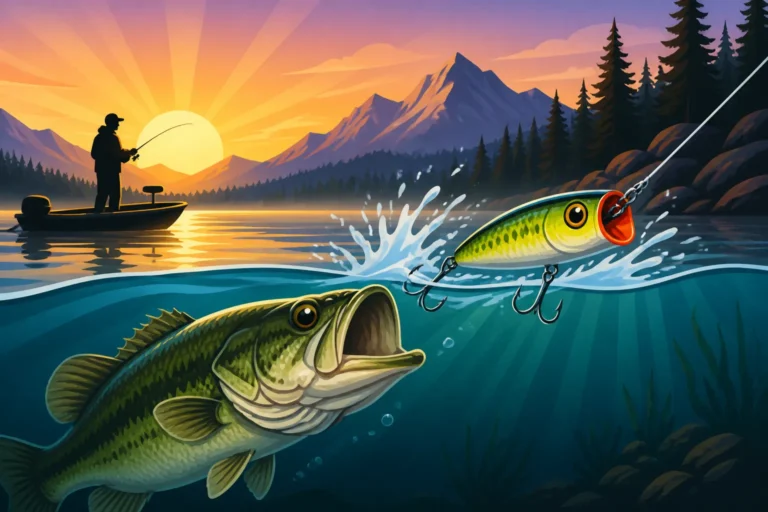
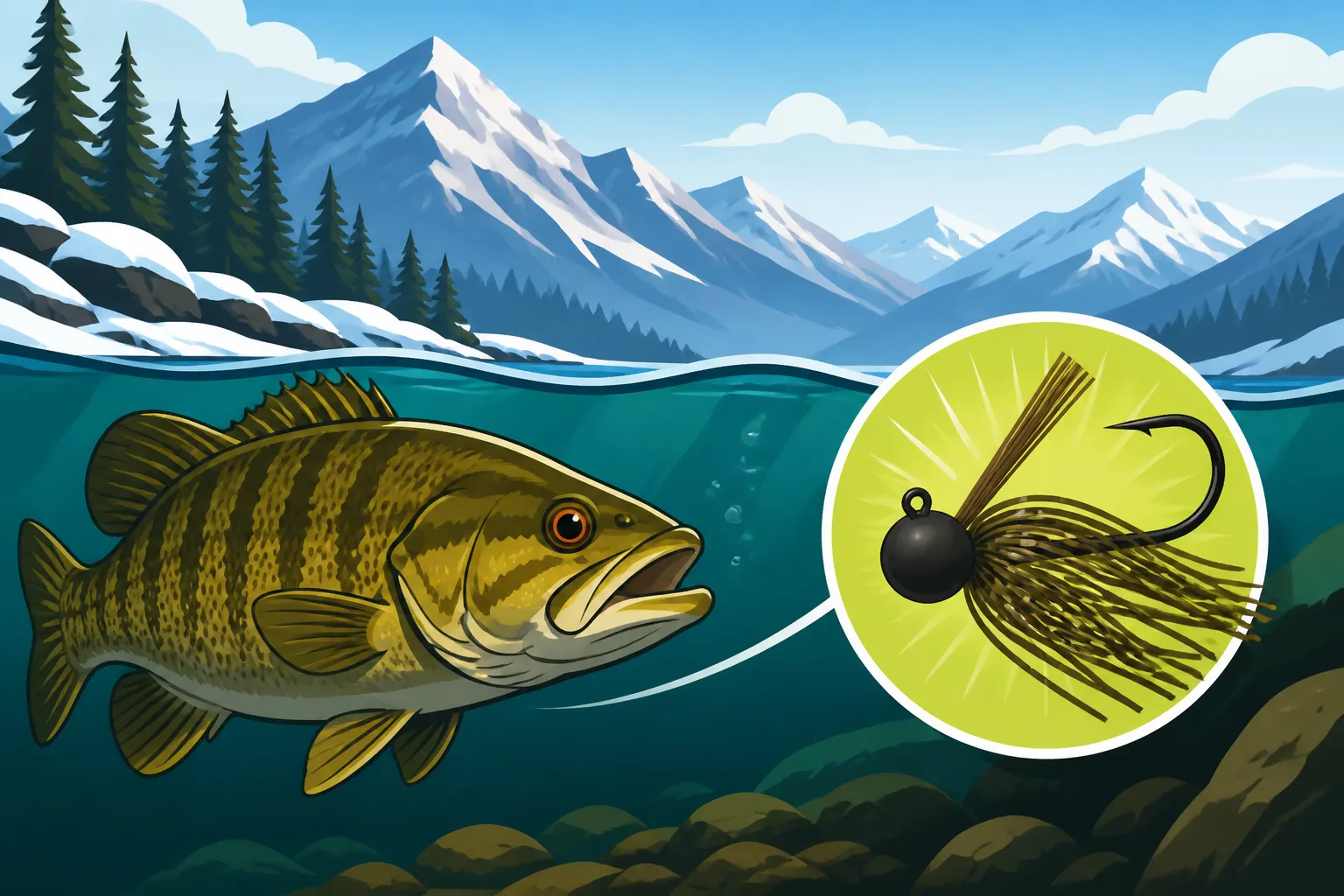
So, why a hair jig? It all comes down to its unique characteristics that perfectly match the winter smallmouth's mood. Unlike rubber or silicone jigs that have a more erratic or aggressive action, a hair jig, made from natural materials like deer hair, rabbit fur, or even marabou, offers an incredibly lifelike and subtle presentation in the water. When fished slowly, the natural fibers pulsate and breathe with even the slightest movement, mimicking a struggling baitfish or an invertebrate without appearing overly aggressive. This "living" quality is what triggers those otherwise dormant smallmouth. It's not a hard, thumping vibration; it's a soft, enticing shimmer. Plus, the compact profile of a hair jig allows it to sink effectively and be fished vertically in deep water where these fish often hold, making it an ideal choice for probing those cold-water sanctuaries.
Selecting the Perfect Hair Jig for BC Winter Smallmouth
Choosing the right hair jig isn't a one-size-fits-all situation. The subtle differences in size, color, and material can make all the difference on a tough winter day in a lake like Shuswap or Kalamalka. Since smallmouth are often stacked up deep, and their vision can be impaired in low light or stained water, these choices are critical.
Size and Profile: Less is Often More
For winter smallmouth, finesse is the name of the game, and that generally means sizing down. Jigs in the 1/8 to 1/4 ounce range are typically ideal. Sometimes even lighter, like 1/16 oz, can be deadly in very shallow, calm winter conditions, but the slightly heavier options allow for better depth control and casting in deeper water or when a bit of wind picks up. The key is a compact profile. You want a jig that looks like a small, easy meal. Brands offer various head shapes, but a round head or a football head jig works well for bottom contact. If you’re fishing around more snaggy cover, a stand-up or arkie-style head can help reduce hang-ups. Remember, the fish aren't going to exert themselves much, so don't ask them to chase a big meal. You can find a good selection of these smaller, compact hair jigs on sites like Amazon, ensuring you have the right sizes on hand.
Color and Material: Matching the Mood
Color choice in winter is often debated, but a good rule of thumb is to start with natural, subtle tones. Shades of brown, green pumpkin, black, and various grays are excellent choices. Mimicking crayfish, sculpins, or small minnows is usually a safe bet. Sometimes, a touch of flash or a subtle pop of chartreuse or orange can trigger a strike, especially in slightly stained water or on overcast days. However, avoid anything too bright or gaudy. The goal is subtle attraction, not alarming the fish. When it comes to the hair itself, deer hair offers excellent buoyancy and a good puffing action. Marabou, with its soft, fluid movement, is incredibly lifelike and can be a real killer in cold water. Rabbit strips also provide fantastic movement and a slightly larger profile if you need it. I often carry a mix of these materials, ready to adapt to what the fish are telling me.
Mastering the Retrieve: The Key to Winter Hair Jig Success
This is where most anglers go wrong. If you fish a hair jig in winter the way you'd fish a plastic worm in summer, you're going to have a frustrating day. The retrieve for winter smallmouth is agonizingly slow, subtle, and full of long pauses. It's about convincing a reluctant fish that this easy meal is worth the minimal energy output to eat it. It's a true lesson in patience.
The "Dead Stick" and "Slow Drag" Approach
The most effective hair jig technique for winter smallmouth often involves what's known as "dead sticking" or a painfully slow drag. Cast your jig out, let it sink all the way to the bottom on a slack line, and then just let it sit. Seriously, sometimes minutes. This initial pause allows the hair to settle and pulsate, often drawing attention. After a long pause, slowly, almost imperceptibly, lift your rod tip a few inches, just enough to move the jig a foot or two along the bottom. You're not hopping it; you're dragging it. Then, drop your rod tip back down, take up the slack, and let it sit again for another extended period. Many strikes will occur on the pause, as the jig settles or as it's just about to move. The fish often just inhale it, so you're looking for a subtle "tick" or simply feeling extra weight when you try to move the jig again. This is far from aggressive fishing, but it works wonders when fish are lethargic. You really want to maximize that 'hang time' in the strike zone, especially when fishing near a Best deep water structure spots on Kootenay Lake.
The "Micro Twitch" and "Shake"
Another variation, particularly useful when you suspect fish are slightly more active (perhaps during a brief warm spell or after a Best time to fish after a cold front), is the "micro twitch" or "shake." Instead of a long drag, after your jig hits bottom and pauses, gently shake your rod tip while barely moving the jig forward. This causes the hair to shimmer and pulsate without making a big, abrupt movement. Think of it like a struggling insect or a dying minnow. Then, resume your long pause. This technique is excellent for targeting fish holding tight to cover, giving them just enough tantalizing action to trigger a reaction strike without spooking them. It's a very subtle art, and paying attention to your line for any slight movement or aberration is crucial, as winter bites can be incredibly light. Being able to detect these light bites comes down to a sensitive rod and line, which we'll discuss next.
Optimizing Your Gear for Finesse Jigging
Finesse fishing for winter smallmouth with hair jigs requires a specialized tackle setup that maximizes sensitivity and allows for delicate presentations. Your heavy-action bass rod and thick line from summer just won't cut it. Every component plays a role in detecting those subtle winter bites and ensuring you can deliver the jig effectively.
Rod and Reel: Sensitivity is King
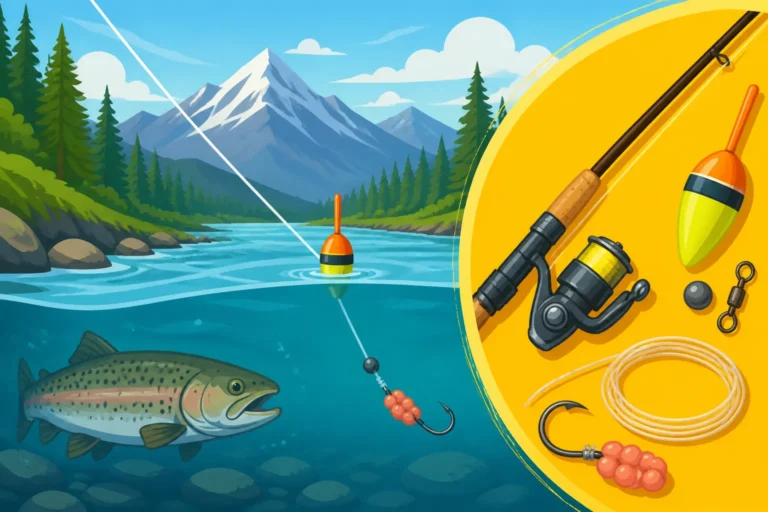
For hair jigging, a spinning rod is almost universally preferred due to its ability to cast light lures and its enhanced sensitivity. Look for a rod in the 6'6" to 7'3" range with a medium-light to medium power and a fast or extra-fast action. The fast tip allows for precise casting and excellent bite detection, while the backbone is still sufficient to handle a surprisingly strong smallmouth. Materials like high-modulus graphite are key for transmitting even the slightest tap. You want a rod that feels like an extension of your arm. Pair this with a lightweight spinning reel in the 1000 to 2500 size range. A smooth drag system is important, but more so is a reel that balances well with your chosen rod, allowing you to fish comfortably for extended periods with minimal fatigue. Remember, on Amazon, you can find a huge variety of rods and reels designed specifically for finesse techniques.
Line Selection: Feel Every Whisper
Line choice is perhaps the most critical component for winter hair jigging. You need something that offers maximum sensitivity, low stretch, and casts smoothly. I typically opt for a braided main line with a fluorocarbon leader.
- Braided Main Line: 8 to 15 lb test braided line is excellent. It has virtually no stretch, transmitting every bump, tick, and subtle weight change directly to your rod tip. Its thin diameter also helps with casting distance and cutting through the water to get your light jig down.
- Fluorocarbon Leader: Tie on a 6 to 10 lb test fluorocarbon leader, typically 6-10 feet long. Fluorocarbon is nearly invisible underwater, which is a huge advantage in clear winter waters where smallmouth can be exceptionally wary. It also has less stretch than monofilament but still offers a bit of abrasion resistance and a slight shock absorption that braid lacks. The limited stretch helps maintain that critical sensitivity while still being forgiving enough not to tear tiny hook holes. For instance, when fishing Best techniques for finesse fishing clear water trout, a fluorocarbon leader is always my first choice, and the same applies to clear-water smallmouth.
Hooks and Accessories: The Small Details
While most hair jigs come pre-rigged with hooks, it's worth noting that ultra-sharp, fine-wire hooks are a massive advantage. They penetrate easily with a light hookset, crucial when dealing with subtle bites and light line. Also, consider carrying a variety of jig weights and head styles to match different depths and structures. Having a small tackle box filled with different hair jig options purchased from a retailer like Amazon will ensure you're prepared for whatever conditions BC's winter lakes throw at you. Don't forget a good pair of line clippers and pliers, especially if fishing in cold weather where dexterity can be an issue.
Where to Find Winter Smallmouth in BC
Knowing the technique is one thing, but knowing where to apply it is just as crucial. Winter smallmouth bass don't roam aimlessly; they gravitate to very specific types of locations that offer them thermal refuge and access to forage. In BC's larger lakes, these spots can be vast, so understanding the general patterns will save you a lot of time and cold fingers.
Deep Main Lake Points and Humps
Main lake points that extend far out into deeper water are classic winter smallmouth haunts. These points often have steep drop-offs on their sides, providing access to different depths as fish move up and down with minor temperature fluctuations or feeding opportunities. Underwater humps, especially those with rock or timber on top, are also prime real estate. Smallmouth will stack up on the leeward side of these structures, out of current (if any) and wind, often congregating in a specific depth range. Your electronics are your best friend here, helping you identify these features and mark schools of fish. Focus on the transition zones where different depths meet, or where hard bottom turns to soft. Best fishing spots within an hour of Kelowna would certainly include a number of these points on Okanagan Lake.
Steep Drop-Offs and Ledges
Just like main lake points, steep drop-offs and ledges provide quick access to varying depths and stable winter temperatures. These could be bluff walls, old creek channels, or even man-made structures like bridge abutments or deep marina breakwaters. Smallmouth will often suspend along these vertical features or hold tight to any horizontal ledges or rock shelves. The key is to present your hair jig vertically, dropping it straight down to the fish you mark on your sonar. Sometimes they'll be right on the bottom, other times they might be suspended 10-20 feet off the bottom in 60 feet of water. Fishing around Best largemouth bass lakes in the Okanagan will often reveal similar patterns for smallmouth.
Submerged Timber and Rock Piles
Any kind of hard, submerged cover in deep water is a magnet for winter smallmouth. This includes fallen trees, stumps, brush piles, and especially rock piles. These structures offer protection, ambush points, and often hold baitfish. When fishing around timber or rocks, be prepared for snags, but don't shy away from these areas – that's where the fish will be. A hair jig's compact size can actually help it slip through cover better than bulkier baits, but a slow, methodical retrieve is necessary to feel those subtle snags before they become full hang-ups. Remember, smallmouth in winter are all about conserving energy; the easier you make it for them to grab a meal, the better your chances are. If you're looking for Best winter fishing spots in BC, these types of deep, structured areas are always worth investigating.
Markdown Table: Hair Jig Retrieve Guide for Winter Smallmouth
| Water Temperature Range | Typical Smallmouth Behavior | Recommended Retrieve Style | Notes |
|---|---|---|---|
| Below 40°F (4°C) | Extremely Lethargic, Clumped | Dead Stick / Ultra-Slow Drag | Longest pauses (30-60+ seconds). Minimal rod movement. Watch for line slack. |
| 40-45°F (4-7°C) | Lethargic, but will bite | Slow Drag with Longer Pauses | Pauses 15-30 seconds. Subtle 1-2 ft drags. |
| 45-50°F (7-10°C) | Moderately Active, Cruising | Slow Drag with Shorter Pauses / Micro Twitch | Pauses 5-15 seconds. Gentle shimmers or short hops. Fish might move slightly. |
| Above 50°F (10°C) | More Active, Spread Out | Slow Hop / Drag | Pauses 5-10 seconds. More pronounced hops. Can mix in short retrieves. |
This table illustrates that as the water gets colder, your retrieve needs to become progressively slower and more subtle, with longer pauses being the most critical element. Adapting your retrieve to the actual water temperature is paramount for success when chasing winter smallmouth.
Disclaimer
This article is for general informational purposes only and does not constitute professional advice. Laws, prices and regulations vary by location and change over time. Consult a qualified professional for guidance on your specific situation.