Best streamer patterns for BC bull trout
It’s a feeling many of us know all too well: you’re out on a stunning British Columbia river or lake, surrounded by breathtaking scenery, convinced a massive bull trout is lurking in the depths. You cast, you retrieve, you try different techniques, but sometimes, those elusive predators just aren't interested. The frustration can be real, but often, the key to unlocking their aggression lies in choosing the absolute best streamer patterns. This guide is here to help you cut through the guesswork and equip you with the knowledge to select and present the flies that truly entice BC's magnificent bull trout.
The Alluring Challenge of BC Bull Trout
Fishing for bull trout in British Columbia isn't just a pastime; it's an experience. These are not your average trout; they're char, and they are unapologetic predators. Their elusive nature and brute strength make them a highly sought-after species for many anglers, myself included. But to consistently hook into these incredible fish, you need to understand what makes them tick and, more importantly, what makes them strike.
Understanding Their Predatory Nature
Bull trout are the apex predators of many of BC's cold, clear river and lake systems. They are built for the hunt: sleek, powerful, and incredibly aggressive. Unlike many other trout species that might primarily feed on insects, bull trout have a strong preference for other fish. This piscivorous diet is crucial to remember when selecting your streamer patterns. They are constantly looking for a substantial meal, something that will provide a good energy return for the effort of the chase. This means they are often less interested in tiny morsels and more in something that looks like a hearty snack or even a full dinner.
They typically inhabit the coldest, deepest parts of rivers and lakes, often congregating around structure like submerged logs, rock shelves, deep pools, and undercut banks. These are prime ambush points where they can lie in wait for unsuspecting prey. Their keen eyesight in clear water, combined with their explosive speed, makes them incredibly efficient hunters. This predatory instinct is precisely what we aim to exploit with our streamer choices. If you're keen to learn more about these fascinating fish, dive into our guide on Bull Trout in BC's Interior Rivers.
Key Forage Species to Imitate
To effectively "match the hatch" for bull trout, you need to think like a bull trout. What are they eating in the waters you're fishing? In British Columbia, their diet primarily consists of smaller fish species that are abundant in their habitat. The most common forage species include:
- Kokanee Salmon: These landlocked sockeye salmon are a staple food source in many interior BC lakes and rivers. A bright, flashy streamer mimicking a kokanee can be deadly, especially during or after their spawning runs when they are stressed and vulnerable.
- Mountain Whitefish: Found in many of the same coldwater habitats as bull trout, whitefish are another significant food source. They have a slender, silvery profile that can be imitated with various streamer patterns.
- Sculpins: These bottom-dwelling fish are often overlooked but are a major part of a bull trout's diet. Their mottled brown, olive, or grey coloration and broad heads make them easy targets. Streamers designed to imitate sculpins often feature deer hair heads or lead eyes to help them hug the bottom.
- Juvenile Trout (Rainbow, Cutthroat, Dolly Varden): Young trout and char are also on the menu. Patterns that mimic the parr marks and general coloration of juvenile trout can be incredibly effective, especially in areas where these species coexist.
- Lamprey Larvae: In some systems, lamprey larvae, often called "ammocoetes," can be a food source, particularly in silty or sandy river bottom areas. These are slender, worm-like creatures, often dark grey or olive.
Understanding the local forage is paramount. Before you hit the water, do a little research on the specific lake or river you're targeting. What are the dominant baitfish? Observing the water itself can also provide clues – look for schools of baitfish, or even what fish eagles and ospreys are preying on. Knowing what bull trout eat in BC waters will drastically improve your success.
Decoding Effective Streamer Characteristics
Choosing a streamer for bull trout goes beyond just picking a pretty fly. It involves understanding the specific characteristics that trigger a strike from these opportunistic predators. We're looking for patterns that not only resemble their prey but also behave like it.
Size and Profile: Mimicking a Meal
When it comes to bull trout, generally speaking, bigger is often better. These fish are looking for a substantial meal, so small, dainty flies usually won't cut it. Most successful bull trout streamers range from 3 to 8 inches, with some anglers even going larger, especially for trophy fish. The key is to present a profile that suggests a significant caloric intake.
Consider the profile: does the fly look plump and meaty, like a stressed kokanee, or slender and darting, like a young whitefish? A bulky silhouette can be achieved with materials that push a lot of water, like deer hair, rabbit strips, or marabou. This bulk not only makes the fly more visible but also creates vibrations in the water that can attract a bull trout from a distance, even in murkier conditions. Don't be shy about tying on a large pattern; a small bull trout will still attack a large streamer if it thinks it's an easy meal, and a trophy bull trout absolutely expects a large offering.
Movement and Action in the Water
The way a streamer moves in the water is just as important, if not more so, than its static appearance. Bull trout are highly attuned to movement, particularly erratic, injured-fish-like action. This is where articulated streamers truly shine. By having multiple segments, they create a serpentine, fluid motion that mimics a swimming baitfish far more realistically than a rigid single-hook fly. When stripped, these segments pulse and flex, giving the impression of life.
Materials like marabou, rabbit strips (zonkers), and various synthetic fibers like Krystal Flash or Flashabou, are excellent because they "breathe" in the water. They expand and contract with each pause and strip, making the fly appear alive and vulnerable. Weighting is also critical for action. Lead eyes or coneheads can give a streamer a jigging motion on the retrieve, diving and darting, which is highly enticing to a predatory bull trout. The goal is to imitate a baitfish that is either healthy and fleeing, or injured and struggling – both of which can trigger a hard strike.
Color and Flash: Adapting to Conditions
Selecting the right color and amount of flash can make a huge difference in your bull trout success. While bull trout are aggressive, they can also be selective, and what works one day might not work the next.
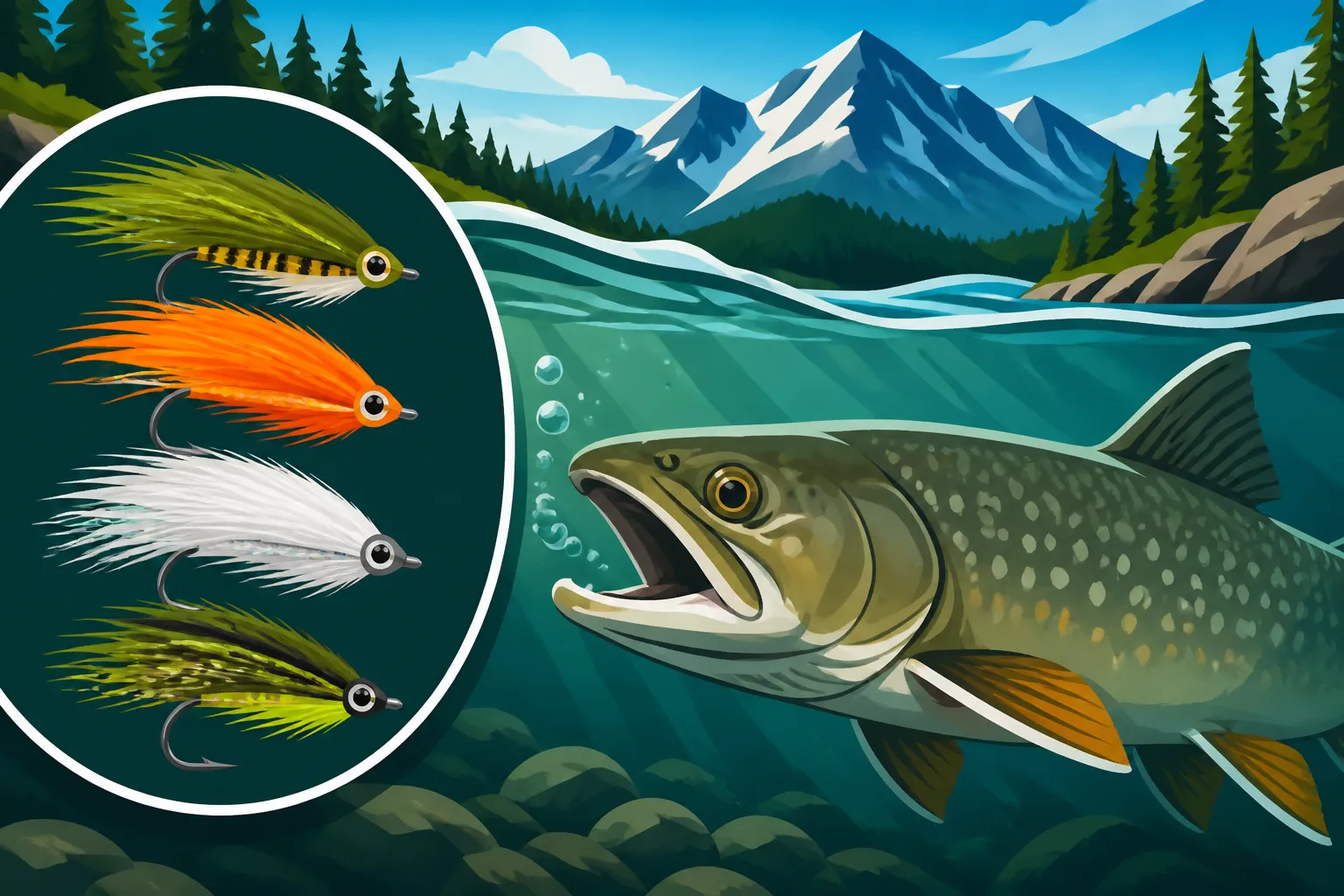
- Natural Tones: Olive, black, brown, and grey are perennial favorites because they mimic the natural coloration of sculpins, whitefish, and juvenile trout. These are excellent choices for clear water and bright days when a subtle, realistic presentation is preferred. An olive-and-white combination, or all black, can be incredibly effective in a variety of conditions.
- Bright Attractors: Don't be afraid to go bold. Chartreuse, pink, and orange can be excellent attractor colors, especially in stained or murky water, or on overcast days when visibility is low. Sometimes, a bull trout isn't actively feeding but can be triggered into an aggressive "reaction strike" by something flashy and unusually colored darting by. Consider these colors when fishing during freshet or after heavy rains when the water column might have some color.
- Flash: A touch of Krystal Flash, Flashabou, or similar synthetic material can imitate the scales of baitfish, adding a subtle shimmer that catches the light and the eye of a cruising bull trout. However, use flash judiciously. Too much flash can sometimes be unnatural and deter strikes in very clear water or bright conditions. A general rule of thumb is more flash for darker, murkier water or overcast days, and less flash for clear, bright conditions. Experiment with patterns that have silver, gold, or pearl flash built into them.
A balanced approach, with a selection of natural and attractor colors, along with varying amounts of flash, will keep you prepared for whatever conditions BC's diverse waters throw at you.
Top Streamer Patterns for Targeting BC Bull Trout
Now that we've covered the characteristics, let's dive into the specific patterns that have proven themselves time and again on BC's bull trout waters. These are the workhorses that belong in every serious bull trout angler's fly box.
Versatile Baitfish Imitations
These patterns are staples for a reason – they effectively mimic a wide range of baitfish and are generally easy to cast and fish.
- Woolly Bugger (Large & Weighted): While often considered a trout panfish fly, don't underestimate a large, heavily weighted Woolly Bugger for bull trout. Tied in 3-5 inch lengths with a lead core or tungsten conehead, in colors like olive, black, or brown, it's incredibly versatile. The marabou tail and hackled body provide fantastic movement and a bulky profile. A slow, jigging retrieve along the bottom or through deep pools is often deadly. Many anglers will add rubber legs for extra action. You can often find great multi-packs of larger Woolly Buggers on Amazon, ready for action.
- Why it works: Its simple design and lively movement make it a universal baitfish and nymph imitation. The weight gets it down quickly.
- Best conditions: All-around, especially good for murky water or when you need to get deep.
- Clouser Minnow (Big Brother Editions): Originally designed for saltwater, the Clouser Minnow has crossed over spectacularly into the freshwater world for predatory fish. For bull trout, think bigger versions, perhaps 3-4 inches long, tied on sturdy hooks. Its inverted hook point makes it relatively snag-resistant when fishing around structure. Colors like olive/white, chartreuse/white, or grey/white are excellent. The dumbbell eyes give it a jigging action and help it get to depth.
- Why it works: Its jigging motion on the retrieve and baitfish profile are irresistible. The dumbbell eyes create a fantastic up-and-down action.
- Best conditions: Clear to slightly stained water, fishing fast currents or when you need to cover water quickly.
- SculpZilla: This pattern is a direct imitation of sculpins, a primary food source for bull trout. Featuring a broad, deer-hair head that pushes water, a marabou or rabbit strip tail, and often weighted with lead eyes, the SculpZilla perfectly mimics the bottom-hugging behavior of a sculpin. Colors typically include olive, brown, and black, often with mottled patterns. Retrieving it with short, erratic strips along the bottom or near structure is key.
- Why it works: Its realistic sculpin profile and darting, jigging action close to the bottom are incredibly convincing.
- Best conditions: Bottom-fishing, around rocks and structure in clear to moderately stained water.
Articulated Giants for Aggressive Takes
When you're serious about targeting large bull trout, especially in systems with big forage, articulated streamers are often the answer. Their segmented bodies provide incredible, lifelike movement.
- Game Changer: This is a revolutionary pattern, often featuring multiple articulated segments that create an incredibly fluid, serpentine motion. It truly lives up to its name. Tied with a mix of synthetic fibers and sometimes natural feathers, it can be made to imitate anything from a slender whitefish to a plump kokanee. Sizes often range from 4-8 inches. Its lifelike swim often triggers vicious strikes. These patterns can be intricate to tie, but many fly shops carry them, and you can also find a variety of them pre-tied, or the materials to create your own, on platforms like Amazon.
- Why it works: Unrivaled natural movement, perfectly mimicking a swimming baitfish. The articulated body is hard for a bull trout to resist.
- Best conditions: Clear to moderate water clarity, when fish are actively hunting, or you want to present a truly lifelike offering.
- Drunk & Disorderly / Sex Dungeon (Kelly Galloup-style streamers): These are large, often articulated, highly mobile patterns designed to imitate large baitfish. They typically feature heavy dumbbell eyes, rabbit strip tails, and bulky synthetic or deer hair bodies. The goal is to create a large profile that moves a lot of water and has an aggressive, darting action. They're often fished on stout retrieve, creating an irresistible commotion. Colors like olive/white, black, or even bright chartreuse/orange are popular.
- Why it works: Large, aggressive profile combined with fantastic, erratic movement. Designed to provoke a reaction strike from big predators.
- Best conditions: Targeting trophy fish, aggressive presentations, slightly stained water, or when you need a fly that really pushes water.
Local Go-Tos and Specialized Patterns
Beyond the classics, certain patterns or variations might gain popularity in specific BC regions or for particular conditions.
- Zonker Patterns: Any pattern using rabbit fur strips (zonkers) for the tail or body can be exceptionally effective. The rabbit fur pulsates and flares beautifully in the water, providing incredible movement even with minimal retrieve. Patterns like the standard Zonker, or its variations like the Double Bunny, are excellent for imitating slender baitfish like minnows or juvenile trout. You can tie these with different weights, from unweighted to heavily weighted with lead wire or coneheads, to adjust your fishing depth.
- Heavy Bead/Lead-Eyed Sculpins: Think classic sculpin patterns, but with exaggerated weight. Often tied with large lead eyes or bead chain eyes, these patterns are specifically designed to sink rapidly and bounce along the bottom. They are incredibly effective in fast-moving rivers like parts of the Best Fishing Rivers in British Columbia or when bull trout are holding in very deep pools. Ensure your leader is abrasion-resistant when fishing these patterns in rocky bottom areas.
- Bright & Flashy Kokanee Fry Imitations: Especially during kokanee spawning season (late summer/fall) or when fry are abundant in spring, patterns that mimic these vibrant little fish are excellent. Think small, flashy patterns with a lot of pearl, silver, or even red/orange Krystal Flash. These are often fished on sink-tip lines to get them into the feeding zone where bull trout may be targeting fry schools. Check our guide on Kokanee Fishing in BC for more insights into these crucial forage fish.
Mastering the Presentation: Techniques for Success
Having the best streamer patterns is only half the battle; knowing how to present them effectively to a bull trout is the other. Your retrieve, your depth, and your understanding of where these fish lie will greatly influence your success.
Varying Retrieves and Strip Sets
Bull trout are incredibly opportunistic, but they also want an easy meal. Your retrieve should mimic the behavior of their prey.
- Erratic Strips: This is often the most effective retrieve. Instead of a steady pull, vary your strip length and speed. Short, quick strips followed by a pause, then a long, aggressive strip, can imitate a baitfish darting and struggling. This unpredictability can trigger a bull trout's predatory instincts. Imagine a wounded baitfish trying to escape – that's the kind of action you want to create.
- The Pause: Don't underestimate the power of the pause. After a series of strips, let your streamer free-fall or swing momentarily. This often imitates a dying or disoriented baitfish, and it's precisely when many strikes occur. A bull trout will often follow a fly and then pounce when it appears most vulnerable during the pause.
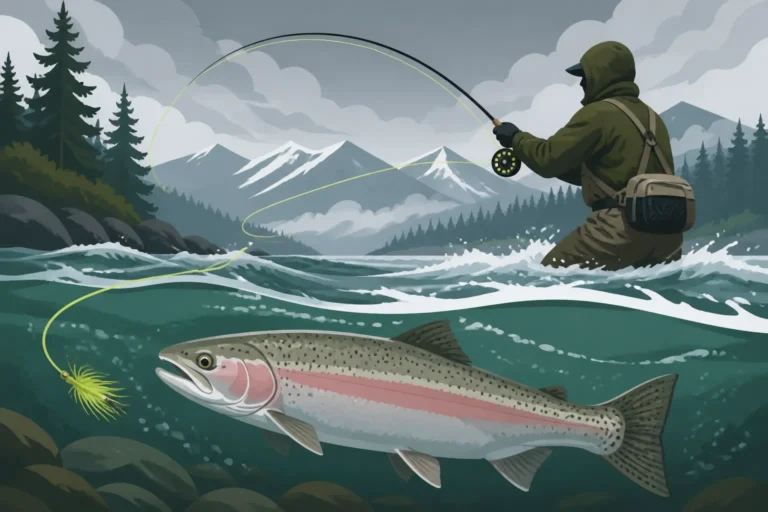
- The Strip Set: When a bull trout hits your streamer, it's usually a jarring, aggressive take. Resist the urge to lift your rod (the "trout set"). Instead, continue stripping hard with your line hand in a "strip set." This ensures a solid hook-up, as lifting the rod might just pull the fly out of the fish's mouth if it hasn't fully committed. Keep your rod tip pointed low towards the water.
Experimentation is key. Some days, a fast, aggressive retrieve will work best, while others might call for a slower, more methodical approach with longer pauses. Pay attention to how the fish are reacting and adjust accordingly.
Targeting Structure and Depth
Bull trout are structure-oriented fish. They love to hold in places where they can ambush prey or conserve energy in cooler, deeper water.
- Deep Pools and Runs: Focus on the deepest sections of rivers and lakes. Bull trout will often hold in the darkest, deepest parts of pools, especially where there's overhead cover or a strong current seam creating a natural ambush point. Let your heavy streamers sink adequately before beginning your retrieve.
- Undercut Banks and Log Jams: These are prime hiding spots. Fish your streamers tight to undercut banks where bull trout can lie hidden, waiting for baitfish to drift by. Similarly, submerged log jams and root wads offer excellent cover and current breaks. Approach these spots carefully, as bull trout can be incredibly spooky.
- Drop-offs and Ledges: In lakes, target areas where the bottom drops off sharply, or where there are submerged ledges. Bull trout will cruise these deeper contours, looking for schools of kokanee or whitefish. Using a sonar can be incredibly helpful for identifying these features. Understanding the nuances of how to catch bull trout in BC involves precise placement.
- Current Seams: In rivers, the seam where fast water meets slower water is a classic bull trout lie. They'll hold in the softer water, darting into the current to grab food. Cast your streamer upstream of these seams and let it drift and swing through the strike zone.
Always remember to fish your fly through the suspected holding lie. Often, bull trout will follow a fly for a short distance before committing, so a longer retrieve past the structure is better than cutting it short.
Gear Considerations for Streamer Fishing
While this guide focuses on patterns, having the right tackle will enhance your streamer fishing experience and ensure you can handle these powerful fish.
- Rod: A 6-weight to 8-weight fly rod, 9 to 10 feet long, is ideal. This gives you the backbone to cast large, heavy streamers and the power to fight a strong bull trout. For smaller streams or lighter presentations, a 5-weight might suffice, but generally, lean towards heavier rods.
- Reel: A reliable reel with a smooth drag system is crucial. Bull trout can make powerful runs, and you'll want a reel that can handle the pressure.
- Line: This is perhaps the most important gear consideration for streamer fishing. A floating line with a heavy sink-tip (e.g., a 10-foot or 15-foot T-11 or T-14 tip) is a common choice for rivers, allowing you to get your fly down quickly in fast currents. For lakes, a full sinking line (e.g., a Type III or Type IV sink rate) is often necessary to get to the depths where bull trout hold.
- Leader: Use a strong leader, typically 0X to 2X (10-15 lb test), or even heavier in situations with heavy cover. Bull trout have strong jaws and can break lighter leaders. Fluorocarbon leader material is preferred for its abrasion resistance and invisibility underwater.
Choosing the right combination of rod, line, and leader will allow you to cast your chosen streamer patterns effectively and confidently land that trophy bull trout.
Here’s a quick overview of some top patterns and their best use cases:
| Streamer Pattern | Primary Imitation | Key Characteristics | Best Conditions | Ideal Retrieve |
|---|---|---|---|---|
| Large Woolly Bugger | Sculpin, leech, juvenile fish | Marabou tail, hackled body, often weighted, 3-5 inches | All-around, stained water, deep pools | Slow jigging, erratic strips with pauses |
| Clouser Minnow | Minnow, smelt, juvenile fish | Dumbbell eyes, bucktail/synthetic wing, jigging action | Clear to slightly stained water, fast currents | Quick, sharp strips, pauses |
| SculpZilla | Sculpin | Deer-hair head, weighted, natural colors, broad profile | Bottom fishing, around rocks and structure | Short, erratic hops along the bottom |
| Game Changer | Large baitfish (kokanee, trout) | Articulated segments, fluid movement, 4-8 inches | Clear to moderate water, active fish, trophy hunting | Medium to fast strips, serpentine action |
| Kelly Galloup's Streamers | Large baitfish | Bulky, heavy, articulated (often), aggressive profile | Stained water, targeting aggressive fish, reaction strikes | Aggressive strips, erratic darts, big pushes of water |
| Zonker Variations | Minnow, juvenile fish | Rabbit fur strip, vibrant movement, various weights | Clear to moderate water, varying depths | Short strips, subtle pulses, quick darts |
Disclaimer
Please ensure you are familiar with and adhere to all current British Columbia fishing regulations, including licensing requirements, bag limits, and specific conservation measures for bull trout in your chosen fishing area. Regulations can change frequently, so always consult the official BC Freshwater Fishing Regulations Synopsis or the DFO Pacific Region Fishery Notices before heading out. Catch and release practices are highly encouraged for bull trout, especially for larger breeding fish, to help conserve these magnificent species.