Best lure retrieve speed for coho in fall
There's nothing quite like the thrill of chasing fall coho salmon in British Columbia. These silver bullets, often fresh from the ocean, bring an incredible fight to our rivers and estuaries. But if you've spent frustrating hours casting without a strike, you're not alone. Many anglers find themselves wondering if they're working their lures effectively, especially when it comes to the crucial retrieve speed. This guide is all about demystifying that retrieve speed, helping you understand how to best present your lure to entice those eager, yet sometimes finicky, fall coho.
Understanding Coho Salmon Behavior in Fall
Before we even talk about specific retrieve speeds, it’s essential to grasp what fall coho are doing and how they behave. Their motivations change drastically from their ocean lives, and understanding these shifts is key to successful angling.
Fall Coho Migration and Feeding Habits
Once coho salmon transition from the vastness of the ocean into the more confined river systems of British Columbia, their primary focus shifts from aggressive feeding to migration and spawning. They're driven by an instinctual urge to reach their natal spawning grounds. This doesn't mean they stop eating entirely, but their "strikes" often become more reactionary or territorial rather than a genuine hunger strike. They might lash out at a lure because it invades their space, because it looks like a threat, or simply because it triggers an ingrained predatory response from their ocean days.
In early fall, especially in estuaries and the lower sections of rivers like the Squamish River or the Vedder/Chilliwack, coho can still be quite "hot" and aggressive. They might still be carrying some of their ocean feeding habits. As they move further upstream and closer to spawning, their aggression can wane, and they become more focused on their journey. This is a critical factor influencing how fast or slow you need to move your lure. For a deeper dive into their habits, you might want to check out our article on Coho Salmon Habits in Coastal Streams.
Water Conditions and Their Impact on Coho
The environment plays a massive role in how coho behave, and consequently, how you should fish for them. British Columbia's fall weather can be notoriously unpredictable, bringing everything from warm, sunny days to torrential downpours.
- Water Temperature: As autumn progresses, river temperatures steadily drop. Colder water typically slows down a fish's metabolism and makes them less willing to expend energy. This usually translates to slower, more subtle retrieves being more effective. Conversely, earlier in the fall when water is warmer, coho might be more active and respond to faster presentations.
- Water Clarity: Heavy fall rains often lead to increased flow and turbidity (murky water). In these conditions, coho rely more on their lateral line to detect vibrations rather than sight. A lure that moves too fast might be difficult for them to pinpoint, but one that moves too slowly might not create enough vibration to get noticed. In clear water, however, fish have better visibility and might be spooked by overly aggressive or fast retrieves, favoring more natural, slower movements.
- Water Flow/Current: Strong currents require different lure presentations. You might need a heavier lure to get down to the fish, and the current itself will add speed to your presentation. In slower, calmer pools or eddies, you have more control over your retrieve speed, and you might need to actively impart more action to your lure. Understanding these factors is crucial for effective fall coho fishing.
The Art of Lure Presentation: Matching Speed to Conditions
The idea of a single "best" retrieve speed for fall coho is a myth. It's a dynamic puzzle that changes with the day, the river, and even the specific pool you're fishing. The real art lies in adapting.
Slow and Steady for Cooler, Clearer Water
When river temperatures dip, and the water starts to clear up after a rain, coho tend to become less aggressive. Their metabolism slows, and they're less inclined to chase down a fast-moving meal. This is where a slower, more deliberate retrieve shines.
Imagine a tired coho holding in a calm pool, conserving energy. A lure whizzing by might not even register, or it might just appear too much effort to pursue. But a slower presentation, perhaps a spoon wobbling lazily or a jig softly twitching through their strike zone, gives them ample time to react. It presents itself as an easy target, or just something irritating enough to provoke a territorial strike. You want your lure to hang in the water column longer, giving the fish maximum opportunity to see, feel, and ultimately commit to striking it. Think about a slow-motion dance rather than a sprint. For instance, when fishing the lower sections of the Chemainus River in late fall, a slow, methodical retrieve is often the ticket.
Faster Retrieves for Aggressive Coho in Murky Water
On the flip side, there are definitely times when you need to pick up the pace. Early fall coho, especially those fresh from the salt or in estuaries, can be incredibly hot and aggressive. They might still be in a feeding mood or just feel a burst of energy before committing to their upstream journey.
Additionally, if the water is murky from recent rainfall, a faster retrieve can be beneficial. In cloudy conditions, fish rely heavily on their lateral line to detect vibrations. A lure moving with more speed creates a stronger "pulse" in the water, making it easier for coho to locate, even if they can't see it clearly. This can trigger an instinctual chase response. Don't be afraid to experiment with a retrieve that's almost at the pace of the current, or slightly faster. This can simulate a fleeing baitfish, triggering that predatory instinct. Sometimes, especially when fishing near the mouth of the Fraser River where fresh runs are coming in, a faster retrieve can be the difference between an empty net and a bent rod.
Varying Your Retrieve for Maximum Appeal
Here's the secret sauce: rarely is a perfectly constant retrieve speed the absolute best option. Coho are curious and easily triggered by erratic movements. The real magic happens when you introduce variation.
Think of it like this: a baitfish doesn't swim at a constant speed in a straight line. It darts, pauses, changes direction, and occasionally makes a sudden burst of speed. Replicating this unpredictable behavior can be incredibly effective.
- Pauses and Twitches: After a few cranks of the reel, try pausing for a second or two, letting the lure flutter or sink slightly, then give it a sharp twitch before resuming your retrieve. This sudden change in cadence often triggers a strike from a following fish.
- Speed Bursts: Mix in short, rapid bursts of reeling, followed by a return to your base speed. This can simulate a panicking baitfish trying to escape, which can be irresistible to a coho.
- Yo-Yoing: Especially effective with jigs, a "yo-yo" retrieve involves lifting your rod tip sharply, then lowering it while reeling in the slack, making the jig rise and fall erratically.
The key is experimentation. Start with a medium retrieve, then try speeding it up, slowing it down, adding pauses, or throwing in twitches. Let the fish tell you what they prefer on that particular day, in that particular water. Our guide on Best Techniques for Fall Coho Fishing offers more insights into these nuanced approaches.
Top Lures and How to Work Them for Fall Coho
Different lures are designed to perform optimally at various retrieve speeds and with specific actions. Knowing which lure to tie on and how to properly work it can significantly boost your success rate.
Spoons and Spinners
These are classic coho lures for a reason. Their inherent design means they create flash and vibration even at relatively slow speeds, but they can be worked faster for more aggression.
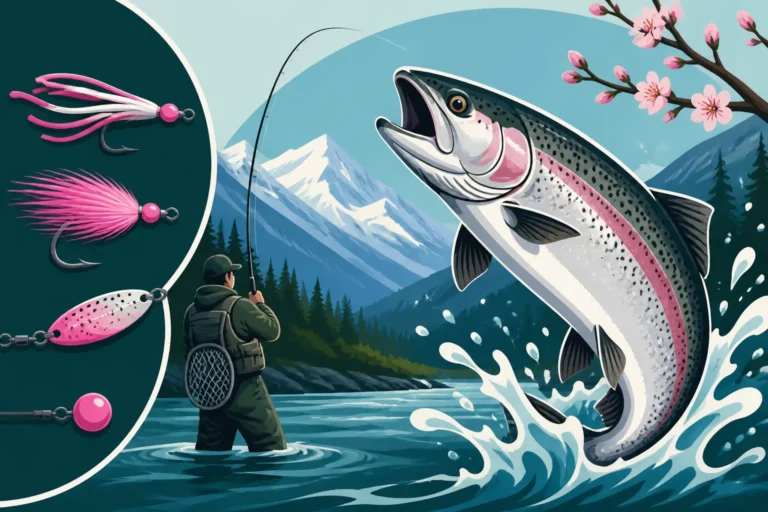
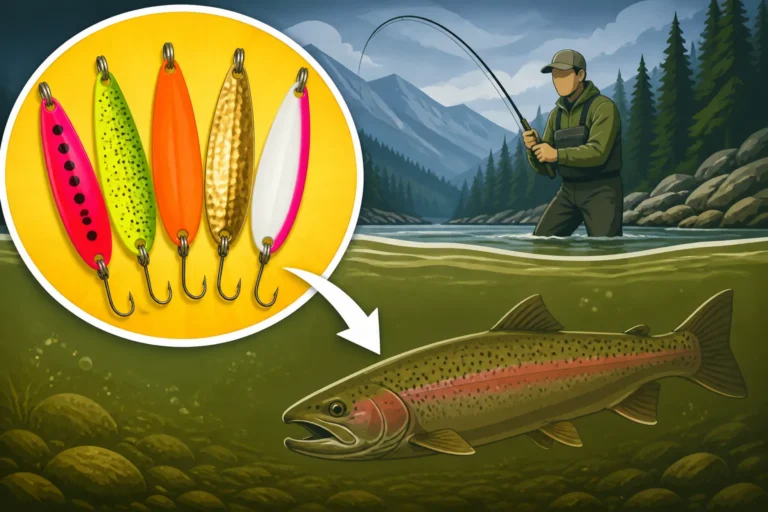
- Spoons: Lures like the Gibbs Delta Croc or the Koho spoon are fantastic for fall coho. For a slower retrieve in clearer, cooler water, a spoon’s wobble is key. Cast upstream and across, letting the current sweep the spoon down while you retrieve just fast enough to keep it fluttering and swinging. You want to feel that distinct "thump-thump-thump" action. In murkier water or for more aggressive fish, you can retrieve faster, giving it more flash. Sometimes, a faster retrieve with a subtle pause and flutter can be lethal. You can find a wide variety of these popular lures on Amazon.
- Spinners: Blue Fox Vibrax or Mepps Aglia spinners are excellent choices. The blade spins, creating constant vibration and flash. For slower water or finicky fish, retrieve just fast enough to ensure the blade is spinning smoothly. If you retrieve too fast, the blade might "blow out" and stop spinning effectively. In faster currents, you can often retrieve slower because the current helps keep the blade turning. For aggressive coho, a slightly faster retrieve can make the spinner's vibration irresistible.
Twitching Jigs
Twitching jigs have become incredibly popular and effective for coho, particularly in rivers. This technique is all about imparting erratic, sudden movements rather than a steady retrieve.
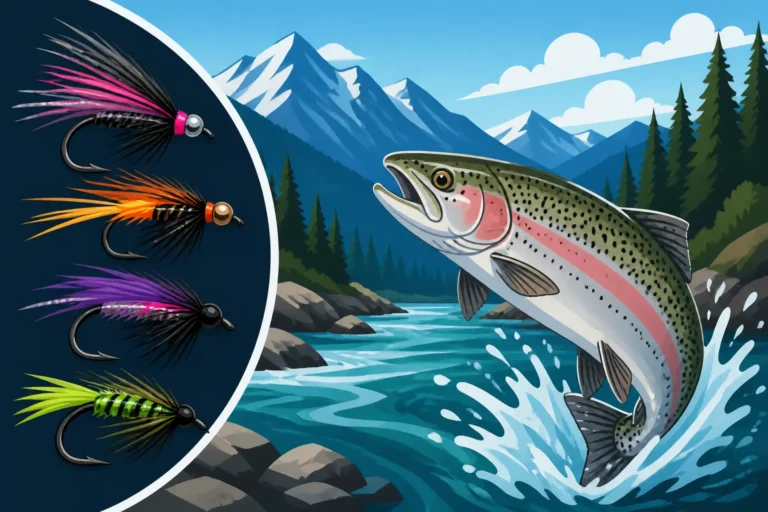
The beauty of twitching jigs is that the retrieve is the twitch. You cast, let the jig sink for a moment, then raise your rod tip sharply to make the jig "twitch" or dart forward, then let it fall again on a semi-slack line. Reel in the slack as it falls, then repeat. The speed here isn't a continuous reel, but the cadence and aggressiveness of your twitches. In colder, clearer water, your twitches might be softer, with longer pauses on the fall. For more aggressive fish or in murky water, you might use more powerful twitches with shorter pauses. Weights typically range from 3/8 oz to 1 oz. Brands like Puget Sound or P-Line jigs are common and can be found on Amazon. This technique forces the coho to react quickly, and it's especially effective in pools, eddies, and tailouts.
Plugs and Wiggle Warts
While often associated with Chinook salmon, smaller plugs and dive-and-rise lures can be deadly for fall coho, especially when back-trolled or cast into specific holding water.
- Plugs: Lures like the Kwikfish or Flatfish dive and wobble aggressively. When cast, the retrieve speed needs to be just enough to get the plug diving and working properly. You'll feel a distinct vibration in your rod tip when it's swimming correctly. If you retrieve too slowly, it won't dive or wobble; too fast, and it might blow out or surface. Varying the retrieve with small pauses can allow the plug to "hunt" and dart, which often triggers a strike.
- Wiggle Warts: While primarily a bass lure, crankbaits like the Wiggle Wart (or similar diving baits from brands like Rapala) can be effective for coho. These baits are designed to dive quickly and create a strong, erratic wobbling action. Your retrieve speed should be consistent enough to maintain the diving and wobbling action, but you can add pauses or small jerks to make it dart unpredictably. These are great for probing deeper runs or current seams where coho might be holding.
Fine-Tuning Your Approach: Gear and Environmental Factors
Even with the right lure and a grasp of retrieve speeds, other elements can significantly influence your success when targeting fall coho. It's about building a holistic understanding of the angling experience.
Rod, Reel, and Line Considerations
Your equipment plays a surprisingly large role in how effectively you can control your retrieve speed and feel subtle strikes.
- Rod: A medium-light to medium power rod, typically 8.5 to 10.5 feet in length, is ideal for river coho. Longer rods help with casting distance and mending line in current, which allows for better lure presentation. A fast action tip will help you feel those subtle "taps" or "stops" that indicate a coho strike, especially on a slower retrieve.
- Reel: A spinning reel in the 3000-4000 series or a baitcasting reel with a good drag system is standard. The gear ratio matters here. A reel with a higher gear ratio (e.g., 7.1:1) allows for faster retrieves, which can be useful when you need to pick up slack quickly or work a lure aggressively. A lower gear ratio (e.g., 5.2:1) makes slower, more controlled retrieves easier. Many anglers carry multiple setups or opt for a versatile mid-range ratio.
- Line: Braided line (20-30 lb test) is a favorite for its sensitivity and lack of stretch, which helps you feel light bites even on a fast current. However, it's crucial to use a fluorocarbon leader (12-20 lb test) with braid, as coho can be line-shy, especially in clear water. The leader also provides abrasion resistance against rocks and logs. When using heavier lures or fishing in strong currents, a robust leader is essential. Good quality lines are available on Amazon.
Reading the River: Identifying Holding Water and Travel Lanes
Knowing where the coho are in the river will dictate not only your casting angle but also how you approach your retrieve. There’s no point in having the perfect retrieve if your lure isn’t in the fish’s vicinity.
- Pools and Eddies: These are classic holding spots where coho can rest out of the main current. Here, a slower, more methodical retrieve that keeps the lure in the strike zone for longer is often best. They might be less aggressive, so a subtle presentation is key.
- Seams and Current Breaks: The transition zone where fast current meets slower water is a highway for migrating fish. Coho will often hold just out of the main flow, darting into the current to intercept food or react to invaders. A retrieve that sweeps through these seams, perhaps with a slight acceleration as it enters the faster water, can be very effective.
- Tailouts and Riffles: The shallower, faster water at the end of a pool (tailout) or sections of agitated water (riffles) can also hold aggressive coho, especially in low light conditions. Here, a slightly faster retrieve might be necessary to get the fish's attention in the turbulent water. Our guide on Best Fishing Rivers in British Columbia will help you identify these spots on popular rivers.
Tidal Influence on Coastal Coho
For anglers fishing estuaries or the lower reaches of coastal rivers, tides play a monumental role. Incoming tides often bring fresh, aggressive coho into the system, while outgoing tides can push them back or make them hold in deeper pools.
- Incoming Tide: As the tide pushes in, especially during flood tides, coho can become incredibly active. They're often fresh, still very silver, and retaining much of their ocean aggression. This is often a prime time for faster, more energetic retrieves with spoons or spinners. The moving water can also make fish more willing to chase.
- Slack Tide: During the brief periods of high or low slack tide, the current slows significantly. Fish might spread out or become less active. This could be a good time to slow your retrieve, try twitching jigs, or focus on deeper pockets.
- Outgoing Tide: As the tide recedes, fish might move into deeper channels or hold tight to structure. You might need to adjust your retrieve to probe deeper, or slow down if fish are more lethargic.
Always check the local tide charts if you’re fishing a tidal fishery. This knowledge, combined with understanding your retrieve speed, can dramatically improve your chances of success.
Retrieve Speed Recommendations for Fall Coho
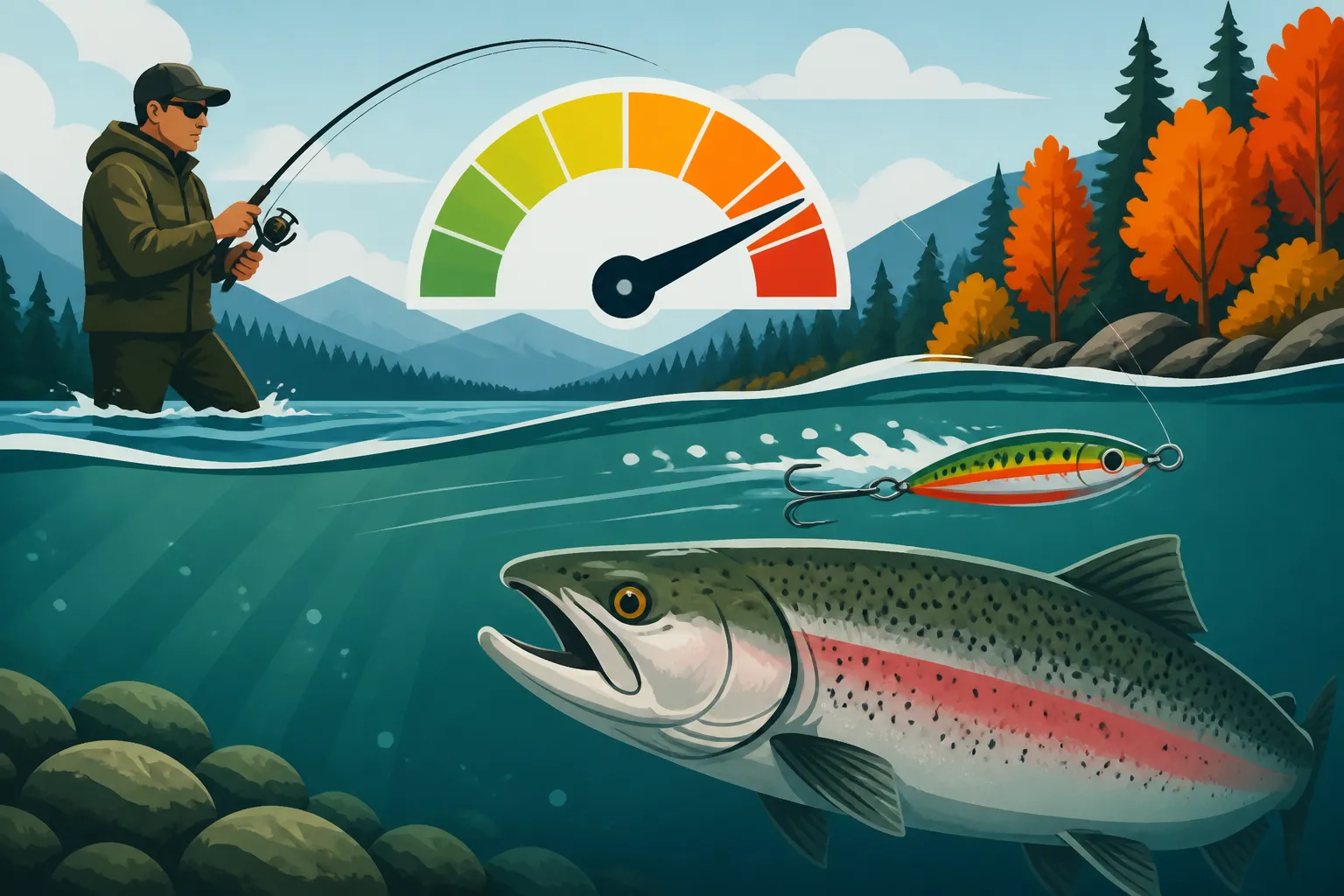
Let's put it all together. This table provides a quick reference for retrieve speeds based on common fall coho fishing scenarios in British Columbia. Remember, these are starting points – always be willing to adjust!
| Condition Category | Water Temperature | Water Clarity | Coho Aggression Level | Recommended Retrieve Speed | Lure Type Examples |
|---|---|---|---|---|---|
| Early Fall / Estuary | Warmer (10-15°C) | Varies | High (Fresh Run) | Moderate to Fast | Spoons, Spinners, Plugs |
| Post-Rain / Murky | Cooler to Warm | Low (Turbid) | Moderate to High | Moderate to Fast (Vibrating) | Spinners, Heavier Spoons, Jigs |
| Clear / Cooler Water | Cooler (5-10°C) | High | Low to Moderate | Slow to Moderate | Jigs, Spoons (subtle wobble) |
| Aggressive Bite | Any | Any | High | Erratic / Varied (bursts) | All (experiment) |
| Finicky / Lockjaw | Cooler | High | Low | Very Slow / Twitching | Jigs, Small Spoons (subtle) |
| High Current | Any | Any | Varies | Steady (just keeps lure working) | Heavier Spoons, Spinners |
Note: "Speed" refers to how quickly you're reeling in and imparting action. "Erratic/Varied" implies mixing pauses, twitches, and speed changes.
Conclusion: The Dynamic Dance of Fall Coho
Ultimately, there's no single "best lure retrieve speed for coho in fall." It's a dynamic puzzle that requires keen observation, a willingness to experiment, and an understanding of the conditions and the fish's mood on any given day. From the strong pulls of a fresh coho in a coastal estuary to the more subtle takes in a chilly, clear river, adapting your retrieve speed is your most powerful tool.
Remember to pay attention to details like water temperature and clarity, and always be ready to change your approach. Sometimes a subtle twitch is all it takes, other times a burning retrieve will provoke an explosive strike. The joy of fall coho fishing in British Columbia lies not just in the catch, but in the art of the chase and the satisfaction of cracking the code of these incredible fish. Always remember to check the BC Fishing Regulations Explained and current BC Fishing Season Dates and Closures before heading out to ensure a responsible and enjoyable fishing trip.
Disclaimer
Fishing regulations, seasons, and local conditions can change rapidly in British Columbia. The information provided in this guide is for general informational purposes only and does not constitute legal advice. Always consult the most current British Columbia Freshwater Fishing Regulations Synopsis, Tidal Waters Sport Fishing Guide, and any in-season fishery notices or updates from Fisheries and Oceans Canada (DFO) or the BC Ministry of Forests, Lands, Natural Resource Operations and Rural Development before planning your fishing trip. It is the angler's responsibility to know and follow all applicable rules and regulations.