How to wade a BC steelhead river safely
The wild, untamed beauty of British Columbia's steelhead rivers calls to so many of us, but their allure often hides a serious, sometimes deadly, danger: the powerful, unpredictable water itself. Many an eager angler, myself included, has underestimated the sheer force of these currents, leading to a scary slip or even a full-on tumble that can quickly turn a dream trip into a nightmare. This guide is dedicated to helping you navigate those treacherous waters safely, ensuring your focus stays on the fish, not on fighting for your life.
Understanding the Unique Challenges of BC Steelhead Rivers
Steelhead rivers in British Columbia are a marvel of nature, carved by glaciers and fed by snowmelt and rain. But these very characteristics that make them prime steelhead habitat also make them incredibly challenging, and sometimes downright dangerous, to wade. It’s not just about how deep the water is; it's about what you can't see, the forces at play beneath the surface, and how quickly conditions can shift.
The Power of the Water: Current and Depth
It's astonishing how quickly moving water can sweep you off your feet. Even seemingly moderate currents in a BC steelhead river can exert immense pressure, often far more than you'd expect. Imagine a river like the Thompson, known for its powerful flows, or even smaller coastal streams after heavy rain—the water isn't just flowing; it's pushing with a relentless force. When you’re focused on presenting your fly or lure, it’s easy to misjudge the current's strength until it's too late.
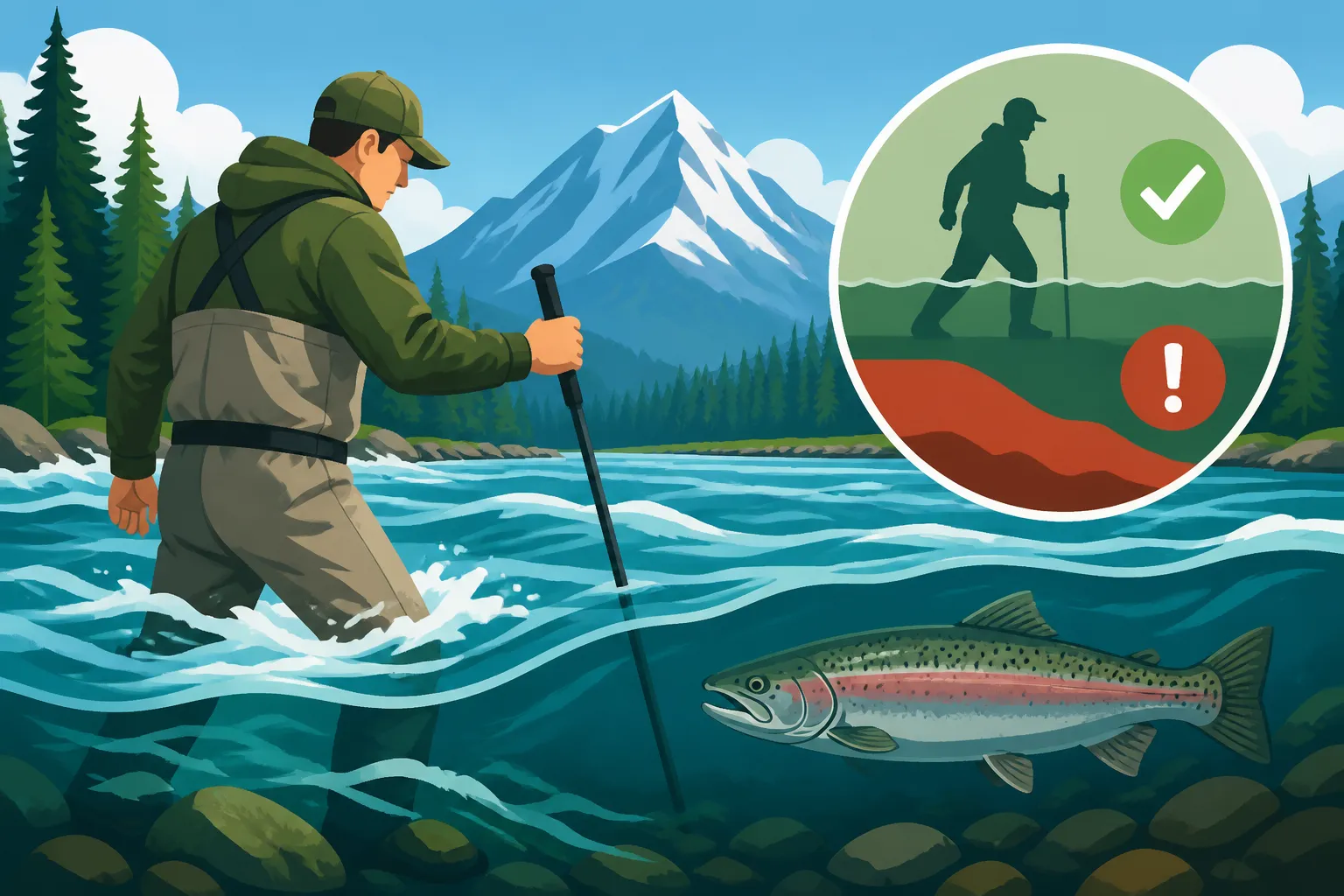
Furthermore, the depth in these rivers can change in an instant. You might be walking along in knee-deep water, only for the riverbed to suddenly drop off into a waist-deep, or even chest-deep, trough. These sudden changes are often hidden by the surface turbulence or murky water, making every step a potential surprise. A strong current combined with an unexpected depth change is a recipe for losing your footing and finding yourself in a precarious situation. Always respect the water; it's far stronger than you are.
Unpredictable Riverbeds and Obstacles
If you've spent any time wading, you know the bottom isn't always a smooth, sandy path. BC steelhead rivers are notorious for their highly variable and often treacherous riverbeds. You’ll encounter everything from large, moss-covered boulders that are slick as ice, to shifting fields of loose gravel that offer no stable footing. Then there are the smaller, smooth stones that act like marbles underfoot, especially when wet and covered in algae.
Beyond the composition of the riverbed itself, there are countless hidden obstacles. Submerged logs, branches, rock ledges, and debris from high water events are common. Stepping onto one of these unseen hazards can instantly unbalance you. Many a fishing story involves a sudden, unexpected plunge dueof a hidden snag or a particularly slick rock. It’s not just about falling; it's about falling in a strong current with sharp objects nearby. This makes every step a calculated risk, emphasizing the need for extreme caution. Before you even think about wading, it's wise to review comprehensive guides on topics like Best Steelhead Rivers in BC to get a sense of typical river characteristics.
Rapidly Changing Conditions
The weather in British Columbia is famously unpredictable, and river conditions can follow suit. A beautiful sunny morning can quickly give way to a torrential downpour, leading to rapidly rising water levels and increased current speeds. Snowmelt from the mountains, especially during spring, can dramatically swell rivers like the Skeena or Bulkley, transforming a manageable wading spot into an impassable torrent.
Dam releases on certain rivers can also change water levels and flows with little warning. Anglers must stay vigilant by checking local forecasts and river flow data before and during their trips. A river that was perfectly wadeable in the morning might become dangerously high by afternoon. This dynamic environment means that even experienced anglers need to constantly assess and reassess the safety of their wading plans. Staying informed about BC Fishery Notices and In-Season Closures, Explained can also alert you to conditions that might impact safety.
Essential Gear for Safe Steelhead Wading
Having the right gear isn't just about comfort; it's about survival. For BC steelhead rivers, where conditions can be unforgiving, your equipment becomes your first line of defense against the inherent dangers of the water. Don't skimp on quality or overlook crucial safety items—they could save your life.
Waders and Wading Boots: Your Foundation
Your waders and wading boots are perhaps the most critical pieces of personal safety equipment for wading. Breathable waders, often made of Gore-Tex or similar materials, are generally preferred for active steelhead fishing as they help manage sweat and prevent overheating, which can lead to fatigue. Neoprene waders offer more warmth in colder conditions but can be bulky and make movement harder.
The real unsung heroes, however, are your wading boots. These aren't just for keeping your feet dry; they provide the grip you desperately need. When choosing boots, consider the sole type:
| Sole Type | Best For | Pros | Cons |
|---|---|---|---|
| Felt | Algae-covered rocks, slick riverbeds | Excellent grip on smooth, wet surfaces | Poor grip on mud, snow; can transport invasive species |
| Rubber (Vibram) | Varied terrain, mud, trail hiking, boat use | Durable, versatile, good for trail walking | Can be very slippery on wet, smooth rocks |
| Rubber with Studs | Extreme grip on all surfaces, especially slick rocks | Superior traction, very stable | Can damage boat decks, expensive, heavy |
Many experienced steelhead anglers opt for rubber soles with added studs or choose felt, sometimes even adding studs to felt for maximum grip. The key is finding a pair that fits snugly, supports your ankles, and offers the best possible traction for the specific river conditions you’ll encounter. You can find a vast selection of high-quality wading boots, often with excellent reviews and comparisons, on platforms like Amazon. Remember, ill-fitting or worn-out boots are a significant safety hazard.
Wading Staff: Your Third Leg
A wading staff is a truly indispensable tool for safe wading, and it's a piece of gear too often overlooked by newcomers. Think of it as your third leg, constantly probing the riverbed ahead of you, testing depth and stability before you commit your weight. A good wading staff provides crucial balance in strong currents, preventing many a slip and fall.
Modern wading staffs are often collapsible and can be easily stowed on your vest or pack until needed. When deploying it, always keep it slightly upstream and to your side, using it to brace against the current. It helps you maintain a stable tripod position with your two feet and the staff, significantly reducing your chances of being swept away. This simple piece of equipment, readily available on sites like Amazon, can provide critical stability, especially when you're crossing unfamiliar stretches of river or navigating fast-moving water, which is a common occurrence when learning How to Catch Steelhead in BC.
Personal Flotation Devices PFDs: A Non-Negotiable
This is perhaps the most debated, yet most vital, piece of safety gear, especially if you're venturing into deep or fast water. Many anglers resist wearing a Personal Flotation Device (PFD) because they feel it restricts movement or isn't "cool." However, in a real emergency, being swept downstream in a powerful river, especially in cold water, can quickly become fatal without one. Even strong swimmers can be overwhelmed by currents, cold shock, or entanglement.
Inflatable PFDs, which are often compact and less restrictive, are an excellent option for wade anglers. They sit comfortably on your chest or waist and inflate automatically or manually when needed. For those who prefer more traditional options, a low-profile vest-style PFD designed for kayaking or whitewater sports can also work. The most important thing is to wear it. Don't leave it in the truck. Check Amazon for highly-rated, compact PFDs that are designed for active use. It's a small investment for potentially saving your life, especially when considering Life Jacket Requirements for BC Boaters which are often geared towards boats but highlight the universal importance of flotation.
Studs and Chains: Enhanced Traction
While some wading boots come with studs built into their rubber soles, many anglers choose to add screw-in studs to their existing rubber or felt soles for extra grip. These small, carbide-tipped studs bite into slippery rocks, providing an almost unparalleled level of traction. Brands like Kold Kutter or Korkers offer various stud options that can dramatically improve your stability, particularly in rivers with highly polished, moss-covered boulders.
Alternatively, some boot systems allow for interchangeable soles, letting you switch between felt, rubber, and studded rubber depending on the conditions. For extreme conditions, you might even consider ice cleats or chain systems designed for hiking, though these are often overkill for typical wading. The point is, if you're regularly fishing rivers with notoriously slick bottoms, investing in additional traction is a smart move. Many effective and easy-to-install wading studs can be found and purchased on Amazon, transforming a decent pair of boots into a much safer option.
Strategic Wading Techniques and Best Practices
Having the right gear is only half the battle; knowing how to use it and developing safe wading habits are equally important. You wouldn't drive a car without learning the rules of the road, and you shouldn't wade a powerful river without understanding its dynamics and the best ways to move through it.
Reading the Water Before Stepping In
One of the most crucial safety skills you can develop is the ability to "read the water" from the bank before you even think about entering. Take your time, observe the flow, and identify potential hazards and safe pathways. Look for:
- Current Speed: Where is the water moving fastest? Where are the calmer seams and eddies? Avoid direct entry into strong, turbulent currents.
- Depth Changes: Look for changes in water color or surface texture that might indicate deeper pools or sudden drop-offs. Darker water often suggests greater depth.
- Obstacles: Scan for submerged rocks, logs, and other debris that could trip you up or create dangerous hydraulics.
- Entry and Exit Points: Plan your route before you step in, identifying not just where you want to go, but also a safe exit point if conditions change or you need to get out quickly.
Experienced anglers often spend several minutes scouting a section of river, mentally mapping out their wading path. They’ll identify the safest points to cross, where the bottom looks most stable, and where to apply extra caution. This pre-wade assessment is especially important in unfamiliar waters, like those you might encounter on the Best Fishing Rivers in British Columbia.
The "Shuffle Step" and Facing Upstream
Once you enter the water, your movement should be slow, deliberate, and controlled. The "shuffle step" is a fundamental wading technique where you never lift both feet off the bottom at the same time. Instead, you slide or shuffle one foot forward a short distance, keeping it in contact with the riverbed, before bringing the other foot up. This technique ensures you maintain maximum contact and feel for the bottom, minimizing the chance of an unexpected slip or step into a hole.
Always face slightly upstream when wading across or even against the current. This presents a smaller profile to the current, reducing the force acting upon your body. It also allows you to see incoming debris or changes in the water ahead of you, giving you time to react. Turning your back to a strong current is incredibly dangerous, as it exposes your entire body to the force of the water, making it much easier to lose your balance and be swept away. Your wading staff should always be deployed and used to probe the bottom ahead of you, adding stability and helping you detect those sudden drop-offs or loose rocks. For more in-depth advice on various river movements, you might consult a guide on Wading Techniques for BC Steelhead Rivers.
Crossing Strong Currents and Deep Pools
There will be times when you need to cross a section of river with a strong current or navigate a deeper pool. This is where your planning and equipment truly come into play. If possible, avoid crossing the strongest part of the current directly. Look for shallower, slower sections upstream or downstream.
When crossing, use the "tripod method" with your wading staff. Plant your staff firmly ahead and slightly upstream of you, then step one foot forward, maintaining contact with the bottom, followed by the other. Always ensure two points of contact (two feet or one foot and the staff) are firmly placed on the riverbed before moving the third. Angle your body slightly downstream as you cross, allowing the current to assist your movement rather than fight against it. Never try to fight the current directly—it's a losing battle.
If a section looks too deep or the current too strong, simply don't cross it. There is no fish worth risking your life for. Sometimes, the safest and smartest decision is to turn back, find an alternative route, or choose a different spot to fish.
Emergency Preparedness and What to Do If Things Go Wrong
Even with the best gear and techniques, accidents can happen. That's why being prepared for an emergency is just as important as prevention. Knowing what to do if you take an unexpected swim can make the difference between a minor scare and a serious incident.
Fishing with a Buddy: The Golden Rule
This cannot be stressed enough: whenever possible, fish with a buddy. Especially when targeting steelhead in remote or challenging rivers, having another person there can be a lifesaver. Your partner can spot you, help you recover if you fall, and go for help if you're injured. If one of you gets into trouble, the other can provide immediate assistance, throw a rescue bag, or, in a worst-case scenario, go for professional help.
Even if you prefer solitude, make sure someone knows exactly where you are going, your planned route, and when you expect to return. Share your itinerary with a trusted friend or family member, including details about your fishing spot and potential hazards. This simple act of communication, even if you’re fishing solo, creates a safety net that can be invaluable in an emergency. This goes hand-in-hand with understanding broader safety aspects, such as those covered in BC Boating Laws for Anglers, as often boating and wading go hand-in-hand in river exploration.
Communication and Emergency Signals
When fishing with a buddy, establish clear communication methods. Voice communication can be difficult over the roar of a river, so agree on hand signals beforehand. A raised arm, two hands clasped overhead, or a specific series of whistles could signal distress. A small, loud whistle attached to your PFD or wader straps is an excellent, compact emergency tool. Three short blasts are a universal distress signal.
For solo anglers, carrying a fully charged cell phone in a waterproof case is a given, but be aware that many remote BC rivers have no cell service. In such areas, a satellite messenger device (like a Garmin InReach or Zoleo) becomes an invaluable piece of gear. These devices allow you to send SOS signals and communicate via satellite, even when out of cell range. While an investment, the peace of mind they offer is priceless, and they can be found on Amazon.
Self-Rescue and Survival Strategies
If, despite all precautions, you do fall and are swept downstream, the immediate priority is to remain calm. Panicking will only make the situation worse. Here’s a basic self-rescue strategy:
- Feet First, Face Up: Roll onto your back with your feet pointed downstream. This allows you to use your feet to fend off rocks and other obstacles, protecting your head and body.
- Angle to Shore: Look for a calm eddy or slower water along the riverbank and angle your body towards it. Use your arms and legs to paddle and steer yourself to safety.
- Don't Fight the Current: Trying to swim directly against a strong river current is often futile and wastes valuable energy. Instead, work with the current, aiming for the nearest safe bank.
- Sacrifice Gear: If your waders fill with water and become too heavy, or if your fly rod is snagging and pulling you under, let it go. Gear can be replaced; your life cannot.
Once on shore, if you're wet and it's cold, prioritize getting warm to prevent hypothermia. Carry a small emergency kit in your pack with essentials like a space blanket, fire starter, and high-energy snacks. Being prepared for a night out, even if unintended, is a crucial part of fishing in the BC wilderness. Knowing about things like BC Steelhead Season Dates can help you understand when water temperatures are likely to be coldest.
Remember, the goal is always to come home safe, sharing stories of the fish you caught, not the harrowing escape you made. Stay safe out there!
Disclaimer
The information provided in this guide is for general informational purposes only and does not constitute professional advice. Wading in rivers, especially those in British Columbia, carries inherent risks. Always exercise extreme caution, assess your individual skill level and fitness, and be aware of changing environmental conditions. The author and publisher assume no responsibility for any loss, injury, or damage incurred as a result of using the information contained herein. Always consult official BC fishing regulations and local authorities for the most up-to-date safety guidelines.