Best bait for sturgeon on the Fraser River
The quest for a trophy white sturgeon on British Columbia's mighty Fraser River is a dream for many anglers, but getting these ancient giants to bite can feel like a mystery. You've probably heard countless tips, tried a few different things, and still wondered if you're using the absolute best bait to entice these colossal fish. This guide is here to cut through the confusion and provide you with a comprehensive look at the most effective baits for Fraser River sturgeon, helping you rig up with confidence and increase your chances of that unforgettable fight.
Understanding Fraser River Sturgeon and Their Appetite
Before we dive into specific baits, it's really helpful to understand what makes Fraser River white sturgeon tick. These are incredibly opportunistic predators and scavengers, with a keen sense of smell, especially when it comes to decaying organic matter. Their diet changes with the seasons and the availability of prey, but generally, they're looking for protein-rich food that's easy to find on the river bottom.
Seasonal Diet Shifts and Opportunistic Feeding
Sturgeon on the Fraser are masters of adaptation. During the massive salmon runs, their primary food source becomes salmon eggs, guts, and decaying carcasses. It's a literal buffet for them, and they'll gorge themselves on these high-energy meals. Outside of the salmon season, they're still vacuum cleaners of the riverbed, consuming a variety of smaller fish like eulachon (also known as oolichan), lamprey, coarse fish, and even large invertebrates. This opportunistic nature means that while some baits are consistently good, others might shine brighter during specific times of the year, especially when matching what's naturally abundant. Understanding these patterns is key to picking the right offering. You can learn more about what these incredible fish consume in our detailed piece on What white sturgeon eat in the Fraser River.
The Importance of Scent and Freshness
Sturgeon rely heavily on their sense of smell, using the barbels around their mouths to detect food in murky waters or at night. This means that scent is paramount. A fresh, oily bait that releases a strong odour into the current is far more effective than something old or bland. Think about it: in a river as large and dynamic as the Fraser, your bait needs to be a beacon of smell to attract a sturgeon from a distance. While some baits have a naturally potent aroma, many experienced anglers will go an extra step to enhance their bait's drawing power, often by adding special scents or dyes. Always prioritize fresh bait, as a sturgeon's discerning palate can often tell the difference between a prime offering and something that's been sitting around for too long.
The Premier Baits for Fraser River Sturgeon
When it comes to the Fraser, certain baits have proven themselves time and again as top producers. These aren't just old wives' tales; they're the tried-and-true choices that consistently bring in those monstrous sturgeon.
Salmon Roe and Skein
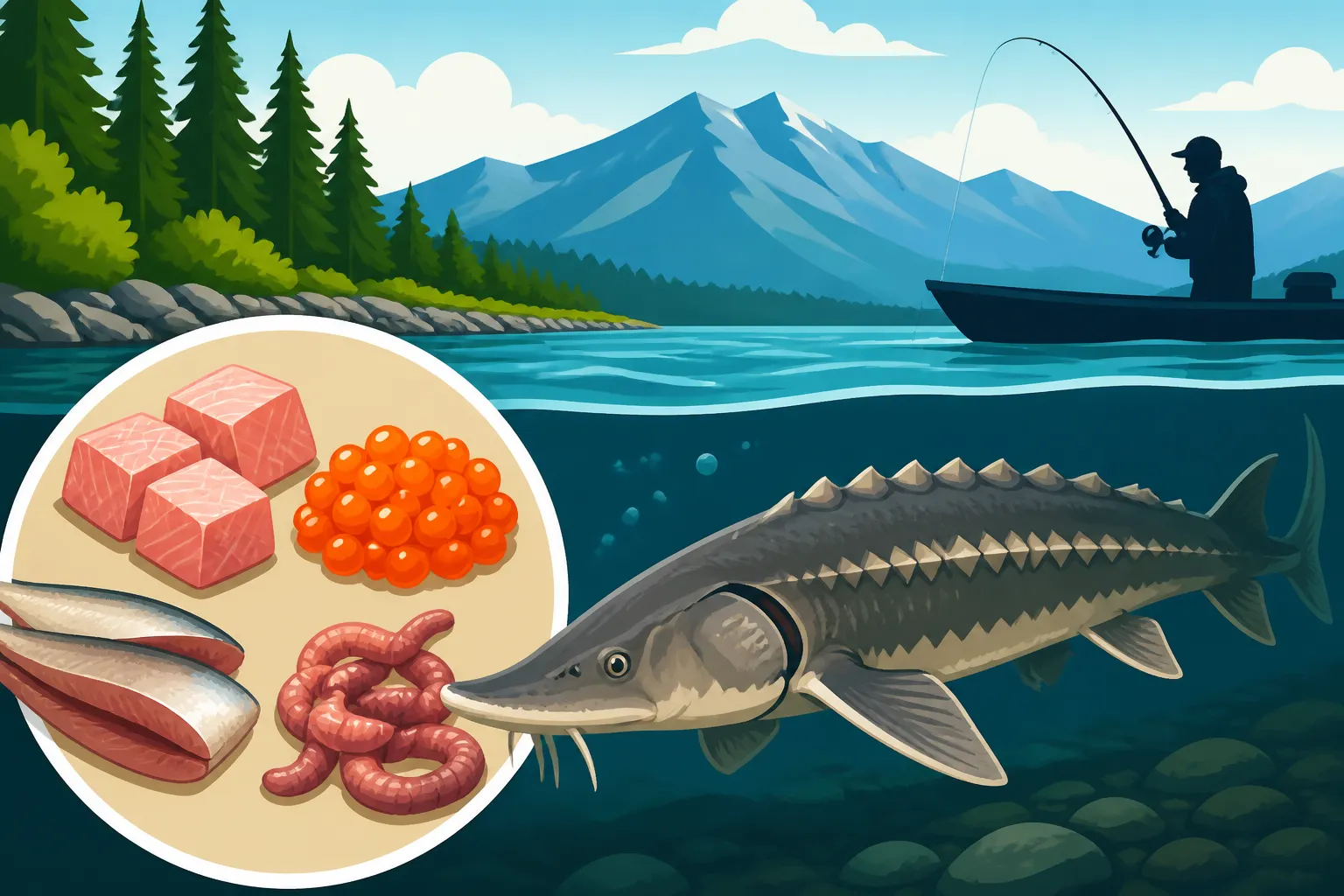
Ah, salmon roe. If there's one bait that's synonymous with Fraser River sturgeon fishing, it's this. Especially during and after the various salmon runs (Chinook, Sockeye, Coho, Pink, Chum), salmon eggs are a natural and highly attractive food source. Sturgeon absolutely gorge themselves on these protein-packed morsels. You can use single eggs, but often, anglers prefer using "skein" – the entire sac of eggs – or sections of it. The beauty of skein is that it holds together well on the hook, releasing a consistent, strong scent trail.
To prepare skein, many anglers will cure it, which not only preserves it but also enhances its colour and scent, making it tougher and more appealing. Companies like Pautzke make excellent curing salts that many Fraser River anglers swear by. When fishing with roe or skein, you want to present a good-sized chunk, often the size of your thumb or even a golf ball, depending on the current and the desired scent dispersion. The oilier the salmon species (like Chinook or Sockeye), the better the roe tends to be for sturgeon, as it releases more attractant into the water. This bait truly shines when sturgeon are actively keying in on natural salmon byproducts.
Eulachon (Oolichan)
Often called "candlefish" because they are so oily, eulachon are another legendary sturgeon bait. These small, smelt-like fish are incredibly rich in oils and have a distinctive, pungent smell that sturgeon find irresistible. Eulachon typically run in the Fraser in the spring, and when they do, sturgeon switch their focus almost entirely to them. Even outside of the eulachon run, frozen eulachon are a highly effective bait.
When using eulachon, freshness is again paramount. Many anglers will head out during the run to catch and freeze them for later use. Once thawed, they are quite soft, so careful rigging is important to keep them on the hook, especially in strong currents. Some anglers will cut them into pieces, while others prefer to use them whole for a larger profile and scent trail. The high oil content means they release a continuous plume of scent, drawing sturgeon in from a surprising distance. If you can get your hands on fresh or properly frozen eulachon, you've got a fantastic option in your arsenal.
Lamprey
Lamprey, particularly pacific lamprey, are another natural prey species for Fraser River sturgeon. These eel-like fish have a unique scent and texture that sturgeon are highly accustomed to. They are a tough, durable bait that stays on the hook well, even in strong currents, which is a significant advantage in the often-fast-flowing Fraser. While not always as readily available as salmon roe or eulachon, when you can find them, lamprey chunks are a premium bait.
Anglers often cut lamprey into sections, typically 1-2 inches long, and thread them onto their hook. The skin is incredibly tough, which makes it challenging for smaller fish to pick apart and ensures your bait stays intact for longer, giving bigger sturgeon more time to find it. The blood and natural oils released from the cut sections are a powerful attractant. Lamprey is a fantastic choice when targeting truly large sturgeon, as its durable nature and natural appeal often deter smaller, more nuisance fish.
Coarse Fish (Smelt, Sardines, Herring)
When specific primary baits are scarce, or you're looking for a versatile option, various coarse fish can be highly effective. Smelt, sardines, and herring are all oily fish that release a good scent trail in the water. While they might not be native to the Fraser in the same way salmon or eulachon are, sturgeon are not picky and will readily take these offerings. These can often be purchased fresh or frozen from local tackle shops or even grocery stores.
Sardines and herring are particularly good choices due to their oil content. They can be used whole, if small enough, or cut into chunks. Similar to eulachon, their softer flesh means you'll need to be mindful of how you hook them to prevent them from washing off. Some anglers will "tough up" these baits by letting them air dry slightly or by using bait thread to secure them firmly to the hook. Experimenting with different sizes and cuts can also yield interesting results, as some days sturgeon might prefer a smaller, more subtle piece, while other days a large, bloody chunk is what they're after. These options provide excellent flexibility, especially when you can't source the more specialized Fraser River baits.
Worms (Large Nightcrawlers or Dew Worms)
While not often the first choice for trophy sturgeon, large nightcrawlers or dew worms can certainly catch smaller sturgeon and sometimes even larger ones, especially in slower moving sections of the river. They are a convenient and readily available bait, easy to keep alive, and relatively inexpensive. Their natural wiggling action and earthy scent can be attractive, particularly when other prey might be less abundant or when fishing areas with a higher density of bottom-dwelling invertebrates.
When using worms, you'll want to use a generous amount, often several large nightcrawlers bunched up on the hook, to create a substantial target and maximize scent. They can be prone to being picked off by smaller fish, so checking your bait frequently is a good practice. Worms are often a good "fallback" bait or something to try if you're experimenting, especially if you're not specifically targeting trophy-sized fish but are happy with any sturgeon that comes along. They are also fantastic for introducing new anglers, especially kids, to the excitement of sturgeon fishing because they're easy to handle and readily available.
Mastering Your Rig and Presentation
Having the best bait is only half the battle; knowing how to present it effectively is crucial for success on the Fraser River. The currents can be fierce, and sturgeon are typically bottom feeders, so getting your bait to where they live and keeping it there is essential.
The Indispensable Sliding Sinker Rig
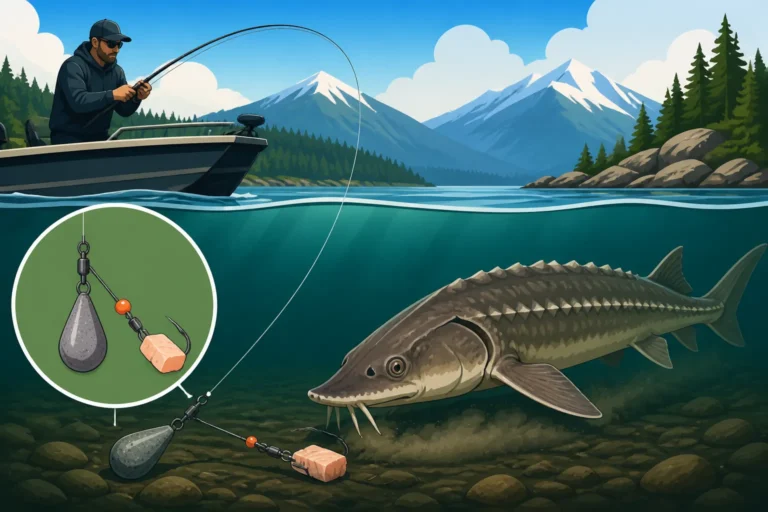
For Fraser River sturgeon, the sliding sinker rig, often referred to as a Carolina rig, is the gold standard. This setup allows the line to run freely through the weight, meaning that when a sturgeon picks up the bait, it doesn't immediately feel the resistance of the heavy sinker. This significantly increases your chances of a solid hookset. Your main line goes through a sliding weight (often 8-20 ounces or more, depending on the current – seriously, these weights are massive!), followed by a bead to protect your knot, then a heavy-duty swivel. From the swivel, you attach a leader, typically 2-4 feet long, to your hook.
The beauty of this rig is its sensitivity and natural presentation. When a sturgeon mouths the bait, the line slides, giving them time to commit without spooking. Choosing the right sinker weight is critical; it needs to be heavy enough to hold your bait firmly on the bottom in the strong Fraser current, but not so heavy that it prevents you from feeling subtle bites. Always carry a variety of weights. You can find robust swivels, beads, and heavy-duty weights easily on Amazon, ensuring you're prepared for whatever the Fraser throws at you. For more specific guidance on setting up your terminal tackle, our guide on the Best rig for bottom fishing for sturgeon offers even deeper insights.
Hook Selection and Leader Material
When chasing sturgeon, everything needs to be robust. For hooks, circle hooks are universally recommended for sturgeon, and in many areas, they are legally required for conservation reasons. Circle hooks are designed to hook the fish in the corner of the mouth, minimizing deep hooking and making catch-and-release much safer for these long-lived fish. Sizes typically range from 8/0 to 14/0, depending on your bait size and target fish. Brands like Gamakatsu and Mustad are popular choices among Fraser River guides for their strength and sharpness.
Your leader material needs to be incredibly strong and abrasion-resistant. Heavy monofilament (80-150 lb test) or braided line (100-200 lb test) are common. While braid offers incredible strength, its lack of stretch can be a disadvantage during the fight, so many prefer the shock absorption of heavy mono for the leader, or a combination where the main line is braid and the leader is mono. Fluoro-carbon leaders can also be used for their abrasion resistance and lower visibility, though sturgeon aren't usually known for being line-shy. Always check your leader for nicks and abrasions after each fish or if you snag, as a compromised leader can mean a lost trophy. Remember to tie strong knots like a Palomar or uni-knot, and test them thoroughly. You can often stock up on various leader materials and sizes on Amazon before your trip.
Locating Sturgeon and Effective Placement
The Fraser River is vast, and sturgeon aren't just everywhere. They tend to congregate in specific areas, often holding in deeper pools, behind structure like log jams or islands, or in current seams where food washes into calmer water. Identifying these holding spots is crucial. Look for changes in current, deeper holes marked by slower surface water, or areas where the bottom structure creates an eddy or slack water. Understanding the river's contours and flow will immensely improve your success rate. A good fish finder can also be invaluable for locating these deeper channels and identifying the presence of fish.
Once you've identified a promising spot, your goal is to cast your bait slightly upstream of where you believe the sturgeon are holding. The current will then carry the scent of your bait downstream, attracting fish, and then settle your bait right into their feeding zone. Sometimes, multiple casts are needed to find that perfect spot where your bait stays put without rolling or getting swept away. Be patient, let your bait soak, and be prepared for that distinctive sturgeon "thump" on your rod tip. If you're interested in really honing in on the best spots, take a look at our guide on the Best sturgeon spots on the Lower Fraser River and delve deeper into How to read structure for sturgeon on the Fraser.
Responsible Sturgeon Fishing: Bait and Beyond
Catching a Fraser River sturgeon is an incredible experience, but it comes with a huge responsibility. These are ancient, often endangered, fish that require careful handling and strict adherence to regulations.
Conservation-First Bait Choices
The most important rule when it comes to sturgeon bait in BC is never use live bait. It is strictly prohibited. This regulation is in place to prevent the spread of diseases and invasive species and to ensure the welfare of the sturgeon. All baits used for sturgeon on the Fraser River must be dead.
Beyond this, choosing baits that are locally sourced and natural to the sturgeon's diet often aligns with conservation principles. For example, using salmon roe during a salmon run is mimicking a natural food source. Avoiding excessive chumming (broadcasting bait into the water) is also a good practice, as it can potentially disrupt the ecosystem or attract unwanted species. Always be mindful of your impact on the river environment and choose baits that are as natural and sustainable as possible. Being a responsible angler means thinking beyond just catching the fish and considering the broader health of the fishery.
Catch and Release Best Practices
White sturgeon on the Fraser River are a protected species, and fishing for them is strictly catch-and-release. This means that every single sturgeon caught must be released alive and in good condition. Proper handling is absolutely critical for their survival.
When you hook a sturgeon, fight it hard and bring it in as quickly as possible to minimize stress. Once alongside the boat or on the shore, keep the fish in the water as much as possible. If you need to bring it partly out for a quick photo, ensure its head and gills remain submerged. Always support its belly, especially with larger fish, and avoid lifting it by the tail or gills. Remove the hook gently and quickly; a dehooking tool can be very helpful. Once released, support the fish in the current until it swims away under its own power. Never take a sturgeon out of the water for extended periods, especially large ones. This commitment to proper handling ensures that these magnificent fish can continue to thrive for generations to come. For more detailed instructions, be sure to read our articles on BC Fraser River Sturgeon Catch and Release Requirement and Sturgeon catch and release survival tips.
Comparison of Top Sturgeon Baits
To help you decide which bait is best for your next Fraser River adventure, here's a quick comparison of the most popular and effective options:
| Bait Type | Pros | Cons | Best Conditions/Notes |
|---|---|---|---|
| Salmon Roe/Skein | Extremely natural, strong scent, high protein | Can be messy, sometimes hard to keep on hook | Excellent during and after salmon runs; curing improves durability and scent. |
| Eulachon (Oolichan) | Very oily, super pungent scent, highly attractive | Soft flesh, can be difficult to source fresh | Prime bait during spring eulachon run; effective year-round with frozen supply. |
| Lamprey | Durable, strong natural scent, tough to pick off | Can be harder to find, distinct appearance | Great for strong currents and targeting larger fish; often cut into chunks. |
| Coarse Fish (Sardines, Herring, Smelt) | Readily available (store-bought), good oil content | Softer flesh, less "natural" to Fraser River | Versatile fallback bait; can be toughened with drying or bait thread. |
| Worms (Nightcrawlers) | Easy to acquire, inexpensive, lively action | Attracts smaller fish, less robust scent | Good for smaller sturgeon or when other baits are unavailable; use multiple worms per hook. |
Ultimately, the "best" bait can sometimes come down to local availability, current conditions, and even personal preference. Many successful anglers will carry a couple of different options and experiment throughout the day. What worked yesterday might not be the ticket today, and a slight change in offering can make all the difference. Always be prepared, stay patient, and enjoy the incredible experience of fishing for white sturgeon on the Fraser River!
Disclaimer
Fishing regulations, seasons, and licensing requirements can change rapidly. Always consult the official British Columbia Freshwater Fishing Regulations Synopsis or the relevant DFO (Department of Fisheries and Oceans Canada) regulations before heading out. This guide is for informational purposes only and does not supersede official government regulations. Always prioritize safety and conservation.