Dry Fly Fishing BC Mountain Streams
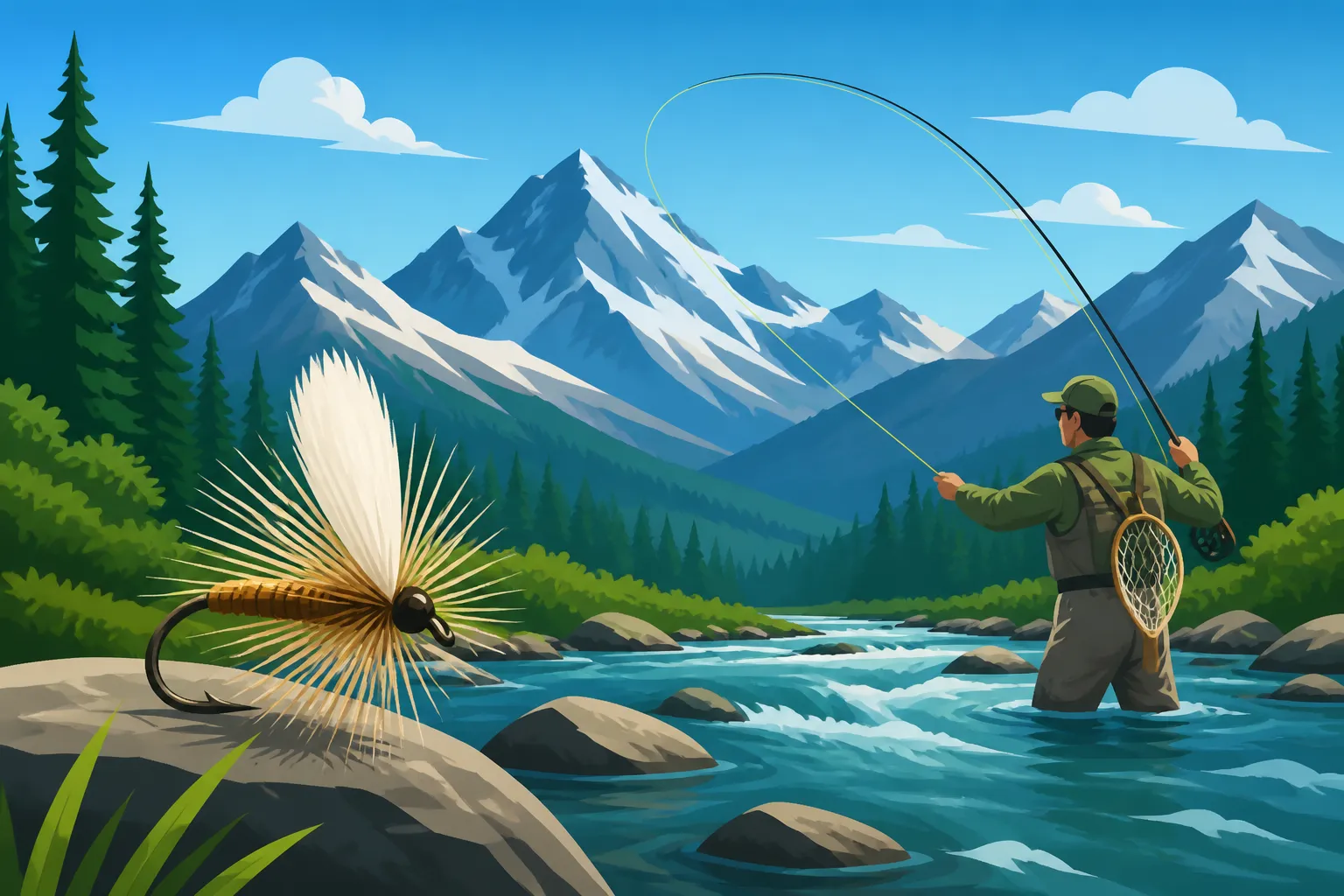
There’s a unique magic that washes over you when you’re standing in the cool, crisp air of a British Columbia mountain stream, the gentle current swirling around your waders, and a pristine wild trout sipping a dry fly right on the surface. It’s a moment many anglers dream of, a true pinnacle of fly fishing. But getting to that point, especially for those new to the BC experience, can feel like a daunting task, filled with questions about gear, fly choice, and where to even begin. This comprehensive guide is here to demystify dry fly fishing in BC's stunning mountain streams, equipping you with the knowledge and confidence to chase those unforgettable topwater takes.
The Irresistible Allure of Dry Fly Fishing in BC Mountain Streams
There's something deeply primal and incredibly rewarding about seeing a fish rise to a dry fly. It's an instant connection to nature, a visually spectacular take that often stays etched in an angler's memory long after the fish is released. In British Columbia's vast and diverse landscape, the opportunities for this kind of pure fly fishing experience are practically endless, especially in our countless mountain streams.
Why Dry Flies Captivate Anglers
For many, dry fly fishing isn't just a technique; it's an obsession, a philosophy, and the purest form of fly fishing. The sheer visual thrill of watching a trout slowly, deliberately, or even explosively rise from the depths to take your meticulously presented artificial insect off the surface is unparalleled. Unlike nymphing or streamer fishing, where the strike is often felt rather than seen, dry fly fishing offers a direct, visceral connection. You're not just casting; you're playing a game of wits with the fish, trying to perfectly mimic a natural insect’s emergence or drift.
Think about it: you've tied a tiny pattern, perhaps a size 16 or 18, to a gossamer-thin piece of tippet. You've cast it gently upstream, allowing it to float naturally with the current, completely drag-free. Then, a dark shape appears beneath it, a flash of white mouth, and the fly vanishes. That moment, that split-second decision to set the hook, is pure adrenaline. It's a testament to your skill, your patience, and your understanding of the water and the insects that live within it. This visual engagement makes dry fly fishing incredibly addictive, turning a simple outing into an immersive hunting experience where you can observe the fish's behavior in real-time.
Understanding BC's Mountain Stream Ecosystems
British Columbia is a province defined by its mountains, and these towering peaks are the birthplace of countless cold, clear, nutrient-rich streams and rivers that flow down to the valleys and coast. These aren't your slow-moving, warm-water rivers. BC mountain streams are typically characterized by their brisk currents, rocky or gravelly bottoms, and often dense riparian vegetation. The water itself is usually crystal clear, fed by snowmelt and glacier runoff, maintaining consistently low temperatures that are ideal for trout species like Rainbow, Cutthroat, and Bull Trout.
The unique ecology of these streams means they support a robust and diverse insect population. Stoneflies, caddisflies, and various species of mayflies thrive in these environments, forming the primary food source for the resident fish. Understanding the life cycles of these insects is paramount to successful dry fly fishing here. You'll often find a mix of riffles (fast, shallow, turbulent water), runs (deeper, smoother flows), pools (slow, deep sections), and pocket water (small, defined areas of calmer water behind rocks or logs). Each of these structures holds fish at different times and under different conditions, and knowing how to approach each one with a dry fly is a skill honed over many days on the water. The pristine nature of many of these streams also means that the fish are often wild, wary, and exceptionally beautiful, making the pursuit all the more rewarding.
Essential Gear for Your Mountain Stream Dry Fly Adventure
Venturing into BC's mountain streams requires a thoughtful approach to your gear. These aren't places where you can just 'make do' with any old fly rod. Precision, delicacy, and the ability to handle varying conditions are key, and your equipment should reflect that. Having the right tools won't guarantee a fish, but it will certainly improve your chances and make the experience far more enjoyable.
Rod, Reel, and Line Selection
When it comes to dry fly fishing in the often-tight quarters and delicate presentations required in mountain streams, lighter tackle is generally your best friend.
-
Rods: Forget your heavy salmon rods here. For most BC mountain streams targeting trout, a 2-weight to 4-weight fly rod, typically in lengths ranging from 7'6" to 9', is ideal. A 7'6" 3-weight is a fantastic all-around choice for smaller streams where casting space might be limited, allowing for accurate, delicate presentations in close quarters. If you're on a slightly larger stream or anticipate casting larger dry flies or dealing with wind, an 8'6" or 9' 4-weight might be more versatile. Look for a rod with a moderate-fast action; something that loads easily for short, accurate casts but still has enough backbone to handle a spirited wild trout. Brands like Orvis, Sage, and Redington offer excellent options that strike a balance between performance and value, and you can often find great deals on these through retailers like Amazon.
-
Reels: The reel for dry fly fishing on light rods primarily serves as a line holder and counterbalance. You don't need a heavy-duty drag system like you would for ocean salmon. A lightweight, single-action click-and-pawl or small disc drag reel that balances well with your chosen rod is perfect. Aesthetics and durability often play a bigger role here than brute stopping power. Ensure it has enough capacity for your fly line plus about 50-75 yards of 20-pound backing.
-
Fly Lines: A weight-forward floating fly line is absolutely essential. The weight-forward taper helps with casting accuracy and distance, while the floating nature keeps your dry fly on the surface. For delicate presentations, consider a line with a longer front taper, often labeled as a "trout" or "presentation" taper. Matching the line weight to your rod (e.g., a WF3F line for a 3-weight rod) is crucial for optimal performance. Some anglers even "over-line" by one weight (e.g., a WF4F on a 3-weight rod) to help load faster for shorter casts, but this is a matter of personal preference and rod characteristics.
Leaders, Tippet, and Fly Box Essentials
Once you have your core setup, the details of your leader, tippet, and fly selection become paramount. These elements are the final connection to the fish and often determine success or failure.
-
Leaders: A tapered monofilament leader is necessary to transfer the energy from your fly line to your fly, allowing it to turn over cleanly and present delicately. For dry fly fishing in clear mountain streams, length is important. An 8-foot to 10-foot leader is a good starting point, though some anglers prefer even longer (12-15 feet) for exceptionally spooky fish or clear, glassy water. The taper should end in a fine tippet section. A 5X or 6X leader butt will typically match well with the finer tippet you'll be using.
-
Tippet: This is arguably the most critical component for a natural dry fly presentation. Your tippet should be thin enough to allow the fly to drift naturally and be nearly invisible to the fish, but strong enough to land it. For most dry fly situations in BC mountain streams, 5X, 6X, or even 7X fluorocarbon or monofilament tippet is appropriate. Fluorocarbon is less visible underwater but can sink, which might affect delicate dry fly presentations if not treated properly. Monofilament floats better and is often preferred for pure dry fly fishing. Always match your tippet size to your fly size; generally, a smaller fly requires finer tippet. A good rule of thumb is to divide the fly size by 3, and that gives you a rough tippet X-rating (e.g., a size 18 fly / 3 = 6, so 6X tippet). Keep spools of various sizes handy in your vest or pack.
-
Fly Box Essentials: This is where the real fun begins! Your fly box should be stocked with a diverse array of dry flies, covering the major insect groups and various sizes. You'll need:
- Mayfly imitations: Blue-winged Olives (BWO), Pale Morning Duns (PMD), Green Drakes, March Browns, Parachute Adams (a must-have generalist), and various Comparaduns. Have them in sizes from 12 to 20.
- Caddisfly imitations: Elk Hair Caddis, X-Caddis, Goddard Caddis. Sizes 10-18.
- Stonefly imitations: Stimulator (a great all-around attractor and stonefly imitation), Yellow Sally, Golden Stone. Sizes 8-16.
- Attractor patterns: Royal Wulff, Humpy, Chernobyl Ant (especially for terrestrial season later in summer). These are high-visibility flies that often work when no specific hatch is occurring.
- Terrestrials: Grasshoppers, beetles, ants. Essential from mid-summer through early fall when insects fall from streamside vegetation.
Don't forget fly floatant (gel or powder) to keep your dries riding high, nippers for cutting line, forceps for hook removal, and a sturdy landing net with a rubber mesh to protect the fish. All these accessories, from tippet spools to nippers, are readily available on platforms like Amazon.
Mastering Dry Fly Techniques for BC Streams
Dry fly fishing in BC's mountain streams is a nuanced art that goes beyond simply flicking a fly onto the water. It demands precision, observation, and an understanding of how fish behave in their environment. These techniques will significantly increase your success rate and appreciation for the craft.
The Art of the Perfect Cast and Presentation
A beautiful cast is certainly satisfying, but in dry fly fishing, "perfect" means effective. It's about getting the fly to the fish in a way that looks utterly natural.
- Accuracy is Paramount: Unlike nymphing where you might blanket a broader area, dry fly fishing often targets specific fish you've spotted, or a small feeding lane. Practice casting to specific targets like leaves or small rocks on the water. Focus on short, accurate casts rather than trying to bomb it across the river. Many of the fish you encounter will be within 30 feet.
- Delicate Landings: Your fly needs to land on the water with the grace of a natural insect, not a brick. A good leader turnover is key. Aim for the fly to touch down first, followed by the leader and then the line, extending smoothly. Avoid splashy landings, as these can spook wary trout in clear mountain waters. A "parachute" cast, where you slightly check your forward cast before the line fully extends, can help achieve this delicate presentation.
- Upstream Presentations: Generally, you'll want to cast upstream and slightly across from where you expect a fish to be feeding. This allows your fly to drift naturally down towards the fish before the line passes over it, which would otherwise spook the fish. This also gives you precious seconds to mend your line and manage drag.
- Managing Drag (The Mortal Enemy): This is perhaps the most crucial aspect of dry fly fishing. "Drag" occurs when your fly line and leader pull your fly unnaturally across or against the current, making it look like an artificial. Fish are incredibly sensitive to drag. To combat this, you need to learn various mending techniques.
- Upstream Mend: After your cast, as your line begins to drift, you might see it forming a belly in the current faster than your fly. To correct this, pick up the belly of your line with your rod tip and lay it upstream, allowing your fly to continue its natural drift.
- Reach Cast/Curve Cast: These casts actively introduce slack into your leader and line before the fly lands, allowing for a longer drag-free drift over complex currents. A reach cast involves extending your arm upstream or downstream at the end of your forward cast, while a curve cast intentionally throws a curve into your line.
- Slack Line Casts: Throwing intentional wiggles or S-curves into your line can also buy you extra drift time in tricky currents.
Remember, practice makes perfect. Spend time on the water not just fishing, but actively working on your casting and mending, even if it's just practicing with a piece of yarn.
Reading the Water for Feeding Fish
You can have the most perfect cast and the most realistic fly, but if you're not putting it where the fish are, you won't catch anything. Learning to read the water is an essential skill for any angler, and particularly for dry fly fishing where surface activity is the main clue.
- Riffles, Runs, and Pools:
- Riffles: These are the shallow, fast, bubbly sections. Fish will often hold just below riffles, in the slightly calmer water where food items are funneled to them. They'll also feed in the riffles themselves if there's a heavy hatch, as the broken surface hides them from predators.
- Runs: These are deeper, smoother sections of flowing water. Fish will often sit along the edges of runs or in the slower currents adjacent to faster flows, expending less energy while waiting for food. Look for seams where fast and slow water meet.
- Pools: Deep, slow-moving sections. The head (top) of the pool where the current enters, and the tail (bottom) where it exits, are prime feeding lies. Fish in the middle of pools tend to be spookier and harder to approach.
- Undercut Banks and Structure: Overhanging banks, submerged logs, large rocks, and root systems all provide cover and refuge for trout. These are classic holding lies, and fish will often dart out from under them to take a fly. Cast your dry fly as close to these structures as possible, without getting snagged, of course!
- Foam Lines and Seams: Current seams, especially those marked by foam lines, are natural highways for insects. Foam collects floating debris and insects, creating a conveyor belt of food. Fish will often patrol these lines, picking off anything edible that drifts by.
- Identifying Rise Forms: This is the most exciting part!
- Gentle Sip/Dimple: A subtle rise, often just a dimple on the surface. This usually indicates a fish leisurely feeding on small, slow-moving insects like tiny mayflies or midges. Use small flies and delicate presentations.
- Splashy Rise: A more aggressive, sometimes audible, rise. This means the fish is actively chasing a faster-moving insect, like a caddisfly in an emergency. You might get away with slightly less delicate presentations and often larger, more visible flies.
- Head-and-Tail Rise: The fish's nose and then tail break the surface as it tilts down to feed on emerging insects just below the surface. This is a tricky one; sometimes they'll take a dry fly, other times an emerger pattern is better.
Take your time when you approach a new section of stream. Observe the water for a few minutes. Look for any surface activity, analyze the currents, and identify potential holding lies before making your first cast. Patience is a virtue here.
Understanding Insect Hatches and Imitation
The bedrock of successful dry fly fishing is understanding the insects that trout feed on. In BC mountain streams, a diverse array of aquatic insects, primarily mayflies, caddisflies, and stoneflies, make up the bulk of a trout's diet.
-
The Big Three: Mayflies, Caddisflies, and Stoneflies
- Mayflies (Ephemeroptera): These are perhaps the most iconic dry fly insects. They undergo an incomplete metamorphosis, starting as nymphs on the stream bottom, emerging as "duns" (the winged adult stage that floats on the surface), and then molting into "spinners" (the reproductive stage that returns to the water to lay eggs). Trout feed heavily on duns and spinners. Key BC mayflies include Blue-Winged Olives (BWOs – early spring/late fall, often overcast days), Pale Morning Duns (PMDs – late spring/early summer), and various larger Green Drakes or March Browns (sporadic, often early summer).
- Caddisflies (Trichoptera): Often mistaken for moths, caddisflies are very common in BC streams. Their larvae live in cases on the bottom, and when they emerge as adults, they often do so rapidly, fluttering off the surface. Trout love them because they're energetic and nutritious. You'll see caddis hatches from spring through fall, often in the evenings. The Elk Hair Caddis is a classic imitation.
- Stoneflies (Plecoptera): These are larger insects, often found in rocky, well-oxygenated streams. Their nymphs are crawly creatures, and when they emerge, they often crawl out onto stream banks to hatch, though some will emerge on the surface. Larger trout will target stonefly nymphs and adults, especially during significant hatches. Golden Stoneflies and Yellow Sally stoneflies are common. The Stimulator pattern is a fantastic stonefly imitation.
-
Matching the Hatch: This is the classic dry fly strategy. When you see fish rising consistently, and you notice particular insects on the water, your goal is to "match the hatch." This involves selecting a fly pattern that imitates the natural insect in terms of:
- Size: The most important factor. If fish are taking size 16 mayflies, don't throw a size 10 caddis.
- Shape: Is it long and slender like a mayfly dun, or bushy and tent-winged like a caddis?
- Color: While less critical than size and shape, matching the general color (e.g., olive, grey, brown) can make a difference in clear water.
- Profile/Emergence Stage: Sometimes fish are keying on emergers (insects struggling to break through the surface film) rather than fully-fledged duns. Having a few emerger patterns like Sparkle Duns or LaFontaine's Emergent Sparkle Pupa can be a game-changer.
If no specific hatch is apparent, or fish aren't showing a preference, opt for a generalist pattern like a Parachute Adams or a Stimulator, or a terrestrial pattern if it’s late summer. Always carry a range of sizes and colors for each major insect group.
Key Dry Fly Patterns for BC Mountain Streams
Having the right fly in your box is half the battle. While understanding hatches helps you choose, some patterns are simply universal producers in BC's diverse trout waters. These are the flies you shouldn't leave home without.
Go-To Generalist Patterns
These flies are the workhorses of any dry fly angler's arsenal. They don't necessarily imitate one specific insect perfectly but rather represent a broad category of food, or simply look "buggy" and appealing to a hungry trout.
-
Parachute Adams: If you could only carry one dry fly into a BC mountain stream, the Parachute Adams would be a top contender. Its grey body and grizzly hackle represent a generic mayfly, and the white parachute post makes it incredibly visible to the angler. It effectively imitates many different mayfly species throughout the season and is reliable when no specific hatch is occurring. I always have these in sizes 12 through 20. It's especially effective in slower runs and pools.
-
Elk Hair Caddis: When caddisflies are fluttering about, or even when they're not, the Elk Hair Caddis is a superb choice. Its tent-wing profile and buoyant elk hair suggest an adult caddis struggling on the surface or a generic bushy terrestrial. It floats well, is easy to see, and fish just love it. I typically carry these in olive, tan, and natural elk hair colors, in sizes 10 to 18. This fly is especially deadly in faster riffles and pocket water where caddis are more prevalent.
-
Stimulator: This pattern is a fantastic attractor that can imitate a large stonefly, a grasshopper, or even a juicy caddisfly. Its bushy profile and buoyant materials make it float like a cork, even in turbulent water. It's a great "searching" pattern when you don't see specific rises but suspect fish are holding in the runs. It's particularly effective during stonefly hatches in spring and early summer, or as a hopper imitation in late summer. Have them in orange, yellow, and olive, in sizes 8 to 16. It's a chunky fly that larger trout often won't pass up.
Hatch-Specific and Attractor Flies
Beyond the generalists, having a few flies that can precisely imitate a specific insect or simply draw attention when fish are not actively feeding on naturals can be the key to a banner day.
-
Specific Mayfly Duns: While the Parachute Adams covers a lot of bases, having patterns that more closely match specific mayfly hatches can be crucial during selective feeding.
- Blue-Winged Olive (BWO) Dun: Small, olive-bodied mayflies that hatch in cooler weather, often during overcast days in spring and fall. A small Parachute BWO or a Sparkle Dun BWO in sizes 16-22 can be deadly when trout are selectively feeding on these tiny morsels.
- Pale Morning Dun (PMD) Dun: These light-yellowish/tan mayflies are common in late spring and early summer. A size 14-18 Parachute PMD or a Comparadun PMD is essential when these are hatching.
- Green Drake/March Brown: Larger, often darker mayflies that hatch sporadically, usually in early to mid-summer. A size 10-14 Green Drake or March Brown imitation can entice larger fish when these big bugs are present.
-
Terrestrials: As summer progresses and stream flows drop, terrestrial insects (those that live on land) become increasingly important.
- Grasshoppers: Foam hoppers, Dave's Hopper, or Madame X in sizes 8-14 are fantastic from mid-summer through early fall. Fish them along grassy banks or where vegetation overhangs the water.
- Ants: Black and cinnamon ant patterns in sizes 14-18 are excellent, especially after a warm rain. These are often overlooked but can be incredibly effective.
- Beetles: Foam beetles or beetle imitations in black or brown, sizes 12-16, work well when generalist patterns aren't producing.
-
Attractor Flies: Sometimes, fish just need a little something extra to get their attention, especially when no discernible hatch is happening, or you're fishing faster, broken water.
- Royal Wulff: A classic attractor with a red and white body and white wings, it's highly visible and floats well. Great for searching for aggressive fish. Sizes 10-16.
- Humpy: Another buoyant, high-riding attractor that can mimic various insects. Excellent in turbulent water. Sizes 12-18.
- Chernobyl Ant: A larger foam pattern that imitates a big terrestrial. Great for larger fish in late summer, especially if you want to fish a dry-dropper rig. Sizes 8-12.
Building your fly box for BC mountain streams involves a blend of these reliable generalists, specific hatch matches, and attention-grabbing attractors. Keep a good supply of each, especially in different sizes, because a fish's preference can change by the hour. When browsing for these patterns, many anglers find a wide selection available on Amazon, allowing them to stock up conveniently.
Navigating the Challenges and Rewards of Mountain Stream Fishing
Dry fly fishing in British Columbia's mountain streams isn't always picture-perfect. You'll encounter challenges, both from nature and from the fish themselves. But overcoming these obstacles is part of the deep satisfaction, and it’s why anglers keep coming back to these wild places.
Dealing with Variable Conditions and Obstacles
Mother Nature, as we know, doesn't always play fair, and BC mountain environments can be particularly fickle. Being prepared for varying conditions is key to a successful and enjoyable trip.
- Weather Whims: Mountain weather can change on a dime. Sunny skies can quickly give way to rain, hail, or even snow, even in summer at higher elevations. Always check the forecast, but be prepared for the unexpected. Pack layers of clothing – a breathable base layer, an insulating mid-layer (fleece or down), and a waterproof/windproof outer shell. A wide-brimmed hat is crucial for sun protection and seeing flies on the water, and polarized sunglasses are non-negotiable for spotting fish and structure.
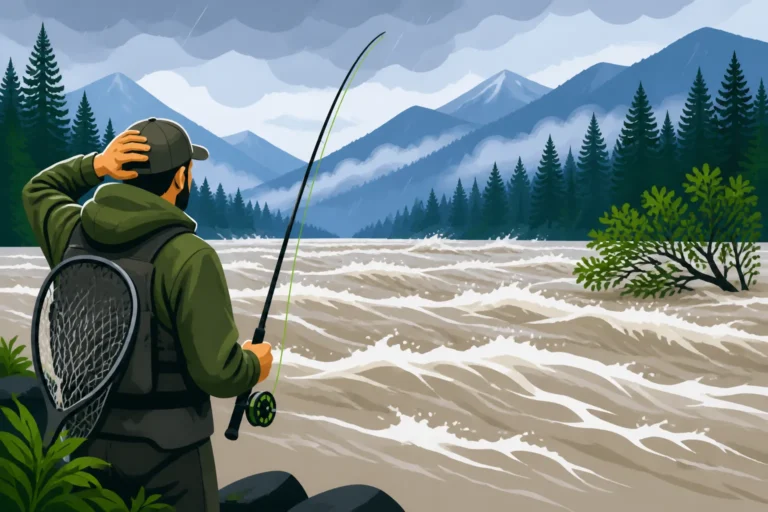
- Water Levels and Clarity: Stream flows can fluctuate significantly, especially during spring runoff, heavy rains, or prolonged dry spells. High, turbid water usually means tough dry fly fishing, as fish can't see your fly, and you can't see them! However, a slight rise in water after a rain can sometimes trigger a good hatch. Conversely, extremely low, clear water makes fish incredibly wary, requiring longer leaders, finer tippets, and even more delicate presentations. Always check local stream reports or BC Fishery Notices for current conditions before heading out. Sometimes, moving to a different river or elevation might be necessary if your planned spot is blown out.
- Snags and Backcasts: Mountain streams are often surrounded by dense forest, brush, or rocky cliffs. This means limited backcasting room, which can be incredibly frustrating.
- Roll Casts: Master the roll cast. It's indispensable for launching a fly when there's no room for a traditional backcast. Practice accuracy with it.
- Bow-and-Arrow Cast: For extremely tight spots, where even a roll cast isn't feasible, a bow-and-arrow cast can deliver a short, accurate shot.
- Tree Safety: Look up and behind you before every cast! Trees and branches are notorious for snatching flies and frustratingly expensive leaders. Always carry extra leaders and a good supply of your favorite patterns.
- Rough Terrain: Accessing prime mountain stream sections often involves hiking over uneven terrain, slippery rocks, and dense bush. Good wading boots with felt soles (if permitted in that specific waterbody to prevent invasive species transfer) or rubber soles with studs provide crucial traction. A wading staff is highly recommended for stability, especially when crossing swift currents or navigating unseen depths. Always know your limits and don't take unnecessary risks in fast-moving or deep water.
Dealing with these variables can be tough, but it's part of the adventure. It forces you to adapt, to think on your feet, and ultimately, makes the moments of success even sweeter.
Practicing Responsible Angling in Sensitive Ecosystems
British Columbia's mountain streams are fragile ecosystems, home to wild and precious fish populations. As anglers, we have a profound responsibility to protect these resources for future generations. Practicing ethical and responsible angling isn't just a suggestion; it's a necessity.
- Catch and Release (CPR): While you might keep a fish occasionally for a meal, the vast majority of your dry fly fishing in BC mountain streams should be catch and release, especially for species like wild Rainbow and Cutthroat trout. Studies show that proper catch and release practices dramatically increase fish survival.
- Minimize Fight Time: Land the fish as quickly as possible without "horsing" it. A prolonged fight can exhaust a fish, reducing its chances of survival.
- Keep 'Em Wet: Handle the fish as little as possible, and keep it in the water. Wet your hands thoroughly before touching a fish to protect its protective slime coat. Never put a fish on dry rocks or dirt.
- Barbless Hooks: Crimp down the barbs on all your hooks. Barbless hooks greatly reduce injury to the fish and make removal much easier. Many BC regulations require barbless hooks, especially in sensitive waters.
- Quick Hook Removal: Use forceps or pliers to quickly and gently remove the hook. If the fish is deeply hooked (which is rare with dry flies), cut the line as close to the hook as possible.
- Revive Properly: Hold the fish gently in the current, facing upstream, until it can swim away under its own power. Don't pump it back and forth; this forces water the wrong way through its gills.
- Minimizing Your Impact: Beyond handling fish, your overall presence in the stream matters.
- Stay on Trails: Where established, use designated trails to access the water to prevent erosion and damage to stream banks.
- Wade Carefully: Avoid unnecessary wading through prime fish lies. If you must wade, do so slowly and carefully, shuffling your feet to avoid disturbing the stream bottom and dislodging eggs or aquatic insects.
- Leave No Trace: Pack out everything you pack in, and then some. This includes all trash, discarded fishing line, and any other litter you might find. Leave the area cleaner than you found it.
- Respect Wildlife: You're in wild country. Give bears, cougars, and other wildlife their space. Carry bear spray and know how to use it. Make noise while hiking to avoid surprising animals.
- Check Regulations: Always consult the current BC Freshwater Fishing Regulations Synopsis and local fishery notices before you go. Regulations can change seasonally or on specific rivers due to conservation concerns. Knowing about BC Rainbow Trout Conservation Surcharge Stamp requirements or any BC Catch and Release Only Waters is critical.
By embracing these practices, you're not just a successful angler, but a steward of British Columbia's incredible natural heritage. The rewards of dry fly fishing extend far beyond the fish you catch; they include the satisfaction of connecting with nature and playing a part in its preservation.
Top BC Mountain Streams for Dry Fly Enthusiasts
British Columbia is a vast province, and its mountainous regions hold an incredible network of rivers and streams perfect for dry fly fishing. While pinpointing every single prime spot is impossible, we can highlight some general regions and types of streams that consistently deliver fantastic experiences for dry fly enthusiasts.
Interior Gems and Their Unique Charms
British Columbia's Interior, with its drier climate and diverse terrain, is a treasure trove of mountain streams that offer exceptional dry fly opportunities. These waters are often characterized by stable flows, consistent insect hatches, and robust populations of wild trout, particularly Rainbow Trout and often Bull Trout.
- The Cariboo Chilcotin Region: This vast area, often referred to as the "Land of 10,000 Lakes," is also crisscrossed by countless feeder streams and smaller rivers. Many of these nameless or lesser-known tributaries flow from high elevation lakes and through pristine forests, offering classic dry fly habitat. You'll find strong populations of wild rainbow trout, often eager to rise. The upper reaches of rivers like the Chilcotin or Quesnel (and their smaller feeders) can be fantastic during summer hatches. Access can sometimes be challenging, requiring a bit of hiking or 4×4, which often means less fishing pressure and more solitude.
- Kootenay Region Streams: The Kootenays in southeastern BC are renowned for their stunning mountain scenery and equally impressive fishing. Rivers like the Elk River are famous for their healthy populations of wild cutthroat trout, which are notoriously aggressive dry fly takers. Smaller feeder streams in the Elk Valley, often accessible via logging roads, can provide incredible action during prolific caddis and mayfly hatches. Similarly, tributaries flowing into larger systems like Kootenay Lake or the Columbia River often hold eager trout. The Gerrard Rainbow Trout of Kootenay Lake are world-famous, but their smaller river cousins are also fantastic targets on a dry fly. Summer (July and August) is typically prime time for prolific hatches.
- Wells Gray Provincial Park Area: This wilderness park, often called "Canada's Waterfall Park," is surrounded by a network of rivers and streams that flow through stunning volcanic landscapes. Many of the smaller rivers and creeks in and around the park are ideal for dry fly fishing for wild rainbow and bull trout. Think pristine, cold, clear waters with excellent insect diversity. Accessibility here might require some legwork, truly embodying the "mountain stream" adventure. Learning How to catch trout in a beaver pond stream might be useful in some of these wilder areas where such features are common.
- Okanagan Highlands: While the Okanagan Valley is known for its lakes and vineyards, the surrounding highlands offer cooler, higher elevation streams that are perfect for trout. These smaller streams, often unnamed, can be phenomenal for native rainbow trout during summer hatches. The What a Kamloops trout is and where they live query describes a famous strain of trout, and many smaller streams in the region can hold them. The key here is often exploration and getting off the beaten path.
Coastal Mountain Runoff Waters
Closer to the Pacific Ocean, British Columbia's Coast Mountain range also provides excellent, albeit different, dry fly opportunities. These streams are often steeper, shorter, and more prone to rapid changes in water levels due to coastal rainfall. However, they hold a unique charm and can offer fantastic fishing, often for sea-run cutthroat trout in addition to resident rainbows.
- Vancouver Island Streams: While many of Vancouver Island's rivers are known for their salmon and steelhead runs, the smaller tributaries and upper reaches of rivers like the Cowichan, Gold, or Quinsam can offer great dry fly fishing for resident rainbow and cutthroat trout. Sea-run cutthroat, particularly, are fantastic dry fly targets in the lower to mid-reaches of these coastal streams when they are not in their migratory phase. Look for sections with good gravel beds and riparian vegetation.
- Sea-to-Sky Corridor Streams (Squamish, Capilano Tributaries): The mountain streams flowing into Howe Sound and the Fraser River Delta from the Coast Mountains offer accessible dry fly fishing close to major population centers like Vancouver. The upper reaches of the Squamish River system, or the countless small creeks and tributaries feeding larger rivers like the Capilano, often hold wild rainbow and cutthroat trout. These streams can be very brushy, demanding precise casting and stealthy approaches. They are typically productive from late spring through fall when water levels are stable. These are also excellent places to study BC Fishing Seasons by Month to hit those peak hatch windows.
- Central and North Coast Tributaries: For the truly adventurous, the vast and rugged central and north coast offers innumerable small streams tumbling out of the mountains into the Pacific. While often remote and requiring float plane or boat access, these waters can be utterly pristine, offering incredible fishing for wild trout and sea-run cutthroat in solitude. Many of these streams are part of the broader Best Fishing Rivers in British Columbia network, often overlooked in favor of the larger, more famous salmon rivers.
Remember, regardless of where you choose to explore, always respect private property, follow local regulations, and leave no trace. The beauty of dry fly fishing in BC's mountain streams is not just about the fish, but the unparalleled wilderness experience it offers.
Table of Essential BC Mountain Stream Dry Fly Patterns
| Fly Pattern | Imitation | Typical Sizes | Best Season(s) | Notes |
|---|---|---|---|---|
| Parachute Adams | Generic Mayfly Dun | #12 – #20 | All Season | Universal "go-to"; highly visible white post. |
| Elk Hair Caddis | Adult Caddisfly, Generic Terrestrial | #10 – #18 | Spring to Fall | Excellent in riffles; floats very well. |
| Stimulator | Large Stonefly, Hopper, Attractor | #8 – #16 | Spring to Fall | Bushy, buoyant; great for searching or large trout. |
| Blue-Winged Olive | Small Mayfly Dun | #16 – #22 | Spring & Fall (overcast) | Crucial for selective fish during BWO hatches. |
| Pale Morning Dun | Medium Yellow Mayfly Dun | #14 – #18 | Late Spring & Early Summer | Essential during PMD hatches. |
| Royal Wulff | Attractor, Generic Terrestrial | #10 – #16 | All Season | High visibility; good for faster water or when no hatch. |
| Foam Hopper | Grasshopper | #8 – #14 | Mid-Summer to Early Fall | Excellent for bankside feeding; draws aggressive strikes. |
| Black/Cinnamon Ant | Ant (Terrestrial) | #14 – #18 | Mid-Summer to Fall | Often overlooked but very effective after rain. |
| Sparkle Dun | Mayfly Emerger | #14 – #20 | All Season | When fish are keying on emerging insects. |
| Goddard Caddis | Adult Caddisfly (high-floating) | #10 – #16 | Spring to Fall | Similar to Elk Hair, but often more buoyant. |
Disclaimer
The information provided in this guide is for general informational purposes only and does not constitute legal advice. Fishing regulations in British Columbia are subject to change and vary by region, species, and season. It is the responsibility of every angler to consult the most current official BC Freshwater Fishing Regulations Synopsis, relevant BC Fishery Notices, and local signage before engaging in any fishing activity. Always prioritize safety and environmental stewardship.