Best Techniques for Winter Steelhead
It’s a truly unique challenge, isn't it? Heading out to the river in the dead of winter, battling the biting cold, numb fingers, and often murky, unforgiving waters, all for a chance at that elusive winter steelhead. Many of us have spent countless hours freezing our butts off, wondering if we’re even in the right spot or if our presentation is totally off. It can be incredibly frustrating to feel like you're missing something crucial, but trust me, there are proven ways to increase your odds. This guide is dedicated to breaking down the best techniques to fool those magnificent winter warriors in British Columbia.
Understanding Winter Steelhead Behavior
Successfully targeting winter steelhead in British Columbia goes far beyond just casting a line; it's a strategic game of understanding these incredible fish's unique adaptations to their cold, freshwater environment. They aren't the same fish you might encounter in warmer months, and recognizing their distinct habits is the first step toward putting one in your net. Many anglers, myself included, have learned this the hard way after trying summer tactics in winter and coming up empty.
Why Winter Steelhead are Different
Unlike their summer-run cousins who often spend extended periods in the river and can be more inclined to chase a fly or lure, winter steelhead are typically fresh from the ocean. They enter the river systems during the colder months, primarily focused on making their way upstream to spawn. Their metabolic rate is significantly reduced due to the frigid water temperatures, making them much more lethargic. This isn't a fish that's actively feeding in the same way a trout might be during a spring hatch.
Instead, a winter steelhead strike is often a reaction – a defensive snap at an annoyance, a territorial nip, or a casual grab at an offering that drifts effortlessly right into its immediate strike zone. They're conserving energy, and any movement they make is usually calculated. This means your presentation needs to be incredibly precise, slow, and natural. Understanding this fundamental difference is crucial; it dictates everything from your tackle choices to your casting approach and retrieval speed. They are ghosts of the river, demanding respect and a refined approach.
Key Holding Water in Winter
Knowing where winter steelhead hold is paramount. Forget the fast, shallow riffles that might hold hungry trout in summer. Winter steelhead seek out refuge from strong currents and often low temperatures. They prioritize areas where they can expend minimal energy while remaining hidden and safe.
Look for the "soft water" – deeper, slower pockets on the inside bends of rivers, the cushioned seams where faster currents meet slower ones, and the tailouts of large, deep pools where the water begins to slow down just before the next riffle. Large boulders, submerged logs, and undercut banks also create vital current breaks where these fish can tuck in, out of the main flow. Imagine a long, deep run; instead of finding fish scattered throughout, a winter steelhead will often be tight to the bottom, often right against the bank or in a distinct seam. On rivers like the Best Steelhead Rivers in BC, you’ll find these prime holding spots time and again. They might also settle into the "head" of a pool, just after a significant drop-off, where they can survey their surroundings with minimal effort.
Impact of Water Temperature
Water temperature is perhaps the most influential factor dictating winter steelhead behavior. When river temperatures plunge into the low single digits Celsius (think 2-5°C or 35-41°F), steelhead become incredibly sluggish. They'll hug the bottom, move less, and become extremely picky. Your presentation will need to be agonizingly slow and right on their nose to elicit a strike.
Conversely, a slight bump in water temperature, perhaps from a prolonged sunny spell or a warm rain that melts snow slowly, can sometimes wake them up. Even a one or two-degree increase can trigger a subtle shift, making them slightly more willing to move a short distance for a bait or fly. Pay close attention to temperature changes; an outgoing cold front might mean tough fishing, while a warming trend could signal better opportunities. This sensitivity to temperature means you might need to adjust your depth, bait size, and even leader length to match their mood. The colder the water, the more subtle and direct your approach needs to be.
Essential Gear for Winter Steelhead
Venturing out for winter steelhead in BC isn't a casual affair. The conditions demand robust, reliable gear that not only functions flawlessly in freezing temperatures but also keeps you warm, dry, and safe. Skimping on quality here can turn a potentially magical day into a miserable, short-lived ordeal. Trust me, I've been there, shivering my way back to the truck wishing I'd invested in better layers!
Rods, Reels, and Line Selection
The choice of rod, reel, and line forms the foundation of your winter steelhead setup.
For float fishing (also known as drift fishing), a longer rod is a huge advantage. Think 10 to 12 feet in length, typically rated for 8-15 lb or 10-20 lb test line. This extra length helps immensely with line management, mending your line to achieve a drag-free drift, and providing powerful hooksets at the end of a long float. Popular rod manufacturers include G. Loomis, Raven, and St. Croix. Pair this with a robust spinning reel in the 2500-4000 series (Shimano, Daiwa are common choices) or a specialized baitcasting reel for extreme line control. Many veteran anglers prefer a low-profile baitcaster or a small, strong round reel (like an Abu Garcia Ambassadeur) for float fishing, spooling it with 15-20 lb monofilament.
When it comes to line, a high-visibility monofilament main line (like Maxima Ultragreen or Raven Gold) in 12-17 lb test is common for float fishing. Its slight buoyancy helps keep the line on the surface, making mending easier. For your leader, a high-quality fluorocarbon in 8-12 lb test is essential for its invisibility and superior abrasion resistance against rocks and logs. Fly anglers targeting winter steelhead often opt for Spey or switch rods, typically 7 to 9 weight and 11 to 13 feet long, allowing for efficient two-handed casting of heavy sink-tip lines (Skagit or Scandi heads) to swing large flies.
Terminal Tackle and Baits
Your terminal tackle needs to be both strong enough to handle a powerful fish and subtle enough to avoid spooking it. For float fishing, slip floats (DNE, Raven, Thill) in various sizes (1/4 oz to 1 oz, depending on current) are key. You'll need an assortment of split shots or pencil lead to properly weight your float, ensuring your bait drifts at the correct depth without dragging excessively. Good quality barrel swivels prevent line twist, especially when using cured roe.
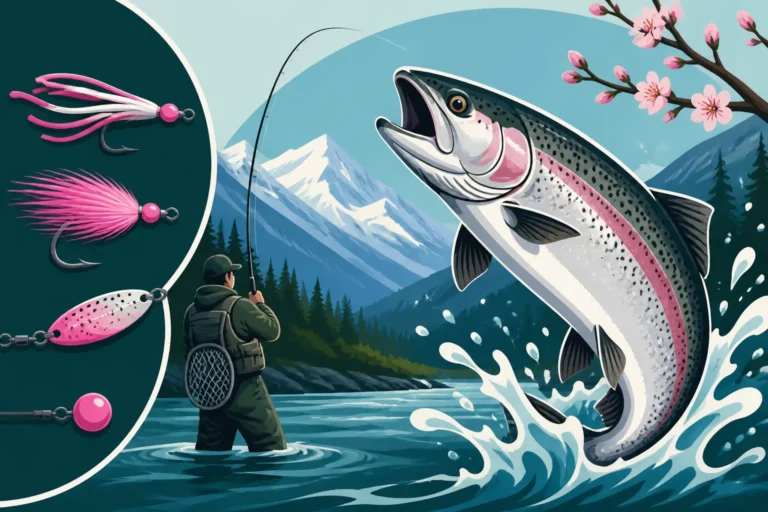
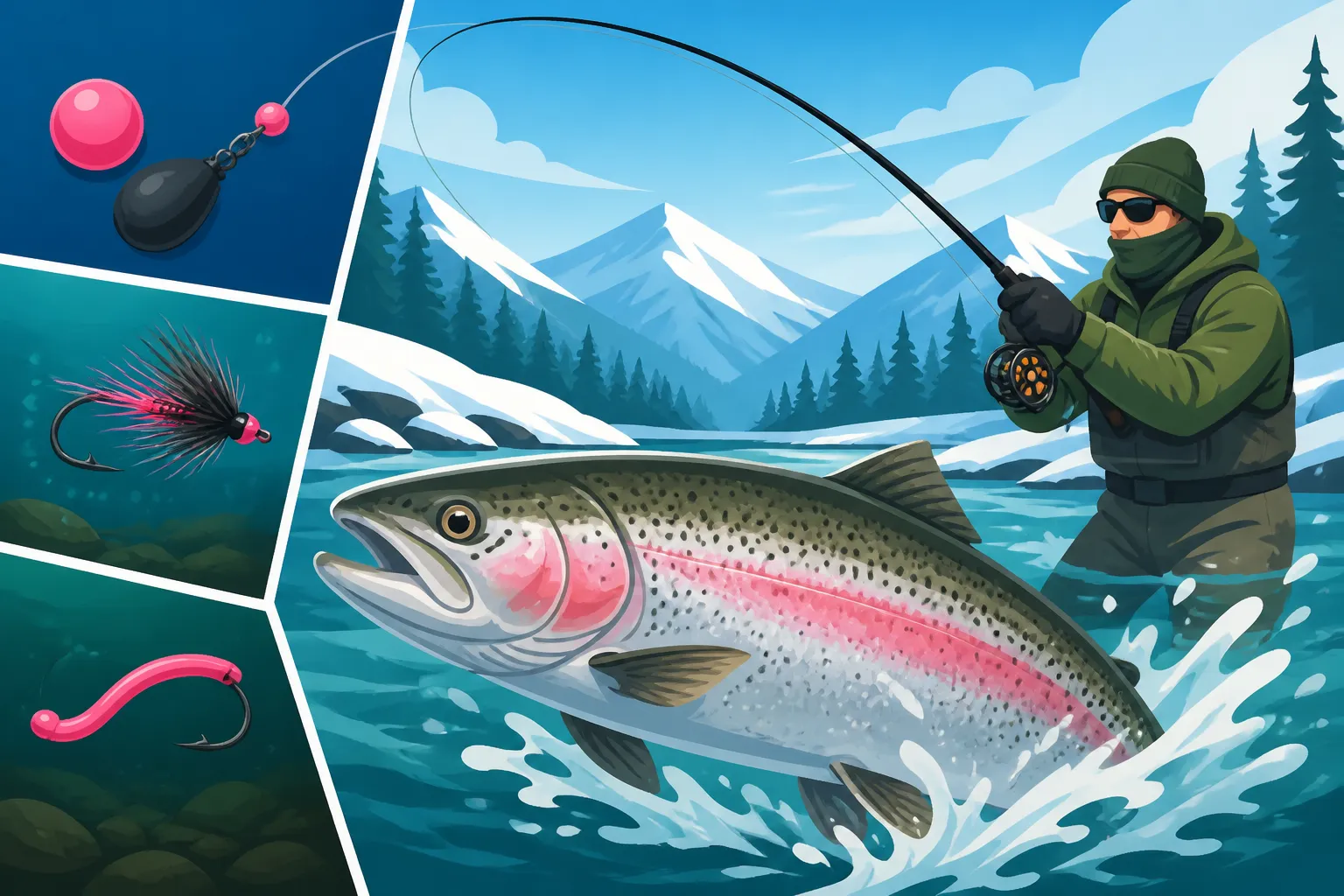
As for baits, properly cured salmon or steelhead roe is often considered the gold standard for winter steelhead. The natural scent and appearance are incredibly enticing. Other effective options include soft plastic eggs, worms (such as Jensen Eggs or Gulp! Worms) in vibrant colors like pink, chartreuse, or orange, and small, well-tied jigs often dressed with wool or a piece of prawn. For fly anglers, the go-to patterns include weighted intruders, Spey flies, and various leech patterns, typically in black, blue, purple, or chartreuse. Always double-check the BC Freshwater Fishing Regulations Synopsis for any bait restrictions or single barbless hook rules specific to the river you're fishing.
Waders and Cold Weather Apparel
I cannot stress this enough: staying warm and dry is absolutely crucial for a successful and enjoyable winter steelhead trip. High-quality breathable waders are a must. Look for advanced fabrics like GORE-TEX or similar multi-layered materials that offer both waterproofness and breathability, allowing moisture to escape without letting water in. Top brands like Simms, Patagonia, and Orvis are industry leaders for a reason.
Layering is the name of the game underneath your waders. Start with a moisture-wicking synthetic or merino wool base layer, followed by a warm fleece or puffy mid-layer, and finally, heavy fleece wading pants. Cotton is an absolute no-go; it loses all insulating properties when wet. For your upper body, a good waterproof and windproof wading jacket is essential, with appropriate insulating layers underneath. Don't forget a warm hat that covers your ears, neoprene or fingerless gloves (with hand warmers tucked inside), and several pairs of thick, quality wool or synthetic socks. Insulated, studded wading boots provide critical traction on icy or slippery riverbanks. A thermos full of hot coffee or tea can provide invaluable warmth and comfort throughout the day. You can find excellent deals on durable, insulated waders and layering pieces on platforms like Amazon to ensure you're fully prepared.
Proven Winter Steelhead Fishing Techniques
With your understanding of winter steelhead behavior and your gear meticulously prepared, it’s time to delve into the actual methods that consistently produce results. Each technique has its optimal conditions and requires a specific touch, but mastering them will significantly elevate your chances of connecting with one of BC's magnificent winter chrome.
Float Fishing (Drift Fishing)
Float fishing, often simply referred to as "drift fishing" when utilizing a float, is arguably the most popular and incredibly effective technique for winter steelhead in British Columbia. It excels in rivers with moderate to slow currents and decent depth, where you can achieve a long, natural presentation. The core principle is to present your bait or lure as naturally as possible, allowing it to drift at the exact speed of the current, directly into the fish's holding zone.
To execute this, you'll employ a slip float, positioned to suspend your bait at the precise depth where the steelhead are holding – typically just off the bottom, occasionally ticking it. Cast upstream and across the current, then actively "mend" your line upstream as the float drifts. Mending involves lifting and repositioning your line to eliminate drag, ensuring your float moves at the same speed as the water around it. Watch your float with unwavering attention; winter steelhead bites are often incredibly subtle. A slight dip, a hesitation, or a sudden stop of the float could be a take. Set the hook quickly and firmly. This method is particularly deadly in deep, slow pools, current seams, and transition zones, giving lethargic fish ample time to inspect and take your offering. For a deeper dive, check out our guide on Drift Fishing for Steelhead in BC Rivers.
Bottom Bouncing / Jigging
Bottom bouncing, or "gear fishing" in some circles, is another highly productive technique, particularly effective in faster, deeper runs where maintaining a float might be challenging, or when water clarity is poor. This method involves using a heavier weight, typically a "slinky" weight or pencil lead, attached to a three-way swivel or a dropper system, allowing a short leader with your bait or jig to tumble and bounce along the riverbed.
The key to bottom bouncing is maintaining constant contact with the river bottom. You're feeling the weight "tick" over rocks and gravel, trying to keep your bait or jig in the immediate strike zone of bottom-hugging steelhead. Cast slightly upstream and across, letting your weight sink rapidly. Keep a relatively tight line and "feel" your way down the run. Bites are often incredibly subtle – a slight hesitation, a feeling of "weight," or an unexpected stop in your drift. Any anomaly should be met with an immediate hookset. This technique is especially potent with cured roe or brightly colored, scented jigs. It’s a workhorse method when river flows are high and murky, as it ensures your presentation is right where the fish are holding, relying on scent and close proximity rather than visual appeal.
Fly Fishing with Spey and Switch Rods
For the purist or those seeking a truly immersive experience, swinging flies with Spey or switch rods for winter steelhead is an art form. This method uses specialized two-handed rods to cast heavy, compact fly lines (known as Skagit or Scandi heads) equipped with various sink tips. These powerful lines allow anglers to launch large, weighted flies across the river, even in strong winds or with limited backcasting room.
Once cast, the fly is allowed to swing down and across the current, presenting itself in a broad arc through the steelhead's suspected holding water. The unique movement of a swinging fly, pulsating and darting, can be irresistible to a resting steelhead, often provoking aggressive, heart-stopping strikes. While it requires a greater investment in specialized equipment and developing advanced casting techniques, the reward of landing a wild winter steelhead on the swing is an unparalleled angling achievement. Popular fly patterns include Intruders, tube flies, and classic Spey flies, often tied in darker shades of black, blue, purple, or vibrant chartreuse. Our guide on Fly Patterns for BC Steelhead Rivers provides a wealth of information on effective ties.
Spoon and Spinner Fishing
While not always the first choice for winter steelhead, spoons and spinners can be surprisingly effective under the right conditions, especially when steelhead are slightly more active or in certain types of water. These lures rely on flash, vibration, and erratic movement to trigger a reaction strike.
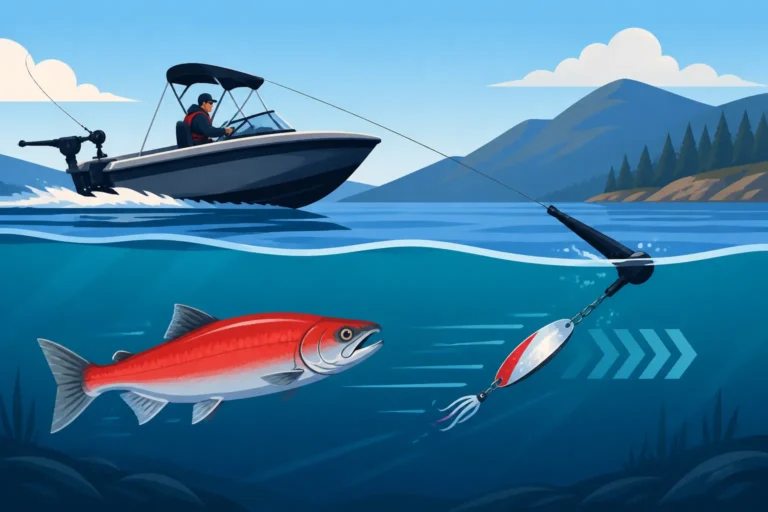
For spoons, look for heavier, broader designs that offer a slower, more pronounced wobble on the retrieve. Brands like BC Steel, Koho, and Gibbs Delta produce excellent options in vibrant colors (chartreuse, pink, metallic finishes) that stand out in typical winter water. Cast across and slightly upstream, allowing the spoon to sink close to the bottom, then retrieve slowly, maintaining a tantalizing wobbling action without snagging. Spinners, such as those from Mepps, Blue Fox, or Rooster Tail, with larger blades for maximum vibration, can also be productive. A slow, steady retrieve, just fast enough to ensure the blade is spinning, is usually best. This technique shines in runs with moderate current and decent water clarity, where the flash and movement can effectively draw attention.
| Technique | Primary River Conditions | Key Presentation | Common Baits/Lures | Best for Water Clarity | Typical Hookset |
|---|---|---|---|---|---|
| Float Fishing | Deep pools, slow to moderate runs | Natural, drag-free drift | Cured roe, jigs, soft plastics | Moderate to Clear | Subtle dip/pause, quick lift |
| Bottom Bouncing | Fast, deep runs, turbulent water | Ticking the riverbed | Cured roe, jigs, soft plastics | Murky to Moderate | Feeling "weight" or "tic" |
| Fly Fishing (Spey/Switch) | Wide runs, moderate currents | Swinging the fly | Intruders, tube flies, Spey flies | Clear to Moderate | Violent pull, solid strip set |
| Spoon/Spinner | Moderate runs, pocket water | Slow retrieve, flash/vibration | Metal spoons, inline spinners | Clearer water | Sudden strike, firm set |
Reading the River and Conditions
Winter steelhead fishing is a dynamic pursuit, where success often hinges on your ability to interpret the ever-changing language of the river. The water itself, combined with prevailing weather patterns, dictates where steelhead will be holding and how receptive they'll be to your offerings. Ignoring these subtle cues is a common pitfall that can lead to frustration and empty nets.
Water Clarity and Flow
The river's clarity and flow are arguably the most immediate indicators of how you should approach your fishing. These conditions are constantly in flux, especially during BC's wet winter months.
High and Murky Water: When the river is running high and stained, often resembling "coffee" or "chocolate milk," steelhead will typically seek refuge in slower, more predictable water. They'll hug the banks, move into larger, calmer pools, or tuck behind significant structure where they can escape the main current. In these conditions, visibility is minimal, so fish rely heavily on scent and vibration. This is prime time for more aggressive presentations like bottom bouncing with pungent cured roe or brightly colored, heavily scented jigs. Focus your efforts on distinct current breaks and the very edges of the river where the current is weakest. The fish will not be fighting the main torrent.
Low and Clear Water: Conversely, when water levels are low and the clarity is exceptional – what many call "gin clear" – steelhead become incredibly wary and spooky. They'll hold in the deepest, darkest parts of pools and runs, using cover to their advantage. Your presentation must become ultra-finesse: longer, lighter fluorocarbon leaders, smaller baits, and meticulously careful wading are essential to avoid spooking these highly sensitive fish. This is where the Best Techniques for Low Clear Water Steelhead come into play, demanding stealth and precision. Any unnatural drag or disturbance can send them scattering.
Weather Patterns and Their Influence
British Columbia's winter weather is notoriously fickle, and these atmospheric shifts profoundly impact steelhead behavior. Being aware of the forecast can give you a significant edge.
Cold Snaps and Freezing Temperatures: A sudden drop in temperature or a prolonged cold snap will make steelhead incredibly lethargic. Their metabolism slows further, and they'll hug the bottom even tighter, seeking thermal refuge. During these periods, patience is paramount, and your presentation needs to be excruciatingly slow and precise, putting your bait directly on their nose. Don't expect aggressive takes; a subtle "tick" might be all you get.
Warm Fronts and Rain: A warming trend, especially coupled with a gentle rain, can sometimes be a blessing. If it brings a slight increase in water temperature without blowing out the river, it can encourage fresh steelhead to enter the system and stir up resident fish. However, too much rain can rapidly lead to blown-out, unfishable rivers due as water levels surge and turbidity becomes extreme. Always consult local river gauges and the BC Fishery Notices and In-Season Closures, Explained before heading out.
Overcast Skies and Light Snow: Often, stable overcast conditions or light snow can be ideal. The diffused light reduces spookiness, and the stable temperatures can keep fish comfortable and slightly more active than on bright, sunny days, which tend to push them into deeper, darker lies.
Finding Productive Runs and Pools
Identifying the most productive water in winter is about understanding where steelhead will seek sanctuary, conserve energy, and stage for their upstream journey.
Runs: Look for runs with consistent depth, generally 4 to 8 feet, that offer a moderate current speed. The "seams" – where faster main currents meet slower side currents – are prime holding areas. Also, pay attention to any subtle depressions or troughs on the riverbed that create natural resting spots. A gradual bend in the river that creates a deeper channel along the bank can also be a magnet for fish.
Pools: Deep, slow pools are classic winter steelhead havens. Focus your efforts on the tailout of the pool, where the water begins to speed up again, as well as the deepest sections and any areas with significant structure. Steelhead will often hold in the "head" of a pool, just below a significant riffle or drop-off, or along the softer edges.
Obstacles and Structure: Any prominent feature in the river – large boulders, log jams, submerged trees, or sudden depth changes – creates a current break, and these are absolute magnets for resting steelhead. Fish the water directly upstream, downstream, and especially in the calmer water immediately behind or to the side of these obstacles. These spots offer cover, reduced current, and often a stable depth that winter steelhead crave. This knowledge is fundamental for anyone exploring waters like the Thompson River Steelhead Fishing. Remember, it’s not about covering miles of water, but rather meticulously picking apart every potential holding lie.
Safety and Ethical Angling in Winter
Winter steelhead fishing in British Columbia is an adventure, but the beauty of the remote rivers and challenging conditions comes with inherent risks. Beyond ensuring your own well-being, practicing responsible and ethical angling is crucial for protecting these magnificent fish and preserving the sport for future generations.
Cold Weather Preparedness
The harsh reality of BC's winter weather demands serious preparation. Hypothermia is a real and present danger. Always dress in multiple layers, as discussed earlier, with proper base layers, insulating mid-layers, and a waterproof, windproof outer shell. Bring more layers than you think you'll need. Always carry extra dry clothes in a waterproof bag, even for a short day trip. One slip into the frigid water without a change of clothes can turn into a life-threatening situation.
Footwear: Insulated wading boots with excellent traction are non-negotiable. Riverbanks and trails can be slick with ice, snow, or mud. Consider using studded soles for extra grip where permitted. Review our guide on Wading Techniques for BC Steelhead Rivers for more safety tips.
Emergency Gear: Carry a fully charged cell phone, but don't rely on it entirely, as service can be spotty in remote areas. A personal locator beacon (PLB) or satellite messenger device is highly recommended for truly isolated trips. A well-stocked first-aid kit, whistle, fire starter, headlamp, and emergency food and water are essential. Always, always tell someone your float plan: where you're going, your route, and when you expect to return. A hot thermos of coffee or soup can be a morale booster and a vital source of warmth.
Responsible Catch and Release Practices
The vast majority of winter steelhead fishing in BC operates under strict catch-and-release regulations, particularly for wild populations. These fish are on their spawning migration, and their survival after release directly impacts the health of future runs. Your actions as an angler have a significant impact.
Barbless Hooks: This is non-negotiable. Always use barbless hooks. You can easily crimp the barb on most hooks with a pair of pliers. Barbless hooks minimize damage to the fish and allow for quicker, easier release, reducing stress and handling time.
Minimize Handling: The golden rule is to keep the fish in the water as much as humanly possible. This includes during unhooking and for quick photos. Prolonged air exposure is incredibly stressful for fish and significantly reduces their survival chances.
Proper Handling: If you must handle the fish, wet your hands thoroughly beforehand to protect its delicate slime coat, which acts as a protective barrier against disease. Support the fish horizontally with two hands – one under the belly, one near the tail. Never lift a steelhead vertically by its jaw or tail, as this can cause severe internal damage. Avoid squeezing or touching its gills.
Revive the Fish: After unhooking, gently cradle the fish in the current, facing upstream, allowing water to flow over its gills. Hold it until it fully regains its strength, gives a strong kick, and swims away under its own power. Don't simply toss it back; ensure it's ready to continue its journey. Remember, a BC Steelhead Conservation Surcharge Stamp is required for any steelhead kept where retention is permitted, underscoring the conservation focus on this species.
Understanding Regulations and Notices
British Columbia's fishing regulations are extensive and can be complex, with specific rules varying by river, time of year, and even species. It is your personal responsibility to know and follow all current regulations. Ignorance is no excuse, and penalties for violations can be severe.
Regulation Synopsis: Always carry a current copy of the BC Freshwater Fishing Regulations Synopsis, either digitally on your phone or a printed version. This document is your primary source for general rules, but always be aware of in-season changes.
Fishery Notices: Crucially, always check the Department of Fisheries and Oceans (DFO) Pacific Fishery Notices before every trip. These notices are issued frequently and can supersede the annual synopsis, implementing in-season closures, openings, or special restrictions due to conservation concerns. A river might be open one week and closed the next.
Species Identification: Be proficient at identifying the species you are targeting and any other species you might encounter, especially if there are different regulations for wild versus hatchery-marked fish (e.g., adipose fin clips). Knowing your BC Bag and Possession Limits by Species is non-negotiable. Fishing without understanding these crucial details not only risks significant fines but also undermines vital conservation efforts.
Disclaimer
Please remember that fishing regulations and conditions in British Columbia can change rapidly. Always consult the official British Columbia Freshwater Fishing Regulations Synopsis and the Department of Fisheries and Oceans (DFO) Pacific Fishery Notices before heading out on any fishing trip. This guide is for informational purposes only and should not replace official regulatory documents. Stay safe and fish responsibly!