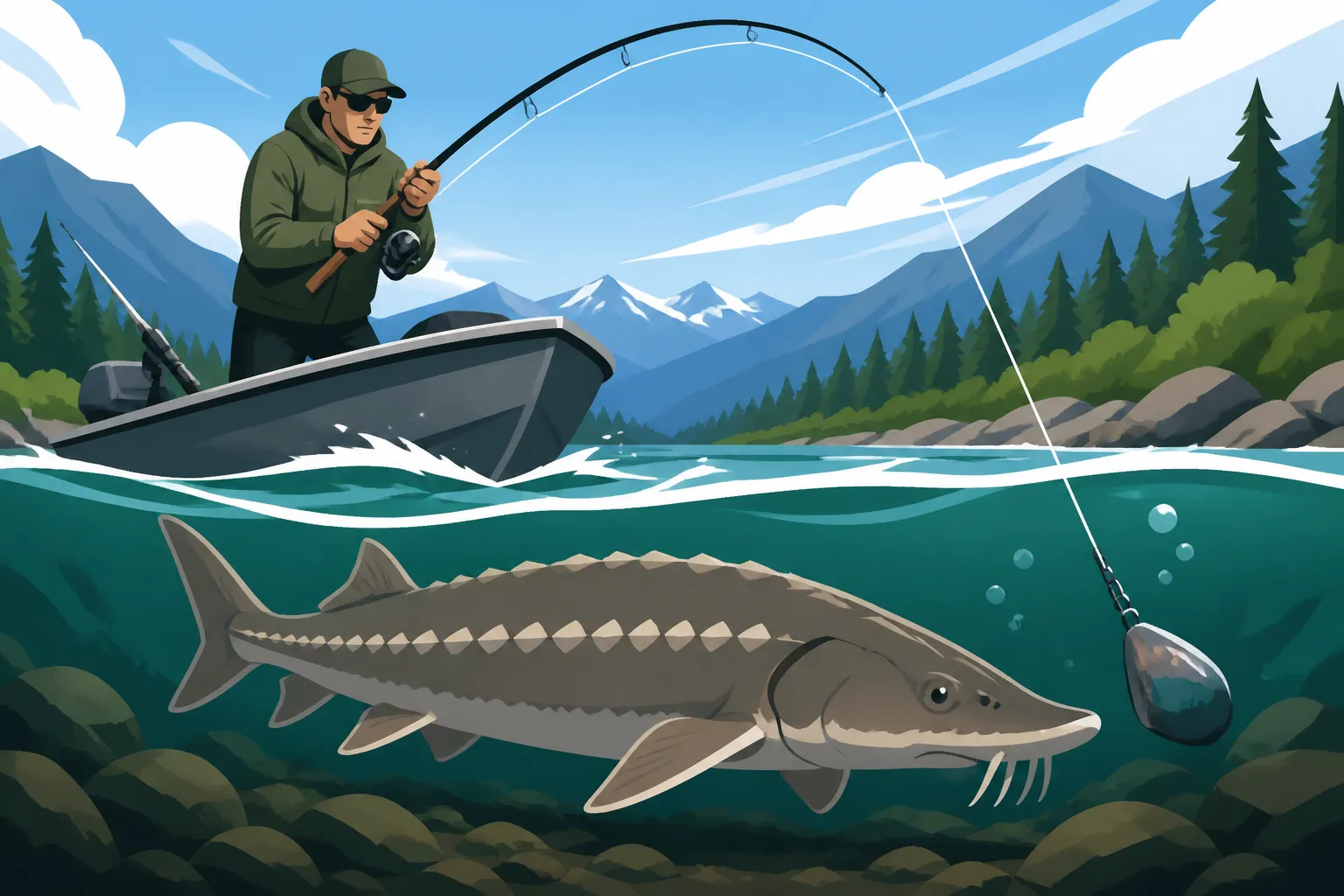
How to Catch Sturgeon on the Fraser River
The Fraser River, a legendary waterway in British Columbia, is home to a truly magnificent creature: the white sturgeon. For many anglers, the dream of hooking into one of these prehistoric giants is the ultimate BC fishing experience. However, the sheer size of the river and the power of these fish can be incredibly intimidating, leading to confusion about the right gear, the best locations, and effective techniques. This comprehensive guide is designed to demystify Fraser River sturgeon fishing, helping you navigate the challenges and increase your chances of a successful and responsible catch-and-release adventure.
Understanding the Fraser River White Sturgeon
Before you even think about casting a line, it's crucial to understand the creature you're targeting. The white sturgeon (Acipenser transmontanus) is the largest freshwater fish in North America, and they are truly a marvel of evolution, having roamed these waters for millions of years. Their formidable size, incredible strength, and ancient lineage make them a highly respected and protected species in British Columbia.
The Incredible Biology of White Sturgeon
Imagine a fish that can live for over 100 years, grow to lengths exceeding 20 feet, and weigh well over 1,000 pounds. That’s the Fraser River white sturgeon. These fish are slow-growing, late-maturing, and incredibly long-lived, which means every single fish is precious. They have a cartilaginous skeleton, five rows of bony plates called scutes along their body, and a distinctive flattened snout with four barbels, which they use to locate food on the river bottom. They are primarily bottom feeders, gorging on lamprey, eulachon, salmon eggs, and carcasses, which explains why bait fishing is the predominant method for targeting them. Their sheer power, especially in the strong currents of the Fraser, is something you have to experience to truly appreciate. When you hook a large sturgeon, you're not just fighting a fish; you're often in a tug-of-war against the river itself.
Conservation Status and Importance
The Fraser River white sturgeon population faced severe declines in the past due to overfishing and habitat degradation. Thankfully, robust conservation efforts and strict regulations have helped these populations rebound significantly, though they remain a species of concern. It’s absolutely paramount that every angler understands and adheres to the catch-and-release policy for sturgeon. This isn't just a suggestion; it’s a legal requirement, and it’s the only way to ensure these majestic fish continue to thrive for future generations. When you target sturgeon, you are not just enjoying a day on the water; you are actively participating in their conservation by practicing responsible angling. Ignoring these rules not only risks heavy penalties but also undermines the tireless work put into protecting this iconic species. It's a privilege to fish for them, not a right.
Essential Gear for Fraser River Sturgeon Fishing
Fishing for Fraser River sturgeon is not like your average trout fishing trip. These fish demand heavy-duty, robust tackle that can withstand immense pressure and powerful, sustained runs. Skimping on gear will almost certainly lead to heartbreak, lost fish, and potentially lost tackle.
Heavy-Duty Rods and Reels
When it comes to rods, think power, not finesse. You’ll need a strong, heavy-action rod, typically 7 to 9 feet long, designed for large saltwater species or catfish. Look for rods rated for at least 80-130 lb test line, with a fast to moderate-fast action that provides both backbone for lifting and enough give to absorb violent head shakes. A good sturgeon rod should feel like a broomstick to a trout angler – stiff and powerful. Brands like Shimano, Ugly Stik, and Okuma offer popular models well-suited for this purpose.
For reels, you need something equally robust. A conventional (baitcasting) reel with a high line capacity and a smooth, powerful drag system is absolutely essential. Star drag or lever drag reels capable of holding at least 250-400 yards of 80-100 lb braided line are the standard. The drag must be able to withstand extended runs without overheating or becoming jerky. Many experienced sturgeon anglers swear by reels like the Penn Squall or Shimano TLD series, which are built like tanks. Remember, these fish can peel off hundreds of yards of line in a single burst, so a reliable, high-capacity reel is your best friend. While browsing for options, you can find a wide array of heavy-duty conventional reels on platforms like Amazon, often with detailed reviews from other big-game anglers.
High-Test Line and Robust Leaders
Line choice is critical. Braided mainline is the go-to for sturgeon fishing due to its incredible strength-to-diameter ratio and lack of stretch, which provides excellent sensitivity for feeling subtle bites. Most anglers use 80 lb to 150 lb test braided line. While 80 lb is often sufficient for smaller to mid-sized fish, if you're targeting true monsters, bumping up to 100 lb or even 150 lb gives you a much-needed margin of error.
Your leader system needs to be even tougher. Sturgeon have rough mouths and can easily fray weaker lines. A 150 lb to 250 lb monofilament or fluorocarbon leader, typically 2-4 feet long, is recommended. Some anglers even use stainless steel wire leaders in specific situations, though monofilament or fluorocarbon is generally preferred for its abrasion resistance and less obtrusive presentation. The leader should be attached to your mainline with a high-quality barrel swivel rated for several hundred pounds to prevent line twist. A snap swivel or a robust quick-change clip on the end of the leader allows for quick bait changes and rig adjustments. Don't cheap out on swivels or snaps; a weak link here is often where trophy fish are lost. To help you choose, a comprehensive guide on "Best Rod Setup for Fraser River Sturgeon" might offer more specific advice.
Terminal Tackle and Bait Essentials
Your terminal tackle setup typically involves a sliding weight system, a heavy-duty swivel, and a strong, sharp circle hook. The sliding weight allows the sturgeon to pick up the bait without immediately feeling the full resistance of the sinker, leading to more confident takes. Weights can range from 8 ounces to a whopping 32 ounces or more, depending on the current. In strong currents, you might need a heavier pyramid or flat-bottomed sinker to hold the bottom.
Hooks are non-negotiable: Only single, barbless circle hooks are permitted for sturgeon fishing on the Fraser River. This regulation is crucial for the survival of released fish. Circle hooks are designed to hook fish in the corner of the mouth, minimizing deep hooking and making release easier. Sizes typically range from 10/0 to 16/0. Ensure your hooks are incredibly sharp and made from thick, strong wire that won't straighten under pressure.
As for bait, sturgeon are opportunistic scavengers, and fresh is always best. Popular baits include:
- Salmon roe: Often fished in mesh bags, especially during salmon runs.
- Eulachon: A small, oily smelt-like fish, often fished whole or in chunks.
- Lamprey: Particularly effective, especially the caudal (tail) section.
- Salmon pieces: Chunks of fresh salmon belly or head are excellent, especially when salmon are migrating.
- Sardines or herring: Oily fish that create a strong scent trail.
Always check local regulations for any bait restrictions, as they can change seasonally, especially during sensitive salmon runs. A good resource for this is the article "Best Bait for Sturgeon on the Fraser River". Preparing your bait correctly is also key; ensure it’s securely attached to the hook, often by wrapping it with bait thread to prevent it from being easily pulled off by the current or smaller fish.
Best Times and Seasons to Target Sturgeon
Sturgeon fishing on the Fraser River is a year-round affair, but certain times of the year offer better opportunities due to water conditions, bait availability, and sturgeon feeding patterns. Understanding these nuances can significantly improve your success rate.
Seasonal Sturgeon Activity
Sturgeon are active throughout the year, but their behavior and preferred locations can shift with the seasons.
- Spring (March-May): As river levels begin to rise with snowmelt and water temperatures increase, sturgeon become more active. They'll often follow the runs of eulachon and lamprey, keying in on these oily food sources. Fishing can be excellent during this period, though high, turbid water can make finding them a challenge and requires heavier weights.
- Summer (June-August): This is often considered prime time, especially in late summer when salmon begin to return to the Fraser. Sturgeon gorge on salmon eggs and carcasses, and their metabolism is high. Water levels are typically lower and more stable, making for more comfortable fishing conditions. However, summer also brings heavier recreational boat traffic and can coincide with salmon fishing closures, which can impact sturgeon fishing areas.
- Fall (September-November): Another fantastic season, as the main salmon runs are in full swing. Sturgeon will congregate in deeper holes and channels, feasting on the abundance of salmon eggs and decaying salmon. This is a great time to target larger, well-fed fish. Water temperatures are cooling, but sturgeon remain very active.
- Winter (December-February): While challenging due to cold weather and often slower fish activity, winter can still produce big sturgeon. The fish tend to hold in deeper, more stable pools, conserving energy. Baits need to be presented enticingly, and patience is key. Fishing pressure is much lower, offering a more serene experience for dedicated anglers. Always check weather and river conditions carefully, as ice can be a factor in some areas.
Impact of Water Levels and Tides
The Fraser River is a dynamic system, and water levels can fluctuate dramatically, especially during spring runoff and after heavy rains. High, fast-flowing water can make fishing difficult, as it's harder to hold bottom, and fish might be less willing to move. Conversely, very low water levels can concentrate fish in certain holes, but also make them more spooky.
Tidal influence is a significant factor, particularly in the lower stretches of the Fraser, downstream of Hope. Sturgeon often use the tides to move up and down the river, and the slack tide – both high and low – can be excellent fishing times. During slack tide, the current slows, allowing your bait to settle more naturally on the bottom, and sturgeon often become more active as they forage without fighting strong currents. Many experienced Fraser River anglers pay close attention to the tide charts, timing their trips around the periods of slack water. The incoming or outgoing tide can also be productive, particularly on the edges of channels where current seams form, offering fish a resting spot near passing food.
Prime Sturgeon Fishing Spots on the Fraser River
The Fraser River is vast, stretching hundreds of kilometers through British Columbia. While sturgeon can be found throughout its accessible reaches, certain sections are renowned for consistent action and the chance at truly massive fish. Knowing where to focus your efforts is half the battle.
Lower Fraser River Hotspots
The Lower Fraser River, generally considered the section from Mission downstream to the Strait of Georgia, is arguably the most popular and productive area for sturgeon fishing. This part of the river is wide, deep, and heavily influenced by tides, creating rich feeding grounds and deep holding water for sturgeon.
- Mission to Chilliwack: This stretch offers numerous deep holes, prominent sandbars, and current seams that sturgeon frequent. Areas around Mission, particularly the deeper channels and eddy lines downstream of the CPR bridge, are legendary. Further upstream, near Chilliwack and the Vedder River confluence, the river braids and offers excellent opportunities, especially during salmon runs when a massive influx of potential food is present. Look for areas with significant depth changes, submerged timber, or gravel beds adjacent to deeper water, as these provide cover and feeding lanes. Access is generally good, with several public boat launches available. You might find more specific details in "Best Sturgeon Spots on the Lower Fraser River" for a deeper dive.
- Fraser Estuary (Richmond/Delta): Closer to the mouth of the river, the estuarine environment presents unique challenges and opportunities. The strong tidal currents here necessitate heavier weights, but the rich ecosystem provides an abundant food source for sturgeon. Areas around the sand heads and deeper channels leading into the Strait of Georgia can hold incredible numbers of fish, especially migratory individuals moving in and out with the tides. This area is often targeted by charter operations departing from Steveston and other lower mainland marinas.
Middle Fraser and Fraser Canyon Locations
As you move upstream past Hope and into the Fraser Canyon, the river character changes dramatically. It becomes narrower, faster, and much deeper in places, often confined by steep canyon walls. While less accessible for the casual angler, these areas can hold some truly massive, undisturbed sturgeon.
- Hope to Yale: This section marks the beginning of the Fraser Canyon. The river picks up speed and carves out immense, deep pools and treacherous rapids. Access becomes more challenging, often requiring experienced guides with specific river knowledge and specialized boats capable of navigating the powerful currents. However, the rewards can be significant, as these deep, powerful pools are perfect holding areas for giant sturgeon that don't see as much fishing pressure.
- Upstream of Yale: Further into the canyon, the river continues its dramatic course. Fishing here is almost exclusively done with professional guides who understand the intricate and often dangerous currents. This is remote, wild sturgeon country, offering a truly unique experience for those seeking adventure and potentially record-breaking fish. The pristine environment and limited access ensure that these sturgeon populations are healthy and often grow to incredible sizes, a true testament to the "Sturgeon Growth Rate to Trophy Size". If you plan on exploring these more remote locations, always prioritize safety and consider hiring a local expert.
Reading the River for Sturgeon Hotspots
Beyond specific named locations, learning to "read the river" is perhaps the most valuable skill for any sturgeon angler. Sturgeon prefer areas where food is concentrated and where they can rest out of the main current while still having easy access to passing meals.
- Deep Holes and Drop-Offs: These are classic sturgeon haunts. Use your sonar to locate depressions in the riverbed or sudden changes in depth. Sturgeon often congregate along the edges or in the bottom of these holes.
- Current Seams and Eddy Lines: Look for areas where fast-moving water meets slower water, creating a distinct "seam" on the surface. These seams often indicate a drop-off or a shelf below, and the slower water provides a perfect ambush point for sturgeon. Eddies, where the current flows backward, are also excellent, as they collect debris and food.
- Confluences: Where smaller rivers or creeks join the Fraser, you often find deeper water and a concentrated food supply, especially during salmon runs. The confluence of the Vedder River with the Fraser, for instance, is a prime example.
- Submerged Structure: Logs, rock piles, and other underwater features provide cover and create current breaks where sturgeon can lie in wait. Be cautious, as these areas can also lead to snags, but they are often worth the risk. A good fish finder can be invaluable for pinpointing these hidden structures.
Effective Sturgeon Fishing Techniques and Rigging
Catching a Fraser River sturgeon isn't just about showing up with the right gear; it's about understanding how to present your bait effectively, read the bites, and rig your line for success. Precision and patience are paramount.
Anchoring and Bait Presentation
The most common and effective technique for sturgeon fishing on the Fraser River is anchoring. You'll want to position your boat upstream of a promising sturgeon holding area, like a deep hole or current seam. Drop your anchor and let out enough rode to ensure your boat is securely held and can withstand the river's current. Many experienced guides use two anchors for maximum stability in strong currents.
Once anchored, cast your baited rig upstream, allowing it to drift downstream and settle naturally on the bottom in the desired location. The goal is to have your bait sit directly in the feeding lane of the sturgeon. This often means experimenting with casting distances and angles. The sliding sinker rig is crucial here, as it allows the bait to move slightly and tumble naturally with the current once it's on the bottom, mimicking a piece of food dislodged from upstream.
Rods should be placed in sturdy rod holders, pointed towards the water, with the drag set appropriately. You want enough tension to prevent the rod from being pulled into the water, but not so much that a sturgeon can’t take the bait. Many anglers prefer to keep their rod tip low to the water, as this reduces the amount of line exposed to the current, minimizing bow in the line and increasing sensitivity. Periodically check your bait to ensure it hasn't been washed off the hook by the current or picked clean by smaller fish.
Reading the Bite and Setting the Hook
Sturgeon bites can range from incredibly subtle to violently aggressive. Sometimes, it's just a light tap or a gentle thumping sensation transmitted through the rod. Other times, the rod will suddenly double over as a sturgeon slams the bait.
The key with circle hooks is not to set the hook like you would with a J-hook. If you yank the rod, you'll likely pull the bait right out of the sturgeon's mouth. Instead, when you feel a bite, leave the rod in the holder or pick it up gently, slowly increasing pressure by reeling down. The circle hook is designed to rotate and catch in the corner of the fish’s mouth as the fish moves away or as pressure is applied. Once you feel solid weight and the fish begins to pull, gently lift the rod and begin fighting the fish. It’s a common mistake for new sturgeon anglers to strike too hard, losing the fish before it’s properly hooked.
Drift Fishing Techniques
While anchoring is prevalent, drift fishing can also be effective in certain situations, especially for covering more water or when fish are scattered. This technique involves letting your boat slowly drift downstream with the current, while your baited rigs drag along the bottom.
- Controlled Drift: You can control your drift speed by using a motor to slow down your progress against the current (back-trolling) or by deploying a drift sock or sea anchor. This allows you to present your bait at a more natural speed, mimicking a free-floating food item.
- River Current Awareness: Successful drift fishing requires an intimate knowledge of the river's currents, depths, and potential snags. You need to be constantly aware of where your bait is and adjust your drift to stay in productive zones. This technique often requires more active engagement from the angler, constantly monitoring the rod tip for bites and making adjustments.
- Bait Presentation in Drift: In a drift scenario, ensuring your bait stays on the bottom and doesn't get swept up by the current is crucial. Heavy sinkers are still required, and some anglers prefer specialized "slinky" weights that are less prone to snagging on the riverbed.
Whether anchoring or drifting, always adhere to the "BC Fraser River Sturgeon Catch and Release Requirement". This means having appropriate landing gear and understanding proper handling techniques before you hook into a fish.
The Art of Battling and Releasing a Giant Sturgeon
Hooking into a Fraser River sturgeon is just the beginning of an epic battle. These fish are renowned for their strength, endurance, and acrobatic leaps. Successfully landing and, more importantly, safely releasing a large sturgeon requires skill, teamwork, and a deep respect for the fish.
The Battle: Technique and Stamina
When a sturgeon takes your bait, be prepared for a fight. Your heavy-duty gear will be put to the ultimate test.
- Maintain Pressure: Once hooked, keep constant pressure on the fish. Sturgeon have incredibly powerful jaws and can throw a hook if given any slack line. Use your body weight and the rod’s backbone to lean into the fish, guiding it away from snags and towards open water.
- Let the Drag Work: This is where your high-quality reel shines. Set your drag so that line peels off smoothly under heavy pressure, preventing break-offs while tiring the fish. Avoid the temptation to lock down the drag completely, as this risks snapping your line or pulling the hook. Adjust the drag as needed throughout the fight, tightening it when the fish is heading for open water and backing it off if it makes a powerful run towards structure.
- Conserve Energy: Fighting a large sturgeon can be physically exhausting. Take breaks if needed, passing the rod to a fishing buddy if you’re fishing with multiple people. Use the boat to your advantage, especially if you have a powerful motor. Your guide will often use the boat to follow the fish downstream, shortening the fight and reducing stress on the sturgeon. This also prevents the fish from peeling off all your line and getting into dangerous snags.
- Expect the Unexpected: Sturgeon are famous for their jumps and tail walks, especially larger ones. When a sturgeon leaps, lower your rod tip immediately to create slack in the line. This prevents the hook from tearing out of its mouth or the line from snapping under the sudden shock of impact. Once it re-enters the water, resume pressure.
Safe Handling and Release Practices
The conservation of white sturgeon hinges entirely on proper catch-and-release techniques. Remember, keeping sturgeon is strictly prohibited. Your goal is to release the fish in the best possible condition.
- Keep it in the Water: For most sturgeon, especially larger ones, keep the fish in the water as much as possible. Dragging a large sturgeon onto the bank or into a small boat can cause internal damage, stress, and remove its protective slime coat.
- Guided Boats: If you're on a guided trip, your guide will have a large cradle or specially designed sling that allows the fish to be lifted partially out of the water for quick measurements and photos, minimizing stress. They are experts in safe handling. If you're on your own, consider using an extra-large landing net or cradle, but prioritize keeping the fish in its element.
- Remove the Hook Quickly: With barbless circle hooks, this is usually straightforward. Use long-nosed pliers or a dehooking tool to gently back the hook out. If the hook is deeply embedded (rare with circle hooks), cut the leader as close to the hook as possible.
- Support and Revive: Once the hook is out, hold the sturgeon gently by the tail and support its belly, allowing it to rest and regain its strength in the current. Face it upstream so water can flow over its gills. Only release the fish when it’s actively swimming and strong enough to swim away on its own. This might take a few minutes for larger, more exhausted fish.
- Documentation: If you wish to measure or photograph your catch, do so quickly and efficiently, minimizing the time the fish is out of the water or stressed. Have your camera ready, and measure quickly. Ensure all hands are wet before touching the fish to protect its slime coat. You can find excellent guidelines on "Sturgeon Catch and Release Survival Tips" to further enhance your knowledge.
Navigating Regulations and Conservation
Fishing responsibly on the Fraser River means being fully aware of and complying with all provincial and federal regulations. These rules are in place to protect the sturgeon population and ensure sustainable angling for everyone. Violations can result in significant fines and legal consequences.
Understanding BC Fishing Regulations
British Columbia’s fishing regulations are comprehensive and can change annually, or even in-season, based on conservation needs. It's your responsibility to be informed before every trip.
- Fishing License: You absolutely need a valid British Columbia Fishing License Guide for 2026. For freshwater sturgeon, you'll need a Freshwater Fishing License. These can be purchased online or from authorized vendors. Ensure you also have the required conservation stamps. For specific sturgeon rules, there's often an additional sturgeon tag or stamp requirement, which contributes directly to conservation efforts. This is outlined in the "BC Sturgeon Conservation Surcharge Stamp Cost" article.
- Catch and Release Only: As mentioned multiple times, sturgeon fishing on the Fraser River is strictly catch-and-release. There are no retention limits.
- Gear Restrictions: Only single, barbless circle hooks are permitted. Treble hooks, barbed hooks, and J-hooks are prohibited for sturgeon. This is a critical rule for fish welfare.
- Closed Areas and Times: Certain sections of the river may have temporary closures or seasonal restrictions to protect spawning salmon or other vulnerable species. Always check the latest BC Fishery Notices and Freshwater Fishing Regulations Synopsis before heading out. The article "BC Fishing Regulations Explained" provides an excellent overview.
The Importance of Fishery Notices
Fishery notices are real-time updates issued by Fisheries and Oceans Canada (DFO) and the BC government that announce changes to regulations, closures, or openings. These can happen at any time due to environmental conditions, conservation concerns, or stock assessments.
- Stay Informed: Before every fishing trip, it is critical to check the latest fishery notices. You can find these on the DFO website or through various BC fishing news portals. A quick check can save you from inadvertently breaking the law or fishing in a closed area.
- Common Changes: Notices often relate to salmon retention limits, gear restrictions in specific areas during salmon runs, or closures due to low water or high water temperatures. While sturgeon are typically catch-and-release, other regulations in the same area can indirectly impact your ability to fish for sturgeon (e.g., if a particular stretch of river is closed to all fishing).
- Regional Differences: Regulations can also vary slightly between different regions of the Fraser River. Always consult the synopsis for the specific management zone you plan to fish. Don't rely on old information or hearsay. The guide "How to Check BC Fishery Notices Before a Trip" offers practical steps for this.
Common Challenges and Troubleshooting
Even with the best gear and knowledge, sturgeon fishing can present its share of frustrations. From stubborn bites to snagged lines, knowing how to troubleshoot common problems can make your day on the water much more enjoyable and productive.
Dealing with Snags
The Fraser River bottom is often littered with debris, including submerged logs, branches, and rocks. Snags are an inevitable part of sturgeon fishing, but there are ways to minimize them and deal with them when they happen.
- Know the Bottom: Use your sonar to map the river bottom. Try to avoid casting into areas with heavy structure if possible. Focus on cleaner, sandy, or gravelly bottoms adjacent to structure.
- Sinker Choice: Pyramid sinkers are good for holding bottom but are prone to snagging in rocky areas. Flat, disc-shaped sinkers or specialized "slinky" weights (a lead core inside a braided tube) can sometimes roll over snags more easily. Experiment with different shapes.
- Gentle Movement: When you feel your weight snag, avoid yanking aggressively. Instead, try gently jigging the rod tip up and down, or letting out a bit of slack line and then slowly taking it up. Sometimes, the current will help dislodge the weight.
- If You're Snagged Fast: If you're completely hung up, point your rod directly at the snag, engage your reel, and pull straight back. This will usually result in breaking your leader at the knot or snapping your mainline if the leader is stronger. It's better to lose a leader and a sinker than your entire mainline. This is another reason to use a weaker leader-to-mainline knot (though still strong enough for the fish) or a sacrificial leader system.
Adjusting to Changing River Conditions
The Fraser River is constantly changing, and what worked yesterday might not work today. Being adaptable is key to consistent success.
- Current Speed: In fast currents, you'll need heavier weights to hold bottom. If your bait is constantly washing downstream, increase your sinker size. In slower currents, you can often get away with lighter weights, which can be more sensitive to bites.
- Water Clarity: In clear water, sturgeon can be more wary, so focus on fresh, natural baits and minimize commotion. In turbid (muddy) water, sturgeon rely more on their barbels and sense of smell, so strong-smelling, oily baits are particularly effective.
- Temperature: Water temperature influences sturgeon metabolism. In colder water, they might be less active and prefer to stay in deeper, more stable holes. Bites can be subtle. In warmer water, they are more active and aggressive.
- Bait Rotation: If bites slow down, try switching baits. Sometimes a different scent or texture is all it takes to entice a reluctant sturgeon. If salmon are running, salmon roe or pieces will be a prime choice. If eulachon are running, those will be effective. Pay attention to what forage is naturally available in the river.
The Patience Factor
Sturgeon fishing, especially for larger fish, often requires immense patience. There will be days when the bites are few and far between.
- Don't Get Discouraged: It's easy to get disheartened when hours pass without a single bite. But remember, you're targeting a large, wild animal in a vast river. Persistence pays off.
- Observe and Learn: Use the downtime to observe the river. Watch for subtle changes in current, look for fish jumping (sturgeon often "breach"), and pay attention to what other successful anglers are doing if you're fishing in a popular area.
- Enjoy the Experience: Even without constant action, being on the Fraser River, surrounded by the stunning BC landscape, is an experience in itself. Take in the scenery, enjoy the company, and appreciate the opportunity to be in such a magnificent natural environment. The anticipation of a monster bite is a thrill that few other fisheries can match.
This table provides a quick reference for common challenges and potential solutions when targeting sturgeon:
| Challenge | Description | Troubleshooting Steps |
|---|---|---|
| No Bites | Long periods without any fish activity. | – Check bait freshness & presentation. |
| – Try different baits/scent. | ||
| – Adjust casting location/depth. | ||
| – Wait for slack tide or change in current. | ||
| Frequent Snags | Losing terminal tackle on the river bottom. | – Move boat position slightly. |
| – Use "slinky" weights or flat sinkers. | ||
| – Gently jig rod to free snag, avoid hard yanking. | ||
| Line Breaks | Losing fish or tackle due to line snapping. | – Check mainline/leader for nicks/frays before casting. |
| – Re-tie knots regularly. | ||
| – Ensure drag is set correctly (not too tight). | ||
| – Consider heavier leader/mainline. | ||
| Fish Spitting Bait | Fish taps bait but doesn't commit, or drops it. | – Allow more time for fish to take bait (circle hook technique). |
| – Ensure bait is firmly attached and presented naturally. | ||
| – Reduce line slack to feel subtle bites better. | ||
| Sturgeon Jumps/Leaps | Fish breaches water during a fight, risking hook pull. | – Immediately lower rod tip to create slack. |
| – Resume pressure only after fish re-enters water. | ||
| Poor Hooksets | Fish not getting hooked cleanly or coming off. | – Ensure using sharp, single, barbless circle hooks. |
| – Resist striking; let circle hook do its job by reeling down. | ||
| Weak Current | Bait not moving naturally, low scent dispersion. | – Cast bait more frequently to refresh scent. |
| – Add more scent attractant to bait. | ||
| – Try more active drift fishing if conditions allow. |
Ultimately, fishing for white sturgeon on the Fraser River is an experience unlike any other. It’s a blend of skill, patience, and a profound respect for one of nature’s most ancient and magnificent fish. With the right preparation and a commitment to conservation, you’ll be well on your way to creating unforgettable memories on the water. For further reading on BC's diverse fish, you might enjoy "White Sturgeon Habits on the Fraser River" or even the broader "Fraser River Fishing Guide" for a holistic view of this incredible waterway.
Disclaimer
The information provided in this guide is for informational purposes only and is subject to change. Anglers are responsible for consulting the most current British Columbia Freshwater Fishing Regulations Synopsis and Fishery Notices from Fisheries and Oceans Canada (DFO) before engaging in any fishing activities. Adherence to all local, provincial, and federal laws and regulations is mandatory. The author and publisher assume no liability for any incidents, accidents, or regulatory violations that may occur. Please fish safely and responsibly.