BC sturgeon conservation surcharge stamp cost
Trying to figure out all the costs involved with fishing in British Columbia can feel like a maze, especially when it comes to specific species like the majestic white sturgeon. Many anglers get confused about the various licenses, stamps, and regulations required to legally pursue these incredible fish. This guide is designed to clarify the BC sturgeon conservation surcharge stamp cost, explain why it's so important, and walk you through everything you need to know about this vital component of responsible sturgeon fishing.
Understanding the BC Sturgeon Conservation Surcharge Stamp
Anglers often wonder why there are so many different pieces of paper and stamps required for fishing in British Columbia. It's not just about collecting fees; each component plays a specific role in managing and conserving our precious fish populations. The sturgeon conservation surcharge stamp is a prime example of a targeted effort to protect one of BC's most iconic and vulnerable species.
What is the Sturgeon Conservation Surcharge Stamp?
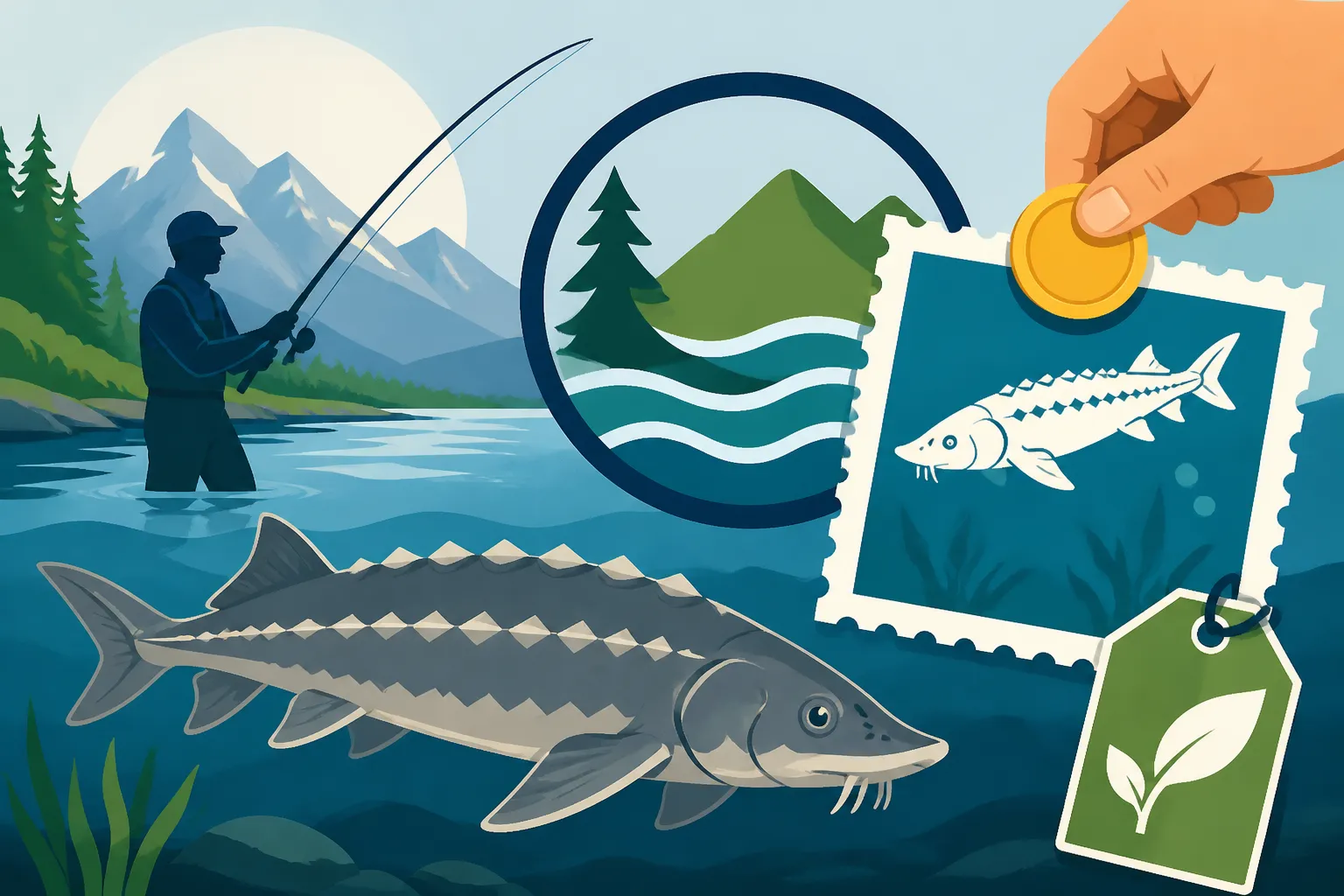
The BC sturgeon conservation surcharge stamp is an additional fee that you must purchase in addition to your basic freshwater fishing license if you intend to fish for white sturgeon. It's not a standalone license, but rather an endorsement that grants you the legal right to target sturgeon. Think of it like a special permit for a special activity. You can't just buy the stamp; you need the foundational freshwater license first. This two-tiered system ensures that anyone fishing for sturgeon has met the general licensing requirements for freshwater fishing in the province, which you can learn more about in the comprehensive British Columbia Fishing License Guide for 2026.
This stamp isn't just a formality; it's a critical financial contribution directly earmarked for the conservation and research of white sturgeon. These funds are used to support monitoring programs, habitat restoration efforts, and scientific studies crucial for understanding and protecting these long-lived, prehistoric fish. Without this specific stamp, targeting sturgeon, even for catch and release, is illegal and carries significant penalties. It's a small price to pay for the privilege of encountering such an ancient and magnificent creature.
Why is This Surcharge Necessary for Sturgeon?
The need for a dedicated sturgeon conservation surcharge stamp stems from the unique biological characteristics and historical pressures faced by white sturgeon, particularly in systems like the Fraser River. White sturgeon are North America's largest freshwater fish, capable of living over 100 years and growing to immense sizes – sometimes exceeding four meters in length! However, their slow growth rate, late maturity, and specific habitat requirements make them particularly susceptible to environmental changes and human impacts.
Historically, sturgeon populations faced significant declines due to overfishing and habitat degradation. While robust conservation efforts have been in place for decades, these populations are still considered vulnerable and require ongoing protection. The funds generated by the conservation stamp are absolutely vital for continuing these efforts. They directly support initiatives like population assessments, tracking studies, and habitat improvement projects, which are essential for ensuring the long-term health and survival of these incredible fish. Without these dedicated funds, the research and on-the-ground work necessary to protect white sturgeon simply wouldn't be possible. It’s a direct way for anglers who cherish these fish to contribute to their future.
The Cost of the BC Sturgeon Conservation Surcharge Stamp
Understanding the specific cost of the sturgeon conservation surcharge stamp is crucial for planning your fishing trip. The price isn't static across the board, as it can vary depending on whether you are a BC resident, a Canadian non-resident, or an international non-resident, and also on the duration of your trip. These distinctions are common across many aspects of BC Fishing Regulations Explained.
Current Stamp Costs for Different License Types
The cost of the BC sturgeon conservation surcharge stamp is generally tied to the type of freshwater fishing license you hold or intend to purchase. Here's a breakdown of the typical costs, though it's always wise to check the official BC government website or a licensed vendor for the absolute latest pricing, especially as rates can be adjusted annually or biannually. As of early 2026, these are the approximate costs:
- BC Residents: For residents holding an annual freshwater fishing license, the sturgeon conservation surcharge stamp is usually around $10 to $15. This is a relatively modest fee, recognizing residents' ongoing tax contributions to provincial conservation efforts.
- Canadian Non-Residents: If you're a Canadian citizen but not a resident of British Columbia, the cost for the sturgeon stamp will be higher. For an annual license holder, expect to pay in the range of $25 to $35.
- Non-Canadian Non-Residents (International Visitors): International anglers face the highest fees, reflecting the fact that they contribute less to the provincial tax base and are often participating in more specialized, guided trips. An annual sturgeon stamp for an international visitor can be in the range of $50 to $70.
It's important to remember that these are separate from your base freshwater fishing license cost. For example, a BC resident might pay around $36 for an annual freshwater license and then an additional $10-$15 for the sturgeon stamp, totaling around $46-$51. Compare that to an international visitor who might pay over $100 for a multi-day freshwater license before adding the sturgeon stamp. You can find more details about base license costs in How Much Does a BC Fishing License Cost.
Factors Influencing the Surcharge Amount
Several factors go into determining the price of the sturgeon conservation surcharge stamp, and these are often reviewed and adjusted by the provincial government and fisheries management bodies:
- Residency Status: As noted above, this is the primary differentiator. The tiered pricing structure is common across Canada for hunting and fishing licenses, with residents typically paying less than non-residents. This is often justified by residents' ongoing tax contributions to provincial resources and public land management.
- Conservation Needs: The health of the sturgeon population itself can influence the surcharge amount. If conservation efforts require more funding due to declining numbers, habitat issues, or increased research needs, the surcharge could potentially increase to meet those demands. It's a direct response to the ecological realities of these sensitive populations.
- Administrative Costs: There are always administrative costs associated with managing a licensing system, processing applications, and enforcing regulations. A portion of the surcharge covers these operational expenses, ensuring the smooth functioning of the conservation programs.
- Revenue Generation for Specific Programs: The sturgeon surcharge is specifically designed to generate funds for white sturgeon research, habitat restoration, and monitoring. The amount is carefully calculated to meet the financial needs of these vital programs. It’s not just a general revenue generator, but a targeted investment in the species.
While the exact numbers can fluctuate, the principle remains: the sturgeon conservation surcharge stamp is a dedicated contribution from anglers to support the long-term viability of white sturgeon fishing in British Columbia.
| License Type | Estimated Annual Freshwater License Cost (2026) | Estimated Sturgeon Conservation Surcharge Stamp Cost (2026) | Total Estimated Minimum Cost for Sturgeon Fishing (Annual) |
|---|---|---|---|
| BC Resident | $36.00 | $10.00 – $15.00 | $46.00 – $51.00 |
| Canadian Non-Resident | $55.00 – $75.00 | $25.00 – $35.00 | $80.00 – $110.00 |
| Non-Canadian Non-Resident | $80.00 – $120.00 (for multi-day, annual is higher) | $50.00 – $70.00 | $130.00 – $190.00+ |
Note: These are approximate costs and can change. Always verify current prices with official sources before purchasing.
How to Purchase the Sturgeon Conservation Surcharge Stamp
Acquiring your sturgeon conservation surcharge stamp is a straightforward process, but it requires you to first have a valid BC freshwater fishing license. You can’t just walk up and buy only the stamp; it’s an add-on. Knowing the different ways to purchase it and what information you'll need will make the process much smoother. Many people are also curious about Where and How to Buy a BC Fishing License, which is the foundational step.
Online Purchase Process
For most anglers, especially those who are comfortable with online transactions, purchasing the sturgeon conservation surcharge stamp through the official BC government's angling licensing system is the most convenient method.
- Access the System: Head to the official BC Freshwater Fishing Licence website. This is typically managed by the Ministry of Forests, Lands, Natural Resource Operations and Rural Development, or its successor.
- Log In or Create an Account: If you’re a returning angler, log in using your existing credentials (e.g., Angler Number, BCeID). If you’re new, you’ll need to create an account and follow the prompts to register your information.
- Purchase Your Base License First: The system will guide you to purchase your primary freshwater fishing license if you haven't already. You'll need to select your residency status (BC Resident, Canadian Non-Resident, Non-Canadian Non-Resident) and the license duration (annual, 1-day, 8-day, etc.).
- Add the Sturgeon Surcharge: Once your base license is in your cart or after you've completed the initial license purchase, you'll be given the option to add various conservation stamps or surcharges. Look specifically for the "Sturgeon Conservation Surcharge" or similar wording. Select this option to add it to your order.
- Review and Pay: Double-check all your selections, ensuring you have both the correct freshwater license and the sturgeon stamp. Proceed to the secure payment portal. Most major credit cards are accepted.
- Print or Save Your License: After successful payment, you'll receive a digital copy of your license and stamp. You have the option to print a physical copy (which is highly recommended, especially when out in remote areas where phone battery or signal might be an issue) or save a digital copy on your smartphone. Remember, you must be able to produce proof of your license and stamp if requested by a Fishery Officer. Some anglers even buy a small, waterproof case on Amazon to protect their paper license while on the water.
In-Person Purchase Options
While online purchasing is popular, some anglers prefer or need to buy their licenses and stamps in person. This can be particularly useful if you have questions or need assistance.
- Authorized Vendors: Many tackle shops, sporting goods stores, and some general stores across British Columbia are authorized vendors for fishing licenses and stamps. Look for signs indicating "BC Fishing Licences Sold Here." Popular retailers like Canadian Tire or independent local tackle shops often offer this service.
- Government Offices: In some larger communities, specific government service centres or regional Ministry offices might also process license and stamp purchases. However, these are less common for direct angler purchases compared to authorized vendors.
- What to Bring: When purchasing in person, you'll need to bring valid government-issued identification (driver's license, passport, BC ID) to prove your residency status and age. If you've had a BC fishing license before, bring your previous Angler Number to ensure your record is updated correctly.
- Instant Issuance: The vendor will process your information, print your license and the attached sturgeon stamp on the spot, and collect payment. This provides immediate proof that you are legally compliant before heading out to the river.
What You Need Before Buying
Before you even think about buying your sturgeon stamp, there are a few prerequisites and pieces of information you should have handy:
- Valid Government-Issued ID: This is paramount for proving your identity, age, and residency status (BC Resident, Canadian Non-Resident, Non-Canadian Non-Resident). Your residency status directly impacts the cost of your license and the stamp.
- Angler Number (if applicable): If you've previously purchased a BC fishing license, having your Angler Number (sometimes called a WIN or Wildlife Identification Number) will link your new purchase to your existing profile, making the process faster and ensuring your fishing history is accurate.
- Payment Method: A credit card for online purchases or cash/debit/credit for in-person purchases.
- Understanding of Regulations: Before buying, it’s always a good idea to familiarize yourself with the general BC Fishing Regulations Explained and specifically the rules for sturgeon. Knowing the nuances of BC Fraser River Sturgeon Catch and Release Requirement is vital, as all sturgeon fishing is strictly catch and release. This isn't just about legality, but about being a responsible steward of the resource.
Taking these steps ensures you're prepared and compliant for a fantastic sturgeon fishing adventure.
Beyond the Stamp: Other Sturgeon Fishing Regulations
While securing your BC sturgeon conservation surcharge stamp is a critical first step, it's just one piece of the puzzle. Fishing for white sturgeon in British Columbia comes with a suite of highly specific and strictly enforced regulations designed to protect these vulnerable giants. Ignorance of these rules is no excuse, and violations can lead to severe penalties, including hefty fines and loss of fishing privileges. Remember, the goal of these regulations, including the surcharge stamp, is to ensure the long-term health and sustainability of the species.
Mandatory Catch and Release
Perhaps the most important regulation for white sturgeon in BC is the mandatory catch and release policy. It's not an option; it's a legal requirement. You cannot retain any white sturgeon caught in BC waters, regardless of size or condition. This rule is in place because white sturgeon populations, despite conservation efforts, are still considered vulnerable. Their slow growth rate and late maturity mean that even removing a single mature fish can have a significant impact on breeding populations.
When you catch a sturgeon, proper handling techniques are paramount to ensure its survival upon release. Here are some key points to remember:
- Minimize Fight Time: Use appropriate heavy tackle to land the fish as quickly as possible, reducing stress.
- Stay in the Water: If possible, keep the sturgeon in the water at all times. If you must bring it aboard for measurement or a quick photo, ensure the boat is large enough to support the entire fish, and keep it wet. Many experienced guides use a large, wet sling or mattress.
- Support the Body: Never lift a sturgeon by its tail or head alone. Always support its full body weight, especially its mid-section, to prevent internal injury.
- Remove Hooks Quickly: Use needle-nose pliers or a de-hooking tool to remove the hook efficiently. If a hook is deeply embedded, cut the line as close to the hook as possible rather than risking further injury trying to remove it.
- No "Jaw-Gaffing": Never use any device to hold a sturgeon by its mouth or gills.
- Revive If Necessary: If the fish seems lethargic, hold it gently in the current until it regains its strength and can swim away under its own power.
- Report Tags: If you catch a sturgeon with a tag, record the tag number and report it as instructed. These tags provide invaluable data for researchers tracking sturgeon movements and growth.
Understanding and adhering to these BC Fraser River Sturgeon Catch and Release Requirement guidelines is crucial for responsible angling.
Gear Restrictions and Best Practices
To further protect sturgeon, there are specific gear restrictions designed to minimize harm to the fish. Using incorrect gear can also lead to fines.
- Single Barbless Hooks Only: This is non-negotiable. Only single, barbless hooks are permitted when fishing for sturgeon. Barbless hooks minimize tissue damage and make hook removal much easier and quicker. You can either buy pre-made barbless hooks or crimp down the barb on a regular single hook with pliers. Carrying a set of pliers specifically for this task is a good idea; you can find robust options on Amazon.
- Appropriate Tackle: Sturgeon are powerful fish. You need heavy-duty rods, reels, and line to handle them effectively and safely. Light tackle will prolong the fight, exhaust the fish, and increase the chance of line breakage, leaving gear in the fish. Think heavy action rods, stout baitcasting reels, and mainlines typically in the 80-120 lb test range, often braided for strength and sensitivity.
- Weight Requirements: You'll typically be fishing with heavy weights to hold your bait on the bottom in strong currents, especially on the Fraser River. Ensure your rod and line can handle these heavy weights (often 8-20 ounces or more).
- Bait Restrictions: While various baits are used, it's generally recommended to use natural, biodegradable baits that are less likely to cause harm if ingested or lost. Common baits include salmon roe, eulachon, or other oily fish. Always check current regulations for any specific bait restrictions or prohibitions.
Reporting Your Sturgeon Catches
Another vital regulation, often overlooked by less experienced anglers, is the requirement to report your sturgeon catches. This data is incredibly important for fisheries scientists to monitor population health and distribution.
- Sturgeon Tagging and Reporting Card: When you purchase your sturgeon conservation surcharge stamp, you will typically receive a sturgeon tag/reporting card or be instructed on how to access the online reporting system.
- Mandatory Reporting: You are required to report all sturgeon catches, regardless of whether they are tagged or untagged. You'll need to record information such as the date, location (river section), estimated length, and if the fish had a tag, the tag number.
- Why it Matters: This data allows biologists to track the number of encounters, estimate population sizes, monitor growth rates, and identify trends that can inform future conservation and management decisions. It’s a direct way that anglers contribute to the science behind sturgeon recovery. Even if you only catch one fish, your report is valuable. Don't skip this step!
By respecting these crucial regulations, you not only avoid penalties but actively participate in the conservation of one of BC's most iconic species. It's about being a responsible angler and ensuring future generations can also experience the thrill of catching these magnificent fish.
Supporting Sturgeon Conservation Efforts
The BC sturgeon conservation surcharge stamp isn't just another fee; it's a direct investment in the future of one of British Columbia's most remarkable fish species. When you purchase this stamp, you're becoming a direct contributor to ongoing efforts that protect and restore white sturgeon populations. Understanding how these funds are utilized and the broader conservation initiatives in place can help anglers appreciate the true value of their contribution.
How Surcharge Funds Are Used
The funds collected from the sturgeon conservation surcharge stamp are not simply deposited into general government revenue. Instead, they are specifically earmarked for programs directly related to white sturgeon conservation and research. This dedicated funding stream ensures that critical projects can continue year after year.
- Population Monitoring and Assessment: A significant portion of the funds goes towards ongoing scientific studies to monitor sturgeon populations. This includes counting fish, assessing their age and growth rates, and determining population trends. Researchers often use techniques like tagging (which is why reporting tagged fish is so important!) and telemetry to track sturgeon movements and habitat use. This data is fundamental to understanding the health of the population and identifying areas of concern.
- Habitat Restoration and Protection: Sturgeon rely on specific habitats for spawning, rearing, and feeding. Surcharge funds support projects aimed at restoring degraded habitats, such as improving water quality, removing barriers to migration, or creating new spawning grounds. For instance, projects might involve enhancing gravel beds in rivers like the Fraser, which are vital for successful sturgeon reproduction.
- Research and Scientific Studies: Beyond basic monitoring, funds also support more in-depth research into sturgeon biology, genetics, and ecology. This can include studies on disease prevalence, the impacts of climate change, or the effectiveness of different conservation strategies. For example, understanding the specific dietary needs of juvenile sturgeon helps inform habitat protection efforts.
- Public Awareness and Education: Education plays a critical role in conservation. Funds may also be used to develop educational materials and programs for anglers and the general public, raising awareness about sturgeon biology, their conservation status, and the importance of responsible angling practices. This helps foster a stewardship ethic among the angling community and beyond.
These targeted investments are essential for ensuring that white sturgeon, especially those in the Fraser River, continue to thrive for generations to come. Your purchase of the BC sturgeon conservation surcharge stamp cost directly fuels these vital programs.
Broader Conservation Initiatives
Beyond the specific funding from the surcharge stamp, white sturgeon conservation in British Columbia is supported by a much broader network of initiatives involving various levels of government, Indigenous communities, research institutions, and non-profit organizations.
- Government Oversight: Fisheries and Oceans Canada (DFO) and the BC Ministry of Forests, Lands, Natural Resource Operations and Rural Development (or its current iteration) are the primary government bodies responsible for setting and enforcing sturgeon regulations, managing populations, and funding large-scale conservation projects. This includes everything from setting BC Fishing Season Dates and Closures to reviewing environmental impact assessments that could affect sturgeon habitat.
- First Nations Engagement: Indigenous communities have a deep, historical connection to sturgeon and play a crucial role in conservation efforts. Many First Nations participate in monitoring, research, and habitat restoration programs, bringing invaluable traditional ecological knowledge to the table. Collaborative management is key to successful conservation.
- Non-Profit Organizations: Groups like the Fraser River Sturgeon Society are dedicated solely to the conservation of Fraser River white sturgeon. They conduct extensive research, run public education programs, and actively engage in habitat enhancement projects. These organizations often work closely with DFO and the provincial government, leveraging volunteer efforts and additional funding streams. Anglers can often find resources or even volunteer opportunities through such groups.
- Collaboration with Anglers and Guides: The angling community, particularly professional sturgeon guides, are on the front lines and provide valuable anecdotal and observed data to researchers. Many guides are passionate conservationists who strictly adhere to and promote responsible handling practices, helping to ensure the well-being of the fish they encounter. These partnerships are essential for effective, on-the-ground conservation.
- International Cooperation: Given that sturgeon are long-lived and migratory, sometimes crossing international boundaries (e.g., in the Columbia River basin with Washington State), international cooperation on research and management is also important, though most BC sturgeon populations are managed provincially and federally within Canada.
All these efforts combine to create a comprehensive framework for protecting white sturgeon. The sturgeon conservation surcharge stamp is a small but powerful piece of this larger puzzle, allowing every angler who dreams of catching these magnificent fish to directly contribute to their enduring legacy in British Columbia's waters. For those interested in learning more about the species itself, the guide on White Sturgeon Fishing on the Fraser River provides excellent context.
Disclaimer
The information provided in this guide is for general informational purposes only and is based on regulations and costs generally accurate as of early 2026. Fishing regulations, license costs, and conservation stamp requirements in British Columbia are subject to change without notice by government authorities. It is the sole responsibility of every angler to consult the most current official BC Freshwater Fishing Regulations Synopsis, Fishery Notices, and government websites (e.g., BC Ministry of Forests, Lands, Natural Resource Operations and Rural Development and Fisheries and Oceans Canada) before engaging in any fishing activity. Failure to comply with current regulations may result in fines or penalties.