Best salmon spots on the Nass River
The Nass River in British Columbia holds an almost mythical status among anglers, a true wilderness river renowned for its spectacular salmon runs. Yet, its remote location and sheer scale can feel incredibly daunting for anyone trying to navigate its waters for the first time. This comprehensive guide aims to demystify the Nass, breaking down the prime salmon fishing spots and offering practical advice to help you plan a successful and unforgettable angling adventure.
Understanding the Nass River Salmon Fishery
The Nass River is more than just a waterway; it's an ecosystem, a cultural heartland, and a truly wild frontier for salmon fishing. If you're looking for an authentic BC salmon experience away from the crowds, the Nass offers an unparalleled opportunity, but it demands respect and preparation.
Why the Nass is Special for Salmon
Unlike many more accessible rivers, the Nass maintains a relatively pristine environment, owing to its remote location in northwestern British Columbia. This isolation contributes to strong, healthy runs of all five Pacific salmon species, often boasting impressive sizes. The river flows roughly 380 kilometers from its headwaters in the Coast Mountains, emptying into the Nass Bay, which connects to the Pacific Ocean via Portland Inlet. This vastness means diverse habitats, from tidal estuaries to powerful mainstem currents and numerous tributaries, each offering unique fishing opportunities. It's a place where the wild spirit of British Columbia fishing truly shines, largely untouched by heavy development, making it a crucial sanctuary for wild salmon populations.
Key Salmon Species and Their Runs
The Nass River is a true salmon smorgasbord, hosting all five species of Pacific salmon, each with its own timing and preferences. Understanding these cycles is crucial for planning your trip.
- Chinook Salmon (Kings): These are often the first to arrive in the lower river, with runs typically starting in late May and peaking through June and into early July. The Nass is known for producing some truly massive Chinook, making it a bucket-list destination for many.
- Sockeye Salmon (Reds): Sockeye usually follow the Chinook, with their main runs in July and August. While incredibly abundant, they can be notoriously challenging to catch on a hook and line once they enter freshwater. However, some areas of the Nass system do offer opportunities. For more on this species, check out Sockeye Salmon Fishing in BC.
- Pink Salmon (Humpies): These smaller, feisty salmon typically arrive in late July and August, often in immense numbers during odd-numbered years. They provide fast action and are a great option for light tackle.
- Chum Salmon (Dogs): Known for their aggressive takes and powerful fights, Chum salmon enter the Nass from late July through September. They are often targeted by anglers seeking a strong fight on heavy gear.
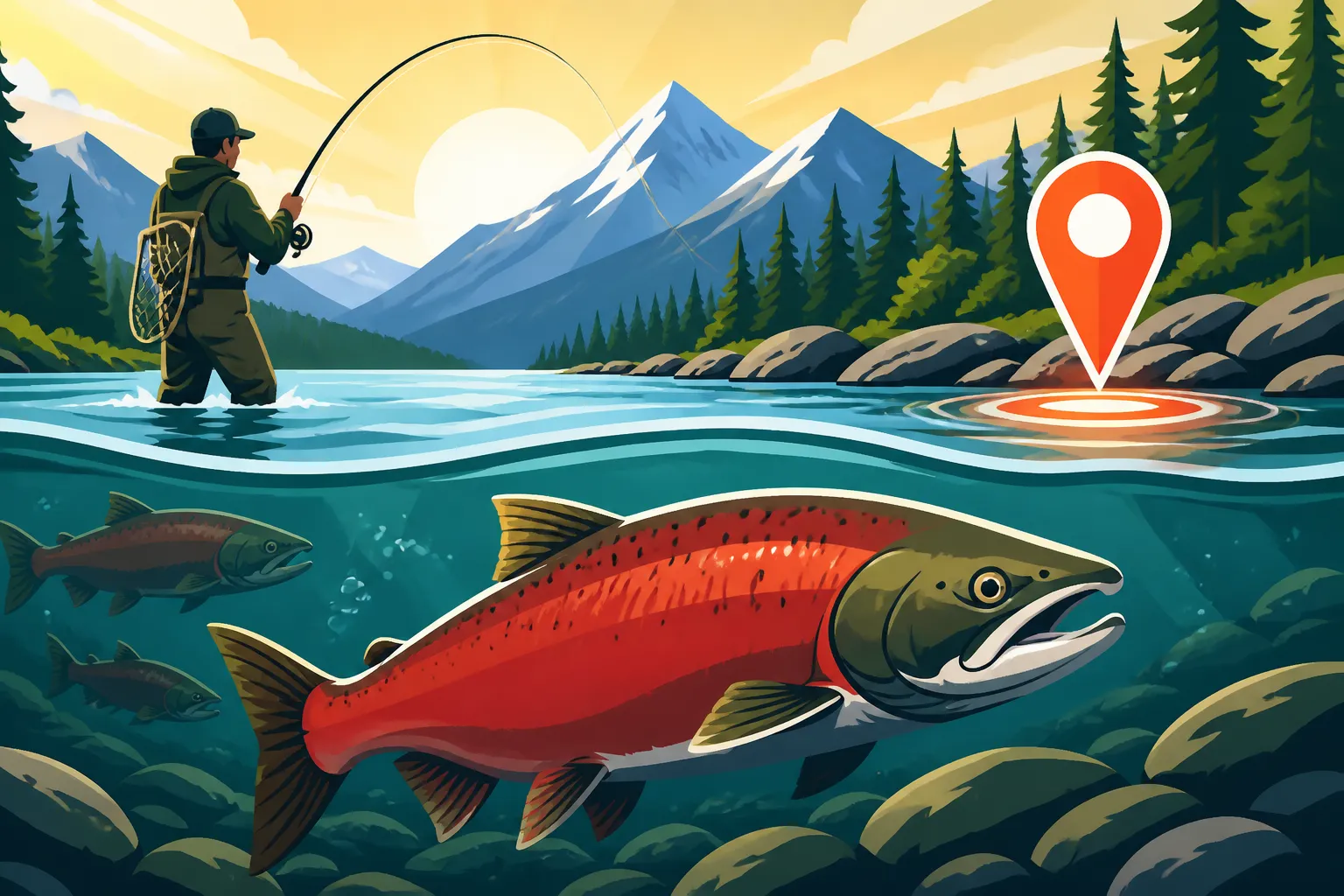
- Coho Salmon (Silvers): Arguably one of the most popular sportfish, Coho typically start showing up in good numbers in late August and continue through September, often peaking in October. They are renowned for their acrobatic fights and willingness to chase a variety of presentations. Learn more about targeting these chrome beauties in Coho Salmon Fishing in BC.
Beyond the salmon, the Nass system also supports impressive runs of Steelhead, a sea-run rainbow trout that enters the river in both fall and winter, providing incredible opportunities for dedicated anglers. Always remember to check BC Fishing Season Dates and Closures and BC Fishery Notices and In-Season Closures, Explained before heading out, as regulations can change in-season to protect these precious resources.
Prime Access Points and Known Hotspots on the Nass
Navigating the Nass River can be a challenge due to its size and remote nature. Most access involves jet boats or specific launch points, and many of the best spots are reached with local knowledge.
The Lower Nass River: Tidal Influence and Estuary Fishing
The lower reaches of the Nass River, particularly as it broadens into the Nass Bay and approaches the ocean, are heavily influenced by the tides. These areas, often near the communities of Gingolx, Kincolith, or Canyon City, can be phenomenal for early-season Chinook and Coho salmon. As the salmon stage in the bay and prepare to enter the freshwater system, they are often still actively feeding, making them susceptible to trolling or casting techniques.
Fishing here often requires a sturdy boat capable of handling tidal currents and potentially rough water if you venture closer to the ocean. The key is to target areas where fresh salmon are moving in with the tide or holding in deeper channels and eddy lines created by the shifting currents. These lower sections are less about specific "spots" and more about understanding the movement of fish with the tidal flow. Experienced guides often know the subtle nuances of these waters, where current seams and deeper pockets funnel fish.
Mid-River Stretches: Drifting and Jet Boat Access
Moving upstream from the tidal influence, the mid-river stretches of the Nass offer some of the most consistent salmon fishing, particularly for those targeting multiple species throughout the season. Areas around places like Nass Camp, Cranberry Junction, or even further up near Aiyansh, become accessible primarily by jet boat. These sections are characterized by a mix of powerful runs, deep pools, and gravel bars, all forming classic salmon holding water.
Drift fishing from a boat is a popular and highly effective technique here, allowing anglers to cover significant stretches of river and present baits or lures naturally. The ability to move efficiently by jet boat is paramount for exploring these vast middle sections and getting to where the fish are concentrating. Hiring a local guide who knows the specific runs and pools that hold fish at different water levels and times of year is almost essential for a productive trip here. Many reputable guides for the region can be found through platforms like FishingBooker, which can help connect you with someone experienced in navigating the unique challenges of the Nass. They can pinpoint spots where salmon pause to rest on their arduous journey upstream.
Upstream Tributaries and Spawning Grounds
As the salmon continue their migration, many will eventually peel off into the Nass's numerous tributaries to reach their ancestral spawning grounds. While specific tributary fishing can be incredibly productive, it's also where conservation becomes paramount. These smaller, more intimate waters are often where salmon are most vulnerable, and regulations tend to be more stringent.
Some tributaries might offer unique opportunities for certain species later in the season, such as Coho or Steelhead, especially for fly anglers seeking a more solitary experience. However, it's critical to respect these sensitive areas. Often, these tributaries are closed to fishing or are strictly catch-and-release, especially as fish approach spawning. Always consult the latest BC Fishing Regulations Explained for specific rules on individual tributaries, as these can vary significantly and are subject to in-season changes to protect vulnerable stocks. The emphasis here should always be on ethical angling and minimizing disturbance to ensure the health of future salmon runs.
Essential Gear, Techniques, and Considerations for the Nass
Fishing the Nass River isn't like fishing a local stocked pond. Its remote nature and powerful currents demand specific gear, proven techniques, and a deep respect for the environment and local culture.
Recommended Gear for Nass Salmon
Given the size and power of Nass River salmon, especially the magnificent Chinook, your gear needs to be up to the task. Forget flimsy rods; you'll want robust equipment.
For Chinook and larger Chum, a medium-heavy to heavy casting or spinning rod, typically 9 to 10.5 feet in length, paired with a reel spooled with 30-50 lb braided line and a strong leader (25-40 lb fluorocarbon or monofilament), is a good starting point. For Coho and Pink salmon, a medium-action rod around 8.5 to 9.5 feet with 15-25 lb braided line will offer a more sporting fight while still having enough backbone to handle a powerful fish.
Lure choices vary but popular options include large roe bags, Pro-Cure scents, heavy spinners (like a #5 or #6 Gibbs-Delta Koho or Blue Fox Vibrax), brightly colored spoons, and twitching jigs. When fishing from a boat, having a quality net with a long handle is indispensable, and a release mat for larger catch-and-release fish like Sturgeon or Steelhead is highly recommended. Always ensure your boat is equipped with all necessary safety gear, adhering to Life Jacket Requirements for BC Boaters and broader BC Boating Laws for Anglers.
Effective Fishing Techniques
The techniques you employ on the Nass will largely depend on the species you're targeting and the section of river you're fishing.
- Drift Fishing: This is a cornerstone technique for many BC rivers, including the Nass. It involves presenting your bait or lure naturally downstream, allowing it to tumble along the bottom or hover just above it. This can be done from shore in accessible areas, but it's most effective from a drift boat or jet boat, where you can control your speed to match the current. The goal is to put your presentation right in front of the fish's face as it holds in seams and pools.
- Back-Trolling/Back-Bouncing: From a jet boat, this technique involves slowly moving upstream against the current while deploying weighted baits or lures, allowing them to "back-bounce" along the riverbed. This is particularly effective for bottom-oriented fish like Chinook and Sturgeon.
- Casting and Retrieving: For actively chasing salmon like Coho or Pink, casting spoons, spinners, or twitching jigs into likely holding water (e.g., eddy lines, log jams, current seams) and retrieving with varying speeds and actions can be highly productive. Fly fishing can also be incredibly effective for Coho and Pink, and sometimes even Steelhead, especially in the more accessible runs. For a deeper dive into techniques, refer to Salmon Fishing Techniques for BC Rivers.
Respecting the Environment and Indigenous Rights
Fishing the Nass River means stepping into a place of deep cultural significance to the Nisg̱a'a Nation. This is their traditional territory, and their stewardship has been instrumental in preserving its pristine nature. When fishing here, it's not just about adhering to provincial regulations, but also about showing profound respect for the land, the water, and the Indigenous people who call it home.
Always practice Leave No Trace principles, pack out everything you pack in, and minimize your impact on the delicate river ecosystem. Many stretches of the Nass and its tributaries are designated for catch-and-release only, especially for vulnerable species like Steelhead. Understand and strictly follow all bag limits and possession limits, and be prepared for potential in-season closures or restrictions issued by Fisheries and Oceans Canada to protect salmon stocks. Being a responsible angler means being an advocate for conservation and respecting local customs and rights.
Planning Your Nass River Salmon Adventure
A trip to the Nass River is more than just a fishing excursion; it's an expedition. Proper planning is essential to ensure a safe, successful, and respectful experience.
Hiring a Reputable Guide or Outfitter
For most anglers, especially those visiting for the first time, hiring a reputable local guide or outfitter is not just recommended, it's almost essential. The Nass River is vast, complex, and remote. Local guides possess invaluable knowledge of the river's ever-changing conditions, the intricate migration patterns of salmon, and the specific hotspots that produce fish. They also understand the nuances of navigation, safety in a wilderness setting, and the local cultural context.
A good guide will provide the necessary specialized equipment (like a jet boat), handle the logistics of getting to prime fishing locations, and most importantly, keep you safe. They are also up-to-date on all the latest regulations and conservation requirements, ensuring you fish legally and ethically. When looking for a guide, consider using platforms like FishingBooker, which can help you find experienced local operators with good reviews. Always ask about their experience on the Nass specifically, their safety protocols, and what is included in their trip packages. For general tips on choosing the right professional, you might find Best Fishing Charters in British Columbia helpful, though specific river guides operate differently from coastal charters.
Logistics: Accommodation, Travel, and Permits
Planning a trip to the Nass involves more than just packing your fishing gear. The region is remote, with limited infrastructure, so advance planning for accommodation and travel is crucial.
- Travel: Most anglers travel to the Nass region by flying into Terrace (YXT) and then renting a vehicle for the drive to the river, which can still be a few hours depending on your chosen access point. Some outfitters might offer shuttle services. Ensure your vehicle is suitable for potentially rough or unpaved roads.
- Accommodation: Options range from small lodges and cabins operated by fishing outfitters to more basic accommodations in small communities like New Aiyansh or Terrace. Camping may be an option in designated areas, but be prepared for wilderness conditions. Booking well in advance, especially during peak salmon runs, is non-negotiable.
- Permits and Licenses: Before you even cast a line, you'll need the appropriate BC freshwater fishing license. Depending on the species you target, you might also need a BC Salmon Conservation Stamp Rules. Non-residents of Canada will require different licenses than residents. Make sure to understand the specific requirements for British Columbia Fishing License Guide for 2026 well before your trip, and always carry your license with you while fishing. For tidal water fishing in the Nass Bay, different regulations and licenses apply, so be sure to confirm this as well.
Safety and Preparedness
The remote wilderness of the Nass River, while beautiful, also presents inherent risks. Safety should be your top priority.
- Weather: Weather in Northern BC can change rapidly. Be prepared for rain, cold, and wind, even in summer. Layered clothing is essential, along with quality waterproof outerwear.
- Navigation: River currents can be powerful and dangerous. If you're not with a guide, ensure you have excellent boating skills and knowledge of river navigation. Always inform someone of your float plan and expected return time.
- Wildlife: The Nass is prime habitat for bears and other wildlife. Carry bear spray and know how to use it, store food properly, and make noise when hiking.
- Emergency Preparedness: Cell service is often non-existent. Carry a satellite phone or a satellite messenger device for emergency communication. A comprehensive first-aid kit, extra food, water, and emergency shelter are also critical.
- Water Levels: River conditions, particularly water levels, can fluctuate dramatically due to rain or glacial melt. High water can make fishing difficult and navigation dangerous. Always check current river conditions before heading out.
| Salmon Species | Peak Season on Nass River | Common Techniques | Recommended Gear |
|---|---|---|---|
| Chinook | Late May – Early July | Back-trolling, Drifting, Trolling (lower river) | Heavy casting/spinning rod, 30-50lb braid, large roe, spoons, large spinners |
| Sockeye | July – August | Specialized drifting (challenging on hook/line) | Medium-heavy setup, small flies, sometimes bare hooks (check regulations) |
| Pink | Late July – August (odd years) | Casting spinners/spoons, Fly fishing | Light to medium spinning/fly rod, small bright lures, flies |
| Chum | Late July – September | Drifting, Casting, Back-trolling | Heavy casting/spinning rod, 30-50lb braid, large pink/chartreuse lures |
| Coho | Late August – October | Drifting, Casting spinners/jigs, Fly fishing | Medium spinning/fly rod, 15-25lb braid, twitching jigs, spoons, flies |
Disclaimer
The information provided in this guide is for general informational purposes only and does not constitute legal or professional advice. Fishing regulations in British Columbia can change frequently, often in-season. Always consult the official British Columbia Freshwater Fishing Regulations Synopsis, Fisheries and Oceans Canada (DFO) notices, and any local First Nations' access rules before planning your trip and heading out on the water. It is the angler's responsibility to know and adhere to all current regulations.