Best fishing spots between Vancouver and Whistler
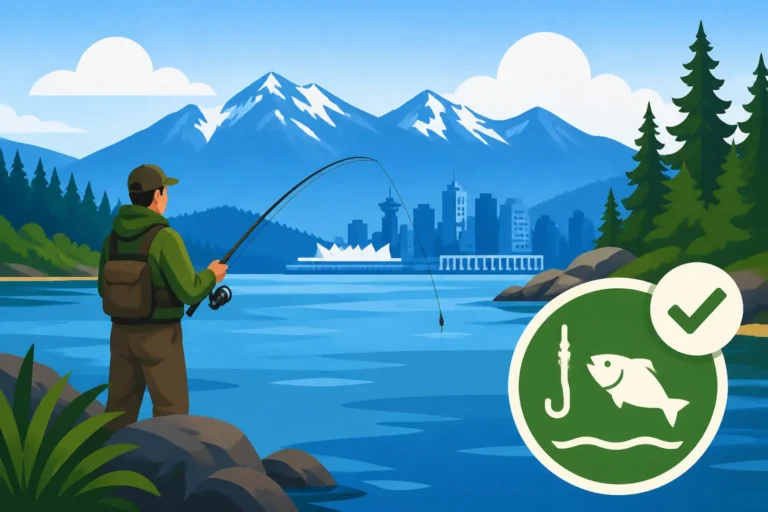
The drive along the Sea to Sky Highway between Vancouver and Whistler is undeniably stunning, a ribbon of asphalt carved through towering mountains and alongside the sparkling Pacific. It's easy to get caught up in the scenic beauty, but for many anglers, the question isn't just about the views, it's about what lies beneath the surface. You might be wondering if there are any decent fishing spots right there, tucked away between the bustling city and the world-class resort, or if you need to venture further afield for a worthwhile angling experience. This guide is here to tell you that, yes, there are fantastic opportunities, and we'll dive deep into where to find them and what to expect.
The Allure of the Sea to Sky Corridor for Anglers
The corridor connecting Vancouver and Whistler isn't just a travel route; it's a dynamic ecosystem where coastal influences meet rugged mountain wilderness. This unique blend creates a truly diverse fishery, offering everything from hard-fighting salmon and chrome-bright steelhead in glacial rivers to feisty trout in serene alpine lakes. For those living in or visiting the Lower Mainland, the accessibility is a huge draw – you don't have to drive for hours to find productive waters. Yet, despite its proximity to major population centers, much of this area retains a wild, untamed feel, providing that cherished escape many anglers seek.
This region often gets overlooked by those who either head straight to the Fraser River for sturgeon and salmon or venture further north to the famous Skeena watershed for steelhead. But that's precisely what makes it so special; it holds a certain understated charm. The challenges here are often about reading ever-changing water conditions and understanding specific regulations that can vary dramatically between river sections or even different lakes. It’s a place that rewards thoughtful angling and a willingness to adapt.
Key Freshwater Hotspots Along the Route
When you think about fishing between Vancouver and Whistler, the first places that usually come to mind are the incredible river systems and the smaller, accessible lakes that pepper the landscape. These spots are not only picturesque but also teeming with various fish species, offering different experiences depending on your preference and skill level.
The Mighty Squamish River System
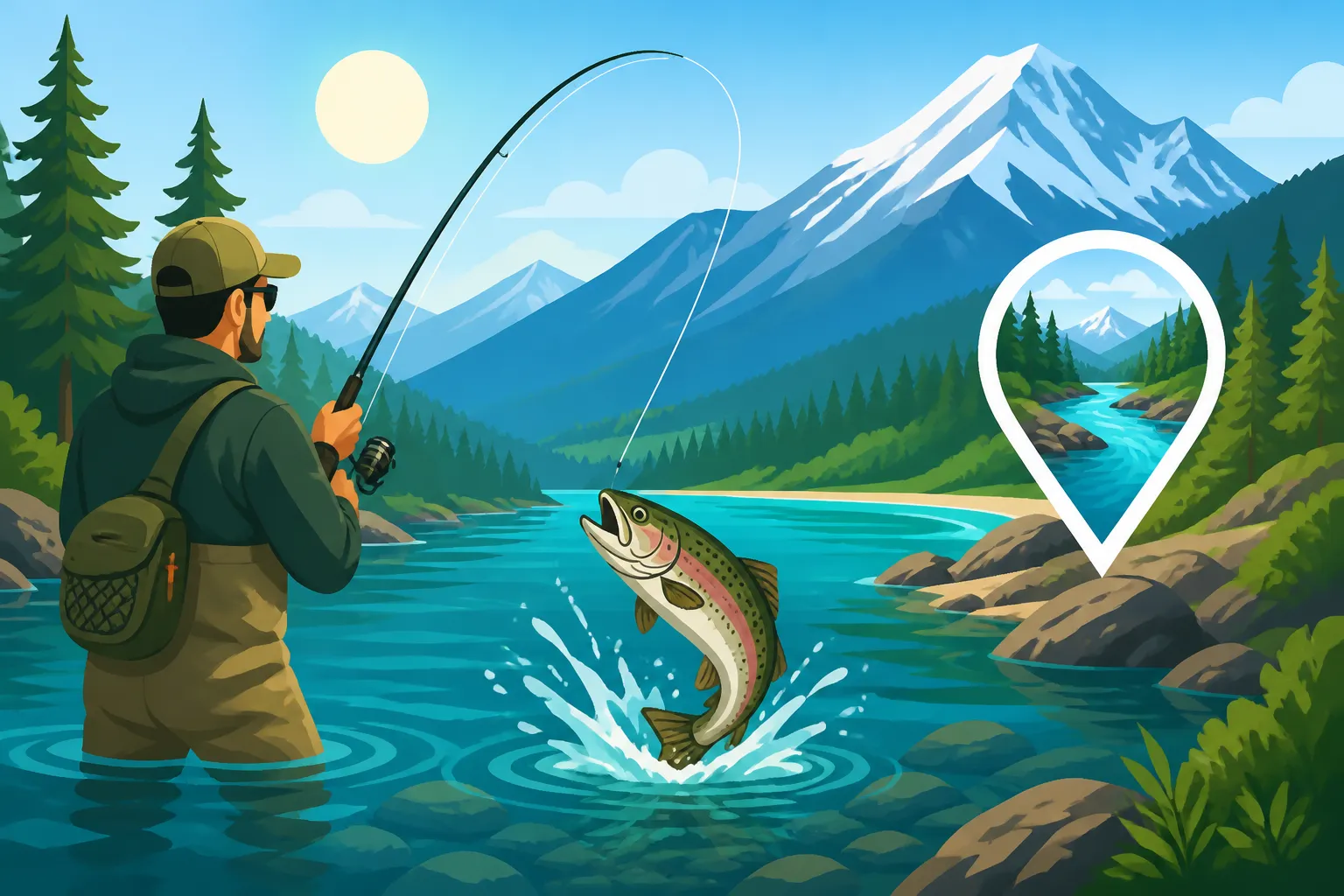
Without a doubt, the Squamish River and its tributaries, like the Cheakamus and Mamquam rivers, are the crown jewel of the Sea to Sky corridor for many anglers. This system is renowned for its impressive runs of Pacific salmon and some of the most sought-after steelhead fishing in British Columbia. It’s a truly magnificent river, fed by glaciers, which gives it that characteristic turquoise hue, especially during lower flows.
During the fall, the Squamish system comes alive with migratory salmon. You'll find coho salmon, pink salmon (in odd-numbered years), and even some chinook salmon making their way upstream. Anglers target these powerful fish using a variety of methods, including float fishing with roe or artificial baits, casting spoons and spinners, and, for the fly-fishing purists, swinging large flies. The action can be incredibly intense, offering memorable battles with hard-fighting fish. The Best Fishing Rivers in British Columbia certainly includes the Squamish system for good reason. For specific advice on Chinook Salmon Fishing in BC in this area, you'll want to check local reports for the best timing and gear.
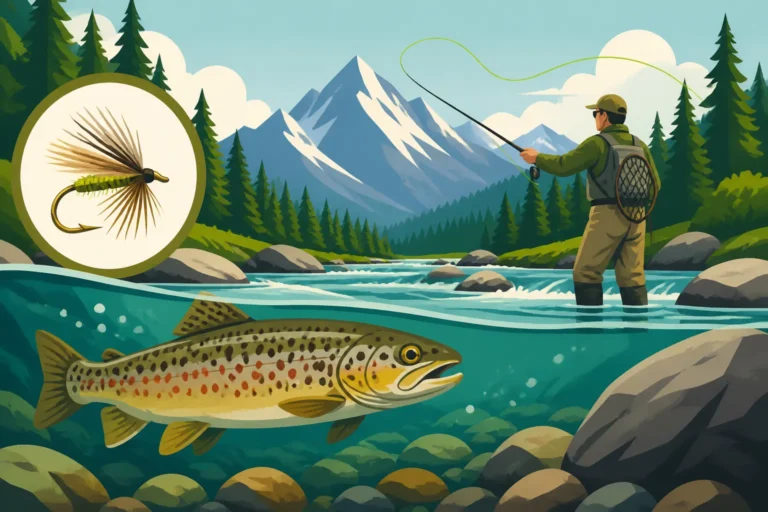
Come winter and early spring, the focus shifts to steelhead. These elusive, sea-run rainbow trout are a legendary quarry, known for their incredible strength and acrobatic fights. Both winter-run and summer-run steelhead inhabit these waters, offering opportunities across different seasons. Targeting them typically involves drift fishing with bait, jigs, or artificial worms, or fly fishing with specialized nymph and streamer patterns. It’s a challenging but deeply rewarding pursuit, and if you’re looking to learn How to Catch Steelhead in BC, the Squamish is an excellent, albeit tough, classroom. Be prepared for cold weather and variable water conditions, and always prioritize the well-being of these magnificent fish, practicing careful catch-and-release.
Serene Lakes for Trout and Family Fun
Beyond the powerful rivers, the Sea to Sky region boasts several charming lakes that offer excellent trout fishing, often in a more relaxed and family-friendly setting. These lakes are typically well-stocked by the Freshwater Fisheries Society of BC, ensuring consistent angling opportunities.
Brohm Lake, located just north of Squamish, is a popular spot, not only for swimming and cliff jumping but also for its rainbow trout. It's relatively small and easily accessible, making it perfect for a quick stop or an afternoon outing. Anglers can fish from shore, using basic setups like a worm under a bobber, or cast small spinners and spoons. It's a great place to introduce kids to fishing, as success rates can be quite high, boosting their confidence. The crystal-clear waters make for a beautiful backdrop, even if the fish aren't always jumping into your net!
Further north, near Whistler, you’ll find other gems like Alice Lake and Cat Lake. Alice Lake, part of a provincial park, offers stunning scenery and good opportunities for rainbow trout. Fly fishing from a float tube or kayak can be particularly effective here, especially in the early mornings or evenings when the trout are actively feeding on insects. Cat Lake, a bit more rustic, is another excellent option for rainbow trout and is particularly popular with campers. These lakes are perfect for a quiet day of fishing, away from the river currents. To truly maximize your chances, understanding How to Catch Rainbow Trout in BC Lakes with specific techniques for these smaller waters will be invaluable. Check the provincial stocking reports for the best times to visit and what to expect.
Tidal Water Opportunities Near Squamish
While much of the fishing along the Sea to Sky Highway is freshwater-focused, the proximity to Howe Sound, British Columbia’s southernmost fjord, opens up exciting tidal water possibilities, particularly around the mouth of the Squamish River. This brackish zone, where freshwater meets saltwater, is a dynamic environment that attracts a variety of fish species.
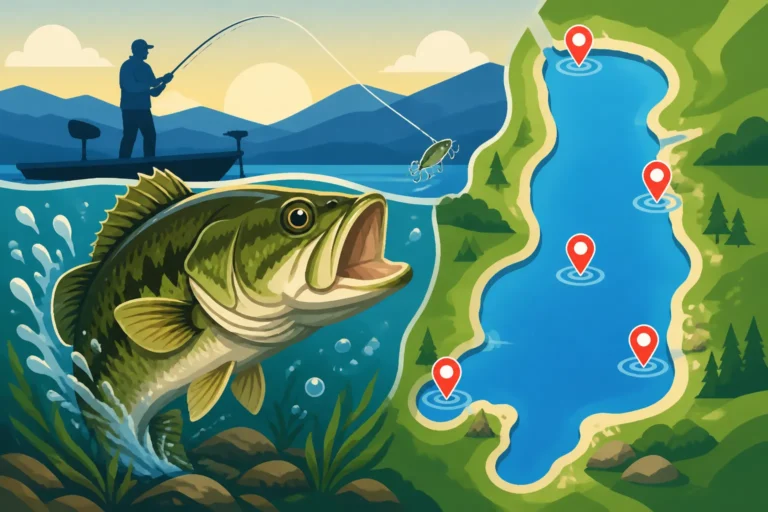
The estuary of the Squamish River is a crucial migration corridor for salmon heading upstream. As such, the waters at the river mouth and into the southern reaches of Howe Sound can be incredibly productive for salmon, especially during the peak of the runs. Coho and Chinook salmon are common targets here, often intercepted as they stage before entering the river system. Anglers with boats will often troll with hootchies, spoons, or plugs, often using downriggers to get their gear to the correct depth where these fish are feeding. For those without a boat, shore access can be limited but still offers some opportunities, particularly for pink salmon in specific years, when they school up densely near the mouth.
Howe Sound itself offers a much broader range of species beyond salmon. You can find lingcod and various rockfish species around the numerous islands and rocky structures. Bottom fishing with jigs or bait can yield good results for these tasty groundfish. Just remember to be aware of the specific BC Fishing Regulations Explained for tidal waters, as limits and closures can differ significantly from freshwater rules. Always carry your appropriate BC Freshwater vs Tidal Waters License, Explained depending on where you plan to cast your line. Fishing the tidal waters of Howe Sound offers a truly unique experience, blending the dramatic mountain scenery with the vastness of the Pacific.
| Fishing Spot | Primary Species | Best Time of Year | Typical Gear/Technique | Notes |
|---|---|---|---|---|
| Squamish River | Chinook, Coho, Pink Salmon | Fall (Sept-Nov) | Float fishing, Spoon/Spinner, Fly | Variable water levels, specific regulations |
| Steelhead | Winter/Spring (Dec-Apr) | Drift fishing, Fly fishing | Catch & Release focus, challenging | |
| Cheakamus River | Salmon, Steelhead | Same as Squamish | Same as Squamish | Tributary, often clearer water |
| Brohm Lake | Rainbow Trout | Spring, Early Summer, Fall | Bobber & Worm, Small Spinners, Fly | Easy access, good for beginners/families |
| Alice Lake | Rainbow Trout | Spring, Early Summer, Fall | Fly fishing (float tube), Spinners | Provincial Park, scenic |
| Cat Lake | Rainbow Trout | Spring, Early Summer, Fall | Bobber & Worm, Spinners, Fly | Camping available, more rustic |
| Howe Sound Estuary | Coho, Chinook Salmon | Late Summer, Fall | Trolling, Jigging (boat), Shore casting | Tidal influence, check DFO notices |
Navigating Regulations and Maximizing Your Trip
Fishing in British Columbia, especially in a corridor with both freshwater and tidal influences, requires a keen understanding of the rules. These aren’t just suggestions; they are strictly enforced guidelines designed to protect our precious fish stocks and ensure sustainable fishing for future generations. Ignoring them can lead to hefty fines and confiscation of gear, which is a sure way to ruin a fishing trip.
First and foremost, you absolutely need the correct fishing license. If you're planning to fish rivers like the Squamish, you'll need a Freshwater Fishing License. For the tidal waters of Howe Sound, a Tidal Waters Fishing License is mandatory. Confusingly, some rivers are considered tidal for a certain stretch. It's your responsibility to know the boundaries. The British Columbia Fishing License Guide for 2026 is an excellent resource, and you can usually find information on Where and How to Buy a BC Fishing License online or at local tackle shops like Sea Run Fly & Tackle in Maple Ridge or local general stores in Squamish. Don't forget any necessary conservation stamps, particularly if you plan to target salmon or steelhead.
Beyond the license, species-specific regulations, bag limits, and specific closures are paramount. Salmon seasons, for example, can change rapidly due to conservation concerns, and some river sections might be designated as "catch and release only" or have bait bans. Always consult the most current BC Freshwater Fishing Regulations Synopsis and the DFO Pacific Region Fishery Notices before you head out. These can be easily found online, and checking BC Fishery Notices and In-Season Closures, Explained is a non-negotiable step before any fishing trip, especially for salmon. You don't want to find yourself in a situation where you've caught a beautiful fish only to realize it's out of season or in a closed area.
To truly maximize your experience and navigate these complexities, tapping into local knowledge is invaluable. Pop into a local tackle shop in Squamish or a nearby community. The folks working there are often avid anglers themselves and can provide up-to-the-minute information on hot spots, effective techniques, and any recent regulation changes. They can also recommend the right gear, from the best local flies for steelhead to the most effective lures for salmon. If you're unsure about tackling a new river like the Squamish or navigating Howe Sound's waters, platforms like FishingBooker can connect you with experienced local guides. These professionals not only know where the fish are but also intimately understand the regulations, ensuring a legal and productive day on the water.
Responsible angling practices are also crucial. This includes practicing proper catch and release techniques to ensure the survival of fish you don't intend to keep, properly disposing of all your litter, and respecting private property and other anglers. The Sea to Sky region is a shared natural treasure, and our collective efforts ensure its health and beauty for everyone, including the fish, for years to come. Remember, enjoying the journey and the stunning scenery is just as important as the fish you catch.
Disclaimer
Please be aware that fishing regulations in British Columbia are subject to change without notice. It is the angler's responsibility to consult the latest provincial and federal fishing regulations before heading out. This guide provides general information and should not be considered a substitute for official government regulations. Always prioritize safety and environmental stewardship.