Georgia Strait salmon fishing access
Finding reliable salmon fishing access in the vast and intricate Georgia Strait can feel like trying to solve a complex puzzle, especially with ever-changing regulations and countless potential spots. Many anglers get overwhelmed by the sheer size of this incredible body of water, unsure where to launch a boat or even cast a line from shore to connect with one of British Columbia's iconic salmon species. This comprehensive guide will unravel the mysteries of Georgia Strait salmon fishing access, pointing you toward prime locations and essential knowledge to make your next trip a success.
Understanding the Georgia Strait Salmon Fishery
The Georgia Strait, nestled between Vancouver Island and the mainland of British Columbia, is an immensely productive marine environment, teeming with life and offering some of the best salmon fishing opportunities in the world. It's a critical migration corridor and feeding ground for all five species of Pacific salmon – Chinook (King), Coho (Silver), Sockeye (Red), Pink (Humpy), and Chum (Dog) – as they journey to and from their natal rivers. Understanding the seasonal patterns and preferred habitats of these species is fundamental to successful angling here.
Key Salmon Species and Their Seasons
Each salmon species has its own distinct characteristics and preferred times to be targeted in the Georgia Strait. Chinook salmon, often called "Kings" or "Springs," are the largest and most sought-after, prized for their size and fighting prowess. They can be found in the Strait year-round, with peak fishing often in the spring and fall as they stage for their river returns. Many anglers specifically target these powerful fish during their ocean phases when they are actively feeding.
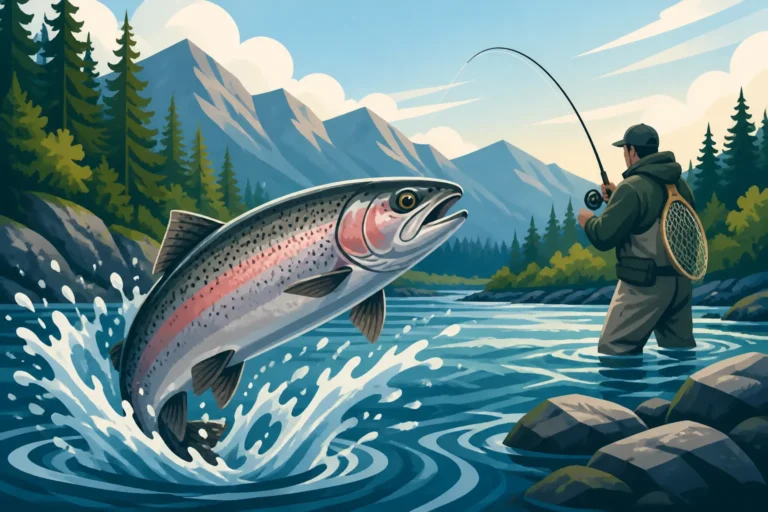
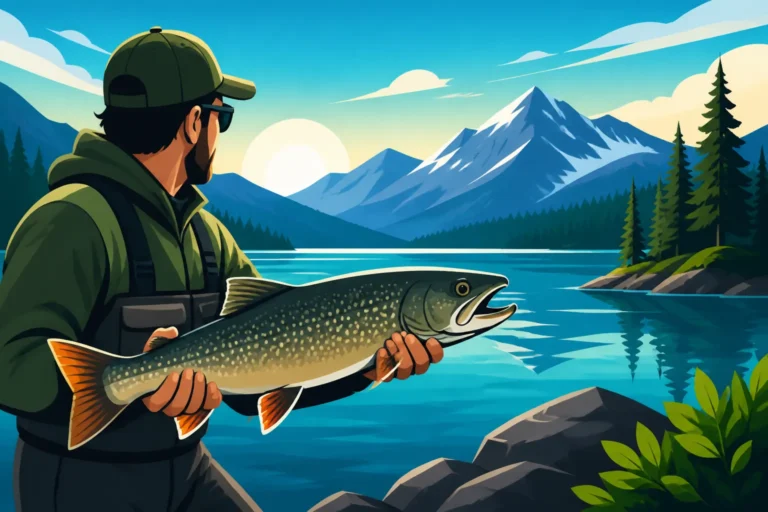
Coho salmon, known for their acrobatic jumps and aggressive strikes, are another favorite. They typically show up in good numbers from late spring through fall, feeding voraciously before their river migrations. Sockeye salmon, identifiable by their vibrant red flesh, have massive, cyclical runs that mostly occur in late summer. However, their retention is often highly regulated due to conservation concerns, so it's crucial to check the BC Fishing Season Dates and Closures and specific fishery notices. Pink and Chum salmon also pass through the Strait in significant numbers, particularly in late summer and fall, offering excellent opportunities for anglers looking for consistent action.
The Dynamics of Tidal Waters Fishing
Fishing in the Georgia Strait means navigating tidal waters, which introduces a whole different set of considerations compared to freshwater angling. Tides influence everything from current strength and direction to where baitfish congregate and, consequently, where salmon will feed. Understanding the ebb and flow, how to read current lines, and how salmon use underwater structure in relation to the tides is paramount. Many successful anglers swear by specific tide cycles, often preferring the periods around slack tide or the beginning and end of a strong current flow, as this can concentrate bait and make salmon more predictable.
The vastness of the Georgia Strait also means conditions can change rapidly. Wind, fog, and wave action are all factors that can impact safety and fishing success. Always check marine weather forecasts before heading out and ensure your vessel is properly equipped. Even from shore, conditions can dictate whether you're battling a stiff headwind or enjoying calm casting.
Premier Access Points for Salmon Anglers
Gaining access to the Georgia Strait's rich salmon fishing grounds can be done in several ways: launching your own boat, chartering a vessel, or finding opportunities for shore-based angling. Each method has its advantages and preferred locations.
Boat Launches and Marinas for Private Vessels
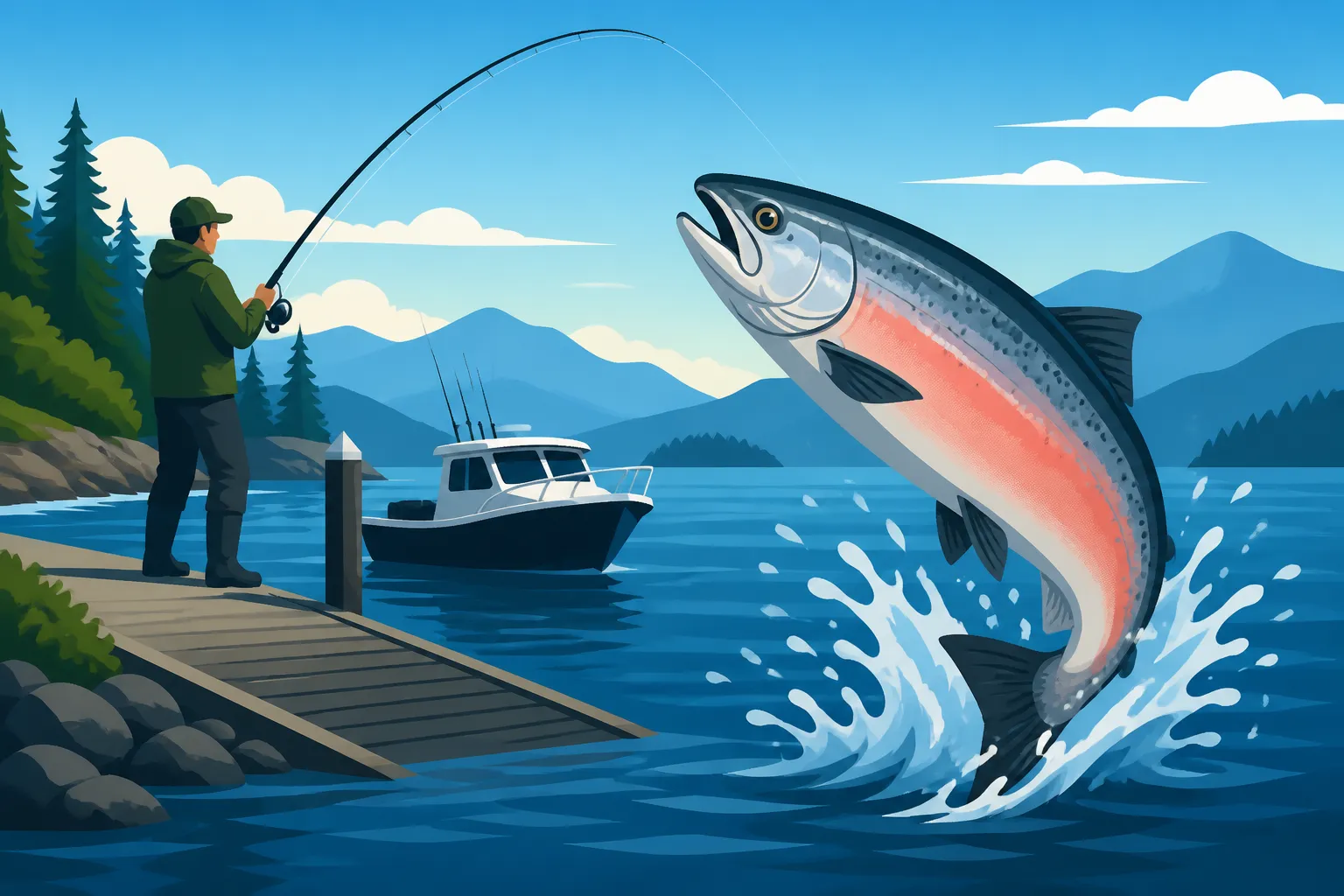
For those with their own boats, numerous public and private boat launches dot the coastline of both Vancouver Island and the mainland. On the Vancouver Island side, towns like Sidney, Mill Bay, Ladysmith, Nanaimo, Parksville, Comox, and the legendary Campbell River offer excellent facilities. Campbell River, often dubbed the "Salmon Capital of the World," is particularly famous for its abundant Chinook and Coho runs, with multiple marinas providing easy access to prime fishing grounds like Discovery Passage and Quadra Island.
On the mainland, popular launch sites can be found in communities like West Vancouver (Horseshoe Bay, Ambleside), North Vancouver (Mosquito Creek), Delta (Ladner Harbour), Richmond (Steveston), and up the Sunshine Coast in Sechelt and Powell River. These locations provide diverse options for anglers looking to target salmon closer to urban centers or venture further north towards more remote areas. It's important to remember that some private marinas may charge a launch fee, and parking can be at a premium, especially on busy summer weekends. Platforms like FishingBooker can sometimes offer insights into local facilities if you're exploring options beyond your usual haunts.
Shore Fishing Opportunities in Georgia Strait
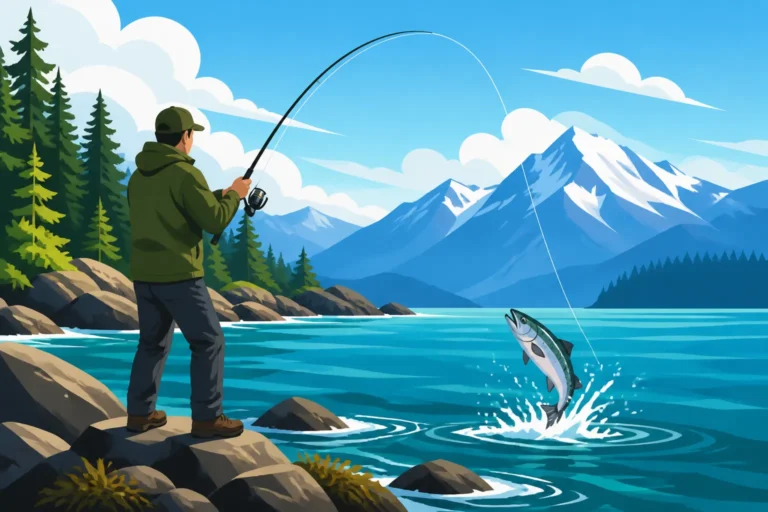
While boat fishing dominates the Georgia Strait salmon scene, there are surprisingly good shore fishing opportunities for the dedicated angler, especially during peak salmon runs. These spots are often found near river mouths, points, and jetties where salmon migrate close to shore or congregate before heading upstream. Vancouver's Stanley Park seawall can yield Pink and Coho salmon during strong returns, particularly around the mouth of the Capilano River. Similarly, the mouths of the Squamish River and Fraser River offer unique shore angling potential, though often requiring specialized gear and knowledge due to strong currents and murky water.
Locations like Island View Beach Regional Park near Sidney on Vancouver Island, or specific coves and points on the Gulf Islands, can also provide shore-based access. Success from shore often hinges on timing – hitting the right tide, especially during dawn or dusk, and being there when schools of salmon are moving through. Spin casting with spoons and buzz bombs or fly fishing with large streamers can be effective from shore, especially when the water is clear enough to see the fish or bait. Always check local bylaws, as some areas may have restrictions on fishing from certain structures or within park boundaries.
Charter Operations and Guided Experiences
For those who prefer to leave the navigation and expertise to others, or who don't own a suitable boat, booking a fishing charter is an excellent option for accessing the Georgia Strait's best salmon spots. Reputable charter operators, many of whom are listed on sites like FishingBooker, know the local waters intimately, understand the salmon movements, and come equipped with all the necessary gear and safety equipment. This can be an invaluable experience for beginners or visitors unfamiliar with the complexities of saltwater salmon fishing.
Charters typically depart from major hubs like Campbell River, Comox, Nanaimo, Sidney, Victoria, Tofino (though Tofino is on the outer coast, not Georgia Strait, it offers similar experiences for coastal salmon), and Steveston. A good charter captain will ensure you understand the BC Fishing Regulations Explained, including bag limits and conservation measures, and will often provide fish cleaning and packaging services at the end of your trip. When looking for a guided trip, consider a Best Salmon Charters in Campbell River style operation for deep insights into the local fishery.
Essential Gear and Techniques for Georgia Strait Salmon
The Georgia Strait demands robust gear and adaptable techniques to effectively target its powerful salmon. From the type of rod and reel to the specific lures and baits, having the right setup can make all the difference between a productive day and a frustrating one.
Rods, Reels, and Line Selection
For trolling, which is arguably the most common and effective method for salmon in the Strait, a medium-heavy to heavy action rod between 9 to 10.5 feet is ideal. These longer rods help absorb the shock of powerful runs and keep lines clear of the boat. Pair this with a robust levelwind or conventional reel, capable of holding at least 200-300 yards of 20-30 lb monofilament or braided line. Braided line offers superior sensitivity and strength, but many still prefer the stretch and forgiveness of monofilament, especially with downriggers. A good leader material, typically 25-50 lb fluorocarbon, is crucial for stealth and abrasion resistance against sharp salmon teeth.
For jigging, a shorter, stiffer rod (6-7 feet) with a fast action is preferred, paired with a high-quality spinning reel loaded with 30-50 lb braid. This setup allows for quick, powerful jigging motions and immediate hooksets. Shore anglers might use longer surf-casting rods for distance, or medium-heavy spinning setups for casting spoons and flies. Always consider the target species – a Chinook demands much more stopping power than a Pink.
Popular Lures, Baits, and Rigs
The array of lures and baits used in Georgia Strait salmon fishing is vast, but some stand out as consistent producers. For trolling, hoochies (squid skirts) and spoons are perennial favorites. Brands like Gibbs Delta and Silver Horde produce many of the most effective spoons, often in patterns like "Coyote," "Kingfisher," or "G-Force," mimicking common baitfish. Flasher-and-hoochie combinations are also deadly, with the flasher attracting salmon and the hoochie providing the strike target. Bait, especially herring or anchovies, rigged behind a flasher or teaser, remains incredibly effective, particularly for Chinook. You can learn more about specific techniques in guides like How to Fish a Spoon for BC Coastal Salmon.
Jigging is highly effective when salmon are schooled up or holding deeper, especially for Coho and often for Chinook. Metal jigs like those from P-Line, Gibbs, or Kodiak, in weights from 2 to 6 ounces, are popular. Colors vary with water clarity and light conditions, but blue/silver, green/silver, and glow-in-the-dark patterns are generally reliable. For shore anglers, casting heavy spoons or buzz bombs can yield results, especially during a strong Pink or Coho run.
The Role of Downriggers and Sonar
For boat anglers, downriggers are virtually indispensable in the Georgia Strait. These devices allow you to precisely present your lures and baits at specific depths, which is crucial for targeting salmon that are often feeding in a narrow thermal band or holding close to structure. Modern downriggers, often equipped with electric motors and line counters, make it easy to deploy and retrieve your gear. Pairing downriggers with a good sonar (fish finder) unit is the ultimate combination. Sonar helps identify bait balls, underwater structure, and even individual salmon, allowing you to position your lures exactly where the fish are. Understanding how to use these tools effectively will dramatically increase your success rate, especially when you're looking for Best Salmon Fishing Spots in BC.
Navigating Regulations and Conservation in Georgia Strait
Fishing in British Columbia, particularly in the Georgia Strait, requires a keen awareness of regulations, which are designed to protect fragile salmon stocks and ensure sustainable fishing for future generations. Ignoring these rules can lead to significant penalties, so staying informed is not just good practice, it's mandatory.
Obtaining Your Fishing License and Stamps
Before you even think about casting a line in the Georgia Strait, you absolutely must have a valid BC tidal waters fishing license. This license is required for anyone fishing in salt water, regardless of age (though youth under 16 may not require a purchase, they still need to register in some cases). If you plan to retain any species of salmon, you also need to purchase the appropriate BC Tidal Waters Salmon Conservation Stamp Cost. These stamps are vital for funding salmon recovery efforts and are an essential part of responsible angling. Make sure you understand the nuances, for instance, a BC Youth Fishing License Exemption Under 16 might still have registration requirements.
You can purchase your license online through the BC government's recreational fishing license system. Always carry a physical or digital copy of your license and any required stamps with you while fishing. Conservation officers regularly patrol the Georgia Strait, and they don't take kindly to unlicensed anglers.
Understanding Daily Limits and Fishery Notices
Salmon regulations in the Georgia Strait are dynamic and can change frequently, sometimes even mid-season, based on stock assessments and conservation needs. It's not enough to just know the general rules; you need to consult the in-season BC Fishery Notices and In-Season Closures, Explained issued by Fisheries and Oceans Canada (DFO). These notices will detail specific opening and closing times, daily bag limits, size restrictions, and specific gear restrictions for different species and areas within the Georgia Strait. The rules for Chinook, Coho, and Sockeye can be particularly complex, often varying by management area (e.g., Areas 13 to 20 covering much of the Strait, as shown on a BC tidal waters area boundary map).
For example, there might be non-retention periods for Chinook salmon in certain areas or specific days when Sockeye can be kept. Always check the DFO website or local tackle shops before each trip. Being prepared means knowing exactly what you can keep and where.
Best Practices for Responsible Angling
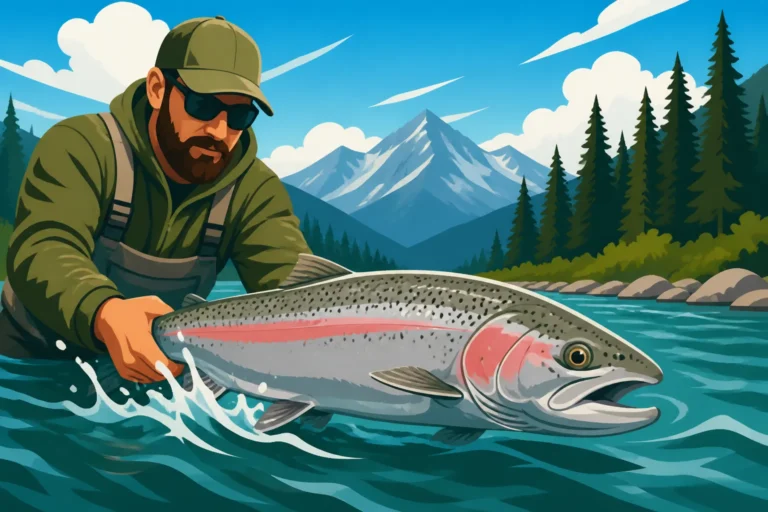
Beyond the legal requirements, responsible angling in the Georgia Strait is about respecting the resource and contributing to its sustainability. This means practicing proper catch and release techniques for any fish you don't intend to keep, minimizing stress and injury to the fish. Use barbless hooks, handle fish gently, keep them in the water as much as possible, and revive them properly before release. Many anglers consider the BC Fraser River Sturgeon Catch and Release Requirement as a benchmark for how to handle large, sensitive fish.
Dispose of all waste properly, never leave monofilament line or hooks behind, and be mindful of your impact on the environment. Supporting local conservation initiatives and organizations that work to protect salmon habitats is also a fantastic way to give back to the fishery that provides so much enjoyment. If you're using a guide found on FishingBooker, they will almost certainly adhere to these best practices and can teach you the ropes.
Planning Your Georgia Strait Salmon Fishing Adventure
With its vastness and incredible fishing potential, planning a trip to the Georgia Strait requires a bit of forethought. Whether you're a seasoned local or a first-time visitor, considering a few key aspects will help ensure your outing is successful and memorable.
Timing Your Trip for Peak Runs
As discussed, different salmon species have different peak seasons in the Georgia Strait. If you're targeting Chinook, spring (April-June) and fall (September-November) are often prime times, though winter "feeder" Chinook can also be caught. Coho salmon become abundant from late spring through early fall (June-October). Sockeye runs are typically in July and August, but again, check the DFO notices for retention opportunities. Pink and Chum salmon usually arrive in late summer and early fall (August-October).
Consider what kind of experience you're after. If you want a chance at a trophy Chinook, a spring or fall trip might be best. If consistent action with a mix of species is your goal, late summer can be fantastic. Local knowledge is key here, and checking in with tackle shops in towns like Campbell River or Nanaimo can provide invaluable, up-to-the-minute information on what's biting and where.
Choosing Your Base Camp: Mainland or Island?
Deciding whether to base your trip on Vancouver Island or the mainland side of the Georgia Strait depends on your preferences and logistical considerations. Vancouver Island offers direct access to legendary spots around Campbell River, Nanaimo, and Victoria, known for their strong salmon fisheries and numerous charter operations. The island also has a more "outdoorsy" vibe, with abundant wilderness and recreational opportunities beyond fishing.
The mainland side, including Greater Vancouver, offers easier access for many residents and is closer to major urban amenities. Spots around the Fraser River mouth, Howe Sound, and the Sunshine Coast can be highly productive, especially during migration periods. Consider travel time, accommodation options, and the specific fishing grounds you wish to target when making this choice. Some guides on FishingBooker operate out of multiple locations, giving you flexibility.
Safety Considerations on the Water
The Georgia Strait is a large body of water, and safety should always be your top priority. Marine weather can change quickly, so always check forecasts before departing and be prepared for various conditions. Essential safety gear includes life jackets for everyone on board (and know the Life Jacket Requirements for BC Boaters), a fully charged marine radio, flares, a first-aid kit, and a contingency plan. Filing a float plan with a responsible person ashore is always a good idea.
If you're operating a boat, ensure you have the necessary certifications, such as a BC Pleasure Craft Operator Card Requirement. Don't overload your vessel, and never consume alcohol or drugs while operating a boat. Even from shore, be aware of tidal fluctuations, slippery rocks, and potential hazards. A little preparation goes a long way in ensuring a safe and enjoyable outing.
Conclusion: Embrace the Georgia Strait Experience
The Georgia Strait offers an unparalleled salmon fishing experience, a blend of challenging conditions, breathtaking scenery, and the thrilling prospect of hooking into one of the Pacific's most iconic fish. While it demands respect for its power and its precious resources, the rewards for the diligent angler are immense. By understanding the species, knowing your access points, gearing up properly, and diligently following regulations, you're not just casting a line – you're engaging with a vibrant ecosystem and a deeply ingrained part of British Columbia's natural heritage. So pack your gear, check those fishery notices, and get ready to create some unforgettable memories on the waters of the Georgia Strait.
Disclaimer
Please note that fishing regulations in British Columbia, especially for salmon in tidal waters, are subject to frequent change. Always consult the official Fisheries and Oceans Canada (DFO) website and local fishery notices before each trip to ensure you are compliant with the most current rules and regulations. This guide is for informational purposes only and does not supersede official government regulations.