Best fishing spots along the Sea to Sky corridor
The sheer beauty of the Sea to Sky corridor, winding its way from West Vancouver through Squamish to Whistler, is undeniable. But for many anglers, the challenge isn't just navigating the stunning landscapes; it's pinpointing those truly rewarding fishing spots amidst such a vast and varied wilderness. It can feel overwhelming, wondering where to drop a line for salmon, chase an elusive steelhead, or simply enjoy a relaxing day catching trout. This comprehensive guide is designed to cut through that confusion, giving you the insider scoop on the best fishing locations along this iconic British Columbia route, along with the knowledge you need to make your next trip a resounding success.
Understanding the Sea to Sky Corridor's Unique Fishery
The Sea to Sky corridor isn't just a scenic drive; it's a vibrant mosaic of angling opportunities, offering everything from deep-sea adventures in Howe Sound to tranquil lake fishing and challenging river expeditions. This diverse landscape presents a unique set of conditions that can be incredibly rewarding for those who understand its rhythms.
The Diverse Waters: Rivers, Lakes, and Ocean Access
As you travel along Highway 99, you'll encounter a remarkable transition of aquatic environments. Starting in the south, Howe Sound, a majestic fjord, provides direct access to the Pacific Ocean. This saltwater haven is teeming with a variety of marine species, from powerful salmon to bottom-dwelling lingcod. The sheer scale and depth of the Sound offer opportunities for both boaters and shore anglers, though they require different approaches and gear. The currents can be strong, and weather can change quickly, so understanding the marine environment is crucial.
Further north, as the highway approaches Squamish, you enter a realm dominated by significant freshwater systems. The Squamish River, a truly iconic waterway, and its tributaries like the Cheakamus River, are fed by glaciers and mountain snowmelt. These rivers are characterized by their clear, cold, and often powerful flows, creating prime habitat for various salmon species and the highly sought-after steelhead. The riverbeds typically consist of gravel and cobble, providing excellent spawning grounds and holding water.
Interspersed throughout the corridor, particularly around Squamish and Whistler, are numerous smaller lakes. Some are glacial, others spring-fed, but many offer more accessible and calmer fishing experiences. Lakes like Brohm Lake, Alice Lake, and Browning Lake are popular for their stocked trout populations, making them ideal for families or anglers seeking a more relaxed outing. These smaller bodies of water often warm up faster in the spring and cool down in the fall, influencing fish activity and species availability. Understanding the specific characteristics of each water body – its depth, structure, current, and surrounding environment – is the first step to unlocking its fishing potential.
Seasonal Opportunities and Target Species
The fishing calendar along the Sea to Sky corridor is a dynamic one, largely dictated by the migration patterns of salmon and steelhead, and the general activity levels of resident trout. Each season brings its own set of target species and preferred techniques, demanding adaptability from anglers.
Spring (March – May): This is a prime time for resident trout in many of the corridor's lakes and smaller rivers. As water temperatures begin to rise after the long winter, trout become more active, feeding heavily. Lakes like Brohm and Alice are often stocked with rainbow trout, offering excellent catch rates for those using light tackle, flies, or bait. This is also when the first pushes of coastal cutthroat trout become active in the lower river systems and estuaries. For dedicated anglers, late spring also marks the tail end of the winter steelhead run on rivers like the Squamish and Cheakamus, though these fish can be challenging to locate and entice.
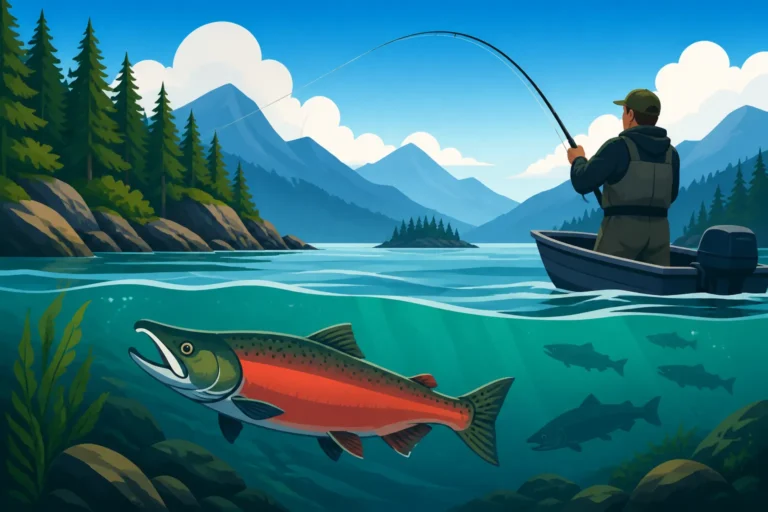
Summer (June – August): Summer is synonymous with salmon fishing in Howe Sound. The various Pacific salmon species, including Chinook, Coho, and Pink, begin their migrations towards their natal rivers. July and August can be exceptional for targeting these powerful fish, whether trolling in the Sound or trying your luck from shore. Many local marinas offer boat rentals, and for those who prefer a guided experience, platforms like FishingBooker can help you find experienced captains familiar with Howe Sound's prime fishing grounds. Freshwater opportunities include actively feeding rainbow trout in the higher elevation lakes near Whistler and the occasional early Chinook salmon in the lower Squamish River. You'll also find some good opportunities for bass fishing in certain warmer lakes in the area.
Fall (September – November): Autumn is arguably the most exciting time for river anglers along the Sea to Sky. This is when the main salmon runs truly peak in the Squamish and Cheakamus rivers. Chum, Coho, and Pink salmon flood these systems, providing incredible action for both fly and gear anglers. The salmon are typically focused on spawning, making them aggressive and responsive to a variety of presentations. This period is also when the first wave of migratory steelhead begin to enter the rivers, offering a challenging but deeply rewarding pursuit. For detailed information on specific salmon runs, consult the BC Salmon Conservation Stamp Rules.
Winter (December – February): While many anglers pack away their gear, winter offers a unique opportunity for hardy individuals to target winter steelhead. Rivers like the Squamish and Cheakamus hold these elusive fish, though success often requires patience, skill, and an understanding of cold-water techniques. The scenery is often breathtaking, with snow-capped peaks and crisp, clear air. Lake fishing can also yield results for resident trout, especially in milder periods, with ice fishing becoming an option in some higher elevation or colder interior lakes further north. Remember to always check current BC Fishing Season Dates and Closures before heading out, as regulations can vary significantly by season and species.
Key Freshwater Hotspots along the Sea to Sky
The freshwater systems of the Sea to Sky corridor are world-renowned, especially for their anadromous fish runs. These rivers and lakes offer diverse experiences, from the powerful tug of a salmon to the subtle strike of a rainbow trout.
The Mighty Squamish River System
The Squamish River, along with its main tributaries like the Cheakamus and Mamquam rivers, forms a truly legendary fishing destination. This system is a powerhouse for Pacific salmon and steelhead, drawing anglers from around the globe. It's a robust, often fast-flowing river, fed by glaciers, giving its waters a characteristic milky green tint at times, especially during higher flows.
Target Species and Best Times: The Squamish River is famous for its Chinook, Coho, Pink, and Chum salmon runs. Pink salmon arrive in huge numbers in odd-numbered years (e.g., 2025, 2027), providing incredible action for all skill levels. Coho salmon provide consistent sport in the fall, known for their acrobatic fights. Chum salmon, while less sought after for eating, offer a strong, brute force fight that can test any tackle. Chinook, the king salmon, are present but often require specialized techniques and are subject to strict regulations, with BC Chinook salmon non-retention areas being common.
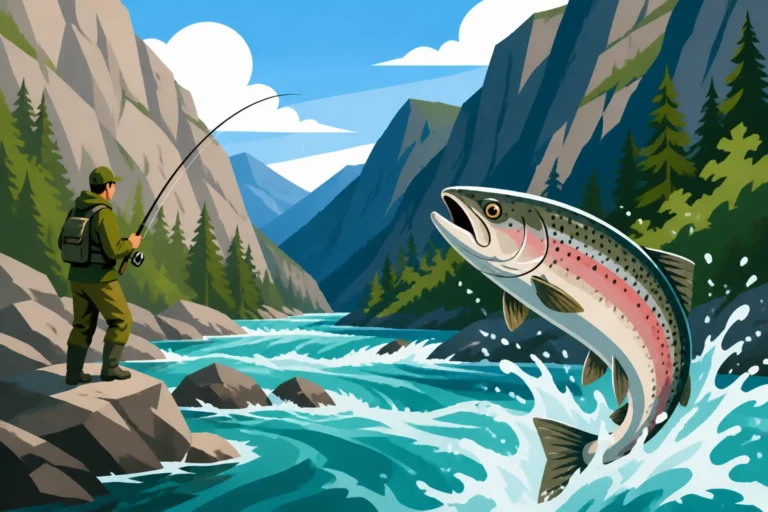
Beyond salmon, the Squamish River system is a premier destination for coastal cutthroat trout and, most notably, steelhead. Both winter and summer-run steelhead grace these waters, offering a highly challenging and rewarding experience. Bull trout and Dolly Varden are also present throughout the system, often preying on salmon eggs during the spawn.
Access Points and Techniques: Access to the Squamish River is generally good, with numerous public access points and boat launches. Popular spots include the Squamish Spit (where the river meets Howe Sound), areas around Brackendale, and various logging road access points further upstream. However, respecting private property and being mindful of other users is paramount.
For salmon, popular techniques include float fishing with roe, jigs, or artificial worms, as well as casting spoons or spinners. Fly fishing is incredibly popular, especially for pink, chum, and coho, with flies imitating eggs, baitfish, or even bright attractor patterns. Steelhead fishing often involves drift fishing with bait, artificial eggs, or jigs, or swinging flies with spey rods. Understanding the river's flows and finding the "seams" or softer water where fish hold is key. When the river is running high and discolored, often after heavy rains, finding clearer tributaries or slower back channels can be productive.
Cheakamus River's Hidden Gems
Flowing into the Squamish River, the Cheakamus River is another vital artery of the Sea to Sky fishery. While often overshadowed by its larger counterpart, the "Cheak" holds its own as a fantastic destination, offering slightly different characteristics and opportunities.
Species and Unique Characteristics: The Cheakamus shares many of the same migratory species as the Squamish, including all five Pacific salmon species, steelhead, and resident trout (rainbow, cutthroat, and bull trout). However, due to its often clearer waters and slightly different gradient, fishing experiences can differ. The Cheakamus is often a bit more "technical" for fly anglers when water levels are low, requiring more finesse and precise presentations.
Historically, the Cheakamus River has faced environmental challenges, including a major derailment in 2005, but it has shown remarkable resilience and recovery. Conservation efforts are ongoing, and anglers play a crucial role in its continued health through responsible practices.
Accessible Spots and Regulations: There are several accessible spots along the Cheakamus, particularly near the confluence with the Squamish River and further upstream near the communities of Brackendale and Paradise Valley. Highway 99 parallels sections of the river, offering some roadside access, but again, be vigilant about private property and designated access points. The Cheakamus Canyon, while breathtaking, is largely inaccessible for fishing due to steep terrain.
Regulations on the Cheakamus can be particularly specific, often varying by section and species. It's not uncommon to find "fly fishing only" or "single barbless hook" sections. Always check the current BC Fishing Regulations Explained and local fishery notices before you go. The health of these river systems depends on every angler's adherence to the rules.
Tranquil Lakes for Family Fishing
Sometimes, the thrill of battling a monster salmon isn't the goal. For those seeking a more serene experience, especially with family or for beginner anglers, the lakes along the Sea to Sky corridor are perfect. They offer easy access, calm waters, and often reliable catches of rainbow trout.
Brohm Lake: Located just north of Squamish, Brohm Lake is a popular spot for both swimming and fishing. It's a smaller, picturesque lake surrounded by lush forest, making it incredibly inviting. The lake is regularly stocked with rainbow trout by the Freshwater Fisheries Society of BC, ensuring consistent fishing opportunities. It's accessible right off Highway 99, with a well-maintained parking area and trails. Anglers typically use light spinning gear with worms, powerbait, or small spoons and spinners. Fly fishing can also be productive, especially during insect hatches. Its calm, clear waters make it an excellent choice for introducing kids to fishing.
Alice Lake: Situated within Alice Lake Provincial Park, this lake is another family favorite. Like Brohm, Alice Lake is stocked with rainbow trout and offers excellent shore access and boat launches (non-motorized boats only). The park setting provides amenities like picnic tables and washrooms, enhancing the family experience. Fishing here is much like Brohm Lake – simple, effective methods are often best. The surrounding trails and views add to the appeal, making it a great destination for a full day out.
Browning Lake: Part of Murrin Provincial Park, Browning Lake is another accessible and stocked trout lake, known for its clear, emerald green waters. It's a smaller lake, making it easy to cover from shore. The proximity to climbing routes also makes it popular with a diverse crowd. The fishing here is similar to the other stocked lakes, offering a good chance at rainbow trout.
These lakes are perfect for beginners to learn the ropes, for families to spend quality time outdoors, or for experienced anglers to unwind with light tackle. They typically offer year-round opportunities, though fishing slows in the dead of winter. Remember that even in these seemingly simple waters, a valid British Columbia Fishing License Guide for 2026 is always required.
Exploring Saltwater Opportunities in Howe Sound
While the rivers steal the spotlight for salmon runs, the vast, deep waters of Howe Sound offer incredible saltwater fishing adventures. This fjord is a gateway to the Pacific, meaning a bounty of species can be found within its sheltered yet expansive reaches.
Shore and Pier Fishing Options
Not everyone has a boat, and that's perfectly fine! Howe Sound provides some fantastic opportunities for shore-based anglers, especially for those willing to explore and understand the tides.
Squamish Spit: Where the Squamish River meets Howe Sound, the Spit is a prime location. This area sees migratory salmon gathering before heading upriver, offering a unique opportunity to catch them from shore. Coho and Pink salmon are common targets here in late summer and fall. Anglers often cast spoons, spinners, or weighted flies into the tidal currents. The area can get busy, so arrive early.
Porteau Cove Provincial Park: This beautiful provincial park, located directly on Howe Sound, boasts a long pier that extends into the deep waters. It's a fantastic spot for crabbing and prawning, but also offers opportunities to catch various bottom fish like flounder, rockfish, and even occasional salmon or lingcod. The pier provides access to deeper water than most shorelines, increasing your chances. Night fishing under the pier lights can be particularly productive for some species. Just be aware of the BC Fishing Regulations Explained for rockfish and conservation areas. The scenic views alone are worth the visit, even if the fish aren't biting.
When fishing from shore or a pier in saltwater, it's essential to understand the tides. Incoming tides often bring baitfish closer to shore, increasing the chances of predatory fish moving in to feed. Safety is also paramount, especially on slippery rocks or near strong currents.
Boat Access and Charter Fishing
For those looking to truly explore the depths of Howe Sound and target larger, more elusive species, a boat is almost essential. The Sound's deep channels, rocky structures, and proximity to open ocean waters create diverse habitats.
Targeting Salmon, Lingcod, and Rockfish: Howe Sound is a productive ground for all five species of Pacific salmon. Chinook salmon are present year-round, often found deeper, while Coho provide excellent sport during their summer and fall runs. Pinks and Chums migrate through in large numbers during late summer and fall. Trolling with downriggers using various lures, spoons, and bait (like herring) is a popular and effective method for salmon.
Beyond salmon, Howe Sound is renowned for its bottom fishing opportunities. Lingcod, with their voracious appetites and distinctive appearance, are a prized catch, often found near rocky reefs and underwater structures. Various species of rockfish also inhabit these areas. Jigging with heavy metal jigs or using bait on a dropper rig are common techniques. Again, adherence to specific BC Halibut Bag Limit Rules and other groundfish regulations is critical, as many species have strict limits and depth restrictions.
Marinas and Guides: Several marinas in the area, including the Squamish Yacht Club and those in Horseshoe Bay, offer launch facilities and sometimes boat rentals. However, navigating Howe Sound requires experience, especially given its size and potentially rough waters. For visitors or those less experienced, booking a guided charter is highly recommended. Local guides possess invaluable knowledge of the best fishing grounds, current conditions, and applicable regulations. Websites like FishingBooker are excellent resources for finding reputable local fishing charters in Howe Sound, ensuring a safe and productive day on the water without the hassle of bringing your own boat or gear. These charters often provide all the necessary equipment, including a BC Tidal Waters Salmon Conservation Stamp Cost, making for a hassle-free experience.
Essential Tips for Fishing the Sea to Sky Corridor
Fishing along the Sea to Sky corridor offers immense rewards, but it also comes with responsibilities and challenges. Being prepared and respectful of the environment and regulations will ensure a successful and enjoyable trip.
Navigating Regulations and Conservation
British Columbia has incredibly rich fisheries, and preserving them for future generations is a shared responsibility. This means understanding and strictly adhering to all fishing regulations.
Importance of Licenses: First and foremost, a valid fishing license is mandatory for anyone aged 16 and over. Depending on whether you're fishing freshwater or tidal (saltwater), you'll need the appropriate license. If you plan to retain salmon in either freshwater or tidal waters, a salmon conservation stamp is also required. These funds directly support salmon enhancement and conservation efforts. You can find comprehensive details on where and how to purchase these licenses in the Where and How to Buy a BC Fishing License guide. Always carry your license with you, whether in physical or digital format, as fisheries officers conduct regular checks.
Specific Regulations for Sensitive Areas: The Sea to Sky corridor, particularly its river systems, contains many sensitive habitats and specific management zones. This can mean varying daily quotas, size limits, bait restrictions (e.g., single barbless hooks only, no bait fishing), or even "catch and release only" designations for certain species or stretches of river. For example, certain sections of the Squamish or Cheakamus rivers might have specific rules for steelhead or wild salmon. It's imperative to consult the official BC Freshwater Fishing Regulations Synopsis and, for tidal waters, the Fisheries and Oceans Canada (DFO) website for current regulations and in-season closures, which can change frequently. Don't rely on word-of-mouth; always check the official sources.
Conservation Practices: Beyond simply following the rules, practicing good conservation etiquette is vital. This includes:
- Catch and Release: If you're releasing fish, do so quickly and carefully. Minimize handling, keep the fish in the water as much as possible, and use barbless hooks to reduce injury. Learn about BC Fraser River Sturgeon Catch and Release Requirement to ensure high survival rates.
- Leave No Trace: Pack out everything you pack in. Do not leave behind fishing line, bait containers, or any other trash.
- Respect Spawning Areas: Avoid wading or fishing in obvious spawning beds, as this can damage eggs and disturb spawning fish.
- Report Poaching: If you witness illegal fishing activity, report it to the Report All Poachers and Polluters (RAPP) line.
Safety and Preparedness
The beauty of the Sea to Sky can sometimes mask its potential hazards. Being prepared for varying conditions and respecting the wild environment is crucial for a safe and enjoyable outing.
Wildlife Encounters: This corridor is prime habitat for diverse wildlife, including black bears, grizzly bears (less common but present), cougars, and numerous birds of prey. When fishing in remote river areas or hiking to lake access points, carry bear spray and know how to use it. Make noise while walking, store food properly, and never approach wildlife. Always be aware of your surroundings, especially at dawn and dusk.
Changing Weather and Water Conditions: Mountain weather is notoriously unpredictable. A sunny morning can quickly turn into a rainy, windy, or even snowy afternoon. Always check the forecast before you go and pack extra layers, waterproof outerwear, and suitable footwear. River levels and clarity can also change rapidly due to rainfall or glacial melt. A river that was fishable yesterday might be a muddy torrent today. Use online resources or local tackle shops for up-to-date conditions. Wading in fast-flowing rivers like the Squamish requires extreme caution; use a wading staff and know your limits.
Emergency Preparedness: Even on a short day trip, it's wise to carry a basic first-aid kit, extra water, snacks, and a way to communicate (fully charged phone, satellite messenger if truly remote). Let someone know your fishing plans and expected return time. For boaters, ensure you comply with all BC Boating Laws for Anglers, including carrying required safety equipment and having a valid Pleasure Craft Operator Card. Never rely solely on GPS; carry a map and compass as a backup.
Following these tips and being mindful of the unique environment will help ensure your fishing adventures along the Sea to Sky corridor are not only productive but also safe and responsible.
| Fishing Spot | Primary Target Species | Best Seasons | Access Type | Notes |
|---|---|---|---|---|
| Squamish River | Chinook, Coho, Pink, Chum Salmon, Steelhead, Trout | Fall (Salmon), Winter/Spring (Steelhead) | Boat, Shore, Wading | Powerful currents, complex regulations, guide recommended |
| Cheakamus River | Salmon, Steelhead, Rainbow Trout, Bull Trout | Fall (Salmon), Winter/Spring (Steelhead) | Shore, Wading | Often clearer than Squamish, specific regulations |
| Brohm Lake | Rainbow Trout | Spring, Summer, Fall | Shore, Small Boat (non-motorized) | Regularly stocked, family-friendly, easy access |
| Alice Lake | Rainbow Trout | Spring, Summer, Fall | Shore, Small Boat (non-motorized) | Provincial Park, stocked, family amenities |
| Howe Sound (Shore) | Coho, Pink Salmon, Bottom Fish | Summer, Fall (Salmon), Year-round (Bottom) | Piers (Porteau Cove), Squamish Spit | Tidal dependent, less gear needed, good crabbing/prawn |
| Howe Sound (Boat) | Chinook, Coho, Pink Salmon, Halibut, Lingcod, Rockfish | Year-round (Chinook, Bottom), Summer/Fall (Coho, Pink) | Boat (private or charter) | Requires marine knowledge, deep water, diverse species |
Disclaimer
The information provided in this guide is for general informational purposes only and is subject to change. Fishing regulations, season dates, and access points can vary significantly and are regularly updated by Fisheries and Oceans Canada (DFO) for tidal waters and the BC Ministry of Forests, Lands, Natural Resource Operations and Rural Development for freshwater. Always consult the most current official regulations and local fishery notices before planning any fishing trip. Safety in the outdoors is paramount; be aware of wildlife, weather conditions, and personal limitations.