Howe Sound salmon fishing access
Finding reliable information on where to effectively target salmon in Howe Sound can feel like trying to solve a cryptic puzzle, especially with the ever-changing regulations and the sheer vastness of the area. It’s frustrating when you just want to get out on the water, but you’re bogged down trying to figure out public access points, the best times, and what you’re even allowed to keep. This comprehensive guide is here to cut through the confusion, offering a clear roadmap to some of the best Howe Sound salmon fishing access points and the knowledge you need to make your next trip a success.
Understanding Howe Sound's Unique Salmon Fishery
Howe Sound, nestled just north of Vancouver, is a truly special place for anglers. It’s a fjord, a deep, glacially carved inlet of the Pacific Ocean, which gives it a distinct set of characteristics that influence its salmon runs. Unlike wide-open coastal stretches, Howe Sound offers sheltered waters, dramatic mountainous backdrops, and a complex ecosystem that supports all five species of Pacific salmon at various times of the year. However, its proximity to a major urban center also means it's heavily regulated and experiences significant fishing pressure, making local knowledge crucial.
The Dynamics of Howe Sound's Ecosystem
The deep, clear waters of Howe Sound are influenced by freshwater inflows from rivers like the Squamish River, creating nutrient-rich estuaries that are vital nursery grounds for many species, including juvenile salmon. These fresh water plumes often create distinct current lines and temperature breaks, which are key areas where baitfish congregate, and consequently, where salmon will feed. Understanding these dynamics is critical; a strong tide pushing water into the Sound can bring in fresh schools of bait and, with them, hungry salmon, while a powerful outflow can push them further offshore.
For example, the northern reaches of the Sound, particularly around the Squamish River delta, are heavily influenced by the river's output. This area can be a hotspot during certain salmon runs, especially for Chinook and Coho salmon migrating to their natal streams or feeding heavily before making their final push upstream. The salinity levels, turbidity, and water temperature shifts in these zones are constant factors anglers must consider. Conversely, closer to the entrance of the Sound, the water becomes more purely oceanic, and you might find different concentrations of baitfish and salmon migrating along the deep channels.
Key Salmon Species in Howe Sound
You'll find all five species of Pacific salmon in Howe Sound at different times, making it a diverse fishery, though some are more prevalent or accessible than others.
- Chinook Salmon (King Salmon): These are the prized catches, known for their size and powerful fights. They are often found in Howe Sound year-round, with peak seasons typically in the spring and summer when they are actively feeding. You'll often find them along structure, drop-offs, and in areas where baitfish are abundant. Keeping an eye on BC Fishery Notices and In-Season Closures, Explained is always a smart move, as Chinook retention can be highly regulated, often with specific non-retention areas, especially for wild stocks.
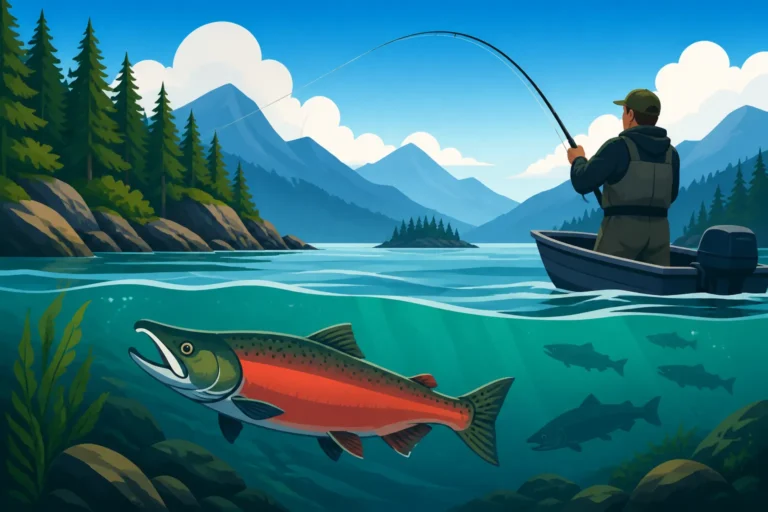
- Coho Salmon (Silver Salmon): Fast, acrobatic, and a blast to catch on light tackle, Coho salmon typically show up in good numbers from late summer through fall. They often school up near the surface, making them excellent targets for bucktailing, flasher-and-hoochie combos, or even fly fishing.
- Pink Salmon (Humpies): These are the most abundant salmon species and run every odd-numbered year in massive numbers. They arrive in late summer, offering fast action, especially for those new to salmon fishing. Pinks are often targeted with small pink lures or flies.
- Sockeye Salmon (Red Salmon): While present, Sockeye fishing in Howe Sound is often limited due to conservation concerns, especially for Fraser River Sockeye. If and when opportunities arise, they typically show up in summer. Always double-check current regulations before targeting Sockeye.
- Chum Salmon (Dog Salmon): Chum salmon typically enter the Sound in late summer and fall, heading for various spawning rivers. They are powerful fighters and can be quite aggressive towards lures, especially bright, flashy ones or large flies. While not typically sought after for table fare, they offer fantastic sport.
Knowing which species are in season and what the current regulations allow for is paramount. Make sure you understand your BC Tidal Waters License, Explained, as well as any specific conservation stamps like the BC Tidal Waters Salmon Conservation Stamp Cost, which is required if you plan to keep any salmon.
Key Access Points and Launch Sites for Salmon Fishing
Getting onto the water in Howe Sound requires planning, especially given the geography and the busy nature of the area. Whether you're trailering a boat, launching a kayak, or looking to fish from shore, there are several key points to consider. Public access can be surprisingly good, but you need to know where to look.
Public Boat Launches and Marinas
For those with a boat, numerous public and private options exist. These vary in cost, amenities, and proximity to prime fishing grounds.
- Squamish: The Squamish Yacht Club and the Squamish Terminals offer boat launching facilities. The Squamish area is fantastic for its proximity to the Squamish River delta, which is a significant staging and feeding area for salmon, especially Chinook and Coho. Launching here puts you right into a very productive zone. However, be mindful of commercial traffic and fast currents near the river mouth.
- Britannia Beach: While smaller, there are sometimes options for launching smaller boats or kayaks from Britannia Beach, offering access to the central part of the Sound. It's a picturesque spot, but services might be limited.
- Gibsons: On the Sunshine Coast side, Gibsons Harbour offers good launching facilities. This provides excellent access to the western side of Howe Sound, often less pressured than the eastern side. You can explore the waters around Keats Island and Gambier Island from here, which can hold good numbers of feeding salmon.
- Deep Cove (North Vancouver): While not directly in Howe Sound, Deep Cove is a popular launch point for kayakers and smaller boats heading to Indian Arm, which is connected to Howe Sound. It offers sheltered waters and can be a good starting point for exploring the southern reaches, though the primary salmon fishing is usually further north in the main Sound.
- Horseshoe Bay (West Vancouver): This is a bustling ferry terminal, but there are marinas and potential launch points nearby. It offers direct access to the entrance of Howe Sound, putting you quickly into deeper, more oceanic waters where transient salmon might be found. Parking can be a significant challenge here, especially on weekends.
Always call ahead to private marinas for current launch fees, parking availability, and operating hours. Public launches can fill up quickly, particularly on sunny summer weekends. It's wise to plan your trip during off-peak hours or weekdays if possible.
Shore Fishing and Kayak Launch Locations
You don't always need a big boat to enjoy Howe Sound salmon fishing. Shore-based and kayak fishing can be incredibly rewarding, offering a different perspective and often targeting different areas.
- Porteau Cove Provincial Park: This gem is probably one of the most accessible and productive shore fishing spots in Howe Sound. It offers excellent access for both shore anglers and kayakers. The park has a pier that extends into the Sound, popular for crabbing and bottom fishing, but often productive for salmon on the incoming tide, especially for Pink and Coho salmon. Kayakers can launch directly from the beach and explore the nearby drop-offs and kelp beds, which are prime feeding grounds. The convenience of parking and facilities makes it a top choice for a day trip.
- Furry Creek Area: Along Highway 99, there are several pull-offs and small beach access points near Furry Creek. These spots can offer good shore fishing opportunities, particularly during Pink and Coho runs. You might need to do a bit of scrambling to get to the water's edge, but the reward can be worth it.
- Bowen Island and Gambier Island: For adventurous kayakers, these islands offer numerous coves and bays that can be excellent for salmon, especially if you can access areas with good current and baitfish concentrations. Public ferry access to Bowen Island makes it a viable option for a multi-day kayak fishing adventure. Launching from Snug Cove on Bowen Island, for instance, allows you to explore the island's perimeter. These areas often provide a more serene fishing experience away from the busier mainland shores. You'll find that for any of these options, carrying a digital fishing license in BC is often more convenient than a paper one.
Remember that accessibility can change with tides and private property boundaries. Always respect private land and ensure you're fishing in legal public access areas.
Effective Strategies for Howe Sound Salmon Fishing
Howe Sound offers diverse fishing environments, from shallow estuaries to deep, offshore channels. This means a variety of techniques can be effective, depending on the time of year, target species, and the specific location you're fishing. Being adaptable is key to success here.
Trolling for Salmon in Open Water
Trolling is arguably the most popular and effective method for covering water and finding active salmon in Howe Sound. This involves dragging lures or bait behind a boat at a slow speed, typically using downriggers to get your gear to the desired depth.
- Depths and Patterns: Chinook salmon often hold deeper, especially during the brighter parts of the day, sometimes 80-150 feet or more, particularly along significant underwater structure or drop-offs. Coho, on the other hand, frequently feed higher in the water column, often 20-60 feet down. Look for bait balls on your sonar; if you find them, fish slightly above or right through them. Trolling in an S-pattern or making turns can cause your lure to speed up and slow down, often triggering a strike.
- Gear Selection: Flashers and dodgers are almost universally used to attract salmon, followed by a hootchie, spoon, or bait. For Chinook, popular options include large spoons (e.g., Tomic Plugs, G-Force spoons in metallic or glow finishes), or baitfish rigged with a Teaser Head. For Coho, smaller spoons, hoochies, or even bucktail flies behind a flasher can be deadly. Pay attention to water clarity; brighter, flashier colours work well in murky water, while more natural patterns might be better in clear conditions.
- Prime Locations for Trolling: The waters around the "Hole in the Wall" near Gambier Island, the deep channels between Bowen and the mainland, and the depths off Britannia Beach are all productive trolling grounds. Anywhere you find significant baitfish schools on your sonar, especially herring or needlefish, is a good place to start. This is also where understanding Best Time of Year to Fish in BC comes into play, as salmon migration patterns dictate where they’ll be.
Bottom Fishing and Jigging for Lingcod and Halibut
While not strictly salmon, Howe Sound also offers opportunities for other popular species like lingcod and, occasionally, smaller halibut. These bottom-dwelling fish are often found around rocky structures and deep ledges.
- Lingcod Techniques: Lingcod are aggressive predators that love to ambush prey from rocky crevices. Jigging heavy metal jigs (like Gibbs Minnows or Mac Deep Jigs) or using large soft plastics (e.g., Berkley Gulp! grubs) tipped with bait (like a strip of herring) near rocky bottom structure is highly effective. The deeper, rockier areas near Pasley Island or the numerous drop-offs within the Sound are prime lingcod territory. Remember to check local regulations for size and bag limits, as they can be quite strict for lingcod.
- Halibut Opportunities: While Howe Sound isn't a renowned halibut hotspot like some areas further north or west off Vancouver Island, smaller "chicken" halibut can occasionally be caught in the deeper, flat, sandy or muddy bottom areas. Drifting with large lead-head jigs or bait rigs (using octopus, herring, or salmon trimmings) can sometimes entice a bite. Patience is key, as halibut fishing can be slow.
When targeting these species, especially with heavier gear, a robust rod and reel setup is essential. Also, make sure your BC Boating Laws for Anglers knowledge is up to date, particularly regarding anchor use and depth sounders.
Shore and Kayak Fishing Tactics
For those without a large boat, shore and kayak fishing offer exciting possibilities, particularly for Pink and Coho salmon during their respective runs.
- Shore Casting: From piers like Porteau Cove or rocky outcrops, casting spoons (e.g., Koho, Croc, or Pixie spoons) or spinners (like Blue Fox or Mepps) can be very productive. Use a medium-heavy rod with a good casting distance. During Pink salmon runs, small pink spoons or Buzz Bombs are almost irresistible. For Coho, trying a variety of spoon colors from silver to blue and green can yield results. Cast out, let your lure sink to the desired depth, and retrieve with varying speeds and jerks to imitate a wounded baitfish.
- Kayak Trolling/Casting: Kayakers have the advantage of stealth and access to shallower, more secluded areas that larger boats can't reach. Light tackle trolling with small flashers and hoochies or spoons can be very effective for Coho and Pinks. Simply paddling slowly and dragging your gear at a set depth is a great way to cover water. Alternatively, casting spoons and spinners into kelp beds, around points, or near river mouths can connect you with salmon. Always prioritize safety in a kayak; Howe Sound can get choppy quickly, and commercial boat traffic is common. A good Personal Flotation Device (PFD), a marine radio, and a safety whistle are non-negotiable.
Planning Your Howe Sound Salmon Fishing Trip
A successful fishing trip in Howe Sound goes beyond just knowing where the fish are; it involves proper preparation, understanding the rules, and prioritizing safety. Don't let overlooked details ruin a potentially epic day on the water.
Essential Licenses and Stamps
Before you even think about wetting a line, you absolutely need the right paperwork. Fishing without a license in BC can lead to hefty fines and a spoiled day.
- Basic Fishing License: For tidal waters like Howe Sound, you'll need a Tidal Waters Sport Fishing Licence. These can be purchased online through the Fisheries and Oceans Canada (DFO) National Recreational Licensing System or from authorized vendors like most tackle shops. Make sure your license is current and that you understand the rules for Resident vs Non-Resident Fishing License Costs in BC.
- Salmon Conservation Stamp: If you intend to retain any species of Pacific salmon, you are also required to purchase a Salmon Conservation Stamp. This is a separate purchase but crucial for legal retention. Even if you're planning catch-and-release, it's good practice to be familiar with catch limits and regulations, especially in sensitive areas like the Fraser River Sockeye Closure Windows that can sometimes affect nearby tidal waters.
- Other Species Considerations: If you plan on keeping other species like crab, prawn, or groundfish, there might be specific regulations or even separate licenses or tags required. Always consult the DFO Pacific Region Integrated Fisheries Management Plan for the most current rules.
Always carry your license with you, either a physical copy or a digital one on your phone. Fisheries officers regularly patrol Howe Sound, and they don't take kindly to unlicensed anglers.
Safety First on the Water
Howe Sound, while beautiful, is still a large body of water that can become dangerous quickly. Safety should always be your top priority.
- Weather and Tides: Always check marine weather forecasts and tide tables before heading out. Strong winds can whip up significant chop, making boating hazardous, especially in smaller vessels. Tidal currents can also be very strong, affecting your boat's drift and your ability to anchor safely. Rapidly changing weather patterns are common in coastal BC.
- Vessel Safety Equipment: If you're in a boat, ensure it's equipped with all the required safety gear as per Transport Canada regulations. This includes PFDs for everyone on board, a sound-signaling device, a bailer or pump, navigation lights, and a marine-band VHF radio (or a reliable cell phone in areas with coverage). A Pleasure Craft Operator Card Requirement is mandatory for most boat operators in BC.
- Communication and Float Plans: Tell someone where you're going and when you expect to return. This "float plan" can be a lifesaver if something goes wrong. If you're venturing further offshore or to remote islands, a satellite messenger or emergency beacon (EPIRB/PLB) is a wise investment. Even on seemingly calm days, unexpected incidents can occur, and being prepared is paramount.
Chartering a Howe Sound Fishing Adventure
For those new to the area, without a boat, or simply looking for a hassle-free, guided experience, booking a fishing charter is an excellent option. Local guides have intimate knowledge of the Sound, current fishing hot spots, and up-to-date regulations.
- Benefits of a Charter: A good charter captain will provide all the necessary gear, bait, and often even clean your catch for you. They know the depths, the currents, and the specific techniques that are working on any given day. This can significantly increase your chances of success and provide a valuable learning experience. Many guides also offer insights into local marine life and the history of the Sound.
- Choosing a Guide: When looking for a charter, ask about their experience specifically in Howe Sound, what species they target, and what's included in the price. Websites like FishingBooker can be a great resource to find reputable guides with good reviews. Make sure they are licensed and insured. Don't be afraid to ask questions about the boat, safety equipment, and what you should bring. For a deeper dive, check out our guide on How to Choose a BC Fishing Charter.
- Cost and Tipping: Be clear on the cost upfront, including any potential hidden fees. Tipping your guide is customary and appreciated, typically 15-20% of the trip cost if you had a good experience. They work hard to put you on fish and ensure your safety.
Howe Sound Salmon Fishing Access Quick Reference
| Location | Primary Access Type | Target Species | Notes & Considerations |
|---|---|---|---|
| Squamish River Delta | Boat Launch | Chinook, Coho, Pink, Chum | Excellent for river-bound salmon. Strong currents, heavy boat traffic at times. |
| Porteau Cove Provincial Park | Shore, Kayak | Pink, Coho, occasional Chinook | Accessible pier and beach launch. Popular for families. Check tides for best shore access. |
| Gibsons Harbour | Boat Launch | Chinook, Coho, Pink, Chum | Access to western Howe Sound (Keats/Gambier Islands). Less crowded than eastern shore. |
| Britannia Beach | Limited Boat/Kayak | Chinook, Coho | Smaller access, good for kayaks. Deep water close to shore. |
| Horseshoe Bay Area | Boat Launch | Chinook, Coho | Direct access to deeper Howe Sound. Busy ferry terminal, challenging parking. Look for charters from here. |
| Bowen Island / Gambier Island (various points) | Kayak, Small Boat | Chinook, Coho, Pink | Requires ferry access or longer paddle. Offers secluded coves and strong currents. Ideal for multi-day trips. Check Best Kayak Fishing Spots in BC for more info. |
| Deep Cove (Indian Arm) | Kayak, Small Boat | Coho, Pink (especially in lower Indian Arm/entrance) | Sheltered waters, excellent for beginners. Less direct access to prime Howe Sound salmon spots but a good starting point for exploring the interconnected waters. |
| Furry Creek | Shore | Pink, Coho | Roadside pull-offs along Highway 99. Requires some scrambling to the water. Best during peak runs. |
| Mid-Sound Channels & Drop-offs | Boat (Trolling) | Chinook, Coho | Best explored with a depth sounder and downriggers. Often targeted by charters. Look for bait schools. Many charters available through platforms like FishingBooker. |
Remember, regardless of how you access Howe Sound, fishing is a privilege that comes with responsibility. Practice ethical angling, respect catch limits, and always leave no trace. This spectacular part of British Columbia offers incredible opportunities for salmon fishing, and by being informed and prepared, you can enjoy it to the fullest. Whether you're casting from a quiet shore, paddling a kayak into a sunrise, or battling a chrome Chinook from a charter boat, Howe Sound delivers unforgettable angling experiences.
Disclaimer
The information provided in this guide is for general informational purposes only and is subject to change. Fishing regulations, license requirements, and access points can vary and are often updated by Fisheries and Oceans Canada (DFO). Always consult the official DFO Pacific Region Integrated Fisheries Management Plan and relevant fishery notices before planning your trip to ensure compliance with the most current rules and regulations. Safety on the water is paramount; always check local weather conditions and ensure you have appropriate safety equipment.