Shuswap Lake Fishing Guide
There's nothing quite like the dream of pulling a magnificent trout or a feisty salmon out of British Columbia's pristine waters, but for many, the sheer size and diverse fisheries of places like Shuswap Lake can feel utterly overwhelming. Knowing where to start, what to use, and even what you're allowed to keep can be a real head-scratcher. This guide is here to untangle those knots, giving you a clear, comprehensive roadmap to make your Shuswap Lake fishing trip not just successful, but truly unforgettable.
Shuswap Lake: A Jewel for Anglers
Shuswap Lake, nestled in the heart of the British Columbia interior, isn't just a stunning vacation destination; it's an angler's paradise, boasting an incredible diversity of fish species and picturesque fishing grounds. When you look out over its vast, sparkling waters, it’s easy to feel a mix of excitement and a little bit of intimidation. Its sheer size – with four distinct arms resembling a capital H – means there's a lot of water to cover, but also countless hidden gems waiting to be discovered.
The lake is a remnant of ancient glacial activity, carving out deep basins and intricate shorelines that create perfect habitats for various fish. From the deep, cold trenches favored by large lake trout to the shallower, warmer bays preferred by kokanee, Shuswap truly has it all. Its connection to several major rivers, including the mighty Shuswap River and the Adams River, enriches its ecosystem, bringing in anadromous salmon runs that add another thrilling dimension to the fishery. Understanding this unique environment is the first step to unlocking its secrets.
Understanding Shuswap Lake's Unique Ecosystem
Shuswap Lake isn't just one big body of water; it's a complex system of interconnected arms, each with its own characteristics that influence where fish live and how they behave. The main arms—Salmon Arm, Sicamous Arm, Anstey Arm, and Seymour Arm—vary in depth, water temperature, and surrounding habitat. For instance, Seymour Arm, being the deepest and most northerly, tends to hold colder water, making it prime territory for larger, deep-dwelling species like lake trout and rainbow trout. In contrast, Salmon Arm, closer to the towns and more developed, has shallower sections and warmer waters, often attracting kokanee and supporting a rich insect life.
The lake's incredible clarity in many areas allows for deeper light penetration, which affects weed growth and fish feeding patterns. However, after heavy rains or during spring runoff, some river mouths can introduce turbidity, which can actually be beneficial for certain species, offering cover for ambush predators. This dynamic environment means that successful anglers need to adapt their strategies based on the specific location and current conditions.
Primary Fish Species in Shuswap Lake
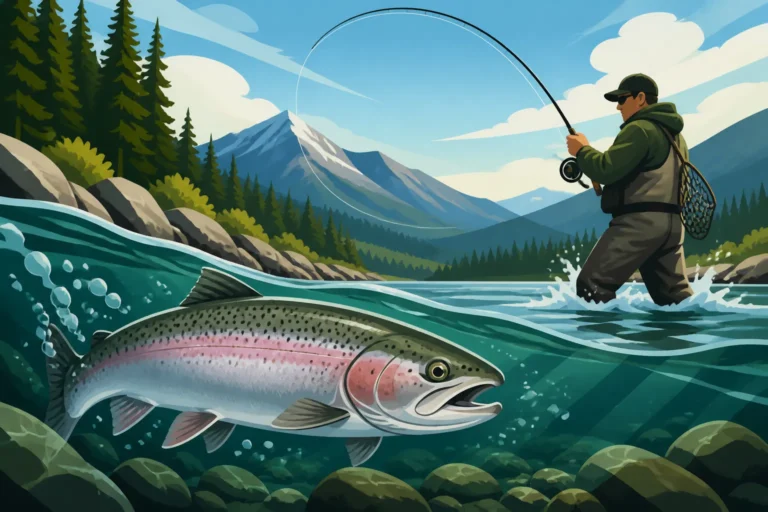
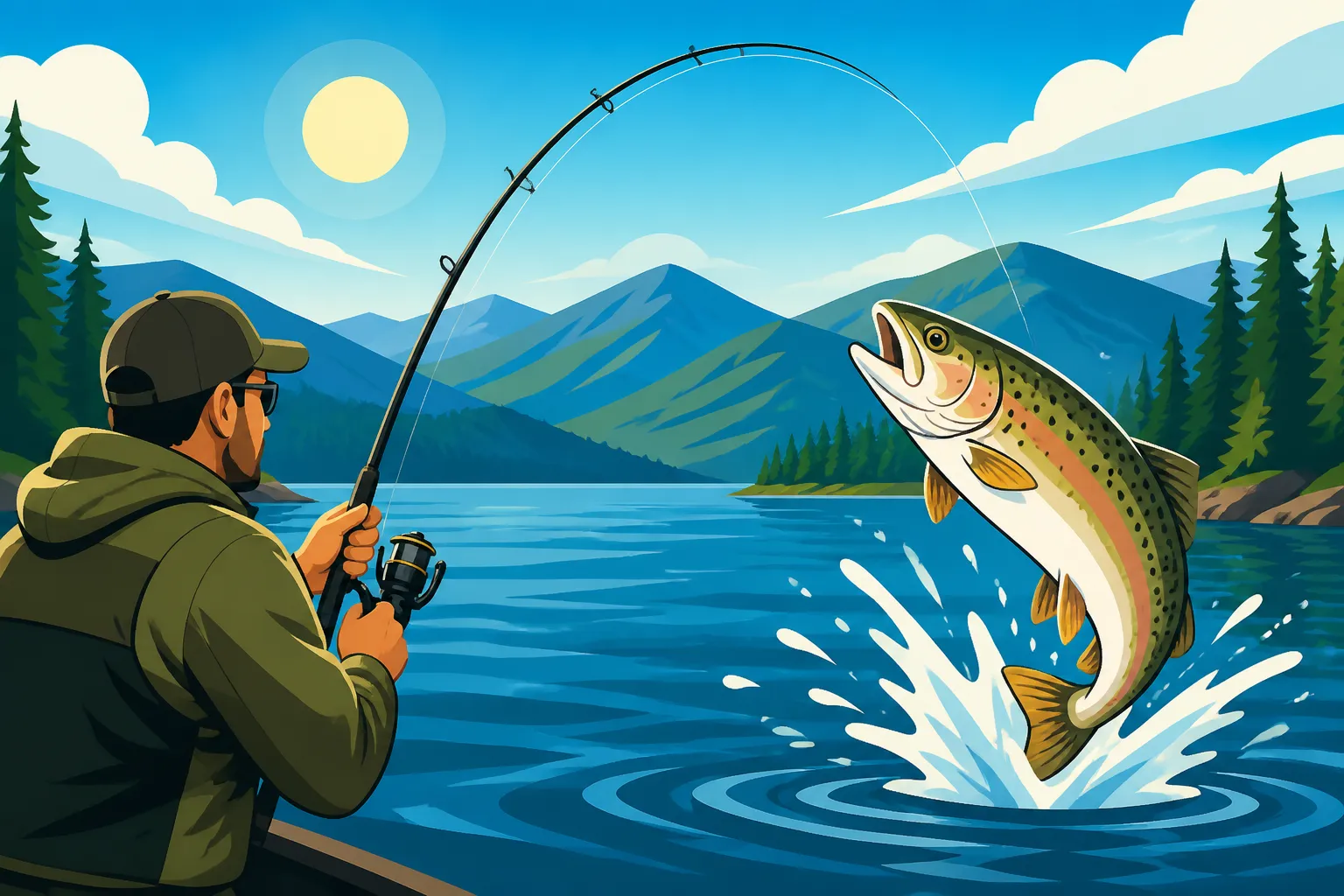
Shuswap Lake is renowned for its diverse fishery, offering something for every type of angler. The stars of the show are undoubtedly its salmonids. Rainbow trout are plentiful, with both wild populations and regularly stocked fish providing excellent opportunities. These range from feisty pan-sized rainbows to impressive "trophy" fish, especially in the deeper, colder sections of the lake. Learning more about the various types of trout can be helpful when planning your trip, and our guide on Rainbow Trout Fishing in BC offers some excellent insights.
Beyond rainbows, the lake is famous for its kokanee, which are landlocked sockeye salmon. These smaller, schooling fish provide fast-paced action and are incredibly popular for their delicious table fare. They are a staple for many Shuswap anglers, especially during their peak seasons. Then there are the large, often elusive, lake trout, locally known as "lakers," which lurk in the profound depths, offering a true challenge for those seeking a trophy catch. Additionally, the fall brings spectacular runs of sockeye and Chinook salmon up the rivers that feed the lake, though specific regulations and closures apply to fishing these anadromous species within the lake system itself.
| Species | Average Size (Weight) | Primary Habitat | Best Season(s) | Preferred Baits/Lures |
|---|---|---|---|---|
| Rainbow Trout | 1-5 lbs (up to 20+ lbs) | Mid-depths, near drop-offs, river mouths | Spring, Fall, Ice | Spoons, Apex lures, Flies, Worms |
| Kokanee Salmon | 0.5-2 lbs | Open water, schools, thermocline | Summer, Fall | Wedding bands, Small spoons, Bugs |
| Lake Trout | 5-15 lbs (up to 40+ lbs) | Deep, cold water, structure | Spring, Fall, Ice | Large spoons, Apex, Jigs, Herring |
| Pike Minnow | 0.5-3 lbs | Shallows, weed beds, river mouths | Summer | Worms, Spinners, Small jigs |
| Burbot | 2-8 lbs | Deep, rocky bottoms | Winter (Ice Fishing) | Cut bait, Jigs |
Essential Gear and Techniques for Shuswap Success
Getting the right gear is crucial for a productive day on Shuswap Lake. Because of the diverse species and habitats, you’ll want to be prepared for a few different scenarios. You don’t need to break the bank on every piece of equipment, but having reliable tackle suited for the target species will make a huge difference in your success and enjoyment. Thinking about what you're primarily hoping to catch will help narrow down your choices considerably.
The vastness of Shuswap Lake often means that covering water effectively is key, particularly for species like rainbow trout and kokanee. This typically points towards techniques that allow you to present your lure or bait over a wider area. Even if you're targeting bottom-dwellers like lake trout, having gear that can handle deep water and powerful fish is non-negotiable.
Tackle for Trout and Salmonids
For targeting the abundant rainbow trout and kokanee, a medium-light spinning rod between 7 to 9 feet is a versatile choice. Pair this with a reliable spinning reel spooled with 6-10 lb test monofilament or fluorocarbon line. Monofilament offers a bit of stretch, which can be forgiving with aggressive strikes, while fluorocarbon is virtually invisible underwater and offers excellent sensitivity. When it comes to lures, smaller spoons like the classic Apex lures, Dick Nites, or Gibbs-Delta spoons in various sizes and colours are highly effective for trolling. Wedding bands tipped with a small piece of worm or corn are also legendary for kokanee. For those who prefer bait, a simple worm under a bobber can often entice hungry trout, especially near weed lines or creek mouths.
If you’re dreaming of a trophy lake trout, you'll need to beef up your gear. A medium-heavy trolling rod, usually 8-9 feet, with a sturdy baitcasting or level-wind reel spooled with 15-25 lb braided line is ideal. Braid offers incredible strength and minimal stretch, which is essential for feeling bites in deep water and setting hooks. Attach a fluorocarbon leader of 15-20 lb test to your main line. For deep trolling, large spoons (like the FST or large Apex in bright colors), or even baitfish patterns trolled with downriggers, are the go-to. Don’t forget a good selection of jigs in the 1/2 to 1 oz range for vertical jigging over deep structure, which can be deadly when lakers are schooled up.
Proven Fishing Methods
Trolling is perhaps the most popular and effective method for covering water and locating active fish in Shuswap Lake. For rainbow trout and kokanee, slow trolling with small spoons, wedding bands, or even fly patterns behind a dodger or flasher is incredibly productive. You'll want to experiment with different depths using planer boards, lead core line, or small downriggers until you find the fish. Our guide on Trolling Techniques for BC Lake Trout offers excellent advice that can be adapted for other species on Shuswap as well, focusing on depth control and lure presentation.
For the elusive lake trout, deep trolling with downriggers is often necessary to get your lures down to where these fish reside, sometimes 80-150 feet or more. Look for deep drop-offs, submerged humps, and the mouths of deep channels. Alternatively, vertical jigging with heavy spoons or large tube jigs can be highly effective when you locate schools of lake trout on your fish finder. For shore anglers or those in smaller boats, casting spinners, spoons, or small crankbaits near visible structure, docks, or creek mouths can yield good results for rainbow trout, especially in the early mornings or late evenings. And remember, for kokanee, you'll often find them schooling in the open water, so keeping an eye on your sonar is key to finding them. You can delve into more specialized tactics with our Best Techniques for Kokanee in BC Lakes guide.
Navigating Regulations and Seasons on Shuswap
One of the biggest hurdles for any angler in British Columbia, especially on a large and complex system like Shuswap Lake, is understanding the myriad of fishing regulations. It’s not just about what you can catch, but when and how you can catch it, and what you need to have with you. Ignoring these rules isn't just bad form; it can lead to hefty fines and a ruined trip. Taking the time to familiarize yourself with the specifics will ensure a smooth, legal, and enjoyable experience.
The rules are put in place for a good reason – to protect the fish stocks and the delicate ecosystem of the lake. Shuswap Lake, with its significant salmon runs and diverse resident species, often has very specific regulations that can change from year to year, or even in-season, so staying informed is vital.
Licensing and Conservation Stamps
Before you even think about dropping a line in Shuswap Lake, you must have a valid British Columbia freshwater fishing license. This is non-negotiable for anyone aged 16 or older. Depending on whether you're a resident of BC, another Canadian province, or an international visitor, the costs and options will vary. For instance, non-residents typically pay a bit more and have different duration options. You can easily purchase your license online through the BC government's website, or from a licensed vendor like a tackle shop or marina. Our detailed guide on How to Buy a BC Fishing License Online will walk you through the process, making it simple and straightforward.
Additionally, if you plan on retaining any salmon (which, on Shuswap, might include kokanee or certain designated anadromous salmon during specific windows), you'll often need to purchase a Salmon Conservation Stamp. This stamp contributes directly to conservation efforts, so it's not just a fee but an investment in the future of fishing. Always double-check the current BC Fishing Regulations Explained synopsis for specific rules regarding retention limits, size restrictions, and any bait bans or gear restrictions that might be in effect for particular sections of the lake or its tributaries, especially during salmon runs.
Key Seasonal Considerations
Shuswap Lake offers incredible fishing opportunities throughout the year, but understanding the seasonal nuances is crucial for success. Spring, as the ice recedes, sees trout becoming very active near the surface and along the shorelines as they chase baitfish and emerging insects. This is an excellent time for casting lures or fly fishing in shallower bays. As summer progresses and water temperatures rise, fish tend to move deeper, making trolling and downrigging more effective. Kokanee are particularly abundant during the summer months, often schooling in the cooler thermocline layers. To get a better sense of what's biting when, take a look at our comprehensive BC Fishing Seasons by Month guide.
Fall brings some of the most exciting action on Shuswap, especially with the spectacular sockeye and Chinook salmon runs migrating up the Adams and Shuswap Rivers. While direct fishing for these anadromous species in the lake itself may have closures or strict catch-and-release rules, the presence of these massive fish can energize the entire ecosystem, drawing in predatory trout. Winter, for the adventurous, means ice fishing. When the lake's shallower bays freeze over safely, anglers target rainbow trout, kokanee, and even burbot through the ice. Always verify ice conditions before venturing out. For more general advice on seasonal strategies, consider our Best Time of Year to Fish in BC article.
Prime Fishing Locations on Shuswap Lake
Given the sheer scale of Shuswap Lake, knowing where to start fishing can feel like trying to find a needle in a haystack. But like any large body of water, certain areas consistently hold more fish due to a combination of depth, structure, current, and food availability. Understanding these hotspots will significantly increase your chances of a successful outing. You don't need to explore every square inch; focusing on proven areas will yield better results.
Every arm of Shuswap Lake has its unique character and productive zones. Whether you're targeting big lakers in the deep or schooling kokanee in the open water, there's a spot for you. Having local knowledge, or at least a good map and a sonar, can transform a daunting task into an exciting exploration.
Popular Bays and Inlets
Shuswap Lake is dotted with numerous bays and inlets that provide excellent fishing opportunities, especially for rainbow trout and kokanee. One of the most famous is Salmon Arm Bay, particularly in the spring and fall. Its shallower waters warm up quickly in spring, attracting baitfish and hungry trout. Anglers often find success here trolling small spoons or casting spinners from shore, especially around the mouth of the Salmon River. Another key area is Sicamous Narrows, the channel connecting Mara Lake to Shuswap Lake. This area often has current, which concentrates fish and provides excellent trolling opportunities, particularly for resident trout.
Further afield, Albas Provincial Park in Seymour Arm offers access to deep, clear waters perfect for larger trout and lake trout. The protected bays within areas like Silver Beach Provincial Park and Roderick Haig-Brown Provincial Park (near the Adams River) are also excellent choices, often providing good shore access and calm waters. These bays frequently have submerged weed beds and fallen timber, which serve as natural cover and feeding grounds for various species. Exploring these quieter inlets can often lead to unexpected success away from the more crowded main lake areas.
River Mouths and Drop-Offs
The river mouths feeding into Shuswap Lake are absolute magnets for fish, primarily because they provide fresh water, nutrients, and migratory pathways for salmon. The most prominent of these is the mouth of the Adams River in the fall, famous for its incredible sockeye salmon run. While fishing directly for sockeye during the run is often restricted or closed, the area around the river mouth can be fantastic for rainbow trout and lake trout that congregate to feed on salmon eggs and fry. Similarly, the mouth of the Shuswap River near Sicamous is a consistent producer, especially for rainbow trout.
Deep water drop-offs and submerged structures are prime locations for larger, deeper-dwelling fish like lake trout. The steep ledges found in Seymour Arm and parts of Anstey Arm are legendary for their big lakers. Look for areas where the lake bottom quickly plunges from 30-40 feet down to 100+ feet. These transition zones often hold concentrations of baitfish, which in turn attract the larger predators. Using a good sonar unit to identify these contours and any submerged humps or rocky reefs is invaluable for targeting these deep-water giants. Even the main basin of Salmon Arm has some subtle deep channels that can hold fish.
Planning Your Shuswap Fishing Adventure
A successful fishing trip to Shuswap Lake isn't just about what you catch; it's about the entire experience. Thoughtful planning can make the difference between a frustrating outing and a truly memorable adventure. From figuring out transportation and accommodation to deciding if you want to tackle it yourself or enlist the help of a professional, each step contributes to the overall enjoyment of your time on the water.
Shuswap Lake is a major recreational hub in BC, offering a wide range of services and facilities. This means you have plenty of options, but also that popular times can get busy. Booking ahead and having a clear idea of what you want to achieve will streamline your trip significantly.
Choosing a Guide or Charter
For those new to Shuswap Lake or simply looking to maximize their chances of catching fish and learning the ropes, hiring a local fishing guide or charter is an excellent option. A professional guide brings invaluable local knowledge, knowing exactly where the fish are biting, what techniques are working best, and how to navigate the specific regulations of the lake. They often provide all the necessary gear, bait, and a comfortable boat, taking the guesswork out of your trip. Companies like those found on FishingBooker offer a wide selection of experienced guides operating out of areas like Salmon Arm and Sicamous.
A guided trip can be particularly beneficial for targeting specific species like trophy lake trout or for navigating the complex regulations surrounding salmon runs. Guides can teach you effective trolling patterns, how to read your sonar, and even provide tips on handling and releasing fish safely. Whether you opt for a half-day or full-day excursion, the insights and expertise gained can significantly enhance your fishing skills and overall enjoyment of Shuswap Lake. It's also a fantastic way to learn the lake's quirks without investing heavily in specialized gear immediately.
Accommodation and Amenities
Shuswap Lake is a popular tourist destination, offering a wide range of accommodation options to suit every budget and preference. From rustic campsites in provincial parks like Shuswap Lake Provincial Park and White Lake Provincial Park, to cozy cabins, vacation rentals, and comfortable hotels in towns like Salmon Arm, Sicamous, and Sorrento, you'll find something that fits your style. Many resorts and campgrounds cater specifically to anglers, offering boat launches, moorage, and sometimes even fish cleaning stations.
Beyond lodging, the region offers plenty of amenities to support your fishing trip. Tackle shops in Salmon Arm and Sicamous are well-stocked with local baits, lures, and up-to-date information on fishing conditions. Grocery stores, restaurants, and other services are readily available, ensuring you have everything you need for a comfortable stay. Remember to book your accommodations well in advance, especially if you're planning a trip during the peak summer season or around major long weekends, as Shuswap Lake can get quite busy. This forward planning ensures you can relax and focus on the fishing once you arrive.
Responsible Angling Practices
As anglers, we all share a responsibility to protect the incredible fisheries that British Columbia offers, and Shuswap Lake is no exception. Ensuring the sustainability of fish populations and the health of the lake's ecosystem means adhering to ethical and responsible angling practices. It’s not just about following the rules; it’s about going above and beyond to preserve these resources for future generations.
Every decision we make on the water, from how we handle our catch to how we dispose of our waste, has an impact. By adopting a mindset of conservation and respect, we contribute to maintaining Shuswap Lake as a premier fishing destination for years to come.
Catch and Release Best Practices
While keeping a legal limit of fish for the table is part of the angling experience, practicing responsible catch and release, especially for larger breeding stock or protected species, is paramount. When you decide to release a fish, handle it with care and speed. Use barbless hooks whenever possible, as they cause less damage and are easier to remove. Minimize air exposure; keep the fish in the water as much as you can while unhooking it. Use wet hands or a wet net to support the fish, avoiding squeezing or touching its gills.
If a fish is deeply hooked, it's often best to cut the line as close to the hook as possible rather than attempting to rip the hook out, which can cause internal damage. For larger fish, like big rainbow trout or lake trout, allow them ample time to recover before releasing them. Support them gently in the water, facing into the current, until they are strong enough to swim away on their own. This mindful approach significantly increases the survival rate of released fish, ensuring they can continue to contribute to the lake's robust populations.
Protecting the Shuswap Environment
Beyond fish handling, protecting the broader Shuswap environment is crucial. This means adhering to the "Leave No Trace" principles. Pack out everything you pack in, including all your garbage, discarded fishing line, and any food waste. Fishing line, especially monofilament, can be a serious hazard to wildlife if left in the environment. Many boat launches and public access points have recycling bins, so use them.
Be mindful of invasive species. Before launching your boat or even wading into a new body of water, always "Clean, Drain, Dry" your boat, trailer, and gear. This simple practice prevents the spread of harmful aquatic invasive species, such as zebra and quagga mussels, which can devastate local ecosystems and fisheries. Always check for any specific local advisories regarding water quality or environmental concerns. By being a responsible steward of the lake, you help ensure that Shuswap remains a healthy and vibrant fishery for everyone to enjoy.
Disclaimer
Please note that fishing regulations in British Columbia, including those for Shuswap Lake, can change frequently. It is the angler's responsibility to check the most current regulations, licensing requirements, and any in-season closures or advisories issued by the Department of Fisheries and Oceans (DFO) and the BC Ministry of Forests, Lands, Natural Resource Operations and Rural Development (FLNRORD) before heading out on the water. This guide is for informational purposes only and should not be considered a substitute for official regulatory documents.