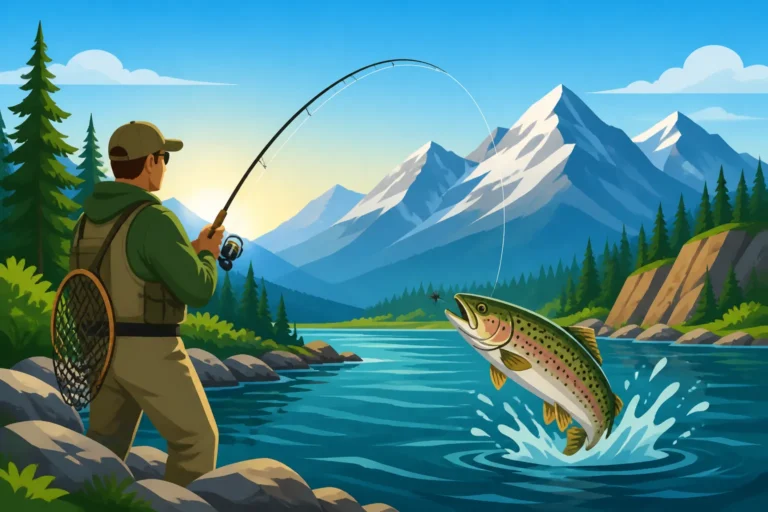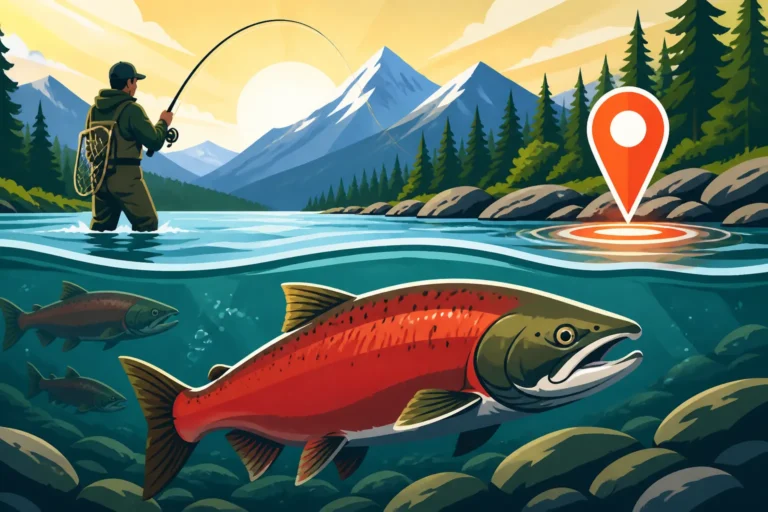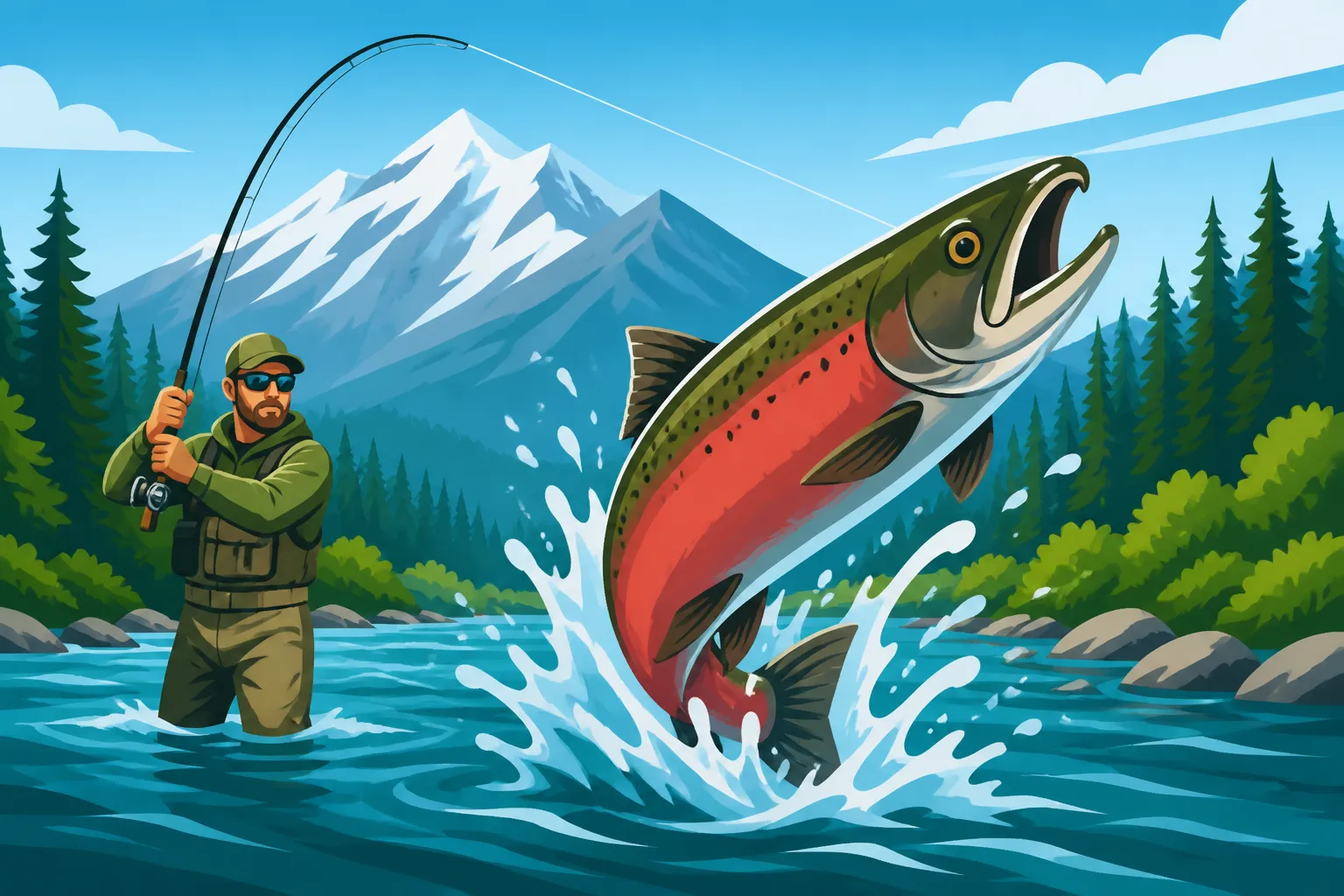
Adams River Salmon Fishing
Trying to figure out the best time to experience the legendary Adams River salmon run can be a bit overwhelming. With varying run sizes and strict regulations, it’s easy to feel like you might miss the magic or accidentally break a rule. This guide will walk you through everything you need to know about Adams River salmon fishing and viewing, from understanding the famous sockeye spectacle to planning your visit responsibly.
Understanding the Adams River Salmon Run
The Adams River, a tributary of the Fraser River system, is globally renowned for its spectacular sockeye salmon runs. It’s not just a fishing spot; it’s a natural wonder that draws visitors from all corners of the world to witness one of the planet's most incredible migrations. Understanding the unique characteristics of this river and its salmon populations is key to appreciating and planning your trip.
The Sockeye Spectacle: Why It's Unique
What makes the Adams River truly special is its dominant sockeye salmon run, particularly the "dominant" or "peak" years that occur every four years. During these peak years, millions of sockeye salmon return from the Pacific Ocean, navigating the mighty Fraser River, then the Thompson River, and finally Shuswap Lake to reach their natal spawning grounds in the Adams River. The sheer volume of fish is breathtaking, transforming the river into a vibrant, undulating tapestry of red. Imagine a river so full of salmon that it looks like you could walk across their backs – that's the kind of density Adams River can see in a dominant year. These aren't just any sockeye; they are part of the largest sockeye run in British Columbia and arguably one of the most significant in the world. This quadrennial event is a cornerstone of the ecosystem and a profound cultural experience for many.
Salmon Life Cycle and Migration
The journey of an Adams River sockeye is nothing short of epic. After hatching in the gravel beds of the Adams River, the tiny fry spend about a year in Shuswap Lake, growing and feeding. They then embark on an incredible migration to the Pacific Ocean, often spending two to three years maturing in the nutrient-rich waters of the Gulf of Alaska. When their time comes, usually in their fourth year, a biological clock calls them home. They swim thousands of kilometers back, fighting currents, evading predators, and overcoming immense physiological challenges. This arduous journey up the Fraser River system, a route covered in detail in our Sockeye Salmon Life Cycle in the Fraser System guide, is fueled by instinct and the fat reserves built up in the ocean. By the time they reach the Adams River in late September or early October, they have transformed from silver ocean fish into brilliant crimson spawners, their bodies ready for their final act of reproduction. This entire cycle, from egg to adult and back again, is a testament to nature's resilience and precision.
Other Salmon Species in the Shuswap System
While sockeye dominate the Adams River narrative, it’s worth noting that other salmon species also make their way into the broader Shuswap Lake system, albeit in much smaller numbers to the Adams River itself. Chinook salmon, also known as King salmon, and coho salmon are present in various parts of the Fraser and Thompson River systems and can occasionally be found in the Shuswap region's feeder streams or larger rivers like the lower Adams. Pink salmon and chum salmon also migrate through the Fraser system, but they typically spawn in different tributaries. If you're hoping to target these other species, it's crucial to consult the latest BC Fishing Regulations Explained and local fishery notices, as their presence and retention rules can vary significantly by location and year. Often, the focus of the Adams River itself is almost exclusively on the sockeye during their run, with fishing opportunities for other species limited or prohibited to protect the vulnerable sockeye.
Prime Time for Adams River Salmon Fishing
Timing is everything when it comes to experiencing the Adams River salmon run. Whether you're hoping to cast a line or simply witness the breathtaking natural spectacle, knowing when to visit makes all the difference. The Adams River’s reputation largely hinges on its specific sockeye cycle, but there are nuances to consider for every year.
The Quadrennial Peak Run: Don't Miss It
The absolute highlight for both viewers and, when regulations allow, anglers, is the quadrennial dominant sockeye run. These "big" years occur every four years and bring in the largest numbers of returning sockeye salmon, sometimes in the tens of millions. The next dominant run is expected in 2026, and the anticipation is already building for what promises to be another unforgettable display. During these years, the river literally pulses with fish. It's an incredible sight to behold, with the entire riverbed teeming with vibrant red sockeye, often piled up in the spawning channels. If your primary goal is to witness the full grandeur of the sockeye run, these dominant years are when you absolutely must plan your trip. These peak events generally hit their stride from late September through mid-October, when the fish are at their most brilliant red and actively spawning.
Annual Runs and Viewing Opportunities
Even in the "sub-dominant," "post-dominant," or "pre-dominant" years, which are the three years between the massive returns, there are still sockeye salmon in the Adams River. While the numbers won't compare to a dominant run year, there are usually enough fish to offer a beautiful and intimate viewing experience. In these off-years, the river is less crowded, both with fish and with people, allowing for a more tranquil experience. You might not see the incredible density, but you’ll still observe salmon fulfilling their ancient duties. These annual runs generally follow the same late September to mid-October timeline. For those interested in the broader picture of salmon migration in the area, Shuswap Lake also hosts runs of kokanee, which are landlocked sockeye salmon, and these can provide additional viewing or fishing opportunities, if permitted. Checking the local fishery notices is crucial each year, as run forecasts can change, and regulations are often adjusted to reflect conservation needs.
Daily Timing: When to Hit the Water
Beyond the annual and quadrennial cycles, the time of day can also impact your experience on the Adams River. Generally, salmon are most active in the cooler parts of the day, particularly early mornings and late afternoons/evenings. During these times, the light is often softer, which can make for better viewing and photography, and the fish might be more visible as they move or engage in spawning rituals. Midday sun can drive fish into deeper, shadier pockets, making them less apparent. If you are fortunate enough to be there during a period when fishing is allowed, these cooler times also often translate to more active fish. For viewing, particularly on sunny days, polarized sunglasses are a game-changer, cutting the glare off the water and allowing you to see much deeper into the river. Remember that the Adams River is a relatively short, shallow river near its mouth at Shuswap Lake, so the fish's activity is quite visible from the banks.
Navigating Regulations and Conservation
Fishing the Adams River, or even just being near it during the salmon run, comes with a significant responsibility. British Columbia has some of the most stringent fishing regulations, especially concerning its iconic salmon populations, to ensure their long-term survival. Understanding and adhering to these rules isn't just about avoiding penalties; it's about being a conscientious participant in the conservation of a vital natural resource.
Essential Licensing and Permits
Before you even think about casting a line, you absolutely need the correct license. For freshwater fishing in British Columbia, including the Adams River, you must possess a valid Freshwater Fishing Licence. This isn't just a suggestion; it's a legal requirement. Depending on your residency (BC resident, non-resident Canadian, or non-resident non-Canadian), the cost and options will vary. For instance, a British Columbia Fishing License Guide for 2026 will give you all the details on how to obtain one, whether online through the government's recreational fishing website or from a licensed vendor. Crucially, if you intend to fish for salmon, you will almost certainly need additional stamps or endorsements on your license, such as the Salmon Conservation Stamp. These stamps contribute directly to salmon habitat restoration and management, highlighting the importance of every angler's contribution to conservation. Always have your license readily available, either in paper form or on a digital device, as fisheries officers regularly patrol the area.
Understanding Species-Specific Regulations
The Adams River is a prime example of why species-specific regulations are paramount. While it's known for sockeye, these fish are often completely closed to retention to protect the spawning population. Even in years with strong returns, the primary goal is often conservation, meaning all sockeye might be catch-and-release only, or even completely closed to fishing. Our BC Salmon Conservation Stamp Rules article explains why these stamps are important. This contrasts sharply with fishing for other species in different parts of the province. For example, if Chinook or Coho salmon are present and open, their specific size limits, daily bag limits, and gear restrictions might apply. These rules can be incredibly dynamic, changing not just year-to-year but sometimes even mid-season based on run strength assessments. You need to check the most current BC Freshwater Fishing Regulations Synopsis, specifically for the Fraser River watershed and its tributaries (Region 3), and always consult the in-season Fishery Notices for any updates or emergency closures before heading out.
Catch and Release Practices and Restrictions
Given the conservation-first approach in many parts of the Adams River, especially during sockeye runs, catch and release is often the only permissible form of fishing. But catch and release doesn't mean "catch and hurt." Practicing ethical catch and release is vital to ensure the survival of the fish. This involves using barbless hooks, minimizing the fight time, keeping the fish in the water as much as possible, and avoiding handling the fish by its gills or eyes. For salmon, which are often nearing the end of their life cycle as they enter the spawning grounds, they are particularly vulnerable to stress. They've just completed an epic migration and are putting all their energy into reproduction. Any additional stress from improper handling can significantly reduce their chances of successfully spawning. Therefore, understanding and strictly adhering to proper catch and release techniques is not just a recommendation but a fundamental ethical obligation for any angler on the Adams River. Some areas may even be designated "no fishing zones" to provide undisturbed spawning grounds, so always look for signage and refer to the official regulations map.
Effective Fishing Techniques for Adams River Salmon
Fishing for salmon in a river like the Adams requires specific techniques and a good understanding of salmon behavior in freshwater. Unlike ocean fishing where salmon are actively feeding, river salmon, particularly sockeye in their spawning phase, are not primarily motivated by hunger. They are driven by instinct to reproduce, making them notoriously challenging to catch and necessitating a focus on provoking a "reaction strike."
Gear and Tackle Recommendations
For river salmon, a medium-heavy spinning or casting rod, typically 8 to 10 feet in length, is a good starting point. This length helps with casting across wider river sections and provides leverage for fighting strong salmon in current. Pair this with a reliable reel spooled with 15-25 lb monofilament or braided line. Braided line, with its lack of stretch, offers excellent sensitivity to detect subtle takes and strong hook-setting power. A fluorocarbon leader of 10-20 lb test is also advisable, as it's less visible to fish in clear water conditions. Given the potentially swift currents and the need to get your lure into the strike zone, heavier weights will often be required, ranging from 1/2 oz to 1 oz or more, depending on the river flow. Always carry a net with a rubberized mesh, which is much gentler on fish, especially for catch and release. Remember, regulations often stipulate single, barbless hooks for salmon fishing in many BC rivers.
Proven Lures and Baits
Since spawning salmon aren't feeding aggressively, you're trying to trigger an instinctual response. Bright, flashy lures that mimic distressed baitfish or intrude on their personal space often work best. Popular choices include:
- Spinners: Vibrant colored spinners like those from Blue Fox or Mepps in sizes #3 to #5 can be highly effective. Colors like bright pink, orange, or chartreuse are often top producers for sockeye and coho. The flash and vibration trigger aggressive strikes.
- Spoons: Casting spoons, particularly those with a strong wobbling action, in similar bright colors or natural silver/gold, can also draw attention. Brands like Dick Nite or Gibbs-Delta are perennial favorites.
- Drift Fishing Rigs: For bottom-bouncing, small lead jigs or weighted floats with colorful yarns, beads, or small plastic worms (often in pink or orange) can entice strikes. The goal is to drift these past the salmon in a way that annoys or triggers them.
- Flies: For fly anglers, bright colored flies, often weighted, in patterns like Squamish Poachers, Coho Buggers, or even simple egg patterns, can be effective. Streamer patterns with flashabou are also popular.
Remember, bait is often restricted or completely prohibited in many salmon rivers to prevent incidental hooking and to protect sensitive stocks. Always verify bait regulations before you go.
River Access and Fishing Strategies
Access to the Adams River for fishing is primarily focused around the Roderick Haig-Brown Provincial Park, which is specifically set up for salmon viewing. Public fishing access directly within the prime spawning grounds here is typically limited or entirely prohibited to protect the fragile fish and their habitat. However, areas downstream towards Shuswap Lake or in the Thompson River system might offer fishing opportunities for other salmon species or even early-run sockeye if regulations permit.
When fishing, focus on areas where salmon are likely to hold or move through, such as:
- Pools: Deeper, slower-moving sections of the river where fish can rest during their migration.
- Runs: Moderately flowing sections that connect pools, where fish actively travel upstream.
- Tailouts: The shallower, faster water at the end of a pool, where fish often stage before moving into a riffle.
- Seams: The transition zones between fast and slow water, which offer shelter from the current.
Casting upstream and allowing your lure to drift naturally downstream through these holding areas, or casting across the current and retrieving with a steady retrieve, are common strategies. The key is presenting your lure in a way that intercepts the salmon's path and triggers a reaction. For more generalized salmon fishing advice, consult our Salmon Fishing Techniques for BC Rivers guide.
Planning Your Adams River Fishing Adventure
A trip to the Adams River, especially during a peak sockeye run year, is an unforgettable experience. However, it requires thoughtful planning, not just for the fishing or viewing itself, but for logistics, accommodation, and safety. Being prepared ensures a smooth and enjoyable adventure.
Accommodation and Local Amenities
The Adams River is nestled in a relatively rural part of British Columbia, close to the town of Salmon Arm on Shuswap Lake. This area, part of the larger Okanagan Valley Fishing Guide region, offers a range of accommodation options. You'll find everything from hotels and motels in Salmon Arm and Chase, to charming bed and breakfasts, vacation rentals, and numerous campgrounds around Shuswap Lake. During dominant run years, these accommodations book up incredibly fast, sometimes a year or more in advance, so early booking is absolutely essential. Nearby communities also offer amenities like grocery stores, gas stations, restaurants, and tackle shops where you can pick up any last-minute gear or local intelligence. Remember that cell service can be spotty in some of the more remote areas, so it’s wise to have maps downloaded or printed, especially if you plan on exploring.
Guided Trips and Charters
For those unfamiliar with the Adams River or looking to maximize their chances of success (if fishing is permitted) or simply gain deeper insight into the run, hiring a local guide can be invaluable. While direct guiding on the Adams River for sockeye fishing might be rare due to tight regulations, many guides operate on the wider Fraser and Thompson River systems for various salmon and sturgeon species. A guide brings local knowledge, knows where fish are likely to be, understands the ever-changing regulations, and provides all the necessary gear. They can also enhance your viewing experience by explaining the lifecycle and challenges the salmon face. When considering a guide, look for operators with strong reputations and a deep commitment to conservation. Websites like FishingBooker can be a great resource to find reputable guides and charters in the broader Shuswap and Fraser Valley regions, allowing you to read reviews and compare offerings. This can be especially helpful if you’re looking to fish for other species in nearby waters where guides might operate, or for a broader BC Fishing Charter Cost Guide.
Essential Packing List and Safety Tips
Preparing a comprehensive packing list is crucial for any BC fishing trip. For the Adams River, here are some essentials:
- Appropriate Clothing: Layers are key. Mornings can be chilly, even in early fall, while afternoons can warm up. Waterproof outer layers are a must, as rain is always a possibility. Sturdy, waterproof footwear is essential for walking along riverbanks.
- Fishing Gear: Your licensed rod and reel setup, specific lures/flies, and a rubberized landing net, as discussed above.
- Licensing & Regulations: Your valid BC Freshwater Fishing Licence with any required salmon stamps. Printed copies of the latest regulations and fishery notices are good to have, even if you’ve reviewed them online.
- Sun Protection: Hat, sunglasses (polarized are excellent for seeing fish), and sunscreen.
- Food & Water: Pack plenty of snacks and water, especially if you plan to spend a full day by the river.
- Photography Gear: A good camera to capture the stunning salmon spectacle.
- First Aid Kit: Always a good idea for any outdoor excursion.
- Bear Spray: While uncommon right in the viewing areas, you are in bear country, especially on trails outside the main park. Know how to use it safely.
Safety is paramount. Inform someone of your plans, especially if you're venturing off the main viewing trails. Be mindful of variable weather conditions and sudden changes in river levels. Respect private property and always leave no trace, packing out everything you pack in. Understanding BC Boating Laws for Anglers is also important if you plan to access parts of Shuswap Lake by boat.
| Feature | Dominant Run Year (e.g., 2026) | Off-Peak Run Years (e.g., 2024, 2025, 2027) |
|---|---|---|
| Sockeye Numbers | Millions of fish; incredibly dense | Hundreds of thousands to a million; still significant |
| Viewing Experience | Truly spectacular, river turns red | Beautiful, more intimate; easier to spot individuals |
| Crowds | Very high, especially on weekends | Moderate, less busy |
| Accommodation | Book 1+ years in advance; limited availability | Easier to find, but still recommend early booking |
| Fishing Regs | Often full closures for sockeye | Typically full closures for sockeye |
| Photography | Stunning, but challenging with crowds | More opportunities for close-up shots |
| Best Time | Late September to Mid-October | Late September to Mid-October |
Disclaimer
The information provided in this guide is for general informational purposes only and is subject to change. Fishing regulations, season dates, and run forecasts are dynamic and can be updated by the Department of Fisheries and Oceans Canada (DFO) at any time. Always consult the official DFO BC fishing regulations synopsis and in-season fishery notices for the most current and accurate information before planning and embarking on any fishing trip.