Best Halibut Fishing Spots in BC
Oh, the elusive halibut! There's nothing quite like the dream of battling one of those barn door flatfish, but actually finding where these giants lurk in British Columbia's vast waters can feel like searching for a needle in a very large, very wet haystack. It's a huge province with endless coastline, and knowing where to even start is often the biggest challenge. This comprehensive guide is here to cut through the confusion, revealing the absolute best halibut fishing spots in BC, detailing what makes them special, and giving you the insider knowledge to plan your next trophy-worthy adventure.
Understanding British Columbia's Halibut Haven
British Columbia truly is a world-class destination for halibut fishing, offering some of the most productive grounds on the planet. For many anglers, the pursuit of a Pacific halibut isn't just a fishing trip; it's an epic quest. These aren't your average panfish. We're talking about powerful, bottom-dwelling flatfish that can grow to immense sizes, often tipping the scales well over 100 pounds, with the current BC provincial record sitting at an astounding 459 pounds caught near Prince Rupert! The sheer power of these fish when hooked is something every angler should experience at least once.
The appeal isn't just their size or the fight; halibut are also incredibly delicious, offering firm, flaky white meat that is prized by chefs and home cooks alike. This combination of thrilling sport and culinary reward makes them a prime target for both recreational anglers and commercial fishermen. However, their slow growth rate and popularity mean that careful management and responsible fishing practices are absolutely crucial to ensure these incredible fish remain abundant for generations to come. Understanding their habitat and habits is key to successful and sustainable fishing.
Key Factors for Finding Halibut Hotspots
Finding halibut isn't just about dropping a line in the ocean and hoping for the best. These are creatures of habit, often congregating in specific types of underwater terrain. Understanding these key factors can dramatically increase your chances of success and help you identify productive areas even in unfamiliar waters.
Depth and Submerged Structure
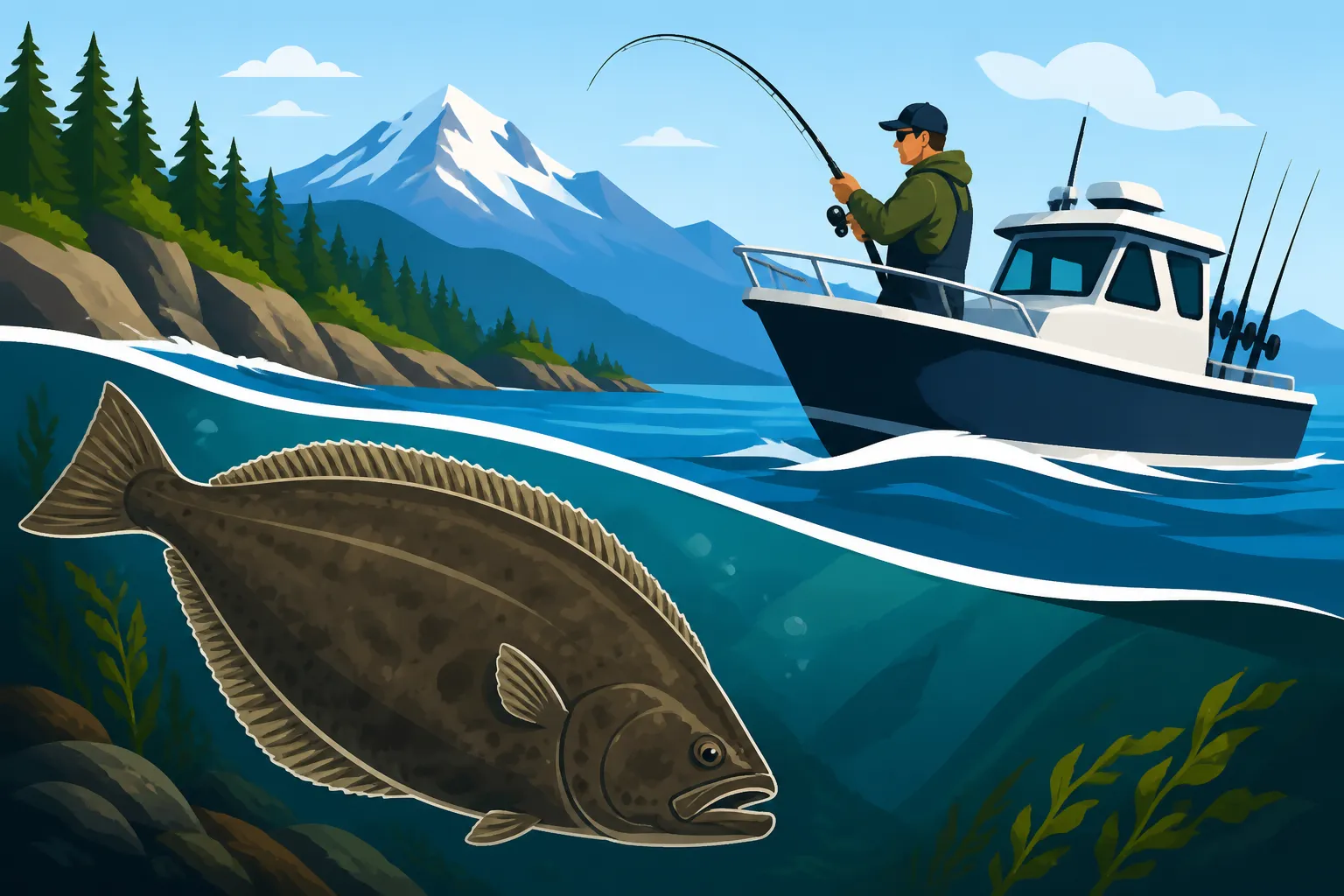
Halibut are demersal fish, meaning they live on or near the seabed. While you might find smaller ones in shallower waters, the real monsters often prefer deeper haunts. Look for depths generally ranging from 60 to 600 feet, though they can be found shallower or deeper depending on the time of year and local conditions. What's even more crucial than just depth is the presence of structure. We're talking about underwater pinnacles, ledges, drop-offs, reefs, and rocky bottoms. These features provide ambush points for halibut, where they can lie in wait for unsuspecting prey. They also offer shelter and attract baitfish, which, in turn, draws in the halibut. A good fish finder is an invaluable tool for mapping out these underwater landscapes.
Tidal Currents and Feeding Lanes
Halibut, despite their large size, are opportunistic predators. They'll often position themselves in areas where currents bring food directly to them, expending minimal energy. Strong tidal currents are often the lifeblood of prime halibut spots. These currents sweep baitfish, squid, and other forage along, concentrating them in specific areas. Look for the edges of channels, the lee side of underwater islands, or any feature that creates an eddy or current break. Halibut will lie on the bottom, facing into the current, waiting for an easy meal to drift by. Fishing during the slack tide, or just before and after the peak current, can often be the most productive time, as the fish are actively feeding but the current isn't too strong to make fishing difficult.
Abundant Baitfish and Food Sources
It goes without saying, but where there's food, there are fish. Halibut have a varied diet, including herring, cod, octopus, crab, and even smaller halibut. Areas with large concentrations of baitfish or other marine life will naturally attract halibut. This often ties into the presence of structure and currents, as these features create ideal conditions for baitfish to thrive. Pay attention to signs of bait on your sonar, or even visual cues like diving seabirds, which can indicate schools of herring or other forage fish. If you can find the food, you're likely to find the predators that are feasting on it.
The West Coast of Vancouver Island: A Halibut Goldmine
When most anglers picture trophy halibut fishing in British Columbia, their minds inevitably drift to the rugged, untamed West Coast of Vancouver Island. This region is legendary for its consistent catches of large halibut, thanks to its deep, nutrient-rich waters and abundant marine life.
Tofino and Ucluelet: The Epicenters
The twin fishing towns of Tofino and Ucluelet, nestled on the west coast of Vancouver Island, are arguably the most famous halibut fishing destinations in BC. These vibrant communities serve as launching pads for countless fishing adventures, offering world-class charters and easy access to some truly phenomenal offshore banks.
Just outside Tofino, you'll find spots like the Big Bank and the Southwest Corner. These vast, offshore plateaus rise from the deep, creating perfect feeding grounds for halibut. The Big Bank, in particular, is a legendary name among anglers, known for producing massive halibut consistently throughout the summer months. It's a significant run out to these grounds, often 20-30 miles offshore, so a sturdy vessel and good weather are essential. The waters here teem with baitfish, and the complex underwater topography provides endless ambush points for halibut. Many anglers choose to book with seasoned local outfitters found on platforms like FishingBooker to navigate these expansive waters effectively. They know the subtle nuances of the tides and currents that make all the difference between a good day and a truly epic one.
Ucluelet, affectionately known as "Ukee," boasts equally impressive fishing, with quick access to similar prolific offshore banks. The areas directly west and southwest of Ucluelet, extending out to the continental shelf, are absolute hotspots. The Ucluelet harbour is often buzzing with charter boats heading out before dawn, eager to hit the prime bite windows. These waters are often where you’ll hear stories of anglers battling halibut well over 100 pounds. The consistent presence of cold, deep water, combined with strong currents pushing nutrient-rich water up from the abyss, creates an ideal environment for halibut to thrive and grow to incredible sizes. If you're looking for Best Halibut Charters out of Ucluelet, you'll find plenty of experienced operators ready to take you out.
Kyuquot and Nootka Sound: Remote Riches
For those seeking a more remote, wilderness fishing experience with less boat traffic, heading further north on the West Coast of Vancouver Island to areas like Kyuquot and Nootka Sound offers incredible rewards. These locations require a bit more effort to reach, but the payoff can be spectacular.
Kyuquot, a small, isolated community accessible primarily by boat or float plane, sits on the edge of truly wild waters. The fishing grounds around Kyuquot are pristine and less pressured than those closer to Tofino and Ucluelet. Here, anglers often find themselves fishing dramatic offshore reefs and seamounts that haven't seen the same level of fishing pressure. The sheer abundance of baitfish, coupled with the deep, cold waters, creates an environment where halibut, often large ones, are readily available. Many anglers opt for lodge-based fishing experiences in Kyuquot, where guides expertly navigate the local grounds, providing an all-inclusive, unforgettable trip.
Nootka Sound, steeped in history and natural beauty, is another fantastic option. While it's more accessible by vehicle than Kyuquot (via logging roads), it still retains a strong sense of wilderness. The mouth of Nootka Sound and the offshore banks beyond offer excellent halibut opportunities. Areas around Bligh Island and further offshore often hold good numbers of fish. The deep canyons and pinnacles just off the continental shelf are prime feeding areas. The beauty of Nootka is its diverse fishery; you can be targeting halibut one day and Best Salmon Fishing Spots in BC the next, often in close proximity. This region offers a rugged, authentic BC fishing experience, away from the bustling crowds, perfect for those who truly want to connect with nature and some serious fish.
Northern BC's Abundant Halibut Grounds
While the West Coast of Vancouver Island gets a lot of the spotlight, Northern British Columbia quietly boasts some of the most productive, untouched, and truly wild halibut fishing in the province. These waters are colder, often deeper, and see significantly less fishing pressure, leading to an environment where halibut thrive and grow to immense proportions.
Prince Rupert and Haida Gwaii: Deep Water Giants
Prince Rupert is often hailed as the "Halibut Capital of the World" by those who fish its waters regularly, and for good reason. The fishing grounds off Prince Rupert, including areas within Dixon Entrance and the Hecate Strait, are legendary for their sheer volume and size of Pacific halibut. This region is home to the current provincial record halibut, a testament to the quality of its fishery.
Hecate Strait, a relatively shallow but immensely productive body of water between the mainland and Haida Gwaii, is particularly famous. Its rich, sandy-gravelly bottom is ideal halibut habitat, and the powerful tidal exchanges flush in abundant food. Anglers often target specific "holes" or depressions along the strait where halibut congregate. The fishing here can be truly extraordinary, with multiple large fish caught in a single day not uncommon. Charters out of Prince Rupert are highly experienced in navigating these expansive waters and knowing the precise spots to target. The runs to these grounds can be shorter than some WCVI trips, but the potential for huge fish is just as high, if not higher.
Further west, off the archipelago of Haida Gwaii (formerly the Queen Charlotte Islands), lies another mecca for halibut. The waters surrounding these mystical islands, particularly the western and southern edges, offer phenomenal deep-water halibut fishing. The remote nature of Haida Gwaii means very low fishing pressure, allowing fish stocks to remain robust. Here, you'll find vast underwater plateaus and dramatic drop-offs into the deep Pacific, perfect for anchoring up and targeting these flatfish. The experience of fishing off Haida Gwaii is also unique, offering a blend of world-class angling with breathtaking scenery and the rich cultural heritage of the Haida Nation. Many fishing lodges here specialize in multi-day, all-inclusive trips, ensuring you get ample time on the water to chase those giants.
Kitimat and Douglas Channel: Accessible Giants
While not as widely known for halibut as Prince Rupert or Haida Gwaii, the waters around Kitimat and the Douglas Channel region offer excellent, often more accessible, opportunities, especially for those venturing from interior BC. This area is more sheltered than the open ocean, making it a good option in less-than-perfect weather.
The Douglas Channel is a long, fjord-like inlet that eventually opens into the larger Hecate Strait. While the channel itself is primarily known for its salmon runs, the outer reaches and the transition zones where the channel meets the more open ocean can be surprisingly productive for halibut. Anglers often find success by venturing towards the mouth of the channel and exploring the deeper banks and structure just outside the main thoroughfare. The halibut here might not be as consistently large as those found further offshore in Hecate Strait, but good eating-sized fish are regularly caught.
What makes Kitimat and the Douglas Channel appealing is their relative accessibility and the opportunity for a diverse fishing trip. You can spend a day targeting halibut in the deeper saltwater, then switch gears to chase Chinook Salmon Fishing in BC or coho salmon closer to shore or within the channel itself. The scenery is spectacular, with towering mountains and pristine wilderness surrounding you. For anglers based in the northern interior, or those looking for a different kind of coastal experience, exploring the halibut potential out of Kitimat can be a very rewarding endeavor.
Southern BC and the Strait of Georgia: Closer to Home Halibut
For many anglers living in or visiting British Columbia's Lower Mainland and Vancouver Island, the thought of an epic halibut trip often conjures images of long drives and costly offshore charters. However, while perhaps not yielding the same consistent trophy-sized fish as the outer coast, Southern BC and the Strait of Georgia still offer surprisingly good halibut opportunities, often closer to home.
Sooke and Victoria: Strait of Juan de Fuca Opportunities
The waters surrounding Sooke and Victoria, located on the southern tip of Vancouver Island, provide excellent access to the rich fishing grounds of the Strait of Juan de Fuca. This strait, separating Vancouver Island from Washington State, is a deep, tidal channel that funnels immense amounts of baitfish and marine life into its waters, creating prime habitat for halibut.
Anglers departing from Sooke often target the deep ledges and banks just offshore, particularly areas like the Race Rocks Ecological Reserve (though fishing is restricted within the reserve, the surrounding waters are highly productive) and the deeper sections west towards Port Renfrew. These areas feature complex underwater topography with significant drop-offs and current breaks, ideal for halibut to lie in wait. While the average size might be a bit smaller than the giants of the West Coast, 30 to 60-pound halibut are commonly caught, with larger fish making appearances, especially during peak season in late spring and summer. The advantage here is shorter run times to the fishing grounds compared to the outer coast, making half-day or full-day trips very feasible.
From Victoria, anglers can access similar grounds, often heading west along the strait. The waters off Sheringham Point and the deeper channels are known hotspots. The challenge in these areas is often the strong currents; fishing with heavy gear and precise boat positioning is critical. Many local guides operating out of Victoria specialize in these waters, understanding the intricate current patterns and bottom structure that hold fish. It’s a fantastic option for those seeking a productive halibut fishery without the need for a multi-day expedition to more remote areas.
Gulf Islands and Sunshine Coast: Challenging but Rewarding
The inner waters of the Strait of Georgia, particularly around the Gulf Islands and along the Sunshine Coast, are not traditionally thought of as prime halibut territory. However, determined anglers who know these waters can still find success, often targeting specific, deeper holes and channels. This is a more nuanced fishery, requiring local knowledge and patience.
Around the Gulf Islands, particularly between the larger islands and in the deeper passes, there are occasional halibut. These fish often feed on the abundant resident baitfish like herring and sandlance. Look for areas with significant depth changes, particularly where currents create scour lines or concentrate bait. Spots like Trincomali Channel or the deeper areas near Pender Island can hold surprises. The key here is persistence and using your electronics to find the subtle features that attract halibut. This is less about wide-open banks and more about specific, localized honey holes.
The Sunshine Coast, stretching north from Gibsons to Powell River, also offers some localized halibut opportunities, especially in the deeper sections of the numerous inlets and channels. Jervis Inlet, for instance, is incredibly deep, and while primarily known for its Salmon Fishing Techniques for BC Rivers, there are deep ledges and rocky areas in its outer reaches where halibut occasionally cruise. The trick is understanding that these are often transient fish, or smaller, resident populations, rather than the vast aggregations found offshore. Fishing here can be very rewarding if you appreciate the challenge and the stunning scenery, perhaps combining a halibut hunt with some crabbing or prawn trapping. This closer-to-home option might require more research and scouting, but the satisfaction of catching a halibut in these less-frequented spots is immense.
Essential Gear and Techniques for BC Halibut
Halibut fishing is not for the faint of heart, or for light tackle! These fish are powerful, and hooking into a "barn door" requires robust gear and specific techniques to bring them to the boat. Being prepared with the right equipment and knowing how to use it is paramount to success.
Rods, Reels, and Line for Brutes
When it comes to halibut, durability and power are the names of the game. You'll want a heavy-duty rod, typically a fast-action conventional boat rod in the 6 to 7-foot range, rated for 50-80 lb test line. Graphite or composite rods with a strong backbone and sensitive tip are ideal. The rod needs to handle heavy weights (often 1-3 pounds of lead or more in strong currents) and have the lifting power to winch a large, stubborn flatfish off the bottom.
For reels, a high-quality conventional star-drag or lever-drag reel is essential. Look for models with a high line capacity (holding at least 400-500 yards of line), a strong drag system (capable of 30+ pounds of drag), and robust gears. Popular choices include reels from Penn, Shimano, and Avet. These reels need to withstand immense pressure and provide smooth, consistent drag performance during long battles.
As for line, braided line is almost universally preferred for halibut fishing due to its minimal stretch and incredible strength-to-diameter ratio. This allows you to feel subtle bites in deep water and ensures a direct, powerful hookset. A good starting point is 80-150 lb test braided line. You'll typically spool your reel entirely with braid, then attach a monofilament or fluorocarbon leader (100-200 lb test, 6-10 feet long) to your terminal tackle. This leader provides abrasion resistance against sharp halibut teeth and the rocky bottom.
Baits, Jigs, and Rigs that Entice
Halibut are primarily sight and scent feeders, so your choice of bait or lure is crucial. Fresh bait is king, and local guides swear by it.
- Fresh Bait: Whole or cut pieces of fresh herring, salmon heads, salmon bellies, octopus, or even cod are highly effective. The key is freshness and a good presentation. Rig your bait on a large, strong circle hook (12/0 to 18/0) to ensure a solid hookset in the halibut's bony mouth. Circle hooks are also excellent for conservation, as they typically hook in the corner of the mouth, reducing gut-hooking.
- Jigs: Heavy metal jigs, often weighing 8-16 ounces or more, are incredibly popular, especially when the halibut are aggressively feeding. Colors like white, glow-in-the-dark, chartreuse, or blue/silver are often effective. Tip your jig with a piece of bait for added scent and appeal. The action of jigging, a lift-and-drop motion, mimics an injured baitfish, provoking strikes. Many anglers will attest that Jigging for Halibut off Vancouver Island is a thrilling way to target these fish.
- Rigs: The most common rig for halibut is a simple dropper rig or a spreader bar rig.
- Dropper Rig: This involves a heavy lead weight (pyramid or cannonball sinker) at the bottom, with one or two snelled hooks (often on short leaders) tied above it, keeping your bait or jig just off the seabed.
- Spreader Bar Rig: This utilizes a metal or plastic spreader bar to keep your mainline and leader separated, reducing tangles. One arm of the spreader holds your weight, and the other holds your baited hook or lure. This rig is particularly effective when drifting.
No matter your choice, ensure all components – hooks, swivels, and leader material – are heavy-duty and rated for the powerful forces a large halibut can exert.
Fishing Techniques for Success
Mastering a few core techniques will significantly improve your halibut catch rate. The two primary methods are anchoring and drifting.
- Anchoring: When you've located a promising piece of structure, like a pinnacle or a ledge, anchoring directly over or slightly up-current from it allows you to precisely present your bait. Once anchored, drop your lines straight down, ensuring your bait is just on or very near the bottom. The goal is to keep your bait stationary or gently bouncing with the current, directly in the halibut's strike zone. This technique is often preferred when fishing deeper, more defined structures. You can also deploy multiple lines from an anchored boat, increasing your chances. Keep an eye on your rod tip for subtle taps or a steady bend, which indicates a halibut has picked up your bait.
- Drifting: This technique involves letting your boat drift over known halibut grounds, allowing your bait or jig to cover a larger area. It's particularly effective over expansive banks or less-defined bottom structure. You'll need to use heavy weights to keep your gear on the bottom as the boat drifts. The speed and direction of your drift will be dictated by the wind and current, so a sea anchor or drift sock can be invaluable for slowing your drift and maintaining control. As your boat drifts, constantly adjust your line to keep your bait on the bottom. Drifting allows you to prospect for fish and is a popular method for halibut off the BC coast across various grounds. Some anglers find drifting to be a more active and exciting way to fish, as you're constantly covering new ground.
Understanding Halibut Fishing Techniques for BC's Coast is a journey, and often, combining these methods or adapting them to specific conditions will lead to the most success. Always pay attention to your gear, stay alert for bites, and be ready for a fight when that big halibut decides to take your offering!
Planning Your BC Halibut Adventure: Charters, Regulations, and Safety
Embarking on a halibut fishing trip in British Columbia isn't something to take lightly. These are often offshore adventures in potentially challenging conditions, requiring careful planning and adherence to regulations. Knowing what to expect and how to prepare can make all the difference for a safe and successful outing.
Choosing a Reputable Charter or Guide
For many, especially those unfamiliar with BC's vast waters or offshore fishing, hiring a reputable fishing charter or guide is the best, and often safest, way to experience halibut fishing. These professionals possess invaluable local knowledge, including current hotspots, prime bite times, and safe navigation.
When selecting a charter, do your homework. Look for:
- Experience: How long have they been fishing these waters? Do they specialize in halibut?
- Reputation: Check online reviews and ask for recommendations from fellow anglers. Platforms like FishingBooker can be a great resource for comparing guides and reading genuine feedback from previous clients.
- Boat and Safety Equipment: Ensure their vessel is well-maintained, equipped with modern electronics (sonar, GPS, radar), and carries all required safety gear, including life rafts, EPIRBs, and extensive first-aid kits. Remember, safety always comes first when heading offshore.
- Licensing and Insurance: Verify that the captain and vessel are properly licensed by Transport Canada and fully insured. This is critical for your safety and peace of mind. You can learn more about What to Expect on a BC Fishing Charter to prepare.
- Inclusions: What's included in the price? Rods, reels, bait, tackle, fish cleaning? Some charters even provide lunch and drinks. Be clear on what you need to bring yourself.
A good guide will not only put you on fish but also teach you valuable techniques, share local lore, and ensure you have an enjoyable and safe experience, regardless of your skill level.
BC Halibut Bag Limit Rules and Other Key Regulations
British Columbia's fishing regulations are designed to conserve fish stocks and ensure sustainable fishing for future generations. It is your responsibility to know and adhere to all current regulations before you head out, and these can change frequently through fishery notices.
Key regulations to be aware of for halibut include:
- Fishing License: You absolutely need a valid BC tidal water fishing license. This can be purchased online through the Department of Fisheries and Oceans (DFO) website or from licensed vendors.
- Halibut Bag Limits: These are highly specific and can vary by area and time of year. For instance, the general recreational halibut limit is often two (2) halibut per person per year, with strict daily and possession limits (e.g., one per day, only one over a certain length, and often an annual limit). You must consult the most current DFO Pacific Region Recreational Fishery Notices. Always check for updates just before your trip! BC Halibut Bag Limit Rules are non-negotiable and strictly enforced.
- Size Limits: There are typically minimum and maximum size limits for retained halibut. Fish outside these slot limits must be released immediately. These regulations are in place to protect juvenile fish and large spawning females.
- Gear Restrictions: There might be rules regarding the number of hooks per line or specific gear types allowed.
- Reporting: In some instances, retained halibut may need to be reported. Keep your logbook updated.
Ignorance of the law is no excuse, and penalties for violations can be severe, including hefty fines and gear confiscation. Always check the DFO website or consult with your charter captain for the most up-to-date information before every fishing trip. It’s important to understand BC Fishing Regulations Explained for all species you might encounter.
Safety First on the Big Water
Offshore fishing for halibut in BC's coastal waters means dealing with the unpredictable nature of the Pacific Ocean. Safety should always be your top priority.
- Weather: Always check the marine weather forecast before heading out, and be prepared to cancel or postpone your trip if conditions are unfavorable. Swells, high winds, and fog can turn a fun day into a dangerous situation quickly.
- Vessel Readiness: If you're using your own boat, ensure it's in excellent mechanical condition, with a full tank of fuel (and reserves), and all essential safety equipment on board. This includes life jackets for everyone, flares, a VHF radio, navigation charts, a compass, and emergency signalling devices. Understanding BC Boating Laws for Anglers is crucial.
- Communication: File a float plan with a trusted person on shore, detailing your route, expected return time, and number of people on board.
- Personal Preparedness: Dress in layers suitable for changing weather. Bring plenty of water, snacks, sunscreen, and any necessary medications. If you're prone to seasickness, take preventative measures beforehand.
Respect the power of the ocean and never take unnecessary risks. A successful fishing trip is, first and foremost, a safe one.
Conservation and Sustainable Halibut Fishing
As anglers, we have a profound responsibility to ensure the health and abundance of the fish stocks we pursue. Halibut, with their long lifespan and slow growth rate, are particularly vulnerable to overfishing. Practicing conservation and sustainable fishing methods is not just about following rules; it's about safeguarding this incredible fishery for future generations.
Why Responsible Halibut Fishing Matters
The Pacific halibut fishery in British Columbia is a shared resource, vital to commercial, recreational, and Indigenous communities. Over the years, there have been periods of concern regarding halibut stock levels, leading to tighter regulations. When we practice responsible fishing, we directly contribute to the long-term health of the halibut population. This means respecting catch limits, adhering to size restrictions, and minimizing harm to released fish.
Every fish we catch, whether kept or released, has an impact. By being mindful of our actions, we help maintain a balanced ecosystem. It's about more than just numbers; it's about preserving the genetic diversity and reproductive capacity of the halibut population. A robust halibut fishery ensures that future anglers, including our children and grandchildren, will have the opportunity to experience the thrill of catching these magnificent fish. It also supports local economies, from fishing lodges and charter operators to tackle shops and restaurants.
Best Practices for Catch and Release
While many anglers target halibut for their delicious meat, there will be times when you need to release a fish, whether it's undersized, oversized, or you've reached your limit. Practicing proper catch and release techniques is critical for maximizing the survival rate of these fish.
Here are some key tips for responsible halibut catch and release:
- Minimize Fight Time: Use appropriate heavy tackle to bring the fish to the boat as quickly as possible, reducing exhaustion.
- Stay in the Water: If possible, try to release halibut without removing them from the water. Larger halibut can suffer internal organ damage from their own weight out of water.
- Use a Knotless Net or Tail Gaffe: If you must bring the fish partially aboard or to the gunwale for unhooking, use a large, knotless, rubber-coated landing net. For very large fish, a tail gaffe (a blunt, large-diameter gaffe that goes into the tail, not the body cavity) can help control the fish at the side of the boat for safe unhooking.
- Unhook Gently: Use de-hooking tools, like long-nosed pliers or specialized de-hookers, to remove hooks quickly and cleanly. Avoid tearing flesh. If the fish is deeply hooked, cut the line as close to the hook as possible. Circle hooks typically result in mouth hooks, which are easier to remove.
- Revive If Necessary: If the fish seems sluggish, hold it upright in the water, facing into the current, until it regains its strength and can swim away on its own.
- Be Aware of Barotrauma: Halibut brought up from very deep water can suffer from barotrauma (expanded swim bladder). While there are tools (like descending devices) to help mitigate this for some species, for large halibut, it's often a significant challenge. This is another reason why it's best to release them without bringing them fully aboard if possible.
By following these practices, we contribute to the health of the halibut fishery and ensure that these amazing fish continue to thrive in British Columbia's incredible waters.
| Halibut Hotspot | Accessibility | Typical Halibut Size (lbs) | Best Time of Year | Key Features |
|---|---|---|---|---|
| Tofino/Ucluelet | Moderate (drive/fly to town, then charter) | 30-100+ | Late Spring – Early Fall | Big Bank, SW Corner, deep offshore banks, strong currents, world-class charters |
| Kyuquot/Nootka Sound | Remote (boat/float plane for Kyuquot) | 40-100+ | Late Spring – Early Fall | Less pressured, offshore reefs/seamounts, lodge-based fishing |
| Prince Rupert/Haida Gwaii | Moderate (drive/fly to town, then charter/lodge) | 50-200+ (trophy potential) | Late Spring – Mid Fall | Hecate Strait, Dixon Entrance, immense deep water, very low pressure |
| Kitimat/Douglas Channel | Good (drive to town, then boat) | 20-60 | Late Spring – Summer | Outer channel areas, diverse fishery, sheltered waters |
| Sooke/Victoria | Excellent (easy drive, short charter) | 20-80 | Late Spring – Early Fall | Strait of Juan de Fuca, deep ledges, strong currents |
| Gulf Islands/Sunshine Coast | Excellent (easy access, private boat) | 15-50 | Late Spring – Summer | Deeper holes/channels, localized populations, scenic |
Disclaimer
The information provided in this guide is for general informational purposes only. Fishing regulations in British Columbia, including bag limits, size restrictions, and season dates, are subject to change by Fisheries and Oceans Canada (DFO). It is the angler's responsibility to consult the most current DFO Pacific Region Recreational Fishery Notices and the BC Freshwater Fishing Regulations Synopsis before engaging in any fishing activity. Always prioritize safety and adhere to all local, provincial, and federal laws.