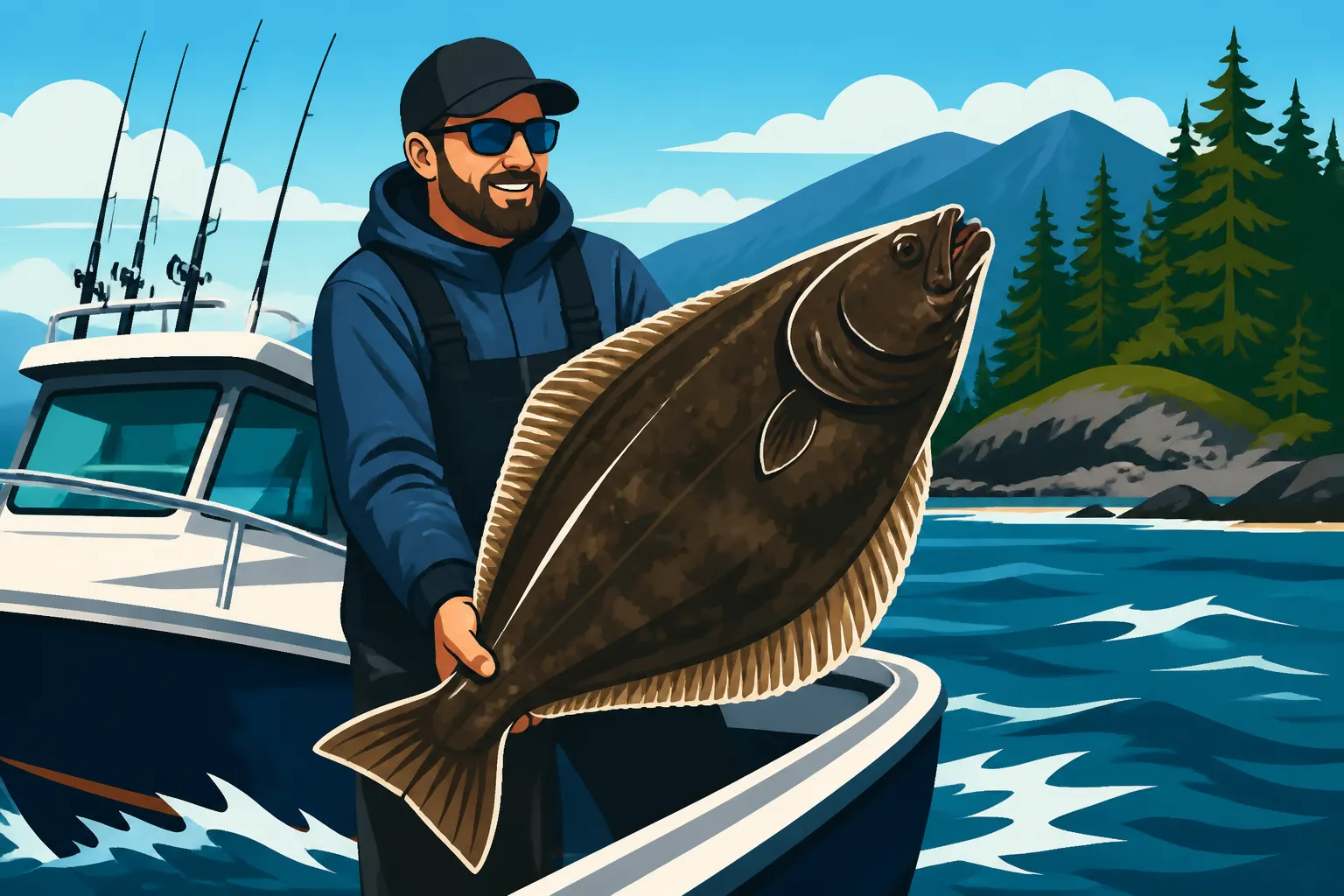
Best halibut charters out of Ucluelet
Planning a halibut fishing trip out of Ucluelet can feel overwhelming when you're trying to sift through countless charter options, wondering which one will truly deliver that incredible experience and put you on the fish of a lifetime. It’s tough to know who to trust with your precious vacation time and hard-earned money. This comprehensive guide is here to cut through the noise, helping you understand what makes Ucluelet a premier halibut destination and how to confidently select the perfect charter for your deep-sea adventure.
Why Ucluelet is a Premier Halibut Destination
Ucluelet, nestled on the rugged west coast of Vancouver Island, isn't just a picturesque little town; it's a legitimate hotspot for some of the best halibut fishing British Columbia has to offer. Many anglers flock to the more widely known Tofino, but Ucluelet holds its own, often providing easier access to prime offshore grounds and a slightly less bustling atmosphere. It’s not by accident that this area consistently produces big, barn-door halibut.
Unique Oceanographic Features Attracting Halibut
The waters off Ucluelet are a veritable smorgasbord for halibut, largely due to unique underwater topography and strong currents. Think of it like this: the continental shelf drops off dramatically not too far from shore, creating deep canyons, expansive banks, and diverse structures that act as perfect ambush points and feeding grounds for these bottom dwellers. The nutrient-rich upwellings pushed by Pacific currents bring a constant supply of baitfish, from herring and sardines to octopus and crab, right to the halibut's doorstep. This abundance of food means halibut here grow large and are often found in good numbers, making for a thrilling fishing experience.
These deep-water structures, like the "Big Bank" and other lesser-known local pinnacles and ledges, provide exactly what a halibut needs: a place to hide, a current to bring food, and plenty of prey to fatten up on. Captains who have spent years navigating these waters understand these intricacies, knowing precisely where the contours drop, where the currents swirl, and where the baitfish are congregating. This local knowledge is absolutely crucial when you’re targeting a fish that spends most of its life hugging the seafloor. It's why booking a reputable charter from Ucluelet can significantly increase your chances of success, especially when you're looking for that trophy fish. You can learn more about these incredible flatfish by checking out our detailed guide on Halibut Habits off the BC Coast.
Seasonal Peaks for Targeting Halibut
While halibut can be caught year-round in BC, there are definitely peak seasons when the action truly heats up off Ucluelet. Typically, the sweet spot for halibut fishing here runs from late spring through to early fall, roughly May through September. During these months, the weather tends to be more cooperative, making the run offshore safer and more comfortable. The halibut are also more active, aggressively feeding as they prepare for spawning or recover from it.
- Spring (May-June): This is often considered prime time. The halibut are moving into shallower offshore banks and feeding heavily after the colder winter months. The weather can still be a bit unpredictable, but the fishing can be phenomenal, often yielding large fish.
- Summer (July-August): Consistently good fishing, often with calmer seas. This is the busiest time for charters, so booking well in advance is essential. The halibut are actively feeding, and you might also encounter salmon and lingcod on the same trip.
- Fall (September-October): As the weather cools, the fishing can remain strong, sometimes even seeing a second surge of activity. There are fewer boats on the water, offering a more serene experience, but watch the forecast closely for impending storms.
Understanding these seasonal patterns will help you plan your trip for the best possible outcomes. For a broader perspective on timing your trip, our guide on the Best Season to Book a Halibut Charter offers even more insights across BC.
Choosing the Right Halibut Charter Out of Ucluelet
So, you've decided Ucluelet is the place, and you're ready to chase some halibut. Great! Now comes the critical step: choosing the right charter. This isn't just about picking the first boat you see; it's about finding a professional operation that prioritizes safety, provides top-notch gear, and has a proven track record of putting clients on fish. You’re investing in an experience, and you want it to be memorable for all the right reasons.
Essential Qualities of a Top Halibut Captain and Crew
A great fishing trip starts with a great captain and crew. This isn't just about their fishing prowess; it's about their professionalism, communication skills, and commitment to your safety and enjoyment.
- Experience and Local Knowledge: Look for captains who have spent years fishing Ucluelet's specific waters. They should understand the local currents, the precise depths where halibut are holding, and the subtle signs of changing weather. An experienced captain will know exactly where to go when the bite is on and have backup spots when conditions are challenging. Don't be shy to ask about their experience during your booking inquiry.
- Safety First Mentality: This is non-negotiable. A reputable charter will have all the necessary safety equipment on board – life rafts, flares, first-aid, VHF radio, and satellite communication devices. The captain should hold all required certifications (e.g., Transport Canada marine certifications, first aid). They should also clearly communicate safety briefings before departure.
- Clear Communication and Professionalism: From your initial inquiry to the end of your trip, expect clear, friendly, and honest communication. A good captain will manage expectations regarding weather, fishing conditions, and potential catch. They should be punctual, organized, and genuinely interested in making your trip enjoyable.
Sites like FishingBooker often provide detailed profiles of captains, including their certifications, years of experience, and client reviews, which can be an invaluable resource in your selection process.
Assessing Charter Boats and Equipment
The boat and the gear provided by the charter are critical components of a successful halibut trip. Halibut fishing can be physically demanding, and having the right tools makes a huge difference.
- Boat Size and Type: For offshore halibut fishing out of Ucluelet, you want a vessel that’s stable, comfortable, and capable of handling the open Pacific. Look for boats typically in the 25-35 foot range, often purpose-built sport fishing boats or comfortable cabin cruisers. These offer enough deck space for multiple anglers, enclosed cabins for shelter from the elements, and robust engines for safe travel to and from the fishing grounds. Ensure the boat is well-maintained and clean.
- Quality Fishing Gear: Halibut are powerful fish, and you'll need heavy-duty gear to bring them up from the deep. Charters should provide robust rods, high-quality reels (often electric reels for deep dropping, especially if targeting larger fish or fishing very deep), strong braided line, and appropriate terminal tackle. Don’t hesitate to ask about the type of gear they use. They should be providing fresh bait (like salmon heads, herring, or octopus) and a variety of jigs and weights. If you're wondering what kind of gear is usually provided, our guide on What Gear a BC Charter Provides offers a good overview.
- Amenities: Depending on the length of your trip, amenities like a marine head (toilet), heated cabin, and comfortable seating can greatly enhance your experience. Some charters even offer snacks and beverages, though it's always wise to bring your own water and extra food. For a comprehensive look at what to pack, consult What to Bring on a BC Fishing Charter.
Here’s a quick comparison of common charter boat features you might encounter:
| Feature | Standard Day Charter Boat | Premium Offshore Charter Boat |
|---|---|---|
| Length | 22-28 feet | 28-38+ feet |
| Stability | Good for moderate seas, might be bouncy in rougher water | Excellent, designed for comfort and safety in open ocean |
| Cabin | Often open or small cuddy, basic shelter | Enclosed, heated cabin with seating, often a marine head (toilet) |
| Engines | Single or twin outboards | Twin outboards or diesel inboard for reliability and speed |
| Electronics | Basic GPS, fish finder, VHF radio | Advanced multi-function displays, radar, autopilot, satellite comms |
| Fishing Gear | Quality conventional rods/reels, some electric options | Heavy-duty conventional and electric reels, specialized halibut tackle |
| Capacity | 2-4 anglers | 4-6 anglers comfortably |
Reading Reviews and Reputation
In today's digital age, reviews are gold. They offer genuine insights from past clients and can help you gauge a charter's reliability and quality.
- Look for Consistent Positive Feedback: Don’t just look at the star rating; read the actual comments. Are people consistently praising the captain's knowledge, the quality of the gear, the cleanliness of the boat, and the overall experience? Pay attention to mentions of safety and fish handling.
- Address Negative Reviews: A few negative reviews aren't necessarily a deal-breaker, but how the charter responds (or doesn't respond) can tell you a lot. A professional charter will address concerns constructively and transparently.
- Platform Diversity: Check reviews on multiple platforms like Google, TripAdvisor, and specialized fishing booking sites like FishingBooker. This gives you a more balanced perspective. If you're looking for an easy way to compare options, FishingBooker allows you to filter by location, target species, and read verified reviews from anglers, making it a great starting point for finding charters out of Ucluelet.
Remember, the goal is not just to catch fish, but to have an enjoyable, safe, and memorable experience. Doing your homework on reviews and reputation is a vital step in achieving that.
What to Expect on a Ucluelet Halibut Fishing Trip
You've booked your charter, the gear is ready, and the excitement is building! Now, let's talk about what a typical halibut fishing day out of Ucluelet looks like, from the early morning departure to reeling in your prize catch.
The Journey to the Halibut Grounds
Your day will usually start bright and early, often before sunrise, as the best bites frequently happen in the morning.
- Meet and Greet: You'll meet your captain and crew at a designated dock, typically at the Ucluelet Small Craft Harbour. There will be a brief introduction, a rundown of the day’s plan, and a crucial safety briefing. This is also the time to ensure you have your British Columbia Fishing License Guide for 2026 in order, including any necessary conservation stamps, as fishing without one can lead to significant penalties.
- The Run Out: Once everyone is on board and settled, the boat will depart. The run out to the offshore halibut grounds can take anywhere from 45 minutes to 2 hours, depending on the captain's chosen spot and the prevailing sea conditions. These offshore journeys can be invigorating, with opportunities to spot whales, sea lions, and seabirds. The ride can sometimes be bumpy, so if you're prone to seasickness, it's wise to take precautions beforehand.
- Setting Up: As you approach the fishing grounds, the crew will begin to prepare the lines. This often involves baiting large circle hooks with generous chunks of salmon, octopus, or herring, securing heavy weights (often 1-2 lbs or more) to get the bait down to the bottom, sometimes 200-800 feet deep! They'll explain the equipment and how to use it, especially if you're using electric reels or new to deep-dropping.
Deep Dropping and Drift Fishing Techniques
Halibut fishing off Ucluelet primarily involves deep-dropping or drift fishing, where the boat slowly moves over structure while your bait is on the bottom.
- The Drop: When the captain gives the signal, you'll deploy your line. It's often a long descent, and you'll need to pay attention to feel for the bottom. The goal is to keep your bait just off or on the bottom, where halibut lurk. The crew will be right there to guide you, helping you manage the heavy weights and keep your line in the strike zone.
- The Bite: Halibut bites can range from subtle taps to aggressive thumps. Sometimes it feels like you've snagged the bottom, only for it to start pulling back! When you feel a bite, you don’t set the hook with a sharp jerk like you might for trout. Instead, with circle hooks, you simply start reeling steadily, letting the hook do its job as the fish takes the bait and turns.
- The Fight: Bringing a halibut up from hundreds of feet is a workout, especially for a large one. The deeper the fish, the longer the fight. This is where quality gear and good technique come into play. Many boats will have a "harpoon" or "gaff" ready once the fish is at the surface, which is a standard and humane way to secure large halibut. For an in-depth look at these methods, check out Halibut Fishing Techniques for BC's Coast and Jigging for Halibut off Vancouver Island.
The captain and crew are there to assist with every step, from baiting your hook to coaching you through the fight, and safely bringing your catch aboard.
Typical Daily Schedule
A full-day halibut charter out of Ucluelet is generally an 8-10 hour excursion, but this can vary.
| Time | Activity |
|---|---|
| 6:00 AM – 7:00 AM | Meet at the dock, load gear, safety briefing. Captain checks licenses. |
| 7:00 AM – 9:00 AM | Run out to the offshore halibut grounds. Enjoy the scenery, keep an eye out for wildlife. |
| 9:00 AM – 3:00 PM | Active fishing time. Deep dropping, jigging, drifting. Lunch and snack breaks. Crew assists with rigging, landing fish, and adhering to BC Halibut Bag Limit Rules. |
| 3:00 PM – 5:00 PM | Start the run back to Ucluelet. Crew begins cleaning up, preparing fish for processing (if applicable). |
| 5:00 PM – 6:00 PM | Arrive back at the dock. Crew fillets and bags fish, or directs you to a local fish processor. Tipping the crew. |
Remember, this is a general guideline. Weather, fishing success, and the specific charter operator can influence the exact schedule. Reputable charter companies like those you can find on FishingBooker will usually provide a clear itinerary.
Making the Most of Your Halibut Catch
So, you've battled a magnificent halibut from the depths, and it's safely on board. Now what? The process doesn't end there! Proper handling and processing are crucial to ensure your prize makes it to your dinner plate in prime condition.
Onboard Handling and Preservation
How your fish is handled immediately after capture can significantly impact its quality.
- Prompt Bleeding and Icing: Once a halibut is brought aboard, the best charters will quickly and humanely dispatch it, then bleed it immediately. This process improves the taste and texture of the meat by removing lactic acid and blood from the muscle tissue. After bleeding, the fish should be placed on ice (or in a slurry of ice water) to cool it down rapidly. This slows bacterial growth and preserves the freshness. Many Ucluelet charters come equipped with large coolers packed with ice specifically for this purpose.
- Protection from the Sun: Even on a cooler day, direct sunlight can quickly degrade fish quality. Ensuring your catch is kept out of the sun and properly iced down for the duration of the trip is paramount. A good crew will oversee this meticulously.
Professional Filleting and Processing Options
Unless you're a seasoned fish processor yourself, it's often best to leave the filleting and packaging of a large halibut to the professionals.
- Charter Crew Filleting: Many Ucluelet halibut charters offer basic filleting services right at the dock as part of their package, or for a small additional fee. The crew are typically very skilled at this, quickly transforming your whole fish into neat, boneless fillets. This is a convenient option if you're only keeping a few portions for immediate consumption or easy transport.
- Local Fish Processors: For larger catches, or if you want your fish vacuum-sealed and flash-frozen for longer-term storage, Ucluelet has excellent local fish processing facilities. Companies like Fishfull Thinking or Long Beach Fish Processing are popular choices. They can handle everything from filleting and skinning to custom portioning, vacuum-sealing, and freezing. This ensures your halibut remains in top condition, whether you're taking it home to cook fresh or saving it for months. Discuss these options with your captain beforehand, as they often have relationships with local processors and can advise on logistics.
- Transporting Your Catch: If you're driving, plan to bring sturdy coolers filled with ice for the journey home. If you're flying, professional processors can often prepare your fish for airline travel, usually by freezing it solid and packaging it in approved, insulated boxes. Remember to check airline regulations regarding fresh or frozen seafood transport.
Halibut is an incredibly versatile and delicious fish, known for its firm, white, flaky meat. Ensuring it's handled properly from the moment it leaves the water to when it hits your plate will make all the difference. If you're wondering about its culinary appeal, our article on Is Halibut Good to Eat? has all the delicious details.
Planning and Booking Your Ucluelet Halibut Adventure
Now that you're armed with all this information, it's time to put your plan into action and secure your Ucluelet halibut charter. A little foresight goes a long way in ensuring a smooth and successful trip.
When and How to Book Your Charter
Booking your charter at the right time is crucial, especially for peak season trips.
- Book Early, Especially for Peak Season: The best halibut charters out of Ucluelet, particularly those with stellar reputations, book up months in advance, especially for prime dates in July and August. Don't wait until the last minute! Aim to book 3-6 months ahead of your desired dates, or even further if you have a specific captain or boat in mind.
- Consider Mid-Week or Shoulder Seasons: If your schedule is flexible, consider booking a mid-week trip or planning for the shoulder seasons (May/June or September/October). You'll often find more availability, potentially better rates, and fewer crowds on the water.
- Online Booking Platforms: Websites like FishingBooker make it incredibly convenient to browse available charters in Ucluelet. You can filter by species, boat size, price range, and read reviews, then book directly online. This streamlines the process and gives you access to a wide array of options, often with clear pricing and availability.
- Direct Contact: While online platforms are great, don't hesitate to reach out to specific charter operators directly once you've narrowed down your choices. A quick phone call can answer lingering questions and give you a feel for their customer service.
Understanding Costs and Inclusions
Fishing charters, especially for halibut, can be a significant investment, so it's important to understand what's included in the price. Our comprehensive BC Fishing Charter Cost Guide delves into general pricing, but here are some specifics for Ucluelet halibut trips:
- Typical Costs: A full-day halibut charter out of Ucluelet typically ranges from $1,200 to $2,000+ CAD, depending on the boat size, amenities, duration, and the number of anglers (most prices are for the boat, not per person, up to a certain capacity). Half-day trips are sometimes available but are less common for dedicated halibut fishing due to the travel time to offshore grounds.
- What's Usually Included: Most reputable charters include the boat, experienced captain and crew, all necessary fishing gear (rods, reels, tackle), bait, and fuel. Some might also provide basic snacks and non-alcoholic beverages.
- What's Usually Not Included: Your fishing license, required conservation stamps (like the Tidal Waters Salmon Conservation Stamp), meals beyond basic snacks, alcoholic beverages, fish processing beyond basic filleting, and, importantly, tips for the crew are generally not included. Make sure to factor these additional costs into your budget. Our guide on Tipping Etiquette for BC Fishing Charters provides helpful advice on appropriate gratuities.
Always confirm with your chosen charter exactly what is and isn't included in the price to avoid any surprises on the day of your trip. Don't be afraid to ask for clarity; a good charter operator will be transparent about their pricing structure.
What to Pack for Your Ucluelet Halibut Charter
Preparation is key for a comfortable and enjoyable day on the water. The weather on the West Coast of Vancouver Island can change rapidly, so layering is essential.
- Appropriate Clothing: Dress in layers! Even on a sunny day, it can be cool on the open water, especially during the run out. Bring waterproof and windproof outerwear (jacket and pants), warm base layers, a hat, and gloves. Sunglasses are a must.
- Food and Drink: Bring plenty of water and any snacks or lunch you'll want throughout the day. While some charters provide drinks, it's always best to be self-sufficient.
- Sun Protection: Sunscreen, a wide-brimmed hat, and polarized sunglasses are critical, as the sun's glare off the water can be intense, even on cloudy days.
- Camera: You’ll want to capture the memories! Make sure it’s protected from water.
- Coolers and Ice: If you plan on taking your fish home immediately after filleting, bring coolers with ice to transfer your catch from the boat.
- Seasickness Medication: If you are prone to motion sickness, take preventative medication before you depart. The open Pacific can be unpredictable.
- Fishing License: Ensure you have your valid BC fishing license and any required stamps (e.g., Tidal Waters Salmon Conservation Stamp) printed or digitally accessible on your phone.
By planning ahead, understanding what to expect, and choosing a reputable charter, your Ucluelet halibut fishing adventure will be an unforgettable experience filled with the thrill of the catch and the breathtaking beauty of British Columbia's wild coast.
Disclaimer
Please note that fishing regulations, license requirements, and pricing can change. Always consult the most current regulations issued by Fisheries and Oceans Canada (DFO) and the BC government before planning your trip. The information provided here is for general guidance only and should not replace official sources.