Best Charters for Catching All Five Salmon Species
One of the ultimate dreams for any angler visiting British Columbia is the legendary "Salmon Slam" – catching all five species of Pacific salmon in a single trip. It’s a challenging feat, given their diverse habitats, migration patterns, and unique feeding habits, leaving many wondering if it's even possible and which charter can truly deliver this incredible experience. This guide will dive deep into the world of BC's Pacific salmon and help you understand how to find the best charters capable of turning that elusive five-species dream into a thrilling reality.
Understanding British Columbia's Five Pacific Salmon Species
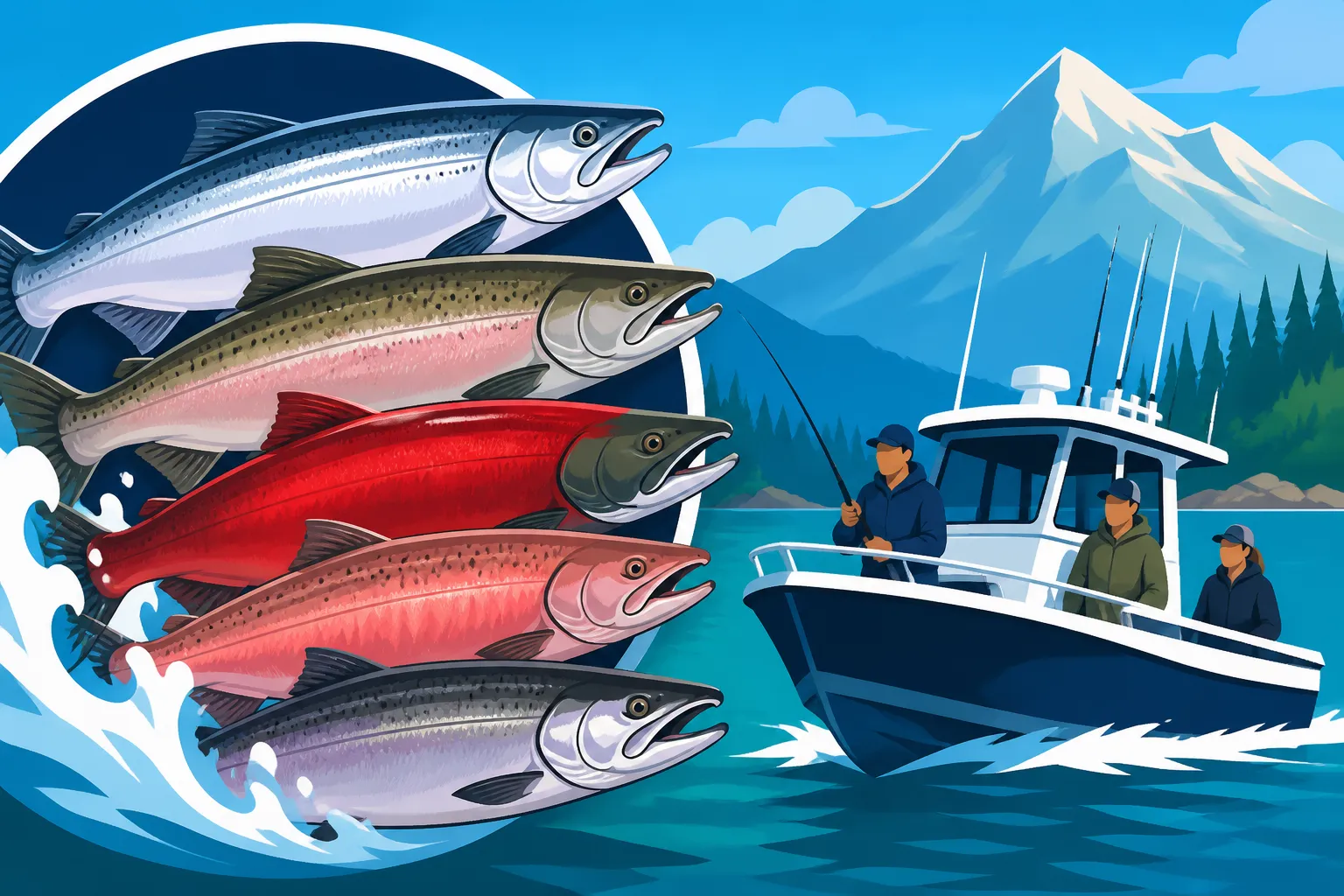
Before you even think about booking a charter, it's really helpful to get to know the stars of the show: the five distinct species of Pacific salmon that grace British Columbia's waters. Each one brings its own unique challenge and thrill to the angler, and understanding their characteristics is the first step in planning your multi-species adventure.
Chinook Salmon The King
Oh, the Chinook! When people talk about trophy salmon, they're almost always talking about the Chinook, often affectionately called the "King" salmon. These magnificent fish are the largest of the Pacific salmon, known for their sheer power and incredible size. Picture a deep-bodied fish with a dark back, often displaying faint spots, fading to silver on its sides and belly. Their flesh is typically a rich, buttery red, making them highly prized not just for sport but for the dinner table too.
Charters typically target Chinook salmon through a variety of methods, predominantly trolling in deep coastal waters or mooching near baitfish schools. You’ll often find them lurking around structure, anticipating their journey back to natal rivers. The prime time for intercepting these giants varies by region but generally spans from late spring through late summer, with some areas experiencing earlier or later runs. Think of places like the open ocean off Vancouver Island or the deep channels of the Inside Passage, where they stage before making their final push upstream. Hooking into a 30-pound, or even 50-pound, Chinook is an unforgettable battle that will test your tackle and your stamina.
Coho Salmon The Silver Bullet
If the Chinook is the king, then the Coho salmon is the agile acrobat, often referred to as the "Silver Bullet" due to their shimmering scales and explosive, aerial fights. These fish are absolute thrillers on light tackle, renowned for their aggressive strikes and spectacular jumps once hooked. They're generally smaller than Chinook, typically ranging from 5 to 15 pounds, but they make up for it with sheer enthusiasm. Coho have a bright silver body with a darker back, often distinguished by small, scattered spots on their upper tail lobe.
Charters pursuing Coho will often focus on shallower waters, kelp beds, or estuaries where baitfish congregate. They are incredibly opportunistic feeders, readily striking a variety of lures, flies, and bait. The peak season for Coho fishing in BC typically runs from late summer through early fall, aligning with their nearshore migration before returning to rivers. Areas along the coast, particularly near river mouths and sheltered bays, can be absolutely stacked with these feisty fish. A good guide knows how to spot the feeding frenzies of Coho as they chase schools of herring or anchovies, offering fast-paced and exciting action.
Sockeye Salmon The Red Baron
The Sockeye salmon is perhaps the most iconic of all, famous for its vibrant red body and olive-green head when spawning, earning it the nickname "Red Baron." In the ocean, they are brilliant silver with a blue-green back, sleek and streamlined. While they are a tremendously important commercial species, they can be notoriously challenging for sport anglers to catch in tidal waters due to their unique feeding habits – they primarily feed on zooplankton. This makes them less prone to striking traditional lures or bait, leading to many Sockeye being caught by accident or through very specific, often regulated, techniques as they approach rivers.
However, a skilled charter guide in BC knows the windows of opportunity and the specific areas where Sockeye might be intercepted. The Fraser River system, for instance, sees colossal Sockeye runs, often with specific opening dates and strict regulations, sometimes catch-and-release only. During these limited windows, charters might position themselves to target these fish. It’s not uncommon for anglers to "snag" Sockeye (which is illegal in many areas and frowned upon) or to tempt them with small, flashy dodgers and short leaders, hoping for a territorial strike rather than a feeding one. Their flesh is a deep, rich red, and their flavour is highly prized. Finding a Sockeye can be one of the trickiest parts of a five-species quest, but definitely not impossible with the right guide and conditions. You'll need to stay on top of the BC Fraser River Sockeye Closure Windows and other regulations.
Pink Salmon The Humpy
Pink salmon, often called "Humpies" due to the distinctive hump that develops on the back of the males during their spawning migration, are the most abundant of the Pacific salmon species in BC. They have a two-year life cycle, meaning they generally return to spawn on odd-numbered years (e.g., 2023, 2025). When in the ocean, they are bright silver with a greenish-blue back, characterized by large, oval-shaped spots on their back and tail. They typically weigh between 3 and 5 pounds, making them a fun, high-volume fish for anglers, especially beginners or children.
Charters often include Pink salmon in multi-species trips during their prolific runs, particularly in odd years. They are eager biters and will readily strike small, flashy lures, spoons, and flies. Rivers like the Fraser and its tributaries, as well as many coastal streams, can be absolutely teeming with Pinks during their run, creating fantastic opportunities for fast-paced action. While not the largest or most challenging, catching a Pink salmon is a vital step in completing the "Salmon Slam" and provides plenty of excitement and often, delicious table fare when caught fresh from tidal waters.
Chum Salmon The Dog Salmon
Last but certainly not least, we have the Chum salmon, sometimes referred to as "Dog salmon" due to their prominent, dog-like teeth developed by males during spawning. In the ocean, they are deep silver with a metallic blue-green back, often lacking distinct spots. However, as they approach spawning, their appearance transforms dramatically with striking green and purple vertical bars or "tiger stripes" on their sides. Chum are formidable fighters, known for their powerful runs and stubborn resistance. They are typically larger than Coho and Pinks, often weighing between 8 and 20 pounds, and their powerful physique makes for an impressive battle.
While their flesh is lighter in colour and often smoked or canned, fresh ocean-caught Chum can be excellent table fare. Charters targeting Chum will often focus on river mouths, estuaries, and shallower coastal areas where these strong fish stage before moving upstream. They respond well to jigs, large flies, and sometimes roe or other baits. Their runs tend to peak in late summer and fall, often overlapping with Coho and some Chinook, making them a key component of a multi-species salmon trip. Don't underestimate the Chum; they provide some of the toughest fights you'll find among BC's salmon.
Prime Regions for Multi-Species Salmon Charters in BC
British Columbia is a vast province with an incredible diversity of salmon habitats, from the rugged outer coast to the sheltered inland passages and mighty river systems. To achieve the coveted "Salmon Slam," choosing the right region and, consequently, the right charter is paramount. Certain areas offer unique advantages for encountering all five species due to their geographical features and migration corridors.
Vancouver Island Central West Coast Tofino/Ucluelet
The central west coast of Vancouver Island, particularly the areas around Tofino and Ucluelet, is world-renowned for its phenomenal salmon fishing and offers some of the best opportunities for a multi-species pursuit. Here, the deep, nutrient-rich waters of the open Pacific meet the intricate coastline, creating an ideal environment for foraging salmon before they begin their spawning migrations. Chinook and Coho are the stars of the show here, growing to impressive sizes on the abundant baitfish. Charters operating out of these vibrant coastal towns specialize in offshore trolling, often heading out to the "banks" where vast schools of bait draw in feeding salmon.
What makes this area so great for multiple species is its proximity to both major salmon highways and smaller coastal streams. While Chinook and Coho are the most reliable targets, you'll also find good numbers of Pink salmon during their biennial returns, especially in odd-numbered years, often mixed in with the other species closer to shore or in the inlets. Chum salmon also move through these waters in late summer and fall, preparing for their river journeys. Sockeye, though less commonly targeted with sport gear, can occasionally be encountered, particularly as they stage near large river systems or transit specific migration lanes. The charters here are typically well-equipped, fast offshore vessels, ready to cover ground and chase the bite wherever it leads, offering an exhilarating open-ocean experience.
Northern BC Coast Prince Rupert/Haida Gwaii
For those seeking a truly wild and remote fishing adventure with incredible salmon potential, the Northern BC Coast, including Prince Rupert and the mystical Haida Gwaii archipelago, is a premier destination. These pristine waters are less pressured and are famed for producing some of the largest Chinook and Coho salmon in the province. The sheer remoteness and the abundance of untouched spawning grounds mean robust returns of all five species.
Charters in this region often cater to multi-day, all-inclusive lodge experiences, allowing anglers to thoroughly explore the diverse fishing grounds. While the focus is often on the powerful Chinook and acrobatic Coho, you'll find strong runs of Pink, Chum, and Sockeye salmon as well. The timing of runs here can be slightly different from the south, but the overlap periods can be phenomenal. Imagine trolling in front of ancient rainforests or jigging in deep, clear channels, knowing that any of the five species could be on the other end of your line. This area offers a genuine wilderness experience combined with world-class salmon fishing. Many of the charters here are larger, more robust vessels capable of navigating open water and providing comfort for extended trips.
Inside Passage & Discovery Islands Campbell River/Port McNeill
Often dubbed the "Salmon Capital of the World," Campbell River, nestled in the heart of the Inside Passage and surrounded by the Discovery Islands, is an absolutely iconic spot for BC salmon fishing. This region offers a unique blend of sheltered waters and strong migratory routes, making it incredibly accessible and productive. It’s an ideal base for charters aiming for a multi-species slam due to its strategic location. You can learn more about this incredible fishing ground in our Campbell River Fishing Guide.
The waters here are a highway for all five species of Pacific salmon as they make their way to the numerous river systems on Vancouver Island and the mainland. Chinook are a perennial favourite, with large numbers passing through or staging in the area. Coho provide fantastic action in the summer and fall, often found near kelp beds and rocky points. Pink salmon runs are immense in odd years, providing incredible opportunities for high-volume fishing. Both Chum and Sockeye also migrate through these passages, offering windows of opportunity. Charters operating out of Campbell River or nearby Port McNeill are incredibly knowledgeable about local currents, tides, and baitfish patterns, allowing them to pinpoint where different salmon species are holding. The sheltered nature of these waters often means more consistent fishing days, less impacted by rough weather, making it a great choice for those who prefer calmer seas. You'll find many excellent options by looking at Best Charters Out of Campbell River.
Lower Mainland Rivers and Estuaries Fraser River Mouth
While many think of ocean fishing for salmon, the Lower Mainland's mighty Fraser River system and its expansive estuary offer a distinctly different, yet equally exciting, opportunity to target multiple salmon species. This region provides a unique transitional zone where fish move from saltwater into freshwater, offering a chance to intercept them with different techniques. The Fraser River Fishing Guide has more details on this incredible waterway.
The Fraser River is particularly famous for its incredible Sockeye and Pink salmon runs in season. During peak migration, these fish can be present in staggering numbers. Charters operating from areas like Steveston or Pitt Meadows will focus on the river mouth and lower sections of the Fraser, using bar fishing or trolling techniques that are effective in these dynamic environments. While pure ocean Chinook and Coho might be less abundant here compared to the open coast, "white" Chinook (spring salmon) and Coho do enter the river system, offering opportunities. Chum salmon are also a major player in the Fraser and its tributaries, providing powerful fights in the fall. The fishing here is less about open ocean trolling and more about understanding river currents, tide lines, and the specific migratory behaviour of salmon making their final push upstream. It's a fantastic spot to round out your "Salmon Slam" with species that might be harder to target offshore.
Strategies for Charter Operators to Target Five Species
Achieving the "Salmon Slam" isn't just about being in the right place; it's heavily dependent on the charter operator's expertise, flexibility, and strategic planning. A great guide isn't just a captain; they're a meteorologist, a biologist, a tackle expert, and a strategist all rolled into one.
Timing is Everything The Seasonal Overlap
The absolute key to targeting all five species of Pacific salmon in British Columbia is pinpointing the specific seasonal windows when their migrations overlap. While salmon are present in BC waters throughout much of the year, there's usually a sweet spot, typically in the late summer and early fall, where you have the best chance of encountering all five species actively feeding or staging before their spawning runs.
For example, Chinook salmon might be finishing their main offshore feeding period and beginning to stage closer to river mouths. Coho will be arriving in strong numbers, often actively chasing bait near the surface. Pink salmon, in their odd-year cycles, will be flooding into coastal areas and rivers. Simultaneously, Chum salmon will be making their appearance, often overlapping with the later Coho and Pink runs. And if Sockeye runs are open and strong, a skilled guide can factor them into the mix, potentially targeting them in specific estuarial zones.
A charter that specializes in multi-species trips will meticulously track fishery notices, run forecasts, and historical data to identify these crucial overlap periods. Booking your trip during this prime window significantly increases your chances, but it's important to remember that nature is unpredictable. Even within the same week, conditions can change. Our guides on BC Fishing Seasons by Month and Best Time of Year to Fish in BC can offer more insights into these seasonal opportunities.
Let's look at a general seasonal overview of when each species is most likely to be available in BC's coastal waters for sport fishing:
| Species | Peak Season (Coastal/Estuary) | Key Fishing Activity | Best for "Slam" Potential |
|---|---|---|---|
| Chinook | Late Spring to Early Fall | Trolling deep, Mooching for feeders | Consistent through summer |
| Coho | Mid-Summer to Late Fall | Trolling shallow, Casting, Mooching | Strong Mid-Summer/Fall |
| Sockeye | Specific Summer Windows (Fraser Run) | Specialized trolling/jigging near river mouths | Challenging, specific dates |
| Pink | Mid-Summer to Early Fall (Odd Years) | Trolling, Casting, Light Tackle Action | Excellent in odd years |
| Chum | Late Summer to Late Fall | Trolling, Jigging, Casting near river mouths | Strong Late Summer/Fall |
Note: This table represents general trends. Local conditions, specific runs, and regulations can vary significantly.
Versatile Techniques and Gear
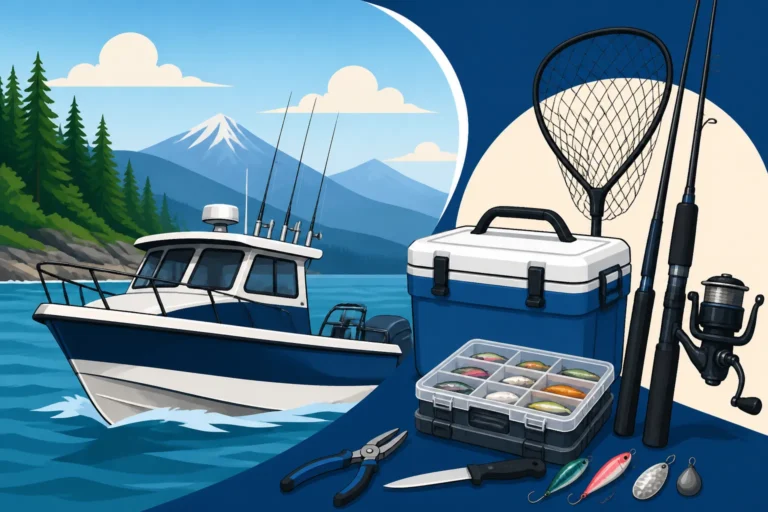
Another hallmark of a charter truly capable of chasing all five salmon species is its versatility in techniques and the quality of its gear. You can't catch a deep-water Chinook with the same setup you'd use for a surface-feeding Coho, or a finicky Sockeye for that matter! A multi-species guide will have a boat fully stocked with a diverse array of tackle, ready to switch strategies at a moment's notice.
This means having a selection of heavy-duty rods and reels for deep-water trolling with downriggers for Chinook, along with lighter, faster-action rods for casting or mooching for Coho that are slashing bait on the surface. They'll carry a wide variety of lures – spoons, hootchies, plugs, and soft plastics in various colours and sizes – because what one species hits, another might ignore. Fresh bait, typically herring or anchovies, will also be on board, rigged in different ways for different species or conditions.
For Sockeye or Chum in riverine or estuarial environments, different approaches like specific jigging patterns, bar fishing rigs, or even fly fishing setups might be required. The guide's ability to quickly assess the conditions – water depth, current, bait presence, and fish behaviour – and then deploy the most effective technique for the target species is what sets these charters apart. They understand that to complete the "Salmon Slam," they need to be adaptable and ready to change tactics on the fly. More detailed information on this can be found in Salmon Fishing Techniques for BC Rivers.
Local Knowledge and Flexibility
Beyond gear and timing, the most crucial asset a charter operator brings to a five-species quest is their deep local knowledge and an unparalleled degree of flexibility. British Columbia's waters are complex, with ever-changing tides, currents, and dynamic fish movements. A guide who truly excels at multi-species trips isn't just following a pre-set plan; they're constantly reading the water, monitoring radio chatter, and adjusting their approach based on real-time conditions.
This local expertise includes knowing where the baitfish schools are concentrated on a given day, understanding the subtle current lines where salmon funnel, and having a mental map of productive depths and structures for different species. They also stay incredibly informed about BC Fishing Regulations Explained and any in-season fishery notices, which can change rapidly and affect which species can be retained or targeted.
Flexibility is about being willing to move. If the Chinook bite slows in one area, a good guide might suggest moving to a different spot where Coho are active. If Pink salmon are schooling in an estuary, they'll know the best approach. This might involve cruising for an hour to a different fishing ground or switching from trolling to anchoring to target bottom-oriented species if the conditions call for it. You want a guide who is thinking on their feet and making strategic decisions throughout the day to maximize your chances of encountering each species.
Choosing the Right Charter for Your Salmon Slam
Finding the perfect charter for your "Salmon Slam" adventure in British Columbia requires a bit of research and clear communication. You're not just looking for a general fishing trip; you're seeking a specialist capable of orchestrating a complex, multi-species pursuit.
Experience and Reputation
When aiming for a "Salmon Slam," experience is paramount. You need a guide who isn't just familiar with salmon fishing but has a proven track record of successfully targeting and, ideally, catching multiple species on single trips. Look for charters that explicitly mention multi-species capabilities or have testimonials from anglers who have achieved similar goals. Online platforms, like FishingBooker, can be a great resource for finding reputable operators and reading real reviews from past clients. Pay close attention to reviews that mention guide knowledge, adaptability, and success with diverse salmon species.
A seasoned guide understands the nuances of each species' behaviour, preferred habitats, and the subtle shifts in conditions that can turn an average day into an exceptional one. They'll know the hot spots for Chinook, where Coho are likely to jump, and the specific tides that might bring in Chum or Pink. Don't be shy about asking potential charters about their experience in targeting all five species, their strategies, and what their success rate typically looks like for such a challenging endeavour.
Boat and Equipment Suitability
The right boat and top-tier equipment are non-negotiable for a successful multi-species salmon trip. Your charter vessel should be well-maintained, comfortable, and appropriately sized for the waters you'll be fishing – whether that's offshore swells or calmer, inshore passages. It should have all the necessary safety equipment and a good suite of electronics, including a reliable fish finder and GPS, to locate fish and navigate efficiently. For a deeper dive into what to expect regarding gear, check out What Gear a BC Charter Provides.
Crucially, the charter needs to be equipped with a diverse range of high-quality fishing gear capable of handling everything from a hard-charging Chinook to a nimble Coho. This means a selection of rods and reels suitable for different techniques (trolling, mooching, jigging) and line weights appropriate for each species. Expect to see multiple downriggers, a variety of proven lures, and fresh bait on board. A guide committed to a "Salmon Slam" will have everything dialled in, ensuring that you're prepared for whatever bite presents itself. Our guide on What to Expect on a BC Fishing Charter also covers these aspects.
Communication and Customization
This is where you, the angler, play a critical role. When contacting potential charters, be very clear about your objective: you want to attempt the "Salmon Slam" – catching all five species of Pacific salmon. This level of communication upfront is essential because not all charters are set up for this specific goal. Some may specialize in one or two species, while others are geared towards it.
Discuss your expectations, the duration of your trip (a full-day or multi-day trip is often recommended for such an ambitious goal), and any specific species you're most keen on. A good charter will be transparent about the feasibility, the challenges, and the best times to attempt such a feat. They should be willing to customize the trip plan as much as possible to maximize your chances, which might involve moving between different fishing grounds or adjusting techniques throughout the day. Listen to their advice, as their experience on the water is invaluable.
Cost and Inclusions
As you might imagine, a charter trip focused on targeting all five salmon species can sometimes be a more involved, and thus potentially more expensive, undertaking than a standard salmon trip. This is due to the extended time, specialized gear, and the guide's enhanced expertise required to pull it off. Before booking, ensure you have a clear understanding of the BC Fishing Charter Cost Guide and what is included in the price.
Typical inclusions often cover the boat, guide services, fuel, tackle, and bait. However, double-check if your BC fishing license (and any necessary stamps like the BC Salmon Conservation Stamp Rules) are included, or if you need to purchase them separately. Clarify if fish cleaning and bagging services are part of the package. Some charters might offer multi-day packages that increase your chances for the "slam" and can sometimes provide better value. Don't hesitate to ask for a detailed breakdown of costs to avoid any surprises. Remember, you're investing in an unforgettable experience and the expertise to pursue a very challenging and rewarding fishing goal.
Challenges and Considerations for a Five-Species Trip
While the dream of a "Salmon Slam" is exhilarating, it’s crucial to approach it with a realistic understanding of the challenges involved. British Columbia's fisheries are complex, and success isn't always guaranteed, no matter how skilled your guide or how perfectly timed your trip.
Regulatory Hurdles
One of the most significant challenges in pursuing all five salmon species simultaneously lies in navigating British Columbia's intricate and dynamic fishing regulations. Each species often has its own specific set of rules regarding bag limits, possession limits, minimum sizes, daily quotas, and even retention rules (catch-and-release vs. keeping fish). These regulations can vary not only by species but also by management area, time of year, and even specific body of water.
For example, Sockeye salmon often have very specific, short opening windows for retention, and sometimes they are entirely catch-and-release due to conservation concerns. Chinook salmon might have different size restrictions depending on the sub-area, and certain gear restrictions might apply in specific zones. Pink and Chum salmon, being more abundant, generally have more liberal limits, but these can still change. A comprehensive guide to the rules is available in our BC Bag and Possession Limits by Species article.
A professional charter guide is your invaluable ally here. They are legally required to know and abide by all current regulations, often checking daily fishery notices for any in-season changes. Their job is to ensure you are fishing legally and sustainably. It means that even if you hook all five species, you may not be able to retain them all, and some might need to be immediately released. This is part of responsible angling in BC, and your guide will be the expert at ensuring compliance.
Weather and Water Conditions
Another factor that can dramatically impact a multi-species salmon trip is the unpredictable nature of weather and water conditions. British Columbia's coast can experience sudden changes, from calm, sunny days to choppy seas, fog, or heavy rain. Offshore fishing for Chinook and Coho can be heavily influenced by sea state, with rough conditions potentially limiting access to prime fishing grounds or making it uncomfortable and unsafe to fish.
Similarly, freshwater conditions for species like Sockeye, Pink, and Chum in river systems are highly dependent on factors like rainfall, snowmelt, and river levels. High, turbid water can make fishing incredibly challenging, as fish might be harder to locate or less inclined to bite. Conversely, extremely low, clear water can also make fish skittish.
A reputable charter will prioritize your safety and comfort, and they won't hesitate to adjust plans, or even reschedule, if conditions are unsafe or unproductive. This flexibility is crucial. While you might have a specific date in mind, being open to slight adjustments can make a world of difference in your success and enjoyment. It’s important to manage your expectations around the weather; it's a wild card you can't control, but your guide can help you navigate its effects.
The "Slam" Isn't Guaranteed
Finally, and perhaps most importantly, it's essential to remember that fishing is fishing – and a "Salmon Slam" is a truly ambitious goal. Despite the best guides, the perfect timing, and top-notch gear, there's never a 100% guarantee that you will catch all five species on any given trip. Salmon are wild animals, and their behaviour can be unpredictable. There are countless variables at play, from minute changes in water temperature and baitfish movements to pressure from other anglers and the inherent challenge of targeting multiple species with different habits.
Embrace the pursuit, the adventure, and the challenge. Even if you don't land all five, the experience of trying, the thrill of battling a mighty Chinook, the acrobatic jumps of a Coho, and the sheer volume of Pink or Chum will be unforgettable. Focus on enjoying the spectacular scenery, learning from your experienced guide, and appreciating the incredible marine environment of British Columbia. Any day spent on the water, especially in pursuit of such a grand fishing feat, is a good day.
Disclaimer
This article is for general informational purposes only and does not constitute professional advice. Laws, prices and regulations vary by location and change over time. Consult a qualified professional for guidance on your specific situation.