Best guided trips for trophy sturgeon
The dream of landing a colossal white sturgeon on British Columbia's Fraser River is a powerful one, but the sheer scale of these magnificent fish and the vastness of their habitat can make it feel like an impossible quest for many anglers. Without the right knowledge, specialized gear, and local expertise, chasing these prehistoric giants can be frustrating, fruitless, and even unsafe. This comprehensive guide is designed to cut through that complexity, walking you through why a guided trip is your best bet for a shot at a trophy sturgeon and how to choose the perfect guide to make your once-in-a-lifetime angling dream a reality.
Why a Guided Trip is Essential for Trophy Sturgeon Fishing
Let's be real: trying to tackle a trophy sturgeon on your own on the Fraser River is like trying to navigate a dense jungle without a compass. It's not just about having a rod and reel; it's about understanding an intricate ecosystem, knowing the fish's habits, and having the right tools for the job. This isn't your average lake fishing trip, and a guided experience truly levels the playing field, making that dream catch achievable.
The Expertise of a Local Sturgeon Guide
Imagine spending years, decades even, on the same river, learning its every ripple, its every secret eddy, and every seasonal shift. That's the invaluable resource you tap into with a local sturgeon guide. They don't just know where the sturgeon are; they understand why they're there at a particular time of year, what they're likely feeding on, and how subtle changes in water levels or currents will affect their behaviour. The Fraser River is dynamic, constantly changing with runoff, tides, and weather, and a seasoned guide has an almost innate sense of where those trophy fish are holding. They've seen it all, from the roaring high waters of spring to the lower, clearer flows of fall, and they know exactly how to adapt. This deep, localized knowledge is truly the cornerstone of a successful trophy sturgeon hunt.
Beyond just finding the fish, a great guide also knows how to interpret the river. They can read the subtle cues of current lines, depth changes, and underwater structure that a casual angler would completely miss. They'll take you to those "honey holes" – the specific, often hidden, spots where massive sturgeon are known to feed and rest. These aren't places you'll find easily on a map; they're accumulated wisdom passed down or hard-won through countless hours on the water. Their understanding of the Fraser's nuances significantly increases your chances of connecting with a truly massive fish. You're not just fishing; you're leveraging years of dedicated experience.
Specialized Gear and Techniques
Let's talk gear. Catching a sturgeon that can measure 8, 10, or even 12 feet long requires heavy-duty equipment that most recreational anglers simply don't own. We're talking about robust boat rods, high-capacity reels spooled with incredibly strong braided line, and heavy-duty terminal tackle designed to withstand the immense power of these fish. A guide provides all of this specialized equipment, ensuring you have the right tools to not only hook a trophy sturgeon but also to safely bring it to the boat for measurement and release. Trying to rig up for this on your own would be a significant investment and likely involve a lot of trial and error to figure out what actually works.
Furthermore, the techniques for successfully hooking and landing a trophy sturgeon are quite specific. It often involves anchoring in precise spots, presenting large baits on the bottom, and patiently waiting for that tell-tale tap that signals a sturgeon has picked up the offering. Once hooked, the fight is an epic battle of wills, requiring careful rod handling, strategic pumping, and often moving the boat to follow the fish. Guides are masters of these techniques, not just in theory, but in practice. They'll teach you the proper way to fight these powerful creatures, how to handle the heavy gear, and how to maximize your chances of success without breaking off. They'll even show you how to set the hook properly, which, believe me, is an art form when dealing with a sturgeon's bony mouth.
Safety and Regulations on the Fraser River
The Fraser River is a mighty waterway, and while incredibly beautiful, it demands respect. Navigating it, especially the Lower Fraser with its powerful currents, fluctuating water levels, and occasional debris, requires significant boating experience and a properly equipped vessel. A professional guide operates a safe, reliable jet boat, often custom-built for sturgeon fishing, and possesses all the necessary certifications and navigational skills to ensure your trip is both fun and secure. They know the river's hazards – sandbars, submerged logs, and strong currents – like the back of their hand, allowing you to focus purely on the fishing. Safety is paramount, especially when dealing with such large fish.
Beyond navigation, adherence to regulations is critical for white sturgeon, a species that has a long history and is a focus of conservation efforts. The Fraser River has very specific rules regarding sturgeon, particularly the strict BC Fraser River Sturgeon Catch and Release Requirement. Guides are intimately familiar with these rules, including legal fishing methods, catch and release protocols, and proper handling techniques to ensure the fish's survival. They'll also handle the necessary measuring and, if applicable, the tagging of fish for conservation purposes, allowing you to participate in vital scientific efforts. Without a guide, navigating these complex regulations and ensuring proper fish handling can be a daunting task, and inadvertently breaking a rule could lead to fines or worse. For more general information on licensing, you might want to read our guide, British Columbia Fishing License Guide for 2026, to ensure you're covered for your trip.
Key Factors in Choosing Your Trophy Sturgeon Guide
So, you're convinced a guide is the way to go (smart move!). Now comes the fun part: choosing the right one. Not all guides are created equal, especially when you're after a fish of a lifetime. Doing your homework here will pay dividends when you're on the water.
Experience and Reputation
When it comes to trophy sturgeon, experience isn't just a number; it's a measure of skill, knowledge, and consistency. Look for guides who have been actively fishing the Fraser River for many years, ideally with a focus specifically on sturgeon. A guide with a long tenure will have encountered countless different river conditions and sturgeon behaviours, making them highly adaptable. They'll also have a proven track record of putting clients on fish, which is what you're ultimately after! Don't be afraid to ask about their experience, how long they've been guiding for sturgeon, and what kind of success rates they typically see for trophy-sized fish.
Reputation is also huge. In the guiding world, word-of-mouth travels fast. Check out online reviews, testimonials on their websites, and look at third-party booking platforms like FishingBooker, where previous clients often share their experiences. Pay attention to comments not just about catching fish, but also about the guide's professionalism, patience, communication, and commitment to client experience and conservation. A guide with a sterling reputation is someone you can trust with your valuable fishing time and investment. They'll also often be well-versed in the intricate White Sturgeon Habits on the Fraser River, allowing them to maximize your chances during your trip. You're looking for someone who genuinely loves guiding and cares about the fishery.
Boat and Equipment Quality
As mentioned, catching trophy sturgeon requires specialized equipment. A top-tier guide will have a boat perfectly suited for the Fraser River – typically a large, stable, and powerful jet boat that can navigate shallow sections and handle strong currents. The boat should be well-maintained, clean, and offer comfortable seating for the number of anglers on board. Safety equipment, of course, should be up-to-date and easily accessible. Before booking, you might even ask for photos of their boat and gear if they're not prominently displayed online.
The fishing tackle itself is equally important. Ensure the guide uses high-quality, heavy-duty rods and reels that are specifically designed for sturgeon. This isn't the time for flimsy gear. The lines, leaders, and hooks should be robust and regularly inspected for wear. A good guide will also have a plentiful supply of fresh, appropriate bait, often sourced specifically for sturgeon. Ask about their gear—they should be proud to tell you about it. You want to feel confident that when that massive sturgeon takes your bait, you have the best possible chance of bringing it in.
Conservation Practices and Ethics
This is perhaps one of the most crucial, yet sometimes overlooked, factors. White sturgeon are an incredible, long-lived species, and their conservation is paramount. A responsible sturgeon guide will be a passionate advocate for the fish and the river, adhering to and often exceeding official catch and release guidelines. They will prioritize the well-being of the fish above all else, especially when handling these massive creatures for photos and release. This means proper landing techniques, minimal time out of the water, careful measuring and tagging (if involved in a monitoring program), and gentle release.
Look for guides who demonstrate a deep understanding of Sturgeon catch and release survival tips and openly discuss their commitment to conservation. They should be able to articulate why certain handling practices are important and ensure that all anglers on board follow these protocols strictly. Ethical guides often participate in sturgeon monitoring and tagging programs, contributing valuable data to scientific research. By choosing a guide who champions conservation, you're not just increasing your chances of catching a trophy; you're also supporting the long-term health and vitality of this amazing fishery. Many of the most respected Fraser River guides are true stewards of the resource.
Top Regions and What to Expect on a Trophy Sturgeon Trip
Now that you know what to look for in a guide, let's talk about where these giants live and what a typical day chasing them entails. The Fraser River is legendary, and some stretches are particularly renowned for their trophy sturgeon potential.
The Lower Fraser River: Sturgeon Hotspot
When we talk about trophy sturgeon fishing in British Columbia, the conversation almost immediately turns to the Lower Fraser River. This expansive, nutrient-rich waterway, from its mouth near Vancouver all the way up past Hope, is widely considered one of the best places in the world to target white sturgeon, especially the giants. Key areas like Chilliwack, Mission, and the confluence of the Harrison River are particularly famous. These sections of the river offer deep channels, numerous holding pools, and abundant food sources, creating ideal habitat for sturgeon to grow to immense sizes. Guides operating in these areas have unparalleled access to prime fishing grounds. You can learn more about specific access points in our article, Mission BC Fishing Access.
Many of the Best Sturgeon Guides on the Fraser River operate out of communities along this stretch, like Chilliwack, Mission, and Harrison Hot Springs. They know the intricacies of fishing below the tide lines, understanding how the push and pull of the ocean affect sturgeon feeding patterns, and where to find the fish regardless of river conditions. This region is not just about quantity; it's genuinely about the quality and size of the sturgeon you can encounter. For a deeper dive into the fishing opportunities in this area, you might find our Fraser River Fishing Guide particularly helpful, or even more specific, Lower Fraser River Sturgeon Fishing and Best sturgeon spots on the Lower Fraser River.
A Typical Day on the Water
Your trophy sturgeon adventure typically starts bright and early. You'll usually meet your guide at a designated boat launch or meeting point near the river, perhaps in Chilliwack or Mission. After a quick greeting, your guide will likely provide a safety briefing, explain the day's plan, and give you a rundown of the target species and local regulations. This is a great opportunity to ask any last-minute questions, like What to Expect on a BC Fishing Charter.
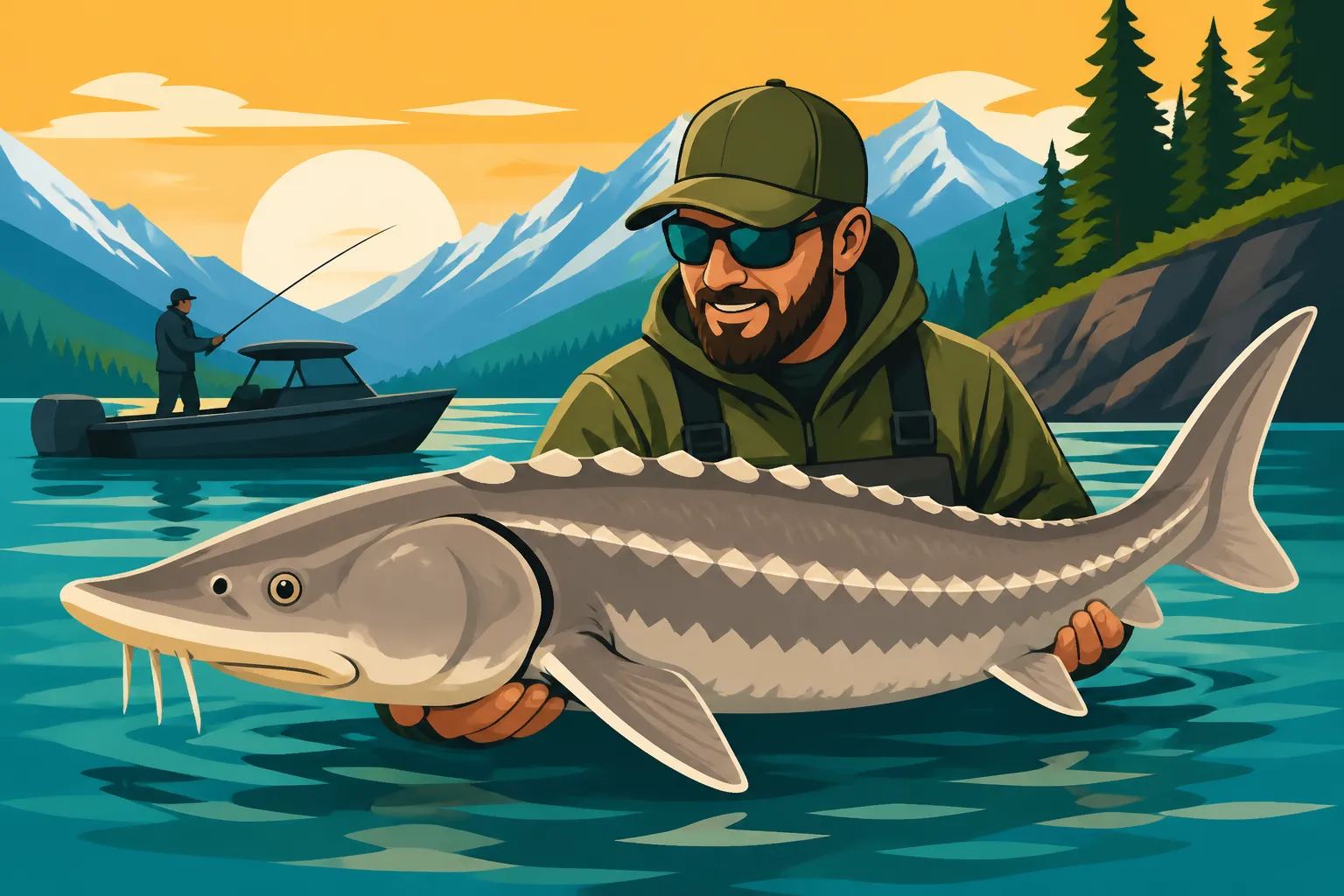
Once on the water, you'll embark on a scenic boat ride to the guide's chosen fishing spot. This might be a deep hole, a specific drop-off, or an area with significant underwater structure where sturgeon are known to congregate. The guide will skillfully position and anchor the boat, often with a robust anchoring system to withstand the powerful Fraser current. Then, it's time to bait up! Large pieces of fish or roe are typically used, cast out, and allowed to sink to the river bottom. Patience is truly a virtue in sturgeon fishing. You'll spend time chatting with your guide, enjoying the stunning BC scenery, and eagerly awaiting that first subtle tug on the line. When a sturgeon bites, the guide will instruct you on how to set the hook firmly and begin the battle. The fight can be prolonged and physically demanding, often involving powerful runs and acrobatic jumps, but it's an absolutely exhilarating experience. Once landed, the guide will assist in safely bringing the fish alongside the boat, measuring it, perhaps taking a few quick photos, and then carefully releasing it to fight another day. It's a full day of anticipation, excitement, and unforgettable memories.
Planning Your Trophy Sturgeon Adventure
You're almost there! With a good understanding of why a guide is crucial and what to expect, the final steps are about logistics and planning. A little preparation goes a long way in ensuring your trip is as smooth and successful as possible.
Best Time of Year for Trophy Sturgeon
While white sturgeon can be caught year-round on the Fraser, certain seasons offer optimal conditions for targeting trophy-sized fish. Generally, the spring through fall months (roughly April to October) are considered prime time. During these periods, water temperatures are more favorable, and migrating salmon runs provide an abundant food source, which tends to congregate larger sturgeon. Specifically, guides often talk about best time of year for trophy sturgeon in BC being in the late spring and early fall when fish are actively feeding.
Spring (April-June) can be excellent as the river begins to warm, and fish become more active after winter. Summer (July-August) offers longer daylight hours and generally stable weather, though river levels can fluctuate. Fall (September-October) is a personal favourite for many, as the massive salmon runs return to the Fraser, providing a feeding frenzy for sturgeon, often resulting in some truly enormous catches. Winter fishing is possible but can be more challenging due to colder temperatures and fewer active fish. Discussing the timing with your chosen guide is always best, as they can advise on the very latest conditions and predict prime windows.
Booking Your Guide and What to Bring
Once you've done your research and identified a few potential guides, it's time to reach out. Many guides have professional websites, or you can find reputable operations through online booking platforms like FishingBooker. These platforms often allow you to compare guides, read reviews, check availability, and sometimes even book directly. When contacting a guide, be clear about your expectations – specifically, that you're aiming for a trophy sturgeon experience. Discuss group size, preferred dates, and any special requirements you might have. Booking well in advance is highly recommended, especially for peak season dates, as the best guides fill up quickly.
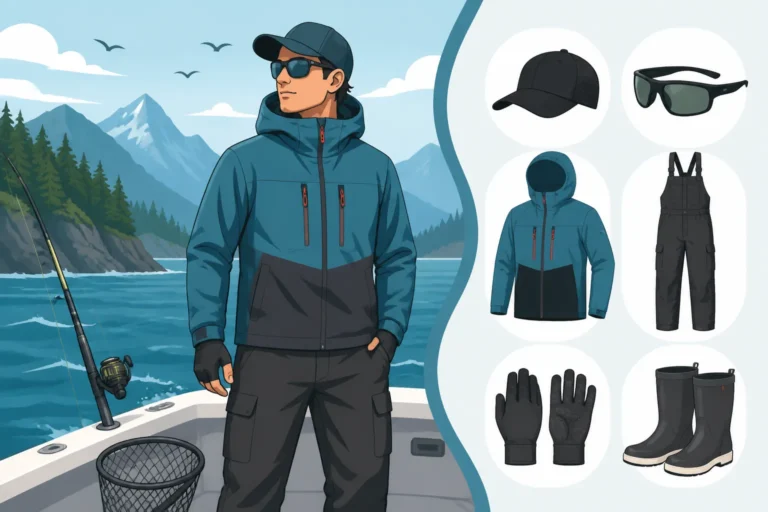
As for what to bring, your guide will provide the specialized fishing gear, but you'll need to prepare yourself for a day on the river. Layers of clothing are crucial, as BC weather can change quickly – even on a sunny day, it can be cool on the water, and rain is always a possibility. Good quality rain gear is a must. Pack food and drinks for the day, and don't forget essentials like sunglasses, sunscreen, a hat, and a camera to capture those incredible moments. And crucially, remember that you will need a valid BC Freshwater Fishing Licence and any required stamps (like the Salmon Conservation Stamp if targeting salmon incidentally) before you step onto the boat. Your guide cannot provide this for you, so ensure you have it sorted beforehand. Our article Do You Need Your Own Fishing License for a BC Charter? covers this in detail.
Understanding Costs and Value
Let's address the elephant in the room: a guided trophy sturgeon trip isn't a budget-basement activity. The costs reflect the guide's extensive experience, the specialized equipment, the maintenance of a high-performance jet boat, fuel, insurance, and the sheer effort involved in delivering a world-class fishing experience. Prices will vary depending on the length of the trip (full day is most common for trophy sturgeon), the number of anglers, and the guide's reputation.
However, consider the immense value you're receiving. You're getting access to years of accumulated knowledge, top-of-the-line gear, safe and expert navigation on a challenging river, and the absolute best chance at landing a truly massive, prehistoric fish. Compare that to the significant investment required to buy your own suitable boat and gear, and the steep learning curve to find fish on your own. For many, a guided trip is a much more efficient, enjoyable, and ultimately successful way to achieve their dream of catching a trophy Fraser River sturgeon. Be sure to clarify what's included in the price when booking.
| Feature | DIY Trophy Sturgeon Trip | Guided Trophy Sturgeon Trip |
|---|---|---|
| Expertise | Requires extensive self-study, trial & error, local knowledge. | Instant access to years of local experience and river savvy. |
| Gear | Significant investment in specialized heavy-duty rods, reels, boat, bait. | All top-tier, specialized gear provided and maintained. |
| Boat | Own suitable, well-maintained jet boat needed for Fraser River. | Professional-grade, safe, and fully equipped jet boat provided. |
| Safety | Responsible for own navigation, river hazards, emergency prep. | Guide handles all navigation and safety protocols. |
| Regulations | Must know and strictly adhere to all complex BC fishing rules. | Guide ensures full compliance with all regulations and handling. |
| Time Investment | Huge for learning, scouting, preparing gear, and fishing. | Maximize fishing time; focus on the experience. |
| Success Rate | Lower for beginners or infrequent anglers. | Significantly higher, especially for trophy-sized fish. |
| Conservation | Must educate self on proper catch & release techniques. | Guide actively practices and teaches ethical fish handling. |
| Overall Cost | High initial outlay for boat and gear, ongoing maintenance. | Upfront trip cost, but no personal gear investment required. |
Disclaimer
This article is for general informational purposes only and does not constitute professional advice. Laws, prices and regulations vary by location and change over time. Consult a qualified professional for guidance on your specific situation.