Best Guided Kids Fishing Trips in BC
There's nothing quite like watching a child's face light up with pure joy and wonder as they reel in their very first fish, or even just feel a tug on the line. But let's be honest, organizing a fishing trip with kids can feel overwhelming, especially if you're not an experienced angler yourself. The gear, the locations, the techniques, the endless questions – it's enough to make even the most patient parent feel a bit frazzled. This comprehensive guide is here to tell you why a guided kids' fishing trip in British Columbia isn't just an option; it's often the best solution for creating incredible, stress-free memories on the water with your little ones.
Why Guided Kids' Fishing Trips are a Game-Changer in BC
Taking kids fishing is one of those quintessential outdoor experiences, but without the right support, it can quickly turn into a lesson in frustration for everyone involved. That's where a professional guide steps in, transforming a potentially chaotic outing into an organized, educational, and genuinely fun adventure. They bring expertise, patience, and a deep understanding of how to engage young minds, making the entire experience smoother and far more rewarding.
Beyond Just Fishing: Safety, Education, and Connection
When you hire a guide for a kids' fishing trip, you're getting so much more than just someone to bait hooks. You're securing an expert who prioritizes safety above all else. They know the waters, the weather patterns, and how to operate their vessel safely. This peace of mind allows you, the parent, to truly relax and enjoy the moment, rather than constantly worrying about hazards. Imagine not having to stress about whether the boat is properly secured or if your child is too close to the edge – your guide handles all that.
Beyond safety, a good guide becomes a fantastic outdoor educator. They can teach your children (and you!) about the local fish species, their habitats, and the importance of conservation. They'll explain basic knot tying, casting techniques, and how to properly handle a fish for release. These aren't just fishing skills; they're life skills that foster a deeper connection to nature and an appreciation for the environment. Think of it as a floating classroom, where the lessons are hands-on, exciting, and stick with kids long after the trip is over. It's an investment in their understanding of the natural world, far more impactful than any textbook.
Minimizing Frustration, Maximizing Enjoyment for Young Anglers
Let's face it, kids have a notoriously short attention span, and waiting endlessly for a bite can quickly lead to boredom and meltdowns. A key benefit of a guided trip is the guide's ability to put you on fish. They know the local hot spots, the best times, and the most effective techniques, drastically increasing the chances of actually catching something. This immediate gratification is huge for keeping young anglers engaged and excited. Instead of hours of nothing, they're likely to experience action, which fuels their enthusiasm.
Furthermore, guides come equipped with all the right gear, perfectly sized for smaller hands. No more fumbling with adult-sized rods or trying to figure out which lure to use. The guide provides everything, already set up and ready to go, removing a major source of stress and potential frustration. They'll handle snags, re-tie lines, and generally manage all the technical aspects, allowing the kids to focus on the fun part: feeling the bite and reeling it in. This proactive approach ensures that the kids spend more time enjoying themselves and less time battling with equipment or boredom. It’s all about making fishing accessible and enjoyable, right from the first cast.
Crafting Enduring Family Memories on the Water
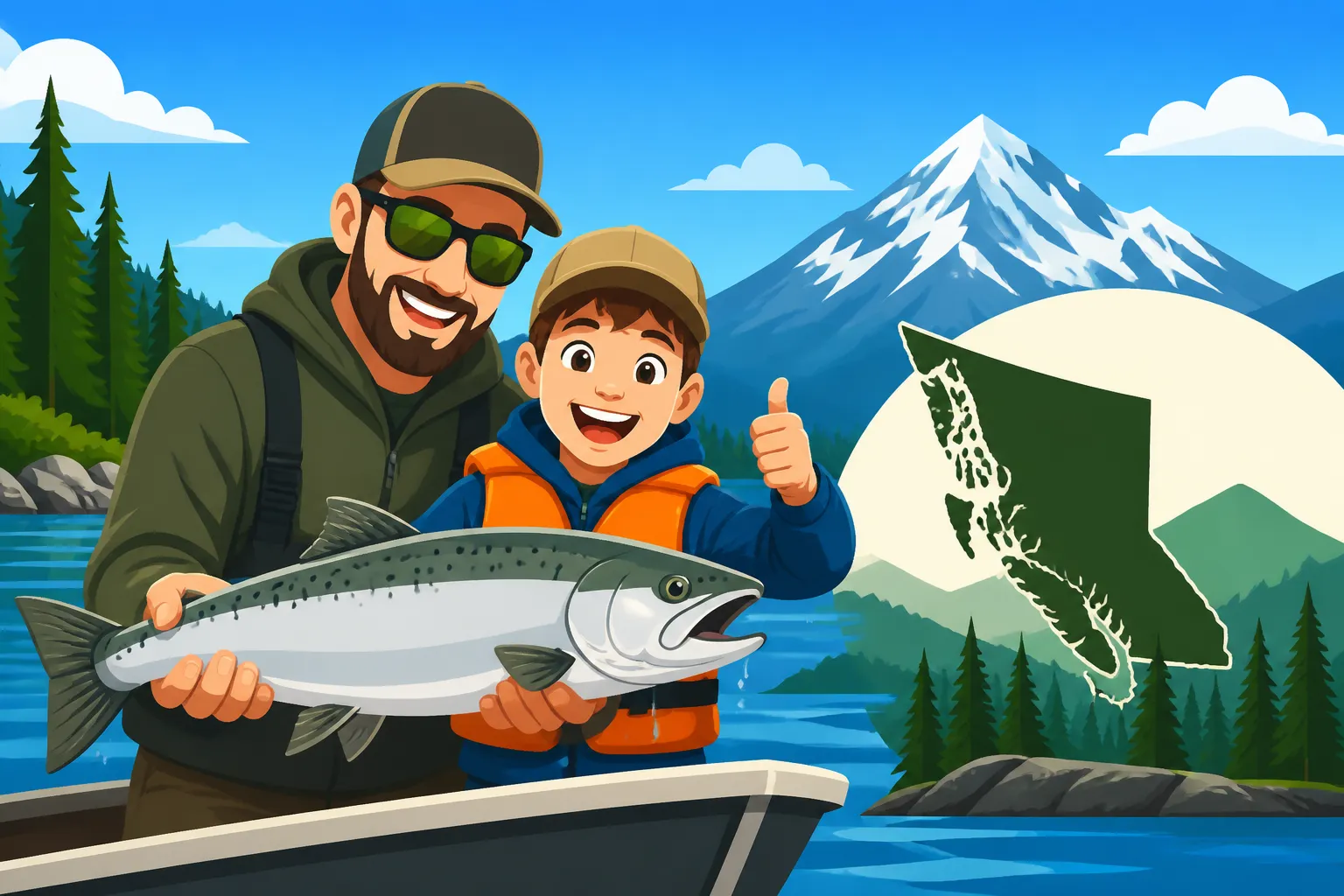
In our busy lives, truly unplugging and spending quality time as a family can be a challenge. A guided fishing trip offers a unique opportunity to create lasting memories together. Away from screens and daily distractions, you're all sharing a common adventure. The excitement of a fish on the line, the shared laughter, the stunning BC scenery – these moments become stories that are retold for years. Imagine your child proudly recounting how they "almost caught the biggest fish ever!" or showing off a picture of their first salmon.
These trips are not just about the fish; they're about the shared experience. The guide facilitates this by creating a relaxed atmosphere where families can bond. They often have great stories to tell, local knowledge to share, and a knack for making everyone feel comfortable. These shared experiences, where parents and children learn and celebrate together, are priceless. They build confidence in kids and strengthen family connections, making the day much more than just a fishing excursion – it becomes a cherished family tradition in the making.
What Makes a Truly Great Kids' Fishing Guide and Trip
Not all fishing guides are created equal, especially when it comes to catering to children. A successful kids' fishing trip hinges heavily on the guide's approach and the overall structure of the outing. You're looking for someone who understands that the goals for a young angler are very different from those of an experienced adult seeking a trophy catch.
The Guide's Role: Patience, Pedagogy, and Playfulness
A phenomenal kids' fishing guide is first and foremost incredibly patient. They understand that children learn at different paces, get distracted easily, and might need repeated instructions. They won't get flustered by tangled lines or missed bites; instead, they'll calmly help, encourage, and turn every mishap into a learning opportunity. This patience is critical because it keeps the atmosphere light and positive, which is essential for a child to enjoy themselves.
Beyond patience, a great guide is also a natural teacher. They know how to break down complex fishing concepts into simple, digestible steps that kids can understand. They might use analogies or demonstrations, making the learning process engaging and fun. For example, explaining how a fish uses its fins can be a quick, fascinating biology lesson. They also incorporate an element of playfulness, maybe telling jokes, sharing interesting facts about wildlife, or making a game out of identifying different fish. They aren't just guiding; they're entertaining and educating, ensuring that the kids are stimulated and entertained throughout the entire trip.
Kid-Friendly Gear, Techniques, and Target Species
One of the biggest differences on a kids' trip should be the equipment. Heavy, complex gear meant for serious angling is just going to overwhelm and frustrate little hands. A great guide will have lighter rods and reels that are easy for children to hold and cast, often spinning reels with simple push-button controls. The tackle will also be appropriate – smaller hooks, simple bobbers, and readily available bait that attracts frequent bites, even if they're smaller fish.
When it comes to techniques, simplicity is key. Instead of intricate fly casting or deep-sea jigging, guides will often opt for methods like bait fishing with a bobber or simple trolling that requires minimal effort but offers maximum chance of action. This ensures that kids can participate actively without feeling overwhelmed by technique. Moreover, the best guides will target species that are typically more eager to bite and are abundant. Panfish like sunfish or perch in freshwater lakes, or smaller, feisty salmon in tidal waters, are often perfect for keeping kids excited. How to Catch Rainbow Trout in BC Lakes or How to Catch Kokanee in BC often involve straightforward methods that are perfect for kids. The goal isn't necessarily a massive trophy, but rather consistent action that builds confidence and interest.
Prioritizing the Experience Over the Size of the Catch
This is perhaps the most crucial element of a truly successful kids' fishing trip. While catching fish is definitely exciting, a great guide understands that the experience is paramount. They won't push for the biggest catch or the highest numbers. Instead, they'll celebrate every nibble, every small fish, and every attempt at casting. The joy of being on the water, seeing wildlife, learning new things, and spending time with family should always take precedence.
A guide focused on the experience might dedicate time to pulling up a crab trap, showing the kids different types of marine life, or even just teaching them about the surrounding natural environment. They'll encourage questions, point out interesting sights like eagles soaring overhead or seals playing in the water, and tell stories that capture their imagination. This holistic approach ensures that even if the fish aren't biting aggressively, the children still have a rich, memorable, and educational adventure. It's about nurturing a love for the outdoors, rather than just chasing a fish.
Choosing the Perfect Fishing Adventure for Your Family
British Columbia offers an incredible array of fishing opportunities, from serene mountain lakes to the vast Pacific Ocean. Deciding which type of guided trip is best for your family and your kids' age and interests is an important first step in planning your adventure. Each option has its own unique charm and challenges.
Freshwater vs. Saltwater Adventures
Freshwater Trips:
For many families with younger children or those new to fishing, a freshwater trip is often the gentler introduction. Lakes and calmer rivers typically offer smoother waters, making seasickness less of a concern. The scenery is often stunning, with lush forests and mountain backdrops. You might be targeting rainbow trout, kokanee salmon, or various panfish, which are usually easier to catch and provide more consistent action. Guides on freshwater trips might use drift boats on rivers or small motorboats on lakes, allowing for a more intimate and less intimidating experience. Consider destinations like the Okanagan Valley lakes for Okanagan Lake Kokanee Fishing or the many stocked lakes around the Interior for eager trout. These environments are generally more controlled and predictable, reducing anxiety for both parents and kids. A guide can easily switch locations if one spot isn't producing, keeping the kids engaged.
Saltwater Trips:
Saltwater fishing, especially offshore, can be a thrilling adventure for older children or those with a bit more experience and a strong stomach. You'll be targeting larger species like salmon (Chinook, Coho), halibut, or lingcod, and the action can be incredibly exciting. However, the ocean can be unpredictable, with choppier waters and the potential for seasickness. The boats are typically larger charter vessels, which might feel more imposing to very young kids. Often, saltwater charters also include opportunities for crabbing or prawning, which can be a huge hit with children, offering immediate, hands-on interaction with marine life. Charters operating out of places like Campbell River or Tofino are renowned for their salmon and halibut opportunities. For families, look for Best Family-Friendly Fishing Charters in BC that specifically advertise kid-friendly amenities and a focus on calmer inshore waters where possible, like protected sounds. The key here is to gauge your child's comfort level with boats and open water.
Trip Duration: Half-Day, Full-Day, and What Suits Little Ones
Half-Day Trips:
For most families with kids, especially younger ones, a half-day trip is almost always the best choice. Typically lasting 3-4 hours, this duration is perfect for maintaining a child's attention span and enthusiasm without pushing them past their limits. It allows for enough time to learn some basics, catch a few fish, and enjoy the scenery, but gets you back to shore before boredom or fatigue sets in. A half-day trip leaves plenty of time for other family activities later in the day, or simply for kids to unwind. It’s also often a more budget-friendly option, making it an excellent introduction to guided fishing without a significant financial commitment. The trick is to ensure the guide knows this is the maximum time for the kids to be engaged, so they maximize the fishing action and fun.
Full-Day Trips:
A full-day trip, usually 6-8 hours, is generally better suited for older children, teenagers, or families where the kids are already passionate about fishing and have a proven track record of long attention spans on the water. While full-day trips offer more fishing time and often allow access to more distant, productive spots, they can be exhausting for younger kids. The combination of sun, wind, boat motion, and the sheer length of time can lead to meltdowns. If you're considering a full-day, discuss with the guide how they plan to keep kids entertained during slower periods, perhaps with snacks, breaks, or other activities like wildlife viewing. Always remember that a successful trip for kids is more about quality engagement than quantity of fishing time.
Private Charters vs. Group Excursions: Comfort and Cost
Private Charters:
A private charter means your family has the entire boat and guide to yourselves. This is often the ideal choice for families with kids because it offers unparalleled flexibility and personalized attention. The guide can fully tailor the pace, techniques, and even the target species to your children's interests and energy levels. If a child gets restless, the guide can switch things up, take a break, or focus on a different activity. There's no pressure from other anglers, and your kids can be themselves without worrying about disturbing strangers. While typically more expensive than group tours, the benefits of a private experience for a family with children are usually well worth the investment in terms of comfort, enjoyment, and memories. You can find many options for Best Private Fishing Charters in BC through reputable booking platforms like FishingBooker, where you can filter by family-friendly options.
Group Excursions:
Group or shared charters are generally more economical, as the cost is split among several individuals or families. However, they come with less flexibility. The trip schedule, target species, and pace are set for the group, which may not always align with your children's needs. Kids might feel shy or constrained, and a sudden meltdown or bout of seasickness can feel more amplified when other paying customers are present. While some group tours are explicitly advertised as "family-friendly," it's crucial to ask about the typical age range of participants and the guide's approach to children on such trips. For very young or easily overwhelmed children, the structured nature of a group trip might not be the most relaxed or enjoyable option.
| Trip Type | Pros for Kids | Cons for Kids | Ideal Age/Temperament |
|---|---|---|---|
| Freshwater | Calm waters, less seasickness, often smaller boats, consistent action on panfish/trout. | Fewer "trophy" fish, can be less exciting for thrill-seekers. | All ages, especially younger kids and beginners. |
| Saltwater | Exciting larger fish, crabbing/prawning, diverse marine life. | Potential for seasickness, rougher water, larger boats can be intimidating. | Older kids (8+), adventurous kids, those with prior boat experience. |
| Half-Day | Perfect attention span, less fatigue, leaves time for other activities. | Less time on water, might miss peak fishing windows. | All ages, highly recommended for younger children. |
| Full-Day | More fishing time, access to distant spots, higher chance of big catch. | Can be exhausting, boredom sets in, more expensive. | Teenagers, highly engaged older kids. |
| Private Charter | Fully customizable, personalized attention, relaxed atmosphere, no pressure. | Higher cost per person. | All ages, best for maximum family enjoyment and flexibility. |
| Group Excursion | More affordable. | Less flexible, potential for conflict with other anglers, less personal attention. | Older, more independent kids, those on a tighter budget. |
Top BC Regions and Species Ideal for Young Anglers
British Columbia is a vast province with an incredible diversity of fishing environments. Knowing where to go and what kind of fish to target can make a huge difference in ensuring a successful and memorable trip for your children. We want action and engagement, which means targeting cooperative species in accessible locations.
Calm Lakes and Rivers for Panfish and Trout
The interior of BC, with its countless lakes and calmer river sections, is a fantastic playground for young anglers. These waters are typically serene, sheltered from strong winds, and often stocked, meaning a higher probability of catching fish. Best Fishing Lakes in British Columbia often include options ideal for families. Lakes like those in the Cariboo, Okanagan, and Kootenay regions are popular choices. Here, kids can target:
- Rainbow Trout: These are BC's most iconic freshwater fish, known for being feisty and relatively easy to catch, especially in stocked lakes. Guides often use simple bait-and-bobber setups or light spinning gear, which is perfect for children. The thrill of watching the bobber disappear is an age-old joy that never gets old for kids. Many provincial parks have accessible docks or easy shore access, and a guide can take you to the best spots.
- Kokanee Salmon: These landlocked sockeye salmon are delicious and offer consistent action. Trolling with small lures or even just still-fishing with corn or krill can yield great results. How to Catch Kokanee in BC often involves techniques that are easily learned by kids. Guides know the depths and speeds that kokanee prefer, ensuring a better chance of success.
- Panfish (Perch, Sunfish): While not as widely distributed in BC as in some other regions, where present, species like perch are fantastic for kids. They bite readily, fight hard for their size, and provide continuous action, which is vital for keeping young anglers entertained. A guide will know the specific lakes where these species thrive and can adapt tactics to make sure kids are catching something.
These freshwater environments also offer the added bonus of often being surrounded by beautiful hiking trails, picnic spots, and camping facilities, making the fishing trip part of a larger family outdoor adventure.
Coastal Crabbing and Light Tackle Salmon Adventures
British Columbia's coastline is renowned for its incredible marine life, and a guided trip here can be far more than just fishing. For kids, especially, the hands-on experience of crabbing or prawning can be an absolute highlight, often surpassing the fishing itself! Many coastal guides offer combination trips that include both.
- Crabbing and Prawning: Imagine pulling up a trap to reveal a handful of feisty Dungeness or Red Rock crabs, or seeing dozens of spot prawns squirming in the net. This is highly interactive and exciting for kids, allowing them to participate directly in the harvest. Guides will provide the traps, bait, and knowledge of where to drop them for the best success. It's a quick, tangible reward that doesn't require patience with a rod and reel. Plus, you get a delicious dinner!
- Light Tackle Salmon: While targeting trophy Chinook salmon can be a demanding task, many guides offer light tackle trips specifically geared towards Coho or Pink salmon, especially during their abundant runs. These salmon species are often found closer to shore in more sheltered waters, making for a smoother boat ride. They also tend to be more aggressive biters, providing plenty of action on lighter gear. Coho Salmon Fishing in BC can be a fantastic experience for kids, as these fish are acrobatic fighters and great fun on a light rod. A guide will know the protected coves and inlets where these fish congregate, ensuring a comfortable and productive outing. Best Salmon Fishing Spots in BC include many coastal areas that are suitable for these types of family-friendly trips.
These coastal trips offer the added bonus of spectacular wildlife viewing, from seals and sea lions to eagles and even whales, which can be just as captivating as the fishing itself.
The Mighty Fraser: Sturgeon Giants (Strict Catch and Release)
For families with older, more adventurous kids who are looking for a truly unique and awe-inspiring experience, a guided sturgeon trip on the Fraser River can be unforgettable. The Fraser River is home to some of the largest freshwater fish in North America, the White Sturgeon, which can grow to immense sizes.
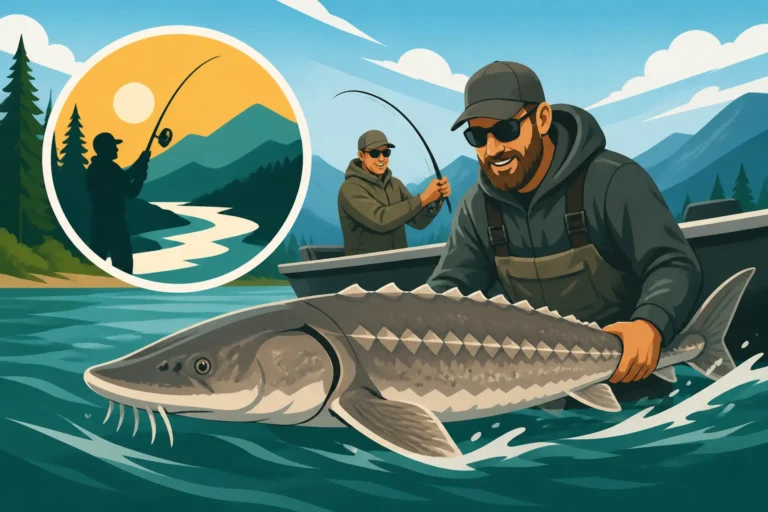
- White Sturgeon: These ancient giants are a federally protected species, meaning all fishing for them is strictly catch and release. This is an important conservation lesson for kids. Hooking into a fish that could be older than their grandparents and weigh hundreds of pounds is an experience that will leave them speechless. Guides specialize in targeting these powerful fish, providing heavy-duty tackle and expert instruction on how to safely fight, land, and release them. It's a true test of strength and endurance, usually lasting a good 30 minutes to an hour per fish. BC Fraser River Sturgeon Catch and Release Requirement is paramount, and a good guide will teach kids the importance of careful handling.
- Educational Opportunity: A sturgeon trip isn't just about the fight; it's an incredible educational opportunity. Guides often share fascinating facts about the sturgeon's biology, its incredible longevity, and its role in the ecosystem. Kids learn about the importance of conservation and responsible angling firsthand. However, due to the size and power of these fish, this type of trip is best suited for older children or strong teenagers who can handle a heavy rod for an extended fight. It's definitely an experience for those seeking a "big fish" story that emphasizes respect for nature. White Sturgeon Fishing on the Fraser River is one of BC's signature experiences.
Always ensure your guide emphasizes proper catch-and-release techniques for these magnificent creatures, as their survival is critical for future generations.
Essential Preparations for a Smooth and Successful Trip
Even with the best guide in the world, a successful kids' fishing trip requires a little planning on your part. A few thoughtful preparations can significantly enhance comfort, minimize potential meltdowns, and ensure everyone has a fantastic time on the water.
Packing Smart: Comfort, Safety, and Unexpected Needs
Think of packing for a day on the water with kids like packing for a mini-expedition, even if it's just a half-day trip. Here’s a checklist of essentials to consider:
- Layers of Clothing: BC weather can change quickly. Even on a sunny day, temperatures can drop, especially on the water. Pack layers that can be easily added or removed, including a waterproof and windproof outer shell. A warm hat and gloves might be necessary even in shoulder seasons.
- Sun Protection: Sunscreen (apply generously before you leave and reapply), wide-brimmed hats, and sunglasses are non-negotiable, even on cloudy days. The reflection off the water intensifies UV rays.
- Snacks and Drinks: Hungry or thirsty kids are cranky kids. Pack plenty of easy-to-eat snacks (granola bars, fruit, crackers) and ample water or juice boxes. Avoid sugary drinks that might lead to a sugar crash. A small cooler is often a good idea.
- Motion Sickness Remedies: If your child is prone to seasickness, bring appropriate medication (e.g., Gravol) and administer it before you even leave the dock. Acupressure wristbands can also be helpful. Discuss this with your guide beforehand so they can try to stick to calmer waters.
- Medications & First Aid: Don't forget any personal medications your child might need. A small, basic first-aid kit with band-aids, antiseptic wipes, and pain relievers is always wise, though your guide will have one too.
- Comfort Items: For younger children, a favorite small toy, book, or blanket might provide comfort during lulls in the action. A small pillow can make sitting more comfortable.
- Camera: To capture those priceless moments! Just ensure it's either waterproof or well-protected.
Remember that Life Jacket Requirements for BC Boaters are strict, and your guide will provide properly sized PFDs for everyone. However, if your child has a specific, comfortable PFD they prefer, ask the guide if you can bring your own, provided it meets Canadian safety standards.
Setting Realistic Expectations for Everyone Involved
This is perhaps the most critical preparation for both parents and kids. Going into a trip with inflated expectations can lead to disappointment, especially when dealing with the unpredictable nature of fishing.
- Focus on the Experience: Emphasize that the goal isn't necessarily to catch the biggest fish or even a specific number of fish. The real adventure is being out on the water, spending time together, learning about nature, and trying something new. Talk about the scenery, the wildlife you might see, and the fun of simply being on a boat.
- Fish Don't Always Bite: Explain to your children that fishing involves patience, and sometimes the fish just aren't hungry. Acknowledge that there might be lulls, and discuss other ways to stay entertained during those times, like wildlife spotting or playing I-Spy.
- Weather Changes: Remind them that weather can be unpredictable. Reassure them that the guide will make safe decisions, even if it means altering plans.
- It's a Learning Curve: Let them know it's okay if they don't immediately master casting or reeling. The guide is there to teach and help, and every try is a step forward. Celebrate effort, not just results.
- Prepare for "Unplugged" Time: This is a fantastic opportunity to disconnect from screens. Set expectations beforehand that phones and tablets will be put away (unless for photos), encouraging them to engage with their surroundings and the people around them.
Having these conversations before you even step on the boat can prevent frustration and allow everyone to embrace the journey, whatever it may bring.
Teaching Conservation and Ethical Angling from an Early Age
A guided fishing trip is an invaluable chance to instill strong conservation ethics in your children. This isn't just about following rules; it's about fostering a deep respect for the environment and the fish they are pursuing.
- Catch and Release: Many guided trips, especially for species like sturgeon or steelhead, are primarily catch and release. Even when keeping fish is allowed, teach kids the importance of only taking what they need and releasing the rest carefully. The guide will demonstrate proper handling techniques for releasing fish safely, minimizing stress and injury. Emphasize that these fish are living creatures and deserve respect. You can link this to BC Catch and Release Only Waters or BC Fraser River Sturgeon Catch and Release Requirement to show them real examples.
- Bag Limits and Regulations: Explain that there are rules (like BC Bag and Possession Limits by Species) for a reason – to ensure healthy fish populations for the future. While the guide will handle the specifics, understanding the "why" behind the rules is important for kids.
- Leave No Trace: Teach them to properly dispose of all trash, including discarded fishing line, which can be deadly to wildlife. Emphasize that everything brought onto the boat or to the shore must leave with them.
- Respecting Wildlife: Point out other wildlife you encounter (birds, seals, otters) and discuss the importance of observing them from a respectful distance without disturbing them.
- Proper Licensing: Explain that even if they are under the age where a license is required (check Do Kids Need a Fishing License in BC? for current age exemptions), buying a license is an adult responsibility that funds conservation efforts. It's about being a responsible participant in the sport.
These lessons are often best learned through direct experience and observation. By seeing the guide practice these principles, kids will naturally absorb them and carry them forward into their own outdoor adventures.
How to Find and Book the Best Kids' Fishing Trip in BC
Finding the right guide for a kids' trip requires a bit of detective work. You’re not just looking for a skilled angler, but someone who genuinely enjoys teaching and interacting with children. With so many options available in British Columbia, knowing where to start and what questions to ask is key.
Navigating Your Options: Online Platforms and Local Recommendations
The digital age has made finding reputable fishing guides much easier than in the past. Online booking platforms are a fantastic starting point because they consolidate many options in one place and often feature customer reviews, which are invaluable.
- Online Booking Platforms: Websites like FishingBooker are excellent resources. They allow you to filter by location, target species, and even specific amenities like "family-friendly" or "kid-friendly" options. You can read detailed descriptions of the trips offered, see photos of the boats, and, most importantly, read reviews from other families who have booked with the guides. Pay close attention to comments specifically mentioning how guides interacted with children, their patience levels, and the overall family experience. Many guides on platforms like FishingBooker will explicitly state if they specialize in kids' trips.
- Local Tourism Boards & Marinas: Don't underestimate the power of local knowledge. If you're planning a trip to a specific area like Campbell River or Tofino, check with the local tourism board or ask at a local marina. They often have lists of reputable guides who operate in the area and can provide personal recommendations. Sometimes, the best guides operate largely on word-of-mouth.
- Fishing Forums and Social Media Groups: Online fishing communities specific to BC can be a treasure trove of information. Post a question asking for recommendations for kid-friendly guides in the area you plan to visit. You'll often get honest opinions and direct contacts from experienced local anglers.
Remember, a guide who is fantastic with experienced adults might not have the same patience or teaching style needed for young children. Always prioritize those who clearly state or demonstrate experience with kids.
Key Questions to Ask Potential Guides
Once you've shortlisted a few potential guides, it's time to pick up the phone or send an email. Asking the right questions upfront will help you determine if they're a good fit for your family.
- "Do you have experience guiding children, and what is your approach?" This is the most important question. Listen for answers that highlight patience, a focus on learning and fun over just catching, and specific strategies for keeping kids engaged. A good guide might mention child-sized gear or alternative activities if fishing slows down.
- "What age range do you typically cater to, and what's your minimum age requirement?" Some guides are better with teenagers, others with very young children. Ensure their comfort zone aligns with your kids' ages.
- "What species do you typically target on kids' trips, and what are the chances of consistent action?" As discussed, consistent bites are crucial for kids. A guide should be honest about probabilities and suggest species that are usually more cooperative.
- "What gear do you provide, and is it appropriate for children?" Confirm they have light, easy-to-use rods and reels.
- "What's your policy if the weather turns bad or the kids aren't enjoying themselves?" A flexible guide will have contingency plans, whether it's rescheduling, finding sheltered waters, or adapting the trip.
- "What's included in the price (bait, tackle, fish cleaning, snacks, drinks)?" Understand all inclusions and exclusions to avoid surprises.
- "Do you provide PFDs (life jackets) for all ages and sizes, and do they meet safety standards?" Life Jacket Requirements for BC Boaters are strict, and a professional guide will always have appropriate, Coast Guard-approved PFDs.
- "Will we need to purchase a British Columbia Fishing License Guide for 2026 for our children?" Confirm the specific licensing requirements, especially concerning age exemptions (e.g., BC Youth Fishing License Exemption Under 16).
A reputable guide will welcome these questions and be happy to provide thorough answers, showing their professionalism and commitment to a positive experience.
Understanding Pricing, Inclusions, and Licensing
Before you commit, ensure you have a clear understanding of the financial aspects and logistical requirements.
- Pricing Structure: Guided trips in BC usually have a base rate for the boat and guide, which can vary depending on the duration (half-day vs. full-day) and whether it's a private or shared trip. This rate might be for 1-2 people, with an extra charge per additional person up to the boat's capacity. Always confirm the total cost for your specific family size. Remember, you're paying for expertise, equipment, and a curated experience, not just the act of fishing.
- What's Included: As mentioned, clarify what the price covers. Typically, it includes the guide's time, the boat, fuel, all necessary fishing gear, bait, and basic safety equipment. Some guides might include snacks, beverages, or even fish cleaning and bagging at the end of the trip. Tipping the guide is also customary, so factor that into your budget (typically 15-20% of the trip cost). You can learn more about this in Tipping Etiquette for BC Fishing Charters.
- Fishing Licenses: Everyone aged 16 and over (and sometimes even younger for tidal waters, depending on the regulations) will need a valid BC fishing license. This is a separate cost and is not typically included in the guide's fee. You can usually purchase these online quickly before your trip. For saltwater fishing, a Tidal Waters Fishing Licence is required, and if you plan to retain any salmon, a Salmon Conservation Stamp must also be purchased. The guide can assist you with understanding the specific license requirements for your trip and help you navigate Where and How to Buy a BC Fishing License. Never go fishing without the appropriate license; penalties can be steep (Fishing Without a License in BC: Penalties).
By doing your homework and asking the right questions, you'll be well on your way to booking an unforgettable, stress-free guided fishing trip for your kids in British Columbia – an adventure that fosters a love for the outdoors and creates cherished family memories for years to come.
Disclaimer
This article is for general informational purposes only and does not constitute professional advice. Laws, prices and regulations vary by location and change over time. Consult a qualified professional for guidance on your specific situation.