Do Kids Need a Fishing License in BC?
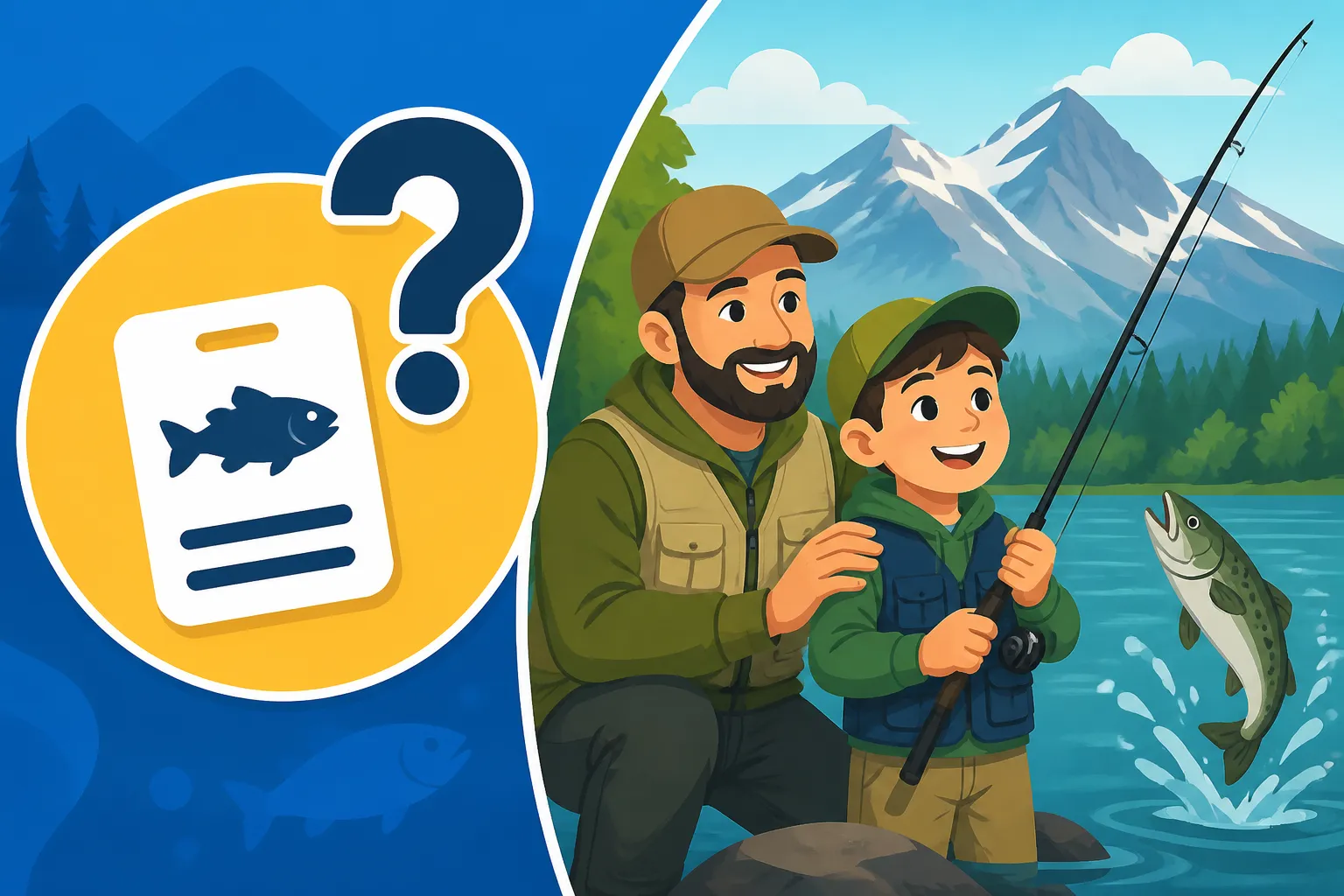
Oh, the age-old question that plagues so many parents and guardians who are just trying to get their kids out on the water in beautiful British Columbia! It's a common source of confusion, wading through all the rules and regulations to figure out if your eager young angler needs a fishing license in BC. You want to do it right, but sometimes the guidelines feel like a maze. Well, let's untangle it all and make sure your family's next fishing adventure is completely hassle-free and totally legal.
The Age-Old Question: Do Kids Need a Fishing License in BC?
It's one of the first things I hear from folks new to fishing here, or even seasoned anglers who just haven't taken a kid out before: "Does my child really need a license?" And honestly, it's a great question because the answer isn't a simple yes or no for all situations. British Columbia's fishing regulations, while designed to protect our precious fisheries, can sometimes feel a bit like reading a legal document, especially when you're just trying to enjoy a peaceful day by the lake or ocean.
Understanding the Basics: Age Exemptions for Young Anglers
Let's cut right to the chase with the most important part: age. Generally speaking, in British Columbia, children under the age of 16 do not need a basic freshwater fishing license. This is fantastic news for families, making it easier and more affordable to introduce youngsters to the joys of casting a line in one of our many stunning lakes or rivers. Imagine the excitement on their faces as they reel in their first trout, all without the bureaucratic hurdle of obtaining a full license!
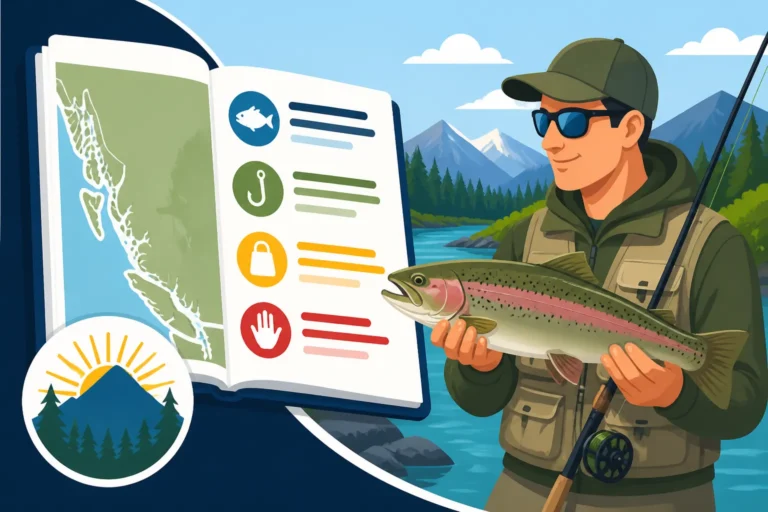
However, it’s not quite a blanket exemption for all waters. While the BC Freshwater Fishing Regulations Synopsis clearly states this age cut-off for freshwater, there are subtle but important distinctions once you head out to the big blue. For tidal (saltwater) fishing, the age exemption still generally holds, but with a critical difference: registration. This might seem like a minor detail, but missing it can lead to issues, even if you’re not paying for a license. The goal is always to encourage participation, but also to ensure proper management of our fish stocks.
Why the Confusion? Freshwater vs. Tidal Waters Nuances
This is where many parents get tripped up, and it's completely understandable. The distinction between freshwater and tidal water regulations is often the source of the biggest headaches. You might think, "fishing is fishing," but the provincial and federal governments split jurisdiction, leading to different sets of rules.
For freshwater fishing, as I mentioned, if your child is under 16, they are exempt from needing a basic freshwater fishing license. This applies whether you're chasing rainbow trout in an Interior lake, targeting kokanee in Okanagan Lake, or casting for smallmouth bass. It’s a wonderful incentive to get kids hooked on fishing early. However, this exemption doesn't mean they're exempt from all other rules. They still need to adhere to bag limits, size restrictions, and gear requirements specific to the water body they're fishing. For instance, if you're fishing a fly-fishing-only lake, your child can't use bait just because they don't have a license. The rules of the water apply to everyone on it, regardless of age or license status.
Now, for tidal waters (the ocean and estuaries), it's a slightly different story. While kids under 16 still don't need to purchase a basic tidal water fishing license, they absolutely must be registered with the National Recreational Licensing System. This is a critical point that many overlook. It's a free registration, but it's mandatory. This ensures that Fisheries and Oceans Canada (DFO) has an accurate count of all recreational anglers, which is vital for managing our precious salmon, halibut, and other marine species. It's not about catching revenue; it's about collecting data to make informed conservation decisions. Even if your child is just trying to catch a crab off a pier, that registration is required if they're actively fishing.
Beyond the License: What Kids Do Need to Know
Okay, so we've clarified the license situation for youngsters. They generally don't need to pay for one if they're under 16, but in tidal waters, they need to be registered. But the journey doesn't stop there. There's a whole world of regulations and responsibilities that still apply, and teaching these to kids from a young age is part of what makes them responsible anglers. It's not just about catching fish; it's about respecting the environment and the resource.
Mandatory Registration for Tidal Waters (Even if Free)
Let's dive a little deeper into this crucial tidal water registration. It's easy to dismiss something free as optional, but that's not the case here. The BC juvenile tidal license registration requirement is a non-negotiable step for any child under 16 who plans to fish in BC's marine waters. Think of it as their passport to the ocean's bounty, even if it doesn't cost a dime. Without it, technically, they're fishing illegally, and while enforcement officers are often understanding with kids, it's not a risk worth taking.
Getting this registration is straightforward. You can typically do it online through the DFO's National Recreational Licensing System. You'll need some basic information for your child, but it usually takes just a few minutes. Once registered, print a copy or save it digitally to your phone. This simple act helps DFO track participation rates, which directly impacts stock assessments and future regulation changes. It's a small step that makes a big difference for the future of fishing in our province. Imagine if every parent skipped this step; the data would be skewed, potentially leading to less accurate management decisions.
Conservation Stamps and Special Regulations
This is another area where the "no license needed" rule can get a bit tricky. While a child under 16 doesn't need to buy a basic license, they are still subject to conservation stamp requirements and all other special regulations for specific species.
For instance, if your child is lucky enough to hook into a salmon in either freshwater or tidal waters and you plan to retain it, they will need the appropriate salmon conservation stamp. This applies even if their base license is free. The cost of a BC Freshwater Salmon Conservation Stamp Requirement or a BC Tidal Waters Salmon Conservation Stamp Cost is relatively small, but it's absolutely mandatory for retaining salmon. These stamps fund vital conservation efforts, and everyone, regardless of age, contributes when retaining these iconic fish. Similarly, if you're fishing for steelhead in a river where a BC Steelhead Conservation Surcharge Stamp is required, your child would also need that if they were able to retain one (though many steelhead fisheries are catch and release).
Beyond stamps, all species-specific regulations apply. This means:
- Bag and Possession Limits: If the limit for rainbow trout is two per day, your child can only keep two. This applies to BC Bag and Possession Limits by Species.
- Size Restrictions: If Chinook salmon have a minimum size limit, your child’s catch must meet it.
- Gear Restrictions: If a river is fly-fishing-only, your child must use flies. If bait is prohibited in certain areas, they cannot use it.
- Catch and Release Rules: For species like sturgeon, where catch and release is mandatory (e.g., BC Fraser River Sturgeon Catch and Release Requirement), your child must also release the fish unharmed.
- Area-Specific Rules: Some waters have unique rules, such as Special Regulation Waters in BC or BC Catch and Release Only Waters. Always check these before heading out.
The moral of the story? The "no license" rule for kids is about the cost of the base license, not an exemption from all fishing rules. You, as the supervising adult, are ultimately responsible for ensuring your child complies with all regulations.
Safety Gear and Boating Rules
Beyond the fishing specific rules, there's the paramount concern of safety. While not directly related to fishing licenses, ensuring your child's safety on and near the water is part of being a responsible angler. This is where practical planning comes in, and it's something every parent takes seriously.
If you're fishing from a boat, understanding Life Jacket Requirements for BC Boaters is absolutely critical. In Canada, children under the age of 12 (or generally weighing less than 90 lbs) are legally required to wear a Canadian-approved life jacket or PFD at all times while on board a vessel that is underway. Even for older kids, wearing a PFD is always a smart choice, regardless of whether the boat is moving. Accidents happen quickly, and a properly fitted life jacket is the best defense. You can find a wide range of child-sized life jackets on platforms like Amazon, ensuring a good fit for every age and size.
Beyond life jackets, consider other safety essentials:
- Sun Protection: Hats, sunscreen, and sunglasses are a must for preventing sunburn and eye damage during long hours on the water. Again, check Amazon for kid-friendly fishing hats that offer good coverage.
- First Aid Kit: A basic first aid kit is crucial for dealing with minor cuts, scrapes, or hook mishaps.
- Hydration and Snacks: Keep kids fed and watered to avoid meltdowns and keep energy levels up.
- Supervision: Constant adult supervision is non-negotiable, especially near water and with sharp hooks.
Teaching children about water safety, how to properly handle fishing gear, and the importance of responsible angling practices goes hand-in-hand with teaching them about regulations. It fosters a lifelong love and respect for the outdoors.
Making it Easy: How to Ensure Your Child is Legal and Safe
Bringing children into the world of fishing is one of the most rewarding experiences a parent can have. Those moments of shared excitement, the quiet contemplation by the water, and the sheer joy of a catch are priceless. To make these memories, it’s essential to ensure everything is above board and safe. It doesn't have to be complicated!
Practical Steps for Parents
So, you're ready to take your little one fishing. Here’s a simple checklist to make sure you’re covered:
- Determine the Water Type: Is it freshwater (lakes, rivers, streams) or tidal water (ocean, coastal estuaries)? This is your first crucial distinction.
- Check the Age: For both freshwater and tidal waters, if your child is under 16, they don't need to buy a basic license.
- Tidal Water Registration: If fishing in tidal waters, go online to the DFO's National Recreational Licensing System and complete the free BC juvenile tidal license registration requirement. Print it out or save it digitally to your phone. It literally takes minutes.
- Species-Specific Rules & Stamps: Before you go, look up the regulations for the specific fish you're targeting and the body of water you'll be on. If you plan to retain salmon (freshwater or tidal) or specific species requiring a conservation stamp, you'll need to purchase the appropriate stamp for your child, even if their base license is free. This is especially important for species like sturgeon, where specialized rules like BC Fraser River Sturgeon Catch and Release Requirement are in place. The BC Fishing Seasons Dates and Closures guide is also invaluable here.
- Review the Synopsis: Always refer to the most current Reading the BC Freshwater Fishing Regulations Synopsis (for freshwater) or the DFO regulations online (for tidal waters). Regulations can change seasonally or even in-season, so a quick check before each trip is a wise habit. You can often find a printable version or a mobile-friendly site.
- Carry Proof: Even for a free license or registration, it’s good practice to have a copy on hand. You can find out more about Printing or Carrying a Digital Fishing License in BC to know your options.
By following these straightforward steps, you can ensure your child is fishing legally and you're instilling good habits from the start. It’s all part of being a responsible steward of BC’s incredible natural resources.
Preparing for a Successful Youth Fishing Trip
A successful youth fishing trip isn't just about catching fish; it's about the experience, the learning, and the memories. Part of that preparation involves not only the legalities but also the practical side of things.
Gear Considerations:
When it comes to tackle, keeping it simple is often best for kids. A basic spinning rod and reel combo is perfect for beginners. Look for something durable and easy to use. Brands like Ugly Stik or Shakespeare often have great kid-friendly combos. For bait, worms are always a classic and effective choice. If you're going for lures, keep them small and easy to cast. Websites like Amazon offer a vast selection of starter fishing kits that include a rod, reel, line, and a small tackle box with hooks, sinkers, and bobbers – making it a one-stop shop for getting started without breaking the bank. Don't forget a small pair of pliers for hook removal and a net to safely land fish.
Educational Aspects:
This is your chance to teach more than just how to cast. Talk about:
- Conservation: Why we have limits, why we release certain fish, and why keeping our fishing spots clean is important. Discuss how conservation stamps like the BC Salmon Conservation Stamp Rules directly support these efforts.
- Catch and Release: Emphasize gentle handling, keeping fish wet, and using barbless hooks (which are often mandatory in BC anyway).
- Fish Identification: Make it a game to identify what they've caught. This fosters curiosity and understanding of the ecosystem. What kind of trout is it? Is it a kokanee or a sockeye?
- Respect for Nature: Teach them to leave no trace, appreciate the quiet beauty of the surroundings, and respect wildlife.
Finding Family-Friendly Spots:
British Columbia is blessed with countless fantastic fishing opportunities for families. Look for places with easy shore access, picnic facilities, and calm waters. Many urban and provincial park lakes are regularly stocked with trout, providing excellent opportunities for young anglers. You can explore guides like the one for the Best Fishing Lakes in British Columbia or search for Best Family-Friendly Fishing Spots in BC to find locations near you. Sometimes, even a local pond can offer incredible excitement for a child.
Common Pitfalls and How to Avoid Them
Even with the best intentions, it's easy to fall into some common traps when navigating fishing regulations for kids. A little foreknowledge can save you a lot of hassle and ensure your outing remains enjoyable.
Misunderstandings About "Free Fishing"
The biggest misunderstanding, by far, revolves around the idea of "free fishing" for kids. While it's true they don't generally need to buy a basic license if they're under 16, this phrase can sometimes lead parents to believe that no other rules apply. This couldn't be further from the truth. "Free" simply means no monetary cost for the base license; it doesn't mean "no rules" or "no responsibility."
A common pitfall is assuming that because a child doesn't need a license, they don't need a salmon stamp to retain a salmon. This is incorrect. If your child catches and keeps a salmon, they must have the appropriate conservation stamp, purchased in their name. Another mistake is disregarding regional or species-specific restrictions. For example, if a particular lake has a specific daily limit of one fish, your child can't keep more than that just because they're young. They are subject to the same BC Bag and Possession Limits by Species as an adult. Ignoring these details, even innocently, can result in fines and a sour end to an otherwise great day.
The Importance of Up-to-Date Information
Fishing regulations are not static; they change! What was true last year, or even last month, might not be true today. This is particularly relevant for salmon and steelhead, which often have in-season closures or changes due to stock assessment or environmental factors. Relying on outdated information is a significant pitfall.
Always make it a habit to check the official sources before every fishing trip:
- For freshwater, the BC Freshwater Fishing Regulations Synopsis is your bible. It's updated annually.
- For tidal waters, the Fisheries and Oceans Canada (DFO) website is the place to go, specifically their "Recreational Fisheries" section. Pay close attention to BC Fishery Notices and In-Season Closures, Explained, as these can announce critical, short-notice changes.
These resources are available online and are usually quite user-friendly. A quick search on your phone before you leave the house can save you from potential infractions. Fishery officers are out there to protect the resource, and while they prefer educating, they will enforce the rules. Staying informed demonstrates respect for the regulations and the fish, setting a great example for your young anglers.
| Feature / Water Type | Freshwater (Lakes, Rivers) | Tidal (Ocean, Estuaries) |
|---|---|---|
| Basic License (under 16) | Not required | Not required |
| Mandatory Registration (under 16) | Not required | Required (free) |
| Salmon Conservation Stamp | Required for retention | Required for retention |
| Steelhead Conservation Stamp | Required for retention (where applicable) | N/A |
| Bag & Possession Limits | Apply | Apply |
| Size Limits | Apply | Apply |
| Gear Restrictions | Apply | Apply |
| Area Closures | Apply | Apply |
| Fishery Notices | Crucial to check | Crucial to check |
Disclaimer
The information provided in this guide is intended for general informational purposes only and is subject to change. While we strive to provide accurate and up-to-date content, fishing regulations in British Columbia can be complex and are regularly updated by various governing bodies. Always consult the official British Columbia Freshwater Fishing Regulations Synopsis, the Fisheries and Oceans Canada (DFO) website, and relevant Fishery Notices before planning any fishing trip to ensure compliance with the latest rules and regulations. The responsibility for understanding and adhering to all applicable laws rests solely with the individual angler.