Is Sockeye Salmon Good to Eat?
Many anglers and home cooks stand in front of the seafood counter, or pull a beautiful sockeye from their cooler after a successful trip to a BC river, and wonder: is this really worth the hype? With its vibrant red flesh and often higher price point, people often ask if sockeye salmon truly lives up to its reputation as a culinary delight. This guide will dive deep into what makes sockeye salmon a standout choice, exploring its unique characteristics, flavor profile, and the best ways to enjoy this incredible fish from British Columbia's waters. Get ready to discover why sockeye is not just good to eat, but often considered one of the best.
The Unmistakable Appeal of British Columbia Sockeye Salmon
There's a reason why sockeye salmon holds such a revered place in the hearts of seafood lovers and anglers alike, especially those who cherish the bounty of British Columbia. It's not just another fish; it's an experience, a vibrant taste of the wild Pacific that truly sets it apart. Many have grown up with tales of its legendary runs, and that mystique translates directly to its quality on the plate.
Why Sockeye Stands Out
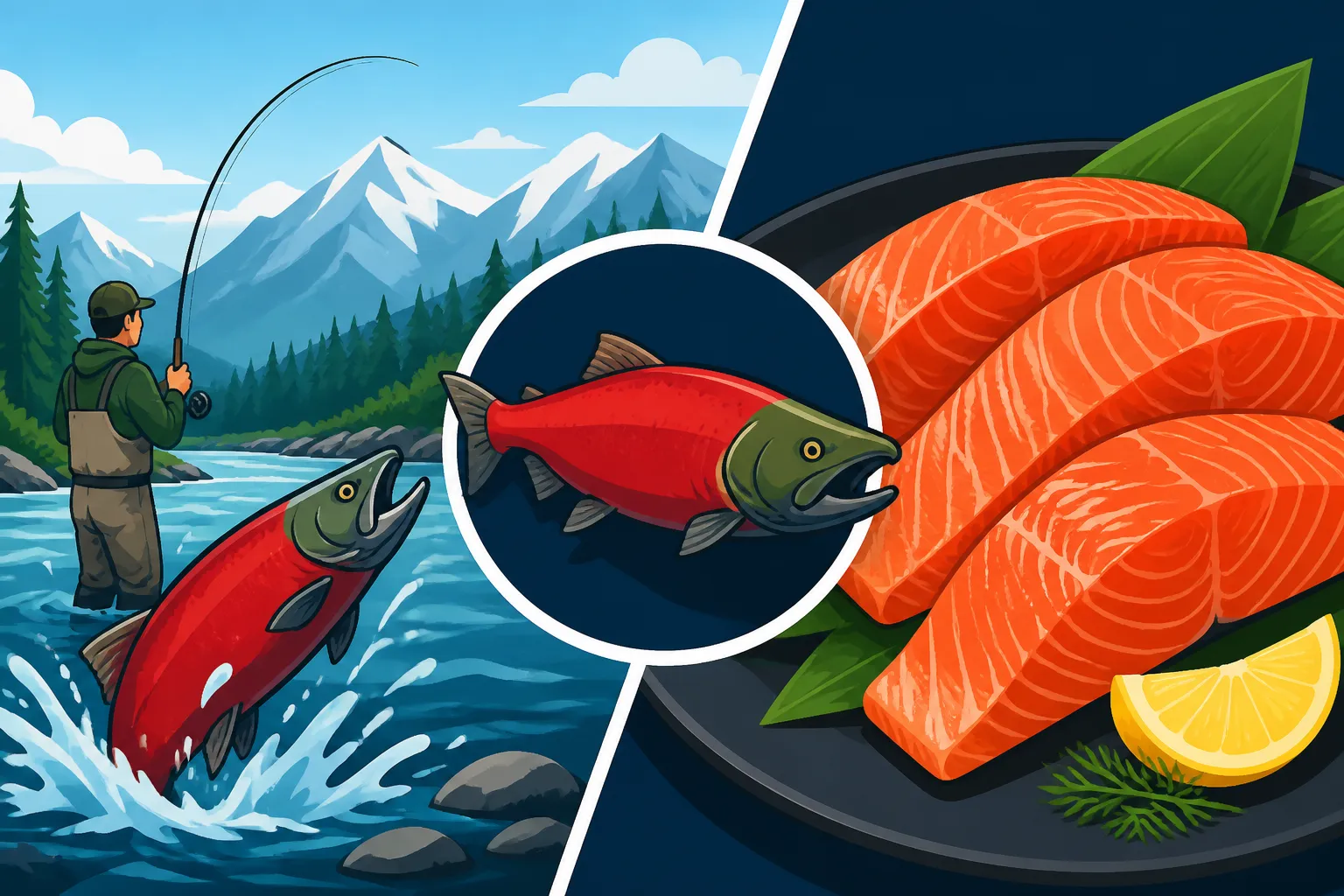
What makes sockeye so special? The most striking feature is its incredibly rich, deep red-orange flesh. This isn't just for show; it's a direct reflection of their diet. Unlike some other salmon species that spend more time in estuaries or feed on different types of prey, sockeye feed almost exclusively on zooplankton and krill in the open ocean. These tiny crustaceans are packed with astaxanthin, a powerful antioxidant that gives sockeye its distinct colour and contributes significantly to its nutritional profile. This intense hue is a visual promise of the richness to come.
Beyond the colour, sockeye salmon has a naturally higher oil content compared to leaner salmon like pink or chum. This intramuscular fat is key to its flavour and texture, basting the fish from the inside out as it cooks. It means that even if you're a little heavy-handed with the heat, sockeye is more forgiving and less likely to dry out, retaining its succulent qualities. This natural richness is what gives it that melt-in-your-mouth quality, something that can be hard to replicate with other types of fish. When you're talking about Sockeye Salmon Fishing in BC, you're often talking about bringing home this incredible culinary prize.
The Wild BC Advantage
British Columbia is synonymous with wild Pacific salmon, and sockeye is perhaps the most iconic of them all. The journey these fish undertake, from their freshwater birthplaces like the Fraser River system, out to the vast Pacific Ocean, and then back upstream to spawn, is nothing short of incredible. This wild existence means they are constantly swimming, foraging, and developing strong, lean muscles marbled with healthy fats, which contributes to their superior texture and taste. There’s no artificial feed, no cramped pens – just pure, natural growth in pristine waters.
Anglers and consumers often debate the nuances between various salmon species, but for many, wild BC sockeye is the gold standard. The distinct conditions of BC's coastal and interior waters, combined with the specific Sockeye Salmon Life Cycle in the Fraser System and other river systems, mean these fish are truly a product of their environment. This pristine habitat and strenuous migration contribute directly to the firm flesh and intense flavor profile that is so highly celebrated. When you buy BC sockeye, you’re not just getting fish; you're getting a piece of a magnificent wild ecosystem.
Sockeye's Signature Flavor and Texture
So, you've heard the hype, seen the vibrant colour, and understand its wild origins. But what does sockeye salmon actually taste like? And how does it feel on the palate? These are the crucial questions for any discerning diner, and sockeye rarely disappoints.
A Taste Like No Other
Sockeye salmon delivers a flavour that is often described as robust, rich, and distinctly "savoury salmon." It’s not overly "fishy," a common concern for some hesitant seafood eaters, but rather has a clean, pronounced flavour that is unmistakably salmon. This intensity comes from its diet and high oil content, translating into a deeply satisfying taste experience. It has a slightly less delicate flavour than, say, a Chinook (King) salmon, but it's more refined and less gamey than some of its cousins. It's a flavour that stands up beautifully to various preparations without being overwhelmed.
Many prefer sockeye precisely because its flavour is so present. It’s a fish that announces itself on the plate, making it the star of any meal. This firm, flavourful fish is a favourite among those who love salmon and appreciate its distinctive qualities. If you're exploring the nuances of Pacific Salmon Species Identification Guide, you'll quickly learn that sockeye is not just about its appearance but its unique taste.
Flaky Yet Firm: The Perfect Texture
The texture of cooked sockeye salmon is one of its greatest assets. It's wonderfully firm, holding its shape beautifully whether grilled, baked, or pan-seared, yet it flakes apart effortlessly with a fork. This isn't a mushy or crumbly fish; it offers a delightful bite that provides substance without being tough or chewy. The high oil content ensures that each flake remains moist and tender, rather than drying out.
Imagine a piece of perfectly cooked sockeye: the exterior might have a slight crispness from a good sear or grill, while the interior remains succulent, almost buttery, melting in your mouth. This textural contrast is incredibly appealing and contributes significantly to the overall enjoyment. It's this beautiful balance between firmness and flakiness, combined with its rich flavour, that truly elevates sockeye above many other fish options. When considering the Best Eating Fish Species From BC Waters, sockeye consistently ranks among the top for both flavour and texture.
Preparing Sockeye for Culinary Perfection
Once you have your magnificent BC sockeye, the next step is to prepare it in a way that truly highlights its natural attributes. Because of its excellent flavour and texture, sockeye is incredibly versatile, lending itself well to a variety of cooking methods. The key is often to let the fish shine, rather than overpowering it with too many strong seasonings.
Grilling and Broiling for a Crisp Finish
Grilling sockeye salmon is a fantastic way to bring out its best. The high heat creates a beautiful char on the outside, locking in the moisture and enhancing its rich flavour with a subtle smoky note. Whether you’re using a gas grill, charcoal, or even a basic George Foreman, the principles are similar: high heat, quick cooking. Brush the fillets lightly with olive oil, season with salt, pepper, and perhaps a squeeze of lemon or fresh dill, and place them skin-side down first for a crisp skin. The firm flesh prevents it from falling apart on the grates, a common frustration with more delicate fish.
Broiling offers a similar effect, providing intense top-down heat that caramelizes the surface quickly. It's a great option for those without an outdoor grill or when the weather isn't cooperating. Just remember to keep a close eye on it, as broilers can go from perfectly cooked to overdone in a flash. For both methods, aim for an internal temperature around 145°F (63°C) for a moist, flaky result. Having the right grilling accessories, like a sturdy fish spatula, can make all the difference, and you can easily browse these on Amazon.
Baking and Pan-Searing for Tenderness
If you prefer a more gentle cooking approach that results in maximum tenderness, baking or pan-searing sockeye are excellent choices. Baking allows the fish to cook evenly in its own juices, keeping it incredibly moist. You can bake it in parchment paper (en papillote) with some herbs and vegetables for a truly infused flavour, or simply on a baking sheet. A common trick is to start with a slightly higher temperature for the first few minutes to sear the outside, then drop it down to finish cooking through.
Pan-searing, on the other hand, is perfect for creating that coveted crispy skin while keeping the inside beautifully flaky. A hot, non-stick pan or a well-seasoned cast-iron skillet with a touch of oil is all you need. Place the fillet skin-side down and don't touch it for several minutes until the skin is golden and crispy. Then, flip and cook for just a couple more minutes until done. This method is quick, creates minimal mess, and delivers fantastic results. To truly elevate your sockeye dishes, consider exploring a new marinade or spice rub. There are countless culinary resources, from specialized salmon cookbooks to gourmet spice blends, available on Amazon to inspire your next meal.
Smoking Sockeye: A True BC Tradition
For a truly authentic British Columbia experience, smoking sockeye salmon is an art form that transforms the fish into something extraordinary. Hot smoking results in a moist, flaky product with a deep, smoky flavour, perfect for flaking into salads, sandwiches, or enjoying on its own. Cold smoking produces lox-style salmon, thinly sliced and silky, though this requires more specialized equipment and technique.
Traditional brines often include salt, sugar, and various spices, infusing the fish before it ever sees the smoke. Alder wood, prevalent in BC, is a classic choice for smoking salmon, imparting a delicate, sweet flavour that complements the sockeye beautifully. You can find a fantastic selection of home smokers and wood chips on Amazon, perfect for experimenting with different smoke profiles in your backyard. This method extends the shelf life and creates a truly unforgettable treat, a testament to BC's rich fishing heritage.
Buying, Storing, and Enjoying Your Sockeye
Getting your hands on quality sockeye and then ensuring it stays fresh are crucial steps to fully appreciating this remarkable fish. Whether you’ve caught it yourself or purchased it, a little care goes a long way.
What to Look for at the Market
When buying sockeye salmon, whether fresh or frozen, look for a few key indicators of quality. If fresh, the flesh should be firm and resilient to the touch, not mushy. The vibrant, deep red colour should be consistent, without any browning or dull spots. The smell should be clean, like fresh ocean air, not overly fishy. If there's skin on the fillet, it should be shiny and intact. For frozen sockeye, look for individually vacuum-sealed portions that are free of freezer burn or excessive ice crystals. A good quality frozen product, handled correctly, can be just as delicious as fresh, especially given the seasonal nature of BC Fishing Seasons by Month for sockeye.
Many local fishmongers in British Columbia pride themselves on sourcing the best wild sockeye available, often from the latest runs. Don't hesitate to ask them about its origin and how fresh it is. They're usually happy to share their knowledge!
Proper Storage for Optimal Freshness
Once you have your sockeye, proper storage is paramount. Fresh sockeye should be kept in the coldest part of your refrigerator, ideally on a bed of ice, and consumed within 1-2 days. If you've caught it yourself, make sure it's bled quickly and kept on ice immediately after harvesting to preserve its quality. This rapid chilling helps maintain its flavour and texture.
For longer-term storage, freezing is the best option. Wrap individual portions tightly in plastic wrap, then foil, or use a vacuum sealer to prevent freezer burn. For long-term storage, a vacuum sealer is a game-changer, preserving that fresh BC taste for months. Many anglers find great deals on these devices on Amazon, which can extend the freezer life of your sockeye significantly. Frozen sockeye can typically maintain its quality for up to 6-9 months. Always thaw frozen salmon slowly in the refrigerator overnight for the best results, rather than at room temperature.
Pairing Sockeye with Complementary Flavors
Sockeye's rich, distinct flavour means it pairs well with a variety of accompaniments. Lighter, brighter flavours often complement it best without overpowering it. Think fresh herbs like dill, parsley, and chives. Citrus, especially lemon and lime, provides a wonderful acidic contrast that cuts through the richness. A simple squeeze of lemon or a fresh salsa can elevate the dish beautifully.
For sides, roasted asparagus, grilled zucchini, a light quinoa salad, or simply steamed new potatoes are excellent choices. If you’re leaning towards more robust pairings, a creamy hollandaise sauce or a mushroom ragout can also be delicious, especially when entertaining. The versatility of sockeye allows you to experiment, but often, less is more when letting its natural deliciousness shine. Having the right tools makes all the difference, whether it's a good set of tongs or a reliable meat thermometer, and you can easily browse these on Amazon.
Beyond the Plate: Sockeye's Nutritional Powerhouse
While taste and texture are often the primary drivers for culinary choices, it's a wonderful bonus when something incredibly delicious is also incredibly good for you. Sockeye salmon definitely falls into this category, offering a wealth of nutritional benefits that contribute to overall health and well-being.
A Rich Source of Omega-3s
Perhaps the most celebrated health benefit of sockeye salmon is its incredibly high content of Omega-3 fatty acids, specifically EPA and DHA. These are essential fats, meaning our bodies cannot produce them on their own, and we must obtain them through our diet. Omega-3s are renowned for their anti-inflammatory properties and play a crucial role in heart health, brain function, and even vision. Regular consumption of foods rich in Omega-3s can contribute to lower blood pressure, reduced risk of heart disease, and improved cognitive function.
Sockeye's wild diet of krill and zooplankton contributes directly to this impressive Omega-3 profile, making it a natural and potent source. For those actively trying to incorporate more heart-healthy fats into their diet, sockeye salmon is an excellent and delicious choice. It’s a smart way to get those vital nutrients.
Vitamins and Minerals Galore
Beyond Omega-3s, sockeye salmon is a true nutritional powerhouse, packed with a broad spectrum of essential vitamins and minerals. It's an outstanding source of high-quality protein, crucial for muscle repair and growth, keeping you feeling full and satisfied. Just a single serving provides a significant portion of your daily protein needs.
You'll also find a good dose of Vitamin D, important for bone health and immune function, which can be particularly beneficial during the darker months when natural sun exposure is limited. Sockeye is also rich in various B vitamins (B12, niacin, B6), which are vital for energy production and nerve function. Additionally, it provides essential minerals like selenium, important for thyroid function and antioxidant defense, and potassium, which helps regulate blood pressure. It's safe to say that when you're enjoying a plate of BC sockeye, you're not just treating your taste buds but also fueling your body with vital nutrients.
| Feature | Sockeye Salmon | Chinook Salmon (King) | Coho Salmon (Silver) | Pink Salmon (Humpy) |
|---|---|---|---|---|
| Flesh Color | Deep Red/Orange | Rich Red/Orange (can vary to white) | Red/Orange | Pale Pink |
| Flavor Profile | Robust, Rich, Clean, Distinctly Salmon | Rich, Buttery, Mildly Salmon (often described as premium) | Mild, Delicate, Slightly less oily than Chinook or Sockeye | Mildest, Least Oily, Subtle Salmon Flavor |
| Texture | Firm, Flaky, Moist | Very Buttery, Tender, Large Flakes | Medium-Firm, Fine Flakes, Moist | Soft, Small Flakes, Leaner |
| Oil Content | High | Very High | Medium | Low |
| Typical Size | Medium (4-15 lbs) | Large (10-50+ lbs) | Medium (5-15 lbs) | Small (3-5 lbs) |
| Common Prep. | Grilling, Broiling, Baking, Smoking, Pan-Searing | Grilling, Broiling, Baking, Roasting, Pan-Searing | Grilling, Broiling, Baking, Pan-Searing, Poaching | Baking, Canning, Smoking, Fish Cakes, Light Grilling |
| BC Habitat | Coastal & Fraser River systems, Interior lakes | Coastal, Fraser, Skeena, Rivers | Coastal & many BC rivers | Coastal, Pink Salmon Rivers in BC |
Disclaimer
This article is for general informational purposes only and does not constitute professional advice. Laws, prices and regulations vary by location and change over time. Consult a qualified professional for guidance on your specific situation.