What lingcod look like and where they live
For many anglers exploring the stunning coastal waters of British Columbia, spotting a lingcod for the first time can be quite the experience. These ancient-looking fish with their formidable teeth and camouflaged bodies often elicit a mix of awe and a little bit of apprehension! It’s easy to wonder what exactly you’ve pulled up, and just as important, where these peculiar creatures choose to make their homes. This guide is dedicated to demystifying the lingcod, diving deep into their distinctive appearance and the specific habitats they prefer along BC's beautiful coastline.
The Distinctive Appearance of British Columbia Lingcod
When you first lay eyes on a lingcod, you'll immediately notice that it's unlike many other fish you might encounter in BC waters. They are truly unique, a robust and somewhat prehistoric-looking species that stands out in the marine environment. Their appearance is a testament to their predatory lifestyle, perfectly adapted for life amongst rocky structures and kelp forests.
Physical Characteristics That Set Them Apart
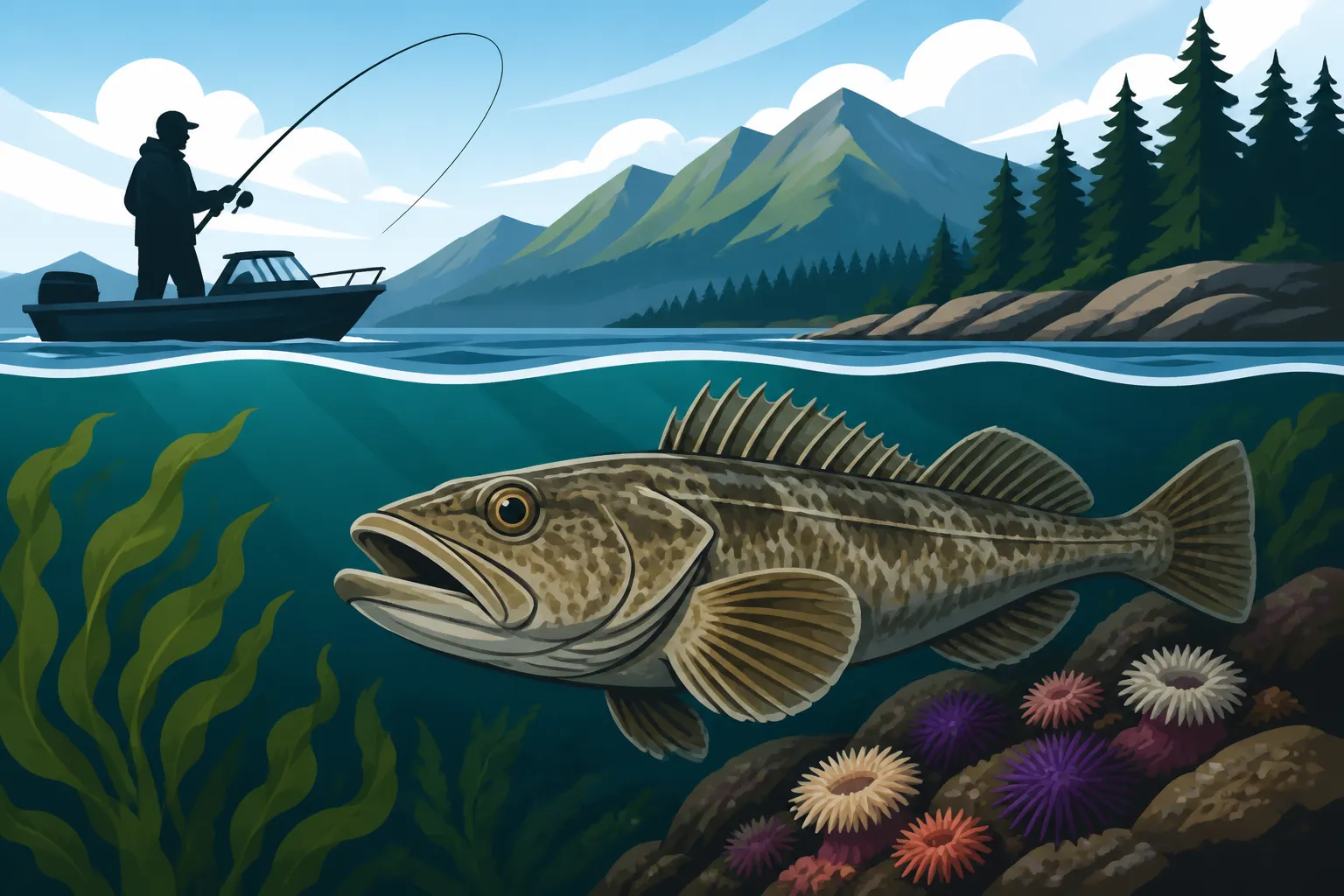
Lingcod possess a very elongated body, which gives them a somewhat serpentine appearance, though they are far more muscular and stout than an eel. Their most striking feature, without a doubt, is their enormous mouth, which is absolutely packed with sharp, needle-like teeth. These teeth aren't just for show; they're designed for gripping and holding onto prey, ensuring a meal doesn't escape. When you're handling one, even a smaller specimen, you quickly learn to respect that powerful jaw. Many experienced anglers keep a pair of robust, puncture-resistant gloves on hand, often found on sites like Amazon, specifically for unhooking these toothy critters safely.
Beyond the teeth, their coloration is incredibly varied and acts as superb camouflage. You'll find lingcod displaying a stunning array of mottled patterns, ranging from dark brown, grey, and olive green to shades of blue or even reddish-brown, often speckled with lighter spots or blotches. This chameleon-like ability allows them to blend seamlessly with the rocky seafloor, kelp beds, and shell-covered structures where they typically reside. Their large pectoral fins are broad and paddle-like, helping them maneuver expertly through tight spaces and hold their position against strong currents. They also have two prominent dorsal fins, one spiny and one soft-rayed, running along their back, which further contributes to their distinctive silhouette. Identifying rockfish, which can sometimes be caught in similar areas, requires careful attention to these details, and a guide like Rockfish Species Identification Guide for BC can be very helpful.
Size and Growth: From Juvenile to Trophy Lingcod
Lingcod start relatively small, like any fish, but they have the potential to grow into true giants of the deep. While many of the lingcod you'll encounter might be in the 5 to 15-pound range, these fish can reach impressive sizes. It’s not uncommon to hear tales of lingcod pushing the 40 or even 60-pound mark, with some exceptional specimens growing even larger. The BC record books show just how big these fish can get, and it's always exciting to think about potentially catching a true behemoth. If you're curious about the largest catches in the province, checking out BC Provincial Fish Records by Species can be quite inspiring!
Their growth rate is relatively slow compared to some other marine species, meaning the bigger fish are often quite old. This long lifespan contributes to their formidable size and robust nature. The sheer power a large lingcod can exert when hooked is something every angler remembers. Their muscular bodies and large tails allow them to put up an incredible fight, often diving deep back into the structure they call home, making them a challenging and rewarding catch. For those looking to target bigger fish, understanding their preferred habitat and using appropriate gear, often found through quick searches on Amazon, is key to success.
Where Lingcod Call Home: Preferred Habitats in BC's Coastal Waters
Lingcod are not wanderers of the open ocean; they are creatures of structure, masters of ambush, and territorial residents of specific types of underwater terrain. Their preferred habitats are as distinctive as their appearance, and understanding these environments is crucial for anyone hoping to find them.
Rocky Reefs, Kelp Forests, and Submerged Structures
If you want to find lingcod, think rocks, rocks, and more rocks! These fish are intrinsically linked to hard-bottomed areas. They thrive in environments where they can find cover, ambush points, and plenty of crevices to hide in. This means their prime real estate includes rocky reefs, ledges, pinnacles, and underwater rock piles. The more broken up and complex the bottom structure, the happier a lingcod will be.
Kelp forests are another favorite haunt. The dense canopy of kelp provides excellent cover, hiding them from both prey and larger predators. They will often lie in wait, perfectly camouflaged among the swaying kelp fronds, ready to dart out and snatch an unsuspecting fish or crustacean. Think of these areas as underwater jungles, offering both concealment and abundant food. Old sunken vessels, jetties, bridge pilings, and even artificial reefs can also become prime lingcod habitat once marine growth starts to accumulate, creating that essential structural complexity. When fishing these areas, having a good fish finder is invaluable for identifying these underwater features, and there are many models suitable for various budgets available on Amazon. For specific insights into similar fishing zones, you might find tips in Lingcod Habits Around Structure particularly useful.
Geographical Distribution and Depth Preferences
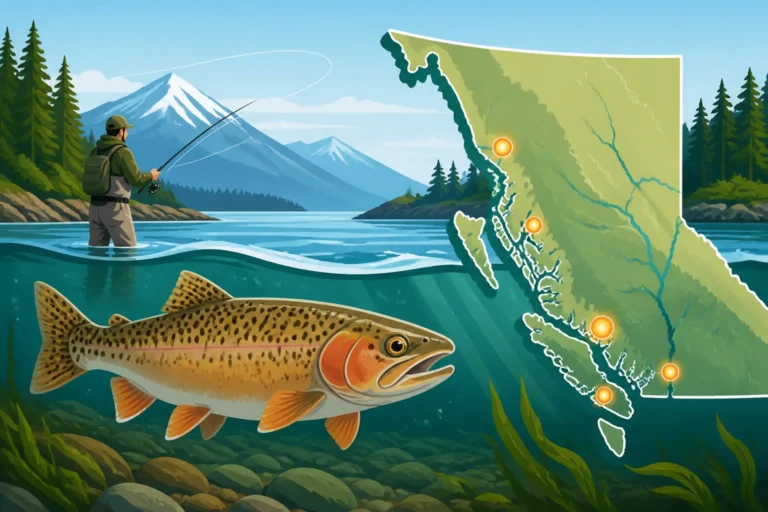
Along British Columbia's extensive coastline, lingcod are found from the southern reaches of the Strait of Georgia and the west coast of Vancouver Island, all the way up to the remote waters of Haida Gwaii and the Alaskan border. Essentially, if there’s suitable rocky habitat in BC’s coastal marine environment, there’s a good chance you’ll find lingcod. They are a common species throughout the region, adapting to local conditions within their preferred structural confines.
While you can sometimes find smaller lingcod in relatively shallow waters, especially around kelp beds and rocky shorelines, they generally prefer deeper environments as they grow larger. You'll often find them ranging from depths of 10 to over 100 meters (roughly 30 to 330 feet), though they can be found even deeper in some areas. Their depth preference is often tied to the availability of oxygen-rich, cool water and, crucially, the presence of their preferred prey. This makes them a prime target for bottom fishing techniques, often involving heavy jigs or bait presentations. For those exploring the deeper zones, understanding specific depths, much like for other bottom dwellers, is key; for example, insights into How deep halibut live off the BC coast can offer a good comparative perspective.
The Role of Forage and Environment in Lingcod Location
Lingcod are apex predators in their rocky domain, and their presence in a particular area is heavily dictated by their feeding habits and the environmental conditions that support their lifestyle. Understanding what they eat and the water characteristics they prefer gives us even more clues about where to find these elusive fish.
Diet and Prey: Ambush Hunters of the Reef
Lingcod are opportunistic and voracious predators. Their diet is incredibly varied, but it primarily consists of other fish, crustaceans, and cephalopods. They are not picky eaters! Smaller fish like herring, cod, sandlance, juvenile salmon, and even smaller rockfish are common items on their menu. They're also known to gobble up crab, shrimp, and octopus. This explains why they are so territorial and why they cling to structure – it's the perfect place to lie in wait, perfectly camouflaged, for an unsuspecting meal to swim by. They use their powerful jaws and sharp teeth to quickly engulf and subdue their prey.
Knowing their diet is immensely helpful for anglers. If you're fishing in an area abundant with these forage species, especially around rocky structure, your chances of encountering a lingcod increase significantly. This is why artificial baits that mimic these prey items, or using actual bait like herring or squid, are so effective. Detailed information on what tempts them can be found in resources like Best Baits for Lingcod Around Structure.
Water Conditions: Cool, Clear, and Current-Rich
Lingcod thrive in specific water conditions, and these preferences further define their habitat. They generally prefer cool, well-oxygenated marine waters, which is characteristic of much of the BC coast. While they can tolerate a range of temperatures, they are not typically found in exceptionally warm or stagnant waters. The strong tidal currents and upwelling that bring nutrient-rich, cold water to many of BC's coastal reefs create ideal conditions for lingcod and their prey alike.
Current is another critical factor. Lingcod are powerful swimmers, but they often use currents to their advantage, positioning themselves in ambush points where the current brings food directly to them. They'll often be found just out of the main current flow, in eddies or behind large rocks, waiting to strike. These areas provide a resting spot while still offering easy access to the passing food conveyor belt. Clear water is also beneficial, allowing them to spot their prey more effectively. If you're looking for prime fishing grounds, considering the combination of complex structure, abundant forage, and ideal water conditions, you'll be on the right track. Much like their bottom-dwelling relatives, specific locations are key, and guides like Best Halibut Fishing Spots in BC can overlap with prime lingcod territories.
Angler's Perspective: Finding and Catching Lingcod
For anglers, identifying and understanding lingcod habitats is half the battle. Knowing what they look like and where they live fundamentally changes how you approach fishing for them. It helps you select the right spots, employ effective techniques, and ultimately, increases your chances of a successful and memorable outing.
Targeting Lingcod Effectively
Successfully targeting lingcod means focusing your efforts on those rocky, kelp-laden, and structure-heavy areas we've discussed. This often involves using a boat equipped with a reliable depth sounder to pinpoint submerged reefs, ledges, and rock piles. Once you've located promising structure, various fishing techniques come into play. Jigging with heavy metal or soft plastic jigs is incredibly popular, as these lures can be worked right on the bottom, mimicking injured prey or darting baitfish. Bait fishing, often using large chunks of herring, octopus, or even whole squid, dropped directly into the structure, is also highly effective. The key is to get your presentation right into their living room.
Always be prepared for a strong fight when a lingcod strikes. They will often try to "rock you up," diving into the nearest crevice to break your line. Stout rods, strong reels, and abrasion-resistant line are not just recommended, they are essential. Many anglers choose heavy-duty braided lines with a robust fluorocarbon leader, items easily sourced from a reputable outdoor retailer or online on Amazon. For a deeper dive into methods, exploring Best Techniques for Lingcod Around Structure and How to Catch Lingcod off Vancouver Island would provide excellent guidance.
Conservation and Responsible Fishing Practices
While lingcod are a resilient species, they are also slow-growing and can be vulnerable to overfishing in localized areas. As responsible anglers, practicing good conservation habits is paramount to ensuring healthy lingcod populations for future generations. Always be aware of the current BC Halibut Bag Limit Rules as many of the general groundfish regulations apply to lingcod as well, including daily bag limits and size restrictions. These regulations are put in place to help manage fish stocks and maintain ecological balance.
Beyond following regulations, consider practicing catch and release, especially for the larger, older breeding fish. If you do plan to keep a lingcod for the table – and they are absolutely delicious! – only take what you need and handle fish carefully to minimize stress. Using barbless hooks can also make releasing fish easier and reduce injury. By understanding what these incredible fish look like and where they live, we can better appreciate them and play our part in protecting them for many years to come.
| Lingcod Habitat Preference | Description | Why They Prefer It | Angler's Tip |
|---|---|---|---|
| Rocky Reefs & Ledges | Submerged rock formations, pinnacles, drop-offs, and crevices along the seafloor. | Provides abundant ambush points, hiding spots, and territorial boundaries. Home to many prey species. | Use a good depth sounder to locate structure. Fish jigs or baited rigs directly on or near the bottom, being prepared for snags. |
| Kelp Forests | Dense underwater forests of kelp, often growing on rocky substrates in shallower to moderate depths. | Offers excellent camouflage, shelter from predators, and a rich ecosystem for prey like smaller fish and crustaceans. | Focus on the edges of kelp beds or open pockets within them. Use weedless presentations if fishing directly in dense kelp. |
| Artificial Structures | Shipwrecks, old docks, bridge pilings, jetties, artificial reefs, sunken logs, and debris. | Mimics natural rocky habitat, providing complex cover and a substrate for marine growth that attracts forage fish. | Research known artificial structures in your fishing area. These can be hot spots but might require precise boat positioning and retrieval techniques to avoid losing tackle. |
| Moderate to Deep Water | Typically found from 10m (30ft) down to over 100m (330ft), with larger fish often in deeper zones. | Deeper, cooler water is preferred, especially by larger individuals, offering stable temperatures and often stronger currents bringing food. | Pay attention to depth contours and current patterns. Heavier tackle is usually required for deeper water and to manage strong currents. Ensure your tackle, including line and lures, is rated for deep-sea use, as found on Amazon. |
Disclaimer
This article is for general informational purposes only and does not constitute professional advice. Laws, prices and regulations vary by location and change over time. Consult a qualified professional for guidance on your specific situation.