Where white sturgeon get the biggest in the Fraser
There’s nothing quite like the dream of hooking into a truly monstrous white sturgeon, that ancient leviathan of the Fraser River. Many anglers spend years, even decades, chasing that once-in-a-lifetime fish, often wondering if they're even in the right spots to find those record-breakers. This guide will take you deep into the heart of British Columbia's Fraser River, exploring the specific stretches and environmental factors that contribute to where white sturgeon get the biggest, helping you understand their habitat and increasing your chances of encountering one of these magnificent giants.
Understanding White Sturgeon and Their Growth on the Fraser
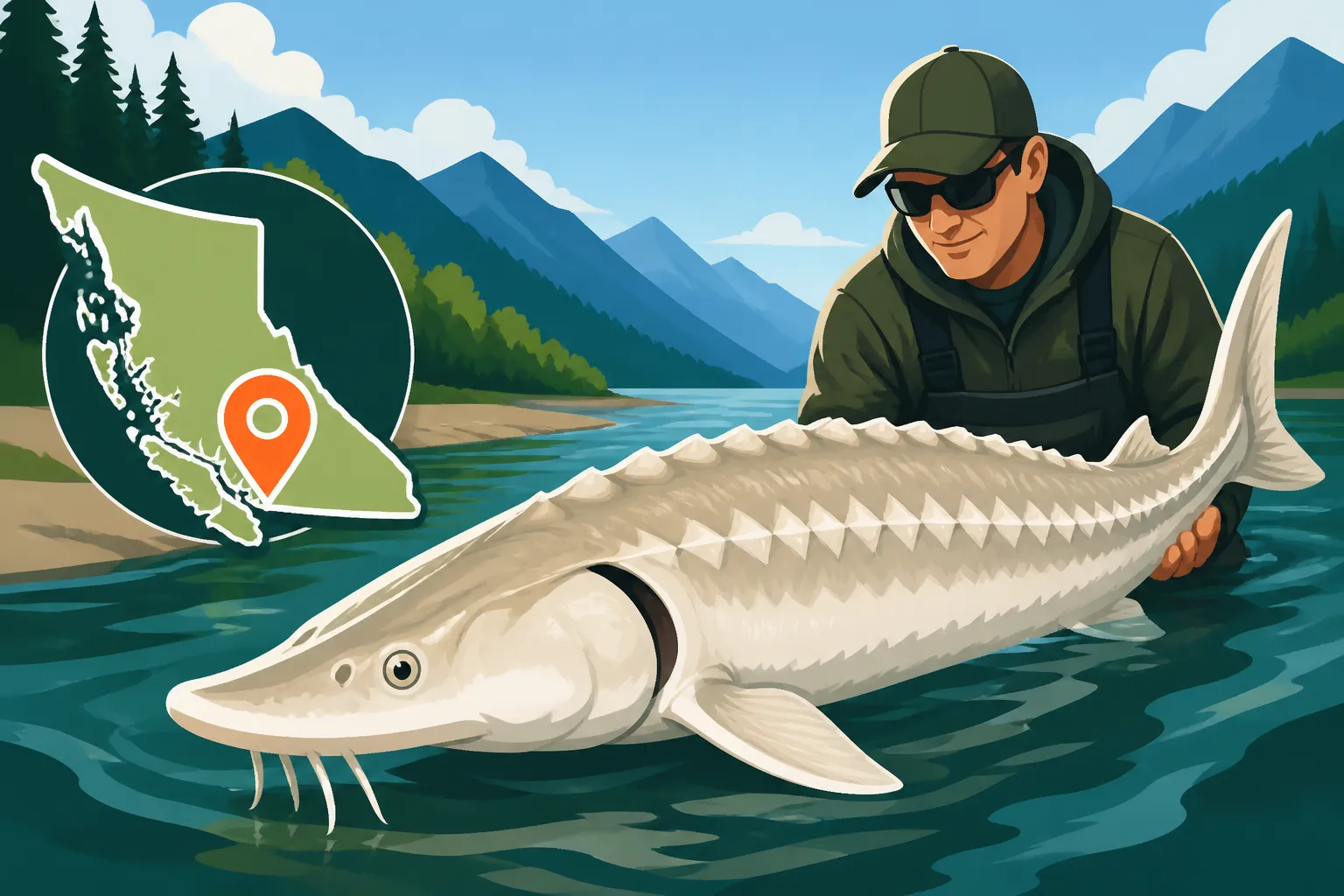
Before we dive into the specific hotspots, it's crucial to grasp a little about what makes white sturgeon grow to such immense sizes, particularly in the Fraser River. These are truly prehistoric fish, living for over a century, and they continue to grow throughout their incredibly long lives. The Fraser River provides an almost perfect ecosystem for them: a massive, nutrient-rich waterway with abundant food sources, diverse habitats, and relatively consistent water flows. This combination allows them to thrive and attain lengths exceeding ten feet and weights of over a thousand pounds, making the Fraser River a world-renowned destination for trophy sturgeon. If you're looking for more general information, our guide on White Sturgeon Fishing on the Fraser River covers the basics.
The Role of Food Abundance in Sturgeon Size
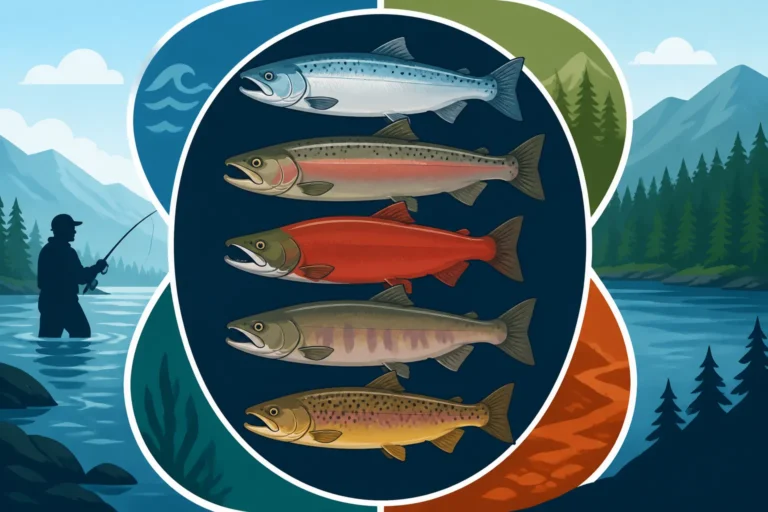
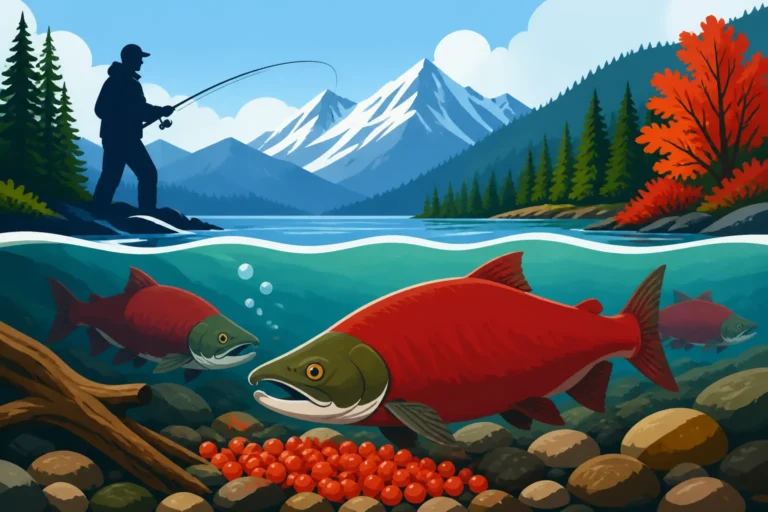
One of the primary drivers of sturgeon growth is the sheer availability of food. The Fraser River is legendary for its massive salmon runs – sockeye, chinook, coho, pink, and chum salmon ascend the river system in the millions each year. When these salmon complete their spawning cycle and die, their carcasses become an incredibly rich and accessible food source for sturgeon. This seasonal feast provides a huge boost of protein and fat, allowing the sturgeon to pack on weight rapidly.
Beyond salmon, the Fraser is teeming with other aquatic life. eulachon (candlefish) runs, lamprey, various species of baitfish, and even freshwater mussels and crustaceans all contribute to a diverse and abundant diet for sturgeon throughout the year. This consistent food supply, year after year, over decades, is what fuels their impressive growth. It’s not just about finding any sturgeon, but finding the ones that have had the most success in capitalizing on these rich feeding opportunities, leading to truly immense fish.
Habitat and Longevity: Keys to Giants
White sturgeon are creatures of habit and prefer specific types of habitat that offer both feeding opportunities and protection. They are bottom-dwellers, and while they can be found in various depths, the biggest fish often congregate in deep holes, trenches, and along dramatic underwater drop-offs where current is present but not overwhelming. These deep-water sanctuaries provide refuge from strong flows, stable temperatures, and excellent ambush points for feeding. Their longevity means that generations of sturgeon have utilized these same prime habitats, learning over their long lives the best spots to find food and conserve energy.
A large, healthy sturgeon is typically a very old sturgeon, sometimes over 80 or even 100 years old. These fish have survived countless challenges, navigated myriad salmon runs, and weathered numerous environmental shifts. Their sheer age means they’ve had an incredible amount of time to grow, making the Fraser River’s protected, stable environment a crucial factor in the sheer size of its sturgeon population. You can learn more about Sturgeon Growth Rate to Trophy Size to understand just how long it takes for these fish to reach monumental proportions.
Prime Fraser River Sections for Trophy Sturgeon
The Fraser River is a vast system, stretching over 1,375 kilometers (854 miles) from its headwaters to the Strait of Georgia. Not all sections are created equal when it comes to consistently producing the largest white sturgeon. While sturgeon can be found throughout the river, certain stretches offer the optimal combination of habitat, food, and environmental conditions that allow them to grow to their maximum potential. The most renowned sections for trophy sturgeon fishing are generally the Lower and Middle Fraser River.
The Lower Fraser River: Tidal Influence and Abundant Food
The Lower Fraser River, generally considered the stretch from Mission downstream to the Strait of Georgia, is arguably the most famous and accessible area for sturgeon fishing, and for good reason. This section is heavily influenced by tides, which push nutrient-rich saltwater far upriver, creating a brackish environment where freshwater and saltwater species intermingle. This tidal action also plays a critical role in concentrating baitfish and salmon, creating feeding frenzies that sturgeon are quick to exploit.
The sheer volume of salmon returning to spawn, combined with eulachon and other forage fish, makes the Lower Fraser a consistent buffet for sturgeon. Anglers often find the biggest fish in the deeper channels, alongside large log jams, or at the mouths of tributaries where salmon tend to stage before continuing their upstream migration. Areas around Chilliwack, Mission, and Fort Langley are particularly productive. The deep holes here are often formed by centuries of river flow, providing perfect resting and feeding grounds. You can find more targeted information in our article on Lower Fraser River Sturgeon Fishing.
The Middle Fraser River: Deep Pools and Isolated Giants
Moving upstream from Mission, we enter the Middle Fraser River, a stretch characterized by less tidal influence, more defined river features, and often, more isolated fishing experiences. This area, extending roughly up past Hope and into the Fraser Canyon, is renowned for its deep, powerful pools, dramatic canyons, and complex underwater structure. While perhaps not as densely populated with sturgeon as the Lower Fraser, the Middle Fraser often yields some of the absolute biggest fish.
The sturgeon here are generally more reliant on the salmon runs that push through these sections, as well as resident coarse fish. The deep, scoured-out holes and eddy lines provide perfect holding water for these massive fish, allowing them to conserve energy while waiting for food to drift by. Anglers often seek out these deep-water sanctuaries, sometimes requiring specialized sonar and heavier tackle to reach them effectively. Fish in this section are often less pressured and have had a lifetime to grow in these relatively undisturbed deep pockets. Looking at Middle Fraser River Salmon Fishing can give you an idea of the forage available in this stretch.
The Fraser Canyon: Untamed and Challenging
Further upstream, as the Fraser River carves its way through the Fraser Canyon, the river becomes a wild, powerful beast. While sturgeon do inhabit this incredible stretch, the extreme currents, limited access, and inherent dangers make it a much more challenging environment for both fish and anglers. However, for those willing to brave the conditions, the canyon's deep, turbulent waters and dramatic underwater features can hold some truly enormous, often ancient, sturgeon. These fish are true survivors, thriving in an unforgiving environment.
Fishing the canyon requires specialized boats, expert guides, and a deep understanding of river dynamics. The fish here are often more spread out, making them harder to locate, but the rewards can be monumental. Many of these areas are only accessible by jet boat, adding to the remote and wild feel of the fishing.
Here’s a comparison of these Fraser River sections for trophy sturgeon potential:
| Fraser River Section | Characteristics | Trophy Sturgeon Potential | Key Factors for Large Fish | Angler Experience Needed |
|---|---|---|---|---|
| Lower Fraser | Tidal, broad, accessible, high salmon runs | High, consistent | Abundant and diverse food, numerous deep holes, tidal flows | Beginner to Expert |
| Middle Fraser | Less tidal, defined channels, deep pools, canyons | High, but more dispersed | Deep, stable holding water, less pressure, large salmon runs | Intermediate to Expert |
| Fraser Canyon | Turbulent, fast current, challenging access | Moderate to High | Ancient, less-pressured fish in extreme depths | Advanced, Guided |
What Defines a "Trophy" Sturgeon and How to Target Them
When we talk about "the biggest" white sturgeon, we're generally referring to fish that are truly exceptional in size. While a six-foot sturgeon is an impressive catch for most anglers, a trophy sturgeon in the Fraser River typically starts at around eight feet in length, and can stretch to well over ten or even twelve feet, with weights often exceeding 500 pounds, sometimes even reaching the thousand-pound mark. These are the giants that have navigated the river for many decades, growing consistently throughout their lives.
Targeting these colossal fish isn't just about luck; it's about understanding their habits, having the right gear, and practicing responsible angling techniques.
Essential Gear for Monster Sturgeon
You simply cannot go after these huge fish with light tackle. You need heavy-duty rods, powerful reels, and robust line to stand a chance.
- Rods: Look for stout, heavy-action rods, typically 7 to 9 feet long, designed for catfish, halibut, or large saltwater species. They need immense backbone to handle the weight and power of a large sturgeon.
- Reels: A high-quality, conventional reel with a strong drag system is non-negotiable. It needs to hold a significant amount of heavy braided line. Many reputable brands offer models suitable for this type of fishing.
- Line: Braided line, in the 100-200 lb test range, is standard. Its no-stretch properties are crucial for feeling subtle bites in deep water and for powerful hook sets. A heavy mono or fluorocarbon leader (150-300 lb test) is often used to combat abrasion from the sturgeon's rough skin and rocky river bottom. You might find a great selection of these specialized lines and reels on Amazon.
- Terminal Tackle: Large circle hooks (10/0 to 20/0) are generally preferred for sturgeon, as they are safer for the fish and often result in a hook-up in the corner of the mouth, making release easier. Heavy weights (8-32 oz, sometimes more depending on current) are needed to hold your bait on the bottom. Swivels and heavy-duty snaps are also essential components of a strong rig. Our article on Best rig for bottom fishing for sturgeon goes into more detail.
Strategic Bait and Presentation
Sturgeon are scavengers with an incredible sense of smell. They primarily feed on dead or dying fish. The most effective baits on the Fraser River typically include:
- Salmon parts: Cured salmon roe (eggs), salmon pieces (belly strips, fillets), or entire salmon carcasses (where legal and appropriate) are highly effective, especially during and after salmon runs.
- Eulachon: Also known as candlefish, these oily fish are a seasonal favorite for sturgeon.
- Lamprey: Often sold frozen, lamprey sections are another excellent sturgeon bait due to their oil content and smell.
- Other oily baits: Sardines, herring, or even a combination of baits can be very effective.
The key is to present your bait directly on the river bottom, in areas where sturgeon are known to hold. This usually means casting into deep holes, along drop-offs, or near submerged structure. Keeping your bait fresh and scent-rich is crucial, and checking it regularly is a good practice. Knowing the Best bait for sturgeon on the Fraser River is half the battle.
Fishing in the Right Conditions
Sturgeon can be caught year-round, but certain conditions can increase your chances of finding larger fish. Water levels, temperature, and especially the presence of salmon runs, all play a role. Higher water levels can sometimes spread fish out, while lower, more stable flows can concentrate them in deeper areas. The period during and immediately following the major salmon migrations is often considered prime time, as the river becomes a feeding free-for-all. Pay attention to local fishery notices and river conditions; guides will often have the most up-to-date intel.
Conservation and Responsible Angling Practices
Catching a truly massive white sturgeon is an experience you'll never forget, but it comes with a profound responsibility to protect these incredible fish for future generations. White sturgeon are a protected species, and strict regulations are in place to ensure their survival. In British Columbia, white sturgeon fishing is almost exclusively catch-and-release, especially on the Fraser River. It is imperative that anglers adhere to these rules and practice careful handling. Our article on Is It Legal to Release a Sturgeon You Catch in BC? offers essential legal guidance.
Proper Catch and Release Techniques
Releasing a large sturgeon safely is paramount to its survival. Here are some critical guidelines:
- Minimize Fight Time: While thrilling, a prolonged fight can exhaust a sturgeon, reducing its chances of survival. Use appropriate heavy tackle to land the fish as efficiently as possible.
- Keep the Fish in Water: Never remove a large sturgeon completely from the water. Their massive bodies are not designed to support their weight out of the water, and it can cause severe internal damage. If you must take a photo, keep the fish submerged, supporting its belly fully.
- Use Barbless Hooks: Barbless hooks make removal much easier and cause less damage to the fish's mouth. Many sturgeon guides insist on them.
- Quick Hook Removal: Use long-nosed pliers or a de-hooking tool to remove the hook as quickly and gently as possible. If the hook is deeply set, cut the line as close to the hook as you can rather than tearing the fish's tissues.
- Support the Fish During Revival: After release, hold the sturgeon upright in the current, supporting its belly, until it regains strength and can swim away on its own. This might take several minutes for a very large fish.
- Measure and Tag: Many guides will measure and tag sturgeon as part of ongoing conservation efforts. Cooperate with these efforts, as the data collected is vital for understanding sturgeon populations. For detailed information, see our guide on Sturgeon catch and release survival tips.
The Importance of Licensed Guides
Given the specialized gear, unique techniques, and the critical importance of proper handling, fishing for trophy white sturgeon, especially in the more challenging sections of the Fraser, is best done with a licensed and experienced guide. A good guide not only knows exactly where to find the biggest fish and what bait to use, but they are also experts in safe sturgeon handling and ensure all regulations are followed. They have the right boats, the heavy gear, and the knowledge to make your trip both successful and responsible. They are also up-to-date on specific regulations, such as the BC Fraser River Sturgeon Catch and Release Requirement. Many excellent Fraser River sturgeon guides can be found through online searches or by checking fishing forums, and you can often find reviews or even book trips on platforms like Amazon through third-party adventure providers.
Long-Term Conservation Efforts
The incredible health of the Fraser River sturgeon population is a testament to ongoing conservation efforts by various governmental bodies, First Nations communities, and angling groups. These efforts include habitat restoration, monitoring programs, and strict regulations. As anglers, we are stewards of this precious resource. By practicing responsible catch and release, respecting regulations, and supporting conservation initiatives, we can ensure that future generations will also have the opportunity to chase the giants of the Fraser. You might even find books or documentaries about these efforts available on Amazon, offering deeper insights into the amazing work being done.
Disclaimer
This article is for general informational purposes only and does not constitute professional advice. Laws, prices and regulations vary by location and change over time. Consult a qualified professional for guidance on your specific situation.