When chinook salmon run on the Fraser
One of the most thrilling pursuits for any angler in British Columbia is the quest for Chinook salmon on the mighty Fraser River. However, if you're new to the scene, trying to figure out when these magnificent fish make their legendary journey upstream can feel like cracking a secret code. You hear whispers of "springers," "summer runs," and "fall fish," and it's easy to get overwhelmed. This comprehensive guide will demystify the Chinook salmon runs on the Fraser River, breaking down the prime seasons and the factors that influence their timing, so you can plan your next fishing adventure with confidence.
Understanding Chinook Salmon Runs on the Fraser River
The Fraser River, a lifeline for British Columbia, supports an incredible diversity of fish, and its Chinook salmon runs are legendary. These are not just any salmon; they're often referred to as "King salmon" for a reason – their impressive size, incredible fight, and delicious flesh make them a prized catch. But it's important to understand that when we talk about "Chinook runs," we're not talking about one single wave of fish. The Fraser hosts multiple distinct populations, each with its own timing and life history.
The Life Cycle and Journey of Fraser Chinook
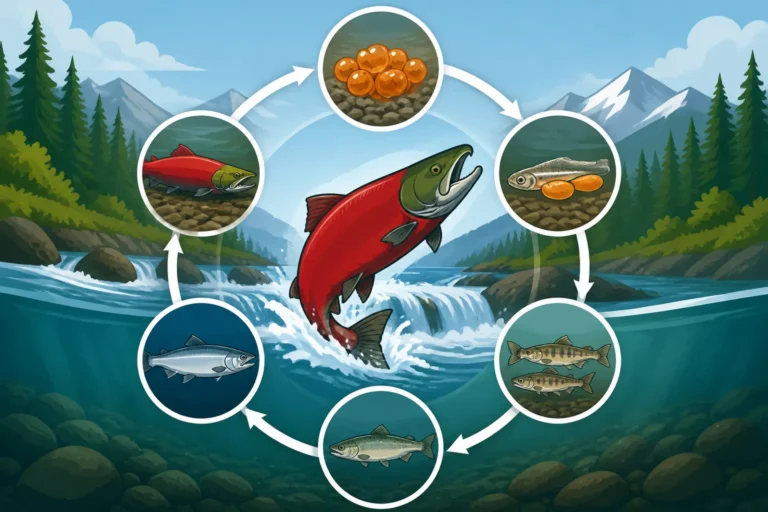
Chinook salmon are anadromous, which means they begin their lives in freshwater, migrate to the ocean to feed and grow, and then return to their natal rivers to spawn. For Fraser River Chinook, this journey is nothing short of epic. After spending anywhere from two to five years foraging in the vast Pacific Ocean, growing into powerful, chrome-bright specimens, they answer an ancient call. They navigate treacherous currents, avoid predators, and push themselves upstream, sometimes hundreds of kilometers, to reach the very streams and gravel beds where they were born. This incredible migration is why timing your fishing trip correctly is so crucial; you want to intercept them when they are in peak condition and plentiful in the river system. Their ocean journey helps them build the fat reserves and muscle needed for this arduous freshwater trek, making them formidable opponents on the end of a line.
Different Runs: Spring, Summer, and Fall
Unlike some other salmon species that might have one primary return window, Fraser River Chinook salmon exhibit a fascinating pattern of distinct "runs" or populations. These different groups, often genetically distinct, enter the river at various times of the year. This staggered return ensures a continuous presence of Chinook in the system from late spring through late autumn, but it also means an angler needs to understand which run they are targeting and when. Each run has its own characteristics: size, condition, and even where they might be found within the vast Fraser River system. This biological diversity is one of the many wonders of the Fraser, and it offers anglers multiple opportunities throughout the year to connect with these magnificent fish. Understanding these differences is key to successful and ethical fishing on the river.
The Prime Windows for Chinook Salmon Fishing on the Fraser
Knowing that there isn't just one "Chinook run" is the first step. The next is understanding the specific windows when each major group enters the river. These periods are generalizations, of course, as Mother Nature always has the final say, but they provide a solid framework for planning.
Spring Chinook (Red Springs): April to June
The earliest Chinook to enter the Fraser River are often referred to as "Springers" or "Red Springs," and they represent one of the most highly anticipated runs for many dedicated anglers. These fish typically begin to show up in the lower Fraser around late April and continue through May and into early June. What makes them so special? They are often incredibly bright, chrome-plated, and full of fight, having just left the ocean. These are fish destined for the farthest reaches of the Fraser River system, often journeying to tributaries hundreds of kilometers upstream. Because of their long migration ahead, they are hard-fighting and still carrying much of their ocean-fed energy.
However, targeting Spring Chinook can be challenging. Their numbers are generally lower than later runs, and the river conditions in spring, with higher, often murky, water from snowmelt, can make finding and hooking them a real test of skill and patience. Anglers often employ specific techniques, like bar fishing or back-trolling, to present baits or lures effectively in these conditions. Despite the challenge, landing a chrome Springer from the Fraser in May is a truly rewarding experience, often leading to stories that last a lifetime. Many anglers start checking BC Fishery Notices and In-Season Closures, Explained as early as March to anticipate the return of these prized fish.
Summer Chinook: July to August
As the spring melt subsides and the Fraser River typically drops and clears (though this varies year to year), the July and August window opens for the Summer Chinook run. While perhaps not as famed as the early "Springers," these fish often make up a significant portion of the annual return and provide excellent fishing opportunities. These Chinook are also destined for various upstream tributaries, often farther up the mainstem Fraser or its larger tributaries. During this time, you'll start to see more consistent numbers of fish moving through the lower and middle sections of the river.
The Summer Chinook are still in fantastic condition, though you might start to see a slight darkening of their skin as they transition from their ocean-bright phase to their spawning colours. They remain incredibly powerful fighters. Fishing during the summer can be a bit more comfortable, weather-wise, than the cooler, wetter spring, but sun protection is key. This is a great time to explore different sections of the Fraser River Fishing Guide, as fish will be distributed along their migratory path. For those looking to maximize their chances, using strong tackle is a must; many reliable brands can be found on Amazon, offering everything from heavy-duty trolling rods to robust baitcasting reels capable of handling these powerful fish.
Fall Chinook (White Springs): September to November
For sheer numbers and often some of the largest fish, the September and October period, extending into November, is when the Fall Chinook, sometimes called "White Springs" (referring to their lighter flesh colour compared to red springs), make their grand entrance. This is often the peak season for Chinook fishing on the lower and middle Fraser, drawing anglers from all over. These fish are typically destined for tributaries closer to the lower and middle Fraser, meaning they don't have quite as far to travel as their spring and summer cousins. As a result, they can be incredibly numerous in the main stem of the Fraser, especially in its lower reaches.
While many of these fish might exhibit more pronounced spawning colours, especially later in the run, they are still incredibly strong and can provide exceptional battles. Their sheer size during this period is often what captivates anglers. This run often coincides with the return of other salmon species, like Coho and Chum, creating a vibrant and bustling fishery. It's an excellent time for both seasoned veterans and those new to the river, offering more consistent action. Always check BC Fishing Regulations Explained for specific rules, as regulations can change frequently during peak season to manage conservation efforts.
| Chinook Run Type | Approximate Timing (Fraser River) | Typical Condition | Destination | Key Characteristics |
|---|---|---|---|---|
| Spring Chinook | Late April – Early June | Bright, chrome | Upper Fraser Tributaries | Highly prized, strong fighters, challenging to target |
| Summer Chinook | July – August | Brightening/Fading Chrome | Mid/Upper Fraser Tributaries | Good numbers, active, strong |
| Fall Chinook | September – November | Darkening, larger | Lower/Mid Fraser Tributaries | Highest numbers, largest fish, excellent action |
Factors Influencing Chinook Run Timings and Success
While the general windows for Chinook runs are a good starting point, Mother Nature doesn't always adhere strictly to the calendar. Several environmental factors play a significant role in influencing the exact timing, speed, and success of these migrations. Being aware of these elements can give you a better understanding of what to expect when you hit the river.
Water Levels and Temperatures
One of the most critical factors influencing salmon migration is the river's water levels and temperature. In spring and early summer, high water levels from snowmelt can mean more powerful currents, which might slow down or delay early-arriving Chinook. However, it also provides cover and makes navigation easier for fish. Conversely, very low water levels, especially in late summer or fall, can make migration difficult, concentrating fish in deeper pools and potentially making them more susceptible to stress or angling pressure. Water temperature is equally vital; Chinook, like all salmon, prefer specific temperature ranges. If the water gets too warm, they may "hold" in cooler pockets or deeper sections, waiting for conditions to improve, or they might push through faster if conditions are ideal. Monitoring these factors is part of the game for any serious angler on the Fraser.
Understanding these variables often means adapting your Salmon Fishing Techniques for BC Rivers on the fly. For instance, in high water, heavier weights and larger baits might be necessary, while in low, clear water, stealth and finesse become paramount.
Fishery Notices and Conservation Measures
This cannot be stressed enough: before you even think about heading out to fish for Chinook on the Fraser, you must consult the official fishery notices. The Fraser River is a complex and highly managed system, with conservation being a top priority, especially for species like Chinook salmon, whose populations can fluctuate. The Department of Fisheries and Oceans Canada (DFO) regularly issues notices detailing openings, closures, retention limits, gear restrictions, and specific dates for different sections of the river. These notices can change rapidly, sometimes weekly, based on real-time assessments of fish returns.
What might be open for retention one week could be catch-and-release only or completely closed the next. Ignoring these regulations isn't just irresponsible; it carries significant penalties. Always check the DFO website or local tackle shops for the most current information. This information is paramount for planning a trip, as it will determine if you can fish, what you can keep, and what methods you can use. Understanding these regulations is a key part of Chinook Salmon Fishing in BC.
Tides and River Flow (Lower Fraser Specific)
For those fishing the lower reaches of the Fraser River, particularly below Mission and closer to the estuary, the ocean's tides play a surprisingly significant role. The Fraser is tidally influenced for a considerable distance upstream, and this ebb and flow can directly impact how and when Chinook salmon move into and within the river. An incoming tide often provides a "push" of saltwater and can encourage fresh fish to enter the river from the ocean. Many experienced anglers in the lower Fraser strategically time their trips to coincide with the beginning of an incoming tide or the slack tide before it, believing this is when fish are most active and migrating upstream.
During an outgoing tide, fish might hold in deeper pools or along riverbanks, waiting for the current to ease. The combination of river flow and tidal push creates complex current patterns that can either facilitate or impede fish movement. Anglers targeting this section often pay close attention to tide charts in addition to river levels. Gear choices can also be influenced; heavier weights might be needed to hold bottom during strong tidal pushes, and having a good selection of terminal tackle on hand is always wise. Items like extra weights, leaders, and hooks are readily available for purchase on platforms like Amazon, ensuring you're prepared for whatever the river throws at you.
Planning Your Fraser River Chinook Adventure
Armed with knowledge about the different Chinook runs and the factors that influence them, you're much better equipped to plan a successful and enjoyable fishing trip on the Fraser River. It's an incredible experience, but proper preparation makes all the difference.
Gear Up for Success
Chinook salmon are powerful fish, renowned for their strong runs and deep dives. Successfully landing one requires robust tackle. For bar fishing or boat fishing, you'll need heavy-action rods, often 9 to 10.5 feet long, paired with high-capacity baitcasting reels spooled with strong braided line (typically 50-80 lb test) and appropriate leaders. For those who prefer to cast from shore, longer, powerful spinning rods can also work. Don't forget a sturdy landing net with a deep basket, as these fish are often too large to hand-tail safely. Quality terminal tackle, including heavy-duty swivels, strong hooks, and enough lead to hold bottom in varying currents, is essential. When gearing up, it's a good idea to research what local shops recommend, or check online retailers like Amazon for specific brands and types of tackle designed for powerful salmon fishing. Having the right tools for the job can truly make or break your day on the water.
Best Practices for Sustainable Fishing
Fishing on the Fraser River for Chinook salmon is a privilege, and it comes with the responsibility of adhering to best practices for conservation. Always prioritize the health of the fish and the sustainability of the fishery. This includes strictly following all DFO regulations regarding retention limits, barbless hooks (often mandatory for salmon), and gear restrictions. If you're practicing catch-and-release, handle fish with extreme care, keeping them in the water as much as possible. Use wet hands to minimize damage to their protective slime coat, and revive them gently before releasing them. Educate yourself on Chinook Salmon Migration Patterns in BC to better understand the fish you are targeting.
Consider the Best Time of Year to Fish in BC not just for your convenience, but also for optimal fish health. By being a responsible angler, you contribute to the ongoing health of the Fraser River ecosystem and ensure that future generations can also experience the thrill of catching these magnificent Chinook salmon.
Disclaimer
This article is for general informational purposes only and does not constitute professional advice. Laws, prices and regulations vary by location and change over time. Consult a qualified professional for guidance on your specific situation.