Where wild steelhead still run in BC
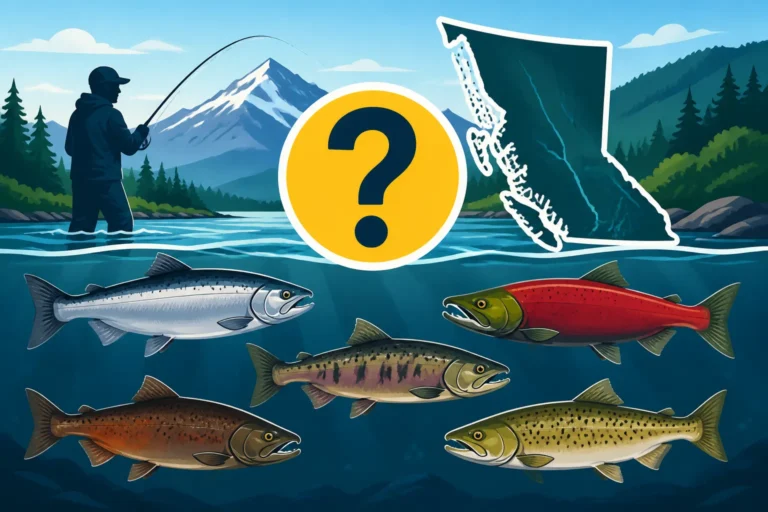
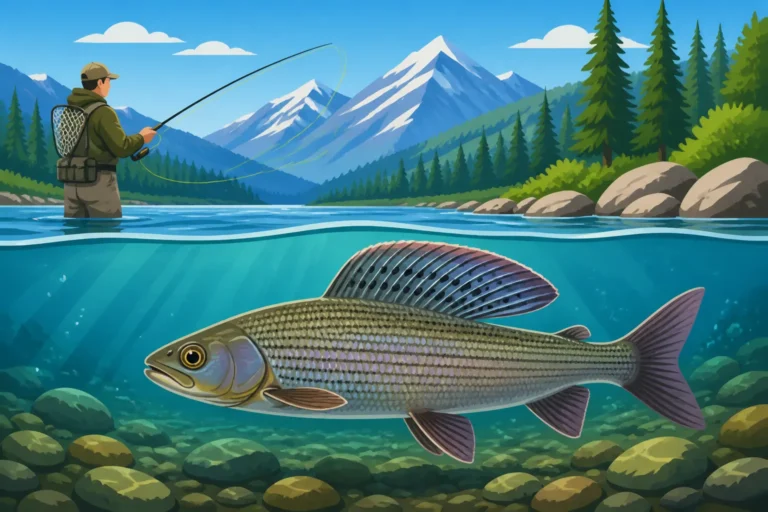
For many anglers, the dream of hooking into a wild steelhead in British Columbia isn't just about catching a fish; it's about connecting with a true wilderness icon. The challenge, however, lies in knowing where these magnificent, elusive fish still make their incredible journeys, especially with increasing conservation concerns. This comprehensive guide will illuminate the specific regions and rivers where you can still pursue wild steelhead in BC, offering insights into their habitats and the critical importance of their protection.
The Allure and Challenge of Wild Steelhead in BC
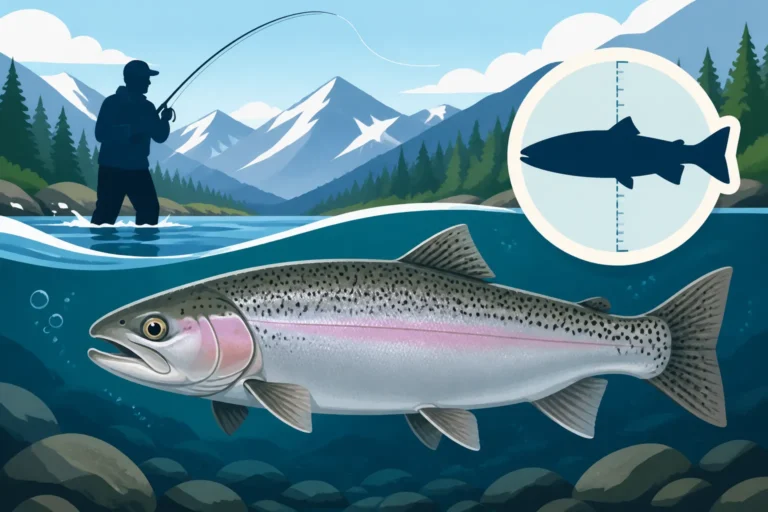
There's something truly magical about wild steelhead. These anadromous rainbow trout spend part of their lives in the ocean, growing large and powerful, before returning to their natal freshwater rivers to spawn. Unlike salmon, they don't necessarily die after spawning, often returning to the ocean and making multiple spawning runs throughout their lives. This incredible life history, coupled with their immense strength and beauty, makes them one of the most coveted sportfish in the world.
Why Wild Steelhead are So Prized
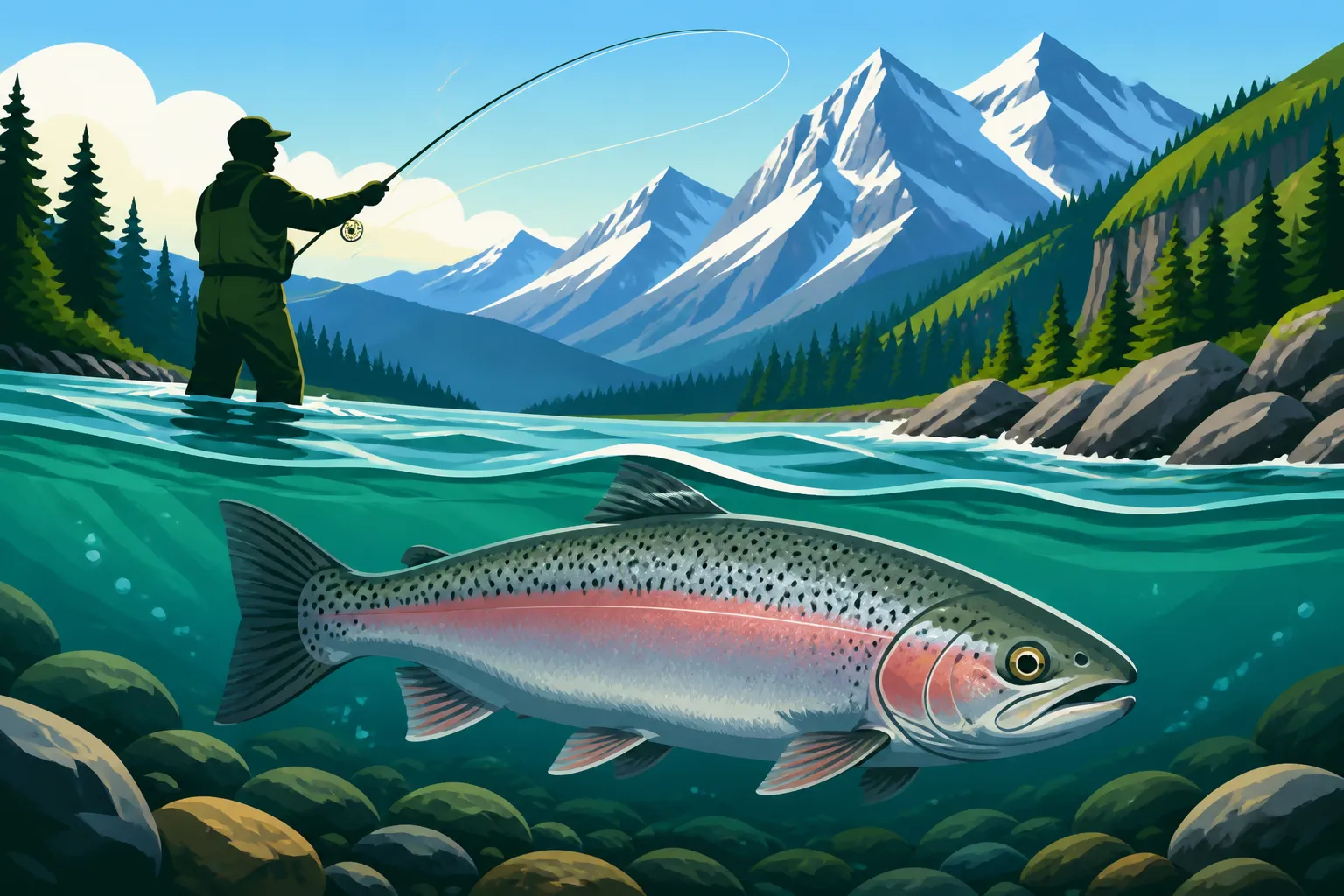
Imagine standing knee-deep in a pristine, cold river, the air crisp, with towering cedars lining the banks, and feeling a powerful tug that sends your heart racing. That's the essence of wild steelhead fishing. These fish are renowned for their incredible fights – aerial acrobatics, blistering runs, and an unwillingness to quit. They are not easily fooled, requiring a deep understanding of their habits, river conditions, and precise angling techniques. Each wild steelhead represents a triumph of nature, a creature that has navigated vast oceans and returned home against incredible odds. For many, it's not about the numbers, but the single, unforgettable encounter. The sheer pursuit itself is a testament to an angler's dedication, often involving long drives, challenging hikes, and sometimes, days without a single grab. But when that moment finally arrives, it's etched into memory forever.
The Conservation Imperative
Unfortunately, wild steelhead populations in many parts of British Columbia, particularly in the southern regions, have faced significant declines over the past few decades. Habitat degradation, climate change, past overfishing, and the impacts of hatchery programs have all contributed to these struggles. This makes the pursuit of wild steelhead more than just a hobby; it becomes an act of stewardship. Anglers who seek these fish often become their most passionate advocates, understanding that responsible practices and support for conservation efforts are paramount to ensuring these runs continue for future generations. It's a sobering reality that some runs are at critically low levels, making every fish a precious resource. Education and adherence to strict regulations, including catch-and-release practices, are vital components of any wild steelhead fishing trip in BC. The regulations are complex and change frequently, underscoring the need for anglers to stay informed and respect the vulnerability of these magnificent fish.
Key Regions for Wild Steelhead in British Columbia
While wild steelhead face challenges across the province, certain regions and river systems still offer strongholds and incredible opportunities for dedicated anglers. These areas are often characterized by relatively pristine watersheds, strong conservation management, and a legacy of dedicated angling communities.
The Skeena River System: A Steelhead Mecca
When most anglers think of wild steelhead in British Columbia, their minds invariably turn to the mighty Skeena River system in Northern BC. This vast, wild watershed is legendary, often referred to as the "Steelhead Capital of the World." The Skeena itself, along with its numerous tributaries, hosts some of the largest and most robust wild steelhead runs anywhere. Rivers like the Skeena River Steelhead Fishing, the Bulkley River Steelhead Fishing, and the Kispiox River Steelhead Fishing are iconic names whispered with reverence among steelhead enthusiasts. These rivers offer incredible diversity, from large, powerful mainstem flows to intimate, smaller tributaries, each presenting unique challenges and rewards. The season typically runs from late summer through fall, with winter steelhead opportunities as well. Access can range from roadside to remote, often requiring jet boats or even fly-in services for the most untouched waters. The sheer volume of returning fish in these systems, while still fluctuating, remains a testament to their wild nature and relatively intact habitats.
Northern BC's Remote Gems
Beyond the immediate Skeena system, Northern British Columbia is a treasure trove of wild steelhead rivers, many of which are far more remote and see significantly less angling pressure. Rivers like the Dean River Steelhead Fishing, though challenging to access, are world-renowned for their aggressive, strong-fighting fish. Other rivers, often requiring bush planes, guided trips, or extensive backcountry travel, offer true wilderness experiences and the chance to encounter incredibly powerful, untouched steelhead. These systems benefit from their isolation, with fewer human impacts and generally healthier ecosystems. Anglers seeking these truly wild experiences must be prepared for rugged conditions, self-sufficiency, and a profound respect for the untouched nature of these places. It's a journey into true wilderness, where the fish are often just as wild as the landscape around them. You'll definitely want to have your gear sorted well in advance, and perhaps even order some of your specialized flies and tools from a reliable online retailer like Amazon to ensure you have everything you need for these remote excursions.
Vancouver Island's Resilient Runs
While not as famous for the sheer numbers as the Skeena, Vancouver Island still holds significant wild steelhead populations, particularly in its countless coastal rivers and streams. These runs are often characterized by smaller, more intimate rivers and a strong community of local anglers dedicated to their preservation. Rivers such as the Stamp, Gold, and Cowichan rivers are known for their runs, though many smaller, lesser-known streams also host populations. Vancouver Island steelhead typically return in the winter and spring, offering a different angling experience compared to the northern fall runs. They are often incredibly strong for their size, battling hard in their smaller, tighter confines. Conservation efforts on the island are particularly critical, given the proximity to larger human populations and the historical impacts of logging and development. Anglers here often spend time exploring, seeking out fish in lesser-known pockets, and cherishing every hook-up as a precious gift. The resilience of these fish, returning year after year despite challenges, is a testament to the wild spirit of the island's waterways.
Navigating Regulations and Access
Fishing for wild steelhead in BC isn't a casual endeavor. It requires not only skill and patience but also a deep understanding of the regulatory landscape and the practicalities of accessing these often-remote waters. Ignorance of the rules can lead to severe penalties and, more importantly, can harm these vulnerable fish populations. Always ensure you have your British Columbia Fishing License Guide for 2026 in order before heading out.
Understanding Special Management Zones
Many of BC's wild steelhead rivers fall under "Special Management Zones" or have specific regulations designed to protect these sensitive populations. These can include:
- Single Barbless Hook Rules: Almost universal for steelhead fishing to minimize harm during catch and release.
- Gear Restrictions: Some rivers or sections may be fly-fishing only, or restrict certain types of lures or baits.
- Time of Day/Season Closures: Specific windows during the day or season when fishing is prohibited to protect spawning fish or reduce pressure.
- Bait Bans: Many wild steelhead rivers prohibit bait use to reduce incidental mortality.
- Retention Bans: The vast majority of wild steelhead fisheries are strictly catch-and-release. Check the BC Freshwater Salmon Retention Rules and other specific regulations carefully.
- Reduced Bag/Possession Limits: Even where retention is allowed (rare for wild steelhead), limits are typically very low.
These regulations are constantly reviewed and updated by Fisheries and Oceans Canada (DFO) and the Province of BC, often in conjunction with First Nations communities and conservation groups. It is absolutely crucial for anglers to check the most current "BC Freshwater Fishing Regulations Synopsis" and relevant DFO Fishery Notices before every trip. Ignorance is no excuse, and violating these rules endangers the very runs we cherish. You can often find detailed regulatory summaries and links to the official government sites through reputable angling resources or even by searching on platforms like Amazon for specific regional fishing guides.
Gear Considerations for Wild Steelhead
Success in wild steelhead fishing often hinges on having the right gear, especially when venturing into remote areas. Here’s a quick overview:
- Rods: Typically 10-14 foot spey or switch rods for fly fishing, allowing for efficient casting in diverse river conditions. For conventional gear, longer drift or float rods (9-11 feet) are common.
- Reels: Durable, high-quality reels with smooth drags are essential. Steelhead pull hard!
- Line: Appropriate lines for your chosen method – spey lines, shooting heads, or heavy monofilament/braid for conventional gear.
- Waders and Boots: Breathable waders and sturdy wading boots with good grip (felt or studded rubber) are non-negotiable for comfort and safety in cold, slippery rivers. You can find excellent options for durable waders and boots on Amazon, often with reviews from other passionate anglers.
- Terminal Tackle: A selection of weighted flies, jigs, beads, or small spoons, always with single, barbless hooks. Learn more about effective patterns in Fly Patterns for BC Steelhead Rivers.
- Safety Gear: Wading staff, PFD (especially for boat-assisted access), first-aid kit, bear spray (in bear country), and navigation tools. Always tell someone where you're going and when you expect to return.
- Layered Clothing: BC weather can change quickly. Waterproof outer layers are crucial.
Preparation is key, not just for success but for safety and comfort in wild environments.
Ethical Angling and Conservation Practices
When you're targeting wild steelhead, every action you take on the river has an impact. Adhering to ethical angling practices isn't just about following the rules; it's about showing respect for the fish, the ecosystem, and the future of the fishery.
Mastering Catch and Release
For wild steelhead, catch and release is typically the only option, and it's imperative to do it correctly to ensure the fish's survival. Here are key practices:
- Minimize Fight Time: Use appropriate tackle to land the fish as quickly as possible without over-stressing it.
- Keep Fish in Water: Avoid removing the fish from the water entirely. This protects their delicate slime coat, gills, and internal organs, especially vital during their freshwater spawning migration.
- Wet Hands Only: If you must handle the fish, wet your hands thoroughly first to protect its slime coat.
- Barbless Hooks: Always use barbless hooks to ensure quick and easy removal. If you don't have barbless, pinch down your barbs with pliers.
- Proper Hook Removal: Use hemostats or pliers to quickly and gently remove the hook.
- Revive Carefully: If the fish is lethargic, hold it gently upright in the current, facing upstream, until it can swim away strongly on its own. Don't pump it back and forth; this can force water the wrong way through its gills.
- No Photos on Shore: Resist the urge to pull the fish onto the bank for photos. Get in the water with it, or capture images of it still partially submerged.
Every wild steelhead released successfully is a potential future spawner, contributing to the health of the run. Understanding Sturgeon catch and release survival tips can also offer helpful insights into best practices for handling large, sensitive fish.
Supporting Steelhead Recovery
Anglers have a powerful role to play in the recovery and conservation of wild steelhead. Beyond practicing responsible catch and release, consider these actions:
- Advocacy: Join or support organizations dedicated to steelhead conservation, such as the Steelhead Society of BC or local watershed groups. These groups often lobby for stronger protections, habitat restoration, and responsible management.
- Reporting Violations: If you witness poaching, pollution, or other illegal activities, report them to the proper authorities (e.g., DFO enforcement).
- Volunteering: Participate in habitat restoration projects, stream clean-ups, or fish counting initiatives. Getting hands-on experience in these efforts offers invaluable insight into the challenges facing these fish.
- Education: Share your knowledge and passion for wild steelhead with others, promoting responsible angling ethics and conservation awareness. The more people understand the plight and value of these fish, the better their chances for survival.
- Ethical Consumption: Be mindful of where your seafood comes from and support sustainable fishing practices in commercial fisheries, as marine survival is also a critical factor for steelhead.
Your passion for fishing can be a powerful force for good, ensuring that the incredible runs of wild steelhead continue to grace BC's rivers for generations to come.
Here's a quick summary of some prominent wild steelhead regions and their characteristics:
| Region | Primary River Systems | Typical Season | Access Difficulty | Key Characteristics |
|---|---|---|---|---|
| Northern BC (Skeena) | Skeena, Bulkley, Kispiox, Morice, Babine | Late Summer – Fall | Moderate – Remote | Large fish, strong runs, jet boat access, iconic fishery |
| Northern BC (Remote) | Dean, Kitimat, Nass, Stikine | Fall, some Spring | Remote – Very Remote | Wilderness experience, fly-in, aggressive fish |
| Vancouver Island | Stamp, Gold, Cowichan, Nimpkish, Smaller Coastal Rivers | Winter – Spring | Easy – Moderate | Resilient runs, intimate rivers, often wading-focused |
| Fraser River Tributaries | Thompson, Chilliwack/Vedder (lower) | Late Fall – Spring | Easy – Moderate (Lower) | Challenging runs, highly pressured, strict regulations |
It's clear that the pursuit of wild steelhead in BC is not just about the catch, but about the journey, the conservation, and the deep connection to some of the planet's most incredible wild places. Whether you're planning a trip to the Best Fishing Rivers in British Columbia or exploring the Fraser River system, knowing where these wild fish still run is the first step in an unforgettable adventure.
Disclaimer
This article is for general informational purposes only and does not constitute professional advice. Laws, prices and regulations vary by location and change over time. Consult a qualified professional for guidance on your specific situation.