BC record halibut weight
There’s a special kind of thrill that courses through an angler's veins when they hook into something truly enormous, a fish that tests their strength, their gear, and their resolve. For many in British Columbia, that ultimate challenge is the Pacific Halibut, a flatfish renowned for its sheer size and formidable fight. This guide delves into the fascinating world of BC's record-breaking halibut, exploring not just the numbers, but the awe, the locations, and the techniques involved in pursuing these legendary giants of the deep.
The Thrill of Chasing Giants: Why Record Halibut Capture Our Imagination
For serious anglers and casual enthusiasts alike, the idea of catching a "record" fish holds an almost mythical appeal. It’s more than just a number on a scale; it’s a testament to skill, patience, and often, a little bit of luck. When we talk about halibut in British Columbia, we're talking about a fish that can grow to truly epic proportions, making the pursuit of a record-breaking specimen an obsession for many. The sheer power of these bottom-dwelling behemoths, combined with their incredible table fare, places them high on the list of most sought-after catches in our beautiful province.
Understanding Halibut: A Brief Overview
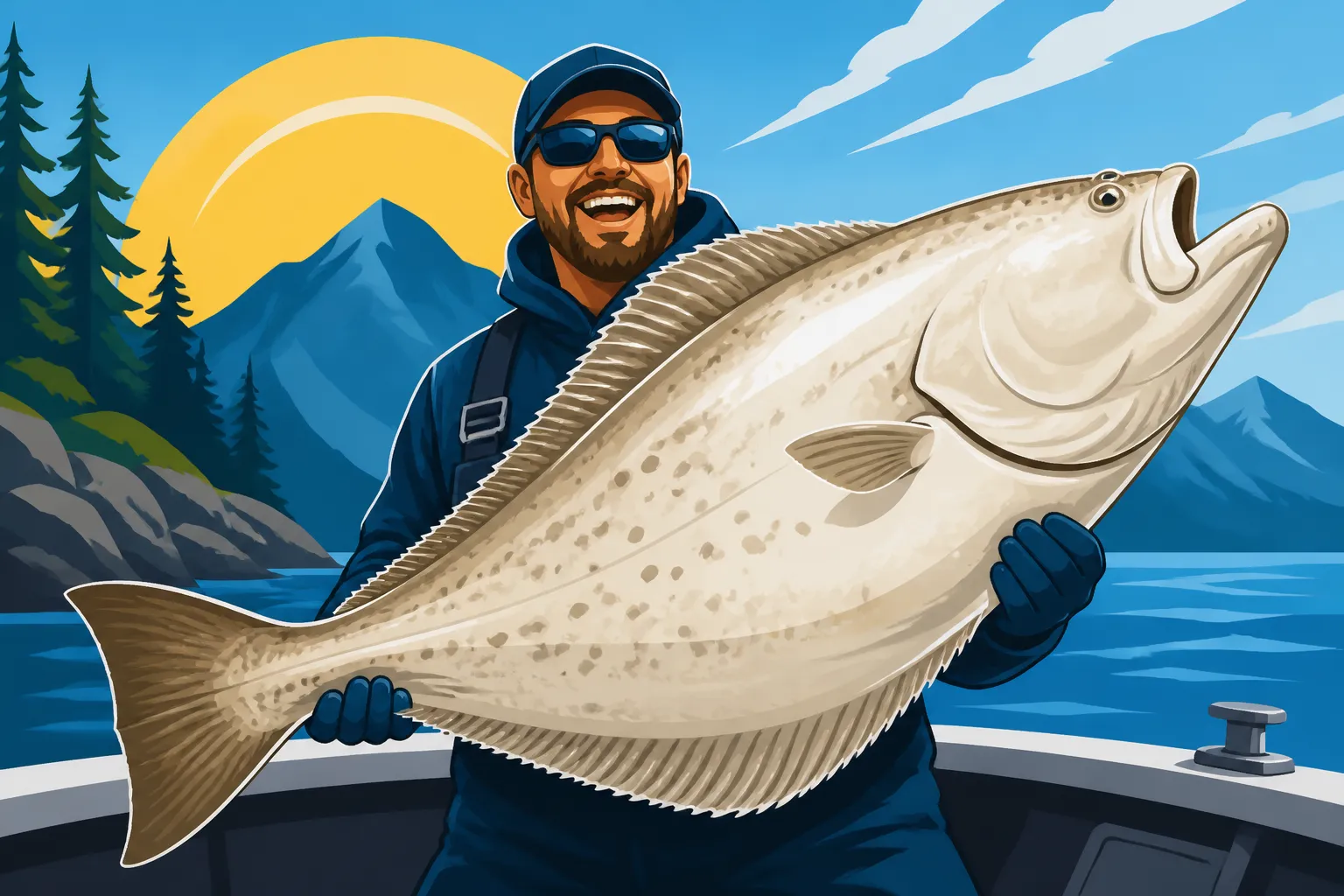
Pacific Halibut are magnificent creatures, perfectly adapted to life on the ocean floor. They are the largest flatfish in the world, characterized by their diamond shape, dark upper side, and white belly. What truly sets them apart, however, is their incredible growth potential. While many halibut caught by recreational anglers range from 20 to 80 pounds, they can easily exceed several hundred pounds. Imagine wrestling a barn door that decides to fight back! Their broad, flat bodies and powerful tails allow them to generate immense force, making for an unforgettable battle once hooked. These fish typically inhabit deep, cold waters, often congregating around structures like reefs, ledges, and drop-offs where baitfish are abundant. Understanding their habits is the first step towards even dreaming of a record.
The Allure of the Deep
Why do anglers spend countless hours, fuel, and effort to chase these massive fish? It boils down to a blend of primal challenge and the allure of the unknown depths. The ocean floor off BC’s coast is a mysterious place, and within it reside these ancient giants, powerful and elusive. Landing a halibut, especially a large one, is a physically demanding feat. It requires robust tackle, strong arms, and a keen understanding of deep-water fishing techniques. Each record-breaking catch comes with a story of perseverance, a narrative woven with screaming drag, aching muscles, and the ultimate triumph of bringing a true monster to the boat. It's not just about the fish; it's about the entire experience, the camaraderie, and the knowledge that you've accomplished something extraordinary. You're exploring the same waters where anglers employ Halibut Fishing Techniques for BC's Coast every day.
What Does the BC Record Halibut Look Like?
When anglers speak of "the record," they're usually referring to the heaviest Pacific Halibut ever officially recorded in British Columbia's recreational fishery. This isn't just a casual brag; official records require specific verification, certified scales, and adherence to strict rules. The current record for a Pacific Halibut caught by rod and reel in British Columbia stands at an incredible 459 pounds. Yes, you read that right – four hundred and fifty-nine pounds! This monumental catch truly represents the apex of halibut fishing in our waters and serves as a benchmark for every angler who drops a line for these deep-sea titans. It's a weight that commands respect and inspires future generations of anglers to dream big.
The Unofficial Record vs. the Official Tally
It's common to hear whispers of even larger halibut caught over the years, stories told around campfires or at the dock. Sometimes commercial fishermen land truly colossal specimens in their nets that might exceed the recreational record. However, for a fish to be an official record, especially for sport fishing, it must meet stringent criteria set by organizations that maintain these records. This usually involves:
- Proper weighing: The fish must be weighed on a certified scale, often witnessed by multiple individuals.
- Measurement: Length and girth measurements are typically required.
- Identification: The species must be unequivocally identified.
- Catch Method: It must be caught by legal sportfishing methods (rod and reel, no commercial gear).
- Documentation: Photos, witness statements, and formal applications are part of the process.
This distinction is crucial because while anecdotal stories of larger fish are thrilling, they don't count toward the official record books. The 459-pound record is verified, making it the true king of BC's recreational halibut catches. When you're dreaming of your own trophy, remember the official rules that determine whether your monster will join the ranks of legends.
Beyond Just Weight: The Story Behind the Catch
While the 459-pound figure is certainly impressive, the true magic often lies in the story surrounding the catch. Imagine the moment that fish hit, the rod bending double, the drag screaming as hundreds of pounds of muscle test every inch of your line. The fight for a fish of that magnitude isn't just a few minutes; it can be an epic struggle lasting an hour or more, requiring teamwork, strategic boat handling, and sheer grit.
Picture this: You’re fishing off the rugged coast of Haida Gwaii, perhaps in 400 feet of water, when suddenly your heavy halibut rod gets slammed. Your Best rod setup for Fraser River sturgeon might be stout, but this feels different. The reel grudgingly gives line, then stops, and you start the arduous task of pumping and winding, gaining inches at a time, only for the fish to take back feet. Your arms burn, sweat stings your eyes, and your fellow anglers are cheering you on, offering advice, and preparing the boat for the immense task of bringing such a creature aboard. Every move is calculated. Will the hooks hold? Will the line fray on a rock? This intense, drawn-out battle culminates in the breathtaking sight of a truly gargantuan halibut surfacing alongside the boat. The gear required for such a battle is no joke; anglers rely on heavy-duty conventional reels, powerful rods with tremendous backbone, and robust braided lines. If you're looking to equip yourself, a quick browse on Amazon can show you the kind of industrial-strength rods, reels, and lines necessary for this kind of deep-sea warfare. The legend of the 459-pound halibut isn't just about its size; it's about the incredible effort and unforgettable experience that went into landing it.
Where Giants Lurk: Prime Halibut Habitats in BC
To even have a chance at hooking into a record-class halibut, you need to be fishing in the right places. British Columbia's coastline is vast and diverse, offering countless opportunities, but certain areas are consistently known for producing larger-than-average halibut. These giants prefer deep, cold waters, often ranging from 200 to 1,000 feet, where they can find abundant food and ideal ambush points. Knowing where to focus your efforts is paramount. The Halibut Habits off the BC Coast are fascinating, and understanding them will improve your odds considerably.
Deepwater Reefs and Submerged Structure
Halibut are opportunistic predators, and they love structure. Think underwater mountains, extensive rock piles, dramatic drop-offs, and deep canyons. These features create eddies and currents that concentrate baitfish, making them prime hunting grounds for big halibut. They'll often lie patiently on the bottom, camouflaged against the seabed, waiting for an unsuspecting meal to swim by. Finding these submerged structures is key, and this is where modern marine electronics truly shine. A good fish finder with detailed sonar capabilities is invaluable for pinpointing these prime halibut zones. You can find excellent marine GPS units and high-definition fish finders on Amazon that can map the ocean floor with incredible precision, showing you exactly where those deepwater reefs and ledges are hiding. Without this technology, you're often just guessing. Learning how to effectively read your sonar to identify promising structures is as vital as the tackle you use.
Coastal Hotspots for Trophy Halibut
While big halibut can be found almost anywhere along the coast, some regions have a reputation for consistently yielding larger specimens. The west coast of Vancouver Island, particularly around areas like Tofino and Ucluelet, is famous for its abundant halibut fishery, including many trophy-sized fish. Further north, the remote and nutrient-rich waters surrounding Haida Gwaii are legendary for their colossal halibut, often producing fish well over 100 pounds, with the potential for true monsters. Even northern Vancouver Island and areas around Prince Rupert offer exceptional opportunities.
Here's a quick look at some general regions known for producing big halibut:
| Region | Characteristics | Typical Depths (Feet) | Potential for Trophy Halibut |
|---|---|---|---|
| West Coast Vancouver Island | Proximity to open ocean, abundant baitfish, deep banks | 200-600 | High |
| Haida Gwaii | Remote, pristine waters, strong currents, vast banks | 300-800+ | Very High |
| Northern BC Coast | Less pressured, deep fjords, remote fishing grounds | 400-1000+ | High |
| Queen Charlotte Strait | Strong currents, diverse underwater topography | 200-500 | Moderate to High |
It’s in these deeper, more remote areas that the giants truly thrive, undisturbed by heavy fishing pressure and with ample food sources. Many anglers opt for charters in these regions, specifically targeting the Best Halibut Fishing Spots in BC to increase their chances of a lifetime catch. Keep in mind that for specific locations, you might want to look into Where to launch a boat for halibut grounds near Tofino or Best halibut charters out of Ucluelet to maximize your chances.
Techniques and Tackle for Targeting Trophy Halibut
Catching a truly massive halibut requires more than just being in the right place; it demands specific techniques and heavy-duty tackle capable of handling such an immense fish. This isn't light tackle fishing; it's a battle of wills and strength against a powerful adversary. Understanding the nuances of bait presentation, proper gear selection, and safe fish handling is critical for success and safety when How to catch halibut on the drift.
Heavy-Duty Gear: The Essential Arsenal
When you're targeting a fish that could potentially weigh more than you do, your gear needs to be up to the task.
- Rods: Look for heavy-action conventional rods, typically 6 to 8 feet long, with a strong backbone capable of lifting significant weight from the depths. Fiberglass or composite blanks are often preferred for their durability.
- Reels: High-quality conventional reels with a powerful drag system and a large line capacity are non-negotiable. Lever drag systems are popular for their smooth operation and ability to quickly adjust tension during the fight. Brands known for their robust saltwater reels are a good starting point.
- Line: Braided line (superline) is the preferred choice for halibut fishing due to its incredible strength-to-diameter ratio and lack of stretch, which provides excellent sensitivity in deep water. You'll typically want 80 to 150-pound test braid, often backed with monofilament.
- Leader: A heavy monofilament or fluorocarbon leader, typically 100 to 200-pound test, is essential for abrasion resistance against the halibut's rough mouth and the rocky bottom. The leader should be several feet long.
- Hooks: Large, strong circle hooks (16/0 to 20/0) are standard. Circle hooks are designed to hook fish in the corner of the mouth, increasing catch rates and reducing gut-hooking, which is crucial for fish intended for release or if you need to adhere to the BC Halibut Bag Limit Rules and release a fish.
- Weights: Heavy sinkers are required to get your bait down to the depths where halibut reside. Pyramid, cannonball, or flat-sided weights ranging from 1 to 5 pounds (or even more in strong currents) are common. You can stock up on these and other essential terminal tackle items on Amazon.
When you're dealing with a fish that has the potential to pull like a small car, compromising on gear quality is a recipe for disaster and heartbreak.
Baits and Lures for Monster Halibut
Halibut are not particularly finicky eaters, but size and scent matter, especially for attracting the biggest fish.
- Natural Baits: Large, oily baits are highly effective. Whole or large chunks of salmon heads, herring, octopus, cod, or sablefish are excellent choices. Fresh bait is always best. Rig these baits securely to your circle hook, ensuring the hook point is exposed. Many anglers will fish multiple hooks on a spreader bar or a large leader system.
- Jigs: Heavy jigs, often 8 to 20 ounces or more, are also very productive, particularly when Jigging for Halibut off Vancouver Island. Large lead-head jigs with soft plastic grub tails (8-12 inches) or metal jigs that mimic baitfish are popular. Jigging techniques involve dropping the lure to the bottom and then lifting and dropping it repeatedly to attract attention. The specific presentation can vary, so it's always worth exploring different Best Techniques for Deep Water Halibut.
- Scent: Adding commercial scent attractants to your baits or lures can often provide an extra edge, especially in deep, dark waters where visibility is low.
The key is to get your presentation to the bottom and keep it there, directly in the halibut's strike zone. Drift fishing is a popular method, allowing your boat to slowly move with the current, dragging your bait across potential halibut hideouts.
Safety First When Battling Behemoths
Bringing a several-hundred-pound fish into a boat is not a task to be taken lightly. Safety is paramount.
- Equipment: Essential safety equipment includes a robust gaff or harpoon with a heavy rope, a large fish club or "priest" for dispatching the fish humanely, and a strong tail rope or hoist system for bringing the fish aboard. Many anglers also use a "killing stick" or "brain spike" to ensure the fish is rendered unconscious quickly and safely.
- Teamwork: This is not a solo endeavor. You'll need at least one, preferably two, other people to assist with the gaffing, securing, and bringing the fish into the boat. Everyone needs to know their role.
- Boat Stability: Ensure your boat is stable and large enough to safely accommodate a potentially massive fish. Be aware of the center of gravity.
- Handling the Fish: A thrashing halibut on deck can be incredibly dangerous. Use extreme caution. Once secured, quickly dispatch the fish to prevent injury to yourself or your crew. Having a sturdy cooler or fish box ready that can accommodate such a large catch is also important. You can find essential safety tools for large fish handling, like gaffs and tail ropes, on Amazon.
Here’s a comparison table to help visualize the difference between typical and record-sized halibut and the gear considerations:
| Feature | Typical Halibut (20-80 lbs) | Trophy Halibut (100-200 lbs) | Record-Class Halibut (400+ lbs) |
|---|---|---|---|
| Rod Action | Medium-Heavy to Heavy | Heavy | Extra Heavy, specialized big game |
| Reel Size | 30-50 class conventional | 50-80 class conventional | 80-130 class conventional |
| Braided Line Test | 60-80 lb | 80-120 lb | 120-150 lb+ |
| Leader Test | 80-100 lb mono/fluoro | 100-150 lb mono/fluoro | 150-200 lb mono/fluoro |
| Hook Size (Circle) | 12/0 – 16/0 | 16/0 – 20/0 | 20/0+ |
| Weight Required | 1-3 lbs | 2-4 lbs | 3-5 lbs+ (depending on current) |
| Fight Duration | 10-30 minutes | 30-60 minutes | 1 hour+ |
| Crew Assistance | Recommended | Essential | Absolutely critical for safety & landing |
| Gaff/Harpoon Needed | Sturdy gaff | Heavy-duty gaff or harpoon | Harpoon & tail rope system |
Chasing a record-class halibut is an extraordinary adventure, blending the thrill of the hunt with the beauty of BC's marine environment. While the 459-pound record stands as a testament to the immense potential of our waters, every angler who dedicates themselves to the pursuit of these giants contributes to the rich tapestry of British Columbia's fishing heritage. May your lines be tight and your dreams be huge!
Disclaimer
This article is for general informational purposes only and does not constitute professional advice. Laws, prices and regulations vary by location and change over time. Consult a qualified professional for guidance on your specific situation.