Where to launch a boat for halibut grounds near Tofino
Fishing for halibut near Tofino is an incredible experience, offering the chance to hook into truly massive bottom dwellers. However, the excitement of the chase can quickly turn into frustration if you don't know the best, most practical spots to launch your boat. Many anglers struggle with finding reliable access, secure parking, and navigating the unique tidal conditions of the west coast. This guide will walk you through the top boat launch locations and crucial considerations for a successful halibut trip out of the Tofino area.
Navigating the Challenges of Launching for Tofino Halibut
The Tofino Launch Landscape What to Expect (Public vs. Private)
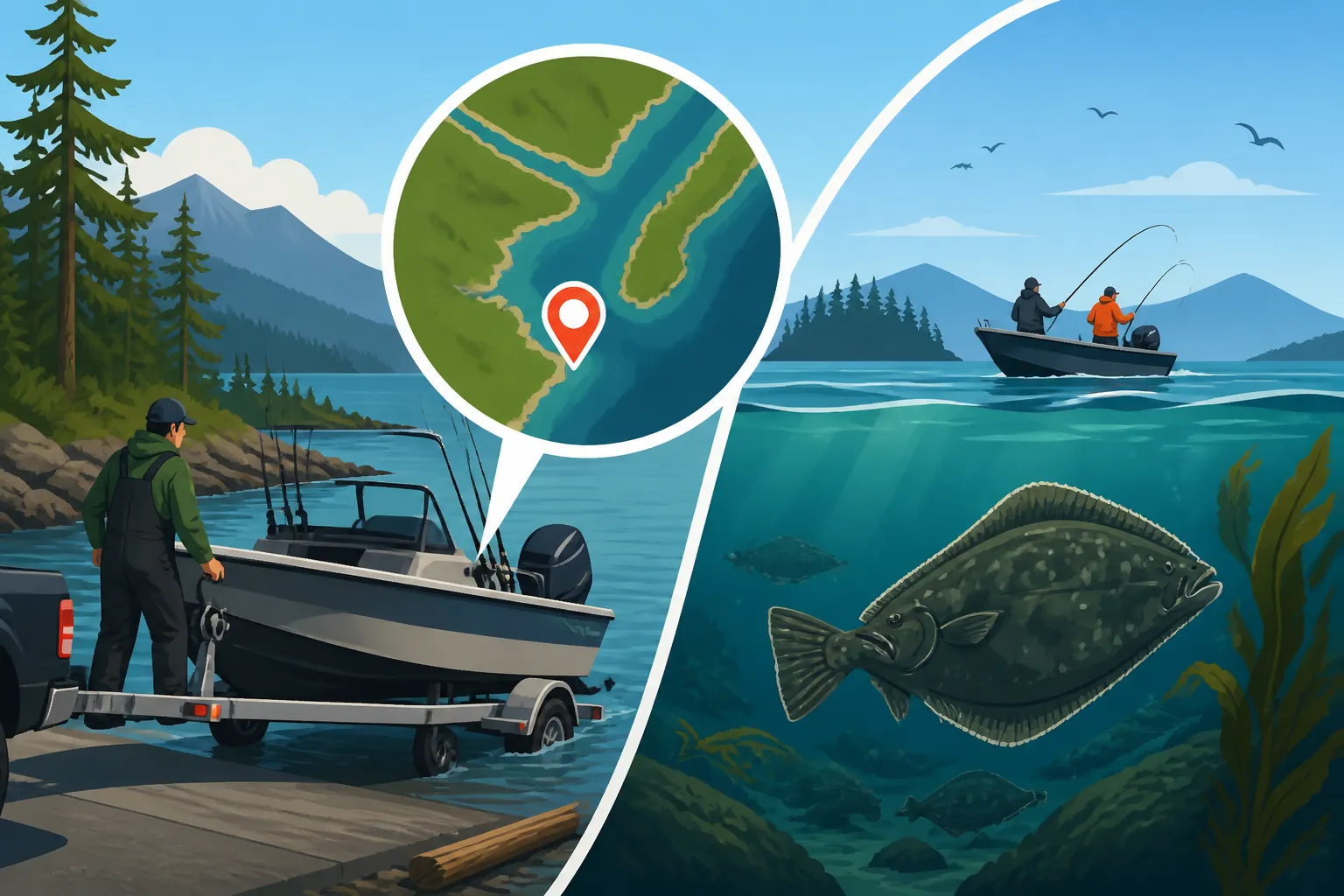
When you're dreaming of giant halibut, the last thing you want to worry about is a dodgy boat launch. The Tofino area, while a world-renowned fishing destination, isn't always the easiest place for trailer boaters. Unlike some more developed fishing hubs, Tofino's boat launch infrastructure can feel a bit more rustic, especially during peak season. You'll find a mix of public ramps, often managed by the District of Tofino, and private marina facilities. The public ramps can be busy, especially on a sunny summer morning when everyone has the same idea. Parking for your truck and trailer is often a major headache, with limited space that fills up fast. It's not uncommon to see vehicles parked a considerable distance away, requiring a bit of a trek.
Private marinas, on the other hand, usually offer better facilities, including more secure parking, but they come with a fee. Sometimes, these private launches are associated with a lodge or charter operation, and they might prioritize their own customers, making it difficult for transient anglers to just show up and launch. It's always a good idea to call ahead, especially during the busy summer months or long weekends, to confirm availability and fees. Don't just assume there will be space; a little planning can save you a lot of grief before your big day out chasing Best Halibut Fishing Spots in BC. The sheer popularity of halibut fishing means these spots are in high demand, and showing up unprepared can mean a lot of wasted time and gas trying to find an alternative.
You'll also find that many of the local accommodations or resorts might have their own private access, but these are typically reserved for guests or guided trips. For the independent angler bringing their own boat, the public options are usually the default, with private marinas only as a backup if you've done your homework. It truly pays to understand the local lay of the land, especially if you're travelling a long distance to get here. Imagine driving hours only to find no suitable place to launch – that's a quick way to sour a fishing adventure before it even begins.
Tides and Currents Your Biggest Allies and Enemies
Ah, the Pacific Northwest tides! These aren't just little ripples; they can be truly formidable, especially around Tofino and the rugged west coast of Vancouver Island. Understanding the tides is absolutely critical for a safe and successful launch, and even more so for your actual fishing experience out on the halibut grounds. A receding tide can turn a perfectly good boat ramp into an unusable stretch of slippery, exposed rocks and mud, leaving your trailer wheels dangling in mid-air and your boat high and dry. Conversely, an exceptionally high tide can completely submerge a ramp, making it difficult to judge depth and navigate safely while backing down. You also need to consider currents, particularly around narrow passages, inlets, and the mouths of larger bays like Clayoquot Sound.
Strong tidal currents can make launching and retrieving a boat extremely challenging, especially if you're working alone or with an inexperienced crew. They can push your boat sideways against the dock or trailer, make it hard to keep your trailer straight while backing, and even cause your vehicle tires to lose traction on a wet, slippery ramp. Always consult a local tide chart and current tables before heading out. Pay close attention to the predicted highs and lows, and plan your launch and retrieve around the slack tide periods if possible, especially if you're not intimately familiar with the specific ramp or the local conditions. This is even more important when you're targeting specific structures or depths for Halibut Fishing Techniques for BC's Coast, as currents directly impact bait presentation, jigging efficiency, and your ability to hold bottom.
Ignoring the tides is a rookie mistake that can have serious consequences, from minor embarrassments like getting stuck to major safety hazards. The waters around Tofino can shift dramatically, and what looks like a benign current at one point in the tide cycle can become a raging torrent a few hours later. Always prioritize safety over convenience, and if you’re unsure, watch how locals handle their boats during different tide stages. Better yet, consider a guided trip with a professional who knows these waters intimately.
Top Boat Launch Locations for Tofino Halibut Grounds
Ucluelet Small Craft Harbour The Reliable Neighbor
Often, the best "Tofino" halibut launch isn't actually in Tofino itself. Many experienced anglers, particularly those with larger vessels or those looking for more reliable infrastructure, opt to launch from Ucluelet, a short 30-40 minute drive south along Highway 4. The Ucluelet Small Craft Harbour offers a much more robust and user-friendly experience compared to Tofino’s more constrained options. You'll find well-maintained, multi-lane concrete ramps that are generally accessible across a wider range of tidal conditions. The biggest draw, however, is the ample and often more secure parking for truck and trailer combinations. While it's still a good idea to arrive early during peak season, finding a spot is generally less of a struggle here.
From Ucluelet, you're already in a fantastic position to head out to some of the prime halibut grounds. The run out to the open ocean and popular fishing spots southwest of Ucluelet, like the famed "Big Bank" or local reefs, is straightforward. It’s a common starting point for many Best Halibut Charters out of Ucluelet because of its superior access and sheltered harbour. Even if your ultimate destination is closer to Tofino, the convenience of launching in Ucluelet and then making the scenic run up the coast can often outweigh the slightly longer drive. Just be mindful of fuel, as those runs can add up, and always check the marine forecast for the open ocean stretch between the two towns, which can be exposed and rough.
Many anglers find the slightly longer drive to Ucluelet worth it for the peace of mind and easier logistics. The harbour facilities also often include washrooms, waste disposal, and sometimes even ice and bait, making it a true one-stop-shop before you hit the water. This also makes it a popular spot for those planning multi-day fishing trips, as the secure parking allows for longer stays without worrying about your vehicle. For those seeking Ucluelet Halibut Fishing specifically, this is unequivocally the premier launch point.
Tofino's Own Options Public Ramps and Marinas
If you're dead set on launching right in Tofino, you do have a few options, though they require a bit more strategic planning and patience. The main public boat launch is located near the weigh scale and the District of Tofino office. This is typically a single-lane concrete ramp, and it can get incredibly busy, especially on sunny summer mornings or during local fishing derbies. Parking here is often the biggest challenge, with very limited roadside spots that fill up extremely quickly. If you plan to use this launch, arrive well before first light, or consider dropping your boat and then finding off-site parking, which may require a shuttle or a long walk back. It’s functional, but definitely not luxurious, and can be quite tight for larger vessels.
Another option is to inquire with local marinas like the Tofino Resort + Marina or the Fourth Street Dock. These are primarily commercial operations catering to charter boats and permanent moorage, but they sometimes offer transient launch services for a fee. The fees can be higher than public ramps, but you usually get the benefit of better docks, sometimes a smoother ramp, and often more secure (though still limited) parking. It's absolutely crucial to call these facilities in advance to check availability and current rates. They might not always have space, especially for larger boats or during their busiest periods, as their priority is often their own fleet or guests. These spots can be great for those staying locally and looking to be right in the heart of the action before heading to Tofino Halibut Fishing spots.
For smaller boats, like zodiacs or car-toppers, some less formal access points might exist, but these are often unmaintained, without proper ramps or parking, and not suitable for larger trailer boats. Always scout ahead or ask locals if considering such an option, but for reliable halibut fishing trips requiring substantial boats, stick to the recognized launch points. The convenience of being closer to your accommodation in Tofino can sometimes be offset by the hassle of the launch itself.
Considerations for Larger Vessels and Trailer Parking
Launching a smaller dinghy or a modest 16-foot aluminum boat is one thing; trying to put a 24-foot offshore fishing machine with a tandem axle trailer into the water is quite another. Larger vessels demand more ramp length, a wider ramp, and significantly more turning radius for maneuvering the truck and trailer. This is where Ucluelet's Small Craft Harbour often shines, as its multi-lane, longer ramps are better suited for bigger rigs and provide more space to operate safely. In Tofino, the public ramp can be very challenging for larger boats, particularly with limited space for backing down and turning around. You'll want to be absolutely proficient at trailer backing in tight spaces if you plan to navigate Tofino's main public launch with a big boat.
Beyond the physical act of launching, trailer parking is a persistent challenge for larger setups. Many designated parking areas near Tofino's ramps simply aren't designed for the length of a truck-and-trailer combination. You might find yourself having to unhitch and move your trailer to a separate, often distant, parking area, which adds time and effort to your day. Always scope out the parking situation before you arrive with your boat, if possible. Some private marinas might offer more suitable long-term parking, but again, this will come at a premium and requires prior arrangement. If you're planning a multi-day trip, securing safe overnight parking for your rig is paramount. If you're struggling to find suitable options, sometimes booking a trip with a local guide through platforms like FishingBooker can circumvent these launch headaches entirely, as they handle all the logistics and provide the vessel.
Here's a quick comparison of common launch points near Tofino for halibut fishing:
| Launch Point | Type | Ramp Quality | Parking Availability | Typical Cost (CAD) | Notes |
|---|---|---|---|---|---|
| Ucluelet Small Craft Harbour | Public | Excellent (multi-lane concrete) | Good (can get busy) | $15-25/launch | Best for larger boats, good facilities, easy access to outer coast. |
| Tofino Public Boat Launch | Public | Fair (single-lane concrete) | Very Limited | $10-20/launch | Challenging for large boats, parking fills fast, arrive early. |
| Tofino Resort + Marina (Inquire) | Private | Good (private concrete) | Limited, usually reserved | Varies (higher) | Call ahead for availability and rates, often caters to guests/charters. |
| Fourth Street Dock (Inquire) | Private | Fair (commercial use) | Very Limited | Varies (higher) | Primarily commercial, inquire about transient use. |
Pre-Launch Checklist and Safety Considerations
Essential Gear and Vessel Readiness
Before you even think about backing your trailer down a ramp, make sure your boat is truly ready for the open Pacific and a day of halibut fishing. This isn't your calm lake fishing trip; the waters off Tofino can be unpredictable and unforgiving, often changing rapidly. First and foremost, check your engine(s) – fuel levels, oil, battery charge, and a quick visual inspection for any loose hoses or wires. Do you have enough PFDs (personal flotation devices) for everyone on board? Remember, Life Jacket Requirements for BC Boaters are strict, and you need the right type and size for each person. Ensure your bilge pump is working, and you have a spare drain plug that fits securely.
Beyond the safety essentials, consider your fishing specific gear. Are your rods rigged, reels spooled with heavy line, and terminal tackle (heavy jigs, sinkers, robust circle hooks, and leaders) ready to go for Jigging for Halibut off Vancouver Island? Have you stocked a cooler with plenty of ice and water, and enough snacks for a full day on the water, plus some extra in case of unexpected delays? Don't forget a comprehensive first-aid kit, ample sun protection (hats, sunglasses, sunscreen), and appropriate foul-weather gear – even on a sunny day, conditions can change quickly, bringing rain and spray. A VHF radio is non-negotiable for offshore communication, and a fully charged cell phone in a waterproof case is a good backup, but should never be your primary communication device offshore. Having all your gear organized and ready before you get to the ramp will save you precious time and reduce stress, making for a smoother launch and a more enjoyable day on the water.
Understanding Local Regulations and Safety Protocols
British Columbia fishing regulations, especially on the coast, are complex and subject to in-season changes. It's absolutely crucial to have a clear understanding of the rules before you leave the dock, as ignorance is no excuse for violations. This includes knowing your bag and possession limits for halibut (which can change annually, so always check!), minimum and maximum size restrictions, and any specific gear restrictions. Always check the latest Fisheries Notices from Fisheries and Oceans Canada (DFO) – these can be updated frequently, even daily, and can announce sudden closures or openings for specific areas or species. Fishing with the wrong gear or retaining undersized or over-limit fish can lead to hefty fines and confiscation of your catch and gear, so don't risk it.
Beyond fishing regulations, make sure you're compliant with general boating laws. Do you have your BC Pleasure Craft Operator Card Requirement? Is your boat properly registered and displaying its numbers? Carry all required safety equipment, including flares (up-to-date), a sound-signalling device, and a bailer or pump. Understanding local marine charts is also vital, identifying navigation hazards, shipping lanes, and designated rockfish conservation areas (RCAs) where fishing for bottom fish is strictly prohibited. It’s also wise to inform someone on shore of your float plan – where you’re going and when you expect to return. If you're unsure about any aspect of the regulations, a reputable local tackle shop or a charter operator found on FishingBooker can often provide up-to-date guidance, as they live and breathe these rules.
Weather and Sea State Making the Call
This is perhaps the most critical safety consideration when fishing off the Tofino coast. The Pacific Ocean, while breathtakingly beautiful, can turn nasty very quickly. Always, always check the marine weather forecast before you head out, and continue to monitor it throughout your trip using your VHF radio's weather channels or a reliable marine weather app. Pay close attention to wind speed and direction, wave height, and swell size. A seemingly calm morning can quickly give way to strong winds and rough seas, especially if you're venturing far offshore, beyond the protection of the immediate coastline. Knowing your boat's capabilities and your own experience level is paramount. Is your vessel rated for offshore conditions? Are you comfortable operating it in choppy water and potentially large swells?
Don't let "fishing fever" override common sense. If the forecast looks marginal, or if you arrive at the launch and the actual conditions look worse than predicted, make the wise choice to postpone or reschedule your trip. A big halibut isn't worth risking your life, the lives of your passengers, or your vessel. Consider the impact of strong winds on your ability to hold position over prime How deep halibut live off the BC coast spots. If you're prone to seasickness, even moderate chop can make for a miserable day for everyone on board, and it’s better to re-schedule. Many seasoned anglers opt for a halibut charter during the calmer summer months, but even then, vigilance is key, and conditions can change in an instant. It's far better to be safe at the dock than sorry out on the open ocean, potentially facing an emergency situation.
When planning your trip, consider alternatives like hiring a local guide or charter. They have intimate knowledge of the local launches, conditions, and where to launch a boat for halibut grounds near Tofino specific to the day's weather and fishing opportunities. They'll also provide all the necessary safety gear and expertise, allowing you to focus solely on the fishing experience without the stress of logistics. You can find many experienced Tofino and Ucluelet based guides on platforms like FishingBooker, who can turn a potentially stressful DIY launch into a seamless, enjoyable adventure.
Halibut fishing off Tofino and Ucluelet is an experience like no other, but it requires diligent preparation, especially when it comes to getting your boat in the water and safely out to the fishing grounds. By understanding your launch options, respecting the power of the tides and weather, and ensuring you're fully prepared and compliant with all regulations, you're setting yourself up for an incredible day on the water, and hopefully, a cooler full of delicious halibut. Tight lines!
Disclaimer
Fishing is an activity with inherent risks. The information provided in this guide is for general informational purposes only and does not constitute professional advice. Always exercise caution, understand local regulations, check weather conditions, and prioritize safety when on the water. Fishing rules and access points can change, so always consult the latest official resources from Fisheries and Oceans Canada (DFO) and local authorities before your trip.