BC record white sturgeon weight and length
The dream of hooking into a true leviathan, a fish that feels like it could pull your boat downriver, is a powerful draw for anglers visiting British Columbia. But what about the biggest of the big? Many wonder about the actual measurements of the legendary white sturgeon that call the Fraser River home, and if there's an official record to chase. This guide will dive deep into the incredible world of these ancient giants, sharing what we know about the largest white sturgeon ever documented in BC, and how anglers contribute to their conservation.
The Quest for Giants: BC's Record White Sturgeon
When you talk about "record fish" in British Columbia, especially concerning white sturgeon, it's a bit different than a typical bass or trout record. These magnificent creatures are a protected species, and all sturgeon fishing in BC is strictly catch-and-release. This means there isn't an official "kept" weight record in the traditional sense, where a fish is harvested and weighed on a certified scale. Instead, the records are based on verified catch-and-release measurements, often taken by experienced guides and certified conservation programs. It's less about the glory of a trophy on the wall and more about the awe of a living legend.
The Fraser River's Reign: Why Giants Thrive Here
The Fraser River is not just a place for white sturgeon; it is the place. This incredible river system, stretching from its headwaters in the Rocky Mountains all the way to the Pacific Ocean, provides a near-perfect habitat for these ancient fish. Think about it: a massive river, rich in diverse food sources like salmon carcasses, eulachon, and various bottom-dwelling organisms. The sheer volume of the water and the complex riverbed structure, with its deep holes, intricate channels, and slow-moving runs, offer ideal conditions for sturgeon to grow to immense sizes over many decades. It's a natural larder and sanctuary that has allowed these fish to thrive and reach truly monumental proportions, unmatched in many other parts of the world. It’s no wonder so many anglers consider it one of the Best Fishing Rivers in British Columbia.
Understanding the "Record": Caught vs. Kept
As mentioned, the concept of a "record" for white sturgeon here in BC is unique. Because of their protected status and the mandatory catch-and-release regulations, we're not talking about a fish that was taken from the water, brought to shore, and weighed on an official scale for the record books like you might see for other species. Instead, when we speak of the "BC record white sturgeon weight and length," we're referring to the largest, most accurately measured fish that have been caught, documented, and then safely released back into the river. These measurements are typically taken quickly and efficiently by seasoned guides who are well-versed in proper sturgeon handling techniques. The goal is always the fish's well-being, which means minimal time out of the water and precise, swift data collection. It’s a testament to responsible angling that such impressive records are still achievable while prioritizing conservation.
Notable Catches and Legendary Tales
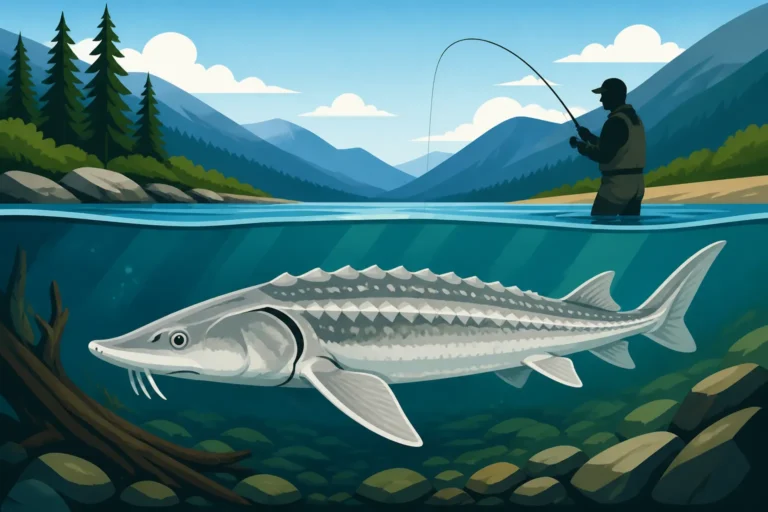
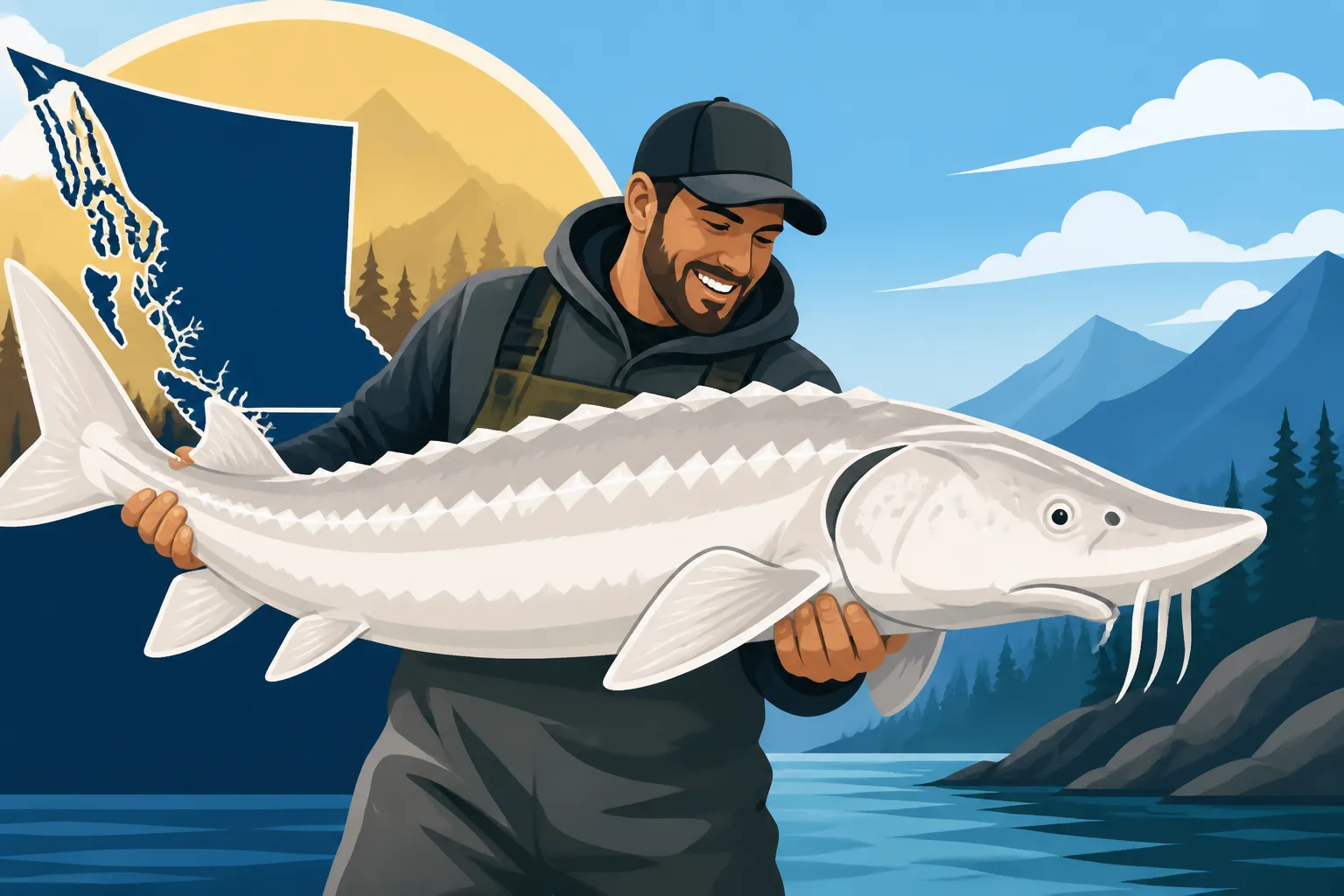
While there isn't a single, universally "official" world record in the traditional sense due to the catch-and-release nature, the Fraser River has produced some absolutely astounding individual fish that are widely considered legendary. Many tales circulate of sturgeon exceeding lengths of 11 or even 12 feet, with estimated weights well over 1,000 pounds. These aren't just fish; they're living dinosaurs, often adorned with tracking tags from conservation programs, indicating they've been caught and released multiple times over their long lives.
One widely reported "record-breaking" catch involved a sturgeon named "Pez", caught and released several times, with one measurement putting it at a staggering 12 feet, 4 inches, with a girth suggesting a weight potentially in the 1,100 to 1,200-pound range. Imagine battling a fish that’s longer than most cars and heavier than a small horse! Another incredible individual, known as "Pig Nose" due to a distinctive snout injury, has been caught repeatedly, often measuring over 10.5 feet and estimated at close to 1,000 pounds. These aren't just isolated incidents; the Fraser River consistently yields sturgeon that push the boundaries of what most anglers believe is possible, offering a chance to encounter a true leviathan. If you're wondering How big white sturgeon get in the Fraser River, these stories paint a vivid picture.
Safeguarding the Giants: Conservation and Responsible Angling
The existence of such massive, ancient fish in BC is a direct result of dedicated conservation efforts and strict regulations. It's a privilege to fish for white sturgeon, and with that privilege comes a significant responsibility to ensure their continued survival for future generations. The Fraser River white sturgeon population faced severe declines in the past, primarily due to commercial fishing and habitat degradation. However, thanks to a concerted effort by government agencies, Indigenous communities, and angler groups, the population is slowly recovering, and the mandatory catch-and-release policy is at the heart of this success. Understanding and adhering to BC Fishing Regulations Explained is critical.
Catch and Release: A Mandate for Sturgeon Survival
For white sturgeon, catch and release isn't just a suggestion; it's a legal requirement. Every sturgeon caught in BC waters, particularly on the Fraser River, must be released unharmed. This vital rule is paramount because white sturgeon are incredibly slow to mature and reproduce, making them vulnerable to overfishing. A large, mature female sturgeon might not spawn until she's 20 years old and then only every few years. Losing even a few of these crucial breeding fish could have devastating long-term impacts on the population.
The practice of catch and release ensures that these magnificent fish can continue to live out their exceptionally long lives—often exceeding 100 years—contributing to future generations. Anglers, therefore, become guardians of these ancient fish, participating in a fishing experience that is fundamentally about respect and preservation. This responsibility extends beyond merely letting the fish go; it involves careful handling, minimal stress, and ensuring the fish is strong enough to swim away on its own. For more on specific rules, see BC Fraser River Sturgeon Catch and Release Requirement.
Essential Handling Techniques for Monster Fish
Handling a white sturgeon, especially one of record-breaking size, requires knowledge, care, and often teamwork. These aren't fish you can simply hoist out of the water by the leader. Their sheer size and weight demand a gentle, methodical approach to ensure their safety and quick recovery.
First, keep the fish in the water as much as possible. This is the golden rule. Their internal organs are not supported by their skeletal structure out of water, and prolonged exposure can cause severe damage. If you need to bring a large sturgeon to the bank for measuring or a quick photo, use a large, soft-mesh cradle or sling designed specifically for sturgeon. Avoid dragging them over rocks or rough surfaces.
Second, support their body weight fully. Never lift a large sturgeon by the tail alone, or by the gills. If it's a truly massive fish, multiple people will be needed to support its entire body from head to tail while it's in the sling, especially if lifted for a brief moment.
Third, minimize handling time. Get your measurements and photos quickly. Have your tape measure and camera ready before the fish is even fully in hand. If you're lucky enough to catch a true monster, a good guide will have a system for swift, accurate documentation.
Fourth, ensure a strong release. Before letting the fish go, hold it gently upright in the water, facing into a mild current, until you feel it regain its strength and actively try to swim away. Never just toss it back; give it the best chance for survival. These practices are crucial for Sturgeon catch and release survival tips.
Equipping for the Epic Battle: Gear and Strategy
Tackling a white sturgeon, especially one that could be a provincial record contender, is not for the faint of heart or the unprepared. This isn't your average trout fishing excursion. You need robust gear, a solid understanding of sturgeon behavior, and often the wisdom of a seasoned guide. Imagine trying to stop a freight train with dental floss – that's roughly the feeling of hooking a 10-foot sturgeon on inadequate tackle.
Heavy-Duty Tackle for Fraser River Sturgeon
When targeting white sturgeon, "heavy duty" is the absolute minimum standard for your gear. You'll need:
- Rods: Look for stout, heavy-action rods, typically 7 to 9 feet in length, designed for casting heavy weights and handling immense pressure. These rods often have a strong backbone but a flexible tip to detect subtle bites. Brands known for their robust fishing gear, often available on Amazon, offer excellent options.
- Reels: A large, robust baitcasting reel or conventional reel with a powerful drag system is essential. It needs to hold a significant amount of heavy line. Don't skimp on the drag, as a smooth, consistent drag is crucial for tiring out these powerful fish without snapping your line. Many anglers find great deals on reliable reels on Amazon.
- Line: Braided line is almost universally preferred for sturgeon due to its incredible strength, minimal stretch, and sensitivity. You'll want something in the 80 to 150-pound test range. Remember, you're not just fighting the fish; you're often fighting strong river currents and potential snags. A long length of heavy leader (150-250 lb mono or fluorocarbon) is also critical for abrasion resistance against their rough bodies and rocky bottom.
- Terminal Tackle: Heavy-duty swivels, snap swivels, and large, strong hooks (typically 10/0 to 14/0 circle hooks are preferred for safety and effective hooksets) are non-negotiable. Circle hooks are particularly good for sturgeon because they tend to hook in the corner of the mouth, reducing the chance of deep hooking and making for easier, safer releases. Don't forget heavy lead weights (8-16 ounces or more) to hold your bait on the bottom in strong currents. You can find many of these specialized items through retailers like Amazon.
If you're wondering How to Catch Sturgeon on the Fraser River, having the right tackle is your first step.
Finding the Lunkers: Locating Prime Sturgeon Habitat
White sturgeon are bottom dwellers, and their habits are heavily influenced by the river's structure and the availability of food. On the Fraser River, you'll generally find the biggest sturgeon in:
- Deep Holes and Channels: These are natural resting areas where the fish can conserve energy and find cooler water, especially during warmer months. These deep spots also tend to accumulate food.
- Confluence Areas: Where two rivers meet, the change in current and depth often creates prime feeding lies and deeper pools.
- Beneath Cut Banks and Log Jams: These areas provide cover and also tend to trap food items.
- Near Salmon Spawning Grounds: During salmon runs, sturgeon will congregate to feast on salmon carcasses, an incredibly rich food source. Understanding What white sturgeon eat in the Fraser River helps in identifying feeding areas.
Effective sturgeon fishing often involves anchoring upstream of these areas and drifting bait down into the target zone. A good fish finder can be invaluable for identifying prime structure and even marking large fish on the bottom.
The Advantage of a Guided Experience
For anyone serious about targeting a trophy white sturgeon, especially a potential record-breaker, hiring a professional sturgeon guide is almost essential. Here’s why:
- Local Knowledge: Guides spend hundreds of days on the river. They know the currents, the depths, the specific holes where big sturgeon reside, and how the fish react to changing conditions. This local expertise is invaluable, far exceeding what you could learn in a few days of self-guided fishing.
- Specialized Gear: Reputable sturgeon guides come equipped with top-of-the-line, heavy-duty tackle specifically chosen and maintained for battling these giants. They have all the necessary safety and handling equipment, like large nets, slings, and measuring devices, ensuring the fish's well-being.
- Safety and Expertise: Battling a massive sturgeon from a boat can be physically demanding and requires experience to do safely. Guides are skilled boat handlers and know how to maneuver to aid in the fight and ensure everyone's safety, including the fish.
- Conservation Contribution: Many guides are actively involved in sturgeon conservation programs, tagging fish and collecting data. By fishing with them, you're often contributing to ongoing research efforts.
- Increased Success: Simply put, your chances of hooking and successfully landing a truly giant sturgeon, and doing so safely and responsibly, are exponentially higher with an experienced guide. They understand What to Expect on a BC Fishing Charter and can provide the best possible experience. For more information, check out Best Sturgeon Guides on the Fraser River. Considering the BC Fishing Charter Cost Guide is a small price to pay for such an unforgettable and potentially record-breaking experience.
Beyond the Numbers: The Legacy of BC's White Sturgeon
While the pursuit of a record-breaking white sturgeon is undeniably thrilling, the experience of encountering these magnificent fish goes far beyond mere measurements. It’s an encounter with living history, a powerful connection to the wild heart of British Columbia, and a testament to successful conservation. Every big sturgeon landed, carefully measured, and successfully released is a victory not just for the angler, but for the species itself.
The Unforgettable Fight
Picture this: You're anchored on the mighty Fraser, your heavy rod resting in a sturdy holder, the scent of fresh bait drifting in the current. Suddenly, the rod tip dips, slowly, deliberately. You feel a bump, then another. Is it a snag? No, the rod begins to load, bending deeply as something immense takes the bait. You grab the rod, set the hook with a mighty pull, and then the fight begins.
It's not a fast, acrobatic fight like a salmon. A sturgeon battle is a war of attrition, a grueling test of strength and endurance. The fish might run deep, stripping hundreds of feet of line with incredible power. It might "tail walk," breaching the surface in a spectacular display of raw force. It often feels like you've hooked a submarine, steadfastly refusing to budge from the river bottom. Your arms ache, your back protests, but the adrenaline keeps you going. The hours melt away, often marked only by the sun's position. Landing one of these giants is an unforgettable experience, a true testament to the power of nature and the spirit of the angler.
Contributing to Research and Future Generations
Every white sturgeon catch, particularly with a knowledgeable guide, can contribute to ongoing scientific research. Many guides work closely with organizations like the Fraser River Sturgeon Conservation Society, which conducts vital research to monitor sturgeon populations, track their movements, and study their health. When a fish is caught, guides often check for existing tags, or if it's untagged, they may tag it, take measurements, and even collect a small genetic sample before the fish is released.
This data is crucial for understanding the overall health of the sturgeon population, how they're responding to environmental changes, and the effectiveness of conservation efforts. By participating in this type of ethical angling, you're not just fishing; you're becoming an active participant in safeguarding a species that has survived for millions of years. It’s about ensuring that the Fraser River continues to be home to these incredible giants, allowing future generations to marvel at the possibility of catching their own record-breaking white sturgeon.
White Sturgeon Quick Facts & Responsible Angling Summary
| Feature | Description | Responsible Angling Practice |
|---|---|---|
| Average Lifespan | 60-100+ years | All fishing is strictly catch-and-release to protect long-lived breeding stock. |
| Diet | Bottom feeders: salmon carcasses, eulachon, fish eggs, insect larvae, crustaceans, mollusks. | Use appropriate bait (e.g., salmon roe, lamprey) that minimizes harm if ingested. |
| Habitat | Deep holes, channels, confluence areas, and slow-moving runs in large river systems like the Fraser. | Fish in designated areas to avoid sensitive habitats; be aware of Special Regulation Waters in BC. |
| Max Size | Documented catches over 12 feet, estimated weights 1,000-1,200+ lbs (catch-and-release records). | Use heavy-duty, appropriate tackle to minimize fight time and fish exhaustion. |
| Reproduction | Spawn every 2-10 years, females mature slowly (often 20+ years). | Handle fish gently, keep in water, and release quickly to ensure spawning success. |
| Conservation Status | Protected species in BC. Population recovering thanks to catch-and-release and habitat protection. | Support conservation efforts; consider a guided trip with ethical operators. |
Disclaimer
This article is for general informational purposes only and does not constitute professional advice. Laws, prices and regulations vary by location and change over time. Consult a qualified professional for guidance on your specific situation.