Steelhead Average Size in BC Rivers
One of the most captivating mysteries for any angler hitting the rivers of British Columbia is the sheer potential of what might tug on their line, especially when it comes to the revered steelhead. There's a certain magic, a legendary status surrounding these incredible fish, and naturally, everyone wonders: just how big do they get? This guide is going to peel back the layers of speculation and give you a realistic, in-depth look at the average size of steelhead across BC's diverse river systems, helping you understand the factors that contribute to their impressive stature and what you can truly expect from these magnificent creatures.
Understanding the BC Steelhead: More Than Just a Rainbow Trout
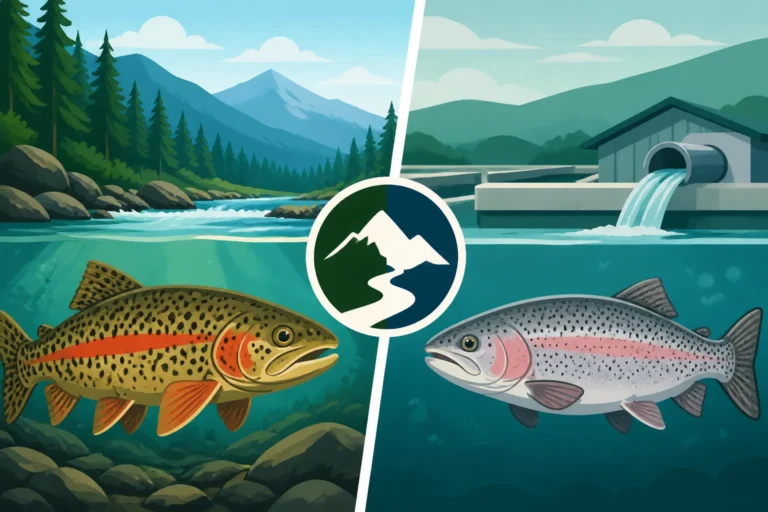
Before we dive into the numbers, it's crucial to understand what makes a steelhead a steelhead, particularly in the unique ecosystems of British Columbia. They aren't just overgrown rainbow trout, though they share the same genetic lineage. Steelhead are anadromous, meaning they're born in freshwater, migrate to the ocean to feed and grow, and then return to their natal rivers to spawn, much like their salmon cousins. This ocean phase is what gives them their incredible size, strength, and distinctive silver-blue coloration.
The Anadromous Lifestyle and Growth Spurts
Unlike rainbow trout that spend their entire lives in freshwater, steelhead embark on an epic journey to the Pacific Ocean. This migration exposes them to a vast, nutrient-rich feeding ground where they can pack on significant size and weight. While in the ocean, they forage on a diet of smaller fish, crustaceans, and squid, fueling rapid growth. It's this sustained period of growth in the marine environment that allows them to return to rivers as powerful, chrome-bright specimens, far larger than their resident rainbow trout counterparts.
Many steelhead will spend one to three years in the ocean before making their first spawning migration back to freshwater. Some, particularly those from the larger river systems, might even spend four or five years at sea. Each additional year in the ocean translates directly into more growth, heavier bodies, and an increased fighting spirit, making them such a prized catch. This extended ocean residence is a key differentiator when we talk about their average size compared to freshwater rainbows.
Key Characteristics of a British Columbia Steelhead
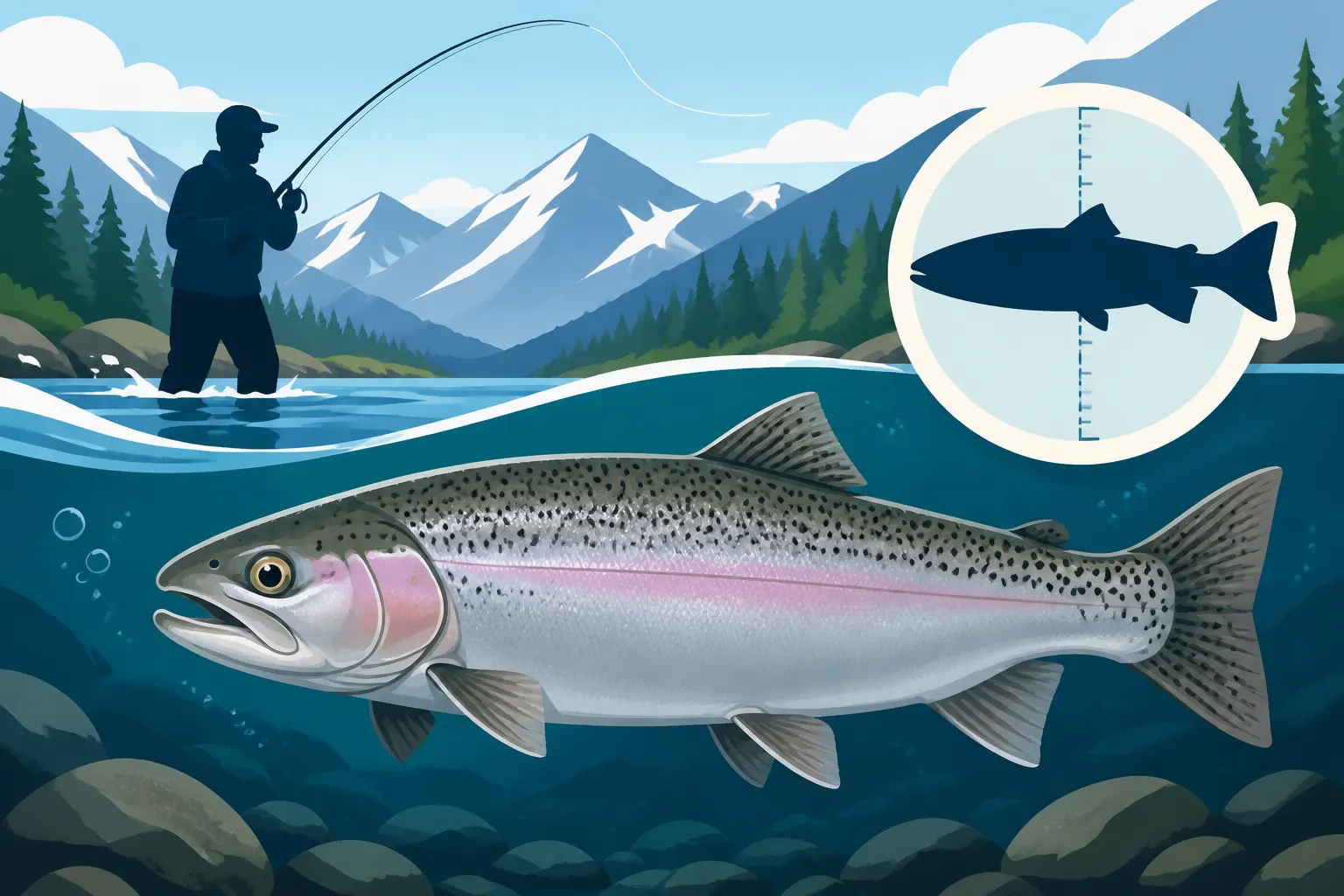
Beyond their anadromous nature, BC steelhead possess several characteristics that distinguish them. They typically have a more streamlined, torpedo-like body built for speed and power, essential for navigating ocean currents and strong river flows. Their coloration is often a dazzling, iridescent silver on their flanks, fading to a darker blue or green on their backs, with subtle spotting that can vary by river system. Upon returning to freshwater, especially as spawning season approaches, their colours can deepen, sometimes displaying a pinkish-red stripe along their sides, especially in males.
One of the most remarkable traits of steelhead is their iteroparity, meaning they can survive spawning and return to the ocean to feed again, potentially coming back to spawn multiple times. This is in contrast to Pacific salmon species, which are semelparous and typically die after their first spawning. These "repeat spawners" are often among the largest steelhead encountered, having accumulated even more ocean growth. However, the energy expenditure of spawning is immense, and not all fish survive to return to the ocean, making repeat spawners a truly special and less common catch. Understanding these fundamental aspects sets the stage for appreciating the range of sizes you might encounter in BC's diverse steelhead rivers.
Factors That Influence Steelhead Size
The average size of a steelhead isn't a single, fixed number across all of British Columbia. It's a complex interplay of environmental, genetic, and biological factors. Anglers often wonder why one river might consistently produce larger fish than another, and the answer usually lies in these underlying influences.
Ocean Residence and Food Availability
Perhaps the most significant factor dictating a steelhead's size is the amount of time it spends in the ocean. As we touched on, the ocean is a buffet compared to the relatively sparse food sources of many freshwater rivers. A steelhead that spends two years at sea will almost invariably be larger than one that spent only one year, given all other factors are equal. The abundance and quality of food sources in their marine foraging grounds play a critical role. If a particular year sees a strong run of baitfish or other prey species in the coastal waters where steelhead feed, those fish are likely to grow larger and return heavier.
Conversely, periods of scarcity or intense competition for food in the ocean can result in smaller overall returns. This isn't just about how long they're out there, but how well they're eating during that time. A steelhead that has thrived on a rich diet will return with a robust body, a powerful frame, and the impressive girth that anglers dream about. The mystery of the ocean's bounty and its impact on individual fish is part of what makes each steelhead encounter so unique.
River System Genetics and Habitat Quality
Each river system in BC has its own unique stock of steelhead, evolved over millennia to suit the specific conditions of that watershed. Genetic predispositions play a role in the ultimate size potential of a fish. Some river systems are simply known for producing larger-bodied steelhead, a trait passed down through generations. This genetic blueprint sets the potential, but the environment helps determine if that potential is met.
Beyond genetics, the quality of the freshwater habitat itself is crucial. Healthy rivers with ample spawning and rearing grounds, clean water, and sufficient food for juvenile steelhead contribute to robust smolts that are better equipped to survive their ocean migration and return as strong adults. Rivers with limited habitat, degraded water quality, or overcrowding can lead to smaller, less vigorous smolts, which may affect their eventual size as adults. Conservation efforts focused on improving river health directly benefit the long-term prospects for larger steelhead. Anglers passionate about finding the next record fish often support groups working to protect these vital habitats.
Spawning Cycles and Repeat Spawners
The number of times a steelhead has spawned also directly correlates with its size. A steelhead returning to spawn for the first time is typically smaller than a "once-spawned" or "twice-spawned" fish. Each successful return to the ocean after spawning offers another opportunity for growth. While many steelhead do not survive multiple spawning cycles due to the immense energy demands and physical toll, those that do become truly exceptional specimens.
These repeat spawners are the giants of the river, often exhibiting greater length and much thicker girth, reflecting their accumulated years of ocean feeding. Identifying a repeat spawner can be a challenge, but often they show signs of prior spawning, such as scarred fins or a slightly less pristine appearance. Catching one of these battle-hardened veterans is a pinnacle achievement for many anglers, a testament to the fish's resilience and the health of the system it calls home.
Average Size by BC Region and River System
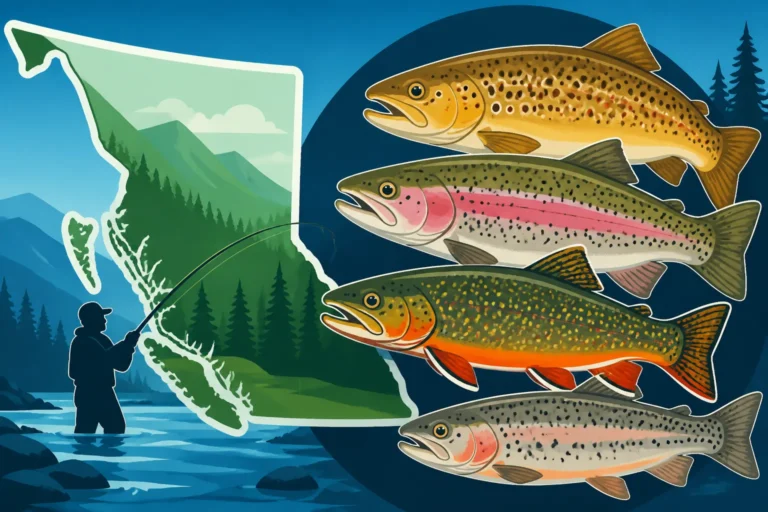
British Columbia is a vast province, and its steelhead rivers are incredibly diverse, from the rain-soaked coastal streams of Vancouver Island to the mighty rivers of the Skeena system in the north. This geographical spread means that "average size" is not a one-size-fits-all concept. Steelhead dimensions can vary quite significantly depending on where you're fishing.
North Coast Rivers: The Realm of Giants
The rivers of BC's North Coast, particularly within the renowned Skeena River system and its tributaries like the Bulkley, Kispiox, and Babine, are legendary for producing some of the largest steelhead in the world. This region is often considered the undisputed kingdom for trophy-sized fish, and for good reason. Skeena River Steelhead Fishing is an experience unto itself, drawing anglers from around the globe.
Here, it's not uncommon for average adult steelhead to range from 8 to 15 pounds (approximately 3.6 to 6.8 kg), with many fish pushing well into the 18 to 25-pound (8.2 to 11.3 kg) class. The true giants, often repeat spawners, can eclipse the 30-pound (13.6 kg) mark, with historical records venturing even higher. The consistent abundance of food in the northern Pacific, combined with robust genetic strains and relatively pristine river systems, allows these fish to reach truly impressive proportions. When you're fishing the Bulkley, Kispiox or the Dean River, which also has a reputation for magnificent fish, you're always aware that the next strike could be a fish of a lifetime. Many anglers invest in heavy-duty tackle from Amazon for these powerful fish.
Vancouver Island and South Coast Streams: Powerful Coastal Chrome
Moving south, the steelhead rivers of Vancouver Island and the BC South Coast (Lower Mainland) offer a different, but equally thrilling, steelhead experience. While these rivers generally don't produce the sheer numbers of 20+ pound fish seen up north, they consistently yield strong, vibrant steelhead that are a joy to catch.
On Vancouver Island, rivers like the Cowichan, Gold, and Stamp typically see average steelhead in the 6 to 12-pound (2.7 to 5.4 kg) range. However, fish in the 15 to 18-pound (6.8 to 8.2 kg) class are caught regularly, especially during peak runs, and the occasional fish over 20 pounds is certainly not unheard of. Similarly, Lower Mainland rivers such as the Vedder/Chilliwack and Squamish, known for their accessibility and consistent returns, produce steelhead averaging 5 to 10 pounds (2.3 to 4.5 kg). These fish, while perhaps not as large as their northern cousins, are incredibly strong for their size, battling hard in their often turbulent, clear coastal waters. Best Fishing Rivers in British Columbia certainly include many of these accessible waterways.
Interior Rivers: Resilient and Unique
The interior of British Columbia, home to rivers like the Thompson and those within the Fraser River system, also boasts steelhead runs, though these populations have faced significant challenges. Thompson River Steelhead Fishing is a legendary, albeit often restricted, experience due to conservation concerns. Interior steelhead often exhibit distinct characteristics, including a slightly different body shape and coloration.
Average sizes in these interior systems can range from 7 to 15 pounds (3.2 to 6.8 kg), with larger fish certainly present, especially if they've had good ocean conditions and managed to navigate the long journey upstream. These fish are renowned for their incredible stamina and strength, a necessity for their arduous migration. Because of conservation sensitivity, many of these runs are strictly catch-and-release, emphasizing the importance of careful handling. For those looking to learn more about the regulations governing these unique fish, reading BC Fishing Regulations Explained is a must.
Here's a quick reference table to summarize the average size ranges you might encounter:
| Region/River System | Average Size Range (Pounds) | Average Size Range (Kilograms) | Potential for Trophy Fish (20+ lbs) | General Characteristics |
|---|---|---|---|---|
| North Coast (Skeena, Bulkley, Kispiox, Dean) | 8 – 15 lbs | 3.6 – 6.8 kg | High | World-class, large-bodied, powerful, often multiple spawners. |
| Vancouver Island | 6 – 12 lbs | 2.7 – 5.4 kg | Moderate | Strong, acrobatic, fight hard in coastal rivers. |
| South Coast (Vedder, Squamish) | 5 – 10 lbs | 2.3 – 4.5 kg | Moderate | Accessible, strong fighters, good for regular trips. |
| Interior (Thompson, Fraser tribs) | 7 – 15 lbs | 3.2 – 6.8 kg | Moderate (historically higher) | Incredibly resilient, strong endurance for long migrations, often unique colouring. |
It's important to remember that these are averages, and individual rivers within these regions can have specific nuances. Always check local regulations and BC Fishery Notices and In-Season Closures, Explained before heading out.
What Defines a "Trophy" Steelhead in British Columbia?
Every angler dreams of landing a true "trophy" fish, and when it comes to steelhead in British Columbia, that dream takes on legendary proportions. But what exactly qualifies as a trophy steelhead in a province renowned for these magnificent fish? It's more than just weight; it's about the entire experience and the sheer rarity of such a catch.
The Weight and Length Benchmarks
While there's no official universal benchmark carved in stone, most seasoned BC steelhead anglers would generally consider a fish in the 18 to 20-pound (8.2 to 9.1 kg) class to be a significant trophy. A steelhead exceeding 20 pounds (9.1 kg) is undeniably a fish of a lifetime for many, pushing into the truly exceptional category. These are fish that have typically spent three or more years in the ocean, growing to immense proportions. Fish above 25 pounds are incredibly rare, and the mythical 30-pound steelhead is the pinnacle, a true leviathan that few anglers ever encounter.
In terms of length, a trophy steelhead would often measure well over 35 inches (89 cm), with some giants pushing past the 40-inch (102 cm) mark. However, length alone doesn't tell the whole story. A thick, deep-bodied fish with a heavy girth often leaves a more lasting impression than a long, slender one. The combination of impressive length and significant weight truly defines a trophy. You might want to consider a good quality measuring tape and scale, which are easily found on Amazon, if you plan on documenting your catches responsibly.
Rarity and River Specificity
The rarity of trophy steelhead cannot be overstated. While a river like the Bulkley or Kispiox might offer a higher probability of hooking into a larger fish compared to, say, a smaller Vancouver Island stream, true giants are still exceptional catches anywhere. These fish represent the peak of their species' potential, often having survived multiple spawning migrations and countless challenges in both freshwater and saltwater.
The specific river system also plays a role in what's considered a trophy. A 15-pound steelhead from a smaller, heavily pressured river might be celebrated as much as a 25-pounder from a remote northern system, simply because of its exceptional size relative to its environment. This contextual understanding adds another layer to the trophy definition, acknowledging the varied productivity of BC's diverse watersheds. Always remember that even a 5-pound steelhead in BC is a phenomenal fish that will test your tackle and skill.
The "Fish of a Thousand Casts" Mentality
Beyond just the numbers, a trophy steelhead embodies the "fish of a thousand casts" philosophy. It's not just about the size of the fish, but the dedication, skill, and sheer persistence required to encounter one. Landing a trophy steelhead is often the culmination of years of learning, countless hours on the water in challenging conditions, and a deep understanding of the fish and its environment. It's the moment when all that effort, all those cold hands and wet boots, pay off.
The battle itself is also a defining characteristic. A trophy steelhead will fight with incredible power, often making blistering runs, acrobatic jumps, and deep, stubborn dives that test an angler's tackle and resolve to their absolute limits. It's an unforgettable experience that transcends mere statistics, leaving an indelible mark on the angler. Many anglers keep detailed journals of their experiences, noting water conditions, flies used, and the sheer exhilaration of a fight with a large steelhead.
Conservation and Responsible Angling Practices
The pursuit of trophy steelhead in British Columbia comes with a profound responsibility: ensuring the health and sustainability of these incredible fish populations for future generations. Steelhead populations face numerous challenges, and responsible angling practices are paramount to their survival.
Catch and Release: A Guiding Principle
For steelhead, especially in systems where runs are vulnerable or designated as "Special Regulation Waters," catch and release is not just a suggestion; it's often a legal requirement and an ethical imperative. Many of BC's most famous steelhead rivers, including the Thompson, Skeena tributaries, and specific zones on Vancouver Island, have stringent catch-and-release rules in place. BC Catch and Release Only Waters are designed to protect these precious stocks.
When practicing catch and release, minimizing stress and injury to the fish is crucial. This means:
- Using appropriate tackle: Heavy enough to land the fish quickly, reducing fight time.
- Barbless hooks: Mandated in many steelhead fisheries, they allow for easier and quicker hook removal.
- Minimizing air exposure: Keep the fish in the water as much as possible, especially its gills. If you must lift it for a quick photo, do so gently and quickly, supporting its entire body horizontally.
- Wet hands: Always wet your hands before touching a fish to protect its delicate slime coat.
- Revival: Hold the fish gently facing into the current until it is strong enough to swim away on its own.
These practices significantly increase the chances of the fish surviving to spawn another day, contributing to the health of the population.
Understanding Regulations and Fishery Notices
British Columbia's fishing regulations are dynamic and can change frequently, especially for sensitive species like steelhead. It's absolutely vital for anglers to stay informed about the latest rules, including bag limits (though often zero for steelhead), gear restrictions, and specific season dates and closures for the rivers they plan to fish. Reading the BC Freshwater Fishing Regulations Synopsis is a critical step before any trip.
The Ministry of Forests, Lands, Natural Resource Operations and Rural Development, along with Fisheries and Oceans Canada (DFO) for tidal waters, issue "Fishery Notices" that detail in-season changes. These notices can include unexpected closures, gear modifications, or changes to retention rules based on real-time stock assessments. Ignoring these notices can lead to severe penalties, but more importantly, it can endanger fragile fish populations. Checking for BC Fishery Notices and In-Season Closures, Explained should be a routine part of planning any steelhead trip.
Supporting Conservation Efforts
Many organizations are dedicated to the conservation and restoration of BC's steelhead populations and their habitats. Supporting these groups, whether through membership, volunteering, or advocating for stronger environmental protections, is an integral part of being a responsible angler. These efforts can include habitat restoration projects, scientific research, and educational initiatives.
From protecting old-growth forests that contribute to healthy watersheds to ensuring proper fish passage around obstacles, conservation is a continuous effort. Anglers often contribute to data collection by reporting their catches (even released fish) to local programs, providing valuable information for stock assessment. Protecting the rivers where steelhead thrive ensures that future generations will also have the opportunity to marvel at the average, and extraordinary, size of these incredible BC fish. If you're looking for books on steelhead conservation or specific fishing techniques, Amazon has a wide selection that can help deepen your knowledge.
The Journey Beyond Just Size
While the average size of a steelhead is a natural curiosity and a compelling part of the angling dream, the true allure of these fish in British Columbia transcends mere measurements. The journey to understand and pursue steelhead is rich with experiences that go far beyond the numbers on a scale or measuring tape.
The Elusive Nature and the Challenge
Steelhead are often called the "fish of a thousand casts" for a reason. They are notoriously elusive, incredibly wary, and demand a level of dedication and skill that few other freshwater species require. You can spend days on a pristine river, casting tirelessly, reading every seam and pool, only to be rewarded with nothing but the beauty of your surroundings. And then, in a moment, a powerful tug, a flash of chrome, and the river comes alive. This challenge is precisely what makes the eventual reward so profoundly satisfying, regardless of the fish's size.
It's the patience, the understanding of river dynamics, the precision of a cast, and the resilience in the face of long odds that truly define steelhead fishing. The pursuit itself becomes a meditation, a deep connection with the wild rivers of BC, and a test of character. Many anglers find the peace and quiet of the river, the crisp air, and the stunning scenery to be just as rewarding as the fish itself.
The Beauty of the Wild Environment
Steelhead thrive in some of the most spectacular and untouched wilderness areas of British Columbia. From the towering old-growth forests of Vancouver Island to the vast, rugged landscapes of the North Coast, a steelhead fishing trip is often as much about immersing oneself in nature as it is about fishing. The pristine rivers, the abundant wildlife – eagles soaring overhead, bears foraging along the banks, otters playing in the current – all contribute to an unforgettable experience.
These wild places demand respect and careful stewardship. Anglers often develop a deep appreciation for the interconnectedness of these ecosystems, understanding that the health of the forests, the mountains, and the ocean directly impacts the fish they pursue. This connection to the wild environment is a powerful draw, reminding us of the importance of protecting these natural treasures. You might find resources on Amazon about fly-fishing destinations that highlight the breathtaking landscapes of BC.
The Unforgettable Fight and Memory
Ultimately, it's the fight of a steelhead that sears itself into an angler's memory. Whether it's a 5-pound chrome bullet or a 20-pound river monster, a steelhead's power, speed, and acrobatic aerial displays are truly unparalleled. The sound of line screaming off the reel, the heart-pounding anticipation of each jump, the sheer physical exertion of guiding such a strong fish to hand – these are the moments that make steelhead fishing legendary.
And once you've successfully landed, admired, and carefully released one of these magnificent fish, the memory of that encounter lasts a lifetime. It's a story told around campfires, a photograph cherished, and a driving force that compels anglers to return to the rivers, year after year, in search of that next flash of chrome. The size of the fish becomes secondary to the intensity of the experience and the profound respect gained for these incredible creatures. While specific techniques are key to success, as explored in How to Catch Steelhead in BC, the emotional connection to the fish and the environment is what keeps anglers coming back.
Disclaimer
This article is for general informational purposes only and does not constitute professional advice. Laws, prices and regulations vary by location and change over time. Consult a qualified professional for guidance on your specific situation.