What age can you fish without a license in BC
It's a common and totally valid question for any parent or guardian hoping to introduce a child to the joys of angling in British Columbia: "Do kids even need a fishing license here?" The rules can seem a little murky, and no one wants to accidentally run afoul of regulations when all they're trying to do is create a cherished memory with a youngster. This comprehensive guide is here to untangle the specifics, helping you understand exactly what age can fish without a license in BC's diverse waters.
Understanding BC's Youth Fishing License Exemptions
Navigating the world of fishing licenses can feel like reading a tax manual sometimes, but for our youngest anglers in British Columbia, the rules are thankfully quite generous. The goal is to encourage participation and a love for the outdoors, and that starts by making it easy for kids to get out on the water.
The Fundamental Age Cutoff for Freshwater
Let's start with the good news: in British Columbia's vast network of rivers, lakes, and streams – what we call "freshwater" – anyone who is 15 years old or younger does not need a fishing license. This is a fantastic benefit for families and a wonderful way to introduce the next generation to the quiet thrill of a tug on the line. Imagine taking your child to a serene lake in the Okanagan Valley or a quiet stretch of the Elk River; if they're 15 or under, you don't need to worry about purchasing a provincial freshwater license for them.
This "under 16" rule is a hard cutoff, meaning it applies right up until the day they turn 16. So, a child who is 15 years and 364 days old can fish without a license. The moment they celebrate their 16th birthday, however, the requirement for an adult freshwater fishing license kicks in. It’s a pretty clear line, so it’s wise to keep track of those birthdays if you have a keen young angler in the family! This age requirement is one of the foundational aspects of BC Fishing License Age Requirements.
Tidal Waters: A Different Rule for Young Anglers
Now, here’s where things get a little different, and it's a common point of confusion for many. While freshwater fishing is managed by the province, fishing in BC's spectacular "tidal" (or saltwater) environments – places like the Georgia Strait, Barkley Sound, or the open Pacific off Tofino – falls under federal jurisdiction, specifically the Department of Fisheries and Oceans (DFO).
For tidal waters, if your child is under 16 years old, they still don't need to pay for a license. That's a huge bonus! However, and this is crucial: they must still register for a free tidal waters fishing license. This isn't just a suggestion; it’s a mandatory step. You can easily do this online through the DFO's National Recreational Licensing System.
Why the registration if it's free? Well, it's all about conservation and data. Even if they're not contributing revenue, the DFO needs to track how many people are fishing and what their catch effort looks like. This data is absolutely vital for managing salmon, halibut, lingcod, and other marine species to ensure healthy stocks for future generations. Without this information, it's much harder to make informed decisions about bag limits, seasons, and conservation measures. So, while it's a no-cost item, it's still a significant part of being a responsible angler in BC's coastal playground. This distinction is a key component of understanding BC Freshwater vs Tidal Waters License, Explained.
Why These Rules Matter for Young Anglers and Their Families
Understanding these seemingly simple age rules goes beyond just avoiding a ticket. It's about instilling responsible habits and ensuring that fishing remains a positive, enriching experience for everyone involved.
Nurturing a Love for Fishing Responsibly
Introducing a child to fishing is one of the most rewarding experiences a parent or guardian can have. It teaches patience, connects them with nature, and offers a unique sense of accomplishment. But alongside the thrill of the catch, it's also a perfect opportunity to teach responsibility and respect for the environment. Even if a child doesn't need a paid license, parents should absolutely instill the importance of understanding all the rules.
This includes concepts like adhering to BC Bag and Possession Limits by Species, identifying different fish species, practicing proper catch-and-release techniques for non-target or oversized fish, and respecting sensitive habitats. Teaching them these ethical angling practices from a young age sets a powerful foundation. When they eventually turn 16 and need their own full license, they’ll already have a deep appreciation for the regulations that protect our fisheries. Fishing isn't just about what you catch; it's about how you engage with the natural world around you.
Avoiding Unintended Penalties for Grown-Ups
Here’s a critical point that can catch many well-meaning adults off guard: while your child might be exempt from buying a license, you as the supervising adult are ultimately responsible for ensuring they comply with all other fishing regulations. This means that if your child (even an exempt one) is found to be over the bag limit, fishing in a closed area, or using illegal gear, the accompanying adult can face significant fines and penalties.
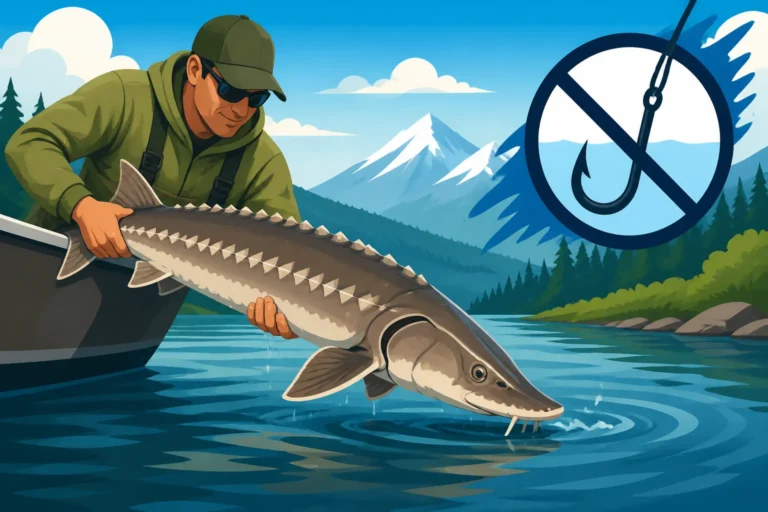
Imagine this scenario: you're out on the Fraser River, and your enthusiastic 12-year-old catches a second white sturgeon for the day in a catch-and-release only zone. While the child might not get fined, you as the supervising adult certainly could, potentially facing substantial monetary penalties and even equipment confiscation. It’s a stark reminder that the responsibility ultimately rests with the adult. This is why understanding Fishing Without a License in BC: Penalties isn't just for yourself, but for everyone under your care. Always take the time to review the BC Freshwater Fishing Regulations Synopsis or the relevant DFO fishery notices for tidal waters before any fishing trip, especially with kids in tow. It’s better to be overly prepared than caught unawares.
Practical Steps for Ensuring Your Child is Compliant
Ensuring your young angler is compliant doesn't have to be a headache. A few simple steps can make all the difference, allowing you to focus on making great memories rather than worrying about paperwork.
Carrying Proof of Age and Understanding Regulations
For freshwater fishing, where no physical license is required for children under 16, it’s still an excellent habit to carry some form of proof of their age. A clear photo of their birth certificate, a BC Services Card on your phone, or even a passport can save a lot of hassle if a Conservation Officer or Fisheries Officer asks for verification. While it might not be explicitly required, having it on hand demonstrates diligence and can prevent any unnecessary delays or questions.
Beyond just age, every angler, regardless of age, must know the specific regulations for the water body they are fishing. This means being aware of daily quotas, minimum or maximum size limits, specific gear restrictions (like single barbless hooks for salmon or steelhead), or even BC Catch and Release Only Waters. Regulations can change seasonally or for specific areas, so checking current BC Fishery Notices and In-Season Closures, Explained is always a smart move before heading out. Ignorance of the law is not an excuse, especially when you're the one supervising a minor.
Registering for a Tidal Waters Junior Angler Account
If your fishing adventure is taking you to the coast, this step is non-negotiable for kids under 16. The process for obtaining a free tidal waters license for your child is straightforward and done entirely online through the DFO's National Recreational Licensing System.
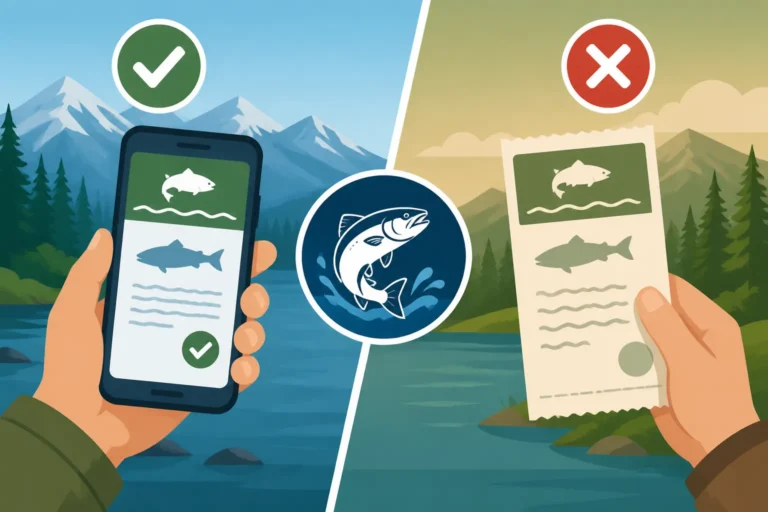
You'll typically need to create an account if you don't already have one (you likely do if you have your own tidal license). Once logged in, navigate to the section for junior or youth licenses. You'll input your child's basic details – name, date of birth, etc. – and then be issued a digital license. This can then be printed out to carry a physical copy, or you can simply keep a screenshot or PDF on your mobile device. It's a quick process, often taking just a few minutes, but it's frequently overlooked by anglers who assume "free" means "no paperwork." Make sure to have it sorted before heading out on that salmon or halibut charter off Vancouver Island or a crabbing trip in Howe Sound!
Beyond the License: Essential Gear and Safety for Kids
Having the right paperwork (or understanding when it's not needed) is important, but safety and appropriate gear are absolutely paramount, especially when fishing with children.
First and foremost: life jackets. These are non-negotiable, especially if you're fishing from a boat, near strong currents, or on unfamiliar shorelines. BC has strict Life Jacket Requirements for BC Boaters, and children are often legally required to wear them, not just have them on board. You can find comfortable, well-fitting life jackets for kids on reputable online retailers like Amazon that are designed specifically for active use, allowing them to move freely while staying safe.
Secondly, appropriate gear can make a huge difference in a child's enjoyment and success. While a simple "Snoopy" rod from a local department store might get them started, investing in a decent kids' combo (a rod, reel, and line matched together) can prevent a lot of frustration. Brands like Ugly Stik, Shakespeare, or Zebco make durable, affordable options that are perfect for young hands. These starter kits often come pre-spooled with line and are designed for ease of use, making them ideal for beginners. You can often find great beginner combos on Amazon for under $50, which is a small investment for countless hours of fun.
Finally, don't forget sun protection! Kids spend hours out in the elements, so wide-brimmed hats, high-SPF sunscreen, and sunglasses are vital for preventing sunburn, heatstroke, and eye damage. Plenty of snacks and water are also crucial for keeping their energy and spirits up during a long day on the water. A well-prepared child is a happy angler!
Common Misconceptions and Special Scenarios
The rules surrounding youth fishing licenses in BC can sometimes lead to confusion, especially when special events or unique fishing scenarios come into play. Let's clear up some of those lingering questions.
The "Free Fishing Weekend" Myth for Kids
British Columbia occasionally hosts "Family Fishing Weekends" or similar events, often advertised as days when adult residents can fish without a license for a short period. While these are fantastic initiatives for encouraging participation, for kids under 16, they're somewhat of a moot point when it comes to freshwater fishing. Why? Because kids 15 and under can already fish without a license every single day of the year in freshwater!
The true benefit of these weekends is for the adults who might not typically hold a license, giving them an opportunity to fish with their kids without the initial financial outlay of a license. However, even during these special events, all other regulations still apply – bag limits, gear restrictions, and area closures must still be observed. And for tidal waters, the mandatory free registration for youth still applies, even on "free fishing" days. So, it's not a blanket "free pass" from all regulations; it's more about removing one specific barrier for adults. Always double-check current BC Fishing Season Dates and Closures for details on any such events.
Group Outings and Guided Trips for Youth
If you're planning a guided fishing trip or booking a charter in BC, whether it's for salmon on the coast or sturgeon on the Fraser River, the operator will typically be well-versed in the licensing requirements for all anglers on board, including children. Reputable guides and charter captains often include a pre-trip briefing where they’ll ask for everyone's age and ensure that if it's a tidal trip, any child under 16 has their free DFO tidal waters license registered and ready. They understand the importance of compliance and will often have extra copies of forms or direct links for registration available if needed.
This is one of the many reasons why choosing professional Best Guided Kids Fishing Trips in BC is a great option, as they take the headache out of navigating regulatory nuances. For example, if you book a sturgeon trip on the Fraser River, a guide from a company like Sturgeon Slayers will not only provide all the gear but will also ensure all anglers, regardless of age, understand the strict catch-and-release mandate for sturgeon, as well as the need for the appropriate BC Fraser River Sturgeon Catch and Release Requirement. Their expertise extends beyond just finding fish; it includes ensuring a legal and ethical experience for everyone.
Age Requirements for Different Species Stamps
This is another area that can cause a fair bit of head-scratching. While a child under 16 doesn't need a base freshwater or tidal license (though tidal registration is mandatory), certain stamps are tied to the retention of specific species, not just the act of fishing for them.
Let's consider salmon. If your child is under 16 and catches a salmon in freshwater, and the plan is to keep it, that salmon will typically count towards the supervising adult's possession limit. Therefore, the adult would need to have the appropriate provincial BC Salmon Conservation Stamp Rules affixed to their own freshwater fishing license if they intend to retain that fish. The child's lack of a license doesn't mean they can just keep salmon carte blanche; it falls under the adult's responsibility and limits. It's a good idea to refer to specific guidelines for BC Freshwater Salmon Retention Rules.
Similarly, for tidal waters, if your child catches a salmon or halibut and you intend for them to keep it (which, again, counts against the adult's daily and annual limits), the supervising adult must have the necessary federal BC Tidal Waters Salmon Conservation Stamp Cost or halibut validation stamps. The child's free tidal license doesn't negate the need for these stamps if retention is the goal. This area can be slightly complex, so it's always best to clarify with the Ministry of Forests (for freshwater) or DFO (for tidal) directly for specific scenarios, but the general rule is: if a child is retaining a regulated species, it counts against the adult's limits and requires the adult to have the appropriate stamps or validations.
| Aspect | Freshwater (Rivers, Lakes, Streams) | Tidal Waters (Ocean, Estuaries) |
|---|---|---|
| Age Exemption | Under 16 years old | Under 16 years old |
| License Requirement | No base license required | Free license required (registration mandatory) |
| Cost | Free | Free (registration only) |
| How to Obtain | No action needed for the base license | Register online through DFO's National Recreational Licensing System |
| Proof Needed | Recommended: proof of age (e.g., birth certificate copy) | Digital or printed DFO tidal license, plus proof of age |
| Species Stamps | If retaining salmon, counts under adult's stamp/limit | If retaining salmon/halibut, counts under adult's stamp/limit |
| Governing Body | Provincial (Ministry of Forests, Lands, Natural Resource Operations and Rural Development) | Federal (Department of Fisheries and Oceans – DFO) |
Disclaimer
The information provided in this guide is for general informational purposes only and is not intended as legal advice. Fishing regulations in British Columbia, both provincial and federal, can be complex and are subject to change without notice. While we strive to provide accurate and up-to-date information, it is the sole responsibility of each angler to consult the official British Columbia Freshwater Fishing Regulations Synopsis, the federal Pacific Region Salmon Sport Fishing Guide, and any in-season DFO Fishery Notices before engaging in any fishing activity. Failure to comply with regulations can result in significant penalties.