Digital vs paper fishing license in BC
Navigating the requirements for your British Columbia fishing license can sometimes feel like trying to untangle a stubbornly knotted fishing line, especially with the modern options available. Many anglers find themselves wondering if that digital screenshot on their phone is truly sufficient when a conservation officer asks to see their license, or if they still need to carry a printed piece of paper. This guide is designed to clarify the ins and outs of both digital and paper fishing licenses in BC, helping you understand the rules and choose the best method for your next angling adventure.
The Evolution of Fishing Licenses in British Columbia
For decades, the ritual of getting a fishing license was a distinctly paper affair. You’d head to a tackle shop, fill out a form, and walk away with a brightly coloured, physical tag to carry in your wallet or on your vest. But just like everything else in our increasingly connected world, the system has evolved. Now, with a few clicks, you can secure your license from the comfort of your home, and the question naturally arises: what form does it actually need to take out on the water?
Moving Beyond Just Paper: The Digital Shift
The shift towards digital licenses has been a game-changer for many anglers, offering unparalleled convenience. Gone are the days of rushing to a physical vendor before closing hours, only to find they're out of stock or you've forgotten cash. Now, you can purchase your license online, often in minutes, from virtually anywhere with an internet connection. This digital revolution means that a quick purchase on your smartphone can save a fishing trip that almost didn't happen because you forgot your license at home or decided on a spontaneous outing. It's a system designed to make access easier and reduce administrative burden.
However, this convenience also introduces new considerations. While the digital purchase process is straightforward, the subsequent question of how to display that license on the water can cause confusion. Many assume a screenshot is fine, or that simply having the email confirmation will do. It’s important to remember that while the purchase is digital, proof of that purchase needs to be readily accessible and meet the regulatory standards for inspection. This means understanding exactly what counts as a valid digital display in the eyes of a BC conservation officer.
The Official Stance: What BC Fisheries Accepts
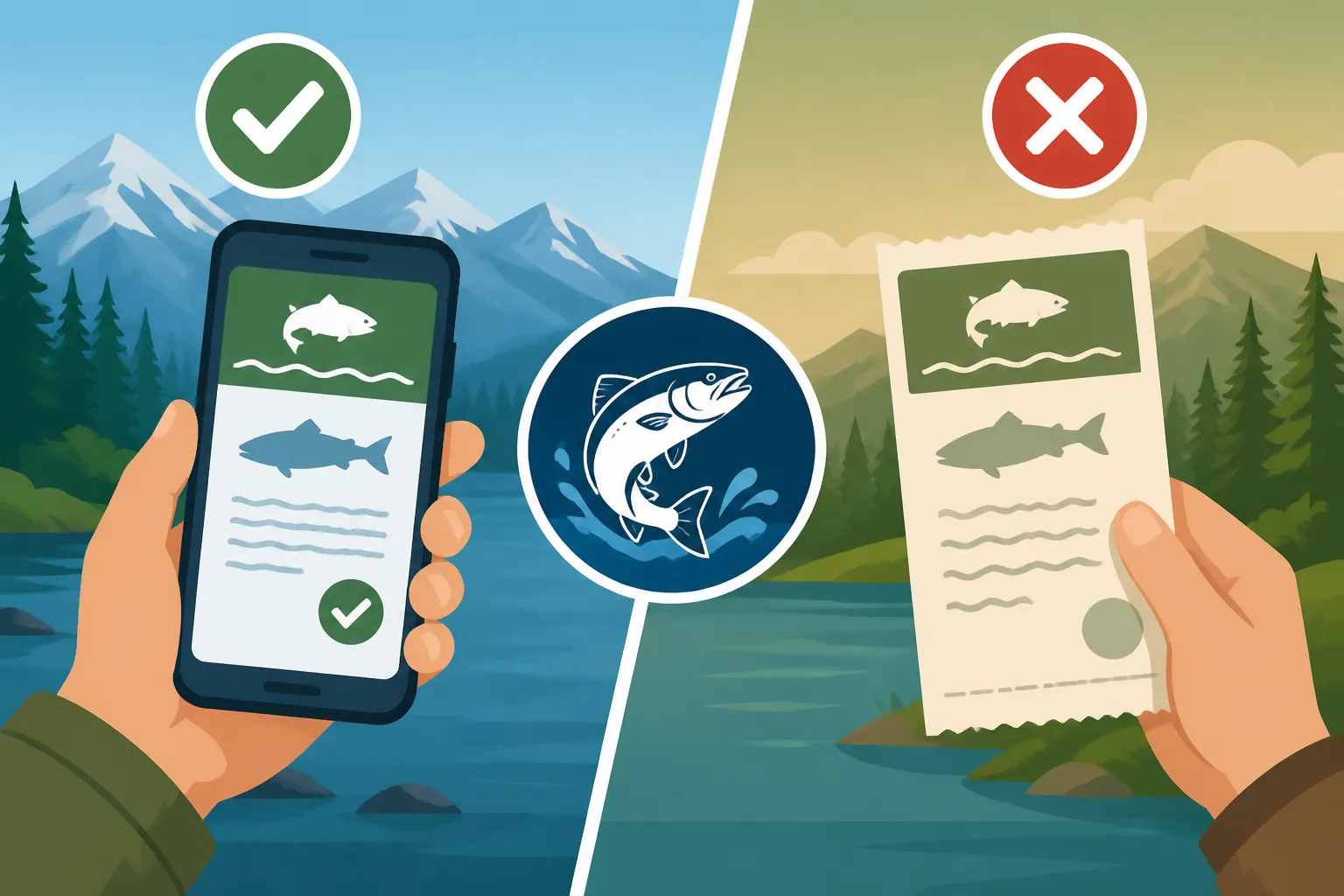
Officially, both a printed copy and a digital display of your valid BC fishing license are accepted. The key word here is "valid" and "display." This isn't just about having proof you bought it; it's about being able to show it clearly and immediately upon request. For a digital license, this typically means having it accessible on a smartphone or other electronic device, in a format that allows an officer to verify all the necessary information, such as your name, license number, dates of validity, and any applicable stamps.
The goal of the regulations surrounding license display is to ensure quick and efficient enforcement. Conservation officers need to be able to confirm your compliance on the spot, whether you're fishing a remote stream in the Kootenays or casting off a pier in Greater Victoria. They're looking for legibility and completeness. It's not enough for them to see a tiny, pixelated image that's hard to read. They need to confirm you have the correct type of license, be it a BC Freshwater vs Tidal Waters License, Explained, and that all necessary endorsements, like a Salmon Conservation Stamp, are present and accounted for. This flexibility in display options recognizes modern technology while maintaining the core principles of regulatory oversight.
Understanding Your Options: Digital Licenses
The allure of a digital fishing license is undeniable. No more fumbling for a crumpled piece of paper or worrying about it getting wet. For many, their smartphone is already an indispensable tool, and adding their fishing license to its digital wallet or simply having it accessible in an email or app seems like a natural extension. But relying solely on your phone comes with its own set of responsibilities and potential pitfalls that every BC angler should consider.
The Convenience of Your Smartphone: Displaying Your License Digitally
The primary advantage of a digital license is the sheer convenience of having it readily available on your smartphone. After purchasing your license online, you'll typically receive an email with a PDF attachment of your license. Many anglers simply save this PDF to their phone's files, take a screenshot, or add it to a digital wallet application. When a conservation officer approaches, you pull out your phone, unlock it, and display the license. It's quick, easy, and reduces the amount of physical clutter you need to carry. Imagine you're enjoying a peaceful afternoon fishing on Cultus Lake, and an officer requests your license; a few taps on your phone, and you're good to go.
However, this convenience is highly dependent on your device's functionality. Battery life is a critical concern, especially on long days out in the elements. There's nothing worse than needing to show your license only to find your phone is dead. Similarly, cell service can be spotty, or even non-existent, in many of BC's prime fishing spots, especially if you venture into more remote areas like the Skeena River system. While you don't necessarily need live internet access to display a saved PDF or screenshot, ensuring it's actually downloaded and accessible offline is paramount. Furthermore, if your phone screen is cracked, obscured by glare, or simply too small, it could hinder an officer's ability to clearly read and verify your license details, potentially leading to unnecessary delays or issues.
Proof of Purchase: What a Digital License Entails
When we talk about a digital license, we're not just talking about the act of purchasing it online. We're specifically referring to the legally acceptable proof you must carry. The system in BC issues a unique license document, usually a PDF, that includes all your personal details, license type, unique license number, effective dates, and any required stamps (like the BC Freshwater Salmon Retention Rules, if applicable). This PDF is the official document. Simply showing an email confirmation that says "Your purchase is complete!" is not sufficient. The officer needs to see the actual license document itself.
Therefore, whether you save the PDF to your device, take a high-resolution screenshot, or utilize a specific government-issued app (if one becomes available in the future for BC fishing licenses), the key is that the full, legible document is presented. It's wise to consider redundancy: perhaps saving the PDF to a cloud service and directly to your device. Some anglers even email it to a fishing buddy in case their own device fails. Just as important as having the document itself is making sure your device is capable of displaying it clearly under various conditions – bright sunlight, low light, and so on. Remember, the onus is on you, the angler, to provide satisfactory proof of your valid license. For those who worry about their phone failing, having a small, portable power bank or even a laminator and extra printer paper purchased from Amazon for a backup paper copy can provide invaluable peace of mind.
The Traditional Route: Paper Licenses
While digital licenses offer modern convenience, the tried-and-true paper license still holds a special place for many anglers. It's a tangible piece of proof, free from battery worries or screen glare, and often feels more robust in the rough-and-tumble environment of a fishing trip. For some, the ritual of physically signing a new paper license each year is an essential part of kicking off the fishing season.
The Reliability of Print: Why Paper Still Matters for Many
The biggest advantage of a paper fishing license is its reliability. It doesn't run out of battery, it generally isn't affected by a lack of cell service, and it's less prone to being lost in the digital ether of a crashed phone or forgotten password. When you're standing knee-deep in the Fraser River, trying to land a trophy sturgeon, the last thing you want to worry about is whether your phone will still be alive when a conservation officer comes by. A paper license, carefully folded in a waterproof pouch or tucked into a wallet, offers a simple, steadfast form of identification. This physical presence means immediate access and clear legibility, without the variables of technology.
Furthermore, a paper license can be more practical for certain situations. It’s much easier to make notes on a paper license – perhaps jotting down specific catch limits or even a quick reminder of local regulations you just read in the BC Fishing Regulations Explained synopsis. If you're a parent fishing with a child who might be exempt from needing their own license, but you still need to know the BC Fishing License Age Requirements for them, having a quick reference on your license can be handy. While a paper license can get wet or torn, simple preventative measures like using a plastic sleeve or laminating it can significantly increase its durability, ensuring it withstands the elements during an intense day of Halibut Fishing Techniques for BC's Coast.
Printing Your License: Best Practices and Alternatives
If you choose the paper route after purchasing your license online, proper printing is crucial. First and foremost, always print the entire license document that you receive as a PDF. Do not just print a cropped section or an email confirmation. Ensure your printer has enough ink and that the print quality is clear and legible. Use standard white printer paper for the best contrast. It’s also a good idea to print a couple of copies: one for your wallet or tackle box, and a spare to leave in your vehicle or with your gear at camp, just in case.
To enhance durability, many seasoned anglers laminate their paper licenses. Laminating provides excellent waterproofing and protects against tears and smudges, making your license last the entire season, even through rain, splashes, and rough handling. You can find home laminating machines or self-adhesive laminating pouches at office supply stores or online marketplaces like Amazon. If you don't have a printer at home, many local libraries, print shops, or even some fishing tackle stores (those that act as official vendors for Where and How to Buy a BC Fishing License) can print and even laminate your license for a small fee. Remember, the goal is a license that is as robust and readable as possible, ready for any weather condition or inspection.
Practical Considerations for Anglers
Deciding between a digital and paper license isn't just about what's legal; it's about what makes the most sense for your fishing style and the places you plan to cast your line in British Columbia. Both options have their strengths and weaknesses, and understanding these can save you a headache (or a fine) down the road. It really boils down to anticipating potential issues and preparing for them before you even leave the dock or trail head.
When One is Better Than the Other: Scenarios and Recommendations
The choice between a digital and paper license often depends on your specific fishing plans. If you're heading to a remote lake in the Cariboo region, far from any cell towers, a paper license is undoubtedly the more reliable choice. Imagine being deep in the wilderness, having just landed a beautiful rainbow trout, when an officer appears. If your phone battery has died due to the cold or prolonged use, a readily accessible paper license will prevent any complications. In contrast, if you’re planning a quick evening trip to a local urban pier, like those found around Vancouver, where cell service is strong and charging options are nearby, a digital license on your phone might be perfectly adequate and convenient.
Similarly, consider the weather. A laminated paper license can withstand a downpour, a splash from a jumping salmon, or even an accidental dunk in the lake far better than an unprotected smartphone. While waterproof phone cases exist, they add another layer of potential failure or glare. For group trips, especially with younger anglers, having physical paper copies of everyone's license (or at least your own and any youth exemptions) can simplify checks. For instance, if you're taking advantage of the BC Youth Fishing License Exemption Under 16 rules, knowing who is exempt and having your own license easily accessible is key. For those who frequently check BC Fishery Notices and In-Season Closures, Explained on their phones, managing battery life becomes even more critical if that same phone is also storing your license. My personal recommendation? For peace of mind, carry both if you can. Print a copy, laminate it, and keep the digital version on your phone.
Avoiding Penalties: Ensuring Compliance
The most crucial aspect of having a fishing license, regardless of its format, is to ensure you are always in compliance with the law. Fishing without a valid, properly displayed license can lead to significant consequences, including fines and potential seizure of gear or catch, as outlined in the Fishing Without a License in BC: Penalties. Conservation officers are trained to verify licenses quickly and efficiently. If you present a digital license, they need to be able to see all the required information without excessive zooming, scrolling, or deciphering a blurry image. They’re looking for your name, license number, type of license (e.g., freshwater or tidal), expiration date, and any specific stamps like the Salmon Conservation Stamp.
The best practice is to have your license, in whatever form you choose, immediately accessible and clearly readable. Don't make an officer wait while you frantically search through your photo gallery or try to troubleshoot a dead phone. Before heading out, always double-check your license’s validity, especially the expiration date, as annual licenses expire at specific times (often March 31st). If you’ve somehow lost your paper license or deleted your digital file, remember that you can usually get a replacement through the online system, or refer to information about Replacing a lost BC fishing license. Being prepared and understanding the nuances of your chosen license format is paramount to a stress-free and legal fishing experience in British Columbia.
| Feature | Digital License (Smartphone) | Paper License (Printed) |
|---|---|---|
| Convenience | High (always with phone, easy online purchase) | Medium (requires printing/physical vendor visit) |
| Accessibility | High (quick taps), dependent on battery/reception | High (physical, no tech needed) |
| Durability | Low (phone screen vulnerable, water damage) | Medium (can tear/get wet), High (if laminated) |
| Legibility | Variable (screen size, glare, battery issues) | High (clear print, static display) |
| Storage | Phone memory, cloud storage | Wallet, tackle box, waterproof pouch |
| Offline Use | Yes (if saved locally), no (for initial purchase) | Yes (always offline) |
| Making Notes | Difficult (requires external app or pen/paper) | Easy (can write directly on it) |
| Cost | License fee only | License fee + printing/laminating costs |
| Risk of Loss | Phone loss/damage means license inaccessible | License can be physically lost/damaged |
Disclaimer
The information provided in this article is intended for general guidance only and is subject to change. While we strive to provide accurate and up-to-date information, fishing regulations and licensing requirements in British Columbia can be complex and are regularly updated by the provincial and federal governments. It is the responsibility of every angler to consult the official British Columbia Freshwater Fishing Regulations Synopsis and the Fisheries and Oceans Canada (DFO) website for tidal waters regulations, including any in-season closures or changes, before engaging in any fishing activity. Always ensure you possess a valid license and understand the specific rules for the waters you intend to fish.