Best trophy sturgeon waters in BC
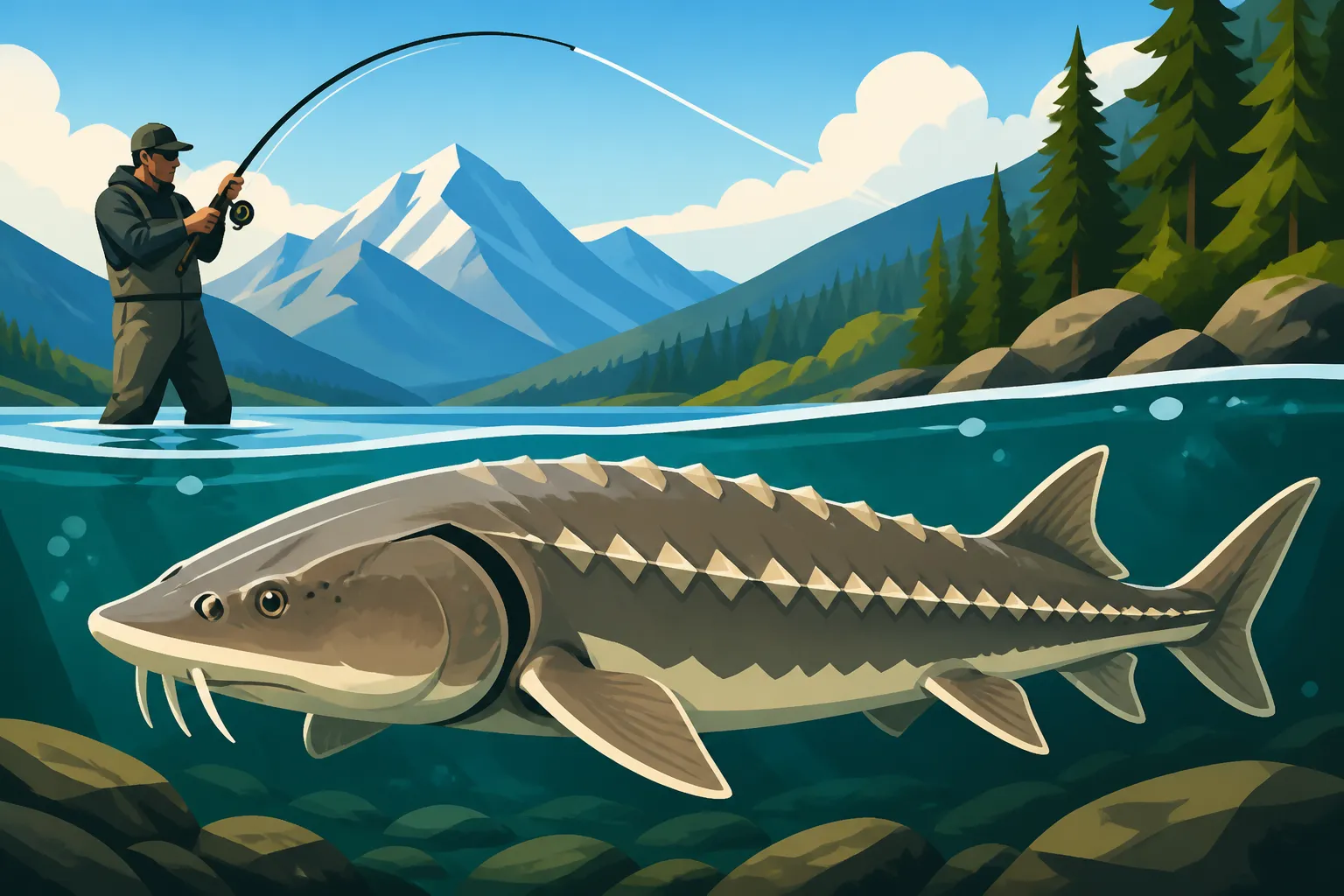
There's nothing quite like the dream of battling a true river monster, a prehistoric titan that can stretch longer than a car and weigh as much as a small grizzly. For many anglers, the pursuit of a trophy white sturgeon in British Columbia is the ultimate freshwater challenge, but knowing where to focus your efforts in such a vast province can feel like searching for a needle in a haystack, especially when you're specifically after those truly monumental fish. This guide will cut through the noise, detailing the premier waters in BC where your chances of hooking into a world-class trophy sturgeon are not just a dream, but a very real possibility, and equip you with the knowledge to make that dream a reality.
Understanding British Columbia's Trophy Sturgeon Fishery
British Columbia is home to one of the most incredible freshwater fisheries on the planet, and at the top of that list sits the white sturgeon. These magnificent, long-lived fish are a testament to nature's resilience, and catching one, especially a trophy, is an experience that stays with you forever. But not all sturgeon waters are created equal when it comes to landing those truly enormous specimens.
The Fraser River: A World-Renowned Destination
When you talk about trophy white sturgeon in British Columbia, or indeed, anywhere in the world, one name immediately comes to mind: the mighty Fraser River. This isn't just a good sturgeon river; it is, without a doubt, the best. The Fraser's sheer size, its incredibly rich ecosystem, and its annual salmon runs provide an unparalleled food source that allows sturgeon to grow to truly colossal dimensions. We're talking about fish that can easily exceed 8-10 feet in length and weigh hundreds of pounds.
The Fraser River basin is vast, stretching from the Rocky Mountains all the way to the Pacific Ocean, and its waters are teeming with life. For white sturgeon, this means a consistent buffet of salmon carcasses, eulachon, and other bottom-dwelling organisms, fueling their incredible growth. It's a prime reason why this river produces so many of the province's biggest sturgeon, and why it's protected by stringent regulations like the BC Fraser River Sturgeon Catch and Release Requirement to ensure these ancient fish continue to thrive. No other waterway in BC can consistently produce the numbers or the sheer size of trophy sturgeon that the Fraser does.
Other Notable Sturgeon Waters
While the Fraser River is the undisputed king for trophy sturgeon, it's worth acknowledging other waters in BC that host white sturgeon populations. However, it’s crucial to understand that these generally do not offer the same consistent trophy potential as the Fraser.
The Nechako River, for instance, is another important habitat for white sturgeon. It's actually a tributary of the Fraser, joining it near Prince George. While sturgeon are present, and can grow to respectable sizes, the Nechako's population tends to be smaller on average, and the truly massive, multi-hundred-pound fish are much rarer. Fishing here can be excellent for smaller to medium-sized sturgeon, but if your goal is a true "trophy" in the multi-hundred-pound class, it's not the primary destination.
Similarly, parts of the Columbia River in the Kootenay region also hold white sturgeon. These populations have faced their own set of environmental challenges, and while conservation efforts are ongoing, the consistent opportunity for giant fish is limited compared to the Fraser. You might hook into a large fish here, but the frequency and average size are significantly lower than what you'd find further west.
Finally, large reservoirs like Williston Lake in northern BC also have white sturgeon. These fish adapted to the creation of the reservoir, and some can grow quite large. However, fishing these vast, often remote waters for sturgeon can be incredibly challenging, requiring specialized knowledge and equipment. While trophy fish are undoubtedly present in these systems, the accessibility and the sheer density of large sturgeon simply don't compare to the easily accessible, prolific trophy waters of the Fraser. For the highest odds of a true trophy, the Fraser remains your best bet.
Pinpointing the Prime Trophy Sturgeon Hotspots on the Fraser
The Fraser River is enormous, stretching over 1,375 kilometers (854 miles) from its source. While sturgeon are found throughout much of its length, certain sections are renowned for consistently producing the biggest, most awe-inspiring trophy fish. These areas often coincide with excellent food sources and prime habitat.
The Lower Fraser River: Tidal Influence and Abundance
The Lower Fraser River, generally considered the stretch from Hope down to its estuary near Vancouver and Richmond, is widely recognized as the heartland of trophy sturgeon fishing. This section benefits immensely from its proximity to the ocean and the sheer volume of migrating salmon that pass through it.
From Mission downstream, the river begins to feel the influence of the tide, creating dynamic environments with strong currents and massive back eddies. This tidal push and pull continually replenishes the food supply and scours out deep holes and channels where sturgeon love to ambush prey or rest. Areas like those around Best sturgeon fishing near Mission BC are legendary, offering fantastic access and a high concentration of fish. As you move further downstream towards Chilliwack, Agassiz, and the confluence with the Harrison River, the river continues to offer incredible opportunities. The Harrison itself, being a significant salmon spawning tributary, funnel huge amounts of food into the mainstem Fraser.
During the peak salmon runs, particularly the sockeye salmon migration, the Fraser becomes an absolute banquet for sturgeon. They gorge themselves on spent salmon carcasses, building up immense fat reserves that contribute to their legendary size. This abundance means that the sturgeon here are incredibly robust and actively feeding, increasing your chances of a hook-up. The sheer accessibility of this section, with numerous boat launches and guiding operations, also makes it a practical choice for anglers seeking trophy fish.
The Middle Fraser River: Deeper Holes and Less Pressure
Beyond Hope, as the river enters the dramatic landscape of the Fraser Canyon, the character of the river changes. This "Middle Fraser River" section can be more challenging to access and navigate due to powerful currents and more rugged terrain, but it holds its own secrets for trophy sturgeon.
In this stretch, from Hope up towards Boston Bar and even further into the canyon, you'll find deeper, more isolated holes and runs. These areas receive less fishing pressure compared to the lower river simply because they require more effort to reach and navigate. The sturgeon here are often older and have had even more time to grow undisturbed in these ancient, powerful waters. While the sheer density of fish might be slightly lower than in the tidal section, the average size of the larger fish you encounter can be truly phenomenal.
Accessing these parts of the river often requires a specialized jet boat or working with an experienced guide who knows the intricate currents and hidden snags of the canyon. Many anglers seeking that truly untouched, colossal sturgeon experience will venture into these wilder sections. It's a different kind of fishing, often demanding more patience and resilience, but the reward of a pristine, ancient leviathan from the depths of the canyon is unparalleled. If you're planning a trip to these more remote areas, it's highly recommended to look for expert guides on platforms like FishingBooker, as their local knowledge is invaluable for navigating safely and finding these elusive giants.
Essential Strategies for Chasing Trophy Sturgeon
Successfully targeting trophy sturgeon isn't just about showing up with a rod; it requires specific gear, tactics, and a deep understanding of their behavior. These are powerful, ancient fish that demand respect and the right approach.
Gear and Tackle for Monster Fish
When you're dealing with fish that can weigh hundreds of pounds and possess incredible power, your gear simply has to be up to the task. This isn't light-tackle trout fishing.
- Rods: You'll need heavy-duty, fast-action rods, typically 7-9 feet in length, rated for 80-200 lb test line. These rods need significant backbone to set a hook into a sturgeon's bony mouth and to absorb the shock of their powerful runs and headshakes. Brands like Lamiglas, Fenwick, and Ugly Stik make excellent sturgeon-specific rods.
- Reels: Robust conventional reels (star drag or lever drag) are essential. They need a smooth, powerful drag system and a high line capacity, capable of holding at least 200-300 yards of heavy braided line. Think along the lines of Penn Squall, Shimano TLD, or Daiwa Saltist models.
- Line: Braided line is standard for sturgeon due to its zero stretch, allowing for immediate hook sets and incredible sensitivity to subtle bites. 100-200 lb test braided line is common, often paired with a heavy monofilament or fluorocarbon leader of similar strength, usually 4-6 feet long.
- Hooks: Large, super-strong circle hooks are mandatory. Sizes ranging from 12/0 to 20/0 are typical. Circle hooks are preferred because they almost always hook the fish in the corner of the mouth, minimizing deep hooking and ensuring a safer release, which is critical for sturgeon conservation.
- Weights: Heavy pyramid or flat sinkers are needed to hold your bait on the bottom in strong currents. You'll often use weights ranging from 8 ounces up to 2 pounds, depending on the current speed and depth. A sliding sinker rig is typical, allowing the fish to pick up the bait without immediately feeling the weight.
And what about the bait? Sturgeon are primarily scavengers, so fresh, oily baits are key. Salmon parts (roe, pieces of flesh, entrails), eulachon, lamprey, and even some types of coarse fish like carp are popular choices. For a detailed breakdown on what works best, you might want to check out our guide on Best bait for sturgeon on the Fraser River.
Reading the Water and Finding Sturgeon
Sturgeon are bottom dwellers and tend to congregate in specific areas, especially when they're feeding or resting. Understanding river dynamics is crucial.
- Deep Holes and Channels: These are classic sturgeon haunts, offering refuge from strong currents and often acting as collection points for food. Look for areas where the river visibly drops off or where sonar indicates significant depth changes.
- Current Seams and Eddies: Sturgeon will often position themselves along the edges of strong currents, in "seams" where fast water meets slower water. This allows them to wait for food to drift by without expending too much energy. Large eddies, where the current swirls back upstream, are also prime spots as food often gets trapped there.
- Structure: Submerged log jams, rock piles, and underwater ledges can provide cover and ambush points for sturgeon. These areas also tend to hold baitfish, attracting sturgeon.
- Sonar/Fish Finders: A good fish finder is invaluable. It helps you identify deep pockets, locate structure, and even mark large fish on the bottom. Look for large, distinct arches or blobs near the bottom.
Often, finding sturgeon is a process of systematic searching. Anchor your boat upstream of a likely spot and deploy your baits. Allow them to settle on the bottom and wait for a bite. If you don't get action within 30-60 minutes, move to a new spot. Patience and persistence are key, but knowing where to be patient makes all the difference.
The Importance of a Professional Guide
While DIY sturgeon fishing on the Fraser is possible for experienced anglers with the right boat and gear, pursuing trophy sturgeon, especially for those new to the fishery or venturing into more challenging sections, is significantly enhanced by hiring a professional guide.
A good sturgeon guide offers invaluable expertise. They spend hundreds of days a year on the water, intimately knowing the river's ever-changing contours, the location of prime sturgeon lies, and the subtle cues that indicate where fish are holding. They understand the patterns of the river, especially the impact of tide and salmon runs on sturgeon behavior. This local knowledge is paramount.
Furthermore, guides are equipped with specialized, heavy-duty boats designed to safely navigate the powerful currents of the Fraser. They provide all the necessary, high-quality gear, ensuring you're using tackle that can handle a massive fish. Crucially, they are experts in ethical sturgeon handling and ensure strict adherence to the BC Fraser River Sturgeon Catch and Release Requirement, minimizing stress on the fish and maximizing their survival. They'll also know to check current BC Fishery Notices and In-Season Closures, Explained so you're always fishing legally and responsibly. Booking a guide, perhaps through a platform like FishingBooker, not only increases your chances of hooking a trophy but also provides a safer, more educational, and ultimately more rewarding experience. It truly allows you to focus on the thrill of the catch without worrying about the logistics or the well-being of these magnificent creatures. You'll find many excellent operations focused on the Lower Fraser River Sturgeon Fishing as well as guides who specialize in the upper reaches.
Conservation and Responsible Trophy Sturgeon Fishing
The opportunity to target trophy white sturgeon is a privilege, not a right. These incredible fish are long-lived and vulnerable, and their populations have faced challenges in the past. British Columbia has implemented strict regulations to protect them, and every angler has a responsibility to practice impeccable conservation.
Catch and Release Best Practices
All white sturgeon fishing in British Columbia is strictly catch and release. This isn't just a suggestion; it's a legal requirement designed to protect this iconic species. When you hook into a trophy sturgeon, it's vital to follow best practices to ensure its survival:
- Fight the Fish Efficiently: While it's tempting to take your time, prolonged fights can exhaust a sturgeon. Use your heavy tackle to bring the fish in as quickly and safely as possible without over-stressing it.
- Keep the Fish in the Water: This is perhaps the most critical rule. Never remove a large sturgeon from the water. Their massive bodies are not designed to support their weight out of water, which can cause internal organ damage. Use large, heavy-duty nets or cradles to secure the fish alongside the boat.
- Minimize Handling: Touch the fish as little as possible. If photos are desired, do so quickly with the fish in the water, ideally with a guide supporting its head and tail. Keep your hands wet.
- Remove the Hook Carefully: Since circle hooks are mandatory, they usually lodge in the corner of the mouth, making removal easier. Use long-nosed pliers or a hook remover. If the hook is deeply set and cannot be easily removed, cut the line as close to the hook as possible. The hook will eventually rust out.
- Revive the Fish: Hold the fish gently facing into the current until it shows signs of recovery and is ready to swim away under its own power. Do not release it until it vigorously kicks its tail.
- Measure and Tag (If Applicable): Many guides participate in sturgeon tagging programs for scientific research. If your guide indicates a tag is needed, follow their instructions carefully and quickly.
These Sturgeon catch and release survival tips are not just guidelines; they are crucial actions that directly impact the long-term health of the sturgeon population.
Understanding Regulations and Fishery Notices
Beyond catch and release, there are other important regulations to be aware of when fishing for sturgeon in BC. Ignorance of the law is not an excuse, and penalties for violations can be severe, including substantial fines and equipment confiscation.
- Licensing: You must possess a valid BC freshwater fishing license. For Fraser River sturgeon, you'll also need a compulsory White Sturgeon Conservation Surcharge Stamp. You can find detailed information in the British Columbia Fishing License Guide for 2026.
- Gear Restrictions: As mentioned, only single barbless circle hooks are permitted for sturgeon. No treble hooks or barbed hooks.
- Prohibited Activities: Certain areas or times of year may have specific closures or restrictions to protect spawning sturgeon or other vulnerable species. Always consult the most current BC Fishing Regulations Explained and check the Department of Fisheries and Oceans (DFO) website for any BC Fishery Notices and In-Season Closures, Explained before each trip. These notices can change rapidly based on conservation needs or environmental conditions.
- Reporting: Some areas may require reporting of sturgeon catches, even if released, to aid in monitoring populations. Your guide will typically handle this, but it's good to be aware.
Being a responsible angler means doing your homework, adhering to all regulations, and prioritizing the well-being of these magnificent fish above all else. This ensures that future generations will also have the chance to experience the thrill of a lifetime battling a Fraser River trophy sturgeon.
Comparing Fraser River Sections for Trophy Sturgeon Potential
To help you visualize the differences, here's a quick comparison of the Lower and Middle Fraser River sections for those specifically targeting trophy white sturgeon.
| Feature | Lower Fraser River (Hope to Estuary) | Middle Fraser River (Hope to Fraser Canyon) |
|---|---|---|
| Trophy Potential | Excellent to Outstanding – High density of large fish, consistent. | Excellent – Less density, but often older, larger individual fish. |
| Fish Size Range | Abundant fish from 4-8 ft, with many over 9 ft. | Fewer fish overall, but a higher chance of truly ancient, colossal specimens. |
| Food Source | Extremely rich, heavily influenced by tidal flow and massive salmon runs. | Abundant, but less concentrated than lower river. |
| Fishing Pressure | Higher due to accessibility and guide presence. | Lower due to challenging access and remote nature. |
| Access & Navigation | Easier with numerous boat launches; mostly navigable by prop boats. | More challenging, often requiring jet boats; complex currents. |
| Guide Necessity | Recommended for best results, especially for newcomers. | Highly recommended, often essential for safety and finding fish. |
| Best Time of Year | Spring, Summer, Fall (often peaking with salmon runs). | Spring, Summer, Fall (can be more weather-dependent). |
| Typical Experience | More consistent hook-ups, but potentially more crowded. | Fewer hook-ups, but potentially more profound encounters with truly giant fish in wild settings. |
Remember, no matter where you fish on the Fraser, the experience of connecting with one of these living fossils is truly unforgettable. Make sure to consult with experienced guides, perhaps through FishingBooker, and always prioritize the health and future of these incredible fish.
Disclaimer
The information provided in this guide is for general informational purposes only and is subject to change. Fishing regulations, seasons, and restrictions in British Columbia are complex and can change frequently. Always consult the official British Columbia Freshwater Fishing Synopsis and the Department of Fisheries and Oceans (DFO) fishery notices for the most current and accurate regulations before planning any fishing trip. Adherence to all local, provincial, and federal laws is the sole responsibility of the angler.