Best fly-in steelhead camps in BC
The dream of chasing powerful steelhead in British Columbia often conjures images of remote, pristine rivers, but the reality of actually getting to those untouched spots can feel like an impossible hurdle. Access is truly the biggest challenge for many anglers, especially when the very best runs are deep in the wilderness, far from any paved road or easy boat launch. This guide is dedicated to pulling back the curtain on fly-in steelhead camps, offering you a comprehensive look at how these unique operations open up world-class fishing opportunities and why they might just be the answer to your deepest angling desires.
Why Fly-In Steelhead Camps Are a Game-Changer in BC
Let's be honest, the thought of bushwhacking through dense forest or navigating treacherous logging roads just to maybe find a good fishing hole is enough to deter even the most dedicated angler. That's where fly-in camps become an absolute revelation. They’re not just about convenience; they're about gaining entry to a completely different class of fishery that remains largely unspoiled by heavy human pressure. When you commit to a fly-in trip, you’re not just booking a fishing adventure; you’re securing a portal to some of the last true wilderness angling experiences left in the world.
Accessing Untouched Wilderness Rivers
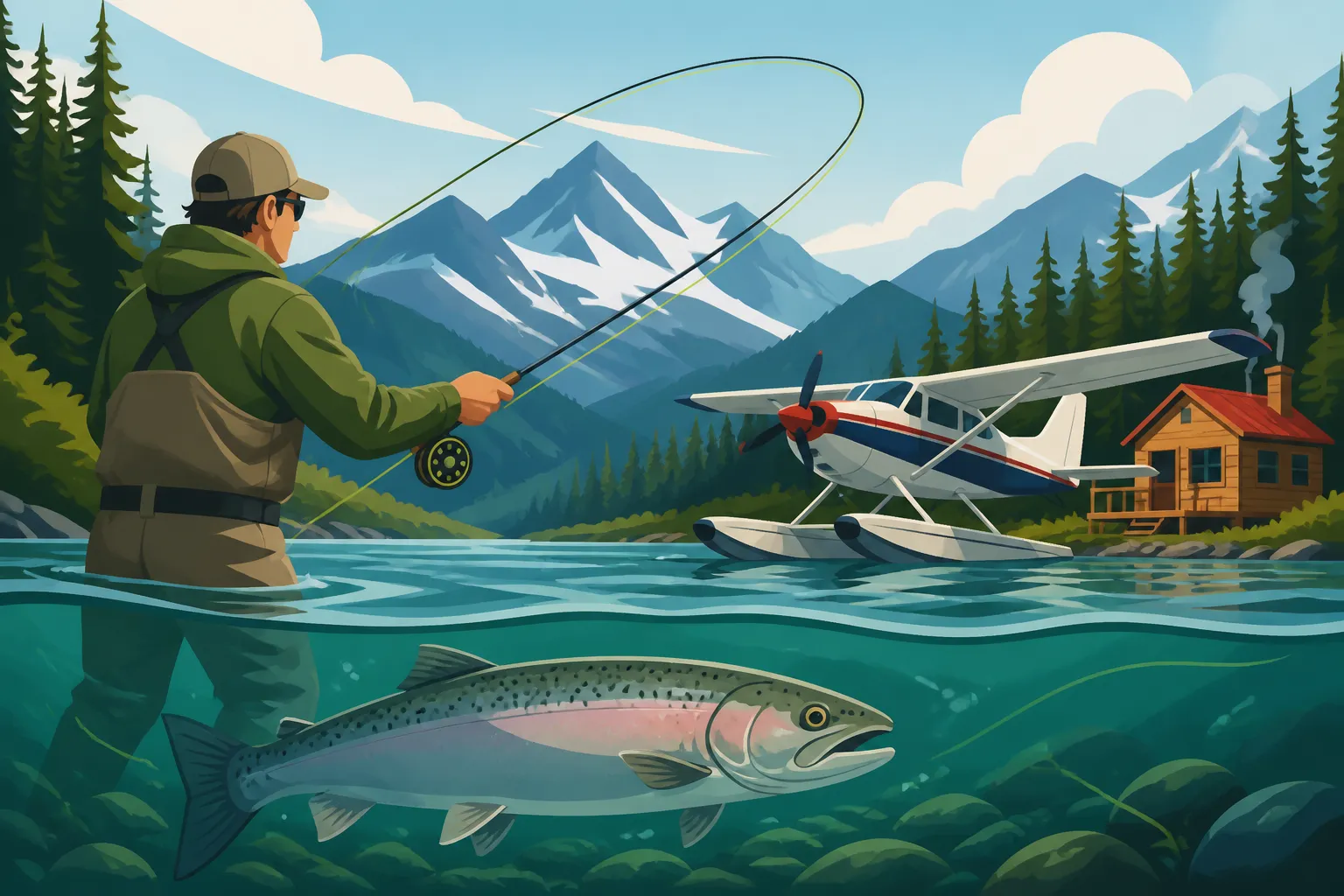
Imagine stepping off a float plane onto a glassy lake or a gravel bar beside a river, surrounded by nothing but towering old-growth trees, the distant call of an eagle, and the pristine rush of a river that likely hasn't seen another angler for days, if not weeks. This isn't a fantasy; it's the daily reality at many BC fly-in steelhead camps. These rivers are often tucked away in vast provincial parks or remote Crown land, areas where roads simply don't exist. Without air access, these waters would remain largely untouched, a secret shared only with wildlife.
The lack of road access inherently limits the number of people who can fish these areas, translating into less pressured fish and a more natural angling experience. You won't find crowds jostling for position on a run, nor will you see discarded fishing line or litter. Instead, you'll find healthy, vibrant ecosystems where steelhead can thrive, undisturbed. This solitude and immersion in nature are arguably as valuable as the fishing itself, offering a profound sense of peace and connection to the wild that's increasingly rare in our busy world.
The Unmatched Quality of the Steelhead Fishery
British Columbia is world-renowned for its steelhead, and the fish found in these remote, fly-in accessible rivers often represent the pinnacle of the species. These are wild, powerful, sea-run rainbow trout that have spent years foraging in the Pacific Ocean before returning to their natal streams to spawn. Because these systems are typically so healthy and unpressured, the steelhead tend to be robust, aggressive, and exceptionally strong fighters. You're not just casting for a fish; you're engaging in a battle of wills with a true apex predator of the freshwater world.
The quality isn't just about size, though many of these rivers boast steelhead in the 10-20 lb range, with larger fish certainly possible. It's also about the sheer abundance and the pristine condition of the fish. Their scales shimmer like chrome, their fins are often perfect, and their fighting spirit is legendary. Many of these rivers are catch-and-release only, or have very strict retention rules, further ensuring the longevity and health of the fishery. If your goal is to tangle with numerous, feisty wild steelhead in a truly wild setting, a fly-in camp delivers an experience that simply cannot be replicated on easily accessible waters. If you're wondering how best to approach these powerful fish, our guide on How to Catch Steelhead in BC offers excellent foundational advice.
Top Fly-In Steelhead Camp Regions and Their Unique Charms
British Columbia is a vast province, and its steelhead waters span diverse landscapes, each offering its own unique appeal. When you're looking at fly-in camps, you'll often be choosing between a few legendary regions, each with a distinct character and fishing experience. Understanding these differences is key to picking the perfect adventure for you.
The Skeena System and Its Legendary Tributaries
Without a doubt, the Skeena River system in Northern BC is the epicenter of the province's steelhead fishing world. This massive watershed is fed by countless tributaries, many of which require fly-in access to truly experience their potential. Rivers like the Babine, Kispiox, Bulkley, and Morice Rivers are synonymous with trophy steelhead, drawing anglers from around the globe. When you book a camp here, you're not just getting access to a river; you're tapping into a legacy.
Camps in the Skeena region typically involve flying into a main lodge or a designated airstrip, then often using jet boats or rafts to access different sections of the river. The fishing here is intense, challenging, and incredibly rewarding. Expect to encounter strong, acrobatic fish, especially during the fall runs. Each tributary has its own nuances, from the swing-friendly runs of the Kispiox to the deeper, powerful flows of the Bulkley. Understanding the specific Steelhead Runs on BC's North Coast Rivers can help you narrow down your choice, as different rivers peak at different times, offering both fall and winter opportunities. Many of these camps are booked years in advance, so if you have a specific river or season in mind, plan accordingly.
Remote Coastal Rivers and Wilderness Experiences
Beyond the Skeena, BC boasts a multitude of smaller, rugged coastal rivers, particularly on the mainland and Vancouver Island, that are only accessible by float plane. These rivers often flow directly into the Pacific Ocean, offering pristine estuarial zones and challenging, brushy canyon stretches. The steelhead here can be incredibly aggressive, fresh from the ocean, and often encounter very little fishing pressure.
The experience on these coastal rivers is often more intimate, with smaller camps or even rustic tent setups. The weather can be more variable, but the reward is true solitude and a raw, untamed wilderness adventure. You might be the only group on an entire watershed for days. These rivers are often characterized by shorter, more intense runs of fish, requiring adaptability and often more hiking or wading. It's a fantastic option for those seeking a "rougher around the edges" experience, where the journey and the pristine environment are as much a part of the allure as the fish themselves. When considering these areas, it's wise to consult a platform like FishingBooker to find reputable guides and camps that specialize in these unique coastal expeditions.
Northern BC's Frontier Waters
Venturing even further north and east from the Skeena system, you'll find a collection of truly remote, lesser-known rivers that represent the frontier of BC steelhead fishing. These areas are vast, wild, and incredibly sparsely populated, offering an experience that can feel like stepping back in time. Access often involves multiple flights – a commercial flight to a smaller northern community, followed by a charter float plane to the camp.
The steelhead here can be immense, having migrated long distances and grown large in their ocean tenure. While numbers might not always be as high as in the prime Skeena tributaries, the size potential and the sheer adventure of exploring these untouched waters are unparalleled. Expect extremely remote conditions, self-sufficient camps, and the possibility of encountering plenty of wildlife. These trips are typically for seasoned wilderness anglers looking for the ultimate challenge and reward, a genuine exploratory journey into the heart of BC's last true wild places. It’s an experience that demands thorough preparation, both in terms of gear and mental fortitude.
What to Look for When Choosing a Fly-In Steelhead Camp
Deciding to go on a fly-in steelhead trip is a significant investment of time and money, so choosing the right camp is crucial for a memorable and successful experience. Not all camps are created equal, and what might be perfect for one angler could be a mismatch for another. It's about aligning your expectations with what each operation genuinely offers.
Guide-to-Client Ratios and Camp Comforts
One of the first things to consider is the guide-to-client ratio. For a truly personalized and effective steelhead fishing experience, a ratio of 1 guide per 2 anglers is often ideal. This ensures that you receive ample one-on-one instruction, your guide can adapt to changing conditions, and they can cover more water efficiently. Some camps might offer 1:1 guiding at a premium, which can be fantastic for maximizing your fishing time and learning. Ask about this upfront, as it can significantly impact your day on the water.
Camp comforts also vary widely. Some fly-in camps are rustic, offering basic tent cabins or simple wooden structures with shared facilities, appealing to those who want a more raw wilderness experience. Others are full-service lodges with private rooms, hot showers, gourmet meals, and even satellite internet. Consider your own preferences for comfort after a long day on the river. Do you want to rough it and fully immerse yourself in the wilderness, or do you prefer a hot meal and a comfortable bed waiting for you? Reputable booking sites like FishingBooker often detail the amenities and accommodation types offered by various lodges, making it easier to compare.
Logistics, Inclusions, and Hidden Costs
Understanding what's included in your trip package is paramount to avoiding unwelcome surprises. Most fly-in camps will include your accommodation, all meals, daily guided fishing, and transfers from a local air base to the camp. However, some might not include your round-trip flights to BC, hotels before or after your camp dates, gratuities for guides and staff, or even the essential British Columbia Fishing License Guide for 2026 and any required conservation stamps. You'll definitely need to factor in the cost of a BC Freshwater Salmon Conservation Stamp if you plan on targeting steelhead.
Always clarify what gear is provided (rods, reels, lines, flies, waders, rain gear) and what you're expected to bring. Some camps are fully equipped, while others expect you to bring everything but the boat. Don't forget to inquire about satellite phone or emergency communication availability, as you'll be in very remote areas. A detailed breakdown of all costs, both included and potential extras, should be provided before you book.
Reputation, Reviews, and Booking Platforms
Before committing to a camp, do your homework. Search for reviews and testimonials from past clients. Look for consistency in positive feedback regarding guide quality, fish numbers, camp operation, and overall experience. Social media groups dedicated to BC steelhead fishing can also be a good source of unfiltered opinions.
Using a reputable booking platform can also provide an extra layer of security and convenience. Platforms like FishingBooker not only list various camps and guides, but they often feature verified reviews, detailed descriptions, and secure booking processes. They can also help you compare different options side-by-side and provide customer support if questions or issues arise. Booking through an established outfitter or travel agent specializing in fly-in fishing trips can also be beneficial, as they often have long-standing relationships with camps and can provide invaluable advice based on their extensive experience.
Preparing for Your Fly-In Steelhead Adventure
A fly-in steelhead trip is not your average fishing excursion; it's an expedition into the heart of BC's wild country. Proper preparation can make all the difference between a challenging trip and a truly unforgettable one. Thinking ahead about your gear, physical condition, and understanding the unique regulations will set you up for success.
Essential Gear and Clothing Considerations
When you're packing for a fly-in trip, remember that space and weight are often limited on float planes. Pack smart, choosing versatile, high-quality gear. You'll need reliable waders and wading boots with good grip, as you'll be spending a lot of time in and around the river. Layering is key for clothing, as weather in BC can change rapidly. Think waterproof and breathable outer layers, warm fleece or wool mid-layers, and moisture-wicking base layers. Don't forget a warm hat, gloves, and polarized sunglasses.
For tackle, a 7- to 9-weight spey or switch rod is standard for steelhead, often paired with appropriate sinking lines or Skagit/Scandi heads for casting large flies. Bring a good selection of flies, focusing on proven steelhead patterns like Intruders, tube flies, and various nymphs, in a range of sizes and colors. Your guide will provide specifics, but having a versatile kit is always wise. If you're unsure about specific patterns, check out our guide on Fly Patterns for BC Steelhead Rivers. Always have a backup rod and reel if possible, as repairs are impossible in the wilderness.
Physical Preparedness and Wilderness Awareness
Chasing steelhead, especially in remote wilderness settings, can be physically demanding. Expect to do a fair amount of walking, wading, and potentially navigating uneven terrain. You'll be spending long days on the water, often in varying weather conditions. Maintaining a reasonable level of fitness before your trip will greatly enhance your enjoyment and endurance.
Wilderness awareness is also paramount. These are bear country environments, so understanding bear safety protocols (carrying bear spray, making noise, food storage) is critical. Your guides will be experts in this, but being informed yourself adds an extra layer of safety. Always follow your guide's instructions implicitly, as they are intimately familiar with the local environment and its potential hazards. Be prepared for limited cell service and rely on the camp's communication systems for emergencies.
Understanding BC Steelhead Regulations and Conservation
British Columbia has very specific and often complex regulations for steelhead fishing, largely driven by conservation efforts. Many of the top steelhead rivers are catch-and-release only for wild steelhead, and others have very strict retention limits, if any at all. Barbless hooks are almost universally mandatory for steelhead. It's your responsibility to understand and adhere to all current regulations, which can change frequently based on run sizes and conservation concerns.
Always check the latest BC Freshwater Fishing Regulations Synopsis and any in-season fishery notices before and during your trip. Your camp and guides will be up-to-date, but knowing the rules yourself ensures you're fishing legally and ethically. Conservation is a huge part of the steelhead experience in BC, and responsible angling practices, such as proper fish handling for catch and release, are essential to preserving these incredible fisheries for future generations.
| Region/Camp Type | Primary Steelhead Season | Typical Guide-to-Client Ratio | Camp Comfort Level | Key Features |
|---|---|---|---|---|
| Skeena Main Tribs (e.g., Bulkley, Kispiox) | Fall (Sept-Nov), Winter (Dec-Mar) | 1:2 standard, 1:1 premium | Mid-range to Luxury Lodge | Large, powerful fish; jet boat access; world-renowned names. |
| Coastal Rivers | Fall (Oct-Dec), Spring (Mar-May) | 1:2 common | Rustic to Mid-range Lodge | True wilderness; fresh, aggressive fish; float plane/raft access. |
| Northern Frontier Rivers | Fall (Sept-Oct) | 1:2 or 1:1 | Rustic Tent/Cabin | Extreme remoteness; large, rare fish; exploratory feel. |
Disclaimer
Please note that fishing regulations, camp availability, and pricing can change frequently. Always consult the official BC government fishing regulations and contact your chosen fly-in camp or guide service directly for the most current and accurate information before planning your trip. Fishing in remote areas carries inherent risks, and proper preparation and adherence to safety guidelines are essential.