Best charters targeting halibut at the bank
One of the most thrilling experiences in British Columbia saltwater fishing is heading out to "the bank" in search of a trophy halibut. These offshore excursions offer incredible potential, but they also come with unique challenges, demanding specialized knowledge, robust vessels, and the right expertise. This guide will walk you through everything you need to know to find the best charters targeting halibut at these legendary offshore banks, ensuring you’re well-prepared for a truly epic adventure.
Understanding "The Bank" for Halibut Fishing in BC
When anglers in British Columbia talk about "the bank," they're not referring to a financial institution, but rather to significant underwater geological features found offshore. These are often vast, elevated areas of the seabed that rise from deeper surrounding waters, creating unique ecosystems that are incredibly attractive to bottom-dwelling species like halibut. Understanding what these banks are and why they're so productive is the first step in appreciating what a specialized halibut charter offers.
What is "The Bank" and Why is it Productive for Halibut?
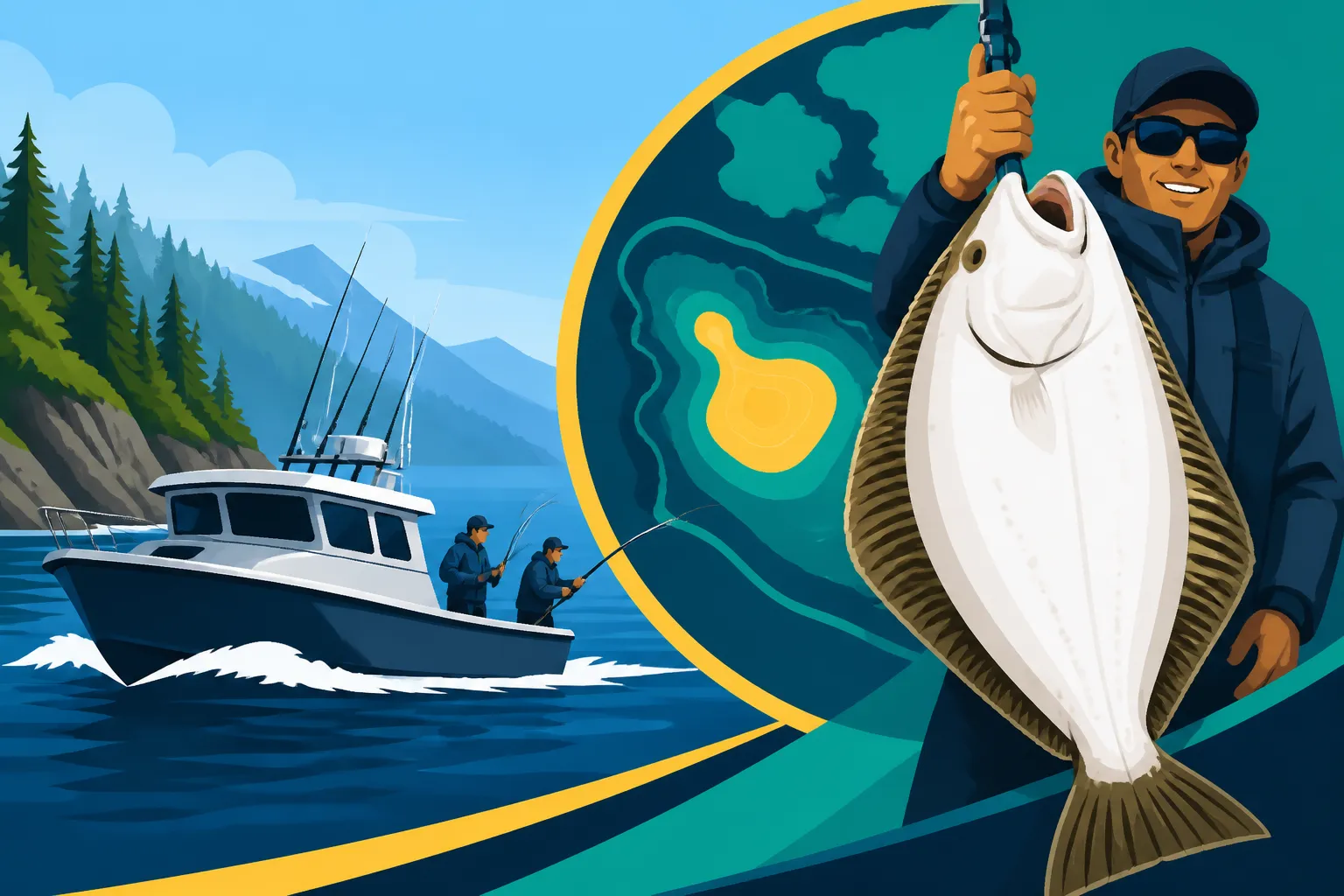
Imagine vast underwater plateaus, sometimes stretching for many miles, where ocean currents interact in specific ways, bringing nutrients up from the deep. These banks are essentially underwater mountains or ridges that create natural upwellings and eddies. This churning action concentrates baitfish, crabs, and other crustaceans – the prime food sources for halibut. Halibut are ambush predators, and these underwater structures provide perfect hiding spots and feeding lanes. They'll lie in wait on the flatter sandy or gravelly bottom, often near the edges or depressions of these banks, ready to pounce on unsuspecting prey carried by the currents. The sheer size of some of these banks, combined with the consistent food supply, means they can support very large populations of halibut, often including the giant "barn doors" that anglers dream of. The deeper waters surrounding the bank also offer protection and cooler temperatures, which halibut prefer, making these areas prime habitat year-round, though fishing success varies with season.
Key Bank Locations in BC Known for Halibut
British Columbia's coast is dotted with numerous productive fishing grounds, but for targeting large halibut specifically at "the bank," certain locations stand out. The most famous and heavily fished are often found off the west coast of Vancouver Island. The Best Halibut Fishing Spots in BC are typically offshore.
One of the most renowned is the Swiftsure Bank, located southwest of Vancouver Island, extending into US waters. This massive bank is legendary for its consistent halibut action and has yielded many immense fish over the years. Its intricate structure of ridges, humps, and trenches creates diverse habitats. Another significant area is the Big Bank, further offshore, which also holds a reputation for producing trophy-sized halibut. Other notable areas include various banks and pinnacles found off the coasts near Ucluelet and Tofino, such as La Perouse Bank and others further west. These locations require a substantial run out from shore, often taking several hours in a good vessel. It's not a quick trip, which is why having a charter with a capable boat and an experienced captain is non-negotiable for these adventures. The specific "bank" an experienced charter targets might even be a lesser-known local hotspot, discovered through years of careful exploration and fishing.
Seasonal Considerations for Fishing The Bank
While halibut can be present on the banks throughout the year, their activity and concentration vary significantly with the seasons. Generally, the most productive time for bank halibut fishing in BC is from late spring through early fall. As ocean temperatures rise, baitfish become more abundant, drawing halibut into shallower areas on the banks to feed actively.
- Spring (April – June): This can be an excellent time as halibut move in from deeper waters to feed aggressively after the winter. The weather can still be unpredictable, however, and offshore runs might be subject to cancellations due to strong winds or rough seas. This period often sees good numbers of quality fish.
- Summer (July – August): This is peak season. The weather is generally more stable, making for comfortable runs out to the banks. Halibut are actively feeding, and catch rates can be very high. However, it's also the busiest time for charters, so booking well in advance is crucial. This is when many anglers target the Best Time of Year to Fish in BC for halibut.
- Fall (September – October): As temperatures start to drop, halibut remain active on the banks, often putting on weight before winter. Fishing can still be fantastic, and the crowds tend to thin out compared to the height of summer. Weather can become more of a factor again, with increased chances of storms.
- Winter (November – March): While not impossible, bank halibut fishing in winter is less common due to rougher seas and the tendency for halibut to move to deeper, more sheltered areas. Charters specifically targeting the banks are fewer during this time.
Always remember that conditions offshore can change rapidly, regardless of the season. A reputable charter will always prioritize safety and may reschedule or adjust trips based on marine forecasts.
What to Look For in a Halibut Charter Targeting The Bank
Venturing out to "the bank" for halibut is a serious undertaking that demands more than just a boat and some fishing rods. It requires a specialized charter operation with the right vessel, an expert captain, and appropriate gear. Don't underestimate the commitment involved in these trips, as it ensures both your safety and your success.
Vessel Capabilities and Safety for Offshore Trips
When you’re heading miles offshore, sometimes 20-50 miles or more, the vessel itself is your lifeline. It's crucial that the charter boat is not just comfortable, but genuinely built and equipped for open ocean conditions. You'll want to look for boats that are:
- Ocean-rated: They should be certified for offshore operation, capable of handling rougher seas than inshore boats. This usually means larger, heavier vessels with deep hulls designed to cut through waves rather than ride over them violently.
- Well-maintained: Ask about the boat's maintenance schedule. A good charter operator takes pride in their vessel, ensuring engines, electronics, and safety gear are in top working order.
- Equipped with advanced navigation and sonar: Offshore fishing is about precision. The best charters will have commercial-grade GPS, radar, and high-definition sonar to identify specific underwater structures, bait schools, and even individual fish lying on the bottom. This helps them find exactly How deep halibut live off the BC coast and target them effectively.
- Comprehensive Safety Gear: This is non-negotiable. Beyond standard life jackets, an offshore vessel should carry an EPIRB (Emergency Position Indicating Radio Beacon), a life raft, a VHF marine radio, satellite communication devices, and extensive first-aid supplies. Ensure the captain and crew are well-versed in emergency procedures.
- Comfort Features for Long Trips: While not as critical as safety, features like a heated cabin, a marine head (toilet), and ample deck space are greatly appreciated on trips that can last 8-12 hours or more, especially if the weather turns.
Captain's Expertise and Knowledge of Bank Dynamics
A charter is only as good as its captain, and this rings especially true for bank halibut fishing. You need a captain who isn't just a good boat handler but a true expert in the specific dynamics of these offshore grounds.
- Extensive Local Knowledge: The best captains have spent decades fishing these specific banks. They know the subtle contours of the seabed that don't show up on standard charts, where the halibut gather based on current, tide, and season, and what baitfish are active at any given time. They understand Halibut Habits off the BC Coast intimately.
- Proven Track Record: While no fishing trip guarantees a catch, a captain with a consistent history of success on the banks indicates their skill. Look for charters with strong reputations and positive reviews from previous clients.
- Ability to Read Conditions: The ocean is constantly changing. An expert captain can read currents, wind patterns, and sea states to put you on the fish safely and effectively. They know when to move, when to anchor, and when it’s simply too rough to fish a particular spot.
- Patience and Instructional Skills: Halibut fishing on the bank can be physically demanding. A good captain will patiently instruct anglers on proper techniques, bait presentation, and how to fight large fish, especially if you're new to this kind of fishing. They understand that not everyone is a seasoned offshore veteran.
Gear, Tackle, and Techniques for Deep Water Halibut
Fishing for halibut on the banks often means fishing in deep water, sometimes several hundred feet down, and targeting fish that can weigh over a hundred pounds. This demands very specific and robust gear.
- Heavy-Duty Rods and Reels: You'll need stout rods with plenty of backbone to lift heavy weights and strong, large-capacity reels spooled with heavy braided line (often 80-150 lb test). Many charters provide specialized setups, sometimes including electric reels, which can be a godsend for retrieving heavy weights from deep water without exhausting yourself.
- Terminal Tackle: Large, strong hooks (10/0 to 16/0 circle hooks are common), heavy lead weights (often 1-3 pounds or more, depending on current and depth), and tough leaders are essential. Halibut have powerful jaws and can easily snap lighter gear.
- Bait and Lures: Popular baits include large pieces of herring, salmon heads, octopus, or squid. For lures, heavy jigs designed for deep water are highly effective, often tipped with bait for added attraction. Jigging for Halibut off Vancouver Island is a common and productive technique.
- Specific Techniques:
- Drifting: This is very common on the banks, allowing the boat to move with the current, covering more ground and presenting baits naturally. Charters will often use a drift sock (sea anchor) to control the speed and angle of the drift.
- Anchoring: In strong currents or when a specific hotspot is identified, anchoring can be effective to hold over a productive patch of seabed.
- Deep Dropping: This involves getting your bait or jig down to the bottom as quickly and efficiently as possible, then working it slowly. The captain will often use the boat's engine to maintain position against the current, keeping your line as vertical as possible.
- Mooching: While more common for salmon, a variation of mooching with heavy weights can be used to present dead bait in a natural swimming motion near the bottom.
The charter should provide all necessary rods, reels, tackle, and bait, but it's always good to confirm this beforehand. Don't be shy about asking about the specific gear they use; it shows you're taking your trip seriously.
Booking Your Offshore Halibut Adventure
Finding the right charter for an offshore halibut trip to "the bank" can feel like a daunting task. There are many operators out there, but you're looking for a specialist. A bit of research and asking the right questions will ensure you pick a charter that aligns with your expectations for a safe and successful trip.
Researching and Vetting Charters
The first step is to compile a list of potential charters. Websites like FishingBooker are excellent resources, offering a wide array of listings, often with detailed descriptions, photos of the boats, and reviews from past customers. This allows you to compare different operations side-by-side.
- Online Platforms: Utilize dedicated fishing charter booking sites. FishingBooker can help you filter by location, target species, and even specific trip types like offshore halibut. These platforms often aggregate reviews, which are invaluable. Read both the glowing reviews and any critical ones to get a balanced picture. Look for consistent praise regarding safety, professionalism, and the captain's knowledge of the banks.
- Direct Websites and Social Media: Many top charters have their own comprehensive websites and active social media pages. These can provide a deeper dive into their operations, showcase recent catches, and offer insights into the captain's personality and approach.
- Word-of-Mouth: If you know experienced BC anglers, ask for their recommendations. Personal referrals often lead to the best experiences, as they come with trusted endorsement.
- Check Licenses and Credentials: Reputable charters will prominently display their licenses and certifications, including Transport Canada marine safety certifications. Don't hesitate to ask if you can't find this information. Ensuring a charter is properly licensed is paramount for your safety and peace of mind.
Remember, a charter specializing in "the bank" will emphasize their offshore capabilities and halibut expertise, often showcasing photos of large halibut catches in open water rather than just inshore salmon.
Essential Questions to Ask Before Booking
Once you've narrowed down your choices, it's time to pick up the phone or send an email. Be prepared with a list of questions to ensure you're getting the right fit for your offshore halibut adventure.
- "What experience does your captain have specifically fishing the offshore banks for halibut?" This is crucial. You want someone who knows these specific deep-water grounds like the back of their hand.
- "What size is your vessel, what safety equipment does it carry, and is it rated for offshore conditions?" Reiterate your concern for safety and offshore capability. A larger, more stable boat is key for comfort and safety on the open ocean.
- "What is the typical duration of a 'bank halibut' trip, and what is included (gear, bait, fish cleaning)?" Offshore trips are usually full-day affairs, often 8-12 hours. Confirm if all tackle, bait, and even fish cleaning and bagging at the end of the day are part of the service. Some charters on FishingBooker clearly outline these inclusions in their listings, making comparisons easier.
- "What are your policies regarding weather cancellations or rescheduling?" Offshore trips are highly weather-dependent. Understand what happens if the conditions are unsafe.
- "What are the current halibut regulations and bag limits for the areas you fish?" A professional captain will be completely up-to-date on BC Halibut Bag Limit Rules and all other regulations. This demonstrates their commitment to legal and sustainable fishing.
- "Do you practice any specific conservation methods, especially for larger breeding halibut?" Many top charters are strong advocates for conservation, sometimes encouraging the release of very large breeding females while still allowing clients to retain a smaller, legal catch.
- "What is the total cost, and what are the payment terms (deposit, final payment)?" Be clear on all costs involved, including any potential fuel surcharges or additional fees.
The way a charter answers these questions will tell you a lot about their professionalism, experience, and commitment to client satisfaction and safety.
Preparing for Your Bank Fishing Trip
A successful offshore halibut trip to "the bank" requires careful preparation on your part too. Being ready for the conditions will significantly enhance your experience.
- Dress in Layers: Offshore conditions can change quickly. It can be cold and damp in the morning, warm in the afternoon, and then windy and chilly on the run back. Waterproof and windproof outer layers are essential, even in summer. Bring a warm hat and gloves.
- Footwear: Wear waterproof, non-slip boots or shoes. The deck can get wet and slippery.
- Protection from the Elements: Sunglasses, sunscreen, and a brimmed hat are crucial, even on cloudy days, as UV rays reflect off the water.
- Food and Drink: Bring plenty of snacks, lunch, and non-alcoholic beverages. Offshore trips are long, and you'll burn a lot of energy.
- Seasickness Medication: If you are prone to motion sickness, or even if you're not sure, take preventative medication before you board the boat. Offshore swells can be significant, and you don't want seasickness to ruin your trip. Seasickness tips for a BC fishing charter can be found in many guides.
- Cooler for Your Catch: Check with the charter if they provide storage for your fillets, but it's often a good idea to have a large cooler in your vehicle for transporting your fresh halibut home.
- Camera: You’ll want to capture the memories, especially if you land a monster halibut! Just ensure it's protected from water.
- Fishing License: Don't forget your British Columbia Fishing License Guide for 2026! You will definitely need one for saltwater fishing, and often a Salmon Conservation Stamp if you plan on retaining salmon (even if you're targeting halibut, you might catch a bonus salmon). Confirm with your charter what specific stamps or licenses are required for their area and target species.
By preparing thoroughly, you ensure that you can fully immerse yourself in the excitement of targeting halibut on BC's legendary offshore banks.
Maximizing Your Halibut Fishing Success on The Bank
Even with the best charter, success isn't guaranteed, but you can certainly increase your odds. Understanding the subtle nuances of offshore fishing and respecting the regulations will help you make the most of your halibut adventure.
Reading the Conditions and Understanding Tides
Halibut fishing on the banks isn't just about dropping a line and waiting; it's about playing the conditions. An experienced captain will be constantly evaluating these factors, but as an angler, being aware helps you understand the strategy.
- Current and Tide: Tides and currents are huge factors. Halibut prefer to feed when there's some current to bring food to them, but too strong a current can make it impossible to get your gear to the bottom or hold it effectively. Captains often time their trips or move between spots to match the optimal current windows. Slack tide can sometimes be productive, but often the fish are more active when water is moving. Best tide to book a salmon charter principles can sometimes apply to halibut, as strong tidal flows influence bait movement.
- Weather Windows: Offshore fishing is largely dictated by weather. Calm seas make for easier travel and more comfortable fishing. A skilled captain will monitor marine forecasts constantly and make the call to go or stay based on safety and fishability. Rough weather not only makes for an uncomfortable ride but can also make it incredibly difficult to feel bites or keep your line on the bottom.
- Bottom Structure: The captain's sonar is invaluable here. They'll be looking for distinct changes in bottom contour, rocky outcroppings, depressions, or edges of shelves where halibut might be congregating or ambushing prey. Understanding Best charts for halibut around structure is part of their expertise. Paying attention to what the captain is saying about the sonar can also give you insight into where the fish might be holding.
Halibut Regulations and Conservation
British Columbia has strict regulations to ensure the sustainability of its halibut fishery. Being aware of these rules and practicing responsible angling is vital.
- Bag and Possession Limits: Halibut limits are typically very specific, often allowing for a certain number of fish per day, with specific size restrictions. For example, a common regulation might allow one halibut per day, and a maximum of two in possession, with strict slot limits (e.g., between certain lengths). These regulations can change annually or even in-season, so always confirm with your charter. The article BC Halibut Bag Limit Rules provides further details.
- Size Restrictions: Minimum and maximum size limits are put in place to protect juvenile fish and large breeding females. Catching a halibut outside of the legal slot limit means it must be released immediately and unharmed.
- Conservation Stamps: While not always required specifically for halibut, if you're fishing in tidal waters and have any intention of keeping salmon, a Salmon Conservation Stamp will be necessary in addition to your basic tidal waters license. Your charter captain will advise you on what is required.
- Catch and Release Practices: If you catch a halibut that is undersized, oversized, or if you've already filled your limit, it must be released. Use best practices: bring the fish alongside the boat, remove the hook quickly with a dehooker if necessary, and release it gently. Minimize the time the fish is out of the water. Handle the fish as little as possible. Some charters use specialized release tools or techniques to ensure the highest survival rate for released fish.
By adhering to regulations and practicing good conservation, you help ensure that future generations can also enjoy the incredible experience of targeting halibut on BC's productive banks.
Comparison of Halibut Fishing Considerations
| Feature | Inshore Halibut Fishing | Offshore (Bank) Halibut Fishing |
|---|---|---|
| Vessel Type | Smaller, faster boats can work, sometimes even personal craft | Larger, ocean-rated vessels with advanced navigation required |
| Travel Time | Shorter runs, often within an hour of port | Long runs, 2-4+ hours each way to reach distant banks |
| Target Fish Size | Good chance for legal-sized halibut, often smaller | Higher potential for trophy-sized "barn doors" |
| Sea Conditions | Generally calmer, more protected waters | Exposure to open ocean swells, can be rough and windy |
| Gear Required | Heavy-duty rods/reels, but often less extreme weights | Extremely heavy gear, often electric reels for deep drops |
| Cost | Generally less expensive due to shorter trip duration | Higher cost reflecting longer trip, larger boat, more fuel |
| Experience Level | Accessible to beginners with less strenuous conditions | More physically demanding, often a long day on the water |
| Primary Appeal | Convenient, good for family trips, still productive | The ultimate big-game challenge, remote adventure |
In conclusion, finding the best charter for targeting halibut at "the bank" in British Columbia is about matching your ambition with the right expertise and equipment. It's an investment in an unforgettable adventure, one that combines the thrill of big-game fishing with the raw beauty of the Pacific Ocean. Choose wisely, prepare well, and you'll be set for a truly epic halibut encounter.
Disclaimer
This article is for general informational purposes only and does not constitute professional advice. Laws, prices and regulations vary by location and change over time. Consult a qualified professional for guidance on your specific situation.