Best charters for anglers with their own gear
It's incredibly frustrating when you're geared up for a fantastic fishing trip in beautiful British Columbia, only to wonder if your prized rod and reel will be welcome on a charter boat. Many anglers invest heavily in their own tackle, building a personal connection with their gear, and the thought of leaving it behind or, worse, having it damaged, can really put a damper on the excitement. This guide is here to help you navigate the world of BC fishing charters that not only permit but often encourage you to bring your own specialized equipment, ensuring your adventure is exactly what you envisioned.
Why Anglers Bring Their Own Gear on BC Charters
For many of us, fishing isn't just a hobby; it's a passion, a way of life. Our gear isn't just tools; it's an extension of ourselves, carefully chosen and often painstakingly assembled. So, when the opportunity arises to fish the incredible waters of British Columbia, whether it's battling a Fraser River sturgeon or targeting salmon off Vancouver Island, it's only natural to want to bring your trusted companions along.
Comfort and Familiarity with Personal Tackle
There's a deep comfort that comes with holding a rod you've spent countless hours with, feeling the familiar balance, and knowing exactly how it casts or loads under pressure. You understand its nuances, its sweet spots, and its limitations. Using a rental rod, no matter how high-quality, can feel alien, like trying to write with someone else's pen. This familiarity translates directly to confidence, which is a huge factor in successful fishing. When you're confident in your gear, you can focus entirely on the water, the bite, and the fight, rather than wrestling with unfamiliar equipment.
Think about it: you've spent seasons honing your casting technique with that specific fly rod, or you know precisely how your baitcaster feels when dropping a jig into a deep hole. To suddenly switch to a different action, a different reel, or even a different line weight can throw off your rhythm entirely. Having your own gear means you're not wasting precious fishing time adjusting to new equipment; you're hitting the ground running, maximizing every moment on the water. This is particularly true for specialized techniques like fly fishing for steelhead or sensitive bottom-fishing for lingcod where feel and precision are paramount.
Beyond performance, there's also the ergonomic comfort. Your rod handles are often custom-fitted, your reel seats are familiar, and the overall weight distribution is something your body has adapted to. A full day of fishing with an uncomfortable setup can lead to fatigue and soreness, detracting from the overall enjoyment. Bringing your own gear simply allows for a more pleasant and productive experience, letting you focus on the fish, not the strain on your wrist or shoulder.
Specialized Gear for Specific Techniques or Species
British Columbia offers an astonishing diversity of fishing opportunities, from the deep fjords teeming with halibut to the winding rivers holding powerful steelhead. Often, the charter's standard equipment might be good for general-purpose fishing, but it might not be perfectly suited for the specific species or technique you're most passionate about. Perhaps you're a dedicated fly angler aiming for BC Steelhead Season Dates on a particular river, or you're hoping to try a specific jigging technique for deep-water rockfish.
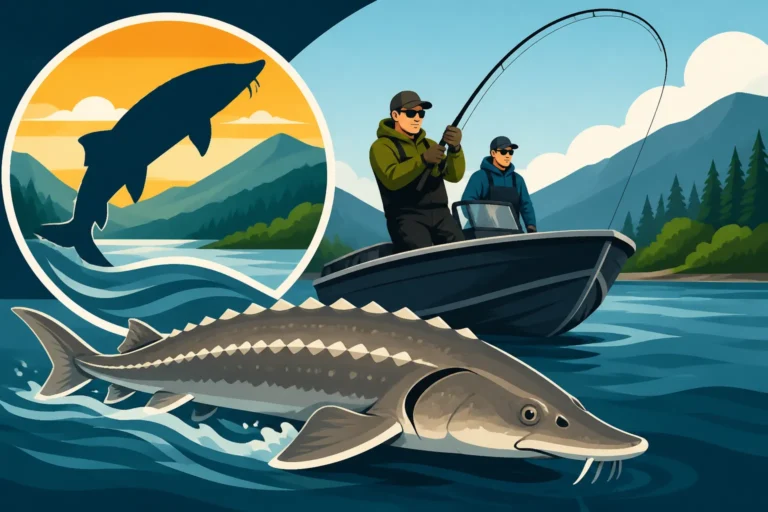
For instance, if you're chasing trophy white sturgeon on the Fraser River, you might have a heavy-duty rod and reel setup, braided line, and specialized circle hooks that are simply not part of a standard charter's kit. Similarly, an ardent fly fisher heading to a coastal stream for sea-run cutthroat trout will want their specific weight rod, reel, and fly patterns. Charters often carry a good all-around selection, but they can't possibly cater to every niche or highly specialized approach. Your personal gear allows you to tailor your setup precisely to the conditions and target, giving you an edge and enhancing the challenge.
This desire for specialized equipment extends to smaller details too, like specific leader materials, unique lure presentations, or even a preferred brand of fishing line you trust implicitly. If you've got a system that works for you, why deviate? Having your own gear means you don't have to compromise on your angling strategy or feel limited by the available tackle. It empowers you to fish your way, which is what being on a charter should ultimately be about – an enhanced, personalized fishing adventure.
Confidence in Your Own Equipment
There's an undeniable psychological boost that comes from using your own gear. You know its history, you've maintained it, and you trust it not to fail when that trophy fish takes the bait. This confidence can significantly impact your performance and enjoyment. While most reputable charters maintain their equipment diligently, there's a different level of trust when it's your gear, gear you've personally inspected and cared for.
Imagine hooking into a massive Chinook salmon off the coast, a fish of a lifetime. The last thing you want is to be second-guessing the reel's drag system or the strength of the rod blank because it's an unfamiliar piece of equipment. With your own gear, you're free from those worries, allowing you to focus on the battle itself. This heightened sense of assurance helps you relax and enjoy the moment, transforming a good fight into an unforgettable experience.
This confidence also stems from a sense of ownership and preparedness. You've packed your tackle box with exactly what you need, from your favorite jigs for halibut fishing to the perfect spoons for coho salmon. You’re not relying on someone else's inventory; you're self-sufficient and ready for anything the BC waters might throw at you. This level of preparation contributes to a more focused and ultimately more successful fishing trip, letting you truly immerse yourself in the natural beauty and thrilling challenge of British Columbia fishing.
What to Look for in a Charter When Bringing Your Own Gear
So, you're convinced you want to bring your beloved rods and reels. Now the question is, how do you find the right charter that not only allows it but embraces it? It's not always explicitly stated on their website, so a little detective work and direct communication are key.
Open Communication and Pre-Trip Discussions
The absolute most important factor is open and clear communication with the charter operator before you book. Don't assume anything. Call them, email them, or use their online contact form to explain your intentions. Be specific about the type and amount of gear you plan to bring. Are you bringing one spinning rod for trout, or three heavy-duty setups for sturgeon? This detail matters.
A good charter company, especially one catering to serious anglers, will be happy to discuss your gear and how it fits into their operation. They might offer advice on what's appropriate for the target species and conditions, or even suggest specific lures or baits that work well with your chosen setup. This pre-trip dialogue is also your chance to gauge their attitude. If they seem hesitant, annoyed, or dismissive, that's a red flag. You want a guide who is excited to help you maximize your experience, not one who sees your gear as a hassle. Look for operators who are keen to understand your fishing style. For example, if you're looking for a Best Guided Steelhead Trips on the Skeena and plan to use your own spey rod, they should be able to tell you if that's feasible given their boat and fishing locations.
Furthermore, this communication helps manage expectations on both sides. You'll know if your gear is truly suitable for the specific trip (e.g., will your light trout rod handle the currents of the Fraser River?). The guide will know what to expect when you board, allowing them to plan accordingly regarding space and fishing spots. Many reputable charters, like those you might find listed on platforms like FishingBooker, will appreciate your proactive approach and be more inclined to accommodate you.
Ample Space and Storage on the Boat
Charter boats come in all shapes and sizes, from small drift boats to large offshore cruisers. The amount of space available for personal gear can vary wildly. Before booking, ask about the boat's capacity and storage options. Is there a designated rod holder system that can safely accommodate your rods? Is there dry storage for your tackle bag or waterproof bins for your extra layers? You don't want your expensive gear rattling around on the deck, getting stepped on, or exposed to saltwater spray.
Consider the type of fishing. If it's a calm lake trout trip on a smaller vessel, a few rods might be easy to manage. But if it's an offshore halibut trip in potentially rough seas, secure storage becomes paramount. Look for charters that boast spacious decks, plenty of rod holders, and perhaps even enclosed cabins where delicate items can be kept safe. The best operators understand that anglers' gear is valuable and will have systems in place to protect it.
A crowded boat with limited storage is a recipe for disaster and frustration. Not only is your gear at risk, but it can also impede movement and detract from the overall experience for everyone onboard. During your pre-booking conversation, don't hesitate to ask for details or even photos of the boat's interior and deck layout if you're concerned about space. Knowing ahead of time will prevent any unpleasant surprises when you arrive at the dock, ready for your Best Halibut Charters out of Tofino.
Guides Knowledgeable in Diverse Techniques
While you're bringing your own gear, you're still relying on the guide's expertise to put you on the fish. The ideal charter guide, when you're bringing your own specialized tackle, is one who is not only a master of their craft but also adaptable and knowledgeable in a variety of fishing techniques. They should be able to work with your chosen setup, offering advice on presentations, retrieve speeds, or bait choices that complement your specific rod and reel.
For instance, if you're bringing a fly rod for salmon, you want a guide who understands fly casting, knows good swinging water, and can advise on effective patterns for Best Fly Patterns for BC Steelhead Rivers. If you're using a specific type of lure for jigging, they should be able to share insights on how the fish are reacting to similar presentations that day. A guide who is rigid in their approach or unfamiliar with anything outside their standard charter gear might not be the best fit, even if they allow you to bring your own.
The best guides are educators and collaborators. They appreciate an angler's passion for their gear and are eager to blend their local knowledge with your preferred style. They'll help you maximize your personal setup's potential in BC's diverse waters, whether you're targeting Chinook Salmon Fishing in BC or pursuing White Sturgeon Fishing on the Fraser River. Don't be shy about asking about their experience with different techniques or if they enjoy working with anglers who bring their own specialized equipment.
Common Challenges and How to Avoid Them
Even with the best intentions, bringing your own gear on a charter can present a few hurdles. Knowing what these challenges are ahead of time and how to proactively address them will make your trip smoother and more enjoyable.
Managing Logistics and Transporting Gear
One of the biggest headaches can simply be getting your gear to and from the charter. If you're flying into British Columbia, you'll need to consider airline baggage policies, potential oversized luggage fees, and the risk of damage during transit. Hard cases for rods are a non-negotiable for air travel. For reels and delicate tackle, carry-on might be the safest bet, though airport security can be unpredictable with fishing-related items.
Once you arrive, how will you get your gear from your accommodation to the dock? Will your rental car accommodate multiple long rod cases? Some charters operate out of busy marinas with limited parking, or require walking a distance from your vehicle to the boat. Plan this out in advance. Ask the charter if they have specific loading zones or tips for gear transport. If you're using a service like FishingBooker, you might even be able to connect with the captain ahead of time to confirm logistical details.
| Gear Item | Considerations for Transport | Best Practice |
|---|---|---|
| Fishing Rods | Fragile, often long, airline fees, vehicle space | Hard rod case for air travel, rod socks for vehicle |
| Fishing Reels | Delicate mechanisms, valuable, prone to impact damage | Carry-on for air travel, padded reel cases |
| Tackle Box/Bag | Weight, bulk, sharp hooks, liquids (scents) | Check airline rules, consolidate, use robust waterproof bag |
| Waders/Boots | Bulk, odor, dampness | Dry completely, pack in separate bag |
| Apparel | Weather changes, layers, rain gear | Roll to save space, waterproof bag for rain gear |
For local trips, ensure your vehicle has enough space, or consider carpooling if you're with a group. Even if you're just driving a short distance, securing your rods properly in transit prevents damage before you even hit the water. It's all about forethought and being prepared, just like any good angler plans their tackle for a day on the Best Fishing Rivers in British Columbia.
Respecting Charter Equipment and Protocols
While it's great to bring your own gear, remember you are a guest on the charter captain's vessel, and they have their own set of rules and equipment. Always ask where to store your gear, and follow their instructions. Don't simply dump your tackle bag in the middle of the deck or lean your rod against a delicate piece of electronics. Good captains are meticulous about their boat and gear, and showing respect for their space and property is crucial.
This also extends to bait and shared resources. Even if you have your own hooks, leaders, or even bait, typically the charter provides these consumables. Clarify if you're expected to use their bait or if your specific bait is welcome. Never assume you can just start rigging up with your own bait without checking first. Sometimes, certain baits are restricted for conservation or local regulation reasons, or the guide has a preferred bait that works best in their area. For example, on the Fraser, they might have specific regulations for BC Fraser River Sturgeon Catch and Release Requirement and associated tackle.
Ultimately, you're paying for the guide's expertise and the use of their vessel, even if you're bringing your own primary fishing tools. Be cooperative, listen to their guidance, and integrate your personal style with their operational flow. This mutual respect ensures a positive experience for everyone and makes it more likely they'll welcome you and your gear back on future trips.
Ensuring Your Gear is Appropriate for the Trip
This goes hand-in-hand with pre-trip communication but deserves its own emphasis. It's easy to get excited and bring your favorite lightweight trout rod on an offshore trip, only to find it's hopelessly outmatched by a powerful halibut or an aggressive salmon. Not only is this frustrating for you, but it can also jeopardize the fish's survival if the fight is unduly prolonged by inadequate tackle.
Before you even pack, double-check that your gear is appropriately rated for the target species and typical conditions of your chosen BC fishing spot. Is your reel spooled with enough strong line? Are your leaders heavy enough? Are your hooks sharp and correctly sized? If the charter specifies "heavy tackle for offshore salmon," bringing your medium freshwater bass setup might be a mistake. Discuss the species and expected size of fish with the guide beforehand.
It's also important to consider the environment. If you're fishing saltwater, ensure your reels are properly sealed and corrosion-resistant. If it's a rocky river, think about durable waders and boots. The guide can offer invaluable advice on what works best for their specific waters. Sometimes, a compromise might be necessary – perhaps you bring your favorite rod, but use a heavier reel or line provided by the charter if yours is too light. Being adaptable and realistic about your gear's capabilities will save you disappointment and potentially lost fish, allowing you to focus on the joy of fishing BC's incredible waters.
Finding the Right Charter for Your Personal Setup
So, you've decided to bring your own gear, and you understand the importance of communication and preparation. Now, how do you actually pinpoint those specific charters in British Columbia that are truly amenable to anglers with their personal setups?
Online Platforms and Direct Inquiries
The internet is your best friend when it comes to finding specialized charters. Start by searching general terms like "BC fishing charters bring own gear" or "private fishing guide BC personal tackle." While many sites might not explicitly state their policy, a thorough browse through their FAQs, "What to Bring" sections, or testimonials might offer clues. For example, some may say "gear provided, but feel free to bring your lucky rod!" which is a clear invitation.
Specialized booking platforms, such as FishingBooker, can be incredibly useful. These platforms often list detailed information about each charter, including what's included, what's not, and sometimes even a section for special requests. When using such a platform, don't hesitate to utilize their messaging system to directly ask the captain about their policy on personal gear before you book. You can lay out your intentions clearly, detailing the type of gear you plan to bring and asking if it would be suitable. This is your chance to engage in that crucial pre-trip discussion we talked about earlier.
Look for charter profiles that emphasize customization, catering to experienced anglers, or offering specialty trips (like fly fishing specific rivers). These are often indicators that the operators are more likely to be flexible and accommodate personal gear. They recognize that serious anglers often have their preferred setups and want to use them.
Recommendations and Reviews
Word-of-mouth and online reviews are goldmines. Start by asking fellow anglers who fish in British Columbia. They might have personal experience with specific guides or charters that are known for being accommodating. Fishing forums, local tackle shops, and fishing clubs are excellent resources for these kinds of recommendations. Often, a personal endorsement from someone who has successfully brought their own gear can bypass a lot of uncertainty.
When poring over online reviews, pay close attention to comments that mention gear. Look for phrases like "the captain was great about us bringing our own fly rods" or "plenty of space for our personal tackle." Conversely, if you see reviews complaining about cramped conditions or guides being rigid about equipment, those are charters to avoid. Pay particular attention to reviews on platforms like FishingBooker, Google, or dedicated fishing travel sites, as these often provide specific insights into the angler's experience.
A guide who frequently works with experienced anglers, for instance, might be advertised as offering Best Guided Steelhead Trips on the Skeena or specializing in Best Guided Sturgeon Trips on the Fraser River. These types of specialized guides are often more accustomed to clients bringing their specific gear for those target species and techniques. Always cross-reference multiple sources of reviews to get a comprehensive picture of a charter's reputation and flexibility.
Conclusion
Bringing your own trusted fishing gear on a British Columbia charter can dramatically enhance your angling experience, offering comfort, confidence, and the precision needed for specific species and techniques. The key to a successful trip lies in proactive communication with the charter operator, ensuring their boat has adequate space and storage, and confirming their guide's expertise aligns with your fishing style. By asking the right questions, checking reviews, and using platforms like FishingBooker to connect with accommodating captains, you can ensure your beloved rods and reels are not just welcome, but celebrated on your next BC fishing adventure. It’s all about finding that perfect match, so you can focus on the thrilling chase and unforgettable memories that await in BC's spectacular waters.
Disclaimer
This article is for general informational purposes only and does not constitute professional advice. Laws, prices and regulations vary by location and change over time. Consult a qualified professional for guidance on your specific situation.