Best guides for Okanagan bass trips
Trying to find that perfect guide for an Okanagan bass trip can feel a lot like searching for a needle in a haystack, especially if you're not a local. You want someone who really knows the water, understands the habits of those feisty largemouth and smallmouth bass, and can put you on fish, all while making the experience enjoyable. This guide is here to walk you through everything you need to know to pick the best Okanagan bass guide, ensuring your trip is memorable and successful.
Why Okanagan Bass Fishing is So Special and Why a Guide Helps
The Okanagan Valley, with its stunning lakes nestled amidst rolling hills and vineyards, isn't just a pretty place; it's a legitimate bass fishing hotspot. Anglers from all over British Columbia and beyond are drawn to these waters, but unlocking their secrets can be tricky. This is precisely where a good local guide becomes an invaluable asset.
The Unique Appeal of Okanagan Bass
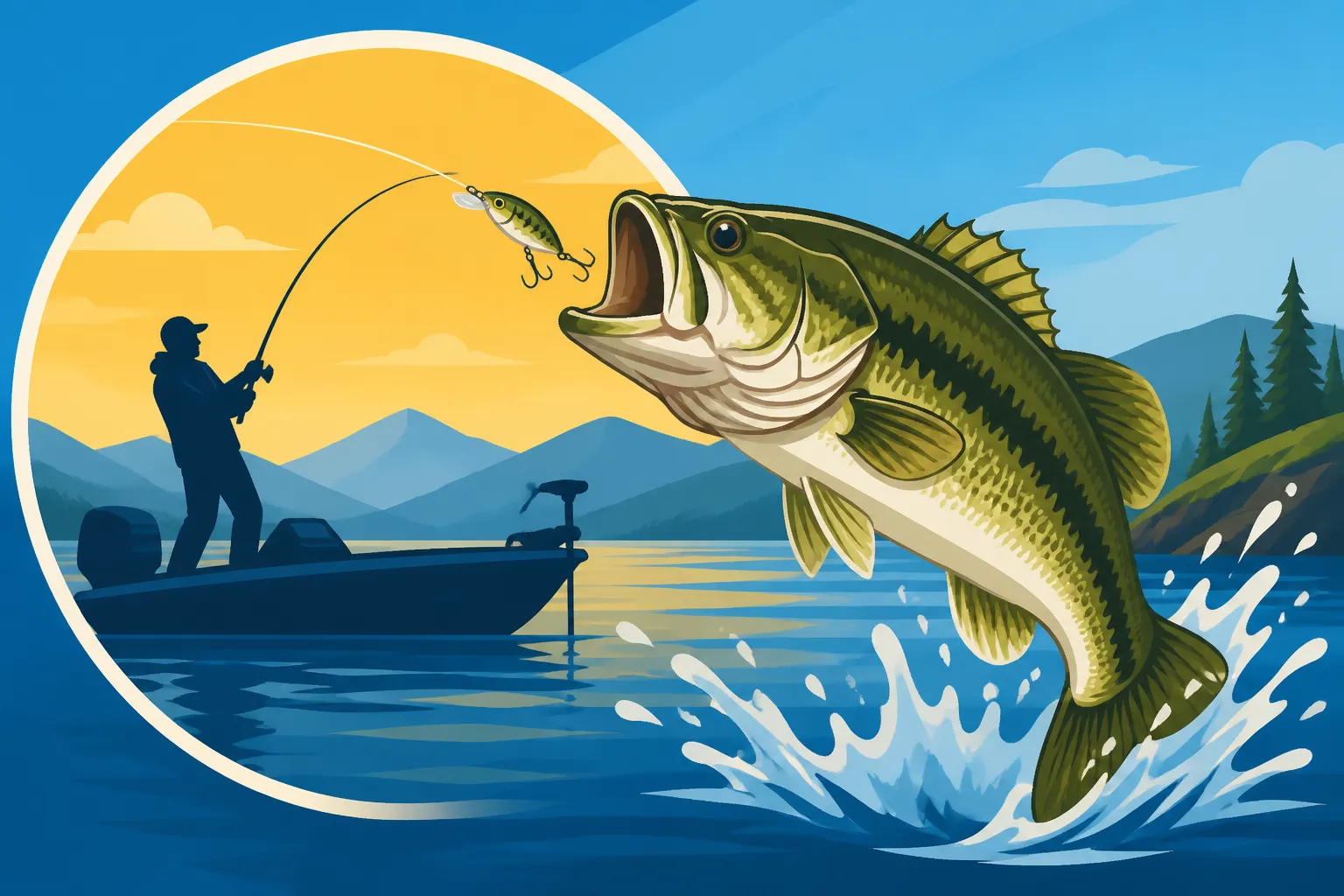
When we talk about bass fishing in the Okanagan, we're primarily talking about two fantastic species: largemouth bass and smallmouth bass. Each offers a distinct challenge and thrill. The largemouth, often found lurking in weed beds, around docks, and submerged timber, are known for their explosive topwater strikes and powerful fights. They're often found in the shallower, warmer bays and connected smaller lakes. Then you have the smallmouth bass, those bronzeback beauties that prefer clearer, rockier waters and deeper structures. They're incredibly aggressive, renowned for their hard fighting and acrobatic jumps when hooked. The sheer diversity of habitat, from the expansive main lakes like Okanagan Lake itself, to the smaller, more intimate waters like Osoyoos Lake, means there's always something new to explore. It's a true angler's paradise, offering different experiences depending on the lake and the season. The thrill of hooking into a trophy-sized bass against the backdrop of the Okanagan's stunning scenery is an experience that keeps anglers coming back year after year. For those unfamiliar with these specific waters, figuring out where these different bass species prefer to hang out can be a time-consuming puzzle. You can learn more about specific locations in our Best largemouth bass lakes in the Okanagan and Osoyoos Lake Bass Fishing articles.
Common Challenges for DIY Anglers
Without local knowledge, a DIY bass trip to the Okanagan can quickly turn into a frustrating casting session rather than a productive fishing adventure. These lakes are huge, complex, and full of subtle nuances that take years to understand. You might spend days just trying to locate the fish, experimenting with baits and techniques that aren't quite right for the current conditions. Are the bass holding deep on ledges, or are they tucked into shallow cover? What kind of forage are they keying on this week? Is it a topwater bite at dawn, or are they responding to jigs later in the day? The currents, the wind patterns, even the presence of different baitfish can drastically affect where bass are found and how they'll bite. A seasoned guide has already done the legwork, spent countless hours on the water, and has the intel to put you on fish faster. They understand the seasonal movements, the subtle changes in weather patterns, and how they impact the bite. This insight can be the difference between a few speculative casts and consistent action.
What Makes a Great Okanagan Bass Guide?
Choosing the right guide is paramount to a successful and enjoyable Okanagan bass trip. It's not just about finding someone with a boat; it's about finding a true expert and a good companion for your day on the water. A fantastic guide combines deep knowledge with excellent people skills to ensure you have the best possible experience.
Local Expertise and Water Knowledge
The best Okanagan bass guides are practically born with a fishing rod in hand, their knowledge running as deep as the lakes they fish. They don't just know where the bass are; they understand why they're there. They know the hidden rock piles, the secret weed lines, the specific docks where trophy largemouth hide, and the deep-water humps where smallmouth school up. This isn't just learned from a map; it comes from thousands of hours spent on the water, observing patterns, understanding the impact of weather fronts, and knowing how the fish respond to different conditions. They’ve seen it all: the calm, glassy mornings, the unexpected afternoon winds, and everything in between. They know the subtle nuances of each lake, whether it’s the clear, deep waters of Okanagan Lake or the weedier, shallower stretches of Vaseux Lake. This hyper-local expertise allows them to adapt quickly, finding the fish even when conditions change, which is crucial in a region with such diverse fishing environments. Their understanding extends to the local baitfish, insect hatches, and how these food sources influence bass behavior throughout the year.
The Right Gear and Boat Setup
Imagine heading out on a bass trip only to find your guide's boat is ill-equipped or their tackle is mismatched for the fishing conditions. A top-tier Okanagan bass guide comes prepared with a purpose-built bass boat, usually a fast, stable, and spacious vessel equipped with powerful trolling motors, multiple depth finders, and GPS units. These electronics aren't just for show; they're essential tools for identifying structure, finding baitfish, and locating bass. Beyond the boat, a great guide provides high-quality rods, reels, and a diverse array of lures and baits that are proven producers for Okanagan bass. This includes everything from specific topwater frogs for thick slop, to deep-diving crankbaits for ledges, and finesse jigs for finicky fish. They'll have gear tailored for different techniques – casting, spinning, maybe even specialized fly gear if that’s an option. Crucially, they know how to rig these setups quickly and correctly, often having multiple rods pre-rigged and ready for different scenarios. This means you spend less time fumbling with tackle and more time fishing. They'll also ensure all safety equipment is on board and in good working order.
Guiding Style and Client Experience
Beyond finding fish, a truly great Okanagan bass guide prioritizes your overall experience. Are you a seasoned angler looking to learn new techniques, or a beginner hoping to catch your first bass? A good guide will tailor the trip to your skill level and preferences. They're patient teachers, happy to demonstrate casting techniques, explain lure presentations, and help you understand why they're making certain decisions. They're also excellent communicators, sharing local insights, telling engaging stories, and making the day fun, even if the bite is slow. They strike that perfect balance between being helpful and giving you space to fish independently. They understand that a memorable day isn't just about the number of fish caught, but the entire journey: the stunning scenery, the camaraderie, and the knowledge gained. They'll keep you informed about current fishing regulations, teach you proper fish handling for catch and release, and generally act as an ambassador for the region. Whether it’s a solo mission for a trophy or a Best family-friendly fishing charters in BC experience, their goal is your enjoyment.
Finding Your Perfect Okanagan Bass Guide
So, you're ready to book that Okanagan bass trip! Now comes the exciting part: finding the right guide. There are several avenues to explore, each with its own advantages. The key is to do a bit of homework to ensure you connect with someone who matches your expectations for a fantastic day on the water.
Online Platforms and Reviews
In our increasingly digital world, online platforms have become an incredibly popular way to discover and book fishing guides. Websites like FishingBooker, for instance, specialize in connecting anglers with local captains and guides across various destinations. These platforms offer a wealth of information, typically including guide profiles, photos of their boats and past catches, detailed descriptions of their trips, and – most importantly – client reviews. Reading through these reviews can give you a real sense of a guide's personality, their teaching style, their knowledge of the local waters, and their ability to put clients on fish. You can often see how they handle different fishing conditions, whether they're patient with beginners, or how they cater to experienced anglers looking for a challenge. Pay attention not just to the star ratings, but to the specific comments. Does the reviewer mention the guide's patience? Their sense of humor? Their willingness to share tips and techniques? These details are invaluable for painting a full picture. While platforms like FishingBooker provide a great starting point, always remember to cross-reference and check if the guide has their own website or social media presence for even more insights.
Local Word-of-Mouth and Tackle Shops
Sometimes, the best advice comes from those who live and breathe fishing in the Okanagan. Local tackle shops are absolute goldmines of information. The folks working behind the counter at places like Rodney's REEL Outdoors in Kelowna or a shop in Penticton are often avid anglers themselves, and they know the guides who consistently perform well and treat their clients right. They hear the stories, see the pictures, and can give you genuine, unfiltered recommendations. Don't be shy to walk in, explain what you're looking for (e.g., "I'm hoping to target some smallmouth on Okanagan Lake," or "My kids want to catch their first largemouth"), and ask for their advice. Similarly, if you know anyone who has fished the Okanagan before, tap into their experiences. Word-of-mouth recommendations from friends or fellow anglers often lead to finding those hidden gems – guides who might not have a huge online presence but are legendary among locals for their expertise and demeanor. These personal endorsements carry significant weight because they come from trusted sources who've had direct experience.
Questions to Ask Before Booking
Once you've narrowed down a few potential guides, it's crucial to have a candid conversation with them before committing. Don't feel like you're bothering them; a professional guide expects and welcomes your questions. This is your trip, and you want to ensure it's a good fit. Here’s a table of important questions to consider asking:
| Question | Why It's Important |
|---|---|
| What species do you primarily target? | Ensures they specialize in bass (largemouth, smallmouth) and not just other species like kokanee or trout. |
| What's included in the trip cost? | Clarifies if tackle, bait, fuel, and fish cleaning are covered. (Always check BC Fishing Charter Cost Guide). |
| What's your experience on these specific lakes? | Confirms their local expertise, not just general BC guiding experience. |
| What's your guiding style? | Helps you understand if they're hands-on, instructional, or prefer to let you figure it out. |
| How many people can you accommodate? | Ensures the boat size and comfort level are appropriate for your group. |
| What's your cancellation policy? | Crucial for understanding what happens in case of bad weather or unforeseen circumstances. |
| Do I need a fishing license? | Absolutely essential. (Yes, you do! See Do You Need Your Own Fishing License for a BC Charter?). |
| What should I bring? | Get a clear list: clothing, food, drinks, sunscreen, camera, etc. (Also check What to bring on a BC Fishing Charter). |
| What safety equipment do you have? | Ensures they adhere to safety standards (e.g., life jackets, first aid). |
This conversation is also your chance to get a feel for their personality. Do they sound friendly, knowledgeable, and genuinely excited to take you fishing? Trust your gut feeling, as a good rapport with your guide can greatly enhance the entire experience.
Planning Your Okanagan Bass Trip Beyond the Guide
While a great guide is essential, a truly successful Okanagan bass trip involves a little more planning on your part. Thinking about the time of year and ensuring you have some basic personal gear will complete your readiness for those Best techniques for Bass in Okanagan Lakes.
Best Times of Year for Bass Fishing in Okanagan
The Okanagan offers bass fishing opportunities throughout the warmer months, but different seasons excel for different species and techniques. Generally, the bass season kicks off in late spring, often around May, after the fish have completed their spawning rituals.
- Spring (May-June): This is often considered prime time for both largemouth and smallmouth. Post-spawn bass are hungry and aggressively feeding to recover. You'll find them shallower, making them accessible to a variety of techniques including spinnerbaits, crankbaits, and even some topwater action. The water temperatures are rising, stimulating their activity. It’s a fantastic time for numbers and some really strong bites.
- Summer (July-August): As temperatures soar, bass move to deeper, cooler waters during the day, often relating to structure like drop-offs, humps, and submerged timber. Early morning and late evening often see them pushing shallower to feed, providing exciting topwater opportunities. This can be a challenging time without a guide who knows the deep-water haunts, but also offers the chance for some truly large fish. Nights can also be productive.
- Fall (September-October): This is another fantastic period as bass undertake a pre-winter feeding frenzy. They become very active, chasing baitfish and packing on weight. Fish can be found in a variety of depths, often moving back shallower as the water cools. Reaction baits like crankbaits and jerkbaits can be incredibly effective. The fall colours around the Okanagan lakes also add an extra layer of beauty to your fishing adventure. Compare this to Best time of year for trophy steelhead in BC to see how diverse BC's fishing can be!
Always remember that exact timing can vary slightly year to year based on weather patterns and water temperatures. A good guide will always be up-to-date on current conditions.
Essential Gear You Might Need Even with a Guide
While your guide will undoubtedly provide all the necessary fishing gear, there are some personal items you should always bring to ensure your comfort and safety. Think of it as preparing for a day outdoors in British Columbia, regardless of whether you're fishing for bass or Okanagan Lake Kokanee Fishing.
- Appropriate Clothing: Dress in layers! Even on a warm Okanagan day, mornings can be cool on the water, and conditions can change quickly. A waterproof outer layer is always a good idea, just in case of a surprise shower or spray from the boat.
- Sun Protection: The sun on Okanagan lakes can be intense. Bring a wide-brimmed hat, sunglasses (polarized ones are excellent for spotting fish and structure), and high-SPF sunscreen.
- Food and Drink: Pack snacks, a lunch, and plenty of water or other beverages. While some charters might offer drinks, it’s always best to be self-sufficient.
- Camera: You’ll want to capture those beautiful bass and the stunning Okanagan scenery!
- Cooler (Optional): If you plan to keep any fish (within regulations, of course!), a small cooler in your vehicle for the ride home can be handy, but your guide will typically have one on board for the day's catch.
- Motion Sickness Medication: If you're prone to seasickness, even on a lake, it's wise to take preventative measures before heading out.
- Your BC Fishing License: This is non-negotiable. Ensure you have your valid BC freshwater fishing license with you, either printed or digitally on your phone.
Being well-prepared allows you to relax and fully immerse yourself in the experience, knowing you've got everything you need for a fantastic day of bass fishing with your chosen Okanagan guide.
Disclaimer
This article is for general informational purposes only and does not constitute professional advice. Laws, prices and regulations vary by location and change over time. Consult a qualified professional for guidance on your specific situation.