Best tide to book a salmon charter
One of the most common questions I hear from anglers planning a salmon fishing trip to British Columbia is, "What's the best tide to book a salmon charter?" It's a fantastic question, and it speaks to the frustration of wanting to maximize your chances of success in a big, complex marine environment. You've invested time and money, and you want to be on the water when the fish are most likely to bite. This guide is here to demystify the tides, explain how they influence BC salmon, and help you understand when to aim for your next incredible fishing adventure.
Understanding Tidal Influence on Salmon Fishing in BC
The ocean is a dynamic place, constantly ebbing and flowing, and nowhere is this more apparent than on the coast of British Columbia. Tides are the breath of the sea, and for salmon, they are a powerful force dictating feeding patterns, travel routes, and even where they choose to hold. Ignoring them is like trying to catch a train without knowing the schedule – you might get lucky, but you're missing a huge piece of the puzzle.
How Tides Affect Salmon Behavior
Salmon are incredibly attuned to their environment, and tidal currents play a critical role in their daily lives, especially when they're transitioning from the open ocean into coastal areas and eventually rivers for spawning. Think of the tide as a conveyor belt, carrying food, changing water conditions, and creating strategic ambush points.
Firstly, tidal currents often concentrate baitfish. As water moves, it can push schools of herring, anchovies, and other forage fish against structures like points, reefs, and kelp beds. When baitfish are concentrated, salmon, being opportunistic predators, are sure to follow. Secondly, tides can influence water temperature and clarity, which, in turn, can affect salmon comfort and feeding aggression. A strong incoming tide, for instance, might bring in cooler, cleaner ocean water that salmon prefer. Thirdly, and perhaps most importantly, strong tidal currents create "rip lines" and eddy lines where different currents meet. These are prime hunting grounds for salmon, as they offer both a break from the current and a steady stream of disoriented baitfish being carried past them. Understanding these subtle shifts is key to successful Salmon Fishing Techniques for BC Rivers or even offshore.
Different Tidal Stages and Their Impact
Not all tides are created equal when it comes to fishing. Each stage of the tidal cycle – incoming, outgoing, high, low, and slack – presents different opportunities and challenges. Knowing what to expect during each phase can dramatically improve your strategy.
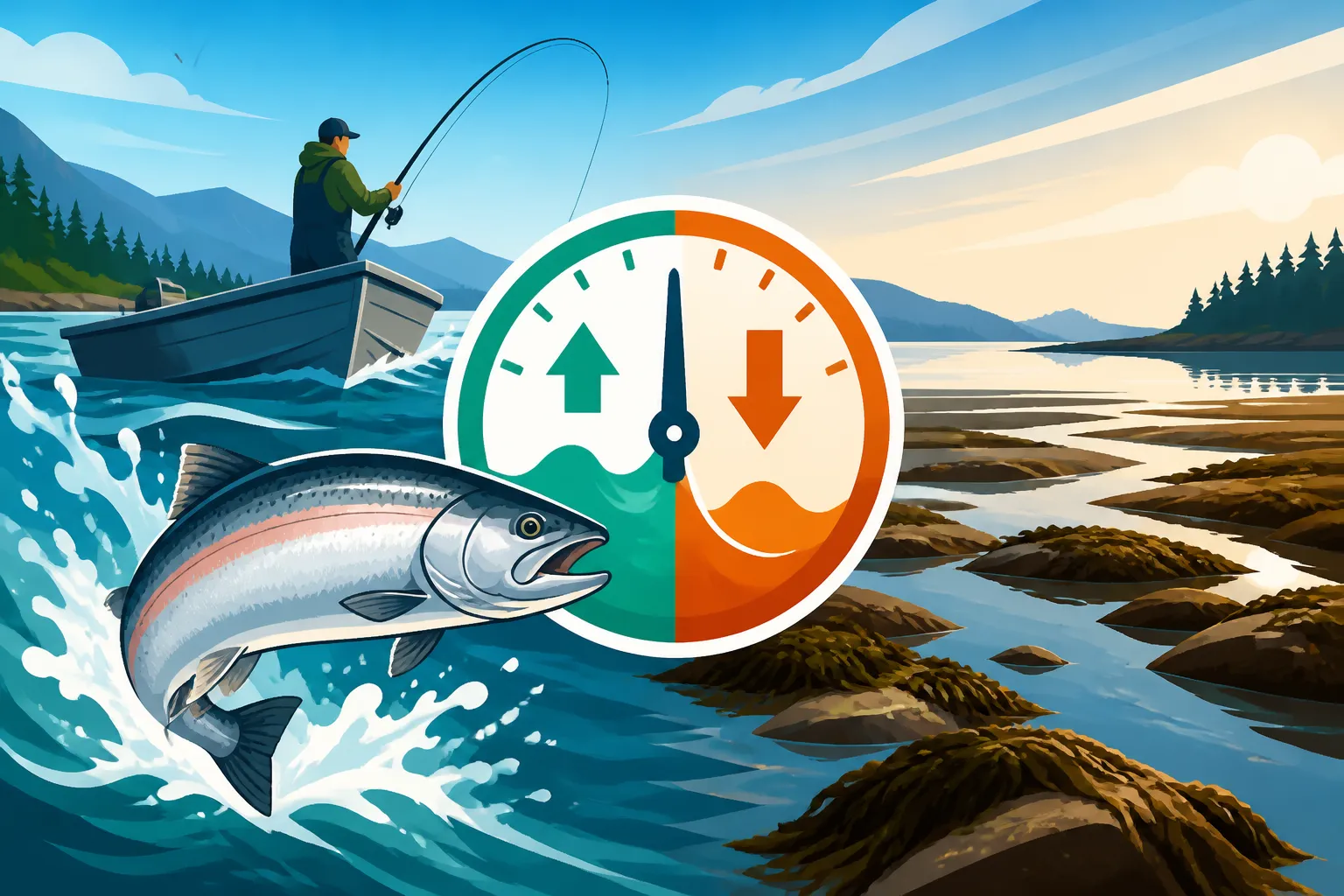
- Incoming Tide (Flood Tide): This is often considered the golden ticket for many salmon species, particularly Chinook and Coho. As the water rises and pushes inland, it often brings in fresh, oxygenated ocean water, sometimes cooler temperatures, and most importantly, new schools of baitfish. Salmon frequently move with this push of water, entering bays, estuaries, and river mouths, actively feeding as they go. The rising water can also cover more structure, allowing fish to move into shallower feeding areas.
- Outgoing Tide (Ebb Tide): While often less celebrated than the incoming tide, outgoing tides can still be incredibly productive. As the water recedes, it can flush baitfish and other food sources out of rivers, estuaries, and shallower feeding grounds, concentrating them in deeper channels or at the mouths of rivers. This can create a feeding frenzy as salmon gather to intercept the outflow. Certain species or specific locations might even fish better on an outgoing tide.
- High Tide: At the peak of high tide, there's a brief period of slack water before the tide begins to ebb. This can be a tricky time. While fish might be well into their feeding grounds, the lack of current can make them less active and harder to entice. However, it also allows access to areas that might be too shallow at other times, offering unique opportunities for a skilled captain.
- Low Tide: Similar to high tide, low tide also has a period of slack water. At extreme low tides, many shallow areas become unfishable, and salmon might retreat to deeper channels. Concentrating your efforts on these deeper channels or along the edges of drop-offs can be effective, as fish are restricted to fewer areas.
- Slack Tide: These are the short periods of minimal current at the peak of high and low tides. Some anglers find them challenging, as the lack of water movement can make fish lethargic. Others find them productive for specific techniques, like jigging or still-fishing, especially if salmon are schooled up waiting for the current to pick up again. It often takes a subtle approach to get bites during these windows.
Regional Variations in Tidal Impact
British Columbia's coastline is vast and incredibly diverse, stretching from the urban shores of Vancouver to the wild, remote inlets of the North Coast. The impact of tides isn't uniform across this expansive geography. What works best in one area might be less effective or even detrimental in another.
For example, in the protected waters of the Strait of Georgia, particularly near the mouths of rivers like the Fraser, tidal currents can be significant. A strong incoming tide here can push massive amounts of salmon into the river system, making the river mouth and surrounding areas prime fishing grounds. Charters operating out of places like Steveston or Sooke will meticulously plan around these major tidal flows. Further north, in more exposed coastal areas like those off the west coast of Vancouver Island near Tofino or Ucluelet, the direct impact of the tide on salmon feeding might be more about the movement of ocean currents and baitfish over offshore banks rather than the dramatic flushing of estuaries. Here, charter captains often look for rip lines created by currents interacting with offshore reefs or submerged seamounts. Similarly, Georgia Strait salmon fishing access will have different tidal considerations than deep inlets further north. Rivers like the Campbell River Fishing Guide area also have unique tidal characteristics where the flow of the river meets the ocean.
Local knowledge, therefore, becomes paramount. A seasoned charter captain who has spent years, if not decades, fishing a specific area understands these nuances intimately. They know exactly how a 12-foot incoming tide affects a particular reef or how a weak outgoing tide influences the bite in a certain bay. Trusting their expertise is crucial, as they will tailor your trip to the conditions of the day, aiming for the "best" tide based on their local wisdom and current fish patterns.
Identifying the "Best" Tide for Your Salmon Charter
While every angler hopes for that perfect day when the fish are jumping into the boat, the reality is that fishing success is often about timing and understanding the natural rhythm of the ocean. For salmon, especially Chinook and Coho, tides often provide that rhythm.
The Incoming Tide Advantage
Many experienced anglers and charter captains will tell you that a strong, incoming tide, also known as a flood tide, is often your best bet for targeting salmon in BC. There's a lot of science and observation behind this preference, and it generally boils down to how salmon move and feed.
As the tide rises and pushes ocean water into coastal areas, it acts as a natural delivery system. This incoming water often brings with it cooler, more oxygenated conditions that salmon prefer, especially during warmer months. Crucially, it also carries vast schools of baitfish, like herring, needlefish, and anchovies, into shallower feeding grounds. Salmon, being efficient predators, will often position themselves at strategic ambush points—such as points, reefs, and current breaks—to intercept this incoming buffet. Think of it like a grocery delivery service for them! The rising water also allows salmon to move over structure and into areas that might have been too shallow during low tide, expanding their feeding territory. This is particularly true for mature salmon making their way towards river mouths for their spawning migration. Many of the most productive Best Salmon Fishing Spots in BC will be heavily influenced by these tidal pushes. When the tide is pushing, salmon are often more active and aggressive, making them more willing to strike lures, flies, or bait.
Outgoing Tides and Specific Species
While the incoming tide often gets the most fanfare, outgoing tides (or ebb tides) can be incredibly productive, especially for certain salmon species or in particular fishing scenarios. It's all about understanding what the receding water is doing.
An outgoing tide will often flush baitfish, shrimp, and other food sources out of estuaries, rivers, and shallow bays. This outflow can concentrate baitfish into tighter schools as they are swept towards deeper water, creating prime feeding opportunities for salmon lurking at the mouths of these systems. For example, some river mouths or specific channels might fish exceptionally well on an outgoing tide, as salmon gather to intercept the buffet being delivered to them. This can be particularly effective for Coho salmon, which are often found actively feeding in these "choke points" where baitfish are concentrated. Also, if you're targeting salmon that have been feeding heavily within a bay or estuary, the outgoing tide can be an excellent time to catch them as they exit these areas and head back towards the open ocean or deeper holding waters. An experienced captain will know these specific spots and how to adjust techniques, whether it's Trolling Techniques for BC Lake Trout in tidally influenced areas or using bait near river mouths.
Slack Tide Considerations
Slack tide, the brief period of little to no current at the peak of high and low tide, is often viewed with mixed feelings by anglers. Some find it frustrating, believing the fish shut down without the current to stimulate feeding. Others, however, see it as an opportunity for specific techniques that might be less effective in strong currents.
During slack tide, salmon can become less active feeders, as the baitfish they prey on are also less dynamic. However, fish are still there. This can be a good time for more vertical presentations, like jigging directly over schools of bait or known salmon holding areas. Without the current pulling your line, you can maintain better contact with your lure and feel more subtle bites. Some anglers also find that fish, while not actively chasing, might be curious enough to strike a well-presented lure that hangs in their face a bit longer. Furthermore, for those navigating tricky channels or wanting to fish specific structures that are hard to access in strong currents, slack tide offers a window of calm. It's definitely a time when your captain's knowledge of where fish might be "resting" or concentrated becomes even more critical. They might shift tactics, moving from aggressive trolling to a more stationary approach to entice bites.
| Tidal Phase | Typical Salmon Behavior | Optimal Fishing Strategy | Key Considerations |
|---|---|---|---|
| Incoming Tide | Salmon move inshore, actively feeding, chasing baitfish. | Trolling, mooching, casting near structure. | Often best for Chinook & Coho; brings in fresh bait & water. |
| Outgoing Tide | Salmon intercept baitfish flushed from estuaries/rivers. | Fishing river mouths, channels, deeper structure. | Good for Coho; can concentrate baitfish in specific areas. |
| High Slack Tide | Fish less active, may hold deeper or near structure. | Vertical jigging, still-fishing, exploring shallower areas. | Can be slow; allows access to areas unfishable at low tide. |
| Low Slack Tide | Fish concentrated in deeper channels; less active feeding. | Deep jigging, bottom fishing. | Challenging; shallower areas inaccessible; fish can be lethargic. |
| Strong Currents | Salmon use current breaks to ambush prey; active movement. | Trolling across rips, drift fishing. | Prime feeding times; fish can be aggressive but harder to present to. |
| Weak Currents | Less active; fish might be spread out or harder to locate. | Finesse techniques, covering more water. | Can require more effort to find active fish; often less predictable. |
Practical Tips for Booking Your Tide-Savvy Salmon Charter
So, you're convinced that tides matter – great! Now, how do you put this knowledge into action when booking your dream salmon charter in British Columbia? It’s not just about picking a date on a calendar; it’s about making an informed decision, ideally in collaboration with the experts.
Consulting Your Charter Captain
This is, without a doubt, the most important piece of advice I can give you. While understanding tides is empowering, your charter captain is the ultimate authority on what's biting and when, in their specific fishing grounds. They are out on the water almost daily, observing patterns, tracking fish, and noting how different tidal conditions affect success.
Don't hesitate to call or email prospective captains and ask them directly about their preferred tidal windows for salmon. You might say, "I'm hoping to target Chinook salmon in August; what tide usually fishes best in your area during that time?" They can tell you if a morning incoming tide is better than an afternoon outgoing tide, or if the "slack before the flood" is the hot ticket for their particular spots. They might also share how recent weather patterns, water temperatures, or baitfish movements are influencing fish behavior, overriding typical tidal preferences. A good captain will explain their reasoning, giving you confidence in their chosen schedule. Platforms like FishingBooker often list contact information for captains, making it easy to have these crucial pre-booking conversations. Always lean on their local, up-to-the-minute expertise. They are the ones who truly understand Best Fishing Charters in British Columbia.
Checking Tide Charts
While your captain's advice is gold, familiarizing yourself with tide charts can give you a better understanding of the discussions and help you plan your travel around the fishing. Tide charts are readily available online for almost all coastal locations in British Columbia.
When looking at a tide chart, you'll see predicted times for high tide and low tide, along with the corresponding heights (how much the water will rise or fall). The crucial thing to look for is the tidal exchange – the difference between the high and low tide heights. A large exchange means stronger currents, which can be great for stimulating fish, but also challenging to fish in. A smaller exchange means weaker currents, which might lead to slower fishing but could also open up new opportunities for more finesse techniques. Pay attention to the moon phase as well; full and new moons typically bring the strongest tides (spring tides), while quarter moons have weaker tides (neap tides). Understanding these basics can help you gauge the general conditions for your chosen date. It can also help you understand concepts like the Best time of day to catch salmon on an incoming tide.
Flexibility and Local Knowledge
Even with all the planning in the world, fishing in British Columbia is still an outdoor adventure, and conditions can change. The "best" tide on paper might not always align with the "best" bite on a given day due to other factors like weather, baitfish presence, or recent fishery notices.
This is where flexibility becomes your best friend. If your captain suggests a slightly different start time or even a different day than your initial tidal preference, trust their judgment. They are adapting to real-time conditions. Moreover, embrace their local knowledge. Charters aren't just about getting on the water; they're about tapping into years of accumulated wisdom about specific reefs, channels, and migratory pathways. A skilled captain will not only get you to the fish during the optimal tide but will also use their expertise to identify secondary spots or adjust techniques if the primary plan isn't working. When looking for a charter, whether through a platform like FishingBooker or a direct booking, prioritize captains with strong local reputations and deep experience in the area you plan to fish. They'll know How to Choose a BC Fishing Charter far better than a general guide.
Disclaimer
This article is for general informational purposes only and does not constitute professional advice. Laws, prices and regulations vary by location and change over time. Consult a qualified professional for guidance on your specific situation.