BC life jacket requirements per passenger
Oh, the sheer amount of information you need to keep straight when heading out on the water in British Columbia can feel overwhelming, right? Between fishing licenses, catch limits, and boat safety, it’s easy to get lost in the details. But one thing you absolutely can’t afford to overlook for your safety and to steer clear of hefty fines is ensuring every passenger on your vessel has the correct life jacket. This comprehensive guide will cut through the confusion and lay out exactly what BC life jacket requirements per passenger you need to know, from sizing to types and everything in between.
Understanding the Basics of BC Life Jacket Regulations
When you’re out on the stunning waters of British Columbia, whether it’s a tranquil lake in the Okanagan or a bustling strait off Vancouver Island, safety is paramount. And let's be honest, the rules around life jackets, or Personal Flotation Devices (PFDs) as they're often legally termed, can sometimes feel like a tangled mess. But grasping the fundamental requirements is less complicated than it might seem, and it's the first step to ensuring a safe and enjoyable trip for everyone on board.
The "Always Wear" vs. "Always Carry" Dilemma
This is perhaps the biggest point of confusion for many recreational boaters and anglers, and it's easy to see why. The law, as enforced by Transport Canada, doesn't always mandate wearing a life jacket at all times, but it always requires having one readily available for every person on board. This distinction is crucial. For instance, if you're cruising on a calm day on Shuswap Lake in a larger fishing boat, you might not be actively wearing your PFD. However, it absolutely must be within immediate reach – not stowed away in a locker under a pile of gear. Imagine a sudden squall or an unexpected impact; those few extra seconds it takes to dig out a stowed PFD could literally be the difference between life and death. The rule is designed to ensure that in an emergency, there's no frantic searching or fumbling.
Now, there are scenarios where wearing it is strongly recommended, even if not strictly mandated by law. If you're out on smaller, less stable vessels like canoes, kayaks, or paddleboards, or when you're in rough water, cold water conditions, or alone, you should absolutely be wearing your PFD. Many experienced anglers understand that conditions can change rapidly on BC waters. What starts as a calm morning can turn windy and choppy in a heartbeat. Furthermore, if you're fishing alone, falling overboard could quickly become a dire situation if you're not wearing your PFD. Remember, common sense and personal safety often go above and beyond the minimum legal requirements.
Legal Definitions: PFDs vs. Lifejackets
The terms "life jacket" and "PFD" are often used interchangeably in casual conversation, but legally, there's a distinction in Canada that’s worth knowing. Both are designed to save lives, but they have different performance standards set by Transport Canada. A lifejacket (often bright orange, with a large collar) is designed to turn an unconscious person face-up in the water, providing maximum flotation and ensuring their airway is clear. These are typically bulkier and less comfortable for active wear, but they offer the highest level of protection, especially in offshore or rough conditions.
Personal Flotation Devices (PFDs), on the other hand, are generally more comfortable, less bulky, and come in a wider variety of styles and colours. They are designed to keep a conscious person afloat, but they might not always turn an unconscious person face-up. For most recreational activities, including freshwater and tidal fishing in BC, PFDs are the common choice because of their comfort, which encourages people to wear them. Whether you choose a traditional foam vest or an inflatable model, the key is that it must be Canadian-approved. Look for a label indicating approval by Transport Canada, the Canadian Coast Guard, or Fisheries and Oceans Canada. This approval is non-negotiable and ensures the device meets rigorous safety standards. For instance, you might find a great deal on a PFD on Amazon, but always double-check its Canadian approval status before purchasing.
Who Needs a Life Jacket on Board?
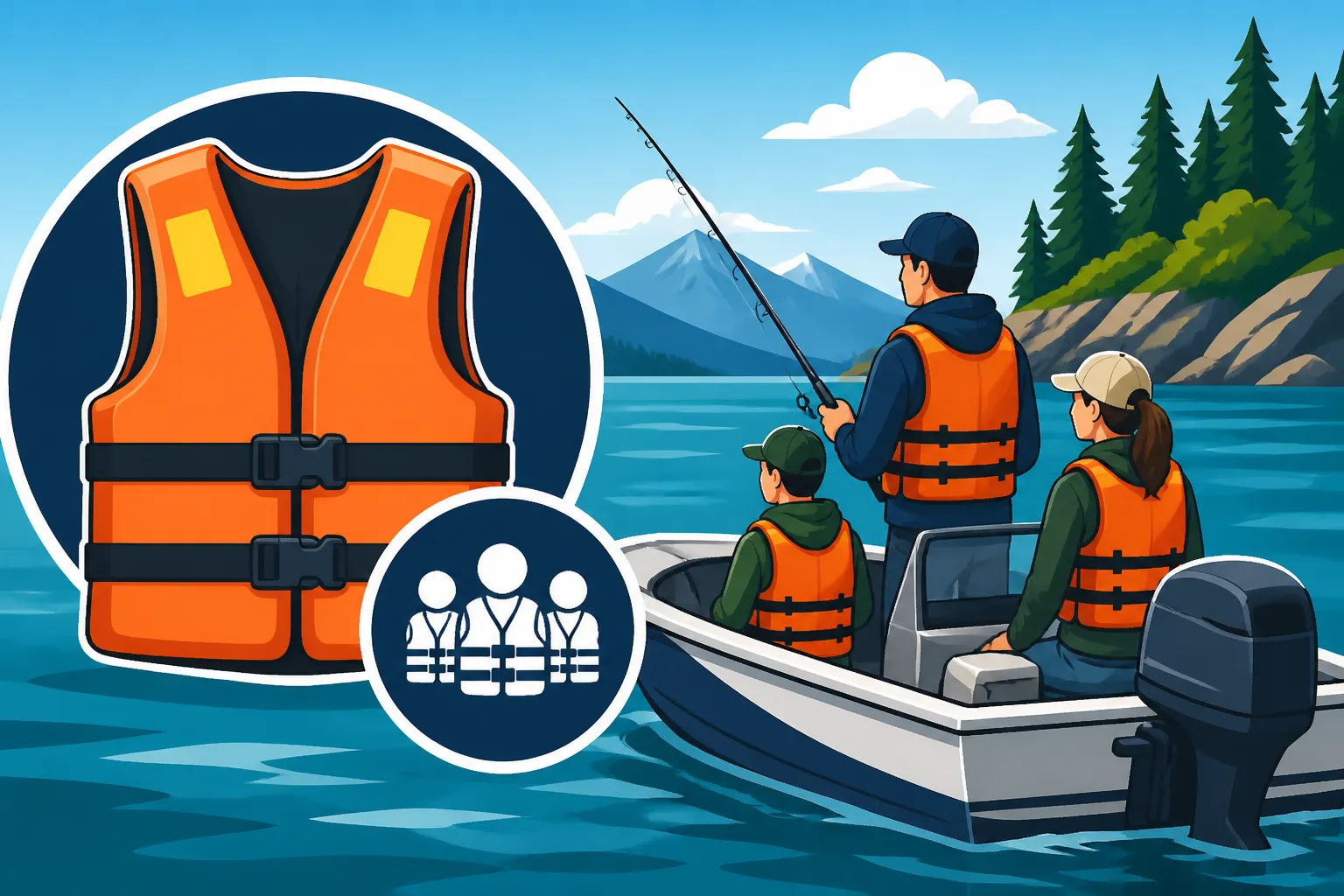
This is straightforward: every single person on your vessel needs access to an appropriately sized, Canadian-approved life jacket or PFD. This isn't just for adults; it extends to children, infants, and even pets (though pet PFDs don't count towards the human requirement). There are no exemptions based on age, swimming ability, or how short your trip might be. Even if you're just taking a quick jaunt across a small lake to a fishing spot, the rules apply.
Imagine inviting friends out for a day of fishing on the Fraser River. You need to ensure there’s a PFD for each of them, suited to their weight and chest size, and that they know where it is and how to put it on quickly. This is often an area where folks get tripped up, especially when bringing along extra guests at the last minute. It's not enough to have a couple of spare "universal fit" PFDs; they truly need to fit properly for them to be effective. Always err on the side of caution and have more than enough PFDs, ensuring a comfortable fit for everyone.
Specific Requirements for Different Passengers and Vessels
The nuance in life jacket regulations often comes down to who’s wearing them and what kind of vessel they’re on. It's not a one-size-fits-all situation, and understanding these specific requirements will ensure you’re always compliant and, more importantly, genuinely safe on BC’s beautiful waterways.
Adult Requirements: Sizing and Accessibility
For adults, the primary focus is on having a Canadian-approved PFD or life jacket that fits correctly and is immediately accessible. "Fits correctly" means snug, but not constricting, allowing for full range of motion. It shouldn't ride up around your ears when you lift your arms. Many PFDs have adjustable straps, but there's still a general weight and chest size range they're designed for. A PFD that’s too large will likely slip off or not provide adequate flotation, while one that’s too small will be uncomfortably tight and ineffective. When shopping, whether you're browsing a local marine store or looking online, check the weight and chest size specifications carefully. For example, a "universal adult" PFD often covers a broad weight range, but it’s always best to try one on if possible. Brands like Mustang Survival and Salus Marine Wear are popular choices in Canada, often found at retailers like Cabela's or through online platforms like Amazon.
As for accessibility, this means the PFD must be within reach of the person it's intended for. It can't be buried under a cooler, stowed at the bottom of a gear bag, or locked away in a cabin compartment. Ideally, it should be in the open, perhaps draped over a seat back or in an easily opened deck locker. The moment you hit an unexpected wake or have a sudden emergency, you need to be able to grab that PFD and put it on in seconds, not minutes. This is especially true when navigating busy channels or fishing in unpredictable conditions, where sudden shifts can send someone overboard without warning.
Children's Life Jacket Rules: The Critical Details
When it comes to children, the rules become even more stringent, and for good reason: their safety is absolutely non-negotiable. Children must have a Canadian-approved life jacket or PFD that fits them properly according to their weight. Crucially, it must be designed specifically for children. Adult PFDs, even small ones, are not suitable for kids because their weight distribution and body proportions are different. A child's PFD will often have a large collar to support their head, a grab strap for easy retrieval, and a crotch strap to prevent it from riding up over their head when in the water.
Here’s where it gets really specific:
- Infants and Young Children (Under 9 kg / 20 lbs): It can be challenging to find approved PFDs for very small infants. For this reason, it's often recommended to avoid taking infants this young on boats unless absolutely necessary, as even the best-fitting PFD might not be truly effective. Always check the specific weight range on the label.
- Children (9-18 kg / 20-40 lbs, 18-27 kg / 40-60 lbs, 27-41 kg / 60-90 lbs): For these weight categories, you’ll find numerous options. Always ensure the child tries on the PFD. It should be snug, not uncomfortable, and when you lift them by the shoulders of the PFD, their chin should not slip out. The crotch strap is key here; without it, the PFD can float up and away from their body in the water.
- Youth (Over 41 kg / 90 lbs): Children in this category can often wear adult-sized PFDs, but again, a proper fit test is essential. It’s always better to opt for a PFD specifically marked for "youth" if possible, as they might offer a better fit for their developing body shapes.
Remember, children are often more susceptible to the effects of cold water, and even strong swimmers can be quickly overwhelmed. For these precious passengers, wearing their life jacket at all times on the water is not just a recommendation; it's a vital safety practice. Don't risk it for a second.
What About Non-Motorized Vessels? Canoes, Kayaks, Paddleboards
Even if your fishing adventure involves a quiet paddle on a calm lake, the same Canadian-approved life jacket requirements apply to non-motorized vessels like canoes, kayaks, stand-up paddleboards (SUPs), and rowboats. Every person on board or operating these vessels must have a properly sized, readily accessible PFD or life jacket.
The difference for these smaller craft is that, while the law still states "readily accessible," the practical reality often means you should be wearing it. Think about it: if you capsize a kayak or fall off a SUP, your PFD will quickly float away if you're not wearing it. In the often-cold waters of BC, even a short swim to retrieve a floating PFD can lead to hypothermia and exhaustion. Many PFDs designed for paddling are slim, comfortable, and allow for excellent arm movement, making them ideal for active use. They often come with pockets for essentials like a whistle or energy bar. Brands specifically catering to paddlers, such as NRS or Astral, offer low-profile PFDs that are perfect for this purpose. So, while you technically could have it stowed, for safety's sake, always wear your PFD when on a non-motorized vessel. It’s truly the best way to ensure your safety and enjoyment, whether you're navigating the Best Kayak Fishing Spots in BC or just exploring a quiet bay.
Pleasure Craft Operator Card (PCOC) and Safety Equipment
While not directly a life jacket requirement, the Pleasure Craft Operator Card (PCOC) is fundamentally linked to overall boat safety, including your understanding of required safety equipment. If you're operating any motorized vessel in Canada, regardless of its size, you need to possess a PCOC. This card proves you have a basic understanding of boating rules and safety, which includes knowing about proper life jacket usage and storage.
During your PCOC training, you'll learn about all the mandatory safety equipment for various types of vessels. This often includes things like a whistle, bailer, throw bag, and, of course, the specific requirements for life jackets. Enforcement officers, such as the RCMP or Canadian Coast Guard, may ask to see your PCOC and inspect your safety equipment, including your PFDs. If you don't have the correct number of Canadian-approved PFDs that are properly sized and accessible for everyone on board, you can face significant fines. It’s all part of creating a culture of safety on the water, ensuring that boaters are prepared for any eventuality. Understanding your BC Boating Laws for Anglers is crucial for a stress-free day on the water.
Choosing the Right Life Jacket and Avoiding Common Mistakes
Okay, so you know why you need life jackets and who needs them. Now, let’s talk about how to choose the right ones and some common pitfalls to avoid. Making the right choice here isn't just about ticking a box; it's about investing in genuine safety.
Types of Approved Life Jackets in Canada
When you walk into a marine store or browse online, the sheer variety of PFDs can be baffling. However, all Canadian-approved PFDs generally fall into a few categories:
- Inherent Buoyancy PFDs (Foam Vests): These are the most common type. They use closed-cell foam for flotation and are designed to be worn comfortably for extended periods. They come in various styles, from vest-like designs with zippers and buckles to specialized paddling or fishing PFDs with extra pockets and tool attachments. They offer instant flotation and require no inflation. The downside is they can be bulkier than inflatables, which some find restrictive. However, their reliability and low maintenance make them a solid choice for most recreational boaters.
- Inflatable PFDs: These are sleek, less bulky, and often more comfortable than foam vests, especially for adults. They contain a CO2 cylinder and inflate either automatically upon water immersion or manually by pulling a cord. They are very popular with anglers and paddlers because of their freedom of movement. However, they come with caveats:
- They require regular inspection to ensure the CO2 cylinder is charged and the inflation mechanism is functioning.
- They are not suitable for non-swimmers, children under 16, or individuals weighing less than 36 kg (80 lbs).
- They must be worn to be effective; they don't count as "readily accessible" if not worn.
- They are often more expensive than foam PFDs and require rearming kits after each inflation.
- Lifejackets (Standard Orange Type): As mentioned, these are designed for maximum flotation and to turn an unconscious person face-up. They are typically bulkier, less comfortable for active wear, and are bright orange or red for high visibility. While excellent for extreme offshore conditions, they are less commonly chosen for general recreational fishing due to comfort, but they offer the ultimate in passive safety.
When making your choice, consider your activity. If you're an active fly angler who needs maximum mobility, an inflatable PFD might be ideal, but remember its limitations and maintenance needs. For general family boating or a more relaxed fishing trip on one of BC’s Best Fishing Lakes in British Columbia, a comfortable foam PFD might be the best bet for everyone.
Conducting a Life Jacket Fit Check
Getting the right fit is arguably more important than the specific type of PFD, especially for children. A poorly fitting PFD is a dangerous one. Here’s a simple fit check you can do for anyone:
- Put it On: Fasten all zippers, buckles, and straps.
- Lift Test (for children): For children, lift them by the shoulders of the PFD. If the PFD moves up past their ears or chin, it’s too big. Ensure the crotch strap is snug to prevent this.
- Wiggle Test (for adults and youth): For adults and older youth, try to wiggle the PFD around your torso. It should feel snug, not loose. If it slides up easily when you lift your arms, it's likely too big.
- Comfort and Range of Motion: Once snug, ensure you can still move your arms and breathe comfortably. You’ll be wearing this, potentially for hours, so comfort encourages compliance.
- Practice: Have everyone, especially children, practice putting on and taking off their PFD. This reduces panic in an emergency.
Remember, sizes are often based on weight, not age, and sometimes on chest circumference. Always consult the label and, if possible, try before you buy. Many marine supply stores, and even some large retailers like Canadian Tire or Walmart, will have PFDs you can try on. If ordering from a site like Amazon, always review the sizing charts and return policy carefully.
Maintenance and Inspection for Longevity
Life jackets aren't a "buy it once and forget it" piece of equipment. Proper care and regular inspection are essential to ensure they remain effective and reliable when you need them most. Think of them as any other critical safety gear on your boat.
Here's a simple maintenance routine:
- Rinse After Use: Especially after saltwater exposure, rinse your PFDs with fresh water to remove salt, dirt, and fish guts. Hang them to air dry completely, out of direct sunlight, before storing.
- Regular Inspection: Before each boating season and periodically throughout, give each PFD a thorough once-over.
- Fabric: Check for rips, tears, or excessive fading, which can indicate UV damage or material degradation.
- Stitching: Look at all seams and straps for loose threads or signs of wear.
- Hardware: Inspect zippers, buckles, and D-rings for corrosion, cracks, or damage. Make sure they operate smoothly and securely.
- Inflatables: For inflatable PFDs, check the CO2 cylinder (it should indicate "full" or "charged"), the inflation indicator, and ensure the manual pull cord is easily accessible. Check the expiry date on the cylinder.
- Proper Storage: Store PFDs in a dry, well-ventilated area, away from direct sunlight, extreme temperatures, and harsh chemicals. Avoid compressing them, as this can damage the foam. Don't use them as boat fenders or seat cushions, as this can degrade their buoyancy.
- Replacement: PFDs don't last forever. If you notice significant signs of wear and tear, or if they've been involved in a serious incident (like a boating accident), it's time to replace them. The lifespan can vary, but generally, 5-10 years is a reasonable expectation for a well-maintained foam PFD. Inflatables might need components replaced more frequently.
By treating your PFDs with care and performing these simple checks, you're not just adhering to the law; you're actively safeguarding yourself and your loved ones on the water. This diligence is part of being a responsible angler and boater in British Columbia, ensuring safety whether you're out fishing for Chinook Salmon Fishing in BC or enjoying a quiet afternoon.
Consequences of Non-Compliance and Best Practices for Safety
No one wants to be "that person" who gets caught without the right gear, especially when it concerns safety. The fines for not adhering to life jacket requirements in BC can be significant, but more importantly, the personal consequences of an accident are far more devastating.
Penalties for Not Meeting Life Jacket Requirements
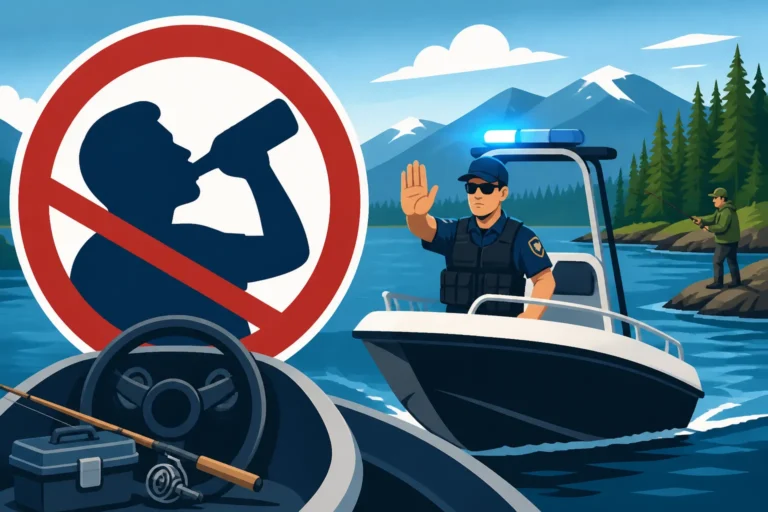
Transport Canada takes marine safety seriously, and officers from the RCMP, Canadian Coast Guard, and other provincial enforcement bodies regularly patrol BC waters. If you're caught operating a vessel without the required number of Canadian-approved, properly sized, and readily accessible PFDs for all on board, you can face substantial fines. These fines vary, but they often start in the hundreds of dollars per infraction and can quickly add up if multiple deficiencies are found.
For instance, if you have five people on your boat but only four PFDs, that’s an immediate violation. If those four PFDs are expired or not Canadian-approved, that's another set of fines. And if a PFD intended for a child is clearly too big and therefore ineffective, that also constitutes a violation. These aren't minor infractions; they reflect a serious lapse in judgment regarding safety. Beyond monetary penalties, repeated violations could lead to more severe consequences, like being ordered off the water or even facing charges if an accident occurs due to negligence. It's a risk simply not worth taking, especially when easily avoidable. Knowing your BC Fishing Regulations Explained fully helps keep you safe and legal.
Beyond the Law: Why Safety Matters Most
While avoiding fines is a good motivator, the real reason to comply with life jacket requirements goes far beyond monetary penalties. It’s about saving lives. Accidents on the water can happen in a split second: a sudden wave, an unexpected mechanical failure, a collision, or someone simply losing their balance. In many cases, there isn't time to react, let alone search for a stowed PFD.
Consider the cold waters of British Columbia. Even in the height of summer, many BC lakes and coastal waters remain frigid. Cold water shock can incapacitate a person within minutes, leading to gasping, hyperventilation, and loss of muscle control. Without a PFD to keep you afloat and help you conserve energy, survival time can be dramatically reduced. Wearing a PFD gives you those critical extra minutes to gather yourself, signal for help, and wait for rescue. It’s a small piece of equipment that provides invaluable peace of mind and significantly increases your chances of survival in an emergency. It's truly an essential piece of your BC required boat safety equipment checklist.
Proactive Safety Tips for Every BC Angler
Being prepared for the unexpected is a hallmark of a responsible BC angler. Here are some proactive steps you can take, beyond just meeting the minimum life jacket requirements, to ensure maximum safety:
- Lead by Example: If you’re the captain, wear your PFD. This sets a great example for your passengers, especially children, and encourages everyone else to do the same.
- Safety Briefing: Before leaving the dock, take a few minutes to show all passengers where the PFDs are, how to properly put them on, and emphasize that they should be worn in certain conditions (e.g., rough water, small boats, children always).
- Dress for the Water, Not the Weather: Remember that water temperatures in BC are often much colder than the air. Dress in layers that can protect against hypothermia if you end up in the water.
- File a Float Plan: Especially on longer trips or in remote areas, leave a float plan with a trusted person on shore. Include details like your vessel description, planned route, expected return time, and number of people on board.
- Check the Weather Forecast: BC weather can change rapidly. Always check the marine forecast before heading out and be prepared to alter your plans if conditions deteriorate.
- Carry Additional Safety Gear: Beyond PFDs, ensure you have other mandatory safety equipment like a sound-signaling device (whistle or horn), a bailing device or pump, a buoyant heaving line, navigation lights (if operating after sunset or before sunrise), and a functional first-aid kit.
- Emergency Contact Info: Have easily accessible waterproof bags for phones and marine radios, along with a list of emergency contacts.
By embracing these best practices, you're not just avoiding fines; you’re cultivating a robust safety culture on your boat. This commitment to safety allows everyone to fully enjoy the incredible fishing and boating opportunities that British Columbia has to offer, without unnecessary worry.
Here’s a quick overview of PFD types and their common uses:
| PFD Type | Buoyancy Type | Best Use Case | Pros | Cons | Who Should Use It |
|---|---|---|---|---|---|
| Inherent Buoyancy (Foam) | Fixed Foam | General recreational boating, fishing, paddling | Reliable, always buoyant, durable, low maintenance | Can be bulky, less freedom of movement | Most boaters, especially children, non-swimmers |
| Manual Inflatable | CO2 Cartridge | Active fishing, kayaking, competitive paddling | Slim, comfortable, excellent freedom of movement | Requires manual activation, regular inspection, rearming | Adults (16+), strong swimmers, those wanting mobility |
| Automatic Inflatable | CO2 Cartridge | Offshore sailing, extended trips, situations with risk | Inflates on immersion, slim, comfortable | Requires regular inspection, rearming, not for children | Adults (16+), strong swimmers in higher-risk scenarios |
| Lifejacket (Orange) | Fixed Foam | Offshore, rough water, commercial vessels | Maximum flotation, turns unconscious person face-up | Very bulky, uncomfortable for active wear | Offshore mariners, situations prioritizing maximum safety |
Disclaimer
Please note that while this guide provides comprehensive information on BC life jacket requirements, regulations can change. It is always the angler's responsibility to consult the most current Transport Canada and Fisheries and Oceans Canada regulations before heading out on the water. This information is for general guidance only and should not be considered legal advice.