Best leader for lingcod around structure
Oh, the mighty lingcod! If you've spent any time targeting these toothy bottom-dwellers in British Columbia's waters, you know the frustration of hooking into a monster, only to have your line part ways with a sickening snap against a jagged rock or through those formidable jaws. It's a heartbreaking experience that far too many anglers face. This guide is all about equipping you with the knowledge to pick the absolute best leader material and setup to minimize those heartbreaking break-offs when you're fishing for lingcod around all that gnarly underwater structure.
Understanding Lingcod and Their Habitat
Before we even talk about leader material, it’s crucial to truly understand the adversary and their chosen battleground. Lingcod aren't delicate eaters; they're ambush predators that inhabit some of the nastiest underwater real estate along the BC coast. They thrive in places where other fish would get torn to shreds, and that's exactly why our tackle needs to be up to the task.
The Lingcod's Toothy Grin
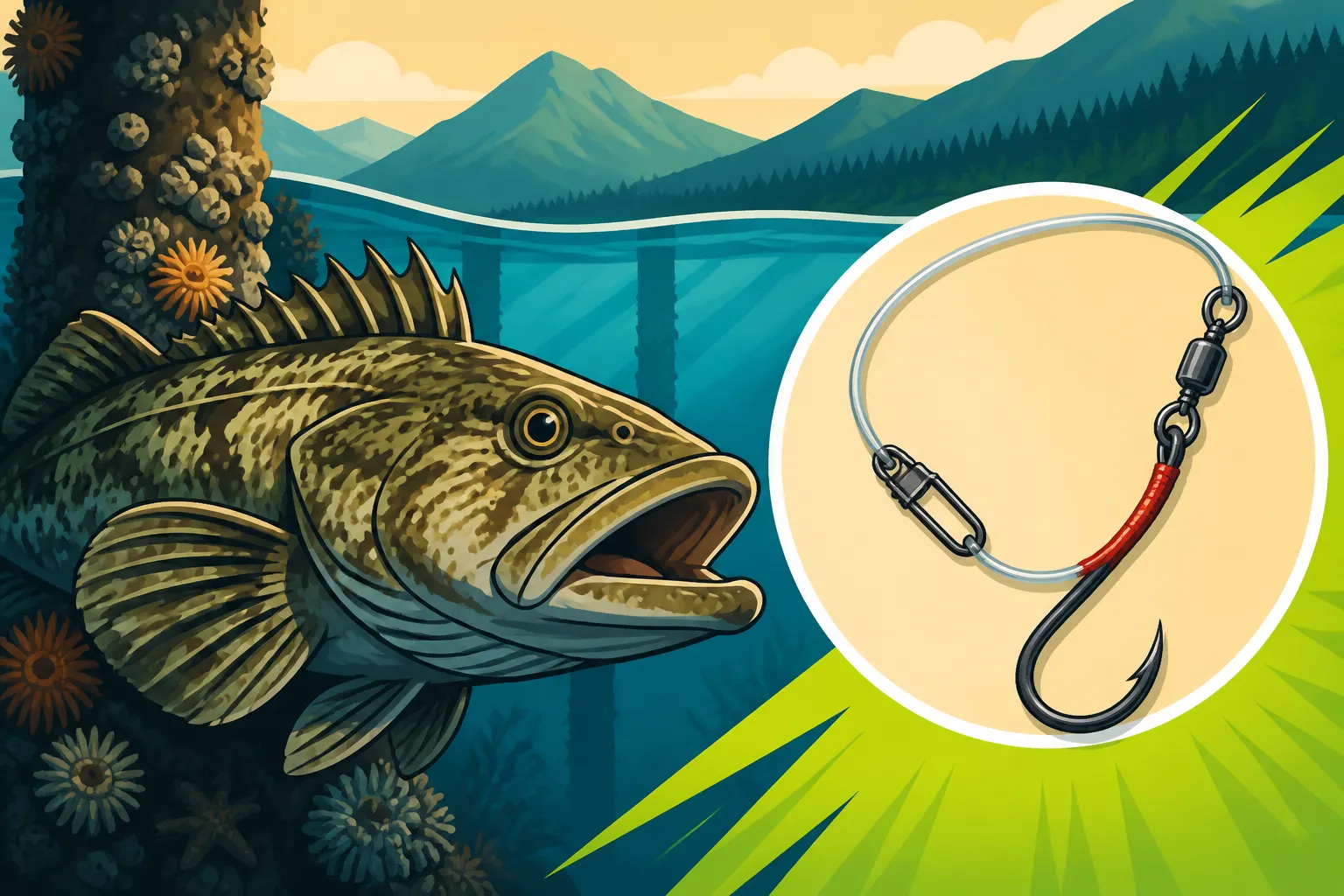
Let's get real about lingcod teeth for a second. These aren't your friendly neighbourhood trout with small, sharp nibblers. Lingcod possess a mouth full of incredibly sharp, needle-like teeth, backed up by powerful jaws. When a lingcod takes a lure or bait, they often inhale it, meaning those teeth are going to come into direct contact with your leader. If your leader isn't robust enough to withstand this, it's going to fray, weaken, and eventually snap under the immense pressure of a thrashing fish. It's not just the initial bite you have to worry about; a lingcod can roll and twist, creating more opportunities for those teeth to saw through your line. This is a primary reason why a regular monofilament main line often just won't cut it.
Beyond the initial bite, even if the hook set is perfect and bypasses the main chompers, the smaller, raspy teeth further back in their mouth can still cause significant damage during the fight. Imagine pulling sandpaper across your line repeatedly – that's what a lingcod's mouth can do. This constant abrasion against the leader is a silent killer of many a promising hook-up. So, when considering your leader, think beyond just breaking strength; consider its ability to stand up to literal chewing.
Structure: Friend and Foe
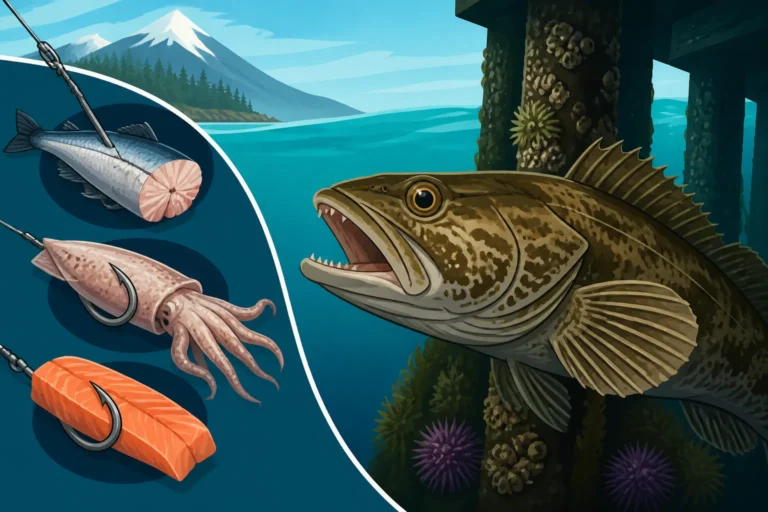
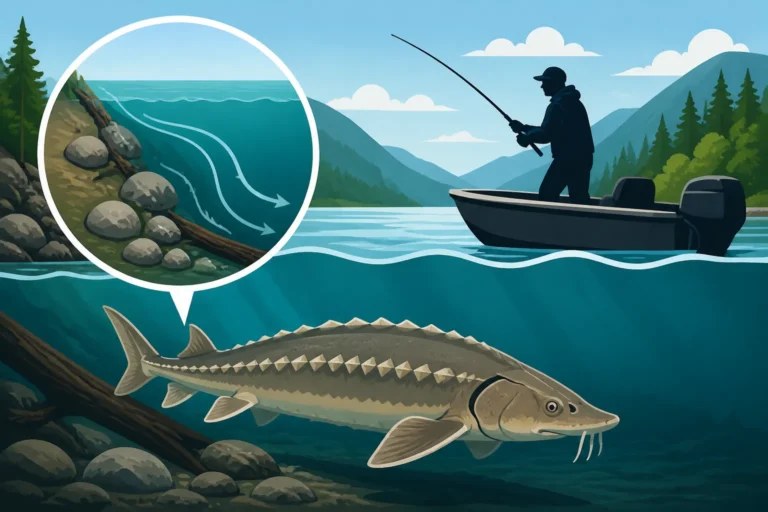
Lingcod absolutely love structure. We're talking about rocky reefs, kelp beds, rock piles, underwater pinnacles, shipwrecks, and even bridge pilings. These areas provide them with perfect ambush points to lie in wait for unsuspecting prey. They're masters of camouflage, blending into their surroundings, only to explode out when a meal presents itself. As anglers, we seek out these exact same spots because that's where the fish are.
However, this love of structure is a double-edged sword for us. While it holds the fish, it also presents an immediate danger to your line. A lingcod, once hooked, will almost instinctively try to dive back into the nearest crevice, around a jagged rock, or into a dense kelp forest. This maneuver is their escape tactic, and it often works by sawing off your line against the sharp edges of their home. You need a leader that can take this abuse and still hold strong. Fishing around structure means you're almost guaranteed to rub your line against something rough, so sheer strength isn't enough; true abrasion resistance is the name of the game.
Key Characteristics of an Effective Lingcod Leader
Choosing the right leader isn't just about grabbing the thickest line you can find. There's a balance to strike between strength, stealth, and practicality. Let's dive into what truly makes a leader effective for battling BC lingcod.
Abrasion Resistance
This is, without a doubt, the most critical factor when selecting a lingcod leader. As discussed, lingcod live in incredibly abrasive environments and have mouths full of line-shredding teeth. Your leader needs to be able to withstand constant rubbing against sharp rocks, oyster shells, barnacles, and kelp stems, all while enduring the pressure of a powerful fish fighting for its life. Without superior abrasion resistance, even a high-pound-test leader can be compromised in seconds. Think of it like this: you wouldn't send a silk thread into a rock quarry, right? You need something tough, resilient, and ready for a beating.
When you're jigging or dropping bait straight down onto a rocky reef, your leader is constantly making contact with the bottom. Every bounce, every drag over a rock, every brush against a submerged log is a potential point of failure if your leader material isn't up to snuff. This is why many anglers opt for specialized leader materials designed with enhanced durability. Even if the lingcod doesn't get its teeth directly on the line, the environment itself is trying to sever your connection. For those deep-water explorations, checking your leader frequently for nicks and frays is paramount, but starting with a highly abrasion-resistant material significantly reduces your worries.
Strength and Visibility
While abrasion resistance is key, the overall strength of your leader is also vital. Lingcod are powerful fish, and a decent one can put an incredible strain on your tackle. You'll want a leader with a breaking strength that can handle the fight, typically in the 60-100 lb test range, depending on the average size of fish in the area you're targeting and the main line you're using. However, there's a fine line to walk here. While thicker line generally means more strength, it also means more visibility in the water. Lingcod, especially in clearer waters, can sometimes be line-shy, though they are generally less finicky than other species.
The balance comes in finding a material that offers high breaking strength and excellent abrasion resistance without being so thick that it deters bites. This is where materials like fluorocarbon truly shine, offering a good compromise. Remember, a lingcod typically isn't eating a small, delicate meal; they're after substantial prey. So, while you don't want a rope, a leader that feels robust in your hands is usually a good indicator. It’s better to slightly over-size your leader in terms of strength and abrasion resistance than to continually lose fish to line failure. You can always refer to guidelines like How to Catch Lingcod off Vancouver Island for more specific advice on tackling these beasts.
Length and Connections
The length of your leader is another important consideration. Too short, and those sharp teeth or the abrasive structure could quickly reach your main line. Too long, and it can become cumbersome to cast or manage, especially on a boat, and might introduce more stretch or reduce sensitivity if you're going for extreme lengths. For most lingcod fishing around structure, a leader length of about 3 to 6 feet is a good starting point. This gives you enough buffer against the fish's teeth and the surrounding environment without being unwieldy.
When it comes to connections, strong, reliable knots are non-negotiable. Connecting your main line to your leader, and your leader to your lure or rig, must be done with precision and confidence. Knots are inherently weaker points in your line, so choosing a knot that retains a high percentage of the line's breaking strength is crucial. We'll delve into specific knot recommendations shortly, but for now, understand that a poorly tied knot can render even the best leader material useless. Think about the entire system, from your rod tip to your hook, and ensure every connection is as strong as the material it joins. This holistic approach ensures that the weak link isn't a poorly chosen length or a rushed knot.
Top Leader Material Choices for Lingcod
With a clear understanding of what lingcod demand from our tackle, let's explore the best materials available to construct a bomb-proof leader. Each has its pros and cons, and the "best" choice often depends on your specific fishing scenario and personal preference.
Fluorocarbon: The Gold Standard
If there's one material that consistently comes out on top for lingcod leaders, it's fluorocarbon. This stuff is a true game-changer. Its most significant advantage is its incredible abrasion resistance. It's much tougher than standard monofilament, meaning it can take more abuse from sharp rocks and lingcod teeth before failing. Many anglers have found that fluorocarbon leaders hold up through multiple lingcod catches, whereas mono might be trashed after one or two.
Another massive benefit of fluorocarbon is its low visibility underwater. It has a refractive index very close to that of water, making it virtually invisible to fish. While lingcod aren't always the shyest fish, giving yourself every advantage, especially in clear BC waters, never hurts. Lingcod Habits Around Structure will tell you they are ambush predators, so anything that helps your lure appear more natural is a plus. Fluorocarbon also has less stretch than monofilament, which can improve your sensitivity when fishing deep or feeling those subtle bites. You can find excellent quality fluorocarbon leader material from brands like Seaguar or Berkley, often readily available on Amazon. When choosing pound test, aim for 60 to 100 lb test, depending on the size of fish you expect and the type of main line you're using. For example, if you're running 50 lb braid, a 60-80 lb fluorocarbon leader is a solid choice.
Monofilament: A Viable Alternative
While fluorocarbon gets most of the glory, good quality monofilament (mono) still has its place, especially for anglers on a budget or those who prefer its specific characteristics. The main advantages of monofilament are its knot strength (it's very easy to tie strong, reliable knots), its shock absorption (due to its stretch, it can act like a shock absorber when a big lingcod makes a sudden run), and its generally lower cost. It's also more buoyant than fluorocarbon, which can be an advantage in certain presentations, though less critical when bottom fishing for lingcod.
However, monofilament's biggest drawback for lingcod is its lower abrasion resistance compared to fluorocarbon. While heavy mono in the 80-120 lb test range can certainly catch lingcod, it will nick and fray much faster when dragged over sharp structure or exposed to those lingcod teeth. If you opt for monofilament, be prepared to check your leader very frequently for any signs of wear and re-tie often. It’s also more visible underwater than fluorocarbon, which might be a minor consideration depending on water clarity. Still, if you're targeting actively feeding lingcod in murkier water or just starting out, a thick, strong monofilament leader can certainly do the job. Many tackle shops and even larger online retailers like Amazon carry various mono leader options.
Wire Leaders: When and Why to Consider Them
"Wire leader for lingcod? Really?" you might ask. It's certainly not the most common choice, but there are specific scenarios where a short section of wire leader can be incredibly effective, especially if you're consistently losing fish to bite-offs. If you find yourself in a situation where lingcod are aggressively attacking your lure, and their teeth are repeatedly severing even your heavy fluorocarbon, a short, heavy-duty wire leader might be the answer.
The primary benefit of wire is, of course, its absolute resistance to bite-offs. Those lingcod teeth simply can't cut through it. However, wire leaders come with their own set of considerations. They are highly visible, which could deter some fish, although lingcod are typically not that leader-shy. They also lack the flexibility of mono or fluoro, which can sometimes impact the natural presentation of your lure. Most anglers who use wire for lingcod will use only a very short section – typically 6-12 inches – crimped to a heavier fluorocarbon or monofilament leader. This gives you the bite protection where it's most needed, near the hook, while maintaining some stealth and flexibility for the rest of your leader. This approach is more common if you're also worried about other toothy predators like sharks or certain types of rockfish that might be in the same area.
Here's a quick comparison of these leader types:
| Leader Material | Abrasion Resistance | Visibility (Underwater) | Knot Strength | Stretch | Cost | Best Use Case |
|---|---|---|---|---|---|---|
| Fluorocarbon | Excellent | Very Low | Good | Low | Moderate to High | All-around best for lingcod in most conditions |
| Monofilament | Good | Moderate | Excellent | Moderate | Low | Budget-friendly, good shock absorption, easy to tie |
| Wire (Short Section) | Superior | High | Excellent | Very Low | Moderate | Extreme bite-off protection, target highly aggressive fish |
Rigging Up for Success: Practical Tips
Having the best leader material is only half the battle. How you connect it, maintain it, and integrate it into your overall setup can make all the difference between landing that trophy lingcod and losing it.
Knot Selection
A knot is only as strong as the person who ties it, and for lingcod fishing, you need knots that boast exceptional strength retention. For connecting your braided main line to your fluorocarbon or heavy monofilament leader, the FG knot is widely regarded as one of the strongest and slimmest. It passes through rod guides smoothly and retains nearly 100% of the main line's strength. It can be a bit tricky to learn, but it's worth the practice. Another strong alternative is the Double Uni knot, which is easier to tie but creates a slightly larger knot.
When connecting your leader to your jig or lure, a Palomar knot or an improved Clinch knot are excellent choices for strength and reliability. For very heavy leaders (80lb+), some anglers opt for a San Diego Jam knot, which is also very strong. The key is to practice these knots until you can tie them quickly and correctly, even on a rocking boat. Always moisten your knots with saliva before tightening to reduce friction and heat, which can weaken the line. After tightening, always give it a good, hard tug to ensure it seats properly. For more detailed knot advice, looking up a guide on How to Fish a River for Chinook Salmon will provide transferable knowledge on knot tying for powerful fish.
Leader Maintenance
This might sound obvious, but it's a step many anglers overlook: constantly inspect your leader! After every fish, especially a lingcod, and after a few drifts over heavy structure where you've felt your line rubbing, run your fingers carefully along the length of your leader. Feel for any nicks, abrasions, or rough spots. Even a small imperfection can compromise the integrity of your line and lead to a break-off on the next fish. It’s cheap insurance to re-tie your leader at the first sign of wear.
Think of it like checking your car's tires; you wouldn't drive on a visibly damaged tire, would you? The same logic applies to your fishing leader. If you notice any damage, cut off the compromised section and re-tie, or replace the entire leader if necessary. This proactive approach saves you from the despair of losing a prize lingcod because you neglected a simple check. Being meticulous here means you're always fishing with confidence in your tackle.
Swivels and Snaps
The use of swivels and snaps can greatly enhance your lingcod fishing experience, but they need to be chosen wisely. Heavy-duty barrel swivels or ball bearing swivels are excellent for preventing line twist, especially when jigging or using lures that spin. They also provide a convenient point to connect your main line to your leader. The key here is to match the swivel's breaking strength to or exceed that of your main line and leader. Don't cheap out on swivels; a weak swivel is just another point of failure.
Snaps, especially heavy-duty snap swivels, are fantastic for quickly changing out jigs or lures without having to re-tie your leader every time. This can be a huge time-saver when you're trying different presentations or when your lure gets snagged and you need to rig up quickly. Again, ensure the snap's breaking strength is adequate. Avoid flimsy snaps that can bend or break under the strain of a powerful lingcod. Quality components are an investment that pays off in landed fish. You might find some excellent options for strong swivels and snaps from fishing supply retailers, including a good selection on Amazon, which can hold up to the demands of lingcod fishing. Remember, every component in your setup is a link in the chain, and that chain is only as strong as its weakest link.
Disclaimer
This article is for general informational purposes only and does not constitute professional advice. Laws, prices and regulations vary by location and change over time. Consult a qualified professional for guidance on your specific situation.