Cold Front Fishing Tactics for BC Trout
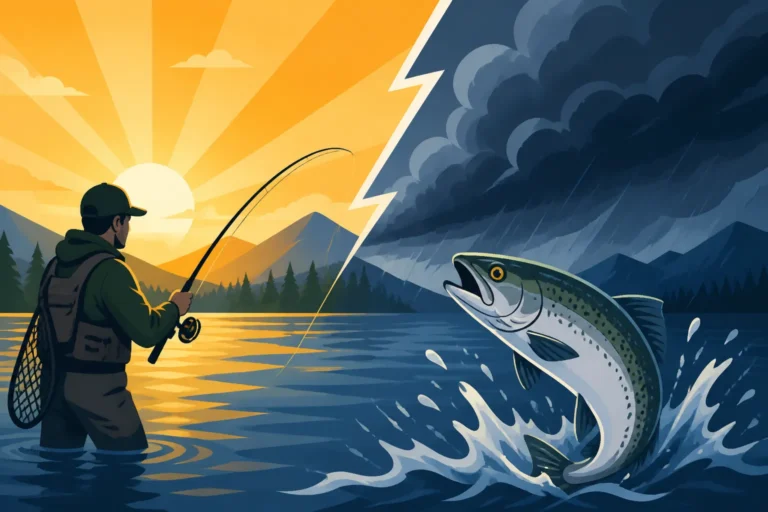
There's nothing quite like the anticipation of a day on the water, only to wake up to a sudden drop in temperature, a blustery wind, and that heavy, oppressive feeling in the air that signals a cold front has moved in. Many anglers simply pack it in, figuring the fishing will be terrible. But here in British Columbia, with our diverse waters and resilient trout populations, a cold front doesn't have to mean a ruined trip. This guide will walk you through understanding how these weather shifts impact trout and equip you with the specialized tactics you need to still find success, even when the weather isn't cooperating.
Understanding the Dynamics of a Cold Front
A cold front isn't just about a drop in temperature; it's a complex atmospheric event that brings a suite of changes, all of which can drastically influence fish behavior. For us trout anglers in BC, recognizing these signs and understanding their implications is the first step to adapting our approach.
What Defines a Cold Front
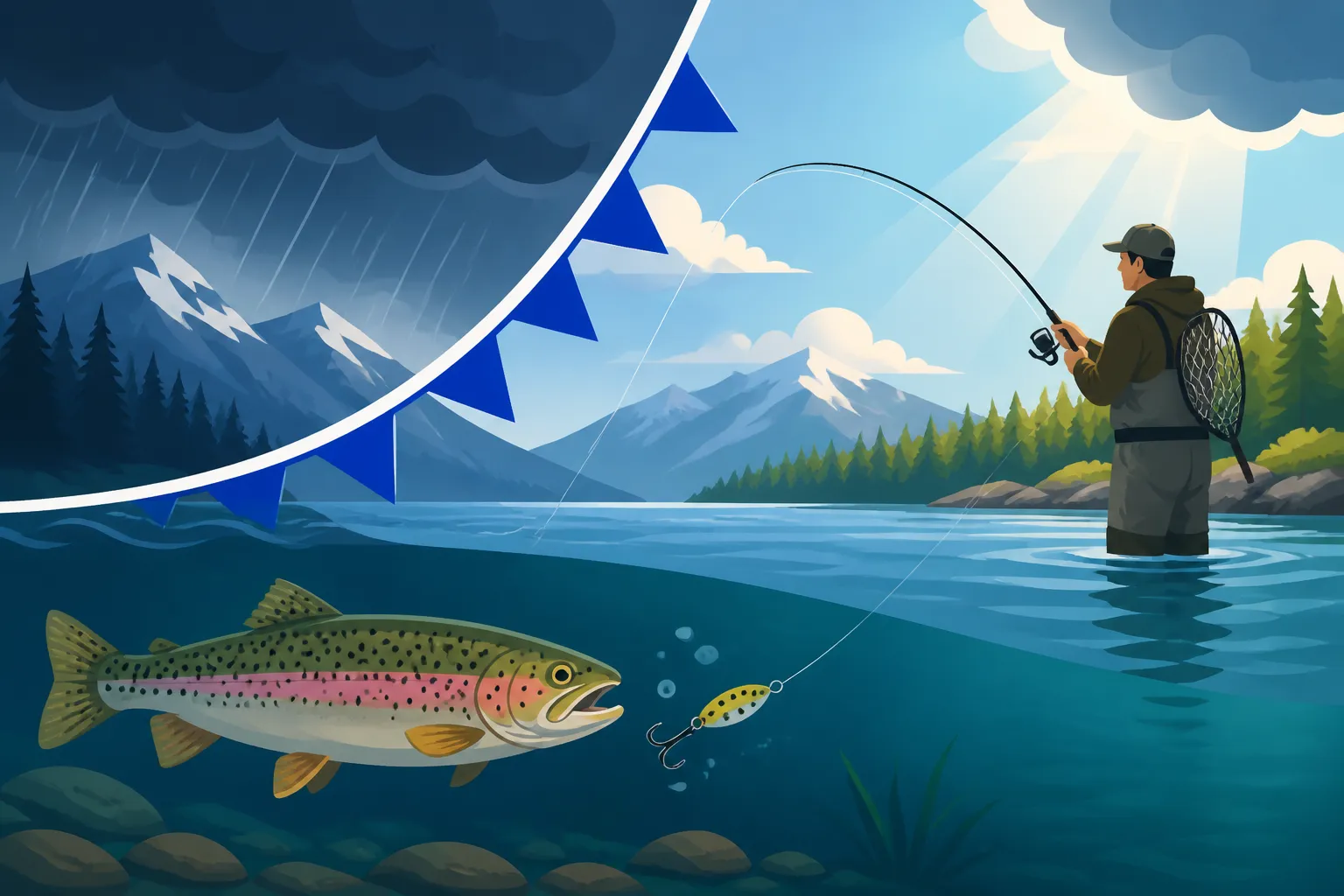
At its core, a cold front is the leading edge of a cooler mass of air replacing a warmer mass of air. It’s often characterized by a noticeable shift in weather patterns. Before the front hits, you might experience warm, humid conditions, possibly with increasing cloud cover and southwesterly winds. As the front passes, temperatures can plummet, the wind often shifts to the northwest, and precipitation can range from heavy rain to snow, depending on the season and elevation. The air often feels crisp and clean after the front, but it’s the transition period and the immediate aftermath that are most challenging for fishing.
This change isn't just something we feel on our skin; it's a profound shift in the environment for everything living in it, including our beloved trout. Imagine the water temperature dropping several degrees in a short span, or the air pressure changing dramatically. These are not subtle cues for a fish. It's a fundamental change that often sends them into a state of shock or extreme caution, making them much less likely to actively feed or move about freely.
The Impact on Barometric Pressure
Perhaps the most significant, yet invisible, factor accompanying a cold front is the change in barometric pressure. Before a cold front arrives, the barometric pressure typically falls. This falling pressure period is often considered one of the best times to fish, as fish often feed aggressively, sensing the impending weather change. However, as the cold front passes and settles in, the barometric pressure rises sharply and then remains high and stable. This high-pressure system, which follows a cold front, is what often puts fish off the bite.
Fish, especially trout, are incredibly sensitive to these pressure changes because their swim bladders are directly affected. During a period of rapidly rising or stable high pressure, fish often feel uncomfortable. It can make them feel "heavy" or cause discomfort in their internal organs, leading them to seek deeper water where the pressure stabilizes, or to simply become lethargic and less inclined to chase prey. This isn't just a theory; it's a biological response that anglers have observed for centuries. For us, it means that the trout aren't necessarily gone, but their comfort zone has shifted, and their willingness to expend energy on feeding has significantly decreased. You might want to brush up on How barometric pressure affects BC salmon fishing for a broader understanding of this phenomenon across different species.
How Cold Fronts Alter Trout Behavior
When a cold front sweeps through British Columbia, the dramatic shift in atmospheric conditions doesn't just make us humans shiver; it sends a clear signal to the aquatic world. Trout, being cold-blooded creatures, are acutely sensitive to changes in their environment, and a cold front triggers a cascade of behavioral modifications that anglers need to understand to maintain any hope of success.
Reduced Feeding Activity
The most noticeable impact of a cold front on trout is a dramatic reduction in their feeding activity. It’s not that they stop eating entirely, but their metabolism slows down significantly. Think of it like a human wanting to curl up with a blanket and a warm drink during a cold snap, rather than running a marathon. Trout exhibit a similar instinct to conserve energy. The sudden drop in water temperature, coupled with the high barometric pressure, makes them less inclined to chase or actively hunt prey.
Instead of patrolling open water or aggressively striking at anything that moves, they become much more lethargic and opportunistic. They'll often hold tight to cover, conserving energy, and will only expend effort for an easy meal presented directly in front of them. This means your typical fast-paced retrieves or flashy presentations that work so well on a sunny day will likely be ignored. The key here is presenting a meal that requires minimal effort on the fish’s part to consume. Understanding what water temperature trout prefer can further illuminate why these changes occur.
Seeking Deeper Water and Cover
With the discomfort of rapidly changing or stable high pressure, and the sudden drop in surface water temperatures, trout will instinctively seek refuge in deeper, more stable environments. Deeper water offers more consistent temperatures and provides a buffer against the atmospheric pressure changes, making them feel more comfortable. This is why targeting those shallow, sun-warmed bays that were teeming with fish yesterday might be a waste of time today.
Additionally, trout become much more reluctant to leave the safety of structure or cover. They’ll hunker down near submerged logs, rock piles, weed beds, undercut banks, or in the deeper sections of a river, close to the bottom. This cover provides not only a sense of security from predators but also a thermal refuge and a consistent pressure zone. When fishing a lake, this could mean moving from casting towards the shore to focusing on drop-offs or deeper sections where you might usually troll. Similarly, on a river, those fast, open runs might be barren, while the deeper pools and slow eddies hold fish tight to the bottom.
Increased Sensitivity and Caution
Cold fronts also make trout incredibly sensitive and cautious. The clear skies and bright sun that often follow a cold front might seem pleasant to us, but for a wary trout, it means increased light penetration and greater visibility to predators, including us anglers. This heightened wariness, combined with their already reduced feeding drive, makes them much harder to fool.
Every little disturbance, from a shadow cast over the water to heavy footfalls on the bank, can send them deeper into cover. They become pickier about their food choices, scrutinizing baits and lures much more closely. This means your presentation needs to be as subtle and natural as possible. Lighter lines, smaller baits, and a more delicate approach become absolutely critical. The boisterous approach that works when fish are actively feeding will only spook these skittish trout during a cold front.
Gear and Tackle Adjustments for Cold Front Conditions
Angling success during a cold front in British Columbia hinges on a willingness to adjust your gear and tackle significantly. You can't just stick with your standard setup and expect to tempt these notoriously finicky fish. It’s all about subtlety, finesse, and presenting the most appealing, least threatening offering possible.
Opting for Lighter Lines and Smaller Lures
When trout are feeling the effects of a cold front, they become incredibly line-shy and hesitant to strike at anything that looks unnatural or requires too much effort. This is where moving to lighter fishing lines becomes paramount. Instead of your usual 6-8lb test monofilament or fluorocarbon, consider dropping down to 4lb or even 2lb test. Fluorocarbon, in particular, is an excellent choice as it's nearly invisible underwater and has less stretch, allowing you to feel those incredibly subtle bites. Many anglers swear by high-quality fluorocarbon leaders during these tough conditions, which you can find readily available on Amazon from brands like Seaguar or Berkley.
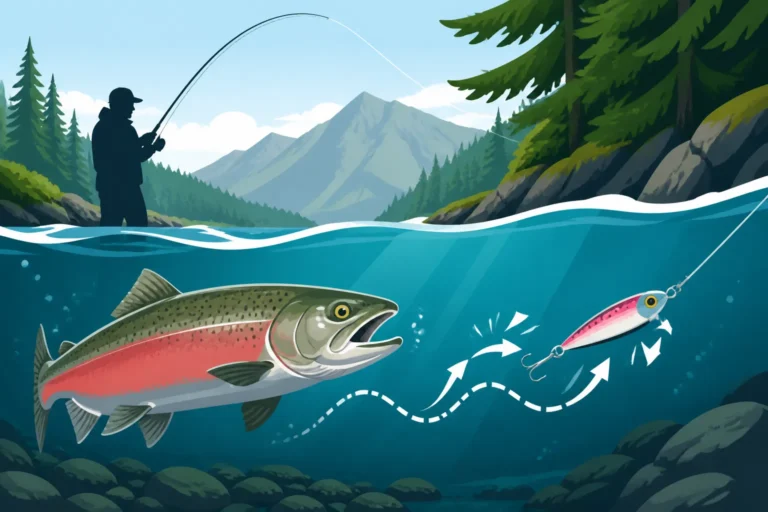
Accompanying the lighter line, your lures and baits also need a significant downsize. Forget those larger spoons, spinners, or oversized flies. Think small. Tiny inline spinners like a #0 or #1 Mepps or Panther Martin, micro jigs (1/32 to 1/16 oz), small twitch baits, or even bare hooks with natural bait become your best friends. For fly anglers, this means scaling down your nymphs and wet flies to sizes #16-#20, or even smaller, imitating the tiny invertebrates that might still be active. The goal is to present something bite-sized and effortless for the trout to consume, minimizing any perceived threat.
Specialized Baits and Scents
During a cold front, trout are often less inclined to actively pursue prey, meaning your presentation needs to be as enticing and natural as possible, almost begging them to bite. This is where specialized baits and strong scents really shine. Natural baits are often king in these conditions. Live worms, small mealworms, or salmon eggs are excellent choices as they provide a natural scent and appearance that's hard for a lethargic trout to resist. A small piece of PowerBait or similar scented dough bait, fished slowly or on the bottom, can also be very effective, especially for stocked rainbow trout.
For lure and fly anglers, incorporating scent can be a game-changer. There are many commercially available fish scents that can be applied to soft plastics, jigs, or even flies. These scents, often garlic, anises, or crawfish-based, mask any unnatural odors from your hands or tackle and provide an additional attractive element that can trigger a strike from a hesitant trout. A tiny dab of scent on a micro jig or a nymph can be the difference between getting a bite and going home empty-handed. Remember, the goal is to make the offering as irresistible and non-threatening as possible, appealing to a trout's primal feeding instincts even when they're sluggish.
Specific Fishing Techniques for Cold Front Success
When a cold front has got the trout feeling shy, you can't rely on your usual tactics. This is a time for finesse, patience, and a deep understanding of how to present your offerings in a way that coaxes a bite out of even the most reluctant fish. It’s a complete shift in strategy, and mastering these specific techniques will significantly increase your odds of success.
Slow and Subtle Presentations
The biggest mistake anglers make during a cold front is continuing to fish aggressively. Trout, with their slowed metabolism and heightened caution, are simply not interested in chasing down a fast-moving meal. Your presentations need to be agonizingly slow and incredibly subtle.
For spinning gear, this means using a very slow retrieve with your small spinners or jigs, often with pauses. Let your bait sink all the way to the bottom, then lift it gently, allowing it to flutter back down. Sometimes, just letting a worm or a small piece of PowerBait sit motionless on the bottom, perhaps with a very slow drift in a river, is all it takes. For fly anglers, this translates to dead-drifting nymphs or wet flies with impeccable drag-free drifts, allowing them to tumble naturally with the current close to the bottom. Even a slight hint of drag can send a wary trout packing. When targeting Rainbow Trout Fishing in BC, especially in smaller lakes and ponds, this slow approach can be particularly effective when they are hugging structure.
Targeting Deeper Water and Structure
As discussed, trout will retreat to deeper, more stable water and tight cover during a cold front. Your techniques must, therefore, be designed to get your bait or lure down to their level and keep it there.
In lakes, this often means focusing on drop-offs, submerged humps, weed lines, and rocky points that lead to deeper water. If you're fishing from a boat, a depth finder becomes an invaluable tool to locate these thermal refuges. Consider using split shot or small sinkers to ensure your bait reaches the bottom quickly and stays there. For example, if you're trying Trolling Techniques for BC Lake Trout, you might need to add more weight or use a downrigger to get your lure into the cold, deeper thermocline where fish are holding. From shore, target areas where the bank drops off steeply into deeper water.
In rivers, focus on the deepest pools, slow eddies, and undercut banks. These areas provide current breaks and cover where trout can hold without expending too much energy. Employ techniques like bottom-bouncing with jigs or weighted baits, or tight-line nymphing for fly anglers, ensuring your presentation is constantly ticking along the riverbed. Remember, during a cold front, trout aren't cruising; they are hunkered down, and you need to bring your offering directly to them.
Fishing During the Warmest Part of the Day
While a cold front generally puts a damper on fishing, there are often brief windows when trout might become slightly more active. This typically occurs during the warmest part of the day, usually mid-afternoon, when the sun has had a chance to slightly warm the shallowest areas or stimulate a tiny bit of insect activity. Even a subtle rise in water temperature can be enough to trigger a short feeding burst.
Plan your fishing trips around these windows. If you’re heading out, aim to be on the water from late morning through mid-afternoon. While you should still employ slow and subtle tactics, you might find trout slightly more willing to move a short distance for a meal during this time. Keep an eye on the thermometer – if the water temperature ticks up even a degree or two, it can make a noticeable difference. It’s a good idea to check local BC Fishing Season Dates and Closures and Best Time of Year to Fish in BC information to coincide your trip with generally more favorable conditions, even if a cold front temporarily shifts them.
Picking the Right Waters During a Cold Front
Choosing where to fish is just as crucial as how you fish when dealing with the aftermath of a cold front. Not all waters react the same way, and some offer inherently better odds for trout anglers in British Columbia. Being strategic about your location can make all the difference between a frustrating day and a successful one.
Smaller, Deeper Lakes and Ponds
During a cold front, smaller, deeper lakes and ponds often offer more consistent fishing than vast, open bodies of water or larger rivers. The smaller volume of water, especially in deeper lakes, means that temperature stratification might be less affected by surface cold, or at least the deeper zones remain more stable. Trout in these environments can retreat to their comfortable depths more easily without having to travel long distances.
Furthermore, smaller lakes and ponds often have more distinct structure that trout can hug for cover and thermal stability. Look for areas with sudden drop-offs, submerged timber, or deep weed lines. These locations provide refuge from the cold and the high pressure. On the other hand, shallow, wide-open lakes can cool down rapidly and offer little in the way of deep refuge, making fishing much tougher. Familiarizing yourself with Best Fishing Lakes in British Columbia can help you identify these prime cold-front locations.
Rivers with Stable Flows and Deep Pools
While rivers can be tricky during a cold front due to fluctuating water temperatures, those with stable flows and abundant deep pools can still offer excellent opportunities. Larger, stable river systems like the Fraser River or Kootenay River, for instance, have a massive water volume that is less prone to rapid temperature swings compared to smaller freestone streams. Trout in these rivers will congregate in the deepest, slowest pools, especially those with overhead cover like undercut banks or log jams.
Avoid fast-flowing, shallow sections and focus your efforts on the calmer, deeper stretches. If you're fishing a river that’s prone to flashy temperature drops, you might find better success closer to its source, or sections fed by spring-fed tributaries, which maintain a more consistent water temperature. Always consult the Reading the BC Freshwater Fishing Regulations Synopsis for any specific river regulations before heading out, as special rules often apply to specific sections or species.
Sheltered Bays and Inlets
On larger lakes or even coastal tidal waters where sea-run trout might be present, sheltered bays, coves, and inlets can provide crucial refuge during a cold front. These areas are often protected from the brunt of cold winds and can sometimes hold slightly warmer water due to less exposure or unique topography. The calmer waters also mean less energy expenditure for fish trying to hold their position.
Look for bays that have deep sections, submerged structures, or dense aquatic vegetation. These features offer both thermal stability and important cover. While the main body of the lake might be a bust, a quiet, protected bay could still be holding a few active fish. The same principles apply to areas where feeder streams or springs enter a larger lake, as these can create localized warmer water pockets that attract trout seeking comfort.
Safety Considerations and Best Practices
Fishing during or immediately after a cold front isn't just about catching fish; it's also about staying safe and respecting the environment. The very conditions that make trout lethargic can also create hazards for anglers.
Dressing for the Conditions and Hypothermia Prevention
This might seem obvious, but it bears repeating: dress in layers! British Columbia weather can be unpredictable, and a cold front can bring surprisingly bitter temperatures, especially with wind chill. Hypothermia is a serious risk, even on days that don't feel that cold. Wear moisture-wicking base layers, insulating mid-layers (fleece or down), and a waterproof, windproof outer shell. A good pair of insulated, waterproof boots, gloves, and a warm hat are non-negotiable.
Always bring extra clothes, even if you don't think you'll need them. If you take an unexpected dip or get caught in a sudden downpour, dry clothes can be a lifesaver. Pack a thermos with a hot beverage like coffee or tea to help keep your core temperature up. Staying nourished with high-energy snacks is also crucial to maintain your body heat. Never underestimate how quickly cold and damp conditions can lead to hypothermia, particularly when you're stationary and focused on fishing. For those considering getting out on the water in a boat, it’s vital to understand Life Jacket Requirements for BC Boaters and ensure all passengers have appropriate personal flotation devices.
Checking Weather Forecasts and Water Levels
Always, and I mean always, check the detailed weather forecast before heading out, paying close attention not just to temperature, but also wind direction, wind speed, and precipitation. A sudden increase in wind can make conditions on larger lakes dangerous, creating choppy waters and making boat control difficult. Strong winds also make casting challenging and can significantly drop the "feels like" temperature.
For river anglers, pay close attention to water levels and clarity. A cold front often brings heavy rain or snowmelt, which can cause rivers to rise rapidly and become unfishable due to turbidity. Conversely, prolonged cold can lead to stable, but very low and clear water, which further increases fish wariness. Use online resources, local fishing reports, or even call a local tackle shop to get the most up-to-date conditions before you leave home. This proactive approach ensures you're not driving for hours only to find unfishable conditions.
Practicing Ethical Angling
During cold front conditions, fish are under significant stress, making ethical angling practices even more critical. If you're practicing catch and release, handle fish minimally and gently. Their recovery time might be longer in cold water, and they’ll be more susceptible to stress. Avoid fishing for extended periods if you notice fish are particularly lethargic or exhibiting signs of distress.
Always be aware of BC Fishing Regulations Explained and any special rules, such as BC Catch and Release Only Waters. Sometimes, specific species or waters may have closures or restrictions during certain times of the year, especially for sensitive populations like steelhead. Adhering to these regulations helps protect our precious fisheries, ensuring there are plenty of trout for future generations to enjoy, regardless of the weather. For all your general fishing needs, whether it's a new pair of waders or specific lures, remember to check Amazon for competitive prices and wide selection.
| Factor | Pre-Cold Front (Falling Pressure) | During/Post-Cold Front (Rising/High Pressure) | Angler Adjustment |
|---|---|---|---|
| Barometric Pressure | Falling, often rapidly | Rising then high and stable | Focus on subtle, deep presentations; fish deeper |
| Water Temperature | Stable or slightly rising | Rapidly dropping | Target deep, stable thermal zones; slow metabolism |
| Trout Activity | Active, aggressive feeding | Lethargic, reduced feeding, holding tight to cover | Slow retrieves, small baits, precise placement |
| Trout Location | Cruising open water, shallow feeding | Deeper water, tight to structure/cover | Fish drop-offs, submerged features, deep pools |
| Best Presentation | Faster retrieves, larger baits | Slow, subtle, finesse; natural baits/scents | Light line, small lures/flies, scent, soft plastics |
| Visibility | Varies | Often clear and bright post-front (more wary fish) | Use fluorocarbon leader, avoid spooks, long casts |
| Overall Mood | Opportunistic, chasing | Cautious, picky, conserving energy | Extreme patience, minimal disturbance, warm gear |
Disclaimer
The information provided in this guide is for general informational purposes only and is not a substitute for official regulations. Fishing regulations in British Columbia can change frequently. Always consult the most current British Columbia Freshwater Fishing Regulations Synopsis or Fisheries and Oceans Canada (DFO) regulations for tidal waters before heading out. It is the angler's responsibility to know and follow all applicable rules and regulations.